In the heart of Lancaster County, one remarkable museum preserves more than a century of American railroad history through towering locomotives, beautifully restored railcars, and immersive exhibits that captivate visitors of every age. Guests come to marvel at massive steam engines, explore interactive displays, discover rare railroad artifacts, walk through recreated historic settings, and experience one of the country’s finest collections of historic trains. It’s the kind of place where every exhibit reveals another incredible chapter in America’s transportation story.
The experience extends far beyond the locomotives. Interactive family attractions, active restoration projects, historic railroad artifacts, educational exhibits, special events, and one of the nation’s largest collections of preserved rolling stock have made this one of Pennsylvania’s premier museums. Whether you’re a lifelong railroad enthusiast or simply looking for a memorable family adventure, it’s easy to understand why visitors return again and again.
Here’s why the Railroad Museum of Pennsylvania has become one of the Keystone State’s most celebrated attractions and one of America’s greatest places to experience the history of the railroad.
A Grand Address in the Heart of Lancaster County
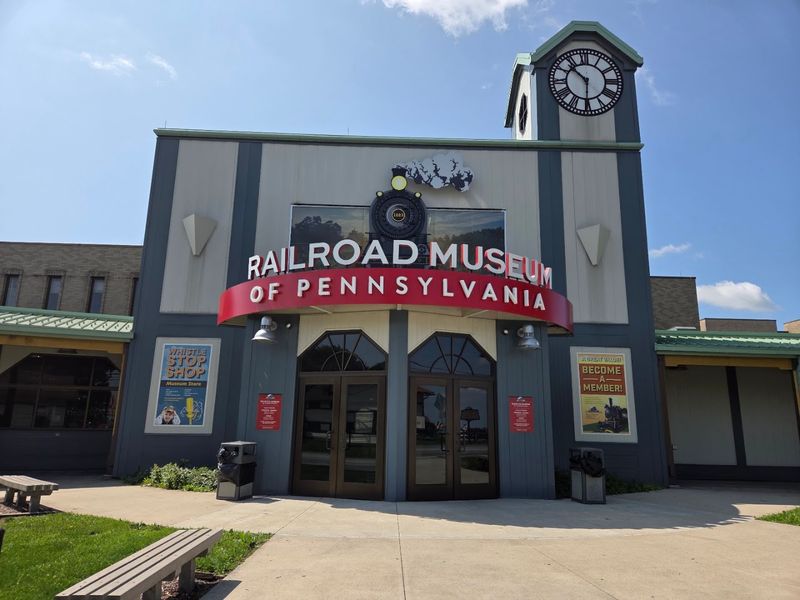
The Railroad Museum of Pennsylvania sits at 300 Gap Road, Strasburg, PA 17579, right in the middle of one of the most historically rich corners of Lancaster County. Getting there is straightforward, and the surrounding countryside makes the drive itself feel like a preview of the history you are about to encounter.
Strasburg is a small, quietly charming town where the pace slows down and the past feels genuinely close. The museum’s building is substantial and immediately signals that this is no ordinary local history stop. You can see it from the road, and the scale of the structure alone hints at what is waiting inside.
The parking area is large, though on popular event days it fills quickly, so arriving early is a smart move. The museum is open Wednesday through Saturday from 10 AM to 4 PM and Sunday from noon to 4 PM, with last entry at 3:30 PM. Plan to stay for at least two to three hours.
How This Remarkable Institution Came to Be
The story behind this museum is as compelling as the collection it houses. In 1963, the Pennsylvania state legislature passed an act to preserve the commonwealth’s railroading heritage, which was a bold and forward-thinking move at a time when many historic locomotives were simply being scrapped.
The site in Strasburg was selected in 1965, and throughout the late 1960s, locomotives and railcars began arriving, including priceless pieces from the Pennsylvania Railroad’s historical collection that had originally been displayed at the 1939 to 1940 New York World’s Fair. Those pieces were relocated here in 1969, giving the museum an extraordinary foundation before it even opened its doors.
The formal public opening came on April 1, 1975, and that date carries a distinction worth noting: this was the first structure in North America built specifically as a railroad museum. That founding ambition still shapes everything about how the museum operates and grows today, making its origin story as impressive as its exhibits.
The Rolling Stock Hall: Where Giants Live Indoors
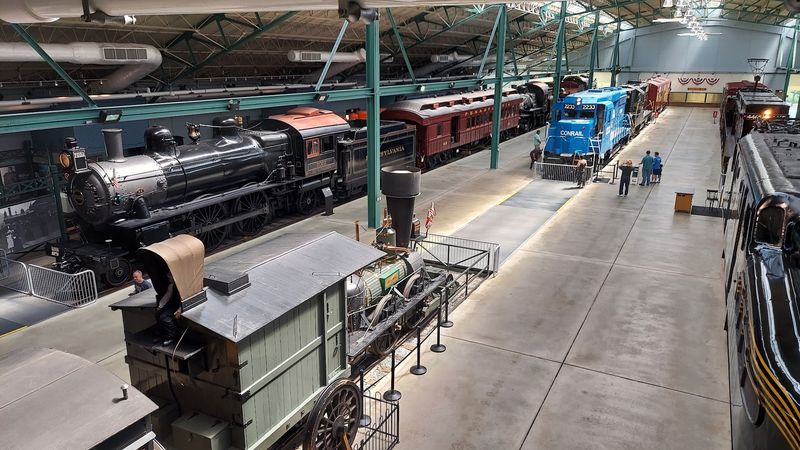
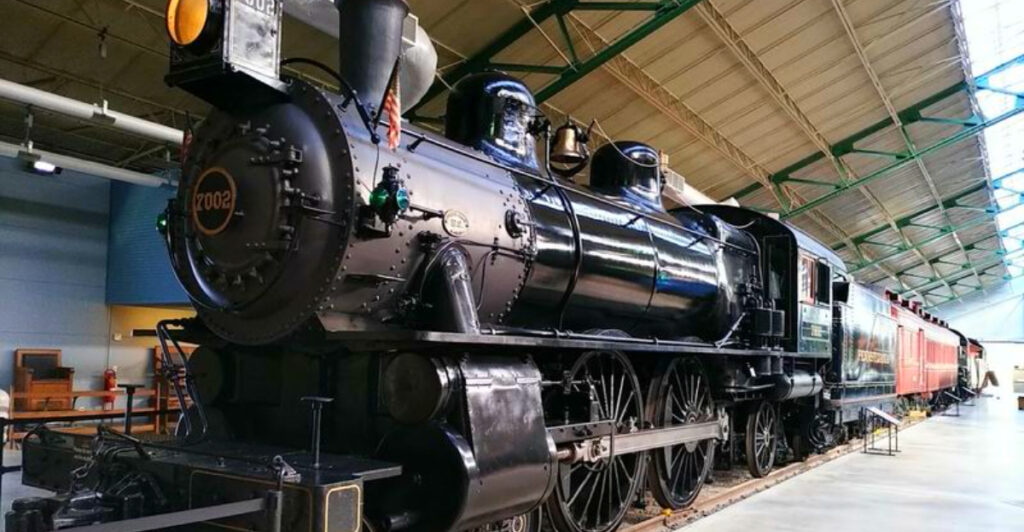
Nothing quite readies you for the moment you walk into the Rolling Stock Hall. The ceiling soars overhead, the space stretches out in every direction, and lined up before you are some of the most powerful machines ever built on American soil. The sheer size of each locomotive is almost disorienting at first.
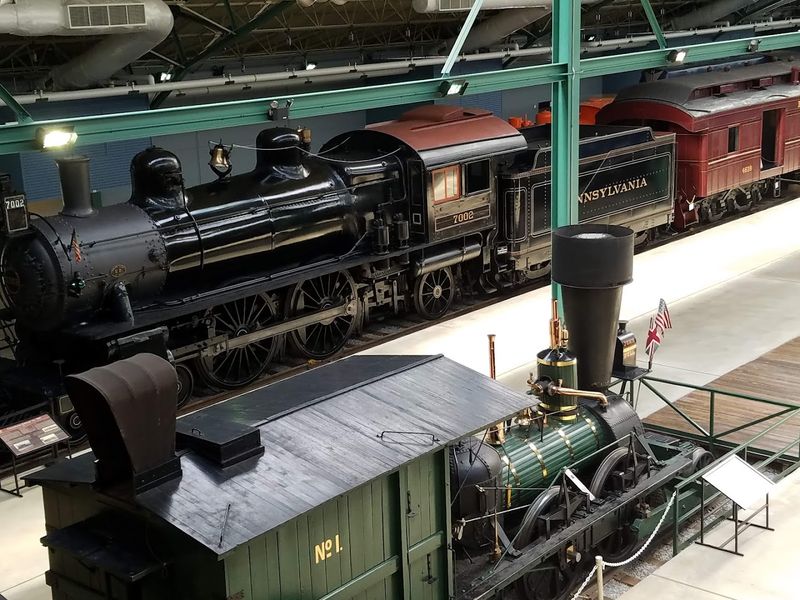
This climate-controlled hall covers 100,000 square feet of indoor exhibit space and houses the core of the museum’s collection of over 100 locomotives and railcars. Steam engines, electric locomotives, and diesel units stand in careful arrangement, each one restored and labeled with detailed historical context that makes the experience genuinely educational rather than just visually impressive.
An observation bridge spans the hall from above, offering a bird’s-eye view of the entire lineup that is worth every step of the climb. From up there, the scale of the collection becomes even more apparent, and you start to understand why visitors routinely spend two to four hours here without feeling rushed. There is always one more detail to notice.
Walking Under a 75-Ton Steam Engine
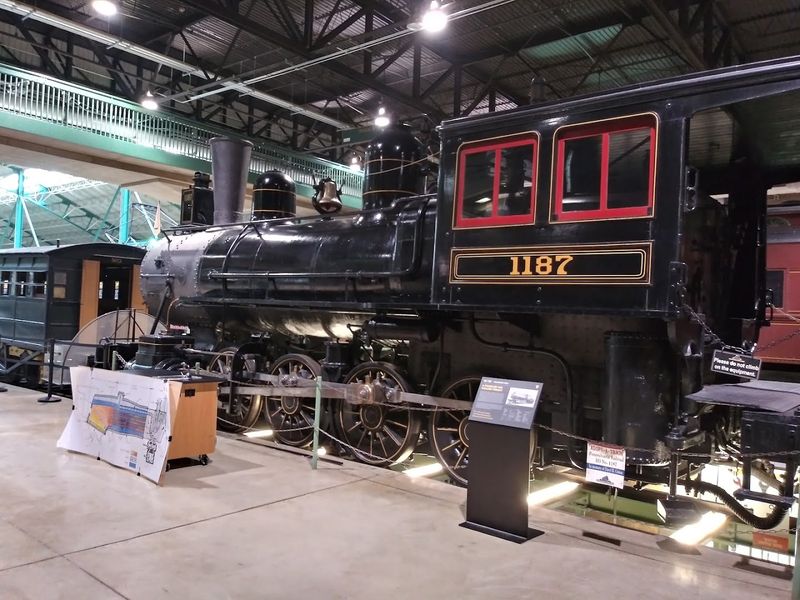
One of the most unexpectedly thrilling moments in the entire museum happens beneath a locomotive rather than beside one. The PRR No. 1187, built in 1888 and the oldest Pennsylvania Railroad locomotive in the collection, is displayed over an open pit that visitors can walk through to see the engine’s underside.
That experience is genuinely hard to describe. You are standing underneath 75 tons of iron and steel, looking up at the mechanical complexity that made these machines run. The rods, the wheels, the framework, all of it becomes real in a way that no photograph or placard could ever communicate on its own.
Most museums keep their exhibits behind barriers. Here, they literally let you go underneath one. It is the kind of hands-on access that reminds you this place was designed to create lasting impressions, not just fill a building with objects. That pit alone is worth the price of admission, and it tends to be the moment visitors remember most vividly long after they leave.
The Lindbergh Engine and Other Celebrated Stars
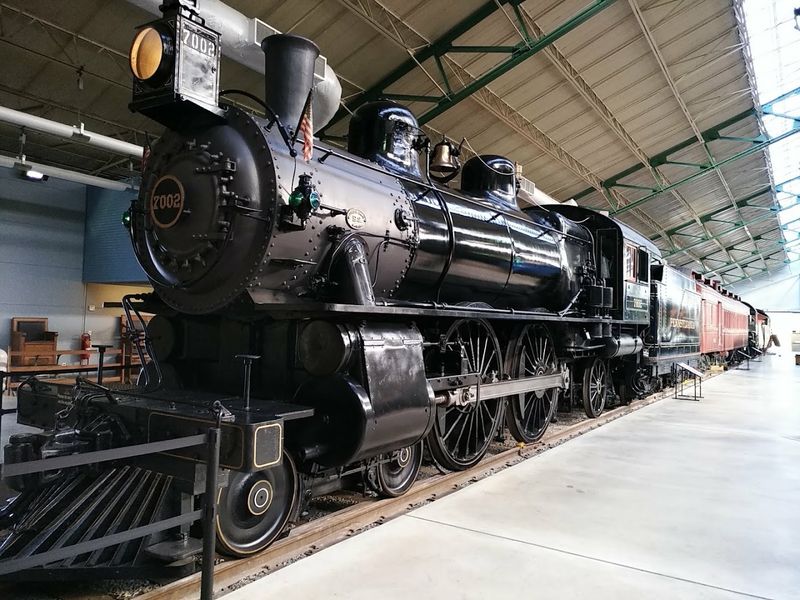
Some locomotives in this collection carry stories that go well beyond mechanical history. The PRR 460, known as the Lindbergh Engine, earned its nickname by pulling the train that carried Charles Lindbergh through Pennsylvania following his legendary transatlantic flight in 1927. Its cosmetic restoration was completed in November 2016, and it now gleams under museum lighting in a way that does justice to its storied past.
Outside in the yard stands the PRR 3750, designated the official steam locomotive of the Commonwealth of Pennsylvania. This engine once pulled President Warren Harding’s funeral train, a somber but historically significant chapter in its long life.
The GG1 4935 is another standout, representing a defining era of electric locomotive design that shaped passenger rail for decades. Early replicas of the John Bull from 1831 and the John Stevens from 1825 round out the timeline at the other end of history. Each of these machines has its own chapter, and the museum tells every one of them with care and precision.
Main Street: A Town Frozen in Railroad Time
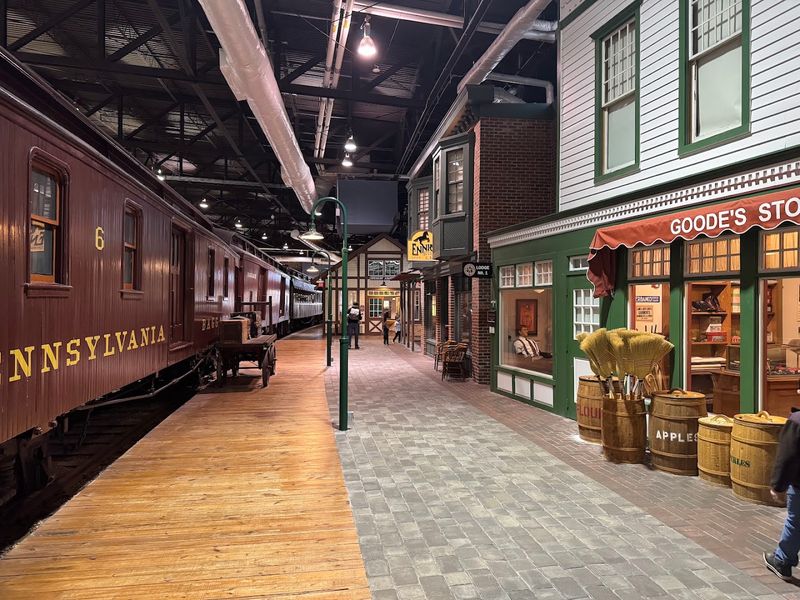
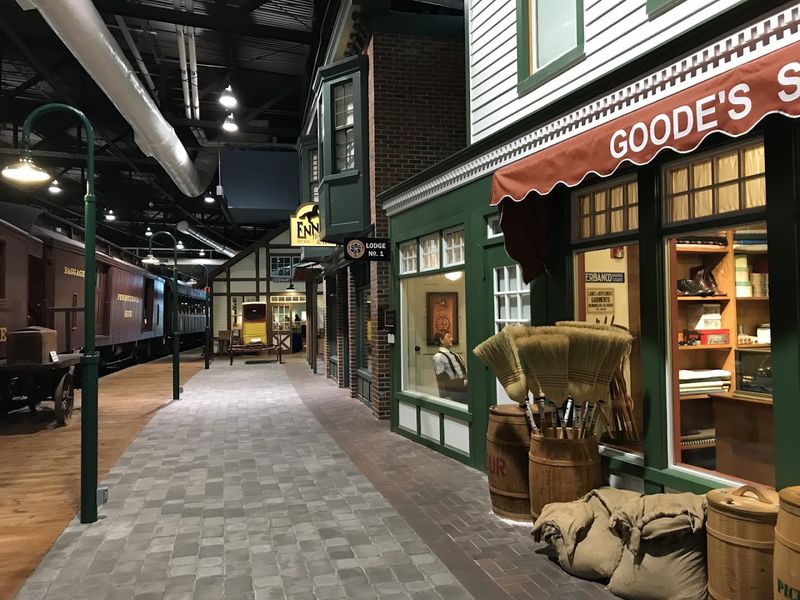
Hidden within the museum’s vast interior is an exhibit that catches many visitors off guard in the best possible way. The Main Street display recreates a thriving early twentieth-century railroad town, complete with a period station, freight office, and storefronts that reflect the daily life of communities built around the rails.
What makes this section so effective is how it shifts the focus from the machines themselves to the human world surrounding them. You start to see the train station not as a transportation hub but as the social and economic heartbeat of a town. Goods arrived, people departed, news traveled, and commerce flowed, all because a rail line ran through.
The attention to period detail is meticulous, from the architectural style of the buildings to the signage and small props scattered throughout the scene. It is the kind of exhibit that rewards slow exploration, and it works especially well for visitors who want context alongside the hardware. Just ahead, the interactive exhibits take that context and make it hands-on in ways you might not expect.
Stewart Junction: Where Kids Become Engineers
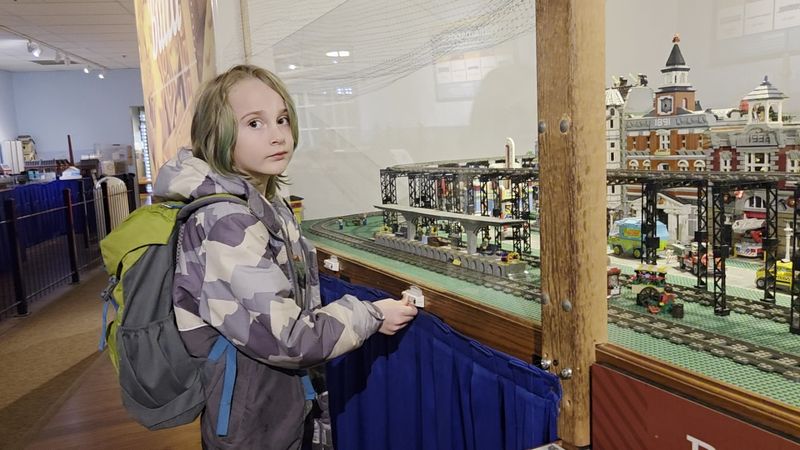
Stewart Junction is the museum’s dedicated interactive education center, and calling it just a kids’ area would seriously undersell what it offers. Yes, younger visitors tend to gravitate here with particular enthusiasm, but the exhibits are designed to engage curious minds of any age.
The centerpiece is a G-scale model railroad switching layout where visitors can actually direct trains through a miniature landscape. Nearby, a LEGO train display comes with a building zone where kids can construct their own rail creations. There is also an interactive freight exhibit that breaks down the logistics of cargo transport in surprisingly engaging ways.
A hands-on coal shoveling activity lets visitors try the physical work that kept steam engines running, and a Railway Post Office-style table gives a sense of how the rails once served as the backbone of mail delivery across the country. An exhibit dedicated to railroads in popular culture adds a lighter, more playful layer to the experience. Stewart Junction turns history into something you can touch, and that makes all the difference for younger visitors especially.
The Outdoor Train Yard: Steel Giants Under Open Sky
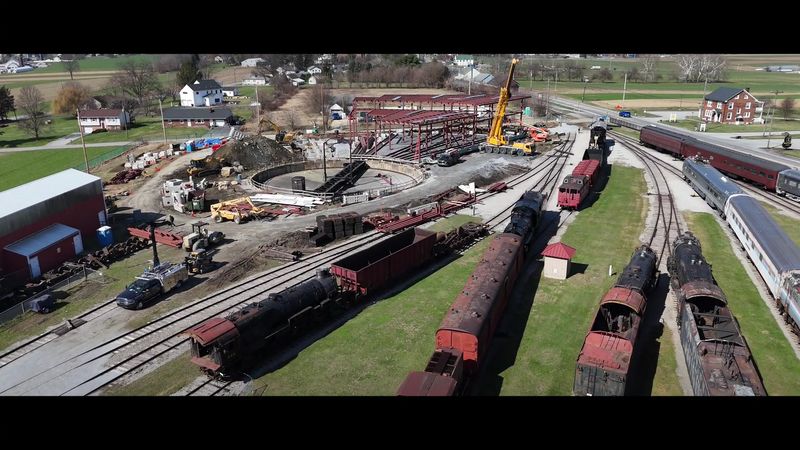
After spending time in the climate-controlled indoor halls, stepping outside into the train yard offers a genuinely different kind of encounter with these machines. The open air changes everything, and seeing a locomotive against the Lancaster County sky rather than under artificial lighting gives a raw sense of their working-world origins.
The yard holds locomotives in various stages of preservation, some awaiting restoration and others simply stored between exhibition rotations. That variety is actually informative; you can see the contrast between a fully restored engine and one that still bears the wear of decades of service.
A highlight of the outdoor area is a historic 1928 Reading turntable, a functional piece of railroad infrastructure that once rotated full-size engines onto different tracks. Turntables are rarely seen outside of operational rail yards, so having one here is a genuine treat for anyone interested in how railroads actually functioned day to day. The yard is expansive and worth a full walk-around, especially on a clear day when the surrounding scenery adds to the experience.
Artifacts, Archives, and the Stories Between the Trains
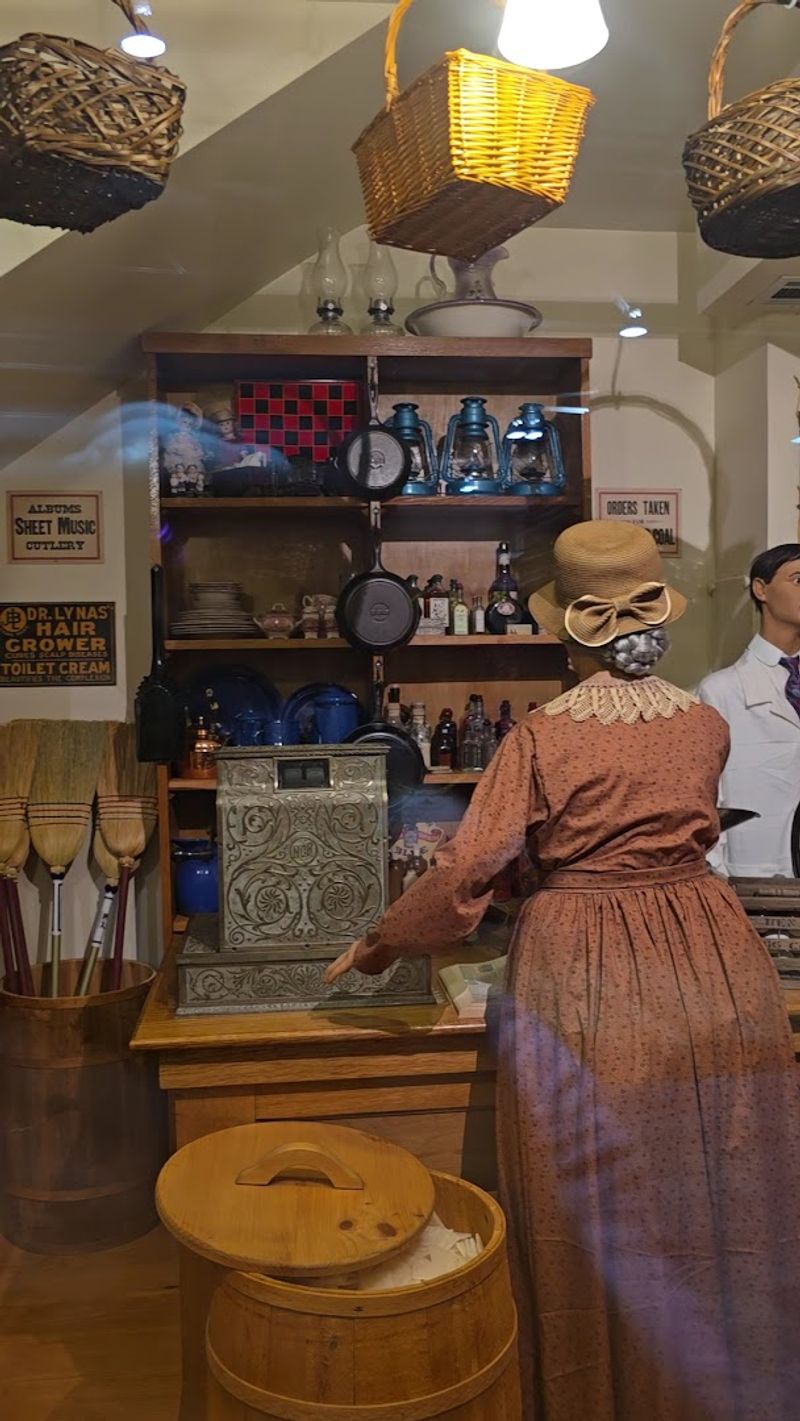
The locomotives get most of the attention, but the museum’s second floor holds a collection of smaller artifacts that fills in the human side of railroad history with remarkable depth. Nearly 20,000 individual objects are preserved here, ranging from engineer uniforms and conductor tools to historical tickets, station signage, and telegraphy equipment.
Telegraphy and signaling displays reveal the intricate communication systems that kept trains moving safely across thousands of miles of track. Works of art inspired by the railroad industry add a cultural dimension that surprises visitors who came expecting only hardware and machinery.
The archival holdings are equally impressive, with over half a million photographic images and documents preserved on site. That collection represents one of the most comprehensive visual and written records of American railroading in existence. Whether you are a casual visitor or a dedicated researcher, the depth of material available here is extraordinary. The second floor rewards the extra effort of climbing the stairs and makes the overall museum experience feel genuinely complete rather than focused on spectacle alone.
Programs, Events, and Reasons to Return
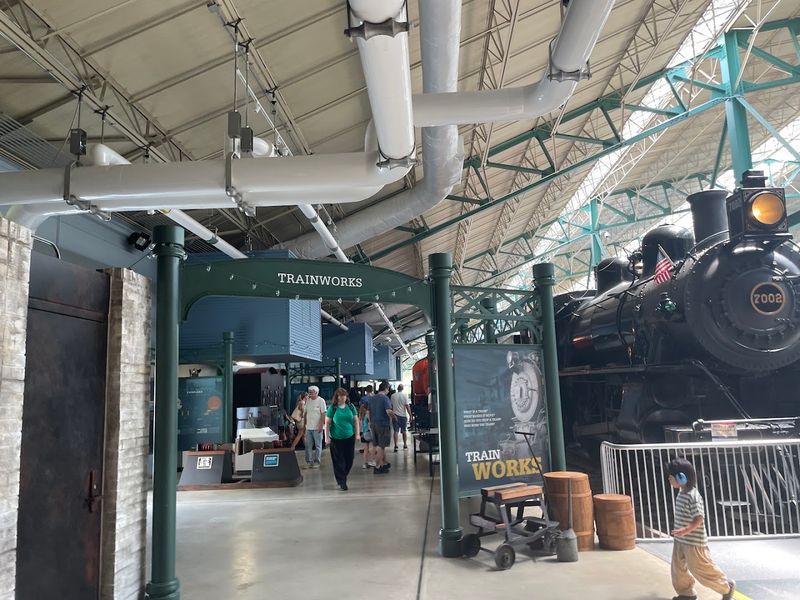
A single visit to this museum is memorable, but the calendar of programs and special events gives visitors good reasons to come back throughout the year. The museum runs curriculum-aligned educational programs covering history, science, math, and language arts, making it a legitimate field trip destination for schools across the region.
Younger visitors can enjoy Story Time With The Educator sessions, while scouting programs and summer camps offer multi-day immersion for kids with a deeper interest in railroad history. Special events run throughout the year and cover a wide range of themes, from Model Railroading Day to Trains and Troops, and even a spirited 1940s Swing Dance event that draws an enthusiastic crowd.
During the holiday season, the museum adds themed decorations and special programming, including one memorable event where a telegraph operator sends children’s wish lists to the North Pole in authentic period style. That kind of creative programming is what keeps families returning year after year, and it shows a museum that understands its audience well beyond the opening exhibit.
Practical Tips for Getting the Most Out of Your Visit
A little planning goes a long way here. Admission is reasonably priced: adults between 12 and 64 pay $10, seniors 65 and older pay $9, and children between 3 and 11 are $8. Kids 2 and under get in free, and active military personnel along with their immediate families receive complimentary admission.
The museum is notably accessible, with elevator access to the second floor and benches scattered throughout the building for anyone who needs a rest. The layout is wide and open, making it easy to navigate with strollers, wheelchairs, or anyone who prefers a slower pace.
Right across the street, the Strasburg Rail Road offers steam excursion rides that pair perfectly with a museum visit, and nearby attractions include the Choo Choo Barn and the National Toy Train Museum, making the whole area a full-day destination for rail enthusiasts. Arriving when the museum opens at 10 AM on a weekday tends to mean shorter lines and more breathing room among the exhibits, which is especially useful in the busiest summer months.
Share this story