In rural Pennsylvania, a nonprofit wildlife sanctuary provides permanent homes for more than 200 rescued animals, including tigers, lions, cougars, bears, wolves, primates, and birds of prey. Unlike a conventional zoo, the sanctuary does not buy, sell, trade, or breed its animals.
Created in 1990, the sanctuary relies on admissions, donations, and volunteers while providing spacious habitats for animals that cannot return to the wild. Seeing the exotic residents is memorable, but the decades-long rescue mission behind them makes the experience even more remarkable.
A Home in the Heart of Penns Creek
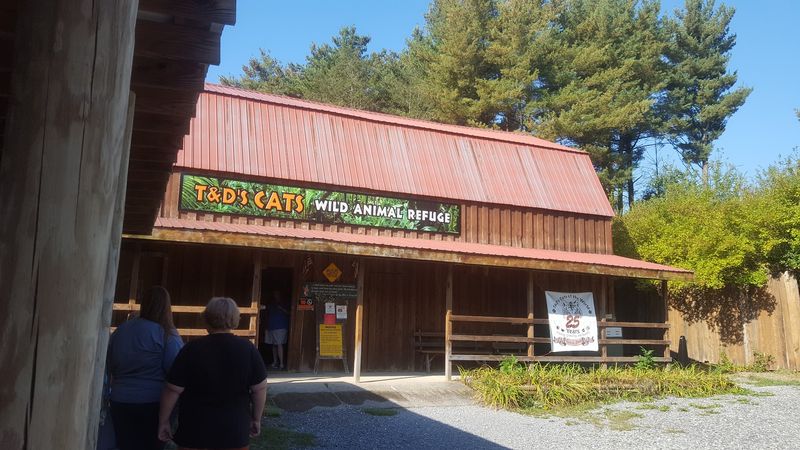
Not every extraordinary place announces itself with fanfare. T&D’s Cats of the World sits at 363 Mountain Road, Penns Creek, PA 17862, in Snyder County, about a mile beyond the quiet village of Penns Creek itself. The winding rural roads that lead you there are part of the experience, offering a gradual unwinding from everyday life before you even step onto the property.
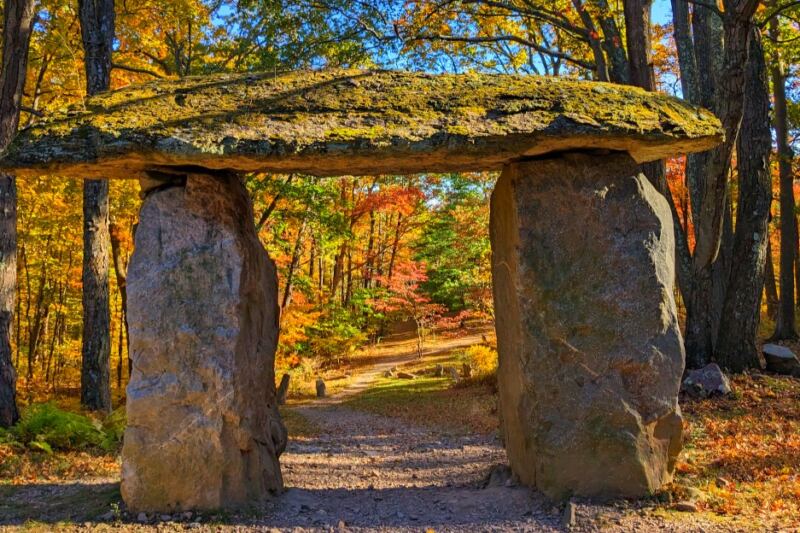
The grounds blend forested areas with well-maintained paths, creating a setting that feels more like a nature preserve than a traditional animal facility. There is no grand marquee or flashy signage competing for your attention. What greets you instead is a sense of calm purpose, the kind that only comes from a place where the animals, not the spectacle, are the entire point.
The sanctuary’s location in central Pennsylvania is no accident. The rolling hills and rural landscape provide a peaceful buffer that benefits both the animals and the visitors who come to see them. First-timers often remark that the setting alone starts to shift their expectations before they see a single animal.
The Origin Story: How Two People Changed Everything
In 1990, Terry and Donna Mattive did something most people only dream about. They turned the land next to their own home into a full wildlife sanctuary, driven entirely by a personal commitment to care for animals that had nowhere else to go. There was no corporate backing, no government grant, and no business plan built around profit.
Their guiding principle was straightforward and firm: no buying, selling, trading, or breeding of animals. Every creature that arrives at T&D’s comes with a history, often one involving neglect, illegal ownership, or circumstances that made release into the wild impossible. The Mattives committed to giving each one a permanent, dignified home.
What began as a deeply personal endeavor has grown into a sanctuary housing over 200 rescued mammals. The family’s pension and retirement funds have helped sustain daily operations alongside admission fees and public donations. That level of personal investment tells you everything about the kind of people who built this place, and why it continues to thrive more than three decades later.
Meet the Residents: A Roster That Will Surprise You
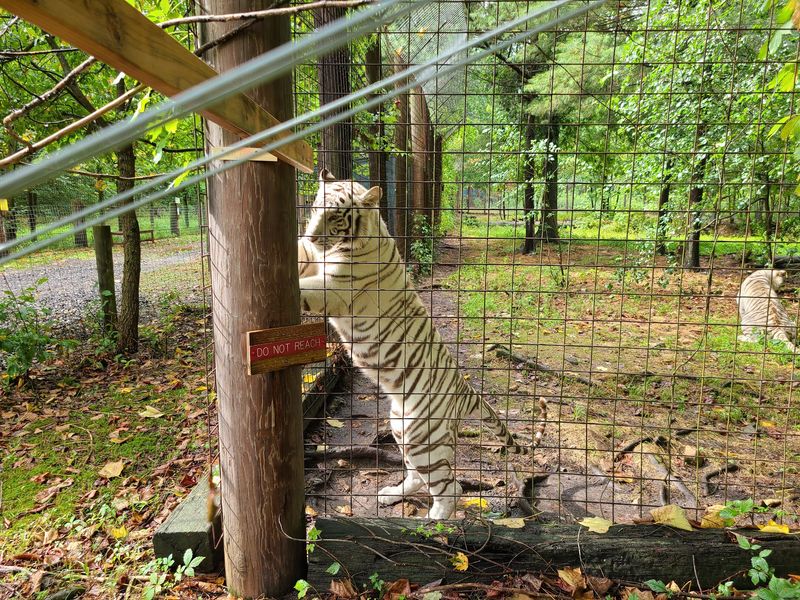
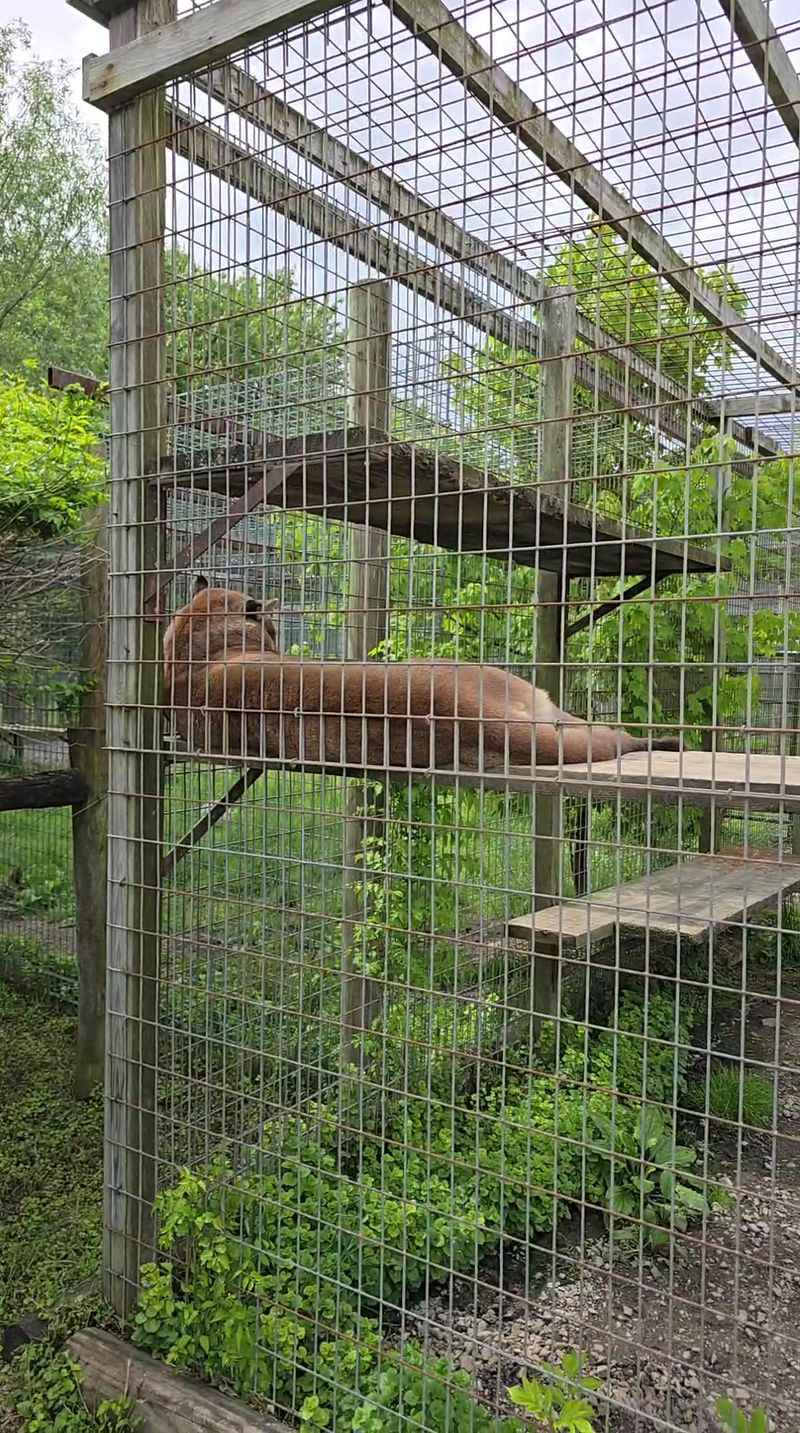
Most people arrive expecting big cats and leave astonished by everything else. Between 40 and 50 exotic felines call this sanctuary home, including tigers, lions, cougars, bobcats, servals, and lynx. The white Bengal tiger alone is worth the drive, a striking animal that tends to hold visitors in a quiet, wide-eyed silence.
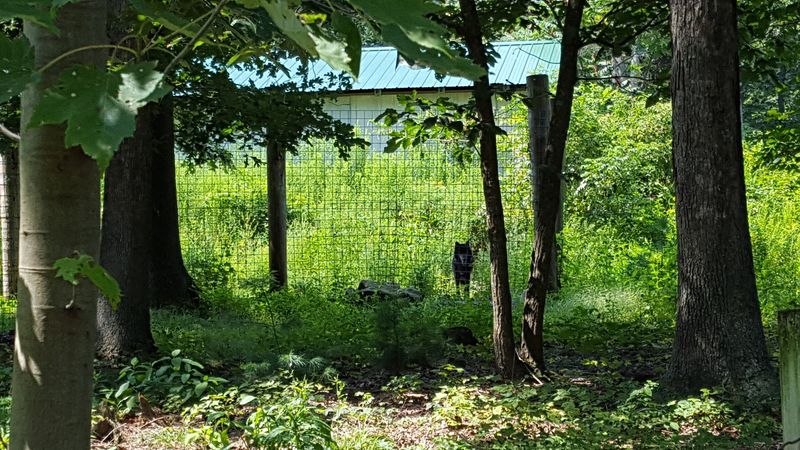
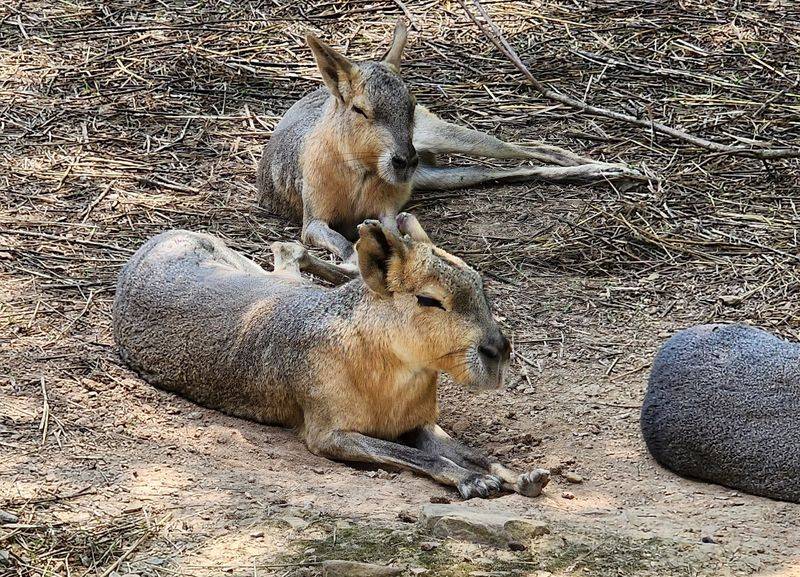
Beyond the felines, the sanctuary shelters bears, wolves, coyotes, foxes, deer, kangaroos, dingos, and a range of primates including lemurs and monkeys. Birds of prey share the grounds alongside various other avian residents, adding sound and movement to every corner of the property.
Each animal arrived through a different route: seized by authorities from illegal owners, retired from performance, surrendered by people who underestimated what exotic pet ownership actually requires, or simply found without options. Reading the background of each resident adds a layer of meaning to every encounter. You are not just watching animals; you are witnessing the result of second chances given by people who refused to look the other way.
When to Visit and What to Expect Each Month
The sanctuary operates from May through September, a schedule shaped around the animals’ well-being and the capacity of a volunteer-driven staff. May brings weekend-only hours, with gates open Saturday and Sunday from noon to 6:00 PM, and admissions closing at 5:00 PM. Weekdays in May are typically reserved for pre-scheduled school group tours.
June, July, and August expand the options considerably. Wednesday through Friday, guided tours run at 10:00 AM and 2:00 PM, each lasting roughly an hour and fifteen to twenty minutes. On weekends during those months, the format switches to self-guided exploration, running noon to 6:00 PM with the last entry at 5:00 PM. Mondays and Tuesdays remain closed throughout the summer season.
After Labor Day weekend, September shifts back to guided tours only on Saturdays and Sundays, with scheduled times at noon, 2:00 PM, and 4:00 PM. Checking the current schedule on the sanctuary’s website before heading out is always a smart move. One thing stays consistent across every visit: admission is strictly cash only, so plan accordingly.
Admission Prices and Why Every Dollar Matters
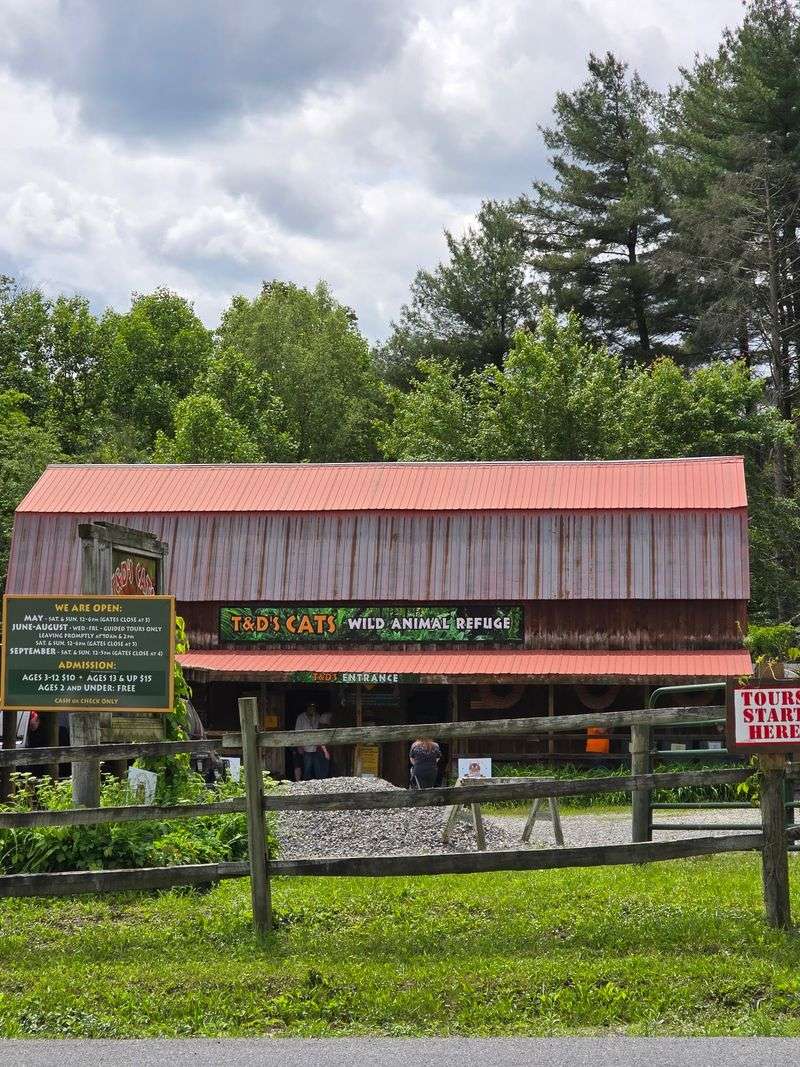
For a place that houses hundreds of rescued animals across expansive, carefully maintained grounds, the admission prices at this sanctuary are genuinely modest. Visitors aged 13 and up pay $15. Children between 3 and 12 enter for $10, and those aged 2 and under are admitted free. These rates make it an accessible outing for families without stretching the budget.
Every dollar collected goes directly toward the animals’ care. T&D’s receives no government funding and relies on no large corporate sponsors. The Mattive family has personally contributed pension and retirement funds to keep operations running, supplemented by admission fees and public donations. The grassroots nature of the finances is part of what makes supporting this place feel so meaningful.
The cash-only policy might feel old-fashioned in a tap-to-pay world, but it reflects the efficient, no-frills approach that keeps overhead low and resources focused on animal welfare. Stopping at an ATM before you arrive is a small inconvenience that pays off the moment you walk through the gate and realize where your money is actually going.
Walking the Grounds: A Self-Guided Adventure
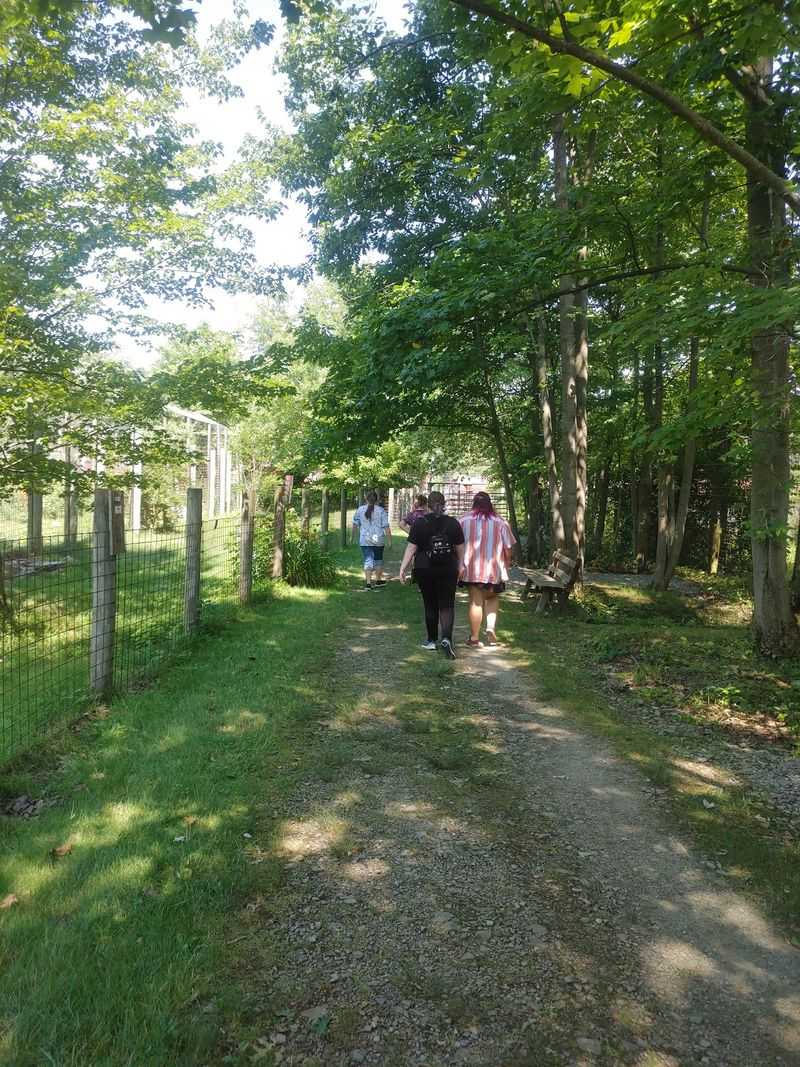
The paths at T&D’s are predominantly gravel and grass, winding through a mostly wooded landscape that feels genuinely natural rather than manufactured. The terrain is largely flat, making the walk comfortable for visitors of most ages and fitness levels. Scattered benches along the route invite you to slow down, sit, and simply watch the animals at an unhurried pace.
A dedicated picnic area lets you extend your visit with a packed lunch, turning a quick stop into a full afternoon. The gift shop, called Howls and Growls, offers cold drinks, ice cream, and snacks for those who arrive without provisions. Bringing a hat, sunscreen, and a small pair of binoculars is a practical move that most first-timers wish they had thought of.
On self-guided weekends, volunteers are stationed throughout the grounds to answer questions and share background on individual animals. The experience feels relaxed and personal rather than rushed. Plan for at least two hours to walk everything comfortably, though those who linger at favorite enclosures often find themselves still there well into the afternoon.
Feeding the Deer: A Hands-On Highlight
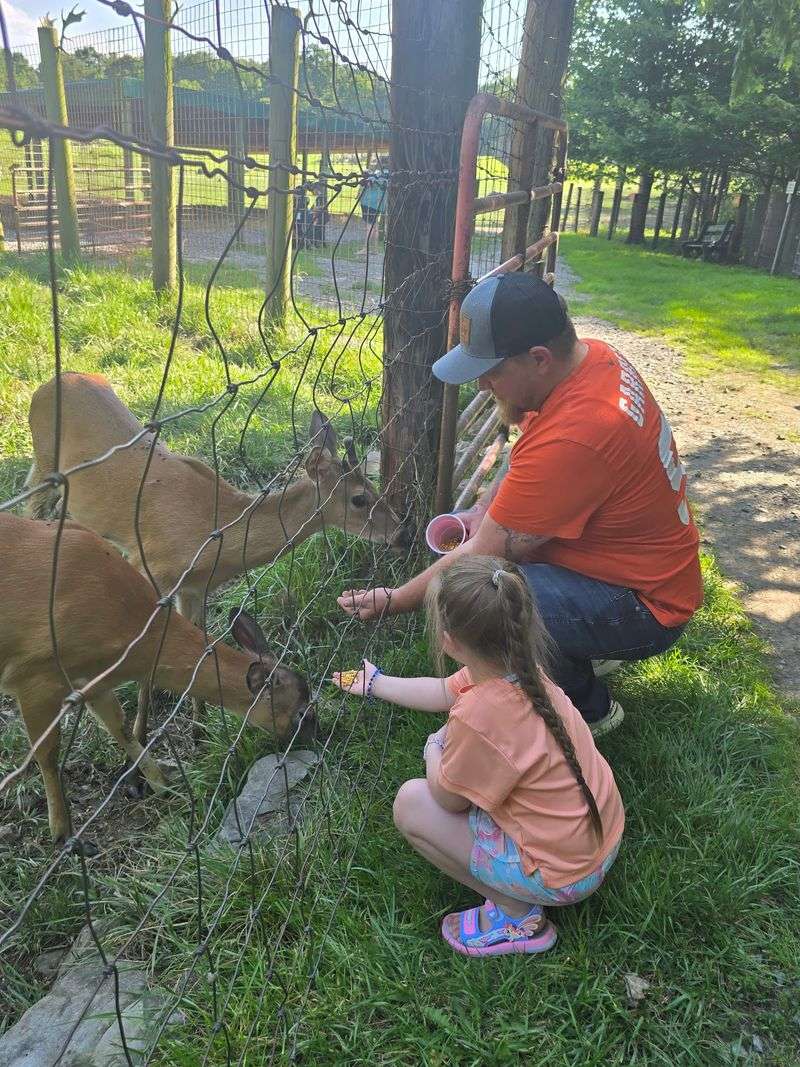
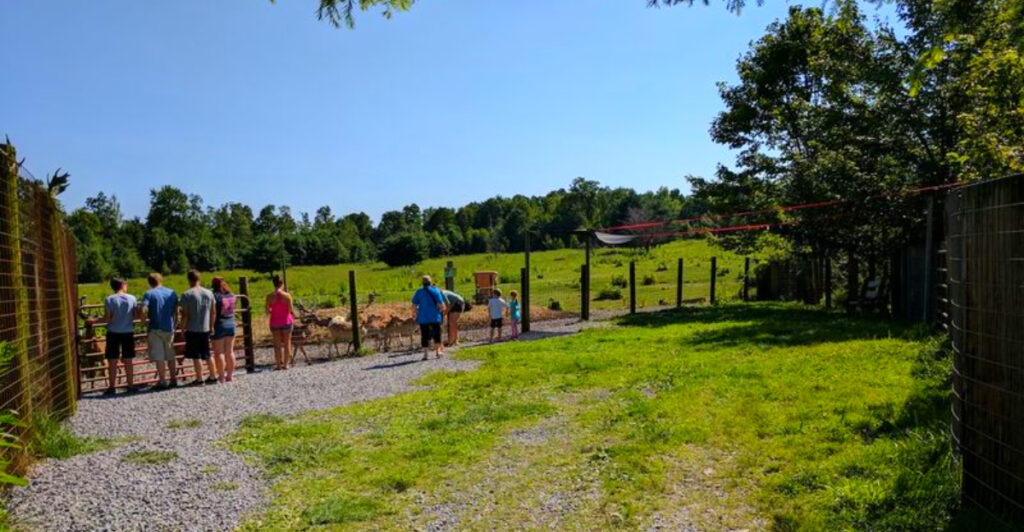
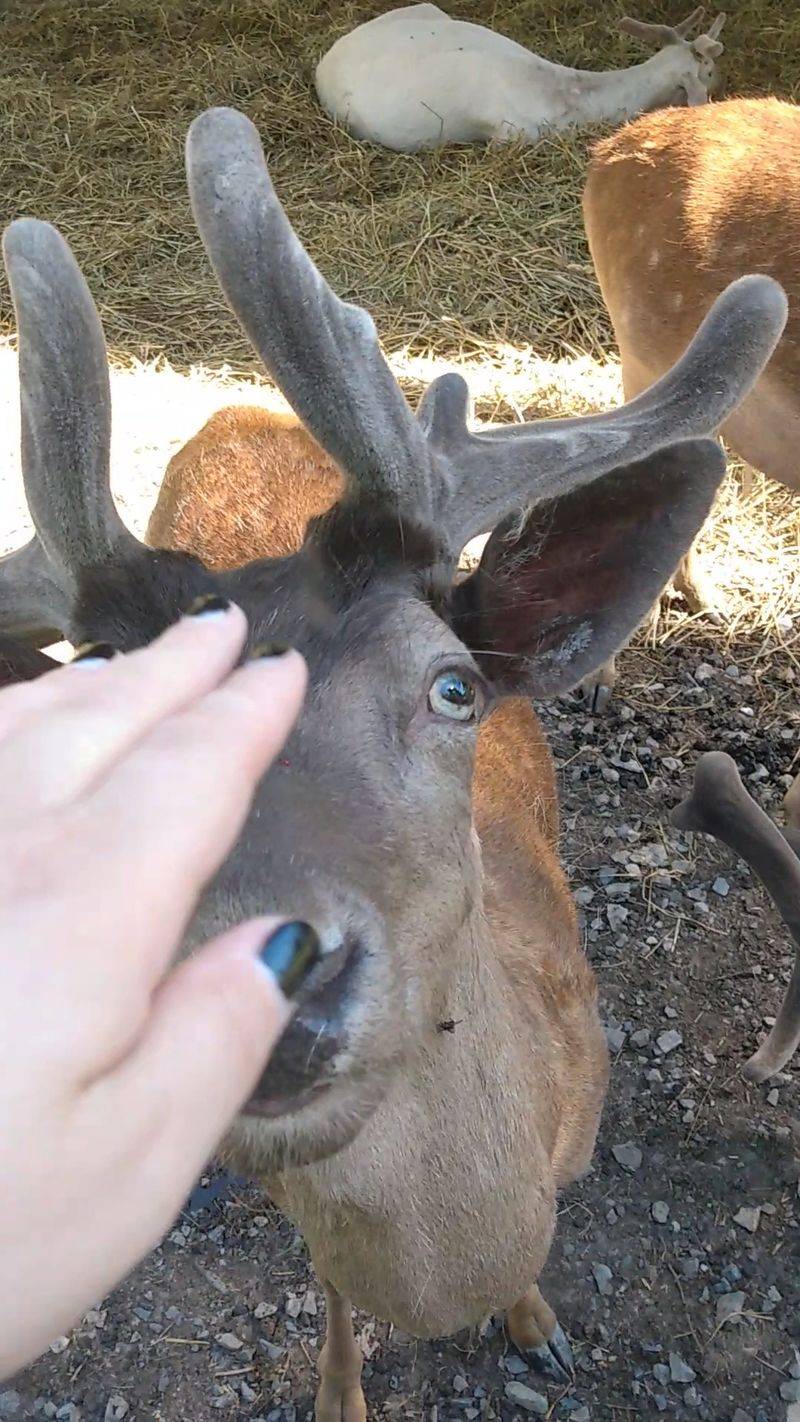
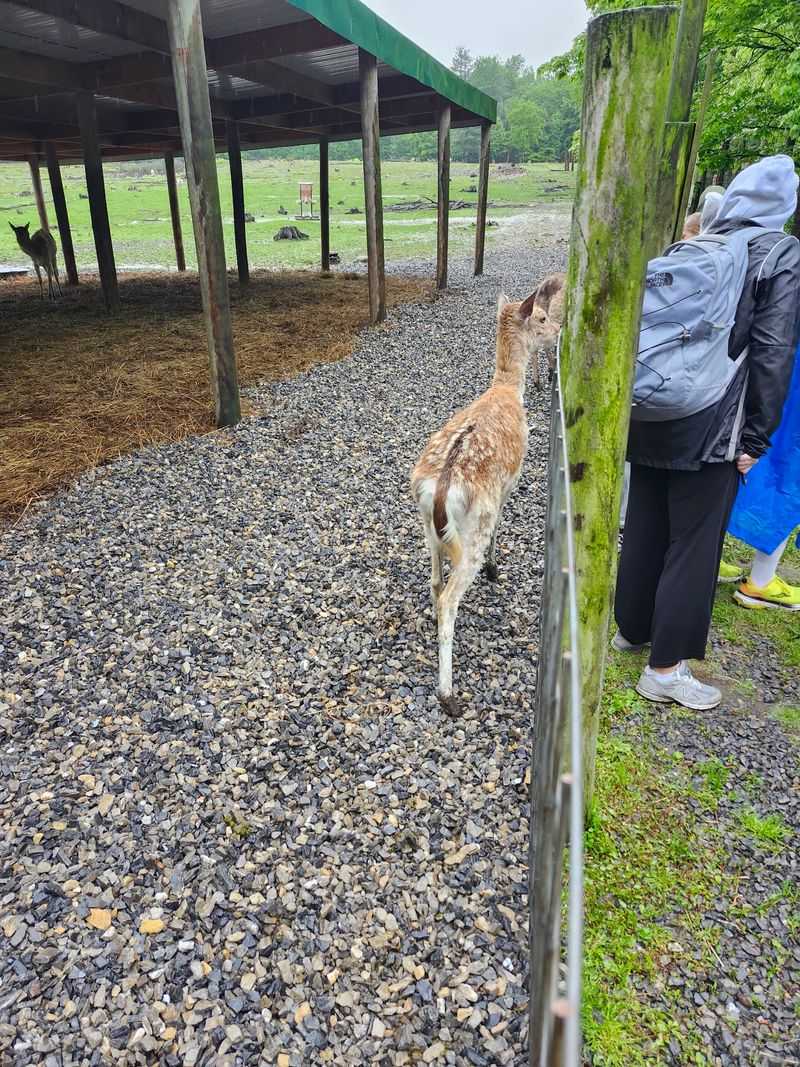
Among all the remarkable animals at this sanctuary, the deer feeding station has a way of stealing hearts, especially for younger visitors. The deer at T&D’s are famously enthusiastic about ice cream cones filled with feed, and the experience of having a deer eat directly from your hand tends to produce the kind of giggles that make for lifelong memories.
It is one of the few genuinely interactive moments at the sanctuary, and it offers a gentle, low-pressure introduction to wildlife for children who might feel uncertain around larger animals. The deer are calm, well-accustomed to visitors, and clearly well-fed, which makes the interaction feel comfortable rather than chaotic.
This small corner of the sanctuary carries an outsized emotional impact. Families who arrive focused on the big cats often find themselves returning to the deer area multiple times during their visit. It is a reminder that connection with animals does not always require drama or scale. Sometimes a soft nose and a cone of food is all it takes to make someone’s entire day.
Guided Tours: Stories Behind Every Animal
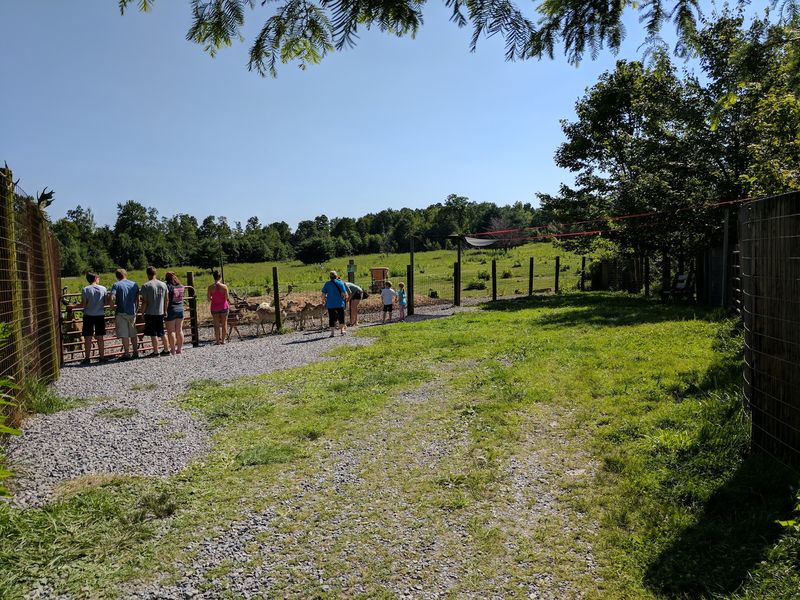
There is a particular kind of magic in hearing the backstory of an animal you are standing just feet away from. The guided tours at T&D’s, offered on select weekdays in summer and on weekend afternoons in September, run approximately an hour and fifteen to twenty minutes and are led by knowledgeable, enthusiastic volunteers. Guides like Jeff and Pete have become favorites among repeat visitors for their warmth and depth of knowledge.
Each tour covers not just the species on display but the individual circumstances that brought each animal to the sanctuary. Learning that a particular tiger was seized from an illegal private owner, or that a bear arrived malnourished and disoriented, transforms the viewing experience into something far more meaningful than simple observation.
The guides also field questions openly, making the tours feel conversational rather than scripted. Groups tend to form an easy camaraderie along the path, united by shared wonder. For first-time visitors especially, booking a guided tour rather than a self-guided weekend is a worthwhile choice that adds real depth to the entire experience.
Feeding Over 200 Animals: The Numbers Behind the Mission
Running a sanctuary for over 200 rescued animals is not a casual undertaking, and the feeding logistics alone are staggering. The carnivores at T&D’s consume more than 12,000 pounds of meat every single month, which works out to roughly 10 to 12 cows. Lions and tigers each require between 30 and 40 pounds of meat daily, with some individuals consuming up to 100 pounds depending on their size and condition.
A portion of this supply comes through generous donations from local farmers who provide naturally deceased cows, calves, and horses. The Pennsylvania Game Commission also contributes road-killed deer to the cause. Purchased chicken fills in the gaps to ensure a consistent and nutritious diet across all species.
The sanctuary emphasizes a carcass-based diet wherever possible, which is not only more nutritionally complete but also provides essential behavioral enrichment. Feeding in this natural way allows the animals to engage instincts that would otherwise go unstimulated in captivity. The scale of this daily effort, sustained largely through community generosity, is one of the most quietly impressive aspects of the entire operation.
Rules That Protect Everyone Inside the Gates
A sanctuary housing powerful, sometimes sensitive animals requires a clear set of behavioral guidelines, and T&D’s enforces theirs with good reason. Walking feet only is the first rule you will hear, as running can startle animals that may already carry anxiety from difficult pasts. Climbing on gates or fences is strictly off-limits, a rule that protects visitors just as much as it protects the animals.
Teasing of any kind is prohibited. That means no growling, no barking, no whistling, and absolutely nothing thrown into enclosures. For animals that have experienced trauma, an unpredictable noise or object can cause real distress, and the sanctuary takes that seriously. Umbrellas are also not permitted inside, as some animals react fearfully to them.
Smoking is restricted to the parking lot, and pets are not allowed on the grounds. For families bringing children, reviewing these rules before arrival makes a real difference in the flow of the visit. The guidelines are not meant to dampen enthusiasm but to ensure that every animal here, already given a second chance, gets to live that chance in peace.
Beyond the Visit: Supporting the Sanctuary’s Future
A visit to T&D’s Cats of the World is meaningful on its own, but the sanctuary’s long-term survival depends on ongoing community support that extends well beyond the admission gate. Because the organization receives no government funding and operates without major corporate sponsorships, every contribution, whether financial or material, carries direct and immediate impact.
Donations of food, building materials for new enclosures, and monetary gifts are all welcomed and put to use without delay. The Mattive family has funded much of the operation from personal savings over the decades, a commitment that is both admirable and ultimately unsustainable without broader public participation. Spreading the word, bringing friends, and returning for repeat visits are all meaningful forms of support.
The sanctuary also plays an active educational role, working alongside local, state, and federal agencies on animal welfare matters beyond its own property. That outward-facing mission amplifies the impact of every dollar donated and every visitor who leaves with a greater understanding of why rescue facilities like this one are so urgently needed. The future of this place is genuinely shaped by the people who choose to show up for it.
Share this story