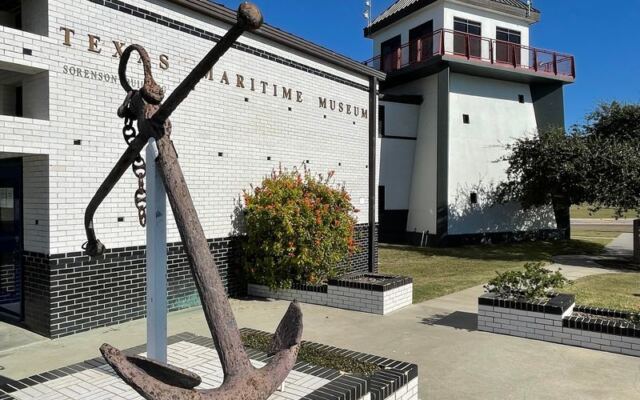
Some of the best stops in Texas are the ones you almost drive right past. You pull over expecting a quick look, and suddenly you are reading about pirates, sunken treasure, and wooden ships that once crossed the Gulf.
Then you climb a few flights of stairs and the whole bay opens up in front of you like a painting. If you love a free outing that feeds your curiosity, this little coastal gem deserves a spot on your list.
A Three-Story Museum on Rockport’s Harbor
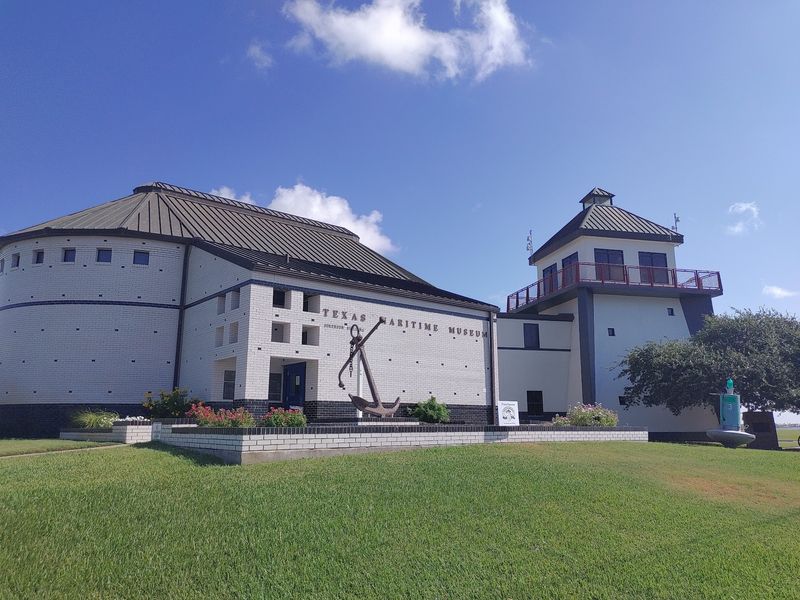
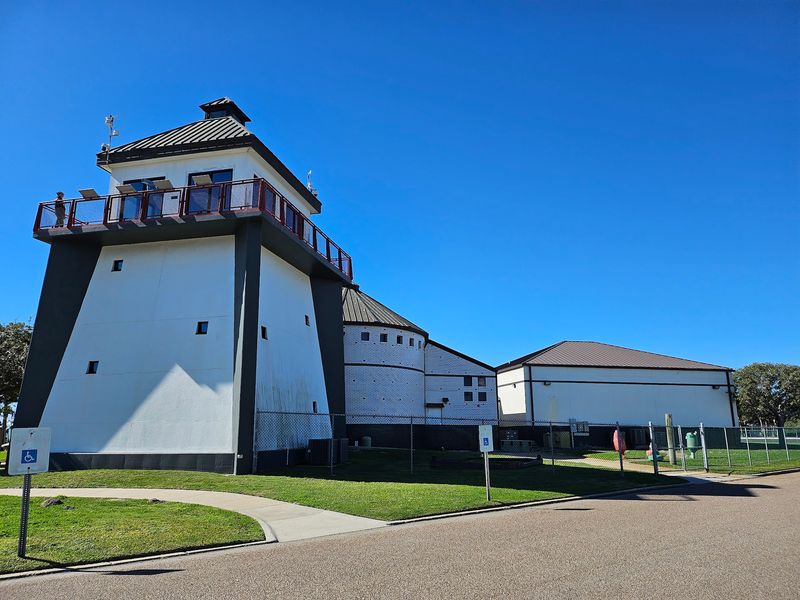
Right at 1202 Navigation Circle, steps from Rockport Beach, sits the Texas Maritime Museum. It rises three stories above the harbor, and from the parking lot you can already spot fishing boats bobbing in the water nearby.
The museum tells the story of the Texas Gulf Coast through exhibits and artifacts. Topics run from pirates and early explorers to fishing, shipbuilding, and offshore oil drilling.
Visitors describe it as a well laid-out space with clear, easy-to-follow displays.
Rockport itself has a relaxed, small-town feel. Travelers mention local shops, friendly faces, and pretty drives through waterside neighborhoods close by.
The museum fits right into that easygoing mood, offering a calm, educational break from sand and sun. Think of it as the town’s front porch for history, a place where the bay’s past gets a proper welcome and visitors of every age can wander at their own pace.
Why the Water Shaped Rockport
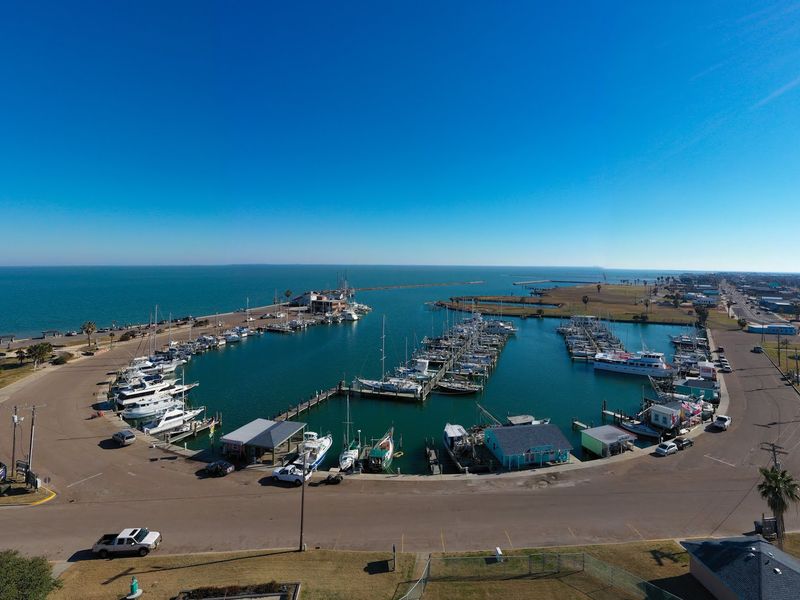
Ask anyone who lives on the Texas coast and they will tell you the water writes the local story. Fishing, boat building, and trade have all left their mark on Rockport, and the museum exists to explain how.
One recent visitor said the exhibits help you understand what Rockport truly represents, not just what happened long ago. That is a big part of the appeal.
You walk out seeing the harbor boats differently, almost like you know their family tree.
The galleries connect daily life on the bay to bigger events across Texas history. Commercial fishing, lighthouses, and coastal exploration all get their moment.
For travelers who like to know the backstory of a place before strolling its streets, starting here makes plenty of sense. It turns a pleasant beach town into a place with roots, character, and a long relationship with the Gulf that still shapes its rhythm today.
Pirate Tales and Hidden Treasure
Picture sails on the horizon and sailors scanning the Gulf for trouble. Pirates are part of the coastal story told inside the museum, and they easily grab the attention of young explorers.
Families say the tales of pirates and treasure are among the most memorable displays. They sit alongside exhibits on early exploration and shipbuilding, so kids get adventure mixed with real history.
It is sneaky learning at its finest.
The museum’s own description lists pirates right at the top, next to shipbuilding and oil drilling. That tells you how much these seafaring characters matter to the Gulf’s past.
You will not find a theme park here, just thoughtful exhibits that let imaginations run wild. Bring a curious kid, point them toward the treasure stories, and watch them start asking questions about maps, ships, and what might still be hiding beneath the waves off the Texas shore.
La Salle and the Age of Exploration
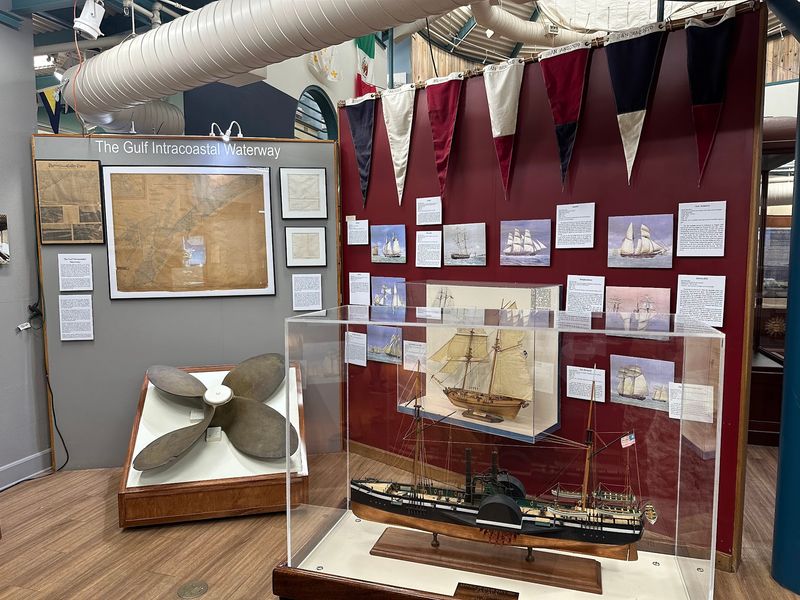
Long before beach houses lined the shore, European explorers were mapping this coastline. The museum traces that early chapter, including the Spanish discovery of the region and the expedition of La Salle.
Here is a fun bit of trivia. The Texas Maritime Museum is part of the La Salle Odyssey, a group of museums connected to the Bullock in Austin.
The others are in Edna, Bay City, Corpus Christi, Palacios, Victoria, and Port Lavaca, so history buffs can turn this stop into a road trip.
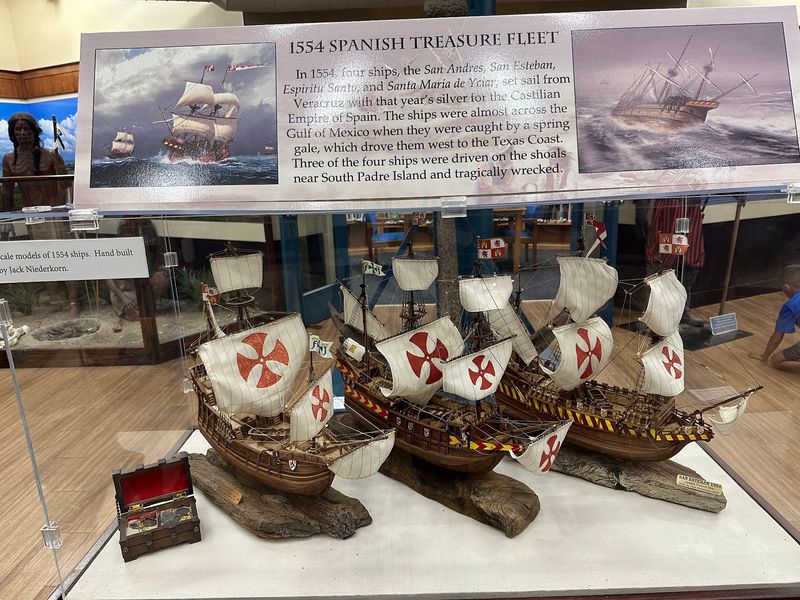
Visitors praise how clearly the exploration exhibits are explained. Scale models, drawings, and artifacts help you picture what those voyages looked like.
One guest called it a particularly nice point on the La Salle trail. If you enjoy connecting dots across a region, this gallery is a strong place to begin your coastal adventure.
The Texas Navy Story
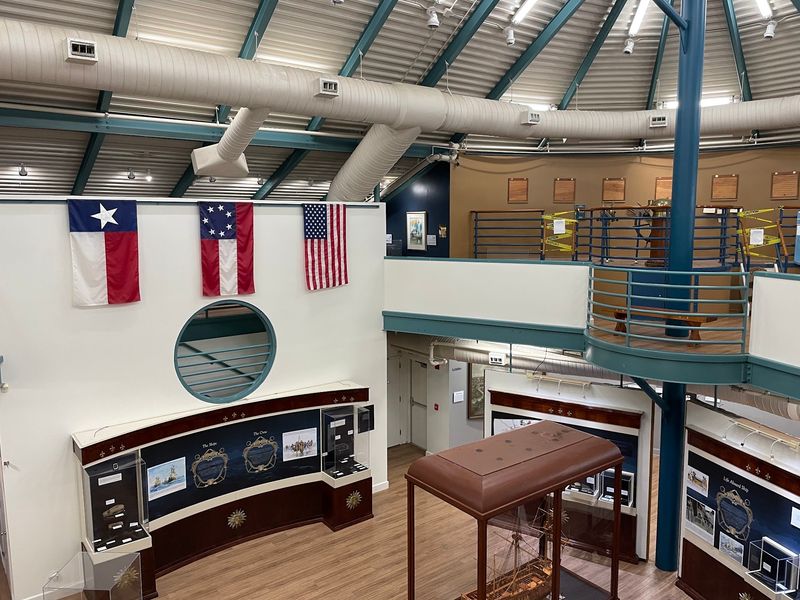
Most people know Texas had an army. Fewer realize it once had a navy too, and this museum makes sure that chapter gets attention.
The Texas Navy comes up often among visitors, who enjoy learning about naval history they never heard in school. One self-described history lover said that despite knowing a lot about Texas, maritime history was mostly new territory.
Walking through the coastal timeline filled in the gaps.
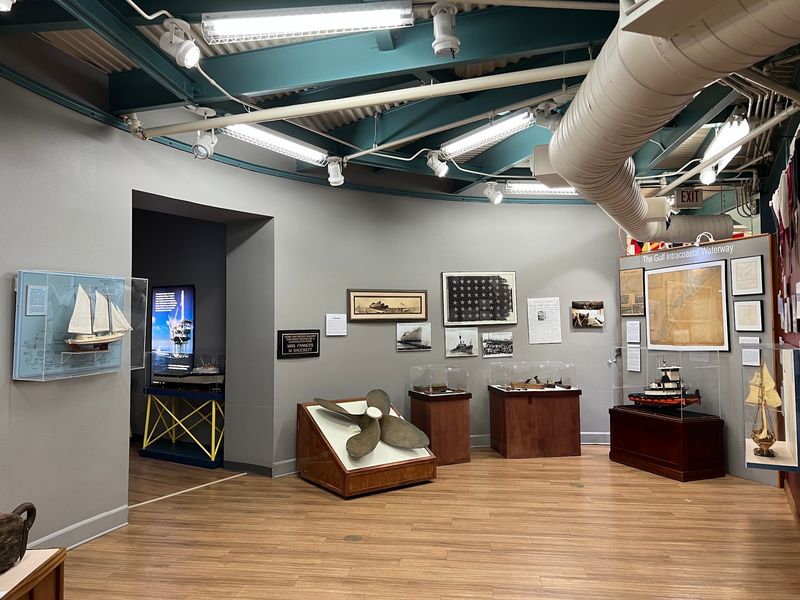
Exhibits trace ships in Texas from La Salle’s expedition up through the Texas Navy era. Paintings, models, and display cases bring those vessels to life without overwhelming you with text.
It feels like a hidden corner of state pride that deserves more fans. Anyone who enjoys the big stories of the Lone Star State will likely leave with a few surprising facts to share at the next family dinner or road trip conversation.
Ship Models, Oil Rigs, and Fine Detail
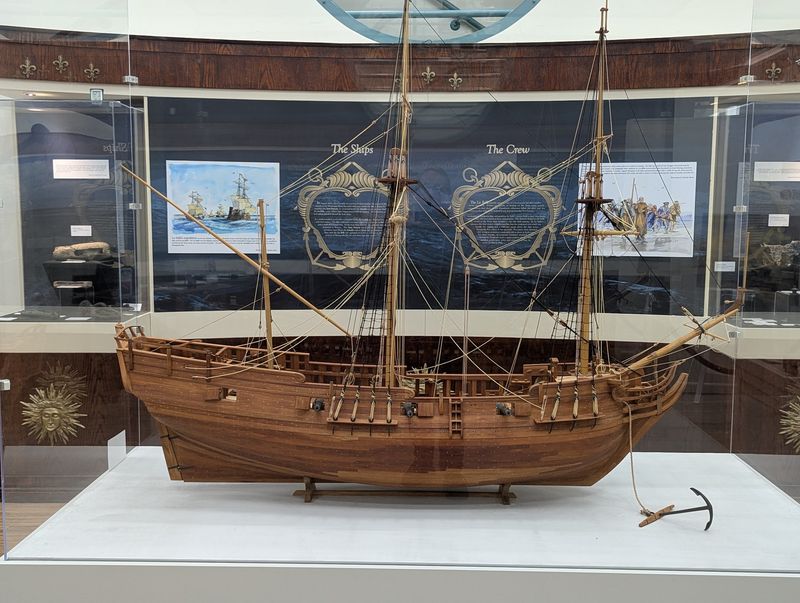
From hollowed-out tree canoes to towering offshore platforms, the range here is impressive. One retired Air Force structural engineer said he loved comparing old wooden ship construction with modern metal design.
The scale models get plenty of compliments. Guests mention detailed ships and oil rigs that make it easy to understand how these structures work.
You can lean in close and study the rigging or the layers of a drilling platform.
Oil exploration is a major theme, which makes sense for the Gulf Coast. Exhibits explain how drilling moved offshore and changed the region.
Fishing and boat building get their share of space too. Beautiful paintings round out the collection, adding color between the cases.
Whether you love engineering or simply enjoy craftsmanship, these galleries reward slow looking. Give yourself time to notice the small details, because that is where the real magic of model-making shows up.
Hands-On Fun for Young Sailors
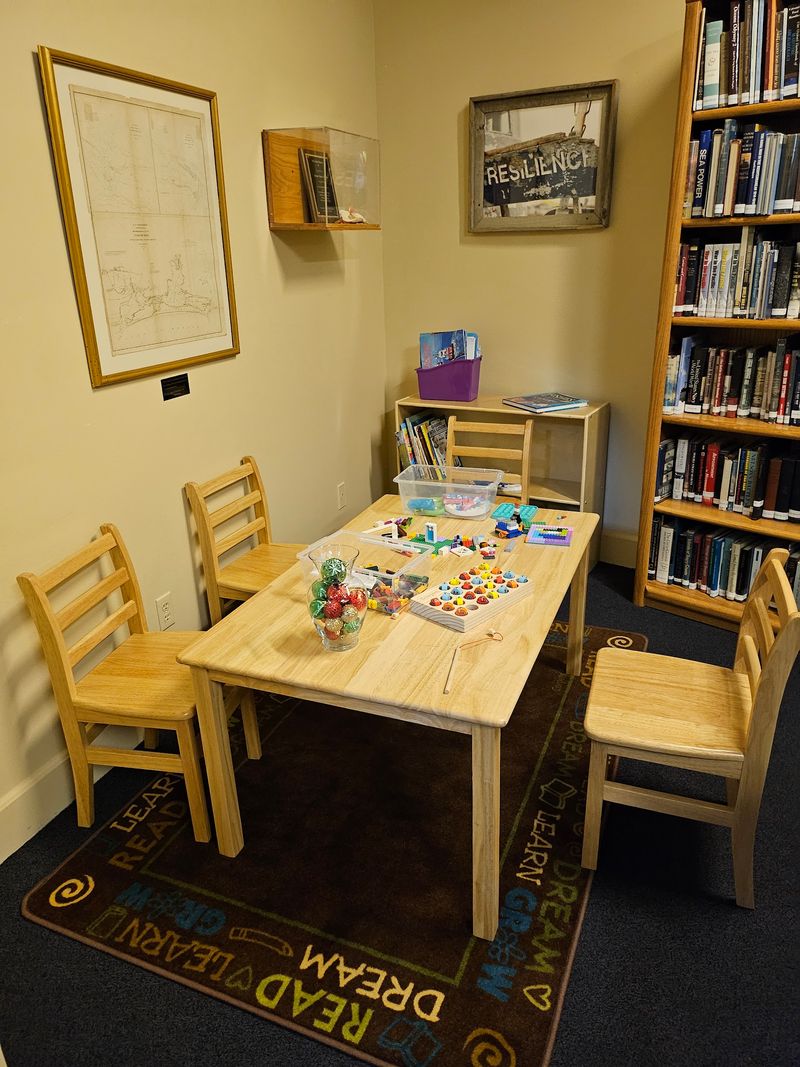
Kids learn best when their hands are busy. Luckily, the museum offers interactive exhibits that turn history into play.
Children can sit inside a canoe and practice tying ropes at the knot-tying station. There is also a small corner with books and coloring pages, perfect for a quiet break when little legs need rest.
Parents appreciate these touches.
A scavenger hunt adds extra excitement, and kids who finish it earn a prize. Grandparents say their grandsons enjoyed visiting so much that they returned two more times, partly because special activities sometimes pop up.
That kind of repeat visit says a lot. Families describe leaving with deeper appreciation for maritime history and some sweet memories.
If your crew needs a rainy afternoon plan or a cool-down from the beach, this is an easy win that keeps everyone engaged without draining your wallet.
Views From the Third-Floor Observation Deck
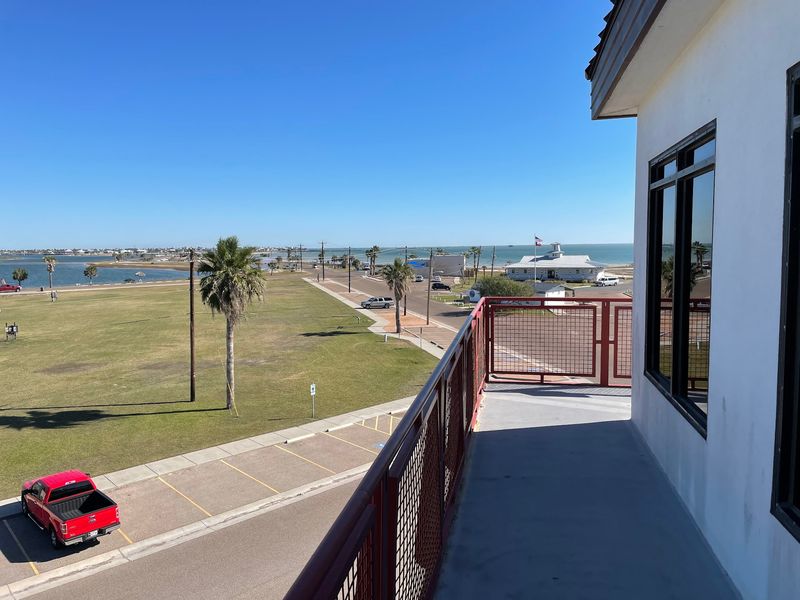
Save the best for last and head straight up. The observation deck on the third floor is the most talked-about feature among visitors, and for good reason.
From the top, you can look out over the bay, spot the open water beyond, and see lots and lots of boats in the harbor below. A couple visiting from Austin called the whole view spectacular.
Others simply say it is a must-see.
The deck opens to an outdoor space, so you feel the coastal breeze while snapping photos. One guest noted there is not much else up there besides a single boat display, but the scenery does the heavy lifting.
Bring your camera and give yourself a few unhurried minutes. Watching the harbor traffic from above ties together everything you just learned downstairs about fishing, sailing, and life on the Texas water.
Outdoor Exhibits and a Boat on Display
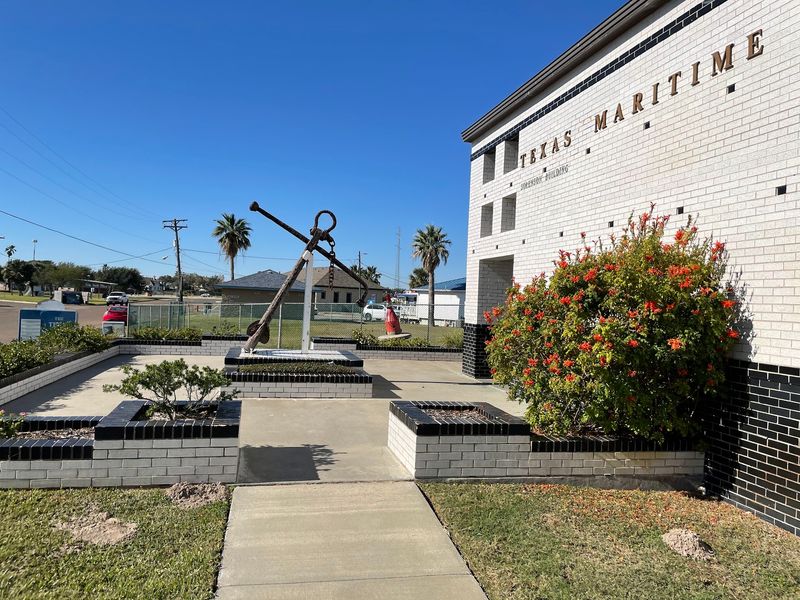
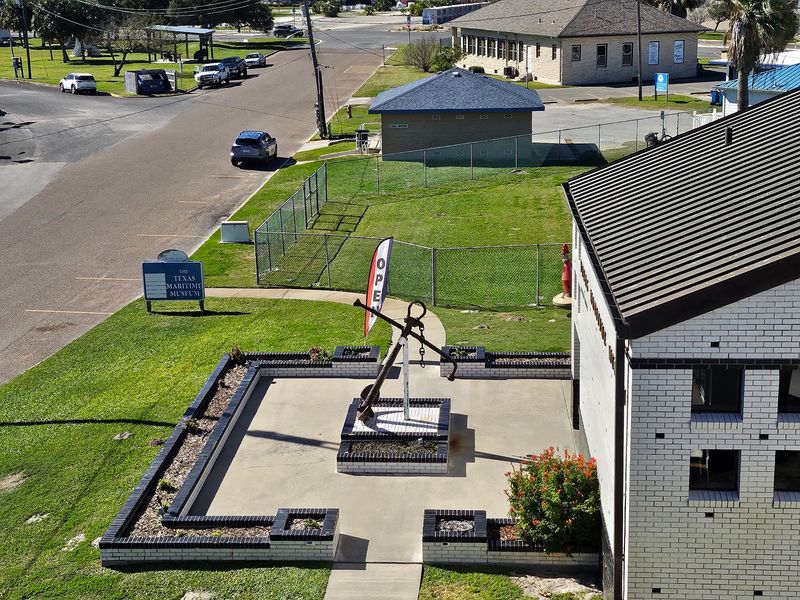
Step outside before you leave. The museum has a small collection of outdoor exhibits, including a boat on display that adds a real-life scale to everything you saw indoors.
Visitors say the outdoor area is modest but nice. One guest urged others not to skip it, pairing it with the observation deck as must-sees.
It is a quick stroll, yet it gives you fresh air and great photo chances.
Nearby, the harbor setting adds to the experience. Travelers mention a pleasant little pier, easy parking, and charming views of fishing boats.
It all blends into a relaxed waterfront scene. After learning about wooden hulls and coastal trades, seeing an actual vessel up close feels satisfying.
Kids especially enjoy finally getting near the real thing after studying models behind glass, and adults tend to linger longer than they expect.
Friendly Volunteers Who Know Their Stuff

Good guides can turn a nice museum into a great one. Here, the volunteers earn constant praise for being friendly, talkative, and seriously knowledgeable.
The museum is run by volunteers and supported by donations, which gives it a warm, community-driven feel. Guests describe every staff member as helpful and pleasant.
Some even remember volunteers by name after enjoying long chats.
One longtime visitor suggested the museum is best enjoyed with an actual local guide, and that advice holds up. Ask a question about a ship model or the Texas Navy, and you may get a story you will not find on any sign.
There is also an extensive maritime library for deeper reading. These folks clearly love what they share, and that enthusiasm rubs off.
Do not be shy about striking up a conversation during your visit.
Who Will Love a Visit
Families with kids top the list. Free entry, hands-on stations, and a prize-winning scavenger hunt make it an easy choice for parents and grandparents alike.
History fans will feel right at home, too. The exhibits cover exploration, the Texas Navy, lighthouses, fishing, and oil, so there is plenty to read if you like details.
Engineering lovers enjoy the ship and rig models.
Beachgoers looking for a change of pace also fit in nicely. One visitor called it worth a stop when you need a break from the sand.
Couples on vacation mention it as a pleasant cool-weather outing. A quick note for some guests: an older review mentioned videos lacked captions, and the museum replied that it was researching upgrades.
Overall, the calm, welcoming mood suits almost anyone curious about the Texas coast and its seafaring past.
Hours, Admission, and Planning Tips
Planning ahead is simple. The museum is open Tuesday through Saturday from 10 am to 4 pm and closed on Sunday and Monday.
Admission is free, which visitors mention again and again. Donations are welcome, and one guest noted a suggested amount of about five dollars per adult.
Since volunteers and donations keep things running, chipping in helps the museum thrive.
Most people spend 30 minutes to an hour, though some happily stay a few hours to explore every corner. Parking is plentiful nearby, and the building sits steps from Rockport Beach at 1202 Navigation Circle.
For questions about special activities, call 361-729-1271 or check texasmaritimemuseum.org before you go. Arriving earlier in the day gives you time to enjoy the observation deck, the outdoor boat, and then wander the harbor afterward without feeling rushed by closing time.
A Small Stop With a Big Payoff
Sometimes the humblest plan becomes the highlight of a trip. That is the quiet magic of the Texas Maritime Museum.
You get pirates and explorers, the Texas Navy, detailed ship and oil rig models, and kid-friendly activities, all without paying a set fee. Then the observation deck hands you one of the prettiest bay views in Rockport.
Add in kind volunteers, and it is easy to see why guests keep recommending it.
It will not take your whole day, and that is part of its charm. Pair it with a harbor walk, some time at the beach, or other stops on the La Salle Odyssey trail.
Whether you are driving down from Austin, Houston, or San Antonio, this laid-back bay town museum leaves you knowing the Gulf a little better. You may even find yourself planning a return visit before you reach the car.
Share this story