On Pittsburgh’s North Side, one remarkable indoor attraction brings visitors face-to-face with more than 500 birds and other animals representing over 150 species. Walk-through habitats recreate environments from tropical rainforests to rocky penguin shores, creating surprisingly close wildlife encounters.
Spread across 40,000 square feet, the facility also offers daily shows, interactive experiences, and opportunities to see rare and endangered species. It’s an unforgettable Pittsburgh destination for bird lovers, families, and anyone curious about wildlife from around the world.
A Congressional Honor and a Northside Address Worth Finding
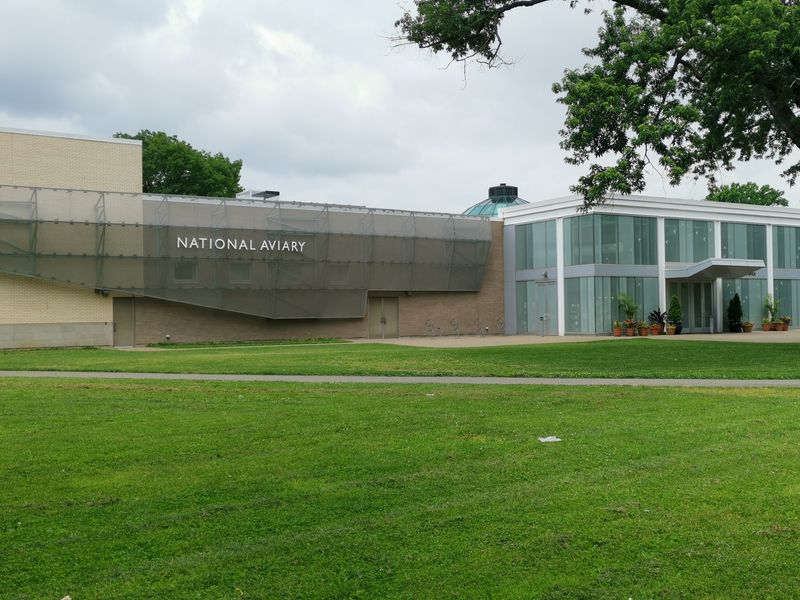
Not many attractions can say that the United States Congress gave them their name, but the National Aviary in Pittsburgh can. Tucked inside Allegheny Commons Park at 700 Arch Street, Pittsburgh, PA 15212, on the city’s vibrant North Side, this place earned its honorary “National” designation from Congress in 1993, making it the only aviary in the country to hold that title.
The location puts you just minutes from downtown Pittsburgh, PNC Park, and the Children’s Museum, so it fits naturally into a full day of exploring the city. The Aviary is also accessible via Pittsburgh’s public bus lines and light rail, making it easy to reach without a car.
Parking in the Aviary’s own lot costs a flat $7 rate on a first-come, first-served basis, and additional street and garage options exist nearby. Arriving early on a weekday tends to give you the best shot at that convenient lot spot.
From Penitentiary Grounds to Bird Paradise: The Surprising Origin Story
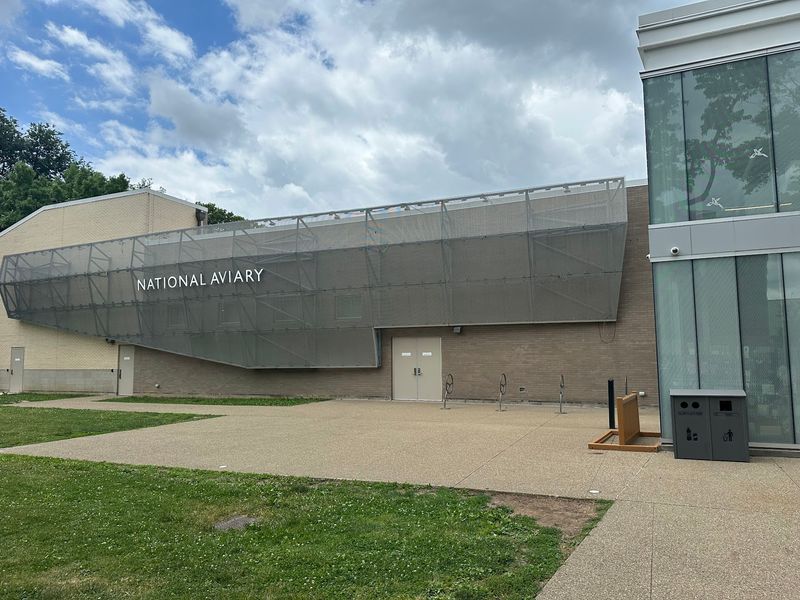
The ground beneath the National Aviary has quite a past. Before birds took over, the site served as the Western State Penitentiary until 1880, then became a conservatory that unfortunately burned down in the late 1920s before being rebuilt in the 1950s.
The city of Pittsburgh opened the Pittsburgh Aviary-Conservatory in 1952, combining gardens and birds on the restored grounds. A major expansion in 1967 nearly doubled the facility’s footprint, and by the early 1990s, a dedicated non-profit organization stepped in to save the Aviary from potential closure, taking over operations around 1991 or 1992.
That rescue set the stage for the congressional recognition in 1993 and transformed a modest city attraction into the largest independent indoor nonprofit aviary in the United States, spanning 40,000 square feet. Few attractions carry that kind of layered history beneath their floors, and knowing it makes every exhibit feel a little more meaningful.
Walk Right In: The Magic of Free-Flight Habitats
Most zoos place their animals behind glass or thick wire. The National Aviary decided that was not good enough.
Inside its large walk-through habitats, birds fly freely around you, land on nearby branches at eye level, and occasionally stroll across the path right in front of your feet.
The design is intentional and genuinely immersive. Each habitat recreates a specific ecosystem, wrapping visitors in natural light, real greenery, and layered birdsong that changes as you move from room to room.
You are not observing wildlife from a distance; you are sharing the same air with it.
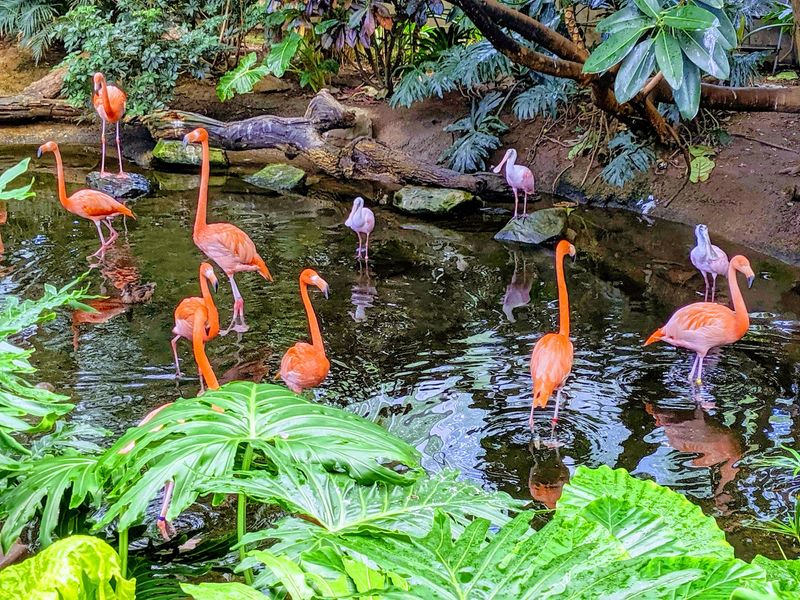
Photography enthusiasts find this setup almost too good to be true, with unobstructed shots of flamingos, roseate spoonbills, and dozens of other species available at close range. Families with young children tend to light up the moment a bird casually walks past a stroller, completely unbothered by the crowd around it.
The Oldest Room in the Building Brings the Tropics to Pennsylvania
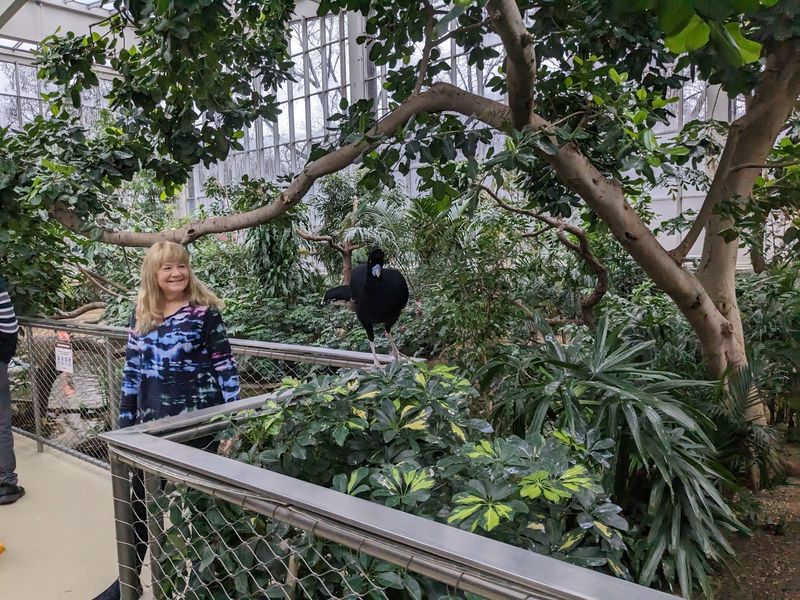
Humid air hits you the moment you push open the door to the Tropical Rainforest exhibit, and that is exactly the point. As the oldest room in the Aviary, this space has been transporting visitors to equatorial climates for decades, and it remains one of the most dramatic environments in the building.
Scarlet Macaws and Victoria Crowned Pigeons move through the canopy overhead, while the Great Argus, a pheasant species with spectacular patterned feathers, keeps closer to the ground. The combination of exotic species, dense foliage, and warm mist creates a sensory experience that feels genuinely far from Pittsburgh.
Spending time here on a cold Pennsylvania morning feels almost rebellious, like sneaking off to a jungle without clearing your schedule. The species on display represent some of the most visually stunning birds found in tropical regions worldwide, and their proximity to visitors in this free-flight setting makes every minute inside well worth the warm, sticky air.
Flamingos, Pelicans, and a Wetlands Habitat Built on a Grand Scale
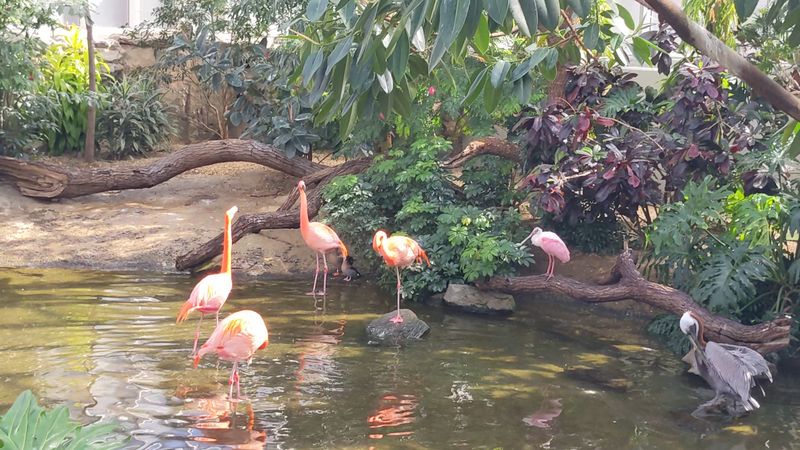
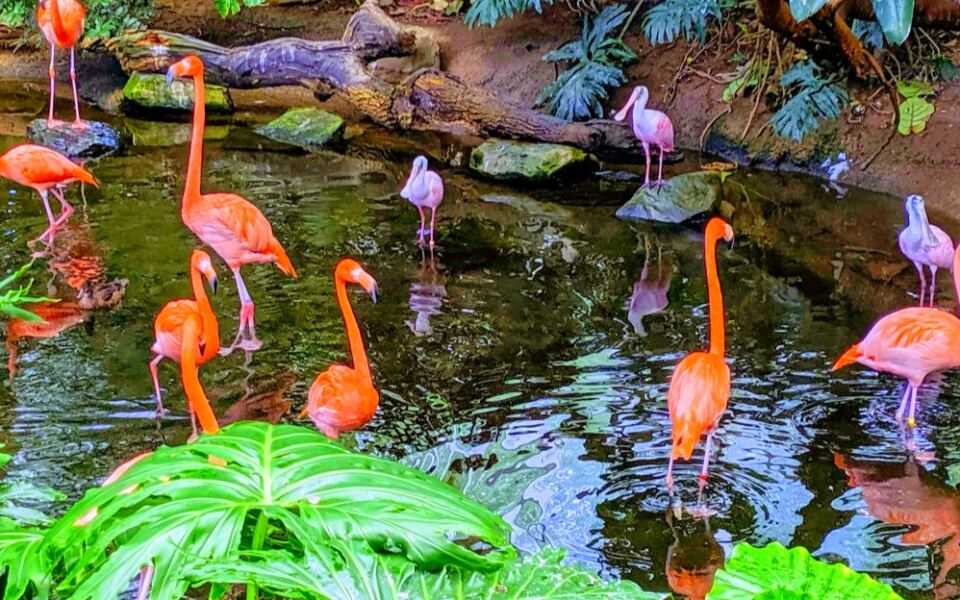
The Wetlands is the largest single habitat in the entire Aviary, and it earns that title with confidence. American Flamingos stand in shallow water while Brown Pelicans patrol the edges, and smaller species like blue-winged mountain tanagers and golden-breasted starlings dart through the mid-level vegetation.
The scale of the space gives larger birds room to behave naturally, which means you might catch a pelican spreading its full wingspan or a flamingo wading in a way that looks straight out of a nature documentary. The variety packed into one room keeps you scanning in every direction.
Visiting early in the morning tends to produce the most active bird behavior, especially around scheduled feeding times when staff bring fresh fish and produce into the habitat. The energy in the Wetlands during a feeding is something that a photograph can capture but never fully convey, and it is a strong reason to check the daily schedule before you arrive.
Penguin Point: Where You Can See the World From a Penguin’s Perspective
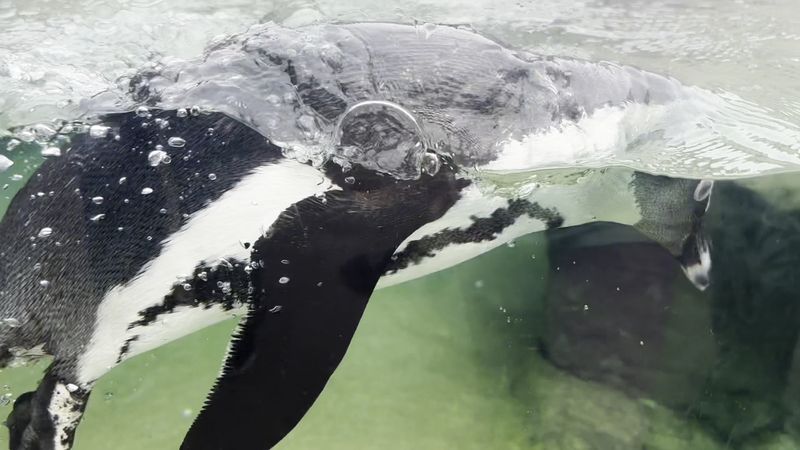
African Penguins are endangered in the wild, which makes the colony at Penguin Point both a conservation story and a crowd favorite. The indoor-outdoor habitat recreates the rocky beaches of South Africa, giving the birds a familiar environment and giving visitors an unusually intimate view of their daily routines.
The underwater viewing panel lets you watch penguins torpedo through the water with surprising speed, and the pop-up glass domes scattered through the exhibit place your face at ground level so you see things exactly as a penguin would. It is a genuinely clever design choice that turns a standard viewing experience into something memorable.
For visitors willing to pay an additional encounter fee, hand-feeding the penguins is available and consistently ranks as one of the most talked-about experiences at the Aviary. The penguins are curious and confident, and meeting one at close range has a way of making the conservation message feel personal rather than abstract.
Up next, you might be surprised by what lives in the mountains.
Condor Court: Where the Andes Comes to Pittsburgh
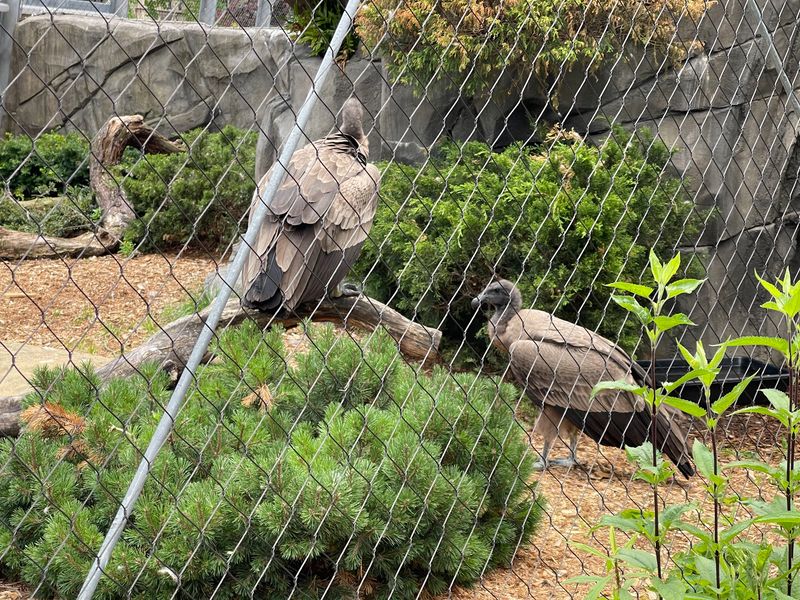
An Andean Condor with a 10-foot wingspan is not something you expect to find on Pittsburgh’s North Side, yet Condor Court delivers exactly that. This expansive, mountainous outdoor habitat houses some of the most physically imposing birds on the planet, viewable through large glass panels that give a clear, unobstructed perspective.
Condors are known for their stillness. They can hold a position for a remarkably long time, which makes them look almost sculptural from a distance, though watching one finally stretch and shift reveals just how enormous these birds truly are.
The rocky, elevated structures in the habitat mirror the Andean terrain where condors naturally soar above remote cliff faces.
The outdoor setting also means the experience changes depending on the season and weather, which gives repeat visitors a reason to return. Pair a visit to Condor Court with the adjacent Eagle Hall next door, and you have back-to-back encounters with two of the most awe-inspiring birds found anywhere in the Western Hemisphere.
Eagle Hall: The Only Harpy Eagle in the Entire Northeast
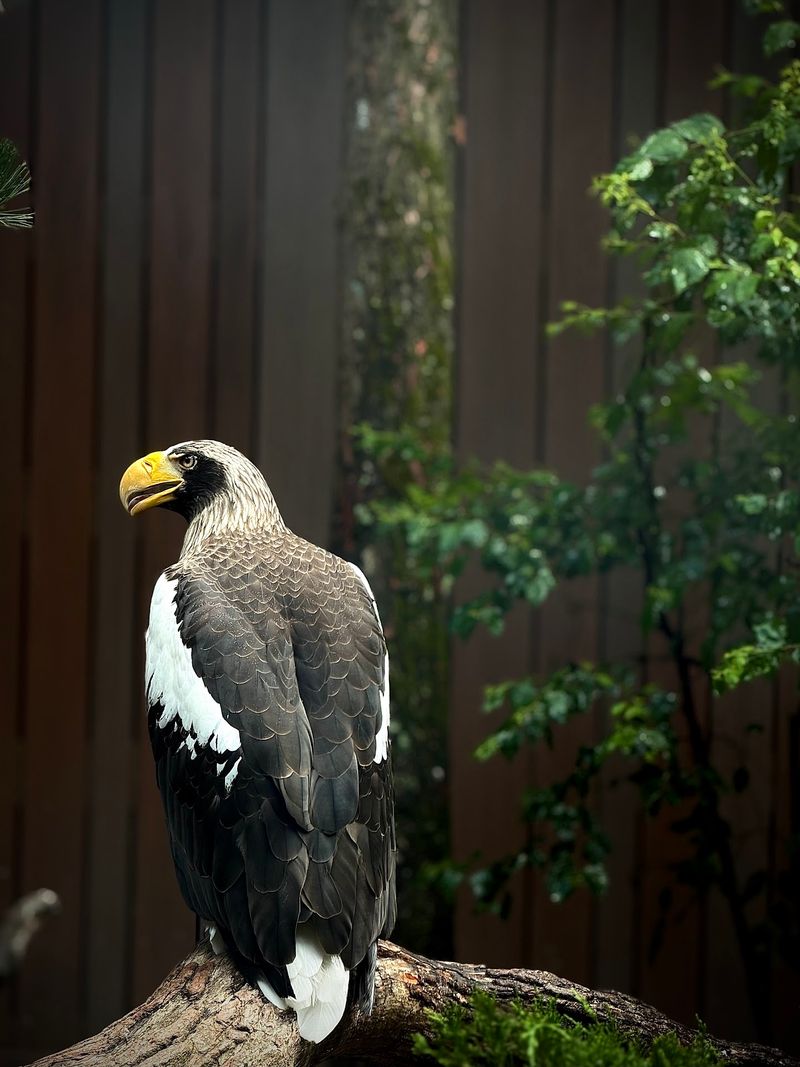
The Charity Randall Foundation Eagle Hall holds a distinction that no other facility in the Northeast can claim: it is home to the only Harpy Eagle in the region. Harpy Eagles are among the largest and most powerful raptors on Earth, with talons that can rival a grizzly bear’s claws in size, and seeing one in person redefines your understanding of what a bird can be.
Alongside the Harpy Eagle, two Steller’s Sea Eagles share the hall, adding another layer of impressive scale to an already remarkable exhibit. The hall also offers a window into the Aviary’s state-of-the-art Avian Care Center, where visitors can observe the behind-the-scenes veterinary and care work that keeps these birds healthy.
That transparent look into professional bird care is not just interesting; it reinforces the seriousness with which the Aviary approaches its conservation mission. Most visitors linger here longer than they planned, which is a reliable sign that something genuinely extraordinary is happening in that room.
Canary’s Call: Rainbow Lorikeets, Flying Foxes, and a Message Worth Hearing
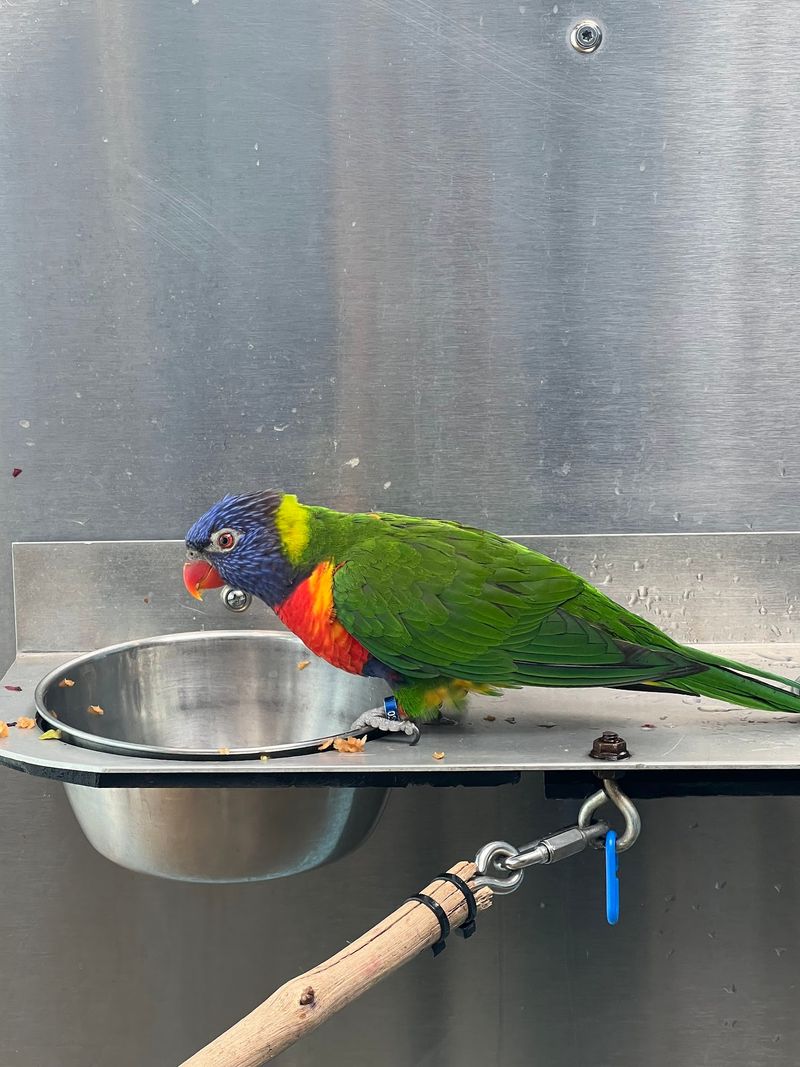
Canary’s Call takes a museum-style approach to bird education, using its exhibits to show how birds function as indicators of environmental health. The concept is thought-provoking, but the animals inside make sure the experience never feels like a lecture.
Rainbow Lorikeets are the undeniable stars of this space, their neon plumage making them look almost artificially bright. They are also pushy in the best possible way, landing on arms and shoulders with zero hesitation during feeding sessions, which visitors consistently describe as one of the more delightfully chaotic moments of their visit.
The Andean Cock-of-the-rock, with its vivid orange crest, adds another burst of color to the room.
Malayan Flying Foxes also call this habitat home, which surprises many visitors who did not expect to find large fruit bats in an aviary. Their presence broadens the ecological story the exhibit tells, and their wingspan tends to stop people mid-step when they first spot them hanging overhead.
The lorikeet feeding alone is worth the stop.
Shows, Sloth Encounters, and the Activities That Make This Place Stand Apart
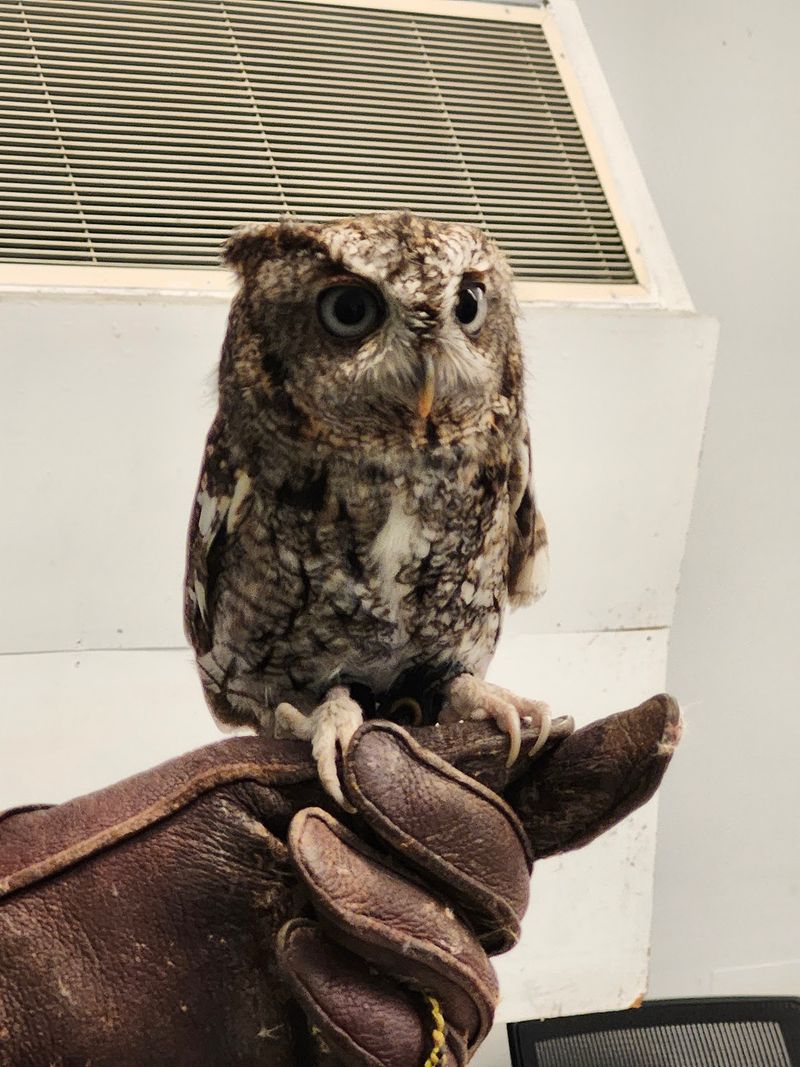
Beyond the habitats, the National Aviary layers in a full calendar of daily activities that transform a standard visit into something more participatory. Bird shows included with general admission feature full-flighted birds swooping overhead through the crowd, with species like eagles, owls, macaws, and large cranes taking turns performing natural behaviors on cue from trained staff.
For an additional fee, Animal Encounters open up one-on-one time with sloths, owls, birds of prey, and penguins. The falcon encounter, where a bird actually lands on your gloved arm, tends to be a highlight that visitors remember for years.
A retired teacher walking the floor with a live owl perched on her arm, sharing facts with anyone nearby, captures the Aviary’s educational spirit perfectly.
Checking the daily schedule when you arrive is genuinely important here. The Aviary posts activity times at the entrance, and planning your route around the shows and feedings rather than wandering freely makes a real difference in how much you experience.
Conservation That Reaches Beyond Pittsburgh’s City Limits
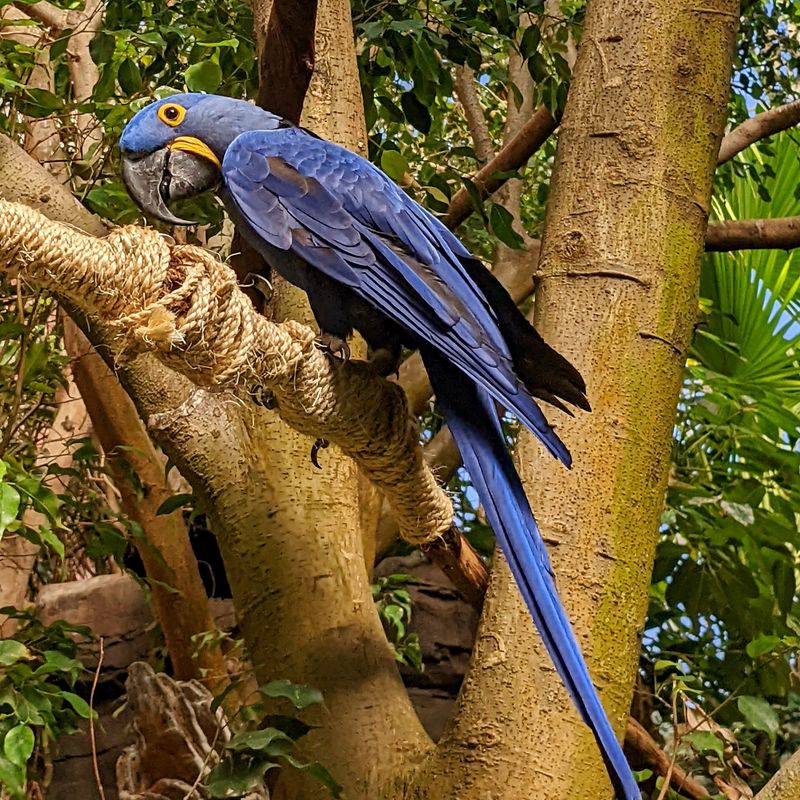
The National Aviary does not just display rare birds; it actively works to keep them from disappearing. Staff members travel globally to support endangered species and protect critical habitats, and the Aviary participates in national programs including the Association of Zoos and Aquariums Species Survival Plan and the Saving Animals from Extinction initiative.
One of the most striking conservation achievements involves the Guam Rail, a flightless bird that was once classified as Extinct-in-the-Wild. Through careful breeding efforts and collaborative programs, the Aviary helped downgrade that status to Critically Endangered, and Guam Kingfishers have been reintroduced to the wild after 40 years of absence.
These are not small victories.
Locally, the Aviary engages Pittsburgh-area residents in citizen science through programs like Neighborhood Nestwatch, Project Owlnet, and Winter Hummingbirds studies. Every ticket purchased supports this work, which means a visit to the Aviary connects you to something much larger than an afternoon in Allegheny Commons Park.
That is a genuinely good reason to go.
Share this story