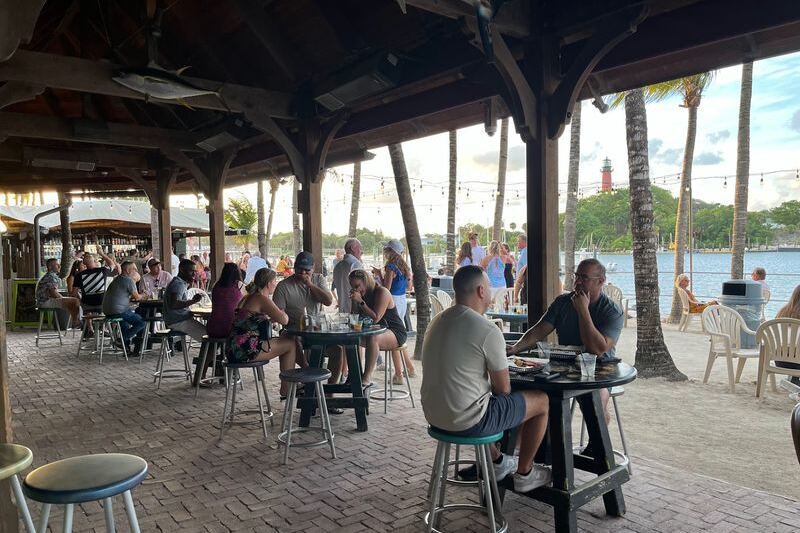
There is a stretch of the Florida Panhandle where the sand turns so white it almost looks like powdered sugar, and the streets are lined with architecture that feels more like a European village than a beach town. Most people drive right past it without knowing what they are missing.
But once you find it, you start wondering how you ever spent a beach trip anywhere else. This place has a way of making you slow down, look around, and actually breathe for a moment.
A Town Built Like a Painting
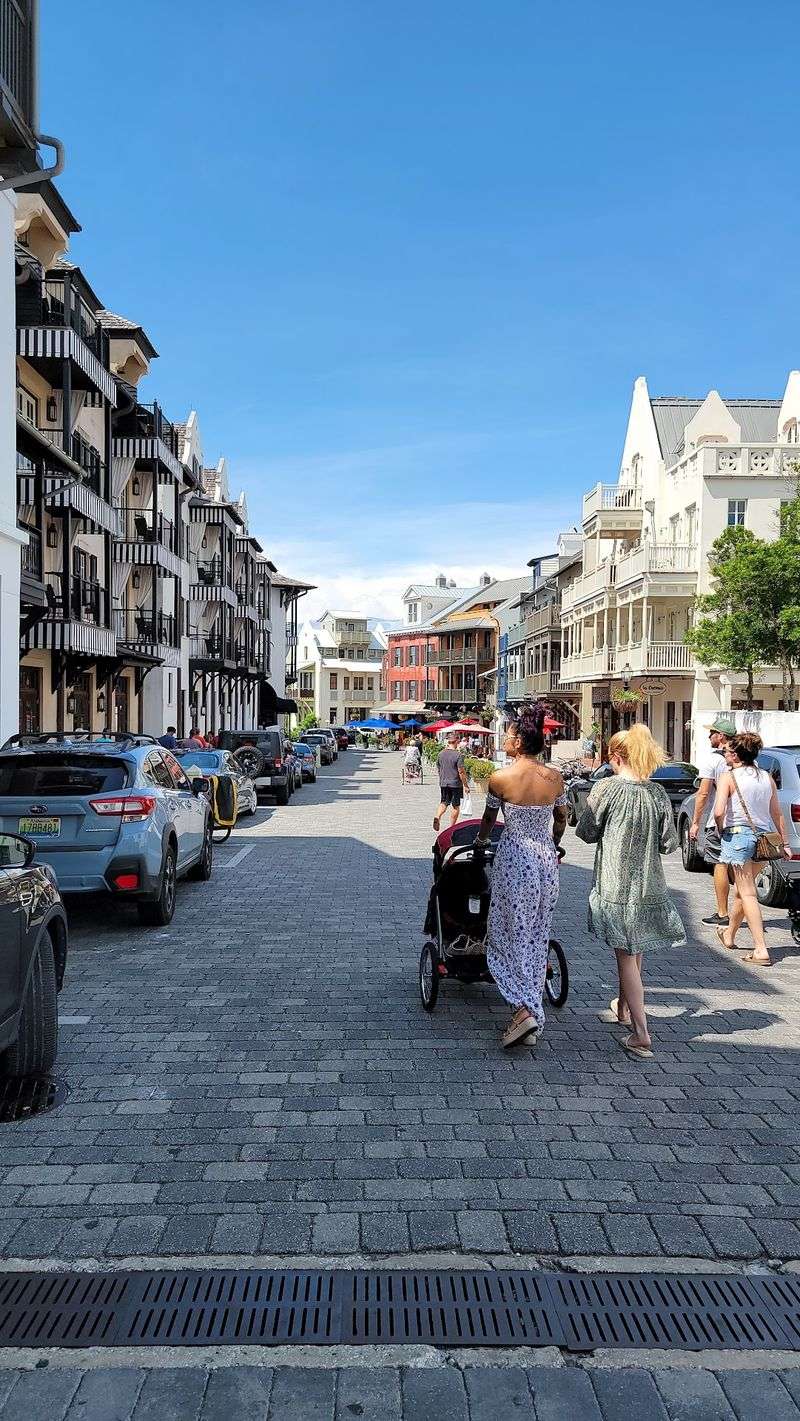
Most beach towns in Florida look like they were designed by the same committee. Rosemary Beach does not.
Every building here follows a strict architectural code inspired by Caribbean, West Indies, and New Orleans styles, creating a streetscape so cohesive it genuinely looks staged.
Rosemary Beach is a planned community located along County Road 30A in Walton County, Florida 32461, on the Gulf Coast of the Florida Panhandle. It was developed with New Urbanism principles, meaning walkability, community gathering spaces, and architectural harmony were baked into the plan from the start.
The result is a town that feels like it belongs on a postcard. Covered walkways, wooden shutters, and carefully placed courtyards make even a casual stroll feel deliberate and beautiful.
First-time visitors almost always stop mid-walk just to take it all in.
The Gulf Water Here Hits Different

The Gulf of Mexico along this stretch of the Panhandle is famous for a reason. The water runs in shades of emerald and turquoise that feel almost tropical, and the sand is so fine and white it stays cool even in the middle of summer.
At Rosemary Beach, the beach access points are quiet and well-maintained. The crowds here tend to be smaller than at more commercialized Florida beach towns, which means you actually get to enjoy the water without fighting for space.
The Gulf is calm enough most days for swimming, paddleboarding, and just floating without a care. On clear mornings, the water is so transparent you can watch small fish darting around your feet in the shallows.
That kind of clarity is not something you forget quickly. It keeps people coming back year after year.
Walkability That Actually Works
One of the smartest things about Rosemary Beach is that you genuinely do not need a car once you arrive. The entire community is designed for walking, and the scale of the town makes that feel effortless rather than exhausting.
Brick-paved streets connect the beach to the town center, the shops, and the residential neighborhoods in a way that feels natural. There are no sprawling parking lots cutting through the experience or loud traffic intersections breaking up the mood.
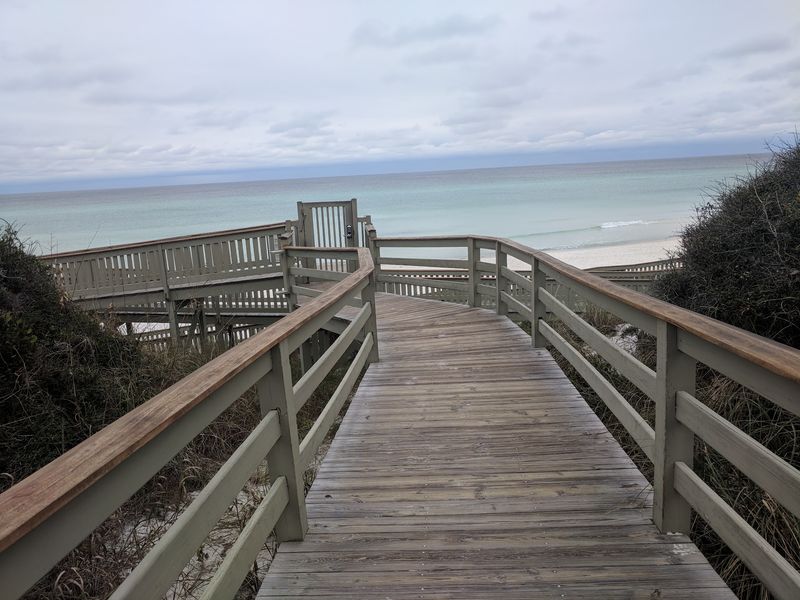
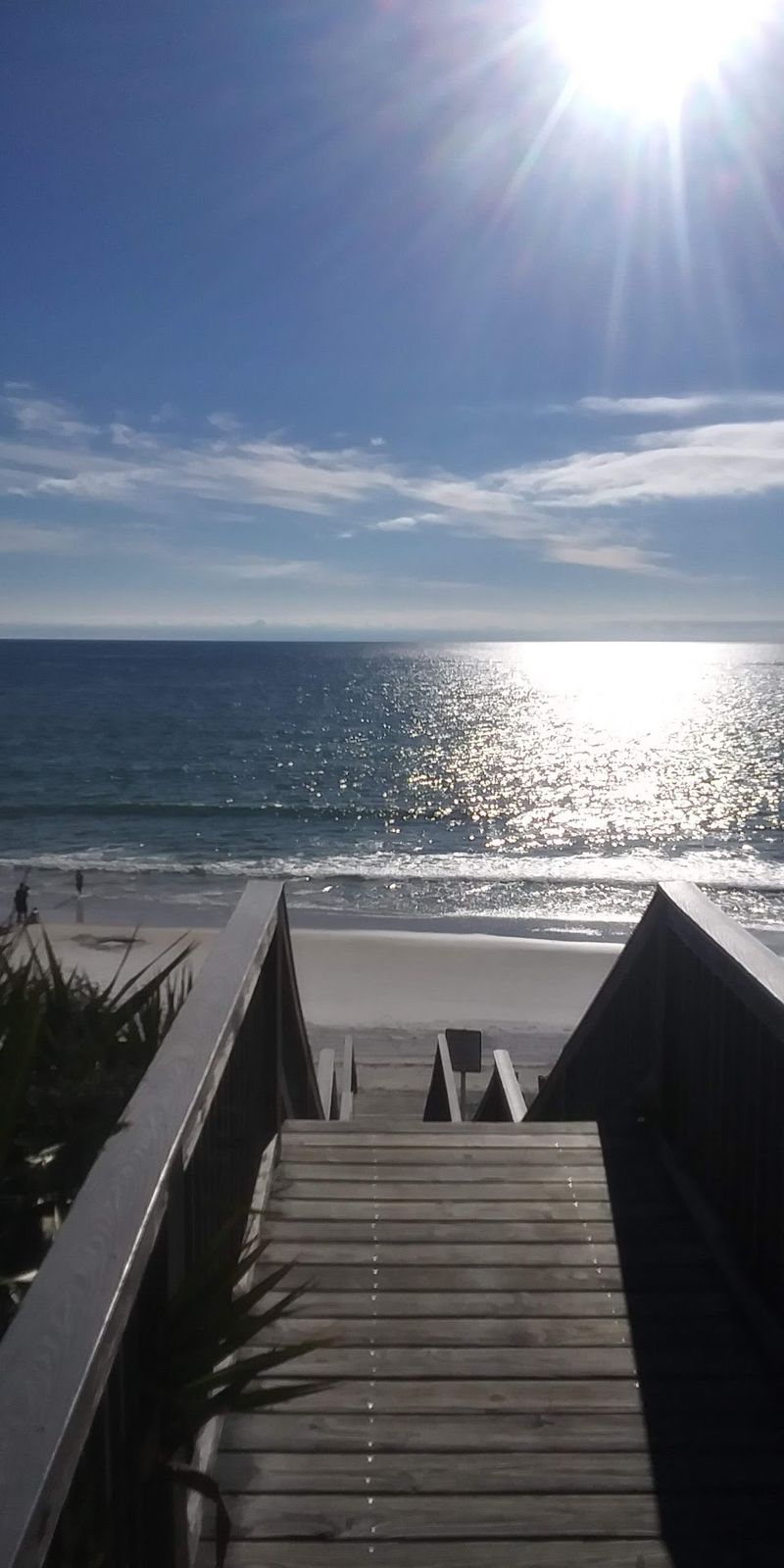
Boardwalks wind through natural dune vegetation and lead directly to the Gulf, which means getting from your rental to the sand takes minutes on foot. Bike rentals are easy to find, and many visitors spend entire days without touching their car keys.
That kind of freedom is surprisingly rare in a Florida beach town, and it changes the whole rhythm of a visit here.
The Town Center and Its Quiet Energy
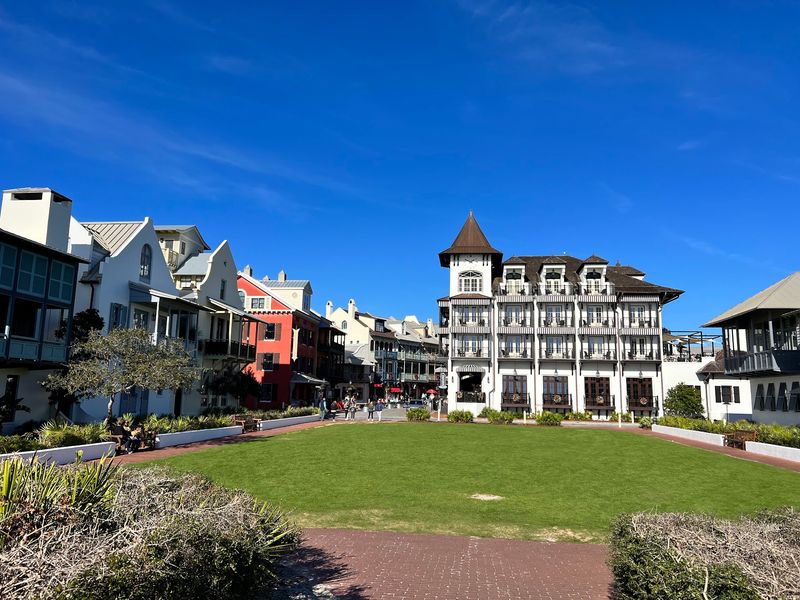
The heart of Rosemary Beach is its town center, a compact gathering space surrounded by boutique shops, cafes, and restaurants. It has the kind of low-key energy that makes you want to sit down with a coffee and watch the world move at a slower pace.
Weekends bring a gentle buzz of activity, with families, couples, and solo travelers moving between shops and outdoor seating areas. But it never tips into chaotic.
The scale of the space keeps things manageable and pleasant.
Local boutiques carry carefully curated clothing, home goods, and gifts that reflect the coastal lifestyle without leaning too hard into tourist kitsch. You can actually find things here worth buying and bringing home.
The restaurants along the town center range from casual to refined, and most focus on fresh seafood and Gulf Coast flavors that match the setting perfectly.
Architecture Details Most Visitors Walk Right Past
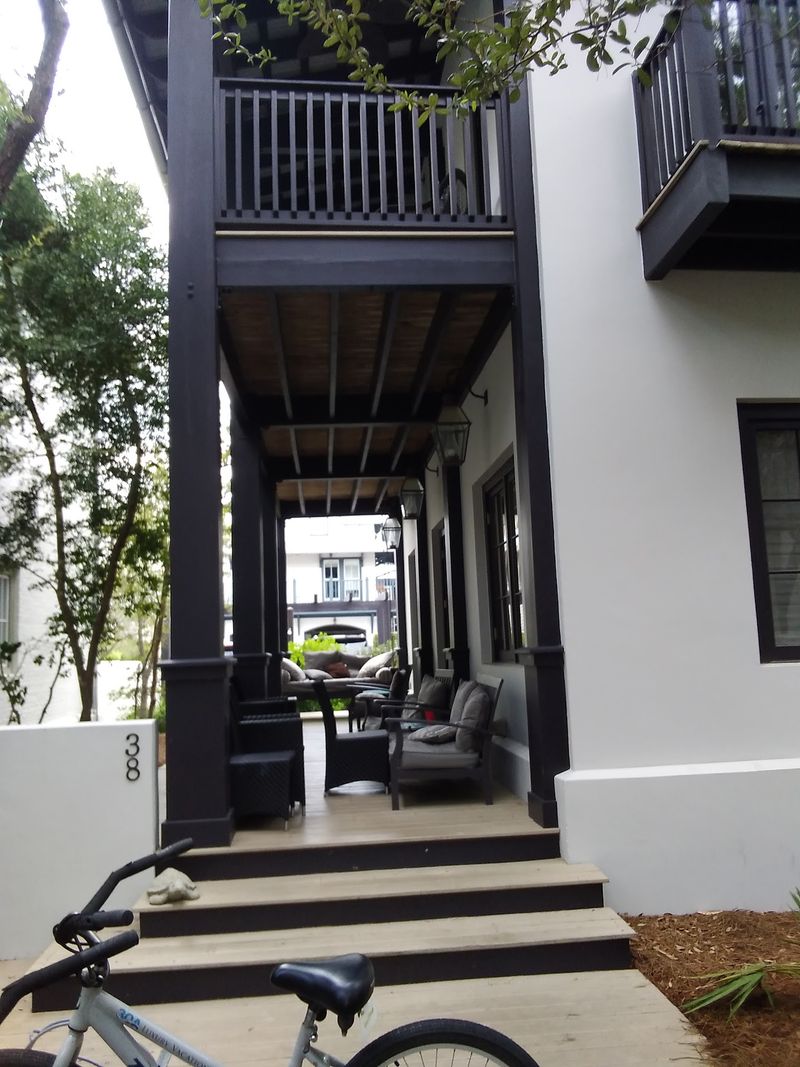
Once you start paying attention to the small details in Rosemary Beach, it is hard to stop. The architectural code here goes far beyond just paint colors and roof styles.
Builders are required to include covered porches, specific window proportions, and materials that weather naturally in the Gulf Coast climate.
Wrought iron railings, wooden shutters that actually function, and deep-set doorways appear throughout the community. Courtyard gardens tucked between buildings create private green spaces that you catch glimpses of through iron gates as you walk the streets.
Many of the homes feature sleeping porches and rooftop decks designed to take advantage of Gulf breezes. The attention to livability, not just appearance, is what separates Rosemary Beach from other planned communities.
Architects and design enthusiasts make special trips here just to study how the guidelines were implemented across hundreds of individual properties.
County Road 30A and What Surrounds It
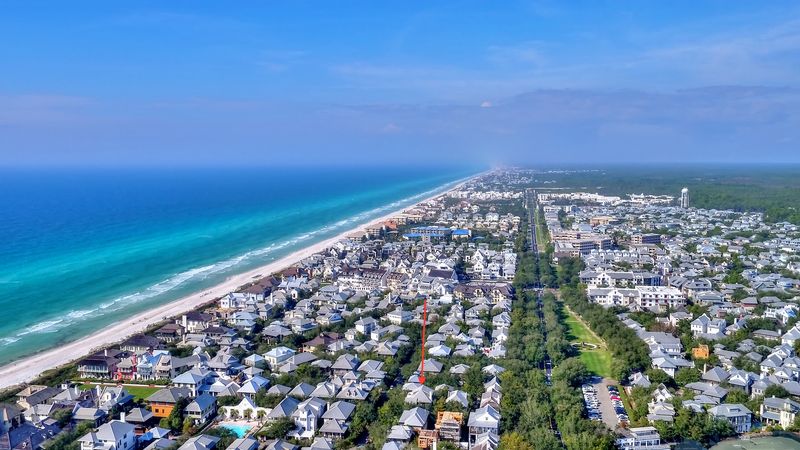
Rosemary Beach sits along County Road 30A, a scenic highway that connects a string of small beach communities along the Panhandle. The road itself is worth exploring, but Rosemary Beach makes a strong case for being the most architecturally distinct stop along the route.
The area around 30A is known for its coastal dune lakes, a rare geographic feature found in very few places on Earth. These freshwater lakes sit close to the Gulf and occasionally connect to the ocean through natural outlets.
Several of these lakes are within easy reach of Rosemary Beach.
The surrounding landscape includes longleaf pine forests, scrub oak habitat, and protected state lands that keep the corridor from feeling overdeveloped. That natural buffer is part of what makes the drive along 30A so appealing, and it gives Rosemary Beach a setting that feels earned rather than manufactured.
The Coastal Dune Lakes You Probably Did Not Know Existed
Florida has a lot of lakes. But the coastal dune lakes near Rosemary Beach are genuinely rare.
These are intermittent lakes that form in low areas between coastal dunes, fed by rainfall and groundwater, and they occasionally breach through the sand to connect directly with the Gulf of Mexico.
That connection, called an outfall, creates a brief mixing of fresh and salt water that produces a unique ecosystem. The lakes support wildlife including migratory birds, fish species, and plant communities that depend on that fluctuating salinity.
Scientists consider this type of lake to exist in only a handful of locations worldwide, which makes the ones near Rosemary Beach genuinely worth paying attention to. Most visitors walk past them on the way to the beach without realizing what they are looking at.
Spending a few minutes at the lake edge, especially early in the morning, is one of the quieter rewards of this area.
Where to Eat Without Overthinking It
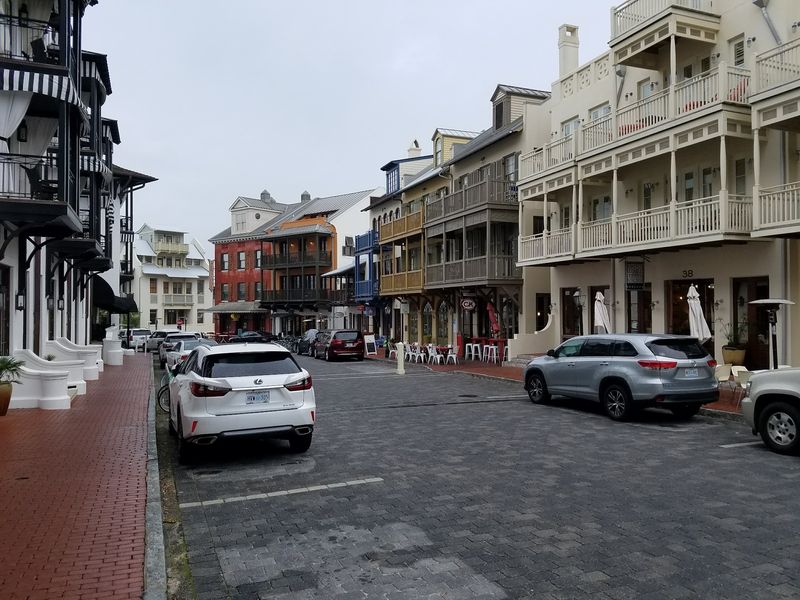
The dining scene in Rosemary Beach is compact but well-considered. Most restaurants here focus on Gulf Coast ingredients, and the seafood is as fresh as you would expect given the location.
The options range from relaxed cafe-style spots to sit-down restaurants with more polished menus.
Raw oysters, Gulf shrimp, and locally caught fish appear frequently across menus in the area. Some spots lean into the casual beach town atmosphere, while others take a more refined approach to the same ingredients.
Either way, eating well here does not require much effort or research.
The town center location of most restaurants means you can walk from your rental, eat well, and walk back without the hassle of driving and parking that comes with most Florida beach dining. That convenience, combined with genuinely good food, makes meals here feel like part of the experience rather than a logistical interruption.
What New Urbanism Actually Feels Like in Practice
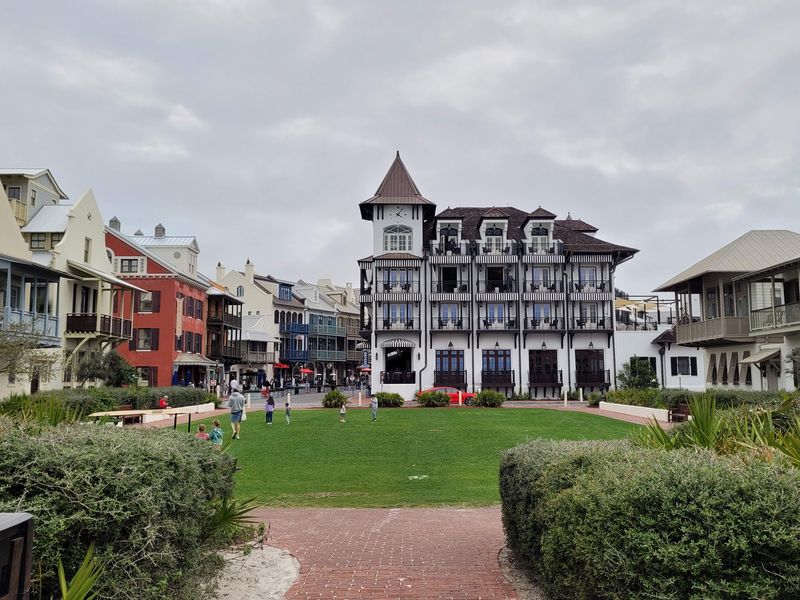
New Urbanism is an urban planning philosophy that prioritizes walkability, mixed-use buildings, and community connection over car-dependent sprawl. Rosemary Beach was built as a real-world example of what that philosophy looks like when applied to a beach community.
The practical effect is noticeable from the moment you arrive. Homes, shops, and restaurants share the same streets.
Green spaces are woven throughout rather than pushed to the edges. Pedestrian paths connect every part of the community to every other part without requiring a car at any point.
The community also includes a town hall, a green space called Barrett Square at its center, and a network of boardwalks that feel like a natural extension of the streets rather than an afterthought. For anyone curious about what thoughtful development can produce, Rosemary Beach functions as a working example that is genuinely worth studying on foot.
Shopping That Feels Local
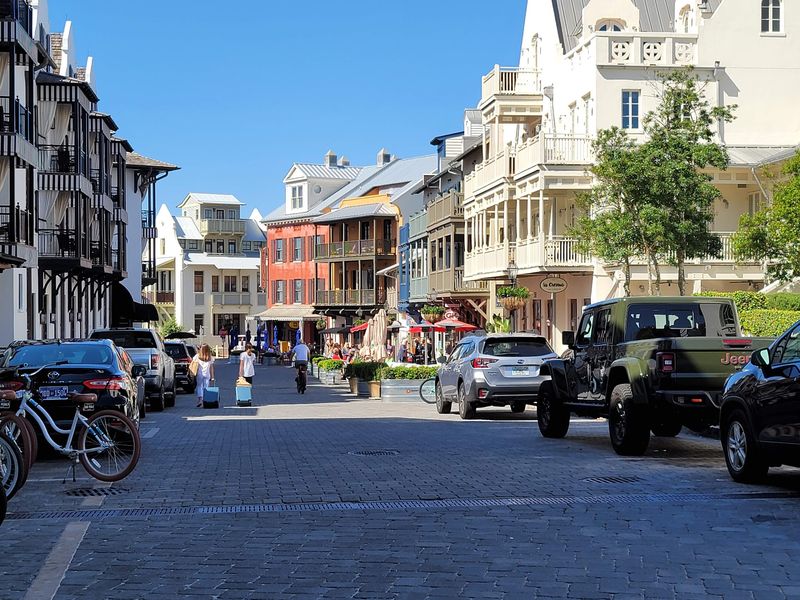
Shopping in Rosemary Beach leans toward the independent and carefully curated. The boutiques here carry clothing, accessories, and home goods that reflect the coastal lifestyle without defaulting to the generic beach souvenir approach you find at most Florida tourist spots.
Several shops specialize in coastal-inspired home decor, linen clothing suited to warm weather, and locally made goods that actually reflect the character of the 30A corridor. Browsing here feels relaxed because the stores are small and the pace of the town encourages taking your time.
The proximity of shops to the beach means you can pick up a sun hat or a lightweight cover-up and be back on the sand within minutes. Nothing about the shopping experience here feels rushed or overcrowded.
It fits naturally into a day that might also include a beach walk, a long lunch, and a slow evening on a porch watching the light change.
When to Visit for the Best Experience
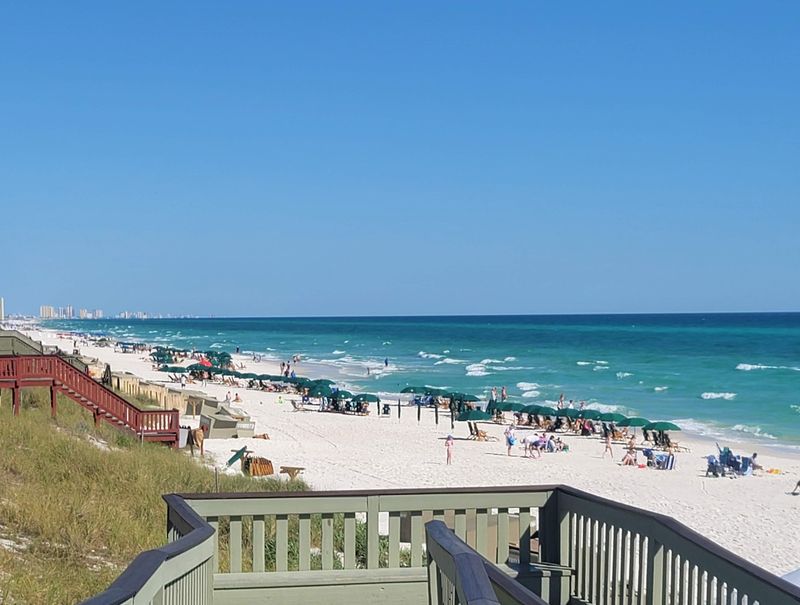
Rosemary Beach draws visitors year-round, but the experience shifts significantly depending on when you go. Summer brings the largest crowds and the warmest Gulf water temperatures, which makes it ideal for swimming but busier along the beach access points and in the town center.
Spring and fall offer a noticeably different rhythm. The weather stays warm enough for beach days, the water is comfortable, and the crowds thin out considerably.
Many visitors who have been coming to Rosemary Beach for years prefer the shoulder seasons for exactly that reason.
Winter along the Panhandle is mild compared to most of the country, and the town stays active even in the cooler months. The architecture and the layout of the community make it enjoyable to walk even when swimming is not the priority.
Visiting in January or February and having the beach almost entirely to yourself is a genuinely different kind of Florida experience.
Why People Keep Coming Back
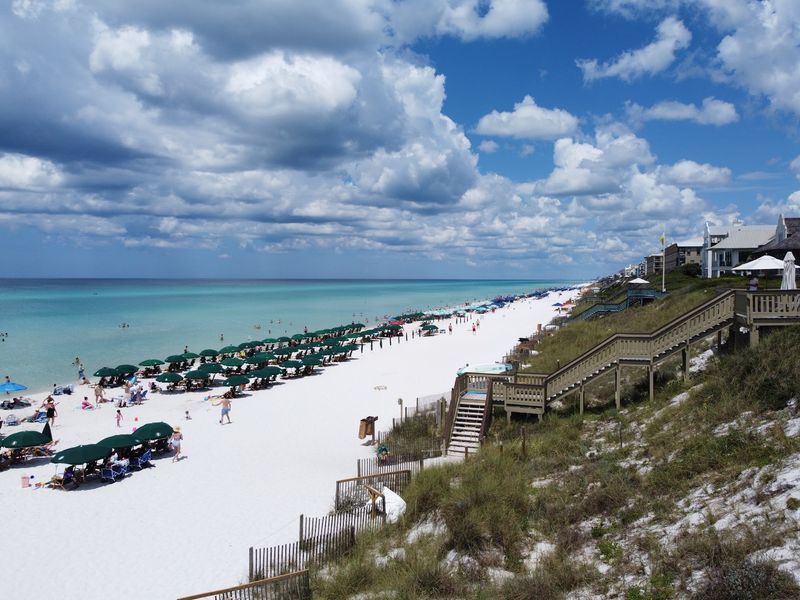
There is a specific quality to Rosemary Beach that is difficult to name but easy to feel. The town is small enough that you learn its layout within a day, but interesting enough that you keep finding small details you missed the first time around.
That balance is harder to achieve than it sounds.
Repeat visitors talk about the consistency of the place. The architectural standards mean it does not change dramatically from year to year.
The same brick streets, the same covered walkways, the same proportions between buildings and green space. That reliability is part of the appeal for families who return annually.
The combination of genuine beauty, thoughtful design, and a Gulf Coast setting that remains one of the most visually striking in the country gives Rosemary Beach a staying power that newer, trendier spots tend to lack. Once you find it, the question is not whether you will return.
It is when.
Share this story