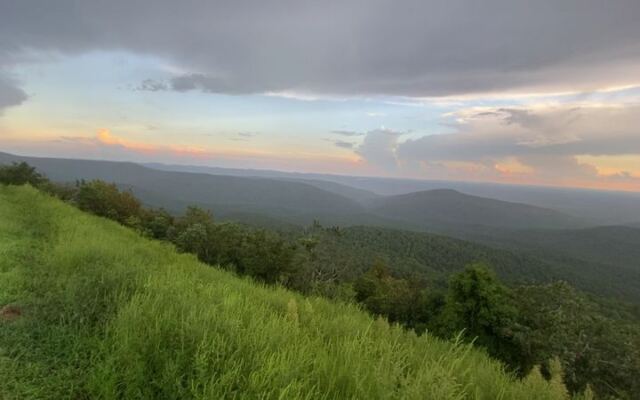
Oklahoma has a way of surprising people who think they already know it. Somewhere in the southeastern corner of the state, a winding mountain road cuts through ancient forest and ridge after ridge of rolling Ouachita peaks, and every overlook you stop at feels like the world just exhaled.
The Talimena National Scenic Byway is one of those rare drives where slowing down is the whole point. Pull over often enough, and something in your head gets very, very quiet.
Where the Byway Begins and What It Actually Is
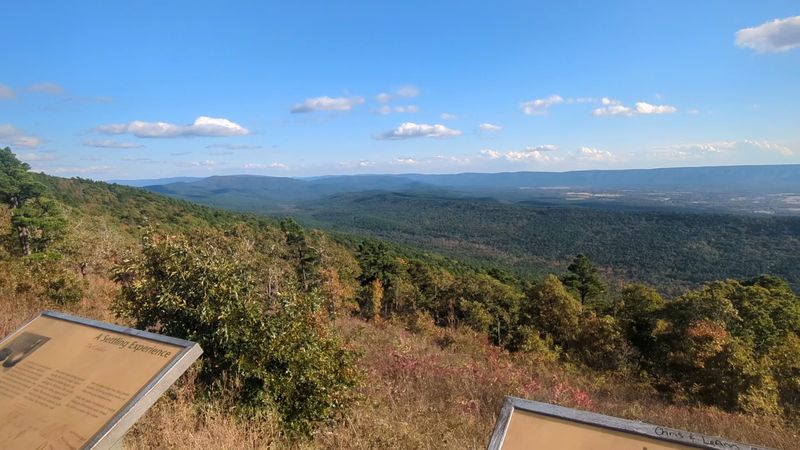
Not every road earns the word “scenic” in its official name, but Talimena National Scenic Byway genuinely does. Stretching 54 miles through the Ouachita Mountains, the byway runs between Talihina, Oklahoma, and Mena, Arkansas, tracing the spine of a forested ridgeline that few people outside the region even know exists.
Oklahoma-1 Scenic is its highway designation, and it lives up to every letter.
The route passes entirely through Ouachita National Forest, which means the land on both sides stays wild and largely undeveloped. There are no strip malls, no fast-food signs, no billboards pulling your eye away from the ridgelines.
What you get instead is a corridor of pine, hardwood, and sky that shifts character with every season and every hour of daylight.
Visitors who make the full drive often describe it as one of the most unexpectedly beautiful experiences in the region. The Oklahoma side is particularly praised for its pull-off areas and informational signage, making it easy to understand what you are looking at as you go.
For a road that starts in a small southeastern Oklahoma town, the scale of what it delivers is genuinely impressive.
The Ouachita Mountains as the Byway’s Backbone
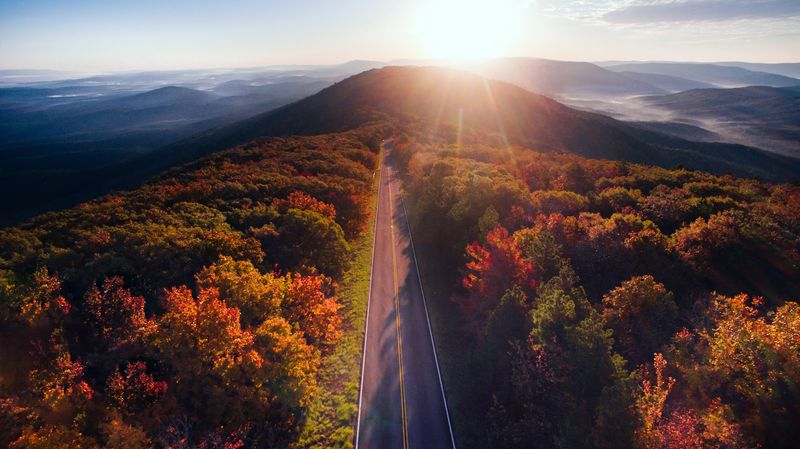
Ancient, rounded, and deeply forested, the Ouachita Mountains form the physical foundation of everything the Talimena Byway offers. Unlike younger, jagged mountain ranges, these peaks have been worn smooth by hundreds of millions of years of geological history, giving the landscape a rolling, layered quality that reads almost like brushstrokes from a distance.
The result is a ridgeline drive where the views feel continuous rather than occasional.
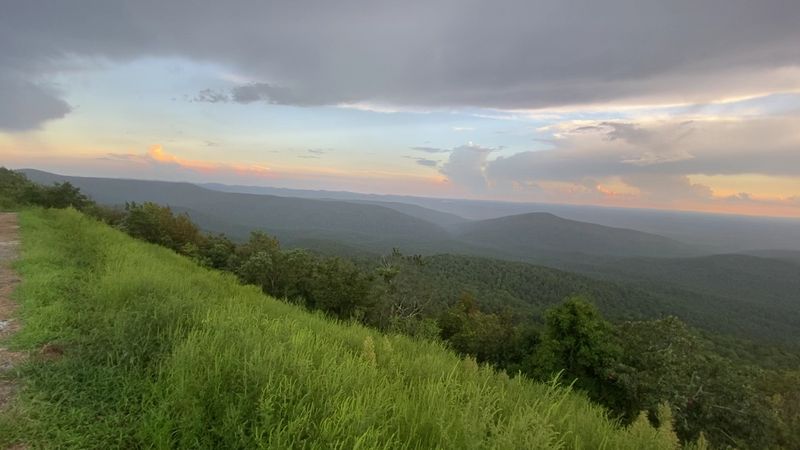
From the highest points along the byway, visitors can see ridge after ridge of blue-green hills stacking toward the horizon. On clear days, the depth of those layers creates a hazy, almost watercolor effect that photographers find endlessly compelling.
Reviewers consistently describe the scenery as “sweeping” and “picture-perfect,” with one visitor noting that every turn feels like a postcard moment.
Elevation changes along the route add to the drama. The road climbs and dips in a way that keeps the drive physically engaging, offering fresh vantage points around nearly every bend.
Whether you are looking east into Arkansas or west toward the Oklahoma plains, the mountain backdrop holds up beautifully from every angle. The Ouachitas are not the tallest mountains in America, but they might be among the most quietly compelling.
54 Miles of Winding Road Through National Forest
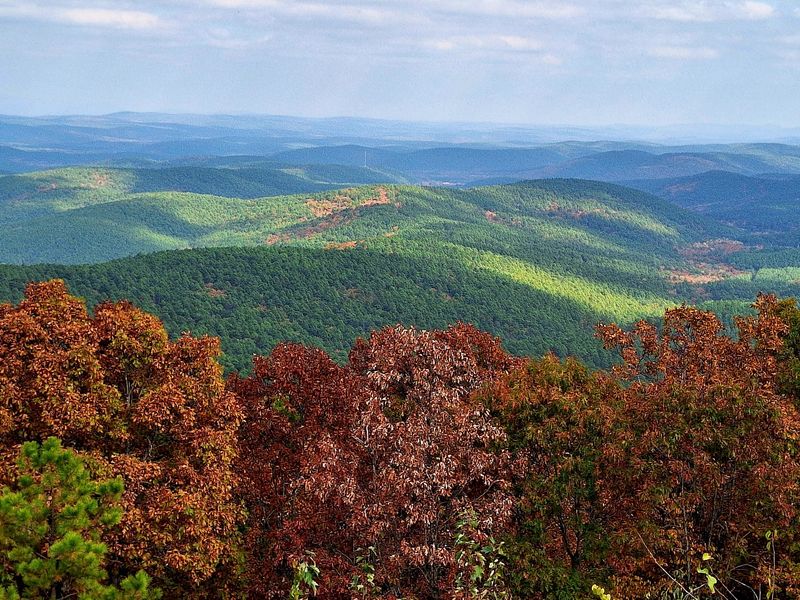
Fifty-four miles sounds like a manageable afternoon, but on the Talimena Byway, that distance stretches pleasantly because there is always a reason to slow down, pull over, and linger. The road itself winds through Ouachita National Forest the entire way, keeping the drive inside a protected corridor of towering pines, hardwoods, and the kind of forest floor that smells sharp and clean in the cooler months.
Road quality is consistently praised by visitors, with reviewers describing the surface as smooth and relaxing to drive. The curves are gentle enough for comfortable cruising but interesting enough to keep the experience from feeling flat.
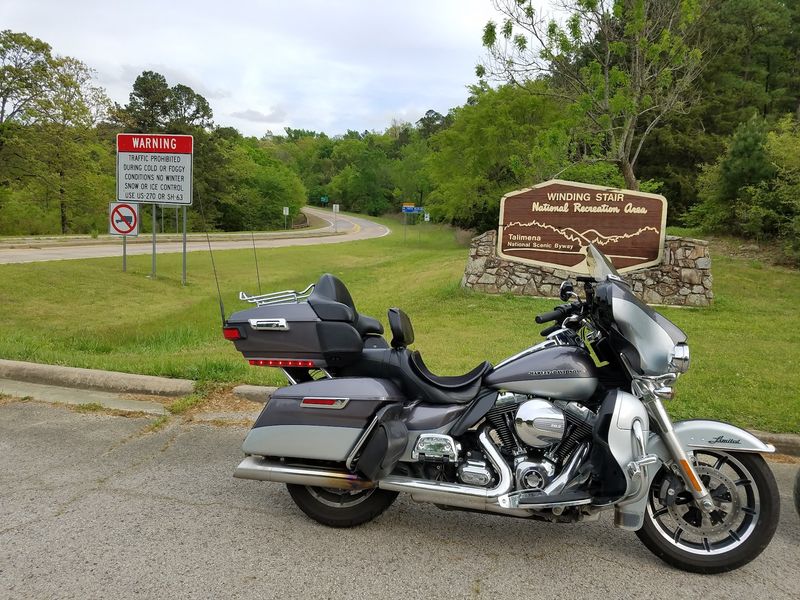
Motorcyclists in particular have taken note, with dozens of reviews mentioning the byway as an outstanding ride, praising the combination of good pavement, manageable curves, and spectacular scenery.
Because the route crosses state lines into Arkansas, drivers who complete the full length get to experience two states worth of forest in a single outing. The Oklahoma side draws specific praise for its pull-off infrastructure and interpretive signage.
Plan on spending at least two to three hours if you want to stop at a meaningful number of overlooks, and longer if you intend to eat, walk any trails, or simply sit and watch the light change on the hills.
The Overlooks That Make You Stop Mid-Sentence
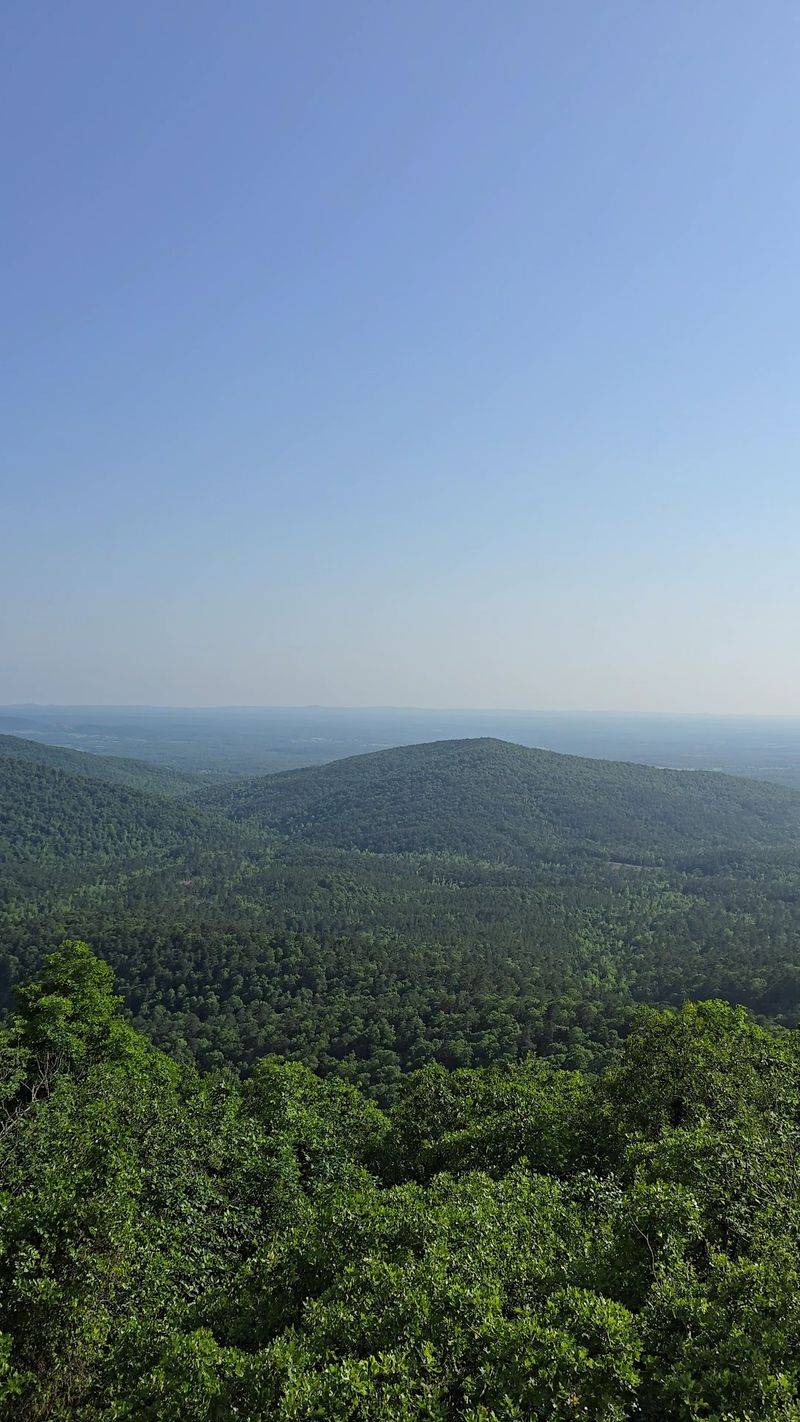
Pulling over at an overlook on the Talimena Byway is not a polite gesture toward scenery. It is a full stop, the kind where you get out of the car and forget what you were talking about.
The Oklahoma side of the drive is especially well-equipped with pull-off areas, and reviewers mention them repeatedly as one of the route’s strongest features. There are enough of them that stopping at every single one becomes a legitimate activity rather than an interruption.
Each overlook frames the mountains slightly differently. Some face east into layered Arkansas ridgelines, others open south toward valleys that seem impossibly deep.
A few sit right on the ridge crest where the wind picks up and the air smells of pine resin and open sky. Visitors consistently describe the experience of standing at these pull-offs as peaceful, uncrowded (especially on weekday visits), and worth every mile of the drive to get there.
One reviewer captured the feeling well, noting that even the drive itself is a highlight, not just the designated stops. That is the nature of a road built along a ridgeline: the whole thing is the view.
Still, the formal overlooks add structure to the experience and give you a place to safely park, breathe, and actually absorb what you are looking at.
Fall Foliage Season and Why Timing Changes Everything
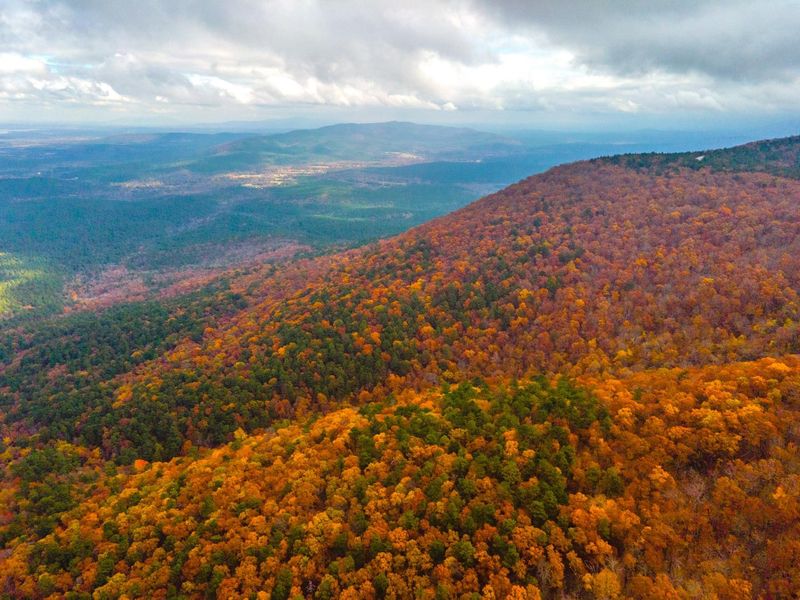
Fall foliage is the Talimena Byway’s headline act, and it earns that reputation honestly. The Ouachita Mountains host a mix of hardwoods that turn in layers across the hillsides, with reds, oranges, and golds stacking up against the dark green of the pines.
The effect is vivid in a way that photographs struggle to capture accurately, which is saying something given how many photographers make the drive specifically to try.
Timing matters more here than on many other scenic drives. Reviewers who have visited multiple times suggest that the second week of November tends to offer peak color on the Oklahoma side, though conditions vary year to year.
Arriving even a week early or late can mean the difference between muted patches and full, saturated color across the entire ridgeline. Afternoon light around 3 PM is frequently mentioned as especially flattering for photography.
Crowds do pick up during peak fall weekends, and parking at the most popular overlooks can get competitive. Weekday visits or early morning arrivals help considerably.
A few visitors have noted that even when the colors were not quite at their peak, the views from the overlooks were still remarkable. The foliage is the bonus; the mountain scenery is the constant.
Summer and Spring on the Byway, Lush and Uncrowded
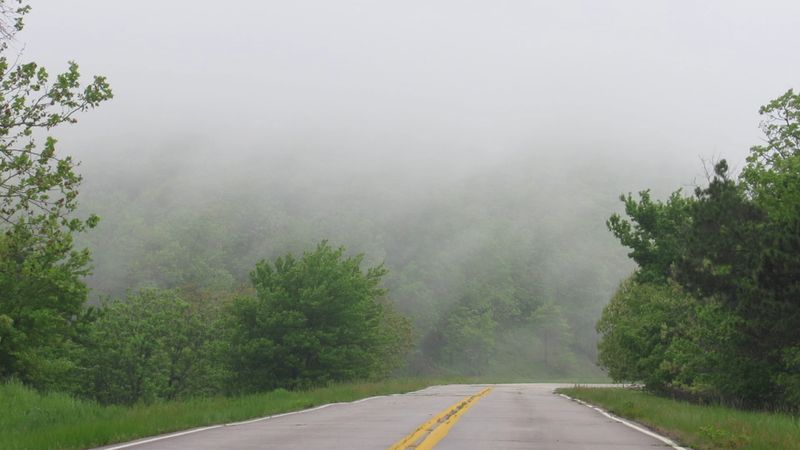
Fall gets most of the attention, but visitors who show up in the warmer months discover a completely different and equally rewarding version of the byway. Summer on the Talimena route means deep, saturated greens stretching across every ridge, the kind of forest density that makes the air feel cooler than it actually is.
One reviewer who drove the full 54 miles in summer called it gorgeous even without the fall colors, adding that the only regret was not returning in autumn to compare.
Crowds thin out significantly outside of peak foliage season. A July visitor reported seeing very few other people during the entire drive, noting that the breeze at elevation made even the summer heat manageable.
Wildlife sightings become more common in quieter conditions, with wild turkeys and deer appearing along the roadside for those moving slowly and paying attention.
Spring brings its own rewards, as new growth softens the ridgelines with lighter, fresher greens and wildflowers appear in the forest understory. The road itself remains in good condition year-round, and the overlooks are accessible regardless of season.
For anyone who wants the full experience without the fall weekend crowds, a late spring or early summer visit offers the byway at its most relaxed and unhurried.
Motorcycle Culture on the Mountain Road
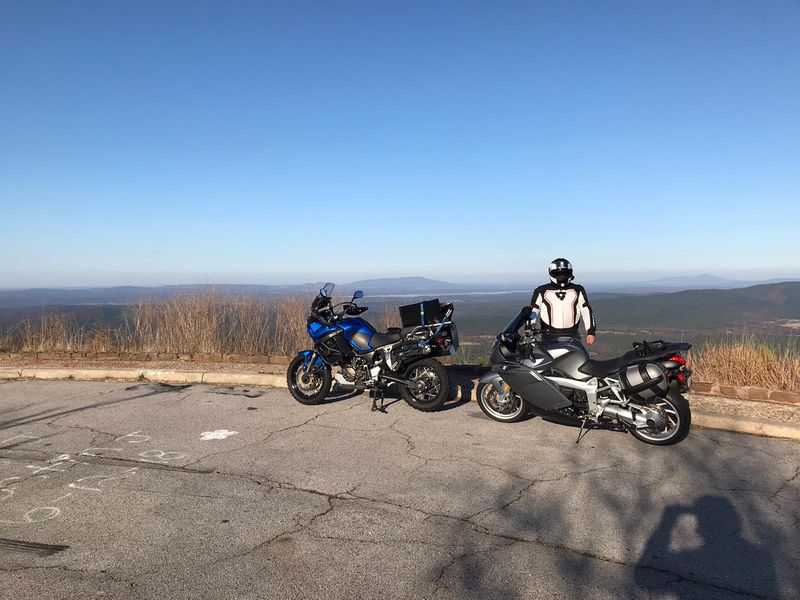
Motorcyclists have claimed the Talimena Byway as one of their own, and the road earns that loyalty through its combination of smooth pavement, sweeping curves, and scenery that rewards a slower, more open ride. Reviews from riders appear consistently throughout the visitor feedback, with one describing an awesome 385-mile motorcycle trip that included the byway as a centerpiece.
The pull-offs are specifically noted as being well-suited for bikes, with enough room to park safely and enjoy the views.
On peak fall weekends, motorcycles are a common sight along the route, and drivers in cars are advised to stay alert around blind curves where bikes may be moving at different speeds. That said, the byway is wide enough and well-maintained enough that sharing the road rarely creates problems.
The riding community has clearly spread the word, and the byway has developed a strong reputation among regional riders as a must-do route.
What makes the road appealing to motorcyclists also makes it appealing to anyone who enjoys a drive with genuine character. The curves are interesting without being aggressive, the elevation changes keep the experience dynamic, and the scenery is impossible to ignore.
Whether you arrive on two wheels or four, the byway rewards anyone who takes it at a pace slow enough to actually see it.
Hiking Trails Along the Ridge
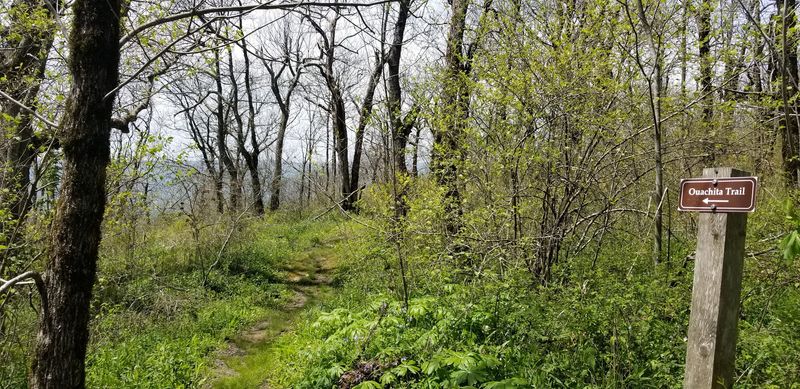
Hiking is one of the byway’s less-advertised strengths, but it shows up in visitor reviews often enough to deserve its own consideration. Several trails branch off from the main road, offering the chance to trade the car window for boots on actual ground.
The Talimena Ridge Trail is the most frequently mentioned option, running along the high ridgeline and delivering some of the most unobstructed forest and mountain views available anywhere along the route.
Ouachita National Forest surrounds the byway on both sides, which means the trail network connects to a much larger wilderness system. Hikers with more ambition can link up with longer routes that push deeper into the forest, while those looking for a shorter stretch of legs can find accessible paths near several of the overlook pull-offs.
The forest floor in this part of Oklahoma is notably fragrant, particularly in autumn when fallen leaves layer over the pine needle base.
Trails here suit a range of fitness levels, though some ridge sections involve real elevation gain. Bringing water is essential regardless of season, and sturdy footwear makes the rocky stretches more comfortable.
The combination of a scenic drive and accessible trail access makes the Talimena Byway a genuine two-activity destination rather than just a windshield experience.
Wildlife You Might Spot Along the Way
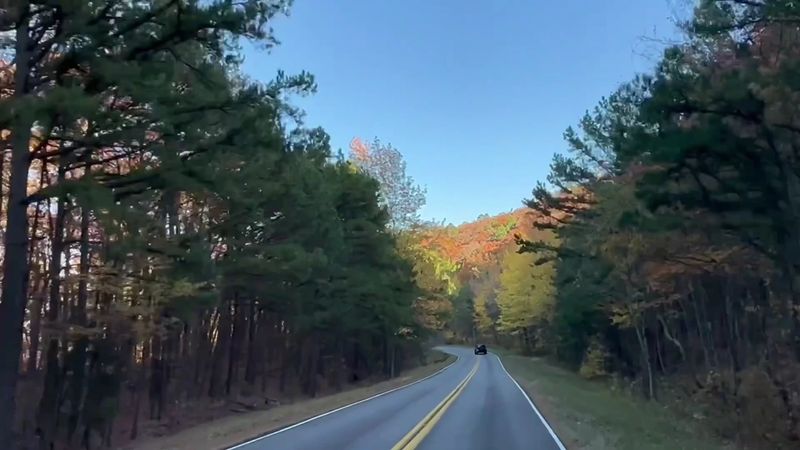
Slow down enough on the Talimena Byway and the forest starts to reveal itself in ways that a fast drive would completely miss. Wild turkeys are one of the more reliable sightings, appearing along the road edge with a slightly indignant air, as if the cars are the intruders.
Deer show up regularly as well, particularly in the early morning and late afternoon hours when they move between the trees and the open roadside.
Black bear sightings have been reported by visitors, though they are less common and typically brief. The Ouachita National Forest supports a healthy bear population, and the dense, undeveloped corridor the byway runs through provides exactly the kind of habitat they prefer.
Spotting one is a bonus rather than a guarantee, but it is the sort of possibility that keeps you scanning the tree line with genuine attention.
The byway’s relatively low traffic volume outside of peak fall weekends contributes to better wildlife encounters. Fewer vehicles mean less noise and disturbance, which translates to animals staying closer to the road edge rather than retreating deeper into the forest.
Driving slowly, keeping windows down, and stopping frequently at pull-offs all increase the odds of a meaningful sighting. The forest here is alive in the most literal sense.
Picnic Spots and the Pleasure of Eating Outside at Elevation
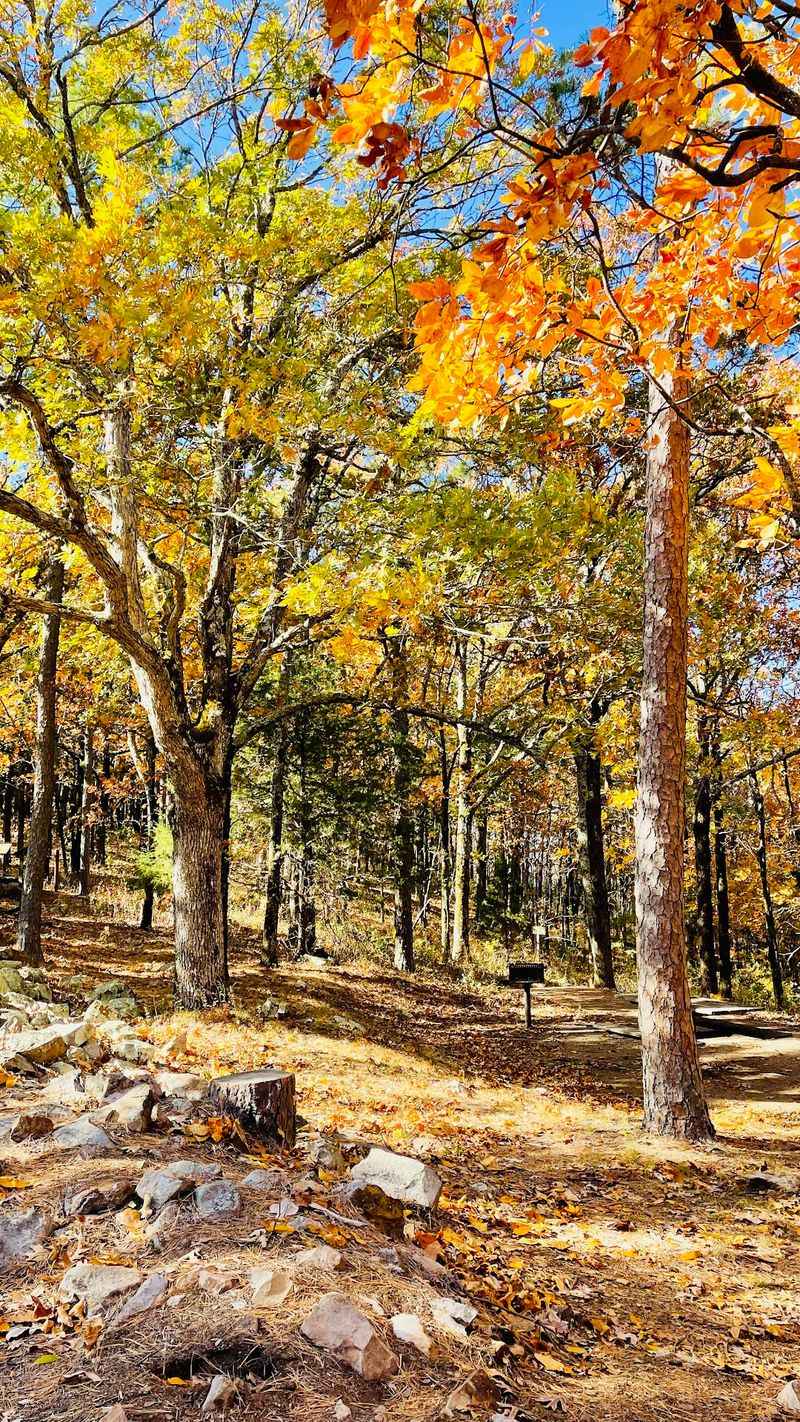
Eating lunch at a picnic table with a mountain ridgeline in front of you and a pine forest at your back is one of those simple pleasures that the Talimena Byway makes genuinely easy to access. Several pull-off areas along the route include picnic facilities, and reviewers mention them as natural stopping points for anyone who wants to slow the drive down and actually inhabit the landscape for a few minutes rather than just passing through it.
The byway runs through national forest the entire way, which means the surroundings at any given picnic spot are properly wild rather than manicured. There are no manicured lawns or concrete plazas here.
What you get instead is the smell of forest, the sound of wind moving through pine canopy, and a view that cost you nothing but the drive to reach it.
Packing your own food is the practical approach, since there are no food vendors along the route itself. One visitor review specifically called for the addition of food options along the byway, which confirms that the road currently operates as a bring-your-own experience.
That is not a complaint so much as useful planning information. A well-stocked cooler and a thermos of something warm turn a scenic drive into a proper outing.
Sunrise and Sunset Light on the Ridge

Photographers who have made the Talimena drive more than once tend to arrive with a specific time in mind, and that time is either just after sunrise or just before sunset. The golden hour light on the Ouachita ridgelines is genuinely different from midday illumination, softening the hard edges of the tree canopy and turning the layered hills into something that looks almost backlit.
Multiple reviewers specifically recommend sunrise and sunset visits for the most atmospheric experience.
Afternoon light around 3 PM in the fall gets particular praise from visitors who have experimented with timing. At that hour, the sun sits low enough to rake across the hillsides at an angle that makes the color in the foliage almost luminous.
The same effect works in other seasons too, though the impact is most dramatic when the leaves are turning and the warm tones in the landscape reflect the warm tones in the sky.
Getting to the byway for sunrise requires planning, especially if you are driving from a distance. The nearest towns with lodging are Talihina on the Oklahoma side and Mena on the Arkansas side.
Staying close the night before makes an early start realistic without sacrificing sleep. The reward for the effort is a version of the byway that most visitors never see, quiet, glowing, and completely worth the alarm clock.
Practical Details for Planning Your Drive
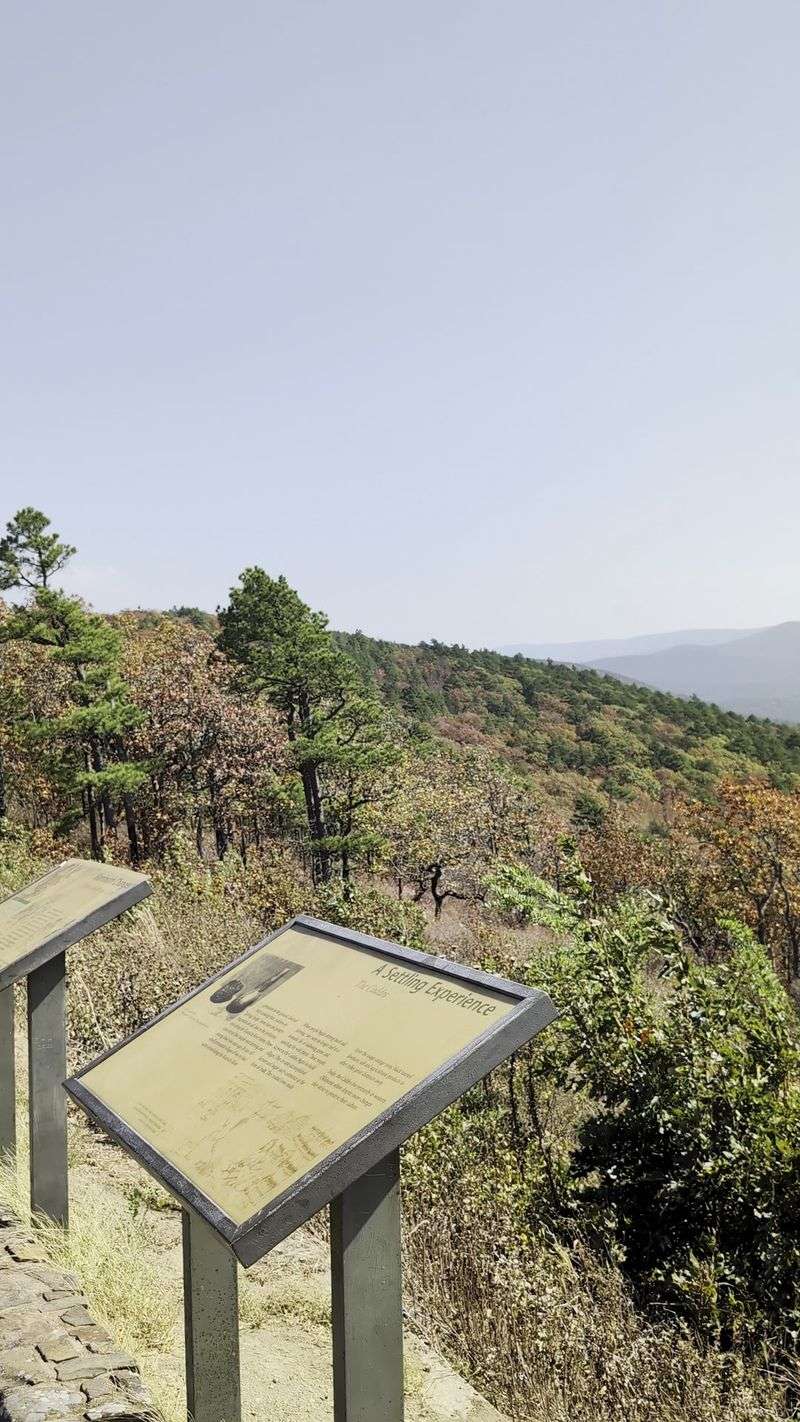
A few logistical realities will make the Talimena Byway a smoother experience for first-time visitors. Restroom facilities are limited along the route, which is one of the most consistent pieces of feedback in visitor reviews.
The Arkansas end of the byway near Mena does have bathrooms and an information kiosk, but options on the Oklahoma side are sparse. Planning bathroom breaks before you start the drive is genuinely good advice.
Fuel is another consideration worth taking seriously. The byway itself has no gas stations, and the towns at either end are the last reliable fuel stops.
Making sure your tank is full before you leave Talihina or Mena is the kind of practical step that prevents an otherwise great day from turning stressful. One reviewer specifically flagged this, recommending a full tank before setting out.
The byway is accessible year-round and there is no entry fee for driving the route. Cell service can be limited along portions of the drive, so downloading an offline map before departure is a smart move.
Peak fall weekends see the most traffic, with parking at popular overlooks occasionally becoming competitive. Weekday visits or early morning arrivals offer a noticeably quieter and more relaxed experience along the full 54-mile stretch.
Who the Byway Suits Best and Who Will Love It Most
Road-trippers who measure a good drive by how often they feel compelled to stop will find the Talimena Byway deeply satisfying. Nature photographers, foliage chasers, and anyone who finds that moving through a forested landscape at an unhurried pace genuinely resets something in their nervous system will feel right at home here.
The byway rewards patience and punishes rushing.
Families with kids who can handle a drive without a destination-based payoff at the end will enjoy the wildlife spotting and picnic opportunities. Solo travelers and couples consistently rate the experience highly, particularly those looking for a low-cost, high-return outdoor experience that does not require specialized gear or fitness levels.
The drive itself is accessible to virtually anyone who can operate a vehicle on a well-maintained two-lane road.
Motorcyclists have their own strong community connection to this route, and they represent a significant portion of the byway’s regular visitors. History and nature enthusiasts who appreciate interpretive signage will find the Oklahoma side particularly engaging, with informational pull-offs that add context to what you are seeing.
The byway also fits naturally into a broader road trip itinerary across the region, pairing well with other southeastern Oklahoma destinations for anyone spending multiple days exploring the area.
Why the Talimena Byway Stays With You After You Leave
Some places make an impression through spectacle, and others do it through accumulation. The Talimena Byway belongs firmly in the second category.
No single overlook is going to drop your jaw the way a famous national park vista might. What the byway does instead is build, stop by stop, view by view, until somewhere around the midpoint of the drive you realize that your mind has genuinely gone quiet in a way it rarely does anywhere else.
Visitors who describe it as a hidden gem are not exaggerating the obscurity. Outside of fall foliage season, the byway operates well below the radar of most Oklahoma travelers, which means the experience of pulling off at an overlook on a weekday morning and having the entire ridge to yourself is entirely realistic.
That kind of solitude in a landscape this beautiful is harder to find than most people expect.
The byway does not need embellishment or a list of amenities to justify the drive. What it offers is the Ouachita Mountains in their most accessible form, a well-maintained road, a generous number of pull-offs, and 54 miles of scenery that photographs cannot fully capture.
Reviewers who have made the drive once tend to come back, and the ones who come back tend to bring someone new. That pattern says more about the place than any rating could.
Share this story