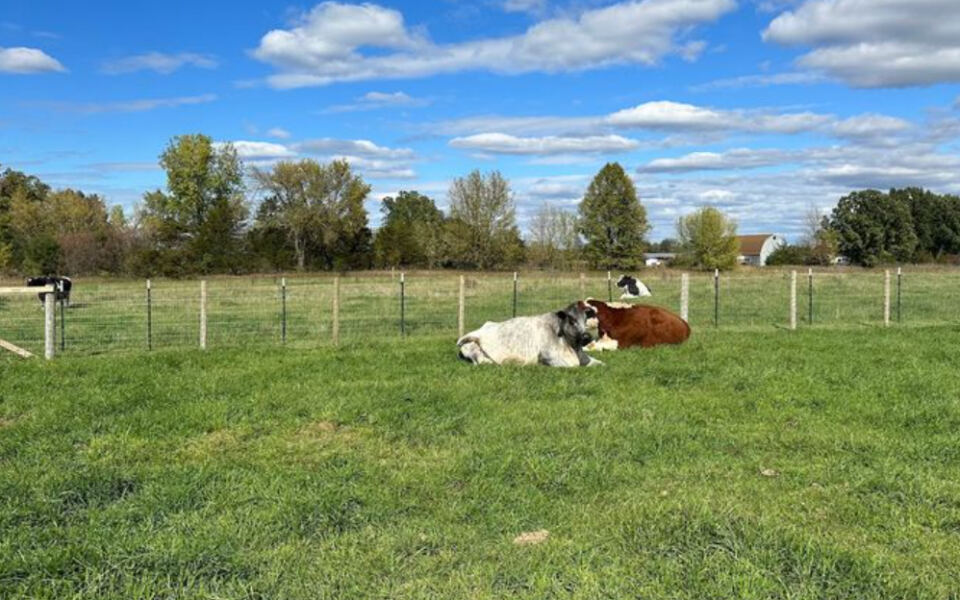
Most people drive through the rolling countryside of Chisago County without knowing that just off a quiet rural road, a blind cow named Timothy is grazing peacefully in a wide-open pasture, completely content with life. He was rescued as a calf from a neglect situation caused by untreated pink eye, and today he roams freely with other animal friends who each carry their own remarkable story.
That kind of second chance is exactly what Farmaste Animal Sanctuary is all about. This place quietly does something extraordinary for farm animals who would otherwise never know a kind touch, a name, or a safe place to sleep.
What Farmaste Animal Sanctuary Actually Is
Not every farm is built around production. Farmaste Animal Sanctuary, located at 35890 Oasis Rd, Lindstrom, Minnesota 55045, exists for one purpose: giving rescued farm animals a safe, permanent home where they are treated with genuine care and respect.
The sanctuary sits on donated land in the scenic countryside of Chisago County, roughly an hour’s drive from the Twin Cities. Animals here are not exhibits or attractions in the traditional sense.
They are residents, each with a name, a backstory, and a personality that visitors get to know during tours.
The organization operates on a vegan-forward philosophy, meaning the animals are never used for food, dairy, or any other commercial purpose. Farmaste runs largely through the dedication of trained volunteers who show up week after week because they genuinely love the animals in their care.
Timothy the Blind Cow and His Remarkable Story
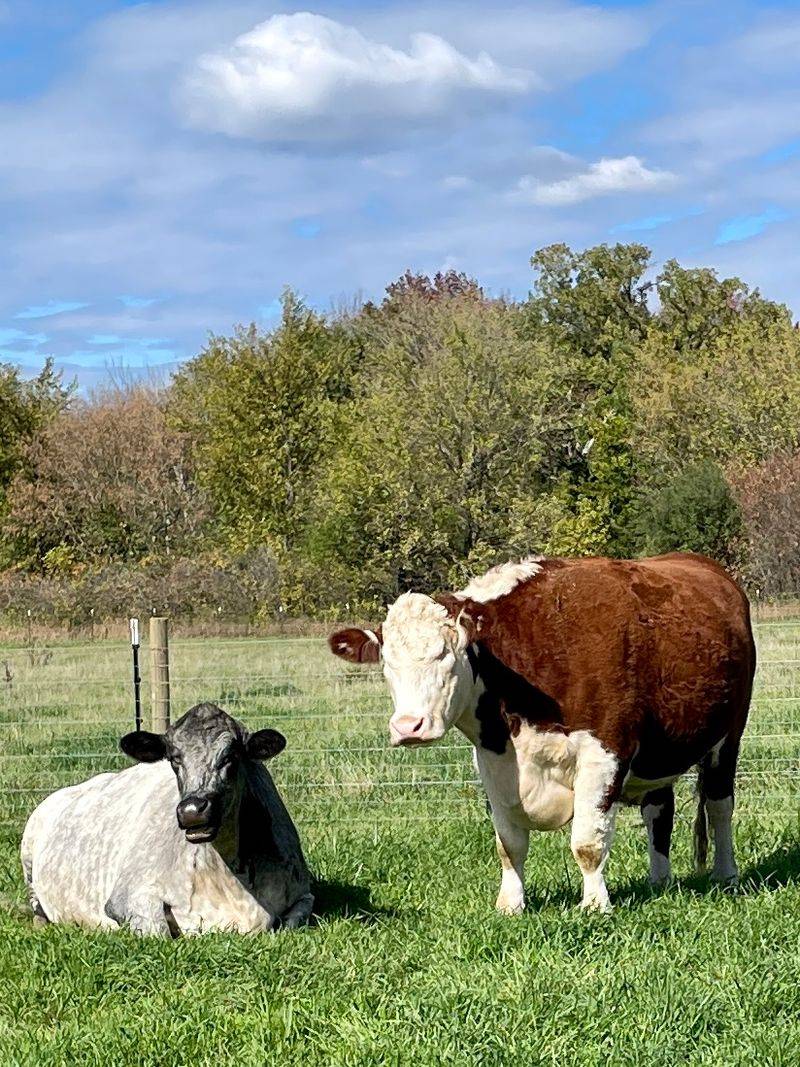
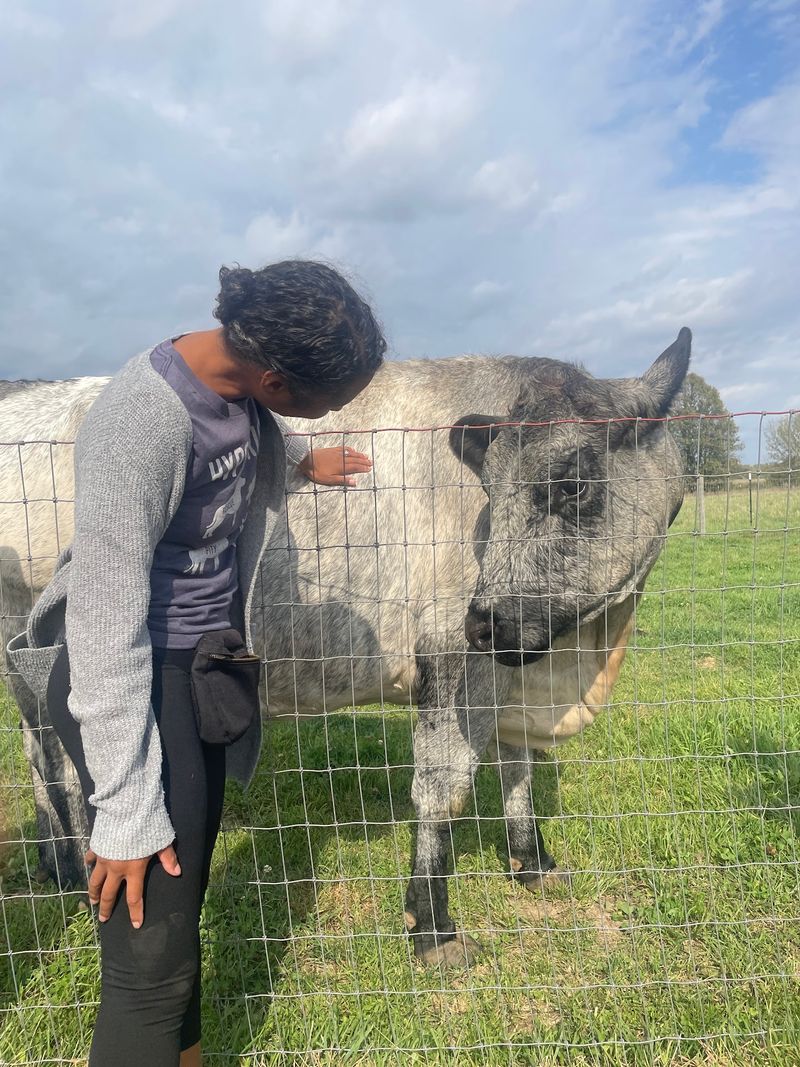
Timothy is probably the most talked-about resident at the sanctuary, and once you hear his story, it is easy to understand why. He arrived as a calf after suffering from untreated pink eye that eventually took his sight.
Instead of being discarded, he was brought to Farmaste, where he found something he had never had before: stability.
Today, Timothy navigates the pasture with quiet confidence. He has learned the layout of his surroundings and seems completely at ease among the other animals.
Watching him graze alongside goats and pigs, you would never guess how difficult his early life was.
His story captures everything Farmaste stands for. A vulnerable animal that the system failed got a second chance, and he is thriving because of it.
Timothy tends to leave a lasting impression on visitors long after they have driven back home.
The Wide Open Space That Sets This Place Apart
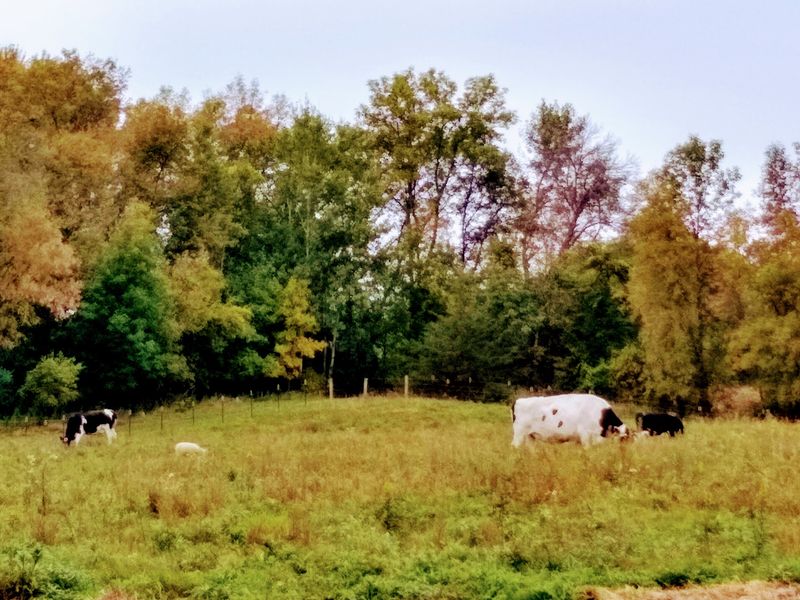
One of the first things you notice when you arrive at Farmaste is the sheer amount of space. The animals are not crowded into small pens or kept in tight enclosures.
They have room to roam, graze, explore, and simply be themselves without stress or restriction.
The layout of the sanctuary feels thoughtfully designed. Pastures are well-maintained, and the overall environment has a calm, unhurried quality that is genuinely refreshing.
For visitors coming from the city, the wide-open setting alone feels like a reset button for the nervous system.
That space matters enormously for the animals too. Rescued farm animals often carry physical and emotional stress from their previous environments.
Having room to move freely, rest in the sun, and interact naturally with other animals plays a huge role in their long-term recovery and happiness. The land itself is part of the healing.
Who the Animal Residents Are
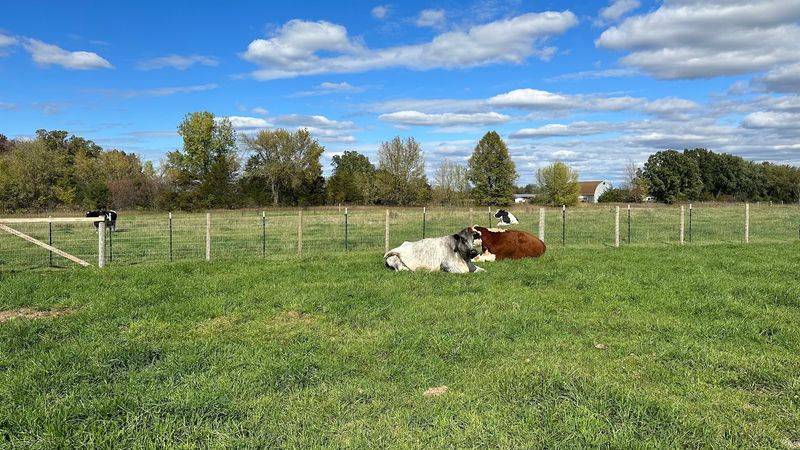
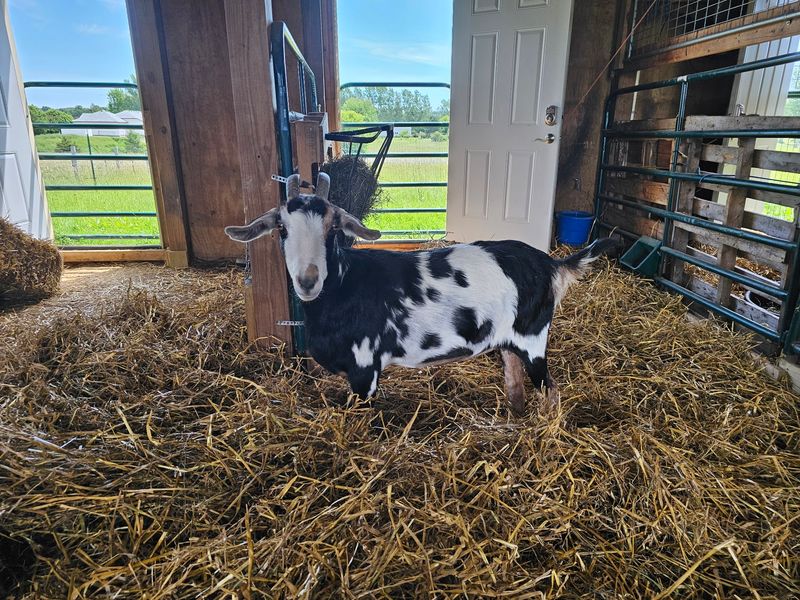
The residents at Farmaste include pigs, goats, donkeys, cows, and sheep, each one with its own distinct personality. Some are bold and curious, trotting right up to visitors the moment they arrive.
Others are a bit more reserved, watching from a comfortable distance before deciding whether to approach.
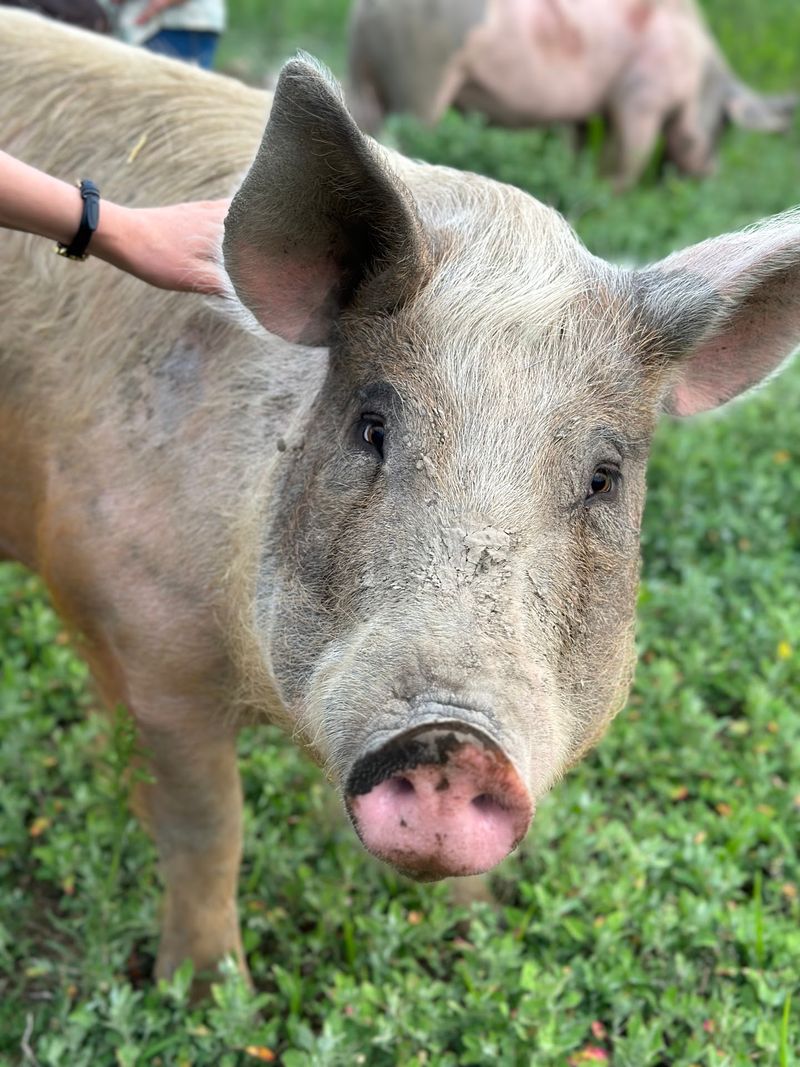
Pigs are among the most mentioned animals by visitors, and it is not hard to see why. They are intelligent, expressive, and surprisingly social.
The goats tend to be playful and a little mischievous, while the donkeys bring a quieter, steadier energy to the group.
Getting to meet each animal individually during a guided tour is what makes the experience feel so personal. These are not anonymous animals in a field.
They have names like Blossom, Phoebe, and Charlotte, and once you know their names, you see them completely differently.
How the Guided Tours Work
Tours at Farmaste are not just walks around a farm. They are storytelling experiences.
Each guide introduces visitors to the individual animals, sharing how they arrived at the sanctuary, what their life was like before, and what kind of personality they have developed since finding safety.
The format makes a real difference. Knowing that the pig you are looking at was rescued from a specific difficult situation, and then watching it root around happily in the grass, creates a kind of emotional connection that a generic farm visit simply cannot match.
Tours are available on Saturdays from 9 AM to 2:30 PM, and the sanctuary is closed the rest of the week. Booking in advance is a smart move, especially during popular seasons.
The guided format keeps visits educational and respectful, ensuring the animals are never overwhelmed by crowds or noise.
The Volunteer Community Behind the Scenes
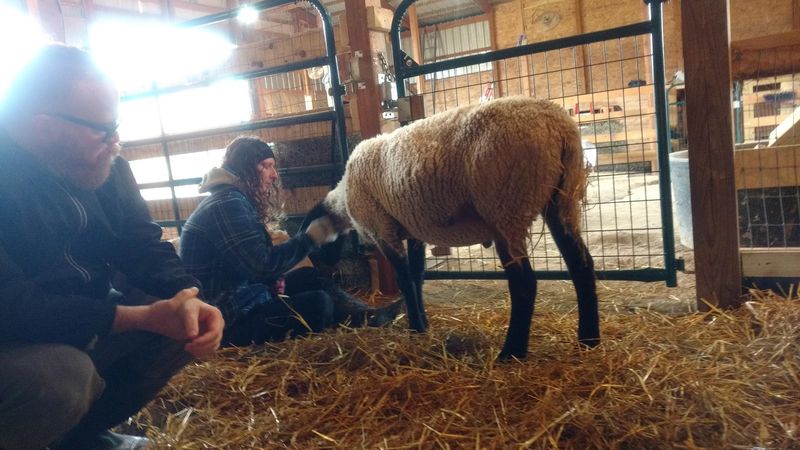
Farmaste would not function without its volunteers. The organization has built one of the most well-regarded volunteer programs among animal sanctuaries in the Twin Cities region, and the people who show up to help are deeply committed to the mission.
Volunteers handle daily care tasks like cleaning stalls, feeding residents, and providing the kind of consistent human presence that helps the animals feel secure. Many describe the experience as genuinely life-changing, not because of what they give, but because of what the animals quietly give back.
There is something about earning the trust of an animal that has been mistreated that hits differently than most volunteer experiences. Several long-term volunteers mention that the unspoken bond they have developed with specific residents keeps them coming back week after week.
The community that has formed around this shared purpose is warm, welcoming, and clearly motivated by something real.
What the Fallapalooza Event Brings to the Sanctuary
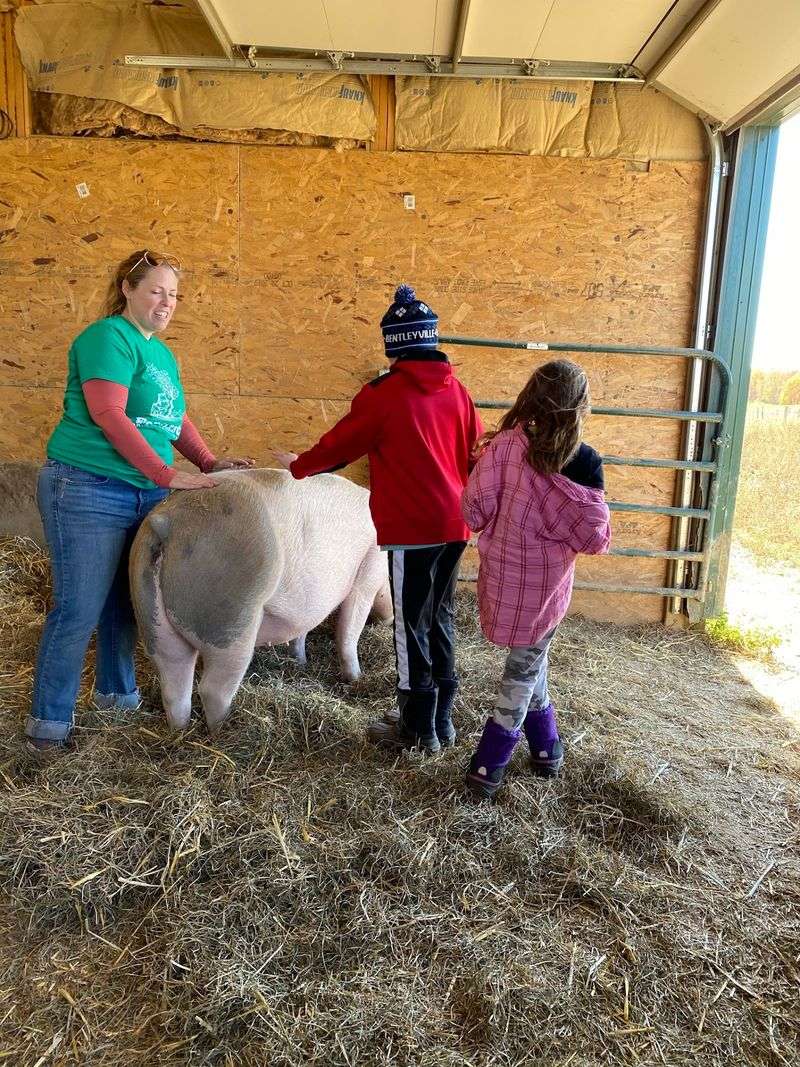
Every October, Farmaste hosts its beloved Fallapalooza event, and it draws a crowd that clearly looks forward to it all year. Families arrive with kids ready for games, face painting, and the chance to spend time with the animal residents in a festive outdoor setting.
The event manages to be genuinely fun without losing sight of the sanctuary’s core message. Food, activities, and animal interactions are all woven together in a way that feels celebratory rather than preachy.
Kids who might never have touched a pig or stood next to a donkey leave with a completely new perspective on farm animals.
For many families, Fallapalooza has become a fall tradition. The combination of a scenic countryside drive, outdoor activities, and meaningful animal encounters creates the kind of afternoon that kids talk about long after the leaves have all fallen.
The Educational Side of Every Visit
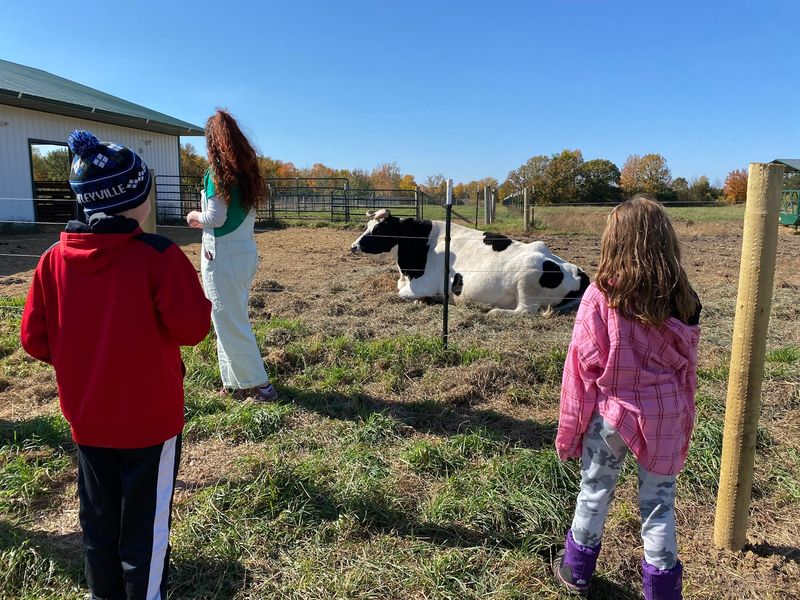
Farmaste does not shy away from the harder truths about how farm animals are typically treated in industrial agriculture. Tours include honest, thoughtful information about the realities many of these animals faced before arriving at the sanctuary, delivered in a way that informs without overwhelming.
Visitors frequently mention leaving with facts they never considered before, like the conditions pigs are kept in before slaughter, or the continuous cycle dairy cows are subjected to in commercial farming. The guides present this information clearly and without judgment, letting the facts speak for themselves.
What makes the educational element work so well is that it is grounded in the specific animals standing right in front of you. Abstract statistics become personal when you are looking at a pig with a name and a story.
That combination of information and direct connection is more effective than any lecture could ever be.
Animal Interaction That Feels Genuine
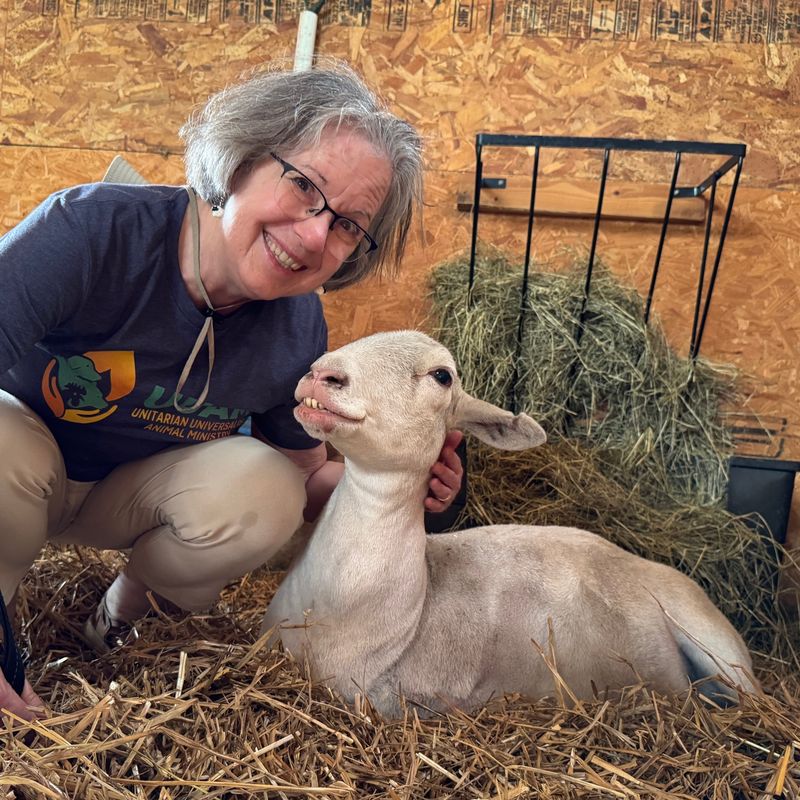
One of the most surprising things about visiting Farmaste is how willing the animals are to interact with people. After everything many of them have been through, their openness toward visitors says a lot about the environment the sanctuary has created.
Some of the pigs will walk right up and nudge your hand looking for attention. The goats are curious and playful, and the donkeys seem to genuinely enjoy being near people.
There is nothing staged about any of it. The animals approach on their own terms, which makes every interaction feel like a small gift.
For city residents who have never spent real time around farm animals, this kind of contact can be genuinely eye-opening. These animals are just as emotionally complex and personality-driven as the dogs and cats most people share their homes with.
That realization tends to stick with visitors long after the visit ends.
The Drive Out to Lindstrom and What to Expect
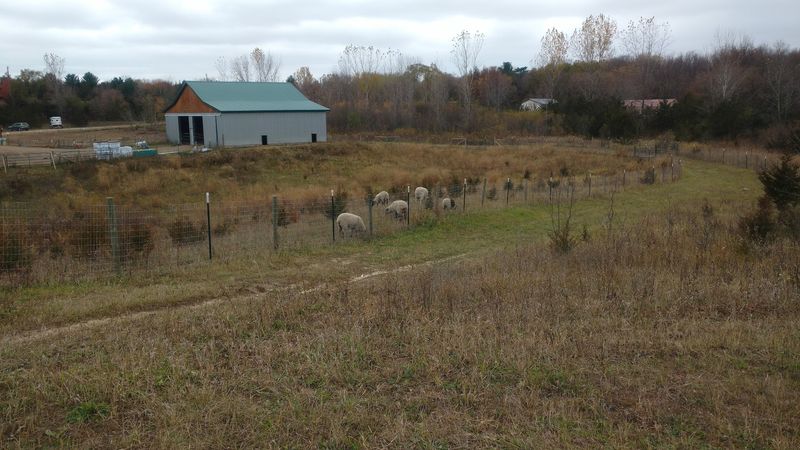
Getting to Farmaste is part of the experience. The drive from the Twin Cities takes roughly an hour and passes through some genuinely pretty countryside, with rolling fields and small lakes dotting the landscape as you head northeast toward Chisago County.
Lindstrom itself is a small town with a notable Scandinavian heritage, and the surrounding area has a relaxed, rural character that feels like a real departure from the city. Packing a picnic to enjoy near the sanctuary is a popular idea among visitors, and several local restaurants in the area are worth a stop before or after the tour.
The sanctuary is open to visitors only on Saturdays from 9 AM to 2:30 PM, so planning ahead is essential. Arriving early gives you the best chance of a relaxed, unhurried visit before the afternoon gets busy with other tour groups.
Why This Sanctuary Feels Different From a Zoo
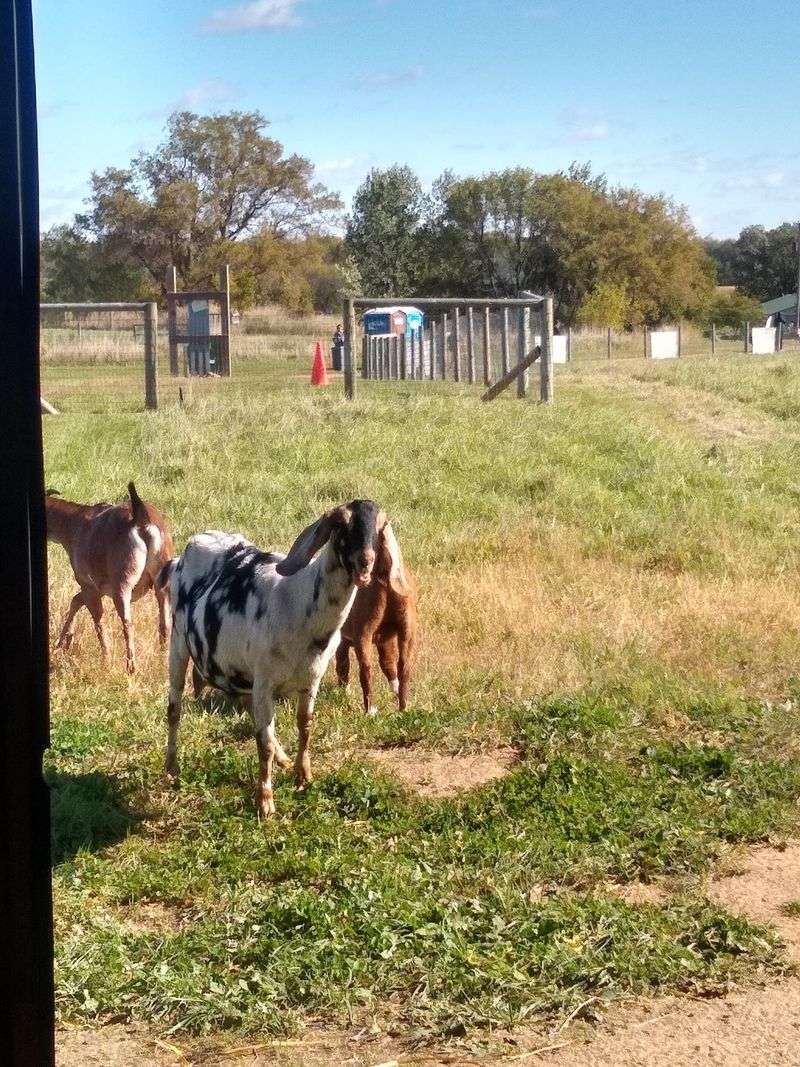
The atmosphere at Farmaste is hard to compare to a typical zoo or petting farm. There are no performance schedules, no crowds pressing against glass enclosures, and no sense that the animals are there for your entertainment.
The whole place operates at a slower, more respectful pace.
Animals move freely through their spaces and interact with visitors on their own terms. Nobody is forcing a reluctant goat to pose for photos or coaxing a tired pig to perform.
The sanctuary’s philosophy puts the animals’ comfort and dignity first, and you can feel that priority in every aspect of the visit.
That difference in approach changes how visitors behave too. People tend to speak more quietly, move more carefully, and pay closer attention when they sense that the animals around them are genuinely at ease.
The result is a calmer, more meaningful experience for everyone involved.
How Farmaste Supports Itself and How You Can Help
Running a sanctuary of this size requires consistent financial support, and Farmaste relies heavily on donations from visitors and community members who believe in the mission. The organization also welcomes sponsorships of individual animals, which is a popular option for people who want a more personal connection to a specific resident.
Visiting during open hours is itself a form of support, since tour fees contribute directly to the care of the animals. Many people who visit once end up returning regularly, bringing friends and family along and spreading the word through their own networks.
Volunteering is another meaningful way to contribute. The sanctuary has a well-organized volunteer program that trains people properly before they begin working with the animals.
Whether you give your time, your money, or simply show up and pay attention, every form of support makes a direct difference in the lives of the residents here.
The Healing Effect on Human Visitors
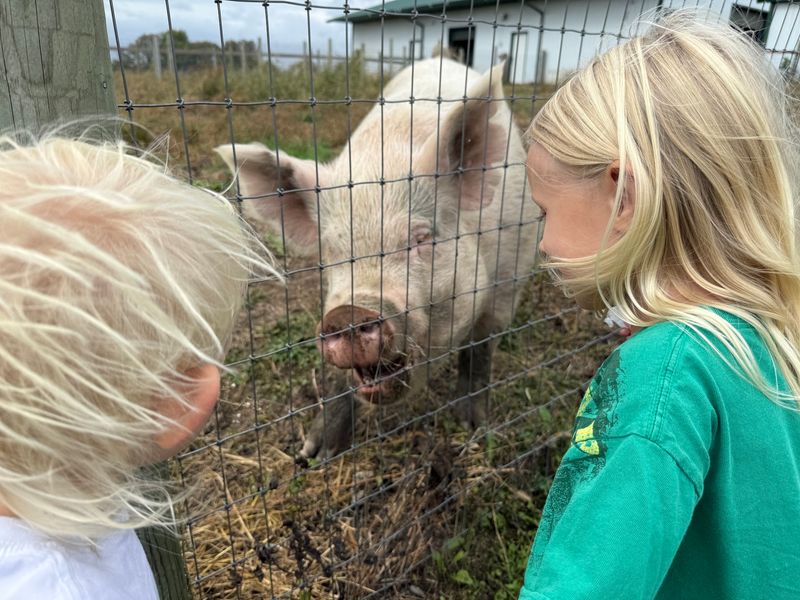
People often arrive at Farmaste expecting to do something good for animals and leave realizing the animals did something good for them. There is a calming quality to spending time in the presence of creatures that are simply living their lives without pretense or agenda.
For city residents especially, the combination of open land, fresh air, and unhurried animal company can feel genuinely restorative. Several visitors describe the experience as healing, not in a vague way, but in the specific sense of feeling lighter and more grounded after a few hours at the sanctuary.
That effect seems to come from the authenticity of the place. Nothing at Farmaste is performed or packaged for consumption.
The animals are real, their stories are real, and the care they receive is real. Being around that kind of straightforward goodness has a way of reminding people what actually matters.
What Makes Farmaste Meaningful for Families With Kids
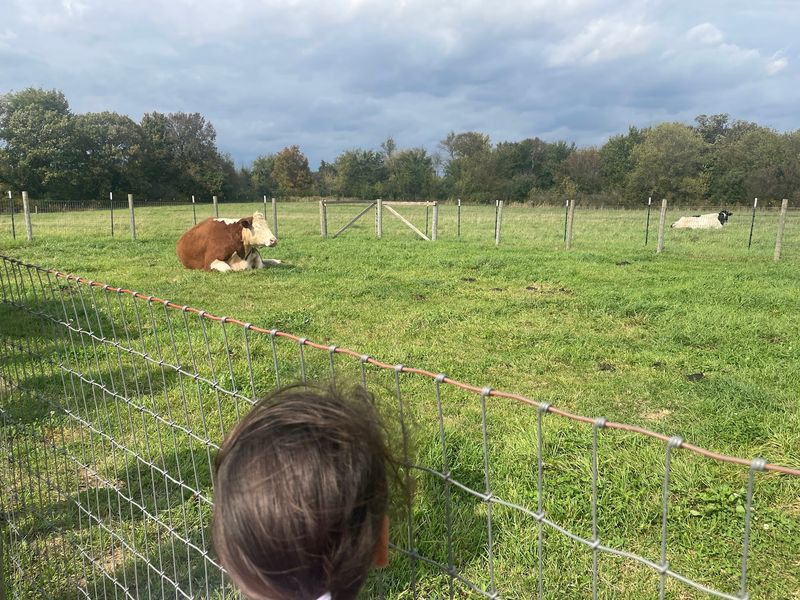
Bringing kids to Farmaste is one of the more memorable things a family can do on a Saturday in Minnesota. Children respond to the animals with an openness that adults sometimes have to work a little harder to reach, and the sanctuary’s setup makes the whole experience feel safe and accessible for younger visitors.
The tours are designed to be educational without being heavy-handed. Kids learn where their food comes from, what farm animals are actually like as individuals, and why treating living creatures with kindness matters.
Those are not small lessons, and they tend to land more effectively when a friendly pig is standing three feet away making the point in real time.
Parents often mention that their kids talk about the visit for weeks afterward, asking questions about specific animals they met and wondering how they are doing. That kind of lasting curiosity is a sign that something genuinely meaningful happened.
Reasons to Keep Coming Back
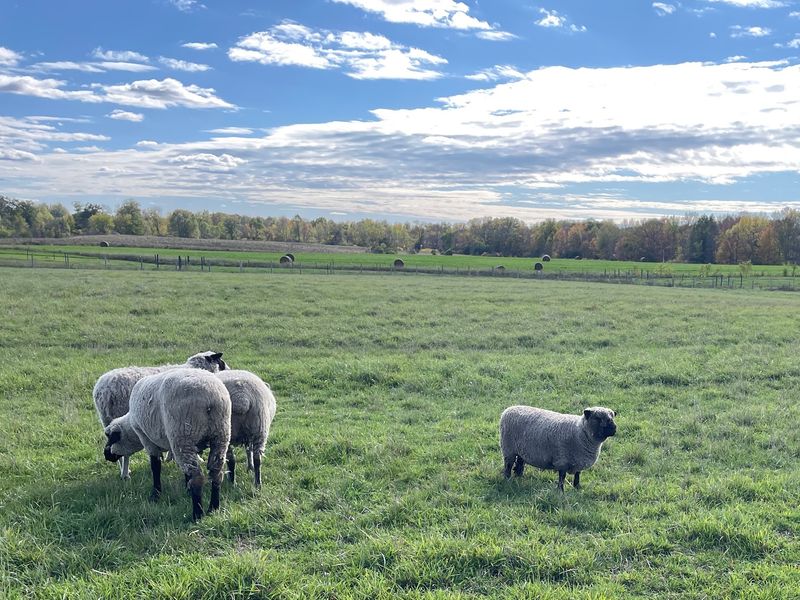
First-time visitors to Farmaste frequently become repeat visitors, and the reasons are easy to understand. The animals change over time, new residents arrive, and the ones you met on your last visit have had months of new experiences that show in subtle ways.
There is always something new to notice.
The seasonal rhythm of the sanctuary adds another layer of appeal. A visit in early spring feels different from a fall afternoon during Fallapalooza, and a quiet summer Saturday has its own particular charm.
The countryside surrounding the sanctuary shifts with the seasons too, making the drive out feel fresh each time.
More than anything, people return because the place makes them feel good in a way that is hard to replicate elsewhere. Farmaste is not trying to be anything other than what it is: a safe, peaceful home for animals that deserved better, run by people who genuinely care about making that happen.
Share this story