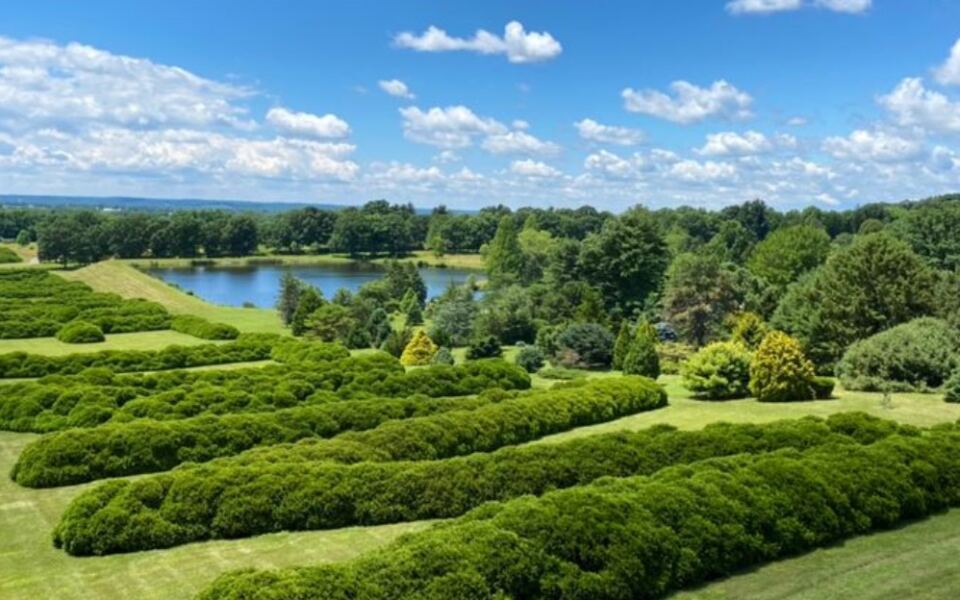
Ohio has a way of hiding its best surprises in plain sight, and few places prove that better than a sprawling 2,000-acre arboretum tucked just outside a small central Ohio city. Most visitors show up expecting a quick walk and maybe a peek at the famous hedge letters from the observation tower, then leave stunned by how much more there is to explore.
Prairie trails, a Japanese garden, a cypress swamp, turtles sunning along the water, and miles of forested paths all wait beyond that tower. Once you find this place, you will absolutely want to come back.
Location And Identity Of The Dawes Arboretum
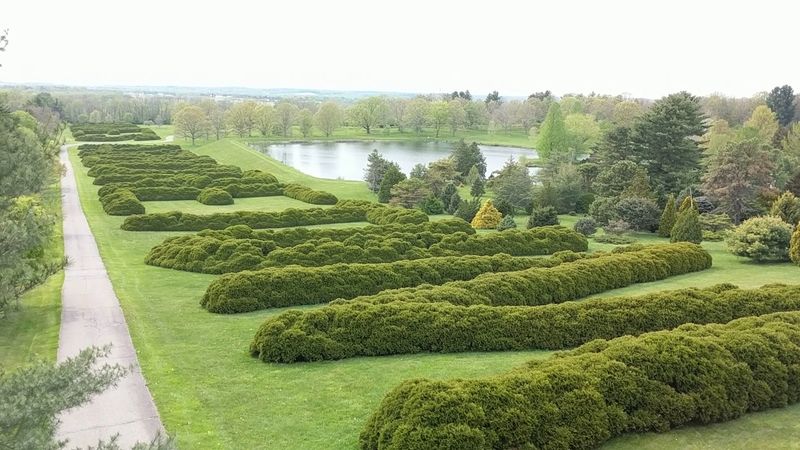
Sitting just off Jacksontown Road in Newark, Ohio, The Dawes Arboretum covers nearly 2,000 acres of carefully tended landscape in Licking County. For anyone driving between Columbus and the eastern part of the state, it is one of those stops that feels almost too convenient to be this impressive.
Founded as a place of plant and agricultural conservation, the arboretum has grown into one of Ohio’s most quietly celebrated natural destinations. Visitors routinely describe pulling through the entrance and feeling like the scale of the property simply does not match what they expected from a roadside sign.
The grounds hold everything from manicured themed gardens to wild prairie stretches and wooded hiking corridors. Whether you have heard of it through a library culture pass or stumbled across it by accident, the Dawes Arboretum has a way of making first-time visitors feel like they just found a well-kept secret.
The History Behind These Grounds
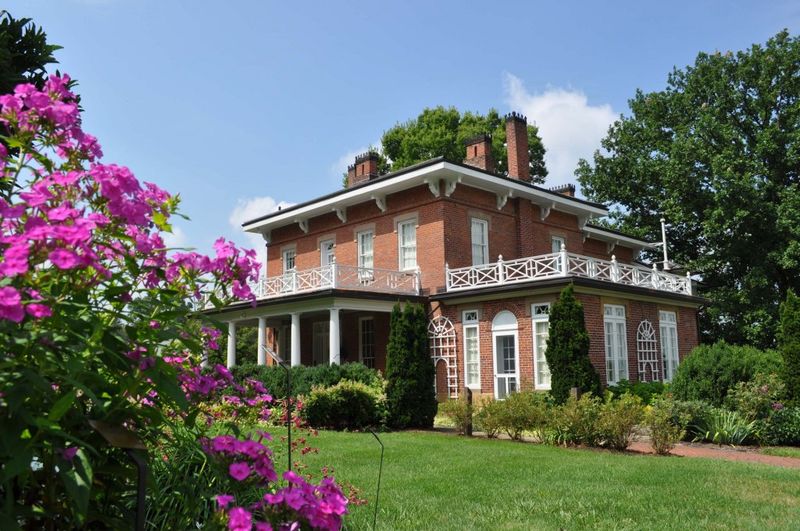
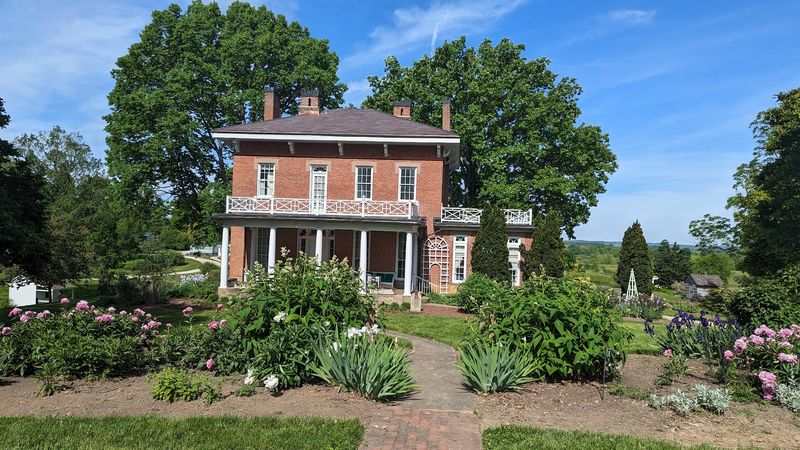
Beman and Bertie Dawes established the arboretum in the early twentieth century with a vision rooted in conservation and education. What started as a private estate gradually transformed into a public treasure, shaped by decades of dedicated caretaking and purposeful planting.
One of the outbuildings on the property serves as a small museum that tells the story of the people who built and maintained these grounds over the years. Visitors who take the time to stop there often mention feeling a genuine connection to the generations of staff and volunteers who poured care into every corner of the property.
Tours of the historic Dawes home are available by reservation and offer a surprisingly detailed look inside a piece of Ohio’s horticultural history. Guides are known for being exceptionally knowledgeable, and more than one visitor has mentioned an unexpected surprise waiting in the basement that makes the tour especially memorable.
Scale Of The Property And Trail Network
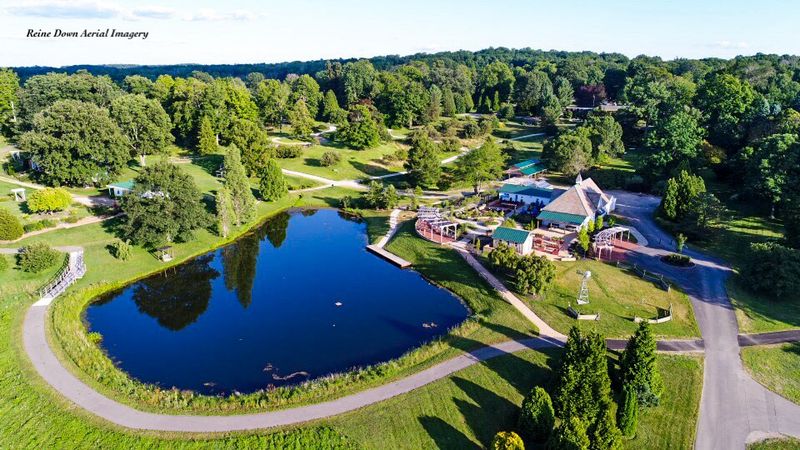
Twelve to fourteen miles of trails weave across the arboretum’s vast property, offering everything from easy paved loops to unpaved dirt paths that push deeper into natural areas. Comfortable shoes and a water bottle are genuinely essential here, not just a polite suggestion.
Parking lots are scattered throughout the grounds so visitors can drive to different sections, step out to explore, and then continue on without backtracking. That layout makes the arboretum feel accessible even for families with young children or anyone who prefers shorter bursts of walking over a single long hike.
For those who want a more relaxed experience, a four-mile self-guided automobile tour loops through the property with designated pull-off points along the way. Even visitors who have spent a full day on foot often mention that they still felt like they missed things, which is part of what keeps people coming back season after season.
The Observation Tower And Famous Hedge Letters
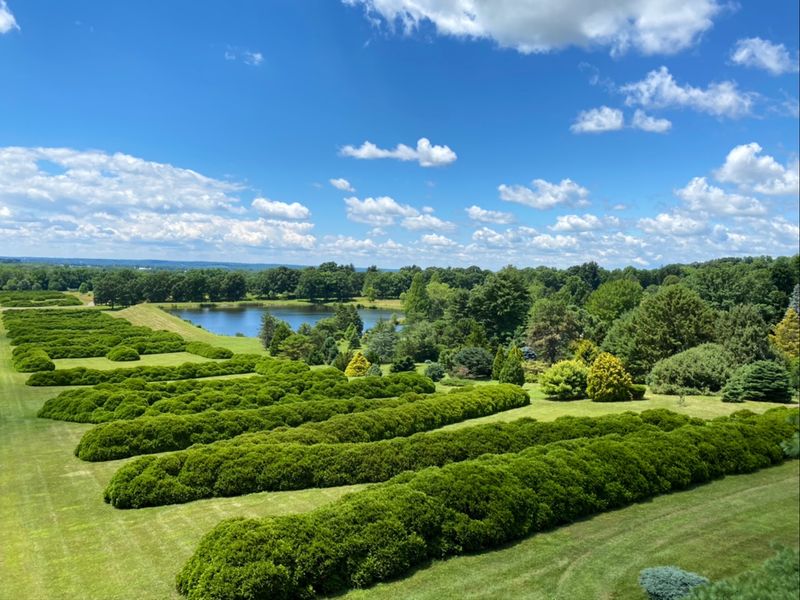
Climbing the observation tower is the moment many first-time visitors call the highlight of their trip. From the top, the famous hedge letters spelling out “DAWES ARBORETUM” come into full view below, trimmed into the landscape with a precision that is genuinely striking from above.
The hedges are maintained with remarkable care, and seeing them from ground level gives almost no sense of how bold they look from the tower’s vantage point. It is one of those Ohio sights that photographs well but lands even harder in person.
Visitors consistently mention that climbing the tower feels like a reward after exploring the trails below. The surrounding landscape stretches out in every direction, offering a panoramic sense of just how large and varied the arboretum’s terrain really is.
For anyone visiting for the first time, reaching the top of that tower should absolutely be on the list.
The Japanese Garden And Its Tranquil Pond
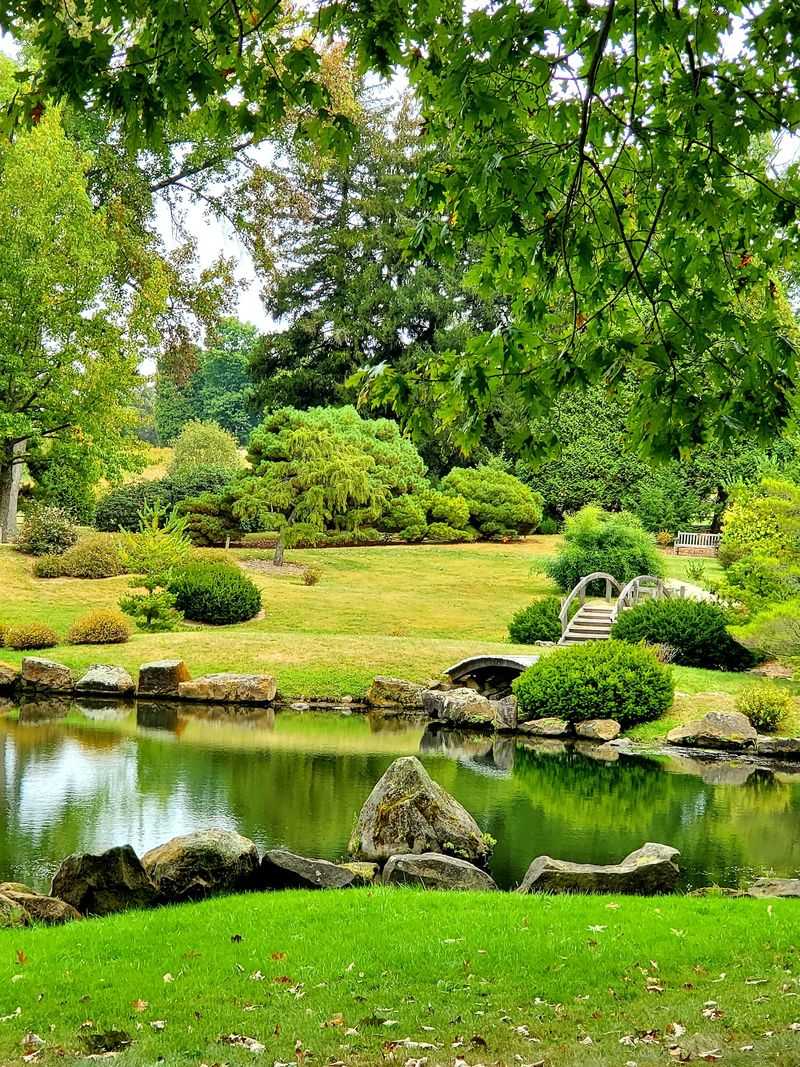
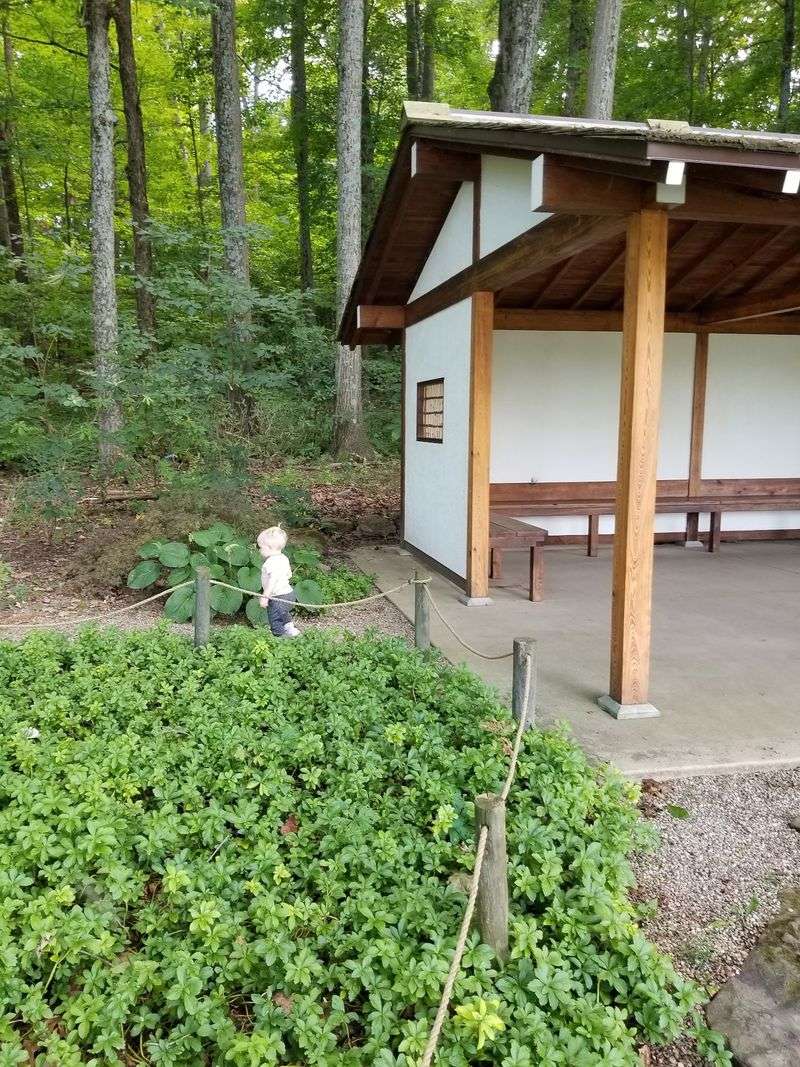
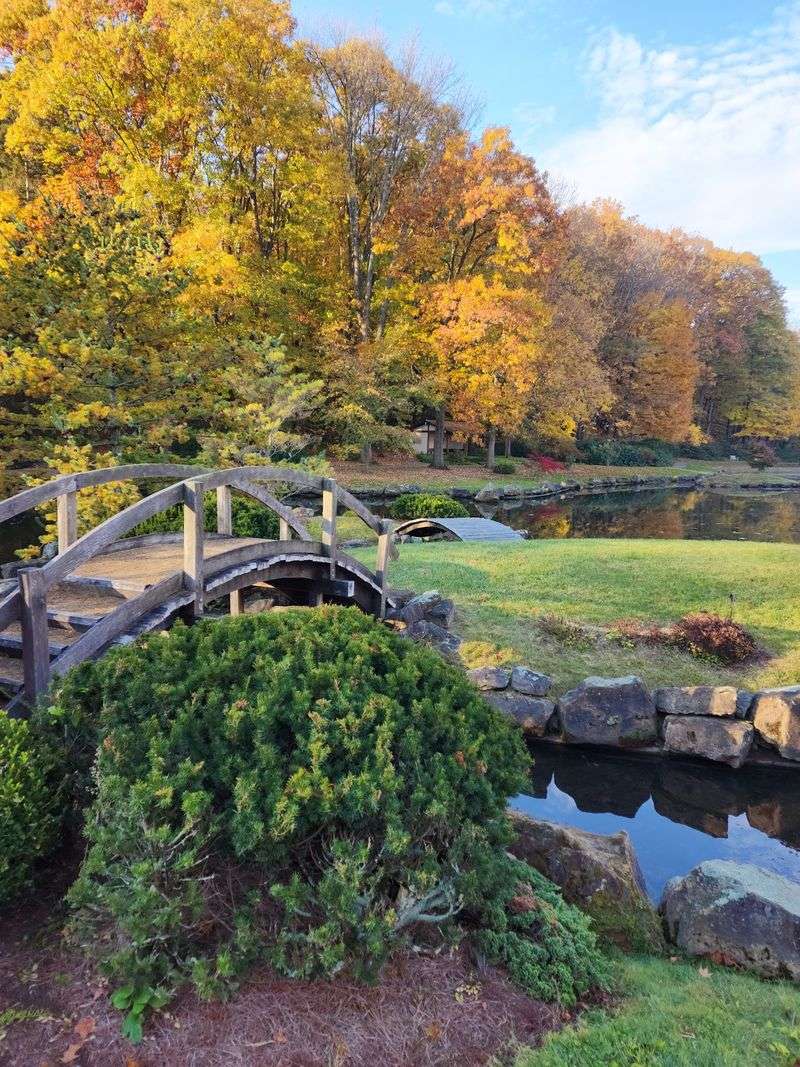
Tucked within the broader grounds, the Japanese Garden operates almost like a world unto itself. Traditional architectural elements, a tranquil pond, and carefully arranged plantings create an atmosphere that feels genuinely removed from the rest of the property.
Visitors frequently single out this garden as their favorite section of the entire arboretum. The combination of still water, layered greenery, and thoughtful design gives it a meditative quality that is hard to rush through, and most people find themselves lingering far longer than planned.
One practical note worth knowing: bicycles are not permitted in the Japanese Garden, keeping the space quieter than the surrounding trail network. That small boundary helps preserve the peaceful character that makes it so appealing.
Whether you visit in spring when flowering plants peak or in fall when the color shifts, the Japanese Garden rewards every season with something worth pausing over.
Turtles, Wildlife, And The Dawes Lakes
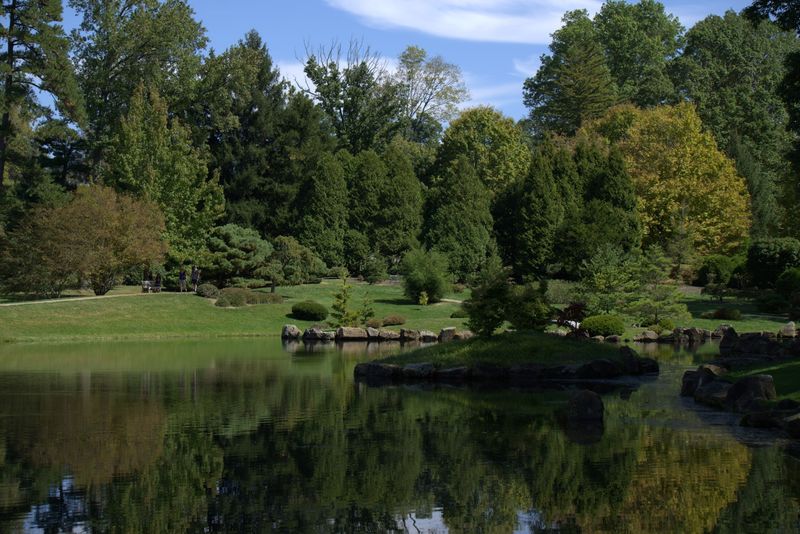
Few things catch visitors off guard quite like rounding a bend near the Dawes Lakes and spotting rows of turtles lined up along a log, soaking in the sun without a care. Wildlife encounters like that turn an already pleasant walk into something genuinely memorable.
The lakes themselves are a popular destination within the arboretum, offering calm water views and a natural setting that attracts birds, turtles, and other small wildlife throughout the warmer months. Families with kids tend to gravitate toward these areas, and it is easy to see why.
Beyond turtles, visitors have spotted various bird species and other animals moving through the property’s more natural corridors. The arboretum’s size means that wildlife has genuine room to roam, and patient observers who slow down on the trail are often rewarded with sightings that feel unexpectedly wild for a managed landscape so close to a central Ohio city.
Prairie Trails And The Cypress Swamp
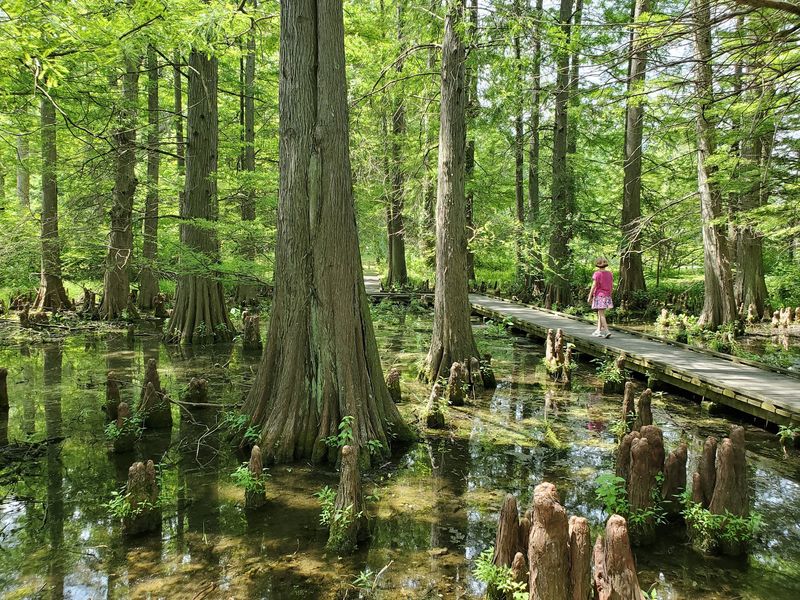
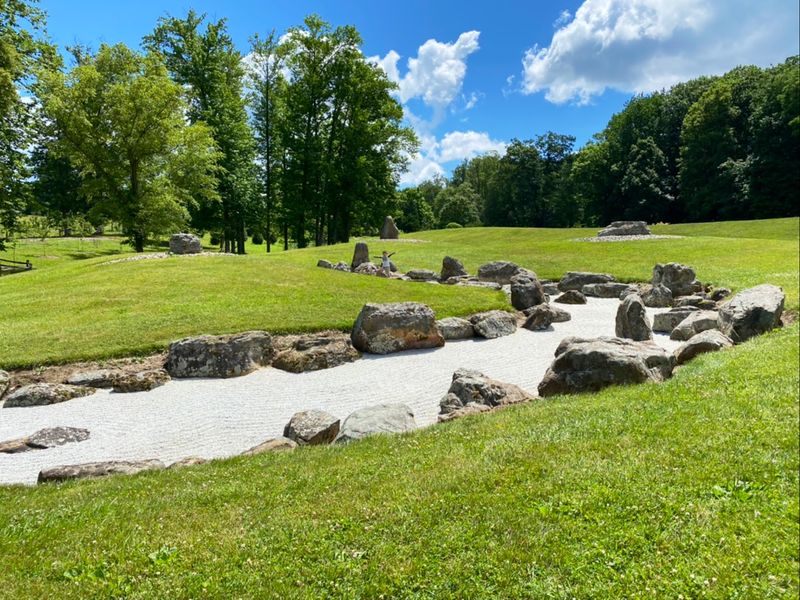
Beyond the manicured gardens and paved loops, the arboretum opens into stretches of prairie landscape that feel genuinely wild. Long grasses, native wildflowers, and open sky replace the canopy, giving the trail network a surprising variety of textures and moods.
The cypress swamp is one of the more unusual features on the property, offering a habitat that most Ohio visitors would not expect to find this far inland. Knobby cypress roots rise from the water’s edge, and the whole area carries a quiet, slightly otherworldly atmosphere that stands apart from everything else on the grounds.
Together, these two areas demonstrate how intentionally diverse the arboretum’s landscape design really is. Planners did not settle for a single aesthetic across 2,000 acres.
Moving from a Japanese garden to a prairie trail to a cypress swamp within the same visit gives the property a range that keeps even repeat visitors discovering something they had not fully noticed before.
Tree Collections And Botanical Labels
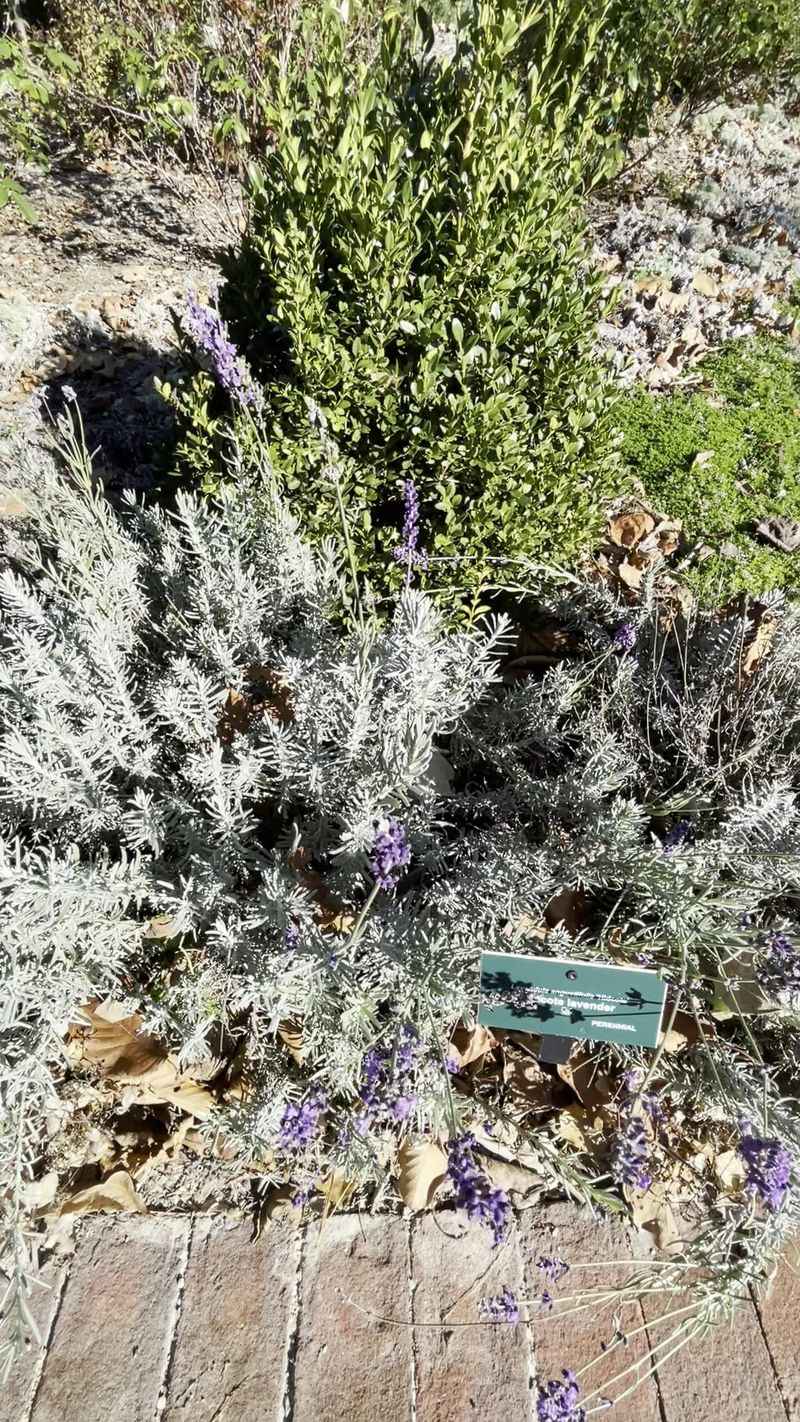
One of the quieter pleasures of walking the Dawes Arboretum is reading the small plaques and tin identification cards attached to trees throughout the grounds. Most of the notable specimens are labeled, turning a casual stroll into an informal education in dendrology without any effort at all.
Dawn Redwood trees appear in impressive numbers across the property, and visitors who spot them for the first time often stop to photograph the distinctive bark and branching structure. The arboretum also holds notable collections of conifers, hollies, crabapple trees, and azaleas, each clustered in ways that let visitors compare varieties side by side.
Gardening enthusiasts and casual nature lovers alike tend to find something that sparks their curiosity here. More than one visitor has mentioned that a tree or plant spotted at Dawes later inspired a purchase for their own yard, which might be the most sincere form of praise a botanical collection can receive.
The Discovery Center And Interactive Exhibits
Just past the entrance, the Discovery Center offers a hands-on space that pulls visitors in before they even set foot on the trails. Educational exhibits cover plant life, conservation, and the natural history of the arboretum in ways that feel engaging rather than textbook-dry.
Families with younger children tend to gravitate here first, and the space works well even when it is quiet and uncrowded. Staff members stationed throughout the center bring genuine enthusiasm to their explanations, making the whole experience feel more like a conversation than a lecture.
The center also houses a nature-focused area specifically designed for kids, giving younger visitors a space to engage with the material at their own pace. For parents trying to balance a nature outing with something educational, the Discovery Center manages to satisfy both goals without feeling forced.
Visitors consistently describe leaving it more curious about what waits outside on the trails.
The Gift Shop And What You Can Take Home
Tucked near the visitor center, the gift shop is small but surprisingly well-stocked with nature-themed items that feel genuinely connected to the arboretum’s mission. Snacks are available for anyone who forgot to pack provisions before hitting the trails.
The real draw for plant lovers is the selection of young trees and plants available for purchase. At least one visitor has walked out carrying a baby Pin Oak, which is exactly the kind of souvenir that keeps growing long after the visit ends.
That detail alone gives the shop a character that most roadside attraction gift counters simply cannot match.
Browsing the shop before or after a walk also gives visitors a chance to chat with staff, who tend to be both friendly and knowledgeable about the property. For anyone wanting a tangible reminder of the day, the shop offers options that go well beyond the usual postcard or magnet.
Atmosphere And Who Fits In Here

Even on busy days when the parking lots fill up, the trails at Dawes have a way of absorbing the crowd. Visitors regularly note that the grounds feel nearly empty once you move away from the main hub, which is a genuine rarity for a free public attraction this close to Columbus.
The arboretum suits an unusually wide range of visitors. Cyclists enjoy the paved trail network, hikers push into the unpaved corridors, photographers chase the shifting light through the tree canopy, and families let kids run ahead on the wider paths.
Dogs on leashes are welcome throughout most of the grounds, which adds another layer of appeal for pet owners.
The atmosphere leans peaceful and unhurried regardless of the season. Even in December, at least one couple found the grounds calm and beautiful enough to justify a membership on the spot.
That kind of year-round pull is something most outdoor destinations in Ohio simply cannot claim.
Hours, Admission, And How To Get In Free
The arboretum is open every day of the week from 9 AM to 7 PM, which gives visitors a generous window to explore without rushing. General admission is ten dollars, a price that feels almost laughably reasonable given the scale of what is included.
Several paths to free admission exist for those who know where to look. Holders of a Franklin Park Conservancy membership can enter at no charge, and Columbus Metropolitan Library Culture Pass users have also accessed the arboretum for free.
Checking both options before visiting is worth a few minutes of planning.
The address is 7770 Jacksontown Road in Newark, Ohio, and the property sits close enough to Columbus to make a day trip straightforward. Ample parking is spread across multiple lots throughout the grounds, so finding a spot is rarely an issue even on popular weekend afternoons.
Calling ahead at 740-323-2355 or checking dawesarb.org can help with current programming details.
Why This Arboretum Earns A Spot On Your Ohio List
Places like Dawes earn their reputation quietly, without flashy marketing or viral moments. Word spreads through road-trippers who stumbled in by chance, families who used a library pass once and came back three more times, and cyclists who discovered that a December ride through the grounds was still worth the trip.
The combination of themed gardens, wild natural areas, educational spaces, and a genuinely surprising scale makes the arboretum hard to categorize in a single sentence. It is not just a park, not just a botanical garden, and not just a hiking destination, though it functions beautifully as all three.
For Ohioans who love finding places that reward curiosity, Dawes delivers that payoff repeatedly. Spring brings flowering azaleas and crabapples.
Summer opens the prairie trails wide. Fall turns the canopy into something worth driving for.
And winter, apparently, still has its charms. That kind of range is rare, and it is right here in Ohio.
Share this story