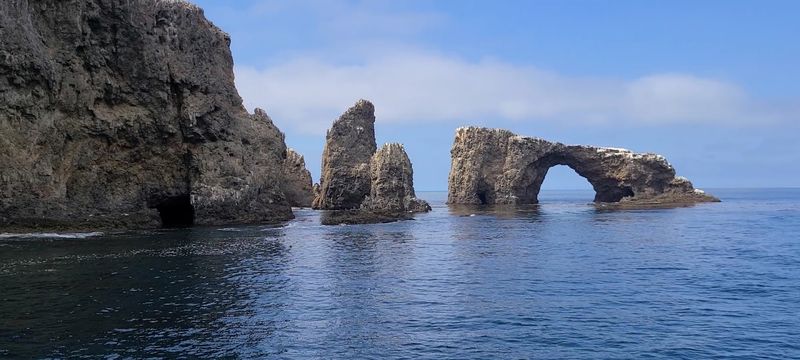
Picture a national park in California that you cannot drive to, no matter how fancy your car is. To get there, you hop on a boat, watch the coastline shrink behind you, and keep an eye out for dolphins splashing alongside.
Waiting on the other side are tiny foxes found nowhere else on Earth, glowing sea caves, and trails so quiet you might feel like the only person around. It sounds like a secret, and in many ways it still is.
Five Islands Off the Southern California Coast
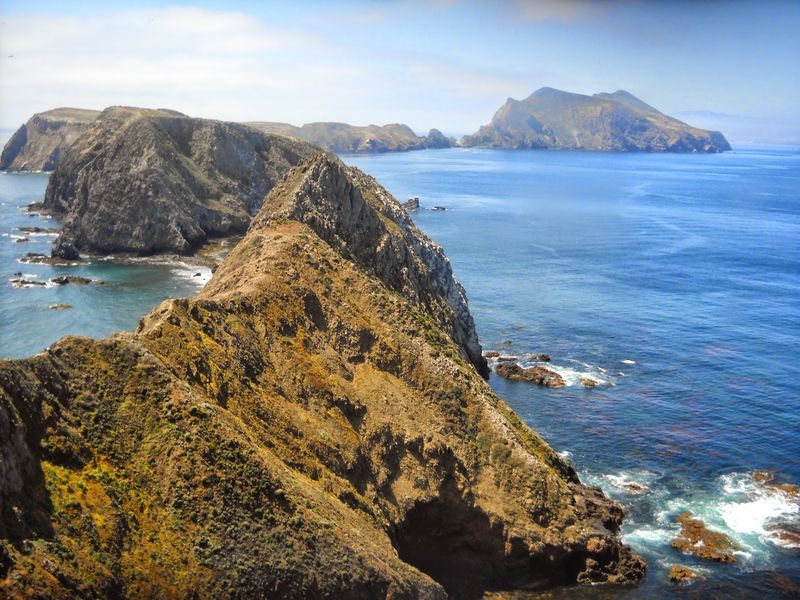
Out past the surf line, where the Pacific stretches toward the horizon, sit five rugged islands that make up Channel Islands National Park. The park protects five of the Channel Islands and invites visitors to explore by land and by sea.
Camping, hiking, diving, spearfishing, and paddling through sea caves are all on the menu here. Santa Cruz Island is the largest of the group and the one most visitors choose, while Anacapa draws boat trips and wildlife watchers.
What makes the place stand out right away is what it lacks. No roads lead into the park, and the islands have no restaurants, hotels, or stores.
Many travelers describe it as feeling wild, protected, and beautifully untouched.
Visitors working through bucket lists of every U.S. national park often call it one of the most unusual stops of all. It rewards curiosity, a little planning, and a willingness to leave the car behind.
The Galapagos of North America
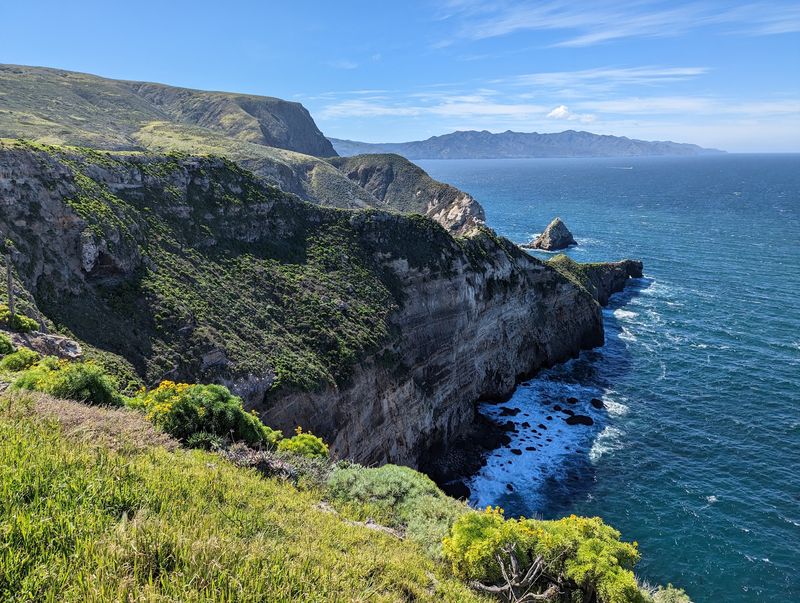
Thousands of years of isolation can do remarkable things. On these islands, being cut off from the mainland allowed plants and animals to evolve in their own way, which is why people often call the chain the Galapagos of North America.
Visitors come away amazed that some species live only here. Rangers and signs help explain how separation from the coast shaped the wildlife, and even young travelers, like scout troops, leave talking about it.
Two creatures get special attention on Santa Cruz Island: the island fox and the island scrub jay. Both are found only on the Channel Islands, so spotting either one feels like finding a rare trading card in the wild.
Restored wilderness sits alongside untouched stretches of land, too. Some areas have been carefully brought back to health, giving the landscape a story of recovery as well as discovery.
It is a living science lesson with an ocean breeze.
A Ferry Ride That Counts as the First Adventure
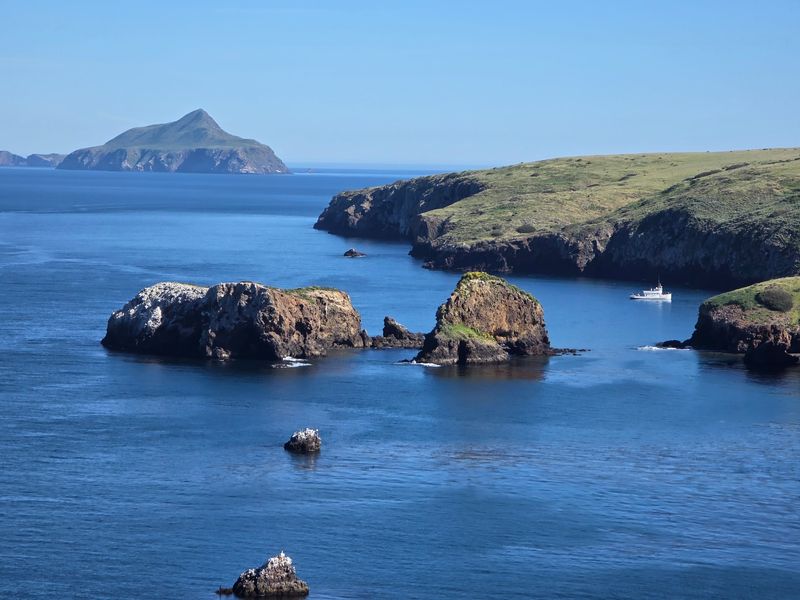
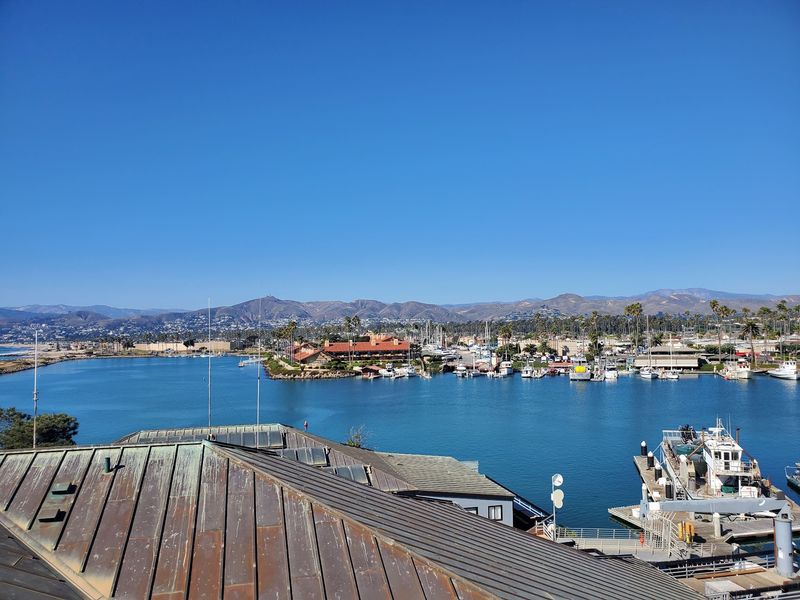
Most parks begin at a gate. Here, the journey starts at a dock in Ventura, where a boat carries you across open ocean toward the islands.
Travelers say watching the mainland fade away makes the trip feel like a true expedition. Many book through Island Packers, and one visitor paid $70 per person for a round trip ticket to Scorpion Cove on Santa Cruz Island.
Timing matters on the crossing. A typical morning boat might leave Ventura at 9am and reach Scorpion Cove around 10:30am, with a return ferry later in the afternoon.
One round trip to Scorpion took roughly three hours total on the water.
Crew members get praise for being helpful and informative, and some crossings slow down so passengers can enjoy passing wildlife. A few guests found certain cruises tightly scheduled, with limited stops.
Even so, plenty of people rank the boat ride among their favorite memories of the whole visit.
Dolphins, Whales, and Seals Along the Crossing
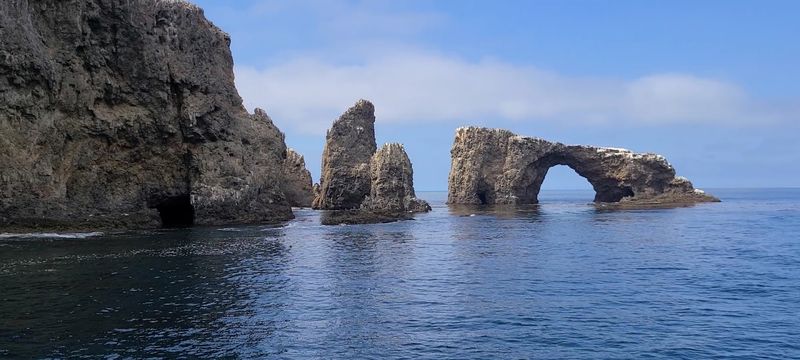
Keep your camera ready, because the ocean between Ventura and the islands can turn into a wildlife parade. Dolphins come up more than almost anything else when visitors describe their trip.
One group reported a megapod of bottlenose dolphins, a young fin whale, and half a dozen humpbacks on a single round trip. Others spotted gray whales, and one boat had three humpbacks hang right beside it long enough for plenty of videos.
Above the waves, pelicans and seagulls glide by. Near the islands, harbor seals and sea lions lounge on rocks, and one Anacapa trip swung around a corner to show off elephant seals.
Bird lovers ride along too, scanning the sky for rare migratory species crossing the Pacific. Sightings always depend on luck, of course.
Still, so many travelers mention whales and dolphins that the odds seem friendly, and every splash brings a happy gasp from the deck.
Tiny Island Foxes With Big Personalities
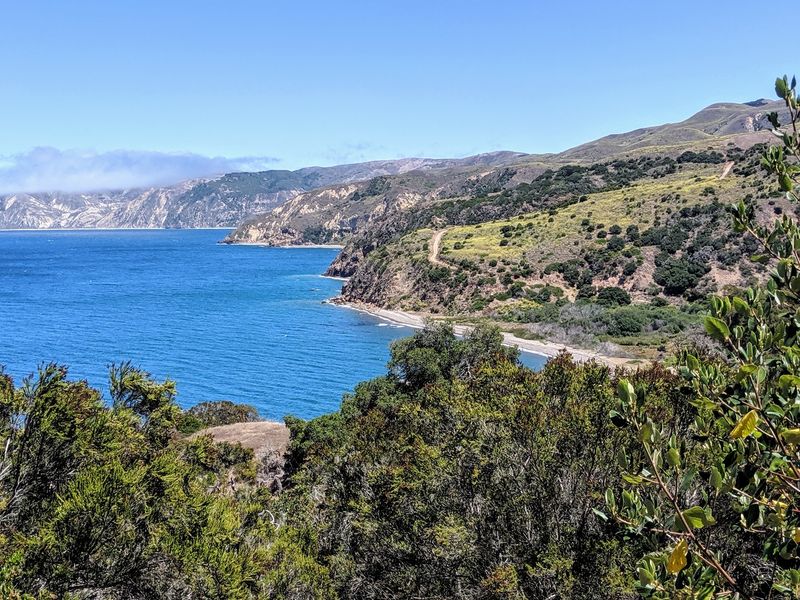
About the size of a house cat, the island fox steals the show for countless visitors. Found nowhere else on Earth, these little animals pop up near trails and campgrounds on Santa Cruz Island.
Guests describe them as adorable and surprisingly bold. Some say the foxes seemed to be everywhere and were not very scared of people, which makes sightings easy and exciting.
Here is the catch: those cute faces belong to clever little bandits. Visitors warn that foxes and ravens will happily grab unattended snacks, and people can be cited for feeding wildlife.
Keep food, and even electronics, locked away. Campers recommend using the storage boxes at campsites for anything with a scent, and one traveler even suggested a small lock for the tent.
Following those simple rules keeps the foxes wild and healthy. In return, you get a front row seat to one of the rarest critters in North America.
Paddling Into the Sea Caves
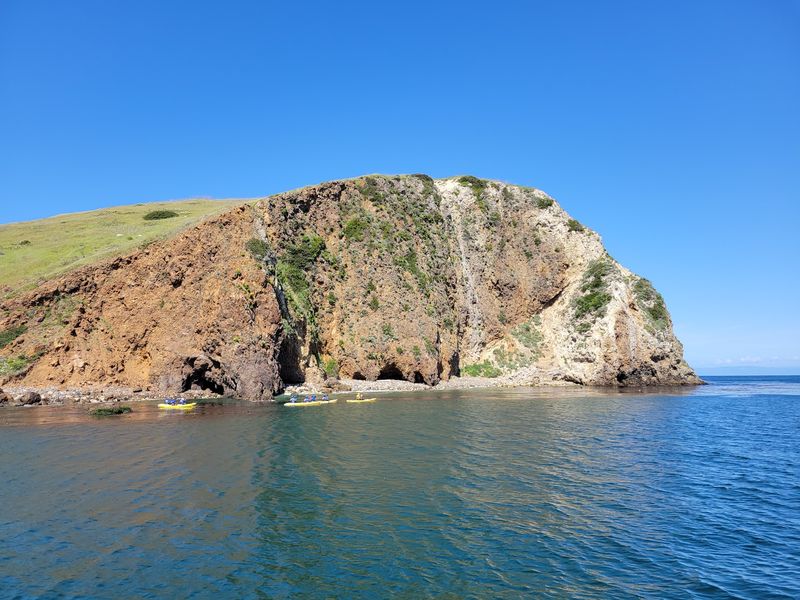
Ask visitors for their favorite moment and many will point straight at the sea caves. Kayaking into these giant hollows carved by the Pacific often ranks as the highlight of the entire trip.
One traveler described the water shifting from deep blue to bright turquoise as sunlight bounced inside the caves. Each turn revealed another wild rock formation, making the paddle feel thrilling and calm at the same time.
Guided sea cave tours leave from the Scorpion Anchorage area, and visitors strongly suggest booking well in advance. Spots can go quickly.
Some experienced travelers also mention that bringing kayaks over from the mainland can save significant money and give you more time on the water. That option takes research, so do your homework before deciding.
Either way, gliding into a glowing cave with waves echoing around you is a memory that sticks. It is easy to see why this experience keeps coming up again and again.
Painted Cave by Boat
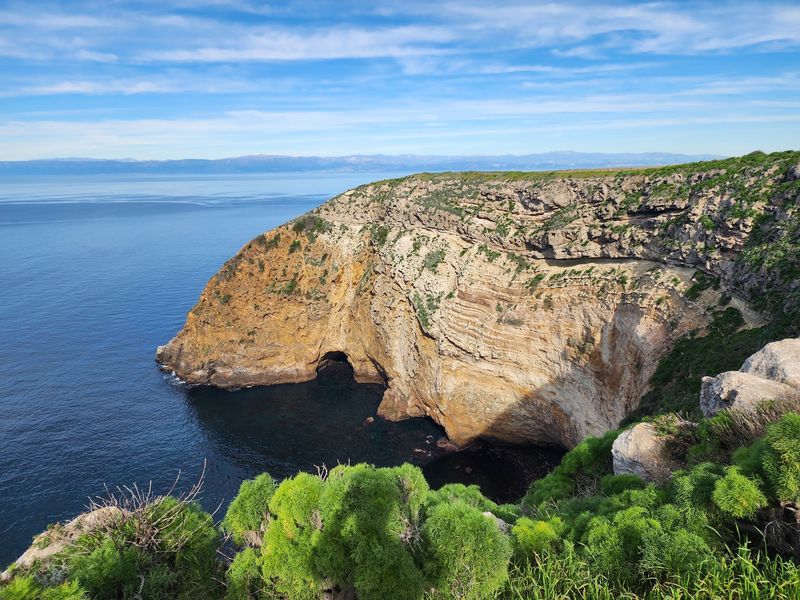
Did you know one of the largest sea caves in the world sits right here? Painted Cave on Santa Cruz Island is described as the fourth largest sea cave on the planet.
Island Packers has offered a Painted Cave tour that brings passengers out to see this giant opening up close. After visiting the cave, the boat drops guests off on Santa Cruz Island for a few hours of hiking and exploring.
That combination works well for people who want cave views without paddling. You get the wow factor of the ocean cliffs plus time on land to look for foxes and scrub jays.
Travelers who took the tour called it a very unique national park experience. Since tour options and schedules can change, check the boat company and park website before planning around it.
A cave this big deserves a spot on your must-see list.
Trails From Quick Strolls to Ridge-Top Treks
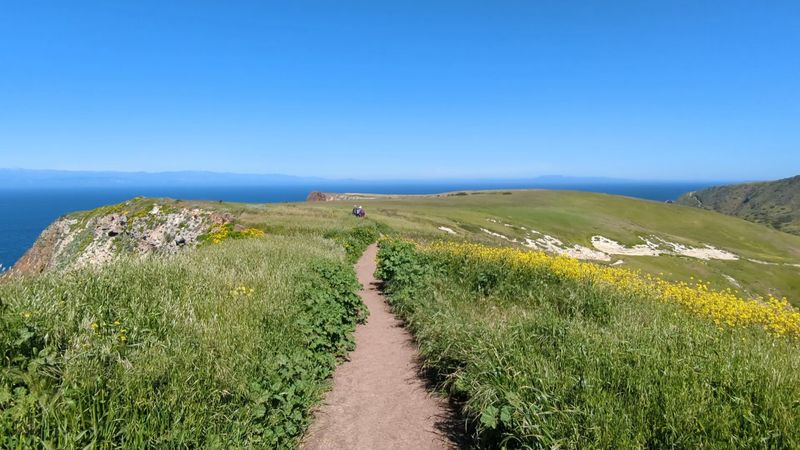
Plenty of people arrive for the kayaking and leave raving about the hiking. Trails on Santa Cruz Island range from easy one-mile walks to solid eight-mile outings.
Expect dramatic coastal cliffs, wildflowers, and views that stretch for miles on clear days. Visitors praise the trails as well maintained, with options for many fitness levels.
For a serious challenge, one hiker went from Scorpion Cove to Prisoners Harbor. That trek covered 15.5 miles with 3,200 feet of elevation gain and took about five hours, finishing in time for a 4:30pm ferry.
Parts near Montanon Ridge were narrow and overgrown.
Not everyone finds every trail thrilling. A few guests felt some paths resembled mainland hikes, though the overlook trail earns praise even if you only go partway.
Paths can also get wet and muddy depending on the season. Waterproof shoes or an extra pair of socks can save the day.
Potato Harbor and Other Scenic Overlooks
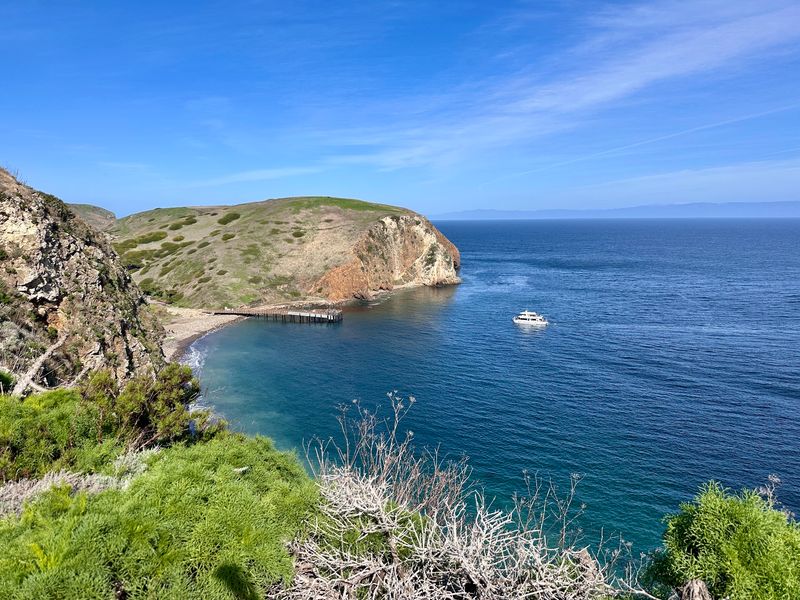
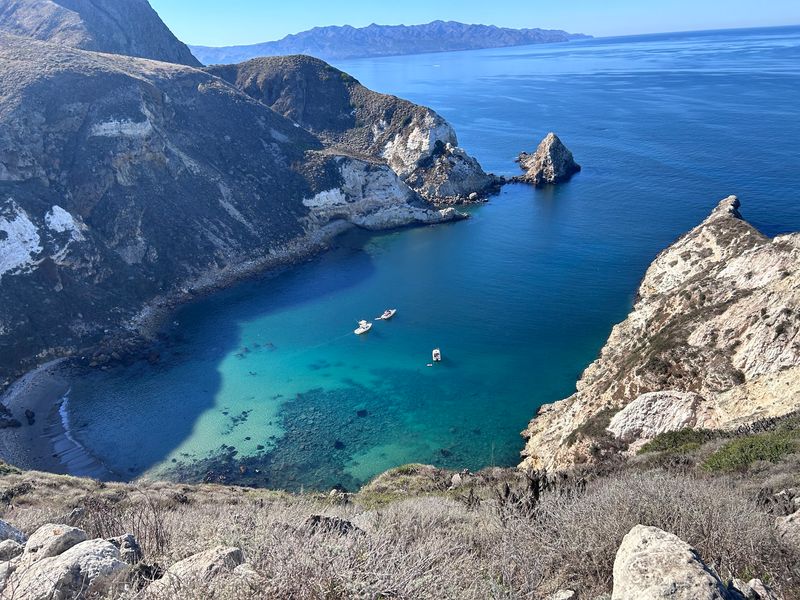
Funny name, jaw-dropping view. Potato Harbor is one of the most talked-about spots on Santa Cruz Island, and visitors describe its views as some of the most stunning they have ever seen.
Day trippers often make it their main hike, and campers love returning for sunset at the viewpoint. Watching the sky glow over the curved cove is a favorite evening ritual.
Scorpion Rock Overlook is another highlight that travelers say should not be missed. Smugglers Cove also makes the list for those spending more time on the island.
Picking just one can be tough, so many people plan two days to cover more ground. If you only have a few hours, Potato Harbor is a strong first choice.
Bring a jacket for evening viewing, since nights can turn chilly. Then settle in, snap your photos, and let the ocean do the talking.
Snorkeling the Clear Island Waters
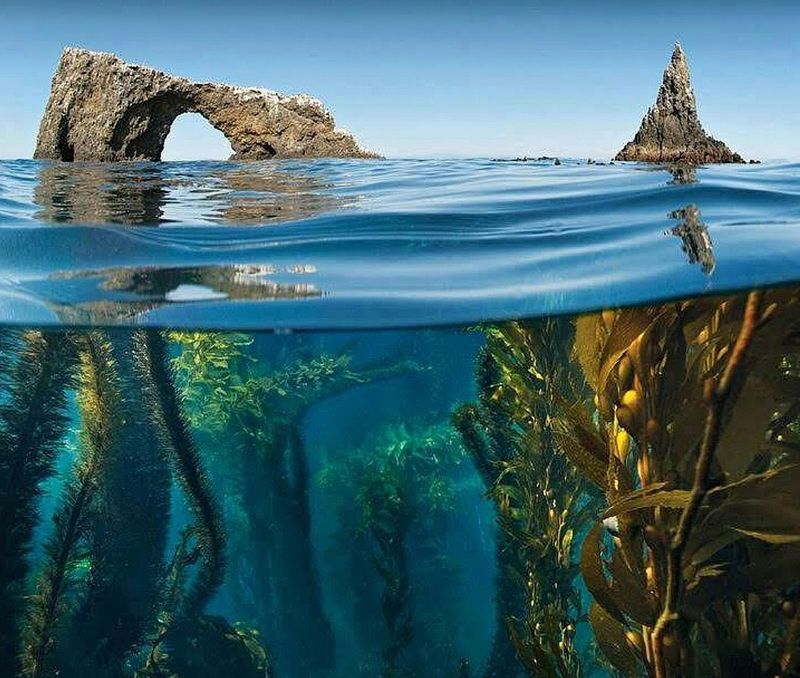
Slip beneath the surface and a whole new park appears. Visitors describe the water near shore as clear, clean, and full of life.
Snorkeling is a popular way to spend an afternoon, and some guests rent gear for their trip. Campers especially enjoy having time to hike, kayak, and snorkel all in one stay.
Swimming is possible at the beach near the landing area, though it is mostly rocky rather than sandy. Travelers warn that the rocks can be pretty sharp, so wear shoes when heading into the water.
Divers and spearfishers also find their way here, since the park lists both activities among its offerings. Fishing comes up often in visitor conversations as well.
Whatever you choose, go prepared and respect the ocean conditions. A peek at this underwater world adds a colorful layer to an island already packed with surprises above the waves.
Camping Under Stars and Ocean Fog
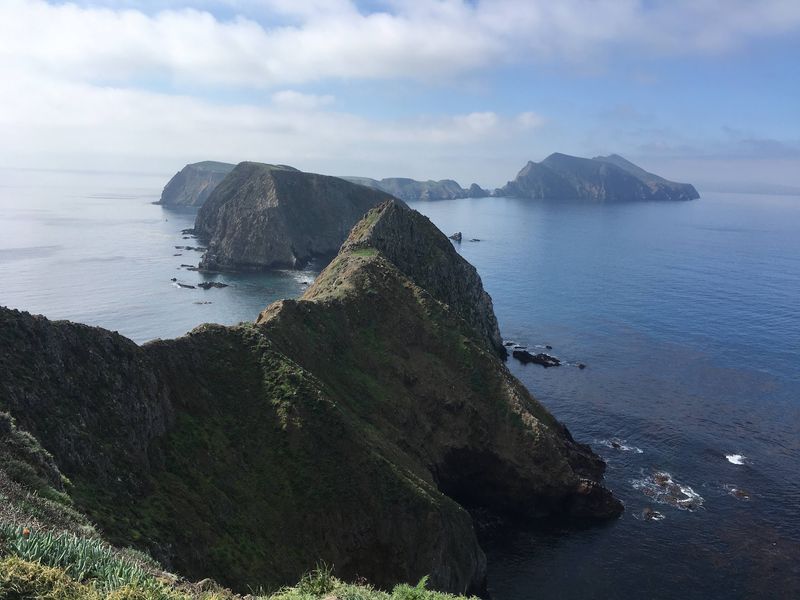
Staying overnight changes everything. Once the last day boat leaves, campers get to soak in the island’s quiet, and many say one night is not enough.
Several visitors recommend at least two nights. That gives time to hike, kayak, snorkel, and still relax, plus evenings for stargazing and watching sunsets.
Be ready for a few quirks. Campsites are clustered closely, almost like one big group site, so privacy is limited.
Nights can feel a little cold even after warm days.
Food storage boxes are provided, and campers should use them for anything scented. Cell service is limited too, which some people find refreshing because it encourages real conversations around camp.
Fog may roll in from the ocean, adding a dreamy mood to mornings. Pack layers, a good sleeping bag, and patience for sharing space.
The reward is waking up on an island far from the usual rush.
Solitude for Wildlife Lovers and Explorers
Crowds? Not really.
Often called California’s least visited national park, this spot feels wonderfully wild and uncrowded compared to more famous parks.
Day visitors mention feeling like they had the whole island to themselves. Being stuck on a remote island for the day becomes part of the charm rather than a hassle.
Animal lovers will be thrilled, from foxes on the trails to whales on the crossing. Adventurous types get kayaking, long hikes, and camping.
Families, sister trips, and scout troops have all found plenty to enjoy.
Some travelers struggle to explain why it feels so special. Maybe it is the remoteness, or the effort it takes to get there, but the result is a deep sense of calm.
If you crave comfort and convenience, the lack of services may feel tough. If you crave peace and discovery, you will likely fall hard for it.
Planning Notes and What to Pack
Smart planning makes or breaks this trip. Start by checking the official park website at nps.gov/chis and booking boat travel to the island you want, making sure ferries run both out and back on your chosen day.
Build your plans around the boat schedule. One day visitor had a little under five hours on Santa Cruz Island, so choose activities you can finish before departure.
Bring all your food and water, since there are no stores. Restrooms and drinking water exist at the harbor and campgrounds, but not along trails.
There are no trash cans, so pack out everything.
Shade is rare beyond camp areas, so wear sun protection. A mid-August visitor noted highs around 70 degrees.
Rangers greet arriving boats with a short briefing on rules.
The mainland visitor center is described as beautiful, though parking there can be confusing, especially for guests with disabilities. For questions, call +1 805-658-5730.
A Park Worth Every Bit of Effort
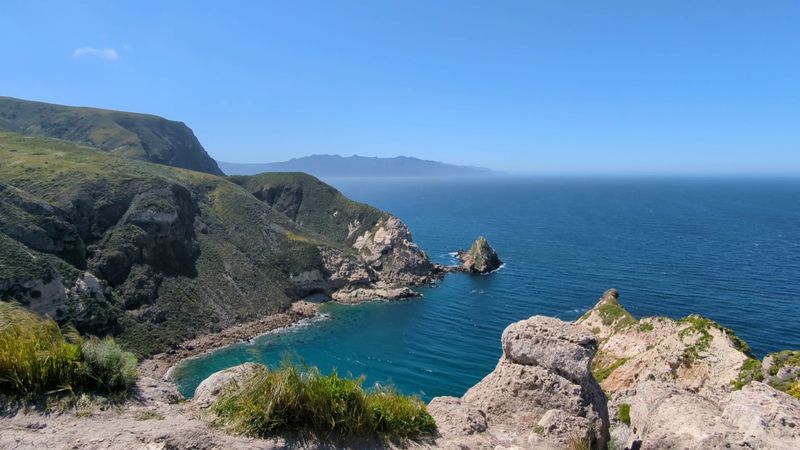
Some places are easy to reach and easy to forget. Channel Islands National Park works the other way around, asking for effort and handing back memories that last.
Between the ferry ride, dolphin sightings, cliffside trails, glowing sea caves, and those tiny foxes, visitors keep calling it a hidden gem. Many place it among their top five national parks.
Yes, it takes more planning than the average park. You need reservations, supplies, and an eye on the clock.
Travelers agree that the extra work is absolutely worth it.
It also sits surprisingly close to Los Angeles, yet feels worlds away. That contrast is part of the magic.
So check the schedule, pack your snacks, and grab your sunscreen. When the boat pulls away from Ventura and the mainland fades, you may realize you are heading toward one of the most memorable days you will spend anywhere in California.
Share this story