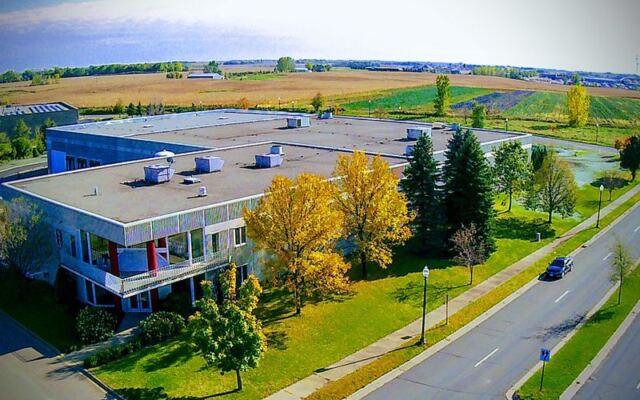
You might drive past a quiet stretch of farmland in Minnesota and never guess that the internet is growing right there beside the cornfields. Huge, windowless buildings are popping up where tractors once rolled, and they hum day and night with computer power.
Neighbors are curious, a little proud, and sometimes worried about what all this change means for their hometown. It turns out one small-town corner of the state is quietly helping run the digital world, and the story is far more interesting than it first looks.
A Suburban Edge With Farm Roots
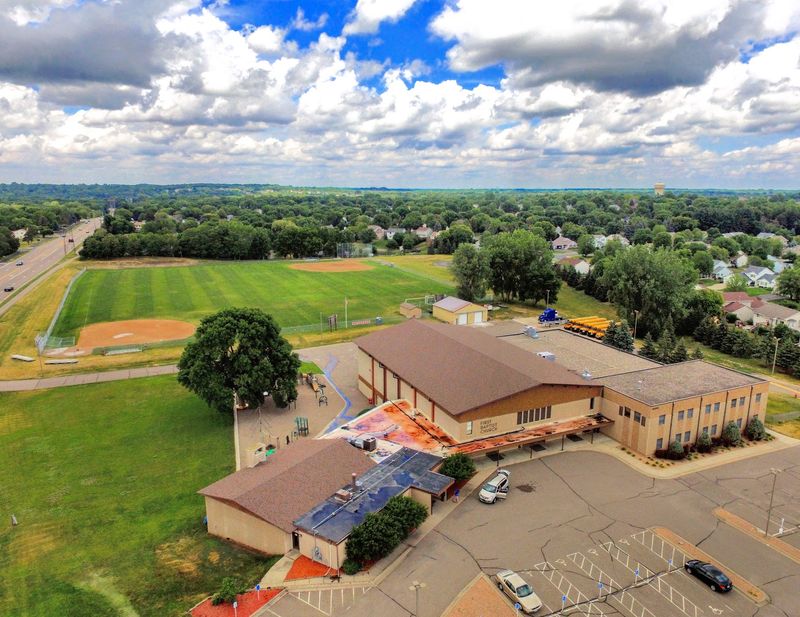
South of the Twin Cities, where the metro starts to thin out and the sky opens wide, sits Rosemount. The city belongs to Dakota County and rests right on the southern edge of the Twin Cities Metropolitan Area.
That location matters more than most folks realize. Rosemount is close enough to Minneapolis and St. Paul for an easy commute, yet far enough out that open land, gravel roads, and crop rows still shape the view.
Around 25,650 people called it home at the 2020 census, which makes it a real city with a small-town heartbeat.
For years, the biggest local headlines often involved school sports, community festivals, and the planting season. Lately, conversations at the coffee counter have shifted toward something nobody expected to see sprouting between the fields.
Big technology buildings have started joining the landscape, and Minnesotans across the state are paying attention to how this place is handling it.
From Prairie Town to Growing City
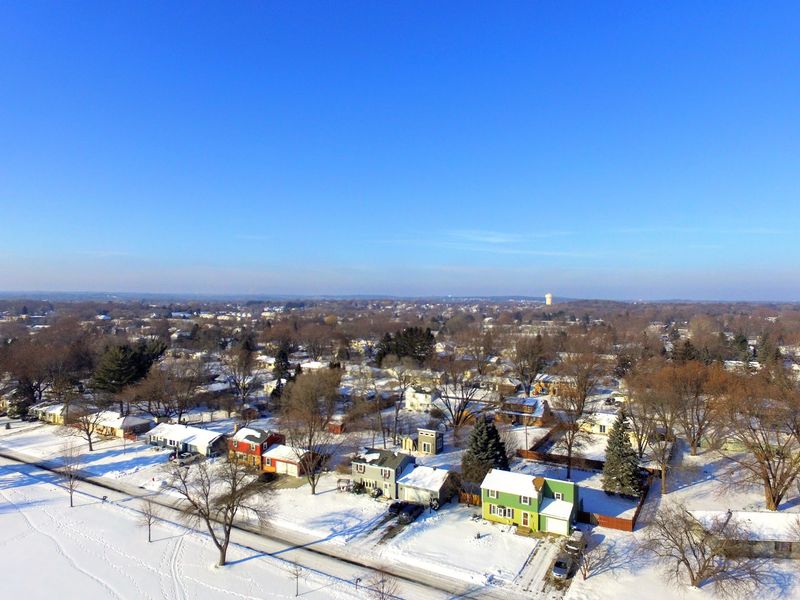
Long before anyone said the word cloud and meant computers, Rosemount was a farming community through and through. Families worked the land, sold their harvests, and built the kind of tight-knit town that Minnesota does so well.
Growth arrived slowly, then all at once. As the Twin Cities spread outward, new neighborhoods, schools, and parks filled in the spaces between the old farmsteads.
The population climbing past 25,000 tells you just how many people decided this was a good place to settle down and raise kids.
Through every wave of change, the town kept a strong sense of who it is. Longtime residents still talk about the old days with real fondness, and newer families tend to pick up that hometown loyalty quickly.
Now the city faces its newest chapter, one powered by electricity, fiber lines, and rows of servers instead of seed corn. Some see it as progress, while others want to slow down and ask questions first.
Why Data Centers Love Open Land
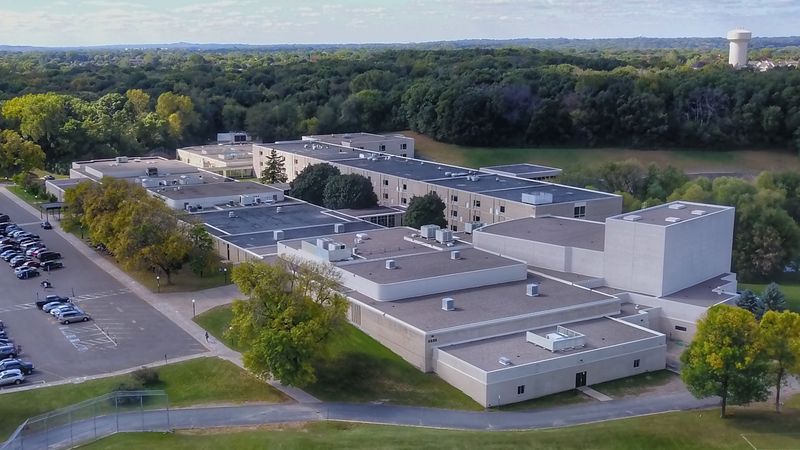
Here is a fun fact that surprises many people: every photo you post, video you stream, or email you send has to live inside a physical building somewhere. Those buildings are data centers, and they need a lot of space.
Open land near a big metro area is like gold for tech companies. Rosemount offers wide parcels, access to the Twin Cities workforce, and room to build without squeezing into crowded city blocks.
Minnesota’s cooler climate is also often mentioned as a plus, since keeping thousands of computers from overheating takes serious effort.
Put all that together and it becomes clear why farmland on the metro’s edge has caught the eye of developers. A field that once grew soybeans may now host a building packed with blinking machines.
To a passing driver, these sites can look strangely plain, almost like giant warehouses, but what happens inside keeps much of modern life running smoothly every single day.
The Hum Next Door
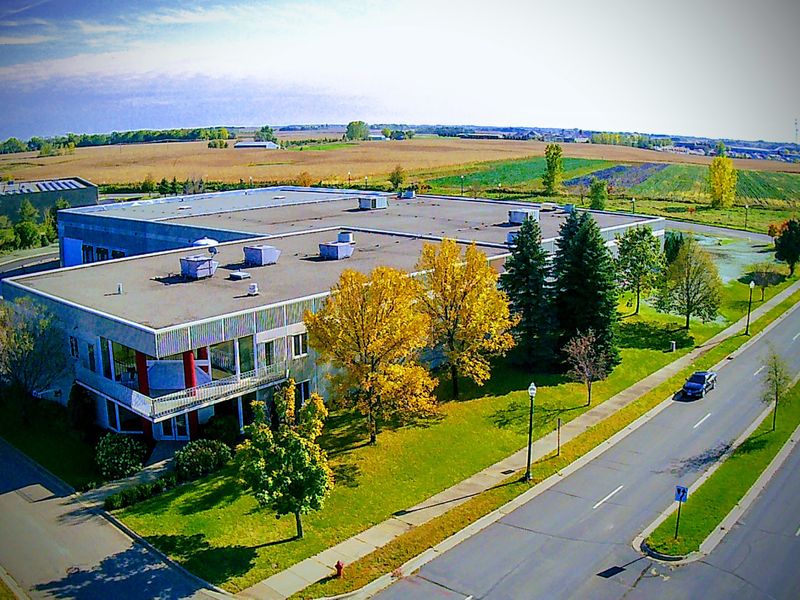
Step close to a working data center and you may notice a steady, low hum. Cooling fans and equipment run around the clock, because the internet never takes a nap.
For neighbors, that background sound is one of the most common topics of conversation. Some residents say they barely notice it, while others wonder how it might change the peaceful feel of country evenings.
Lights at night are another detail people often bring up, since rural areas are known for their starry skies.
None of these concerns are unusual. Communities all over Minnesota have had similar talks whenever something big moves in, whether it was a highway, a factory, or a new shopping area.
What stands out in Rosemount is how openly people are discussing it. Neighbors seem eager to learn how these sites work, and that kind of curious, practical attitude is very Minnesotan.
Power, Water, and Big Questions
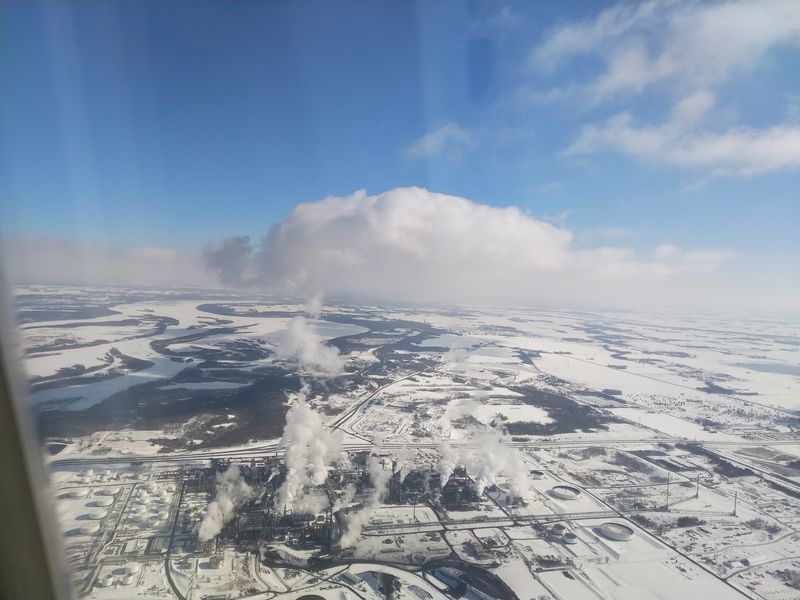
Computers get hot, and hot computers need cooling. That simple fact explains why so many locals ask about electricity and water whenever a server farm is planned nearby.
Large data centers can use a great deal of power, which leads to questions about the electric grid and what it means for regular households. Water use for cooling is another topic people raise, especially in a state that treasures its lakes, rivers, and groundwater.
Minnesotans tend to take care of their natural resources, so these discussions carry real weight.
Residents who follow the topic often encourage neighbors to attend public meetings and read city updates. The official Rosemount city website is a helpful starting point for anyone wanting plans, notices, and meeting information.
Asking questions does not mean being against growth. It usually means wanting growth done carefully, with the land and the people who live on it kept firmly in mind.
Tax Dollars and Town Budgets
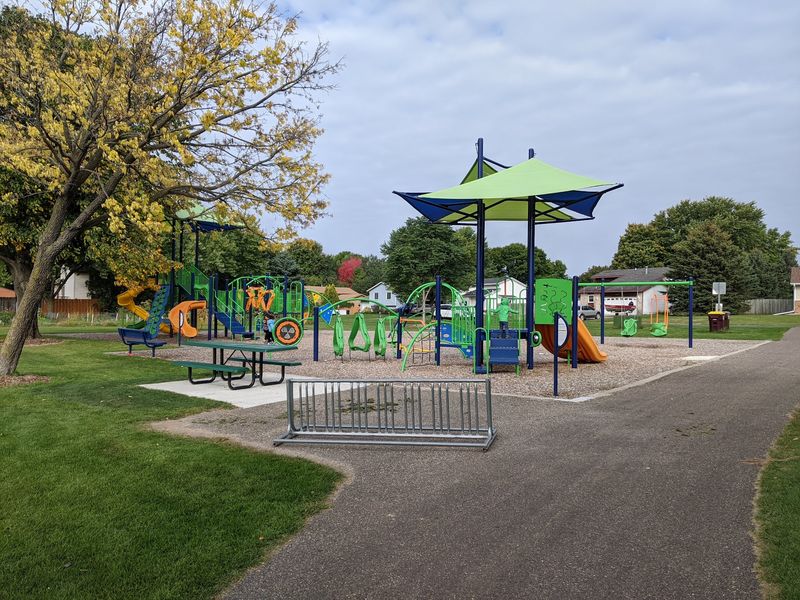
Money talks, and in Rosemount it often talks about schools, roads, and parks. One reason towns welcome big tech projects is the potential boost to the local tax base.
Supporters point out that large buildings with expensive equipment may bring in revenue without adding many cars to the roads or students to classrooms. That could help pay for services that families value, from snowplows in January to playgrounds in July.
For a city that has grown quickly, extra funding can feel like a real win.
Skeptics usually agree the money sounds nice but want to know the full picture. They ask how incentives work, how long benefits last, and whether the deal is fair to taxpayers.
It is a healthy back and forth, and it shows a community that cares about getting good value. Thrifty Minnesotans have always liked a smart deal, and they want this one to pencil out.
Jobs Behind the Fence
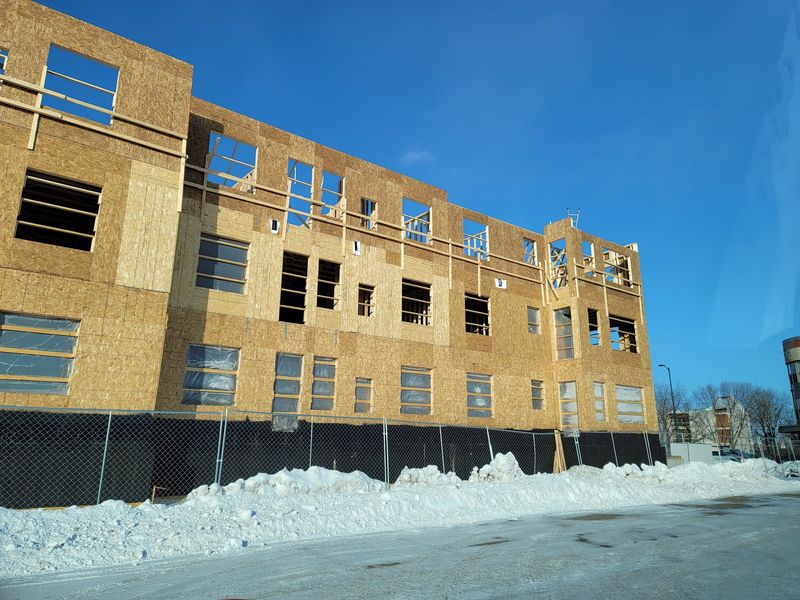
Construction cranes are a hint that work is happening. Building a data center usually takes many trades, including electricians, welders, concrete crews, and equipment operators.
Once construction wraps up, the picture changes a bit. Running a finished server farm generally requires fewer people than building one, though those roles often involve skilled technicians, security staff, and maintenance teams.
Locals sometimes debate whether the long-term job count matches the size of the buildings.
Still, many residents appreciate any chance for nearby, steady work that does not require a long drive into Minneapolis. Local technical programs and trade careers can get a nice spotlight when projects like these arrive.
Young people growing up in Dakota County may now see tech jobs as something possible right at home, which is a pretty exciting thought for a town that once measured success mostly by its harvest.
Coffee Shop Chatter and Kitchen Table Talk
Ask three neighbors about the server farms and you might get four opinions. That is just how small-town Minnesota works, and honestly, it is part of the charm.
Some longtime residents feel a little sad watching familiar fields change. They remember when the area was mostly crops and quiet roads.
Others are proud that their hometown is helping power the modern world, and they like telling relatives in other states that the internet runs through Rosemount.
Many people land somewhere in the middle. They welcome growth but want clear answers about noise, power, and the look of the land.
These conversations happen at diners, school pickups, church potlucks, and hockey rinks. Nobody is shouting, and most folks are polite even when they disagree.
That calm, neighborly way of hashing things out is something the rest of the country could probably learn from.
Small-Town Character That Sticks Around
Big buildings may change the skyline, but they do not erase a town’s personality. Rosemount still feels like a place where people wave from their driveways and show up for each other.
Families who visit often find a friendly suburban rhythm, with parks, local events, and that easygoing pace the southern metro is known for. It suits people who want quick access to the Twin Cities without giving up open skies.
Retirees, young families, and commuters all seem to find a spot here.
The server farm story actually adds a fun layer for curious travelers. Driving the outskirts, you can see farmland and futuristic buildings sharing the same horizon, which feels uniquely Minnesotan in its own way.
It is a reminder that this state can blend old traditions with new ideas, and do it with plenty of humble pride along the way.
Getting There and Learning More
Reaching Rosemount is simple. The city sits on the southern edge of the Twin Cities Metropolitan Area in Dakota County, so it makes an easy drive from Minneapolis or St. Paul.
Because the town is a whole community rather than a single attraction, there are no set hours or entry prices to worry about. A good plan is to check the official city website at rosemount.govoffice.com before heading out.
It typically lists community news, public meeting schedules, and local event details that can help shape a visit.
Anyone interested in the data center conversation may want to look for city council or planning meetings posted online. Please remember that data center sites are private facilities, so tours are generally not available, and visitors should view them only from public roads.
Pair your drive with a stop at a local park or eatery for a well-rounded afternoon south of the metro.
A Hometown Worth Watching
Few places capture the push and pull of modern Minnesota quite like Rosemount. Fields and fiber optics now share the same zip code, and the people living there are figuring out how to make it work.
What makes this story so appealing is not just the shiny technology. It is the way residents ask smart questions, look out for their land, and still welcome new opportunities.
That balance of caution and curiosity reflects the best of small-town values on the edge of a big metro.
So next time you drive south of the Twin Cities, take a moment to look around. You may spot corn rows on one side and a humming server building on the other.
It is a quiet sign that Minnesota keeps proving it can handle big changes with a level head, and that is something worth sharing with friends.
Share this story