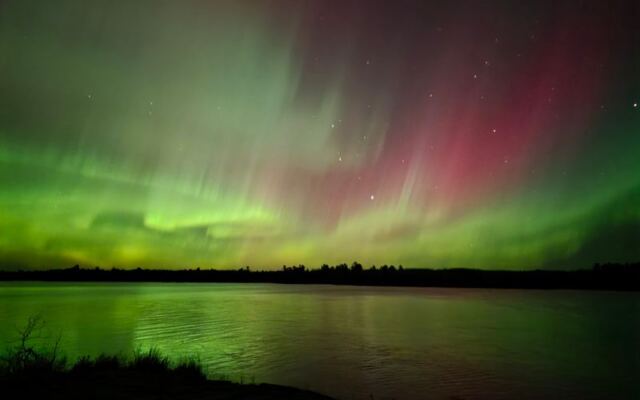
Most of this national park sits on water, so winter turns its giant lakes into a frozen playground. Add snowshoes, silent ice, and a sky that sometimes flickers green.
That combination sounds almost too good for one corner of Minnesota.
The entire park carries an official dark-sky designation. No entrance fee stands between you and that sky, either.
I like how the coldest months turn a boat-first park into a place you can simply walk across.
I believe the magic lives in the odds, not in a promise. Clear nights, solar activity, and patience all have to line up.
Still, the setting does plenty of heavy lifting before the lights ever appear.
So how good are your chances, and what should you pack? I can’t imagine a better excuse to bundle up and point the car north.
A Water Park Of The Wildest Kind On The Canadian Border
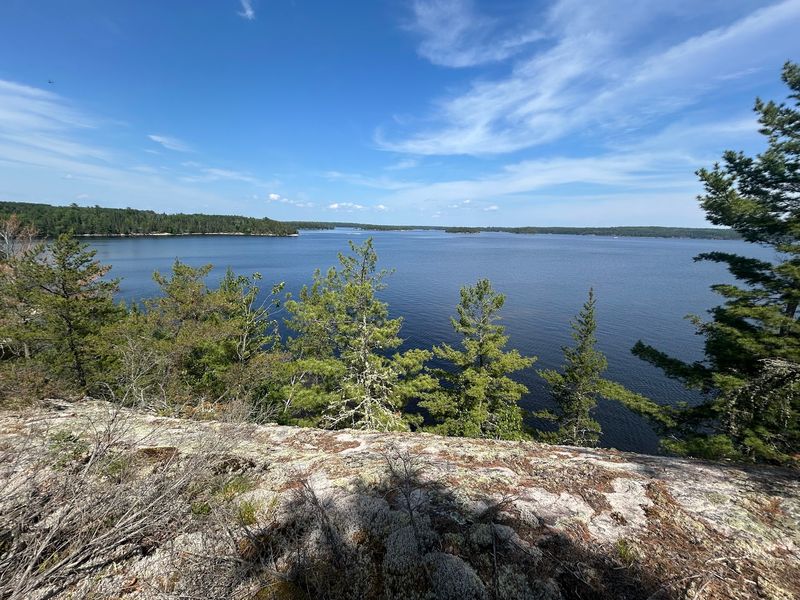
Voyageurs National Park holds a title no other spot can claim: Minnesota’s only national park. It sits way up on the Minnesota and Canada border, where lakes and islands outnumber roads by a comical margin.
Most of the park is reachable only by water. Summer visitors rely on boat tours, rentals, kayaks, and even houseboats to explore its many islands and shorelines.
Winter flips that script in a fun way. Frozen lakes become open ground, and the same waterways that demand a boat in July can welcome snowshoes and snowmobiles once the ice is safe.
The park welcomes visitors with three visitor centers. You’ll find Rainy Lake, Kabetogama Lake, and Ash River, each serving as a doorway to a different slice of this watery maze.
Better yet, there’s no charge to enter the park. Minnesotans who love a genuine value can appreciate a national park that asks for nothing but some planning and warm socks.
Remote? Absolutely.
That remoteness is exactly what makes it such a strong candidate for northern lights, and for a winter trip that feels refreshingly uncrowded.
Paddlers, Fur Traders, And The Story Behind The Name
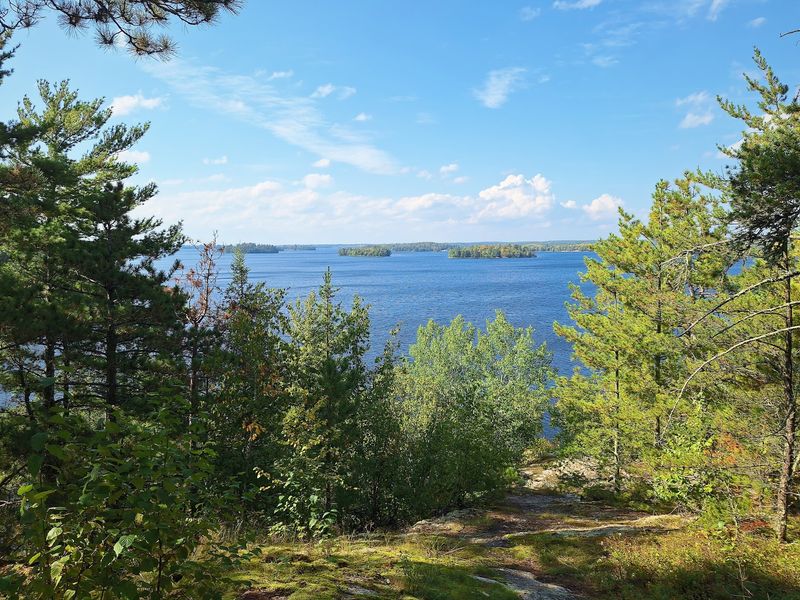
Long before snowshoe trails and dark-sky maps, these waters were a highway. The park takes its name from the voyageurs, French-Canadian canoe paddlers who hauled furs through this region during the fur trade era.
Their routes followed the same chain of lakes you see today. Rainy, Kabetogama, Namakan, and Sand Point Lakes all played a part in that long paddling story.
The Ojibwe lived on and with these lands long before any fur brigade arrived. The park shares that heritage, and the old Ojibwe ways remain an important thread in its story.
Later chapters brought gold mining, logging, and commercial fishing. The Rainy Lake visitor center’s Life on the Lake boat tour typically covers that history during the warmer months.
Visitor centers also show a film about the voyageurs of the past. It’s a handy primer before heading outside, especially on a frigid afternoon when indoor time sounds pretty great.
Knowing the backstory adds weight to a winter walk. Those snowy lakes once carried canoes loaded with goods, and now they carry your snowshoe tracks instead.
Why The Night Sky Up Here Gets Official Bragging Rights
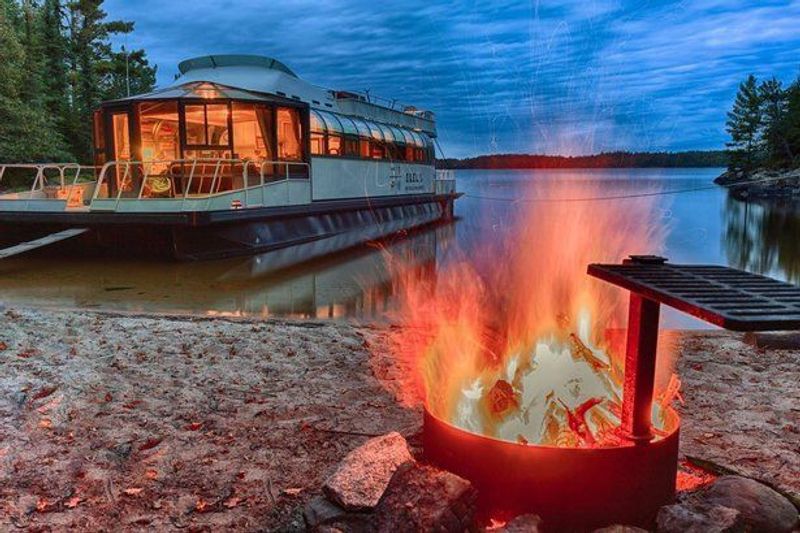
Darkness is a feature here, not a flaw. Voyageurs National Park earned International Dark Sky Park certification in 2020, a recognition given to places with exceptional starry skies.
That status comes from distance and protection. Few towns sit nearby, so the glow that washes out stars around the Twin Cities simply fades away this far north.
The result can be stunning on a clear night. The Milky Way often stretches overhead, and the sky looks crowded with stars you forgot existed.
Dark skies matter for aurora hunting too. Faint northern lights that would vanish near a big city can show up clearly against this inky backdrop.
Minnesota gets to brag a little on this one. Plenty of big-name destinations would love skies this clean, and this one sits a road trip away from home.
Visitors who love stargazing tend to find the park worth the drive for that reason alone. Toss in a frozen lake for a front-row seat, and the winter appeal makes perfect sense.
Honest Math On Catching The Northern Lights
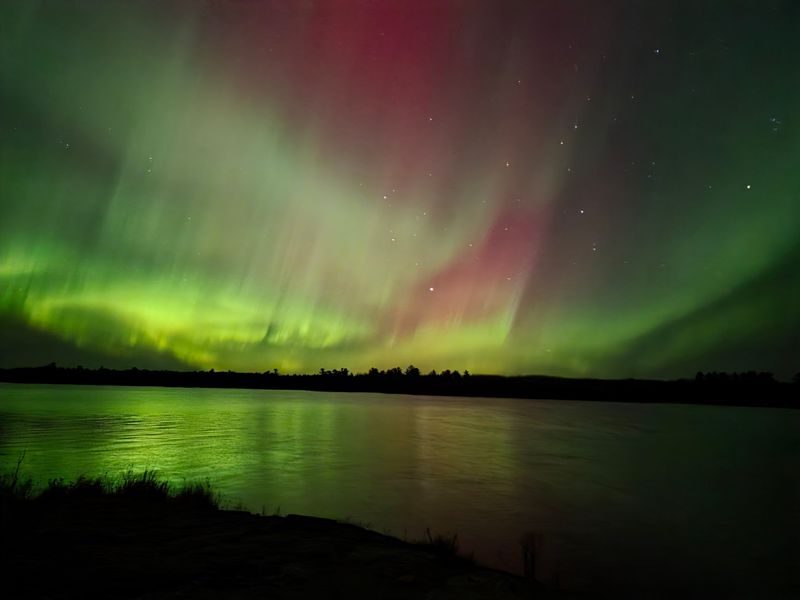
Nobody can book the aurora like a dinner reservation. The northern lights depend on solar activity, clear skies, and darkness, and all three must cooperate on the same night.
Voyageurs does tilt the odds your way. Its far-north latitude and protected dark skies give it a real edge over most of the Lower 48.
Winter helps with the darkness part. Long nights mean more hours for the sky to put on a show, although clouds can still spoil the plan.
Smart aurora hunters typically check space weather forecasts before heading out. A higher geomagnetic activity reading may signal a better chance, though surprises happen in both directions.
Patience matters more than luck. Staying out for a few hours, rather than a quick peek, usually improves your chances of catching a glow on the northern horizon.
So are the odds good? Better than in most places, but never guaranteed.
Even on a quiet night, a sky full of stars over frozen lakes makes a pretty fine consolation prize.
Snowshoes, Frozen Shorelines, And A Quieter Kind Of Adventure
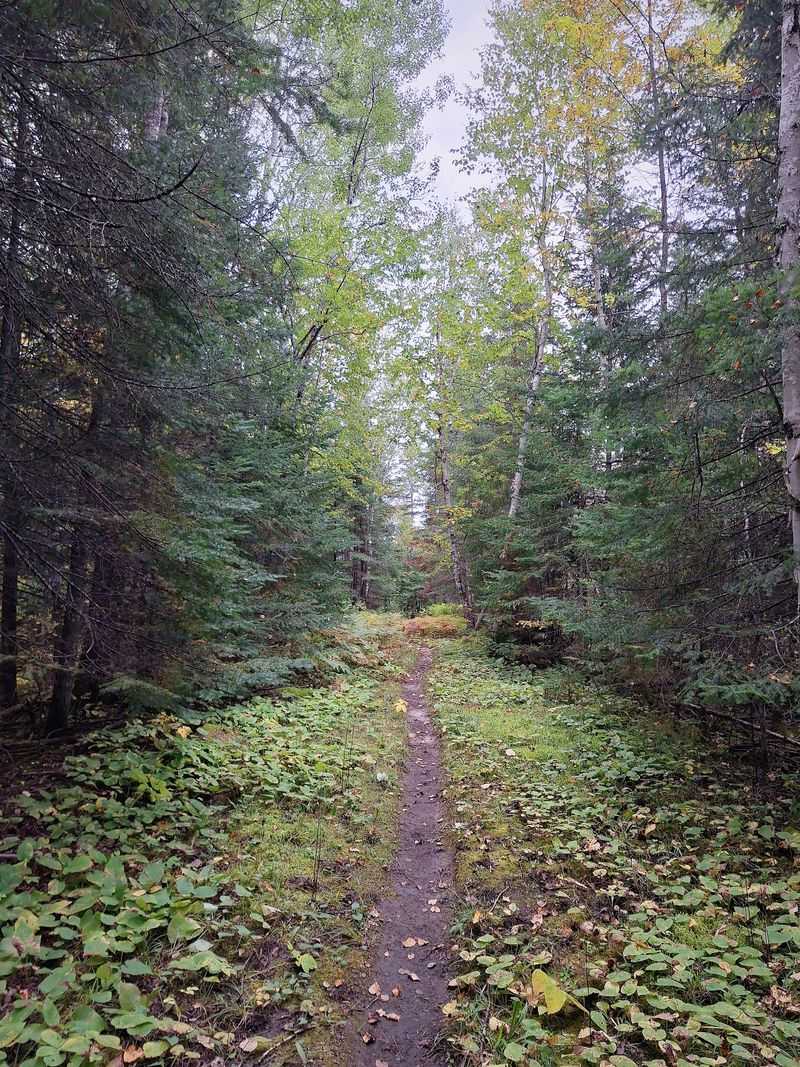
Snowshoes turn deep snow into an invitation. Strap on a pair, and forest trails that might feel impossible in boots become a calm, crunchy walk.
Voyageurs National Park typically offers winter trails for snowshoeing and skiing. Conditions change with snowfall, so checking with the park before a trip is a smart move.
The Rainy Lake area is often the hub for winter activity. Its visitor center may keep limited winter hours, and staff can point you toward trails that suit your energy level.
Snowshoeing near sunset sets up a perfect night. You can scout a spot with an open northern view while it’s still light, then return when the stars come out.
Bring layers, headlamps, and extra mittens. Northern Minnesota cold earns its reputation, and comfort makes the waiting part of aurora hunting far more pleasant.
The silence is the real surprise. Fresh snow muffles sound, so a winter walk here can feel wonderfully peaceful, like the whole park pressed pause just for you.
Ice Roads That Turn Lakes Into Driveways
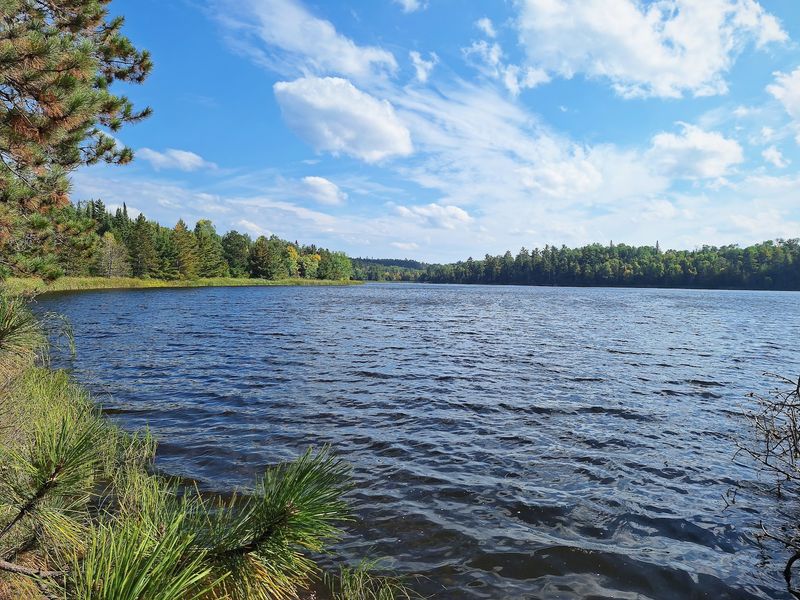
Driving across a lake sounds like a dare. In winter, though, Voyageurs National Park has often maintained ice roads on Rainy Lake and Kabetogama Lake when conditions allow.
These plowed routes open up spots that normally require a boat. Islands and bays that feel far away in summer can suddenly seem within reach.
Ice thickness drives everything here. The park typically announces openings and closures based on safety, so plans should stay flexible right up until departure.
For aurora seekers, ice roads offer a bonus. Open lake views stretch toward the northern horizon, with no trees blocking the sky.
Common sense keeps the experience safe. Stay on marked routes, follow posted guidance, and check current conditions with the park before heading onto the ice.
Few road trips in Minnesota end with a drive across a frozen national park lake. That alone feels like a story worth telling friends, even before anything green flickers overhead.
Three Visitor Centers, Three Different Starting Points
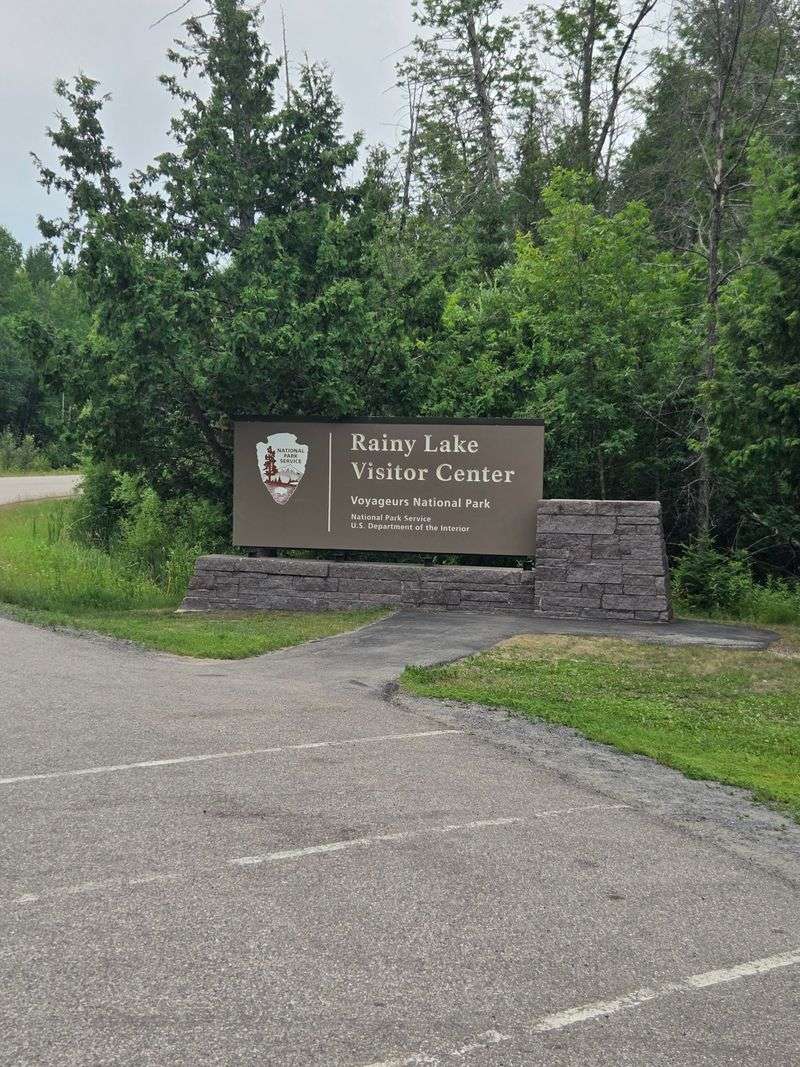
Choosing a starting point matters in a park built around lakes. Voyageurs National Park spreads its welcome across Rainy Lake, Kabetogama Lake, and Ash River visitor centers.
Rainy Lake Visitor Center often serves as the main winter base. It sits closest to International Falls and typically has the most consistent cold-season presence.
Kabetogama Lake and Ash River usually shine in warmer months. Tour boats leave from the Kabetogama area, and Ash River offers trails and water access on the park’s southern side.
Each center helps explain what makes the park tick. Exhibits and the voyageur film give helpful context before you head into the cold or onto the water.
Hours vary by season, so it pays to check before driving. Winter schedules can be shorter, and some centers may close entirely during the coldest stretch.
Rangers remain one of the best resources around. They can share trail suggestions, ice updates, and tips for finding a good open view on a promising night.
Where Summer Boats Lead The Way
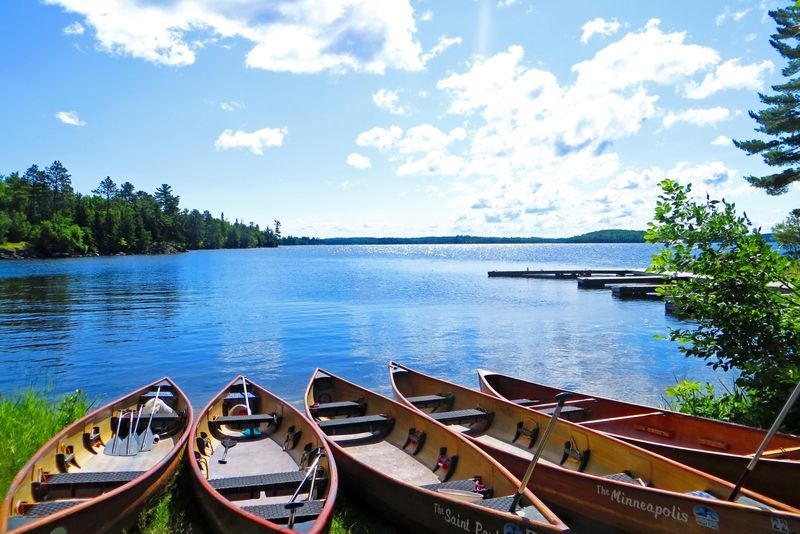
Summer shows the park’s other personality. Once the ice is gone, boats become the main way to explore nearly everything.
Boat tours typically begin in early June and run only on certain days. Planning ahead is wise, since spots can be limited during the busy season.
Tours leave from the Kabetogama Lake and Rainy Lake areas. Local outfitters and lodges also run trips, and rentals let visitors explore waterways on their own schedule.
Houseboats are common here too. They act as floating cabins, offering a relaxed way to drift between islands and quiet bays for several days.
Kayaking and fishing rank among the most popular pursuits. Walleye anglers in particular treat these lakes as serious Minnesota fishing country.
A summer scouting trip can actually help a winter plan. Learning the layout by boat makes it easier to picture where those frozen open views might sit come January.
Ellsworth Rock Garden And Kettle Falls Worth The Boat Ride
Stacked stone sculptures in the middle of the wilderness? That’s the charm of Ellsworth Rock Garden, a summer favorite reachable by water.
Jack Ellsworth built the garden over many summers, arranging rocks into terraces, flower beds, and whimsical shapes. The result feels like an outdoor art gallery perched above Kabetogama Lake.
A boat ride from Ash River typically takes about an hour and a half to two hours. Boat tours also visit the garden on select days during the season.
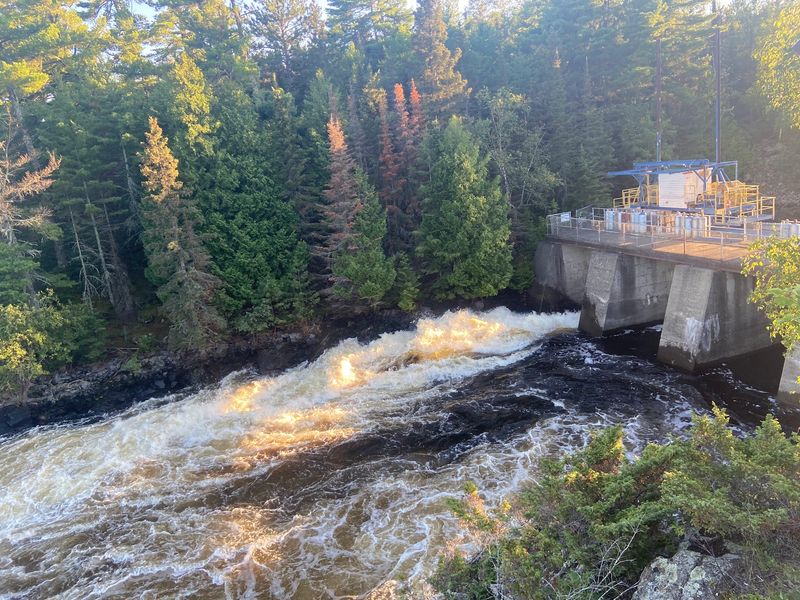
Kettle Falls is another water-access highlight. Its historic setting and dam area draw boaters exploring the waterways between Rainy and Namakan Lakes.
These spots remain warm-weather adventures, since winter access looks very different. Still, they help explain why so many people return in different seasons.
A visit in summer and another in winter covers both moods of the park. One brings flowers and boat wakes, while the other brings snow and maybe a little aurora magic.
Bald Eagles, Loons, And Other Locals With Feathers
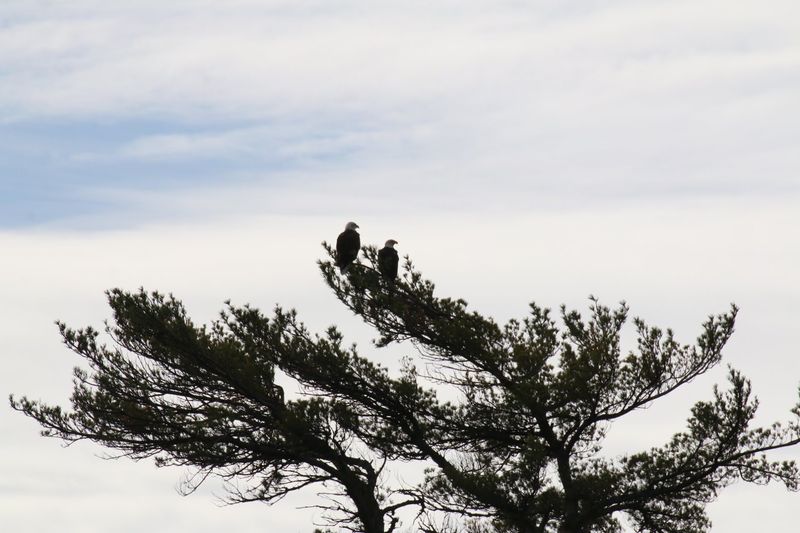
Bald eagles act like they own the place. They’re among the most talked-about sights at Voyageurs National Park, often seen soaring over the lakes or perched along shorelines.
Birdwatchers have plenty to enjoy here. The mix of water, islands, and boreal forest creates habitat for a wide range of species.
Summer nights bring the haunting call of loons. That eerie, beautiful song drifting across a calm lake is a classic piece of up-north Minnesota.
Wolves and bears also live in the region, though sightings are never guaranteed. Respectful distance and proper food storage keep both people and wildlife safe.
Winter wildlife watching takes a sharper eye. Tracks in fresh snow can reveal who passed through overnight, turning a snowshoe outing into a gentle detective game.
Bug spray is a summer must, by the way. Mosquitoes can be fierce on wooded trails, which gives winter one more quiet advantage for anyone who hates itchy ankles.
Camping By Boat And Backpacking Into The Interior
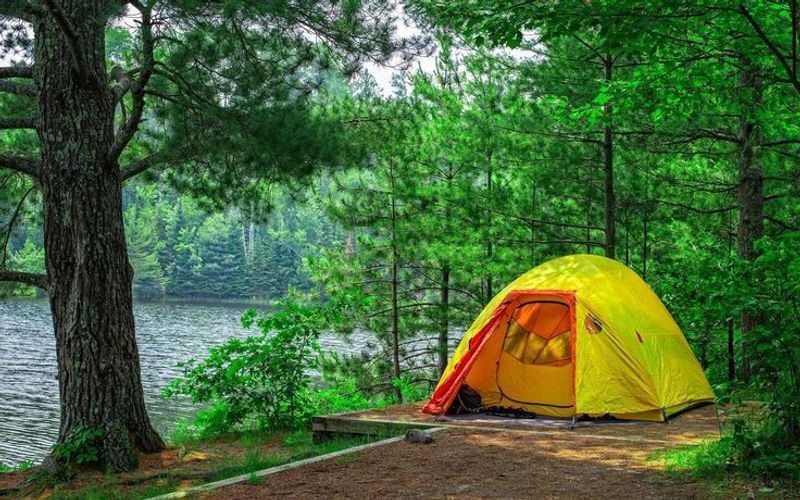
Campsites here come with a twist. Most are reachable only by boat, and there’s no traditional drive-in campground inside the park itself.
Boat-in sites dot lakes like Sand Point, Kabetogama, and Rainy. Some offer short trails behind the tent pad leading up to lake views.
Backpackers can explore the Kabetogama Peninsula’s trail system. The Cruiser Lake trailhead is reached by water, and routes connect to interior lakes with their own campsites.
Planning takes effort, since reservations and water transportation both need sorting out. Nearby state campgrounds can offer overnight options for visitors without a boat.
Winter camping is a different challenge altogether. It suits only experienced, well-equipped adventurers, and checking park guidance first is essential.
For most aurora seekers, a warm lodge or rental nearby makes more sense. That way, a cozy bed waits after a late night under the stars, and nobody has to thaw out a frozen tent.
Getting There, Planning Ahead, And Packing Smart
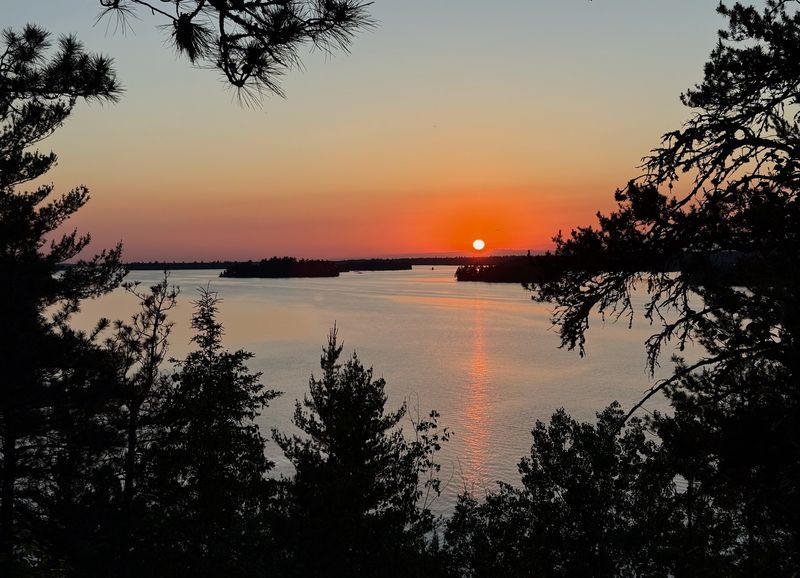
Reaching the park takes a proper road trip. Voyageurs National Park sits near International Falls in far northern Minnesota, a solid drive from the Twin Cities.
Each visitor center has its own access road. Rainy Lake is near International Falls, while Kabetogama and Ash River sit off routes to the south.
Entry costs nothing, which keeps the trip budget-friendly. Lodging, rentals, and tours carry their own costs, so booking early helps during busy weekends.
Winter travel needs extra preparation. Road conditions can change quickly, and cell service may be spotty in remote areas.
Pack warm layers, a thermos, hand warmers, and a red-light headlamp for night viewing. A camera with manual settings and a tripod helps capture faint aurora glow.
Hours and services shift with the seasons. Calling ahead or checking the park’s official updates keeps surprises to a minimum, and leaves more energy for the fun part outside.
A Frozen Front Row Seat Worth The Drive North
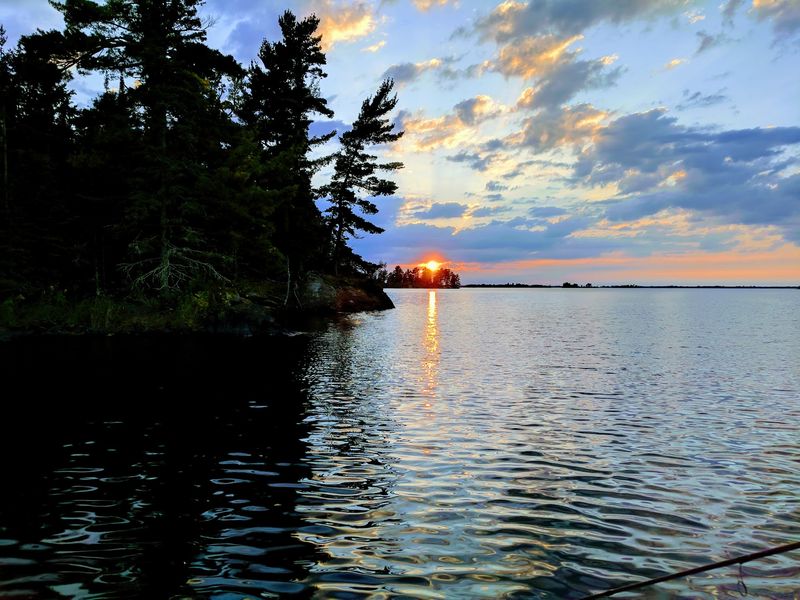
Some trips promise everything and deliver crowds. Voyageurs National Park promises very little, then quietly hands over frozen lakes, starry skies, and a real shot at the aurora.
That’s the kind of win Minnesotans love. A free-entry national park with dark skies this good feels like a secret the rest of the country hasn’t fully caught onto.
Winter brings snowshoe trails, ice roads, and long nights built for sky watching. Summer brings boat tours, rock gardens, and loons singing after sunset.
The northern lights may or may not appear on your visit. Even so, a peaceful snowy evening under thousands of stars still beats most nights spent at home.
Families, stargazers, photographers, and anyone craving quiet will find something here. Just pack warmly, stay flexible, and give the sky a little patience.
Minnesota’s only national park deserves a spot on every winter wish list. Tag the friend who’d bring the hot cocoa, and start watching the forecast together.
Share this story