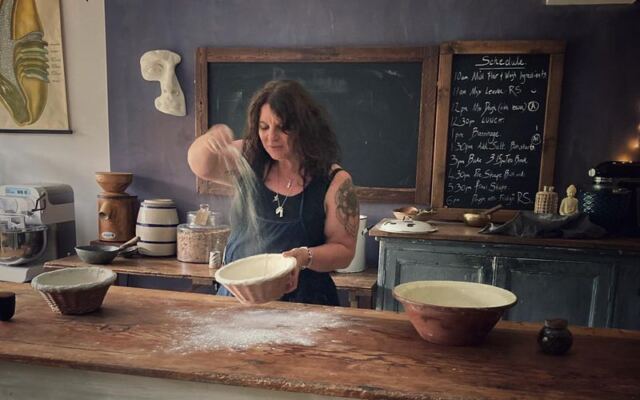
Every so often in Oklahoma, you find a small, quiet spot that ends up teaching you something you carry home for weeks. Picture a table of flour, a few curious neighbors, and a jar of bubbly starter that becomes yours to keep.
That is the kind of pleasure a hands-on sourdough class can offer. Here is what one nearby listing says, what it leaves open, and how to look after a starter once it is on your kitchen counter.
A nearby hands-on workshop is listed in Edmond
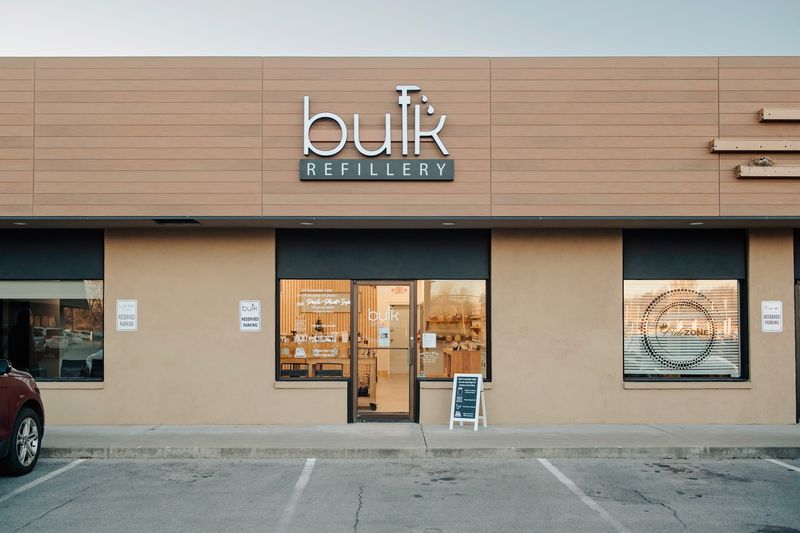
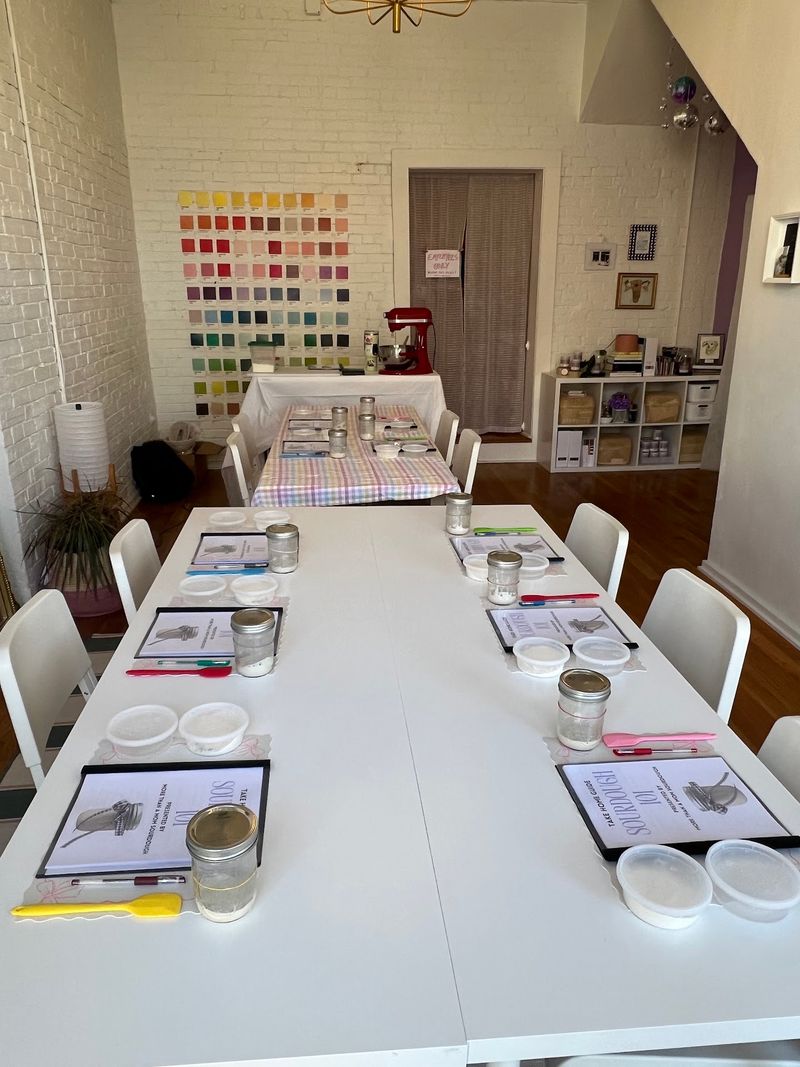
Sometimes the best baking lesson is just a short drive away. As of November 4, 2026, the Bulk Refillery workshops page lists a Sourdough Basics Workshop in Edmond for November 15.
The listing describes it as an in-person, hands-on class at 239 South Coltrane Road.
The page also says attendees take home starter. For a beginner, that is the detail that matters most, because a starter is the living heart of any sourdough routine.
Having one in your own kitchen means you can keep practicing long after the class ends.
A few cautions keep expectations honest. Dates on event pages can change, classes can fill up, and details get updated.
Treat the November 15 date as listing information and reconfirm it with the organizer before you plan your day around it.
The listing does not describe a farmhouse setting, and it does not promise a finished loaf. It also does not lay out the full lesson plan, so it would be unfair to guess at every topic covered.
What it does offer is a clear, hands-on beginner workshop close to Oklahoma City, with a starter to bring home.
Think of it as a promising option rather than a guarantee. A quick message or phone call will fill in the rest, and then you can decide if the class fits your calendar and your curiosity.
Confirm what the class and take-home starter include
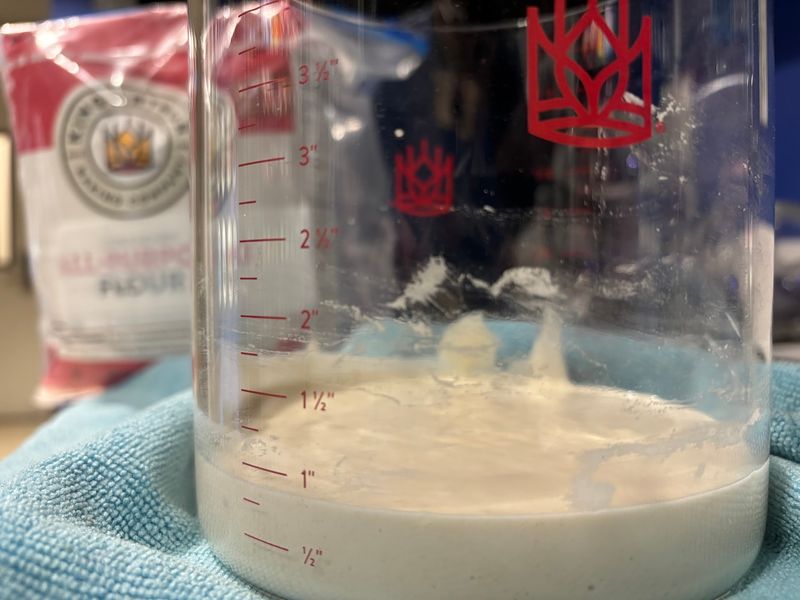
A take-home jar sounds simple, yet there are a few things the listing leaves unsaid. The workshop page confirms a starter to take home.
It does not tell us whether the venue is a farmhouse kitchen, whether you leave with a finished loaf, or whether the starter is handed to you or made from scratch in class.
That last point matters more than it sounds. Receiving a starter is not the same as creating one.
Published class descriptions may simply mean you get an established culture, and extension guidance on caring for your starter shows how much routine goes into keeping one healthy.
A brand new culture can also take days or longer to become reliably active, as Illinois Extension notes. So a jar in your hands may not be ready to bake with right away.
Here are questions worth asking before you book:
Is the class held in a farmhouse-style kitchen or another kind of space? Do participants take home a baked loaf or dough?
Is the starter supplied ready-made, or do we start one during class? How active will it be when I get home, and what feeding instructions come with it?
A starter is a flour-and-water culture
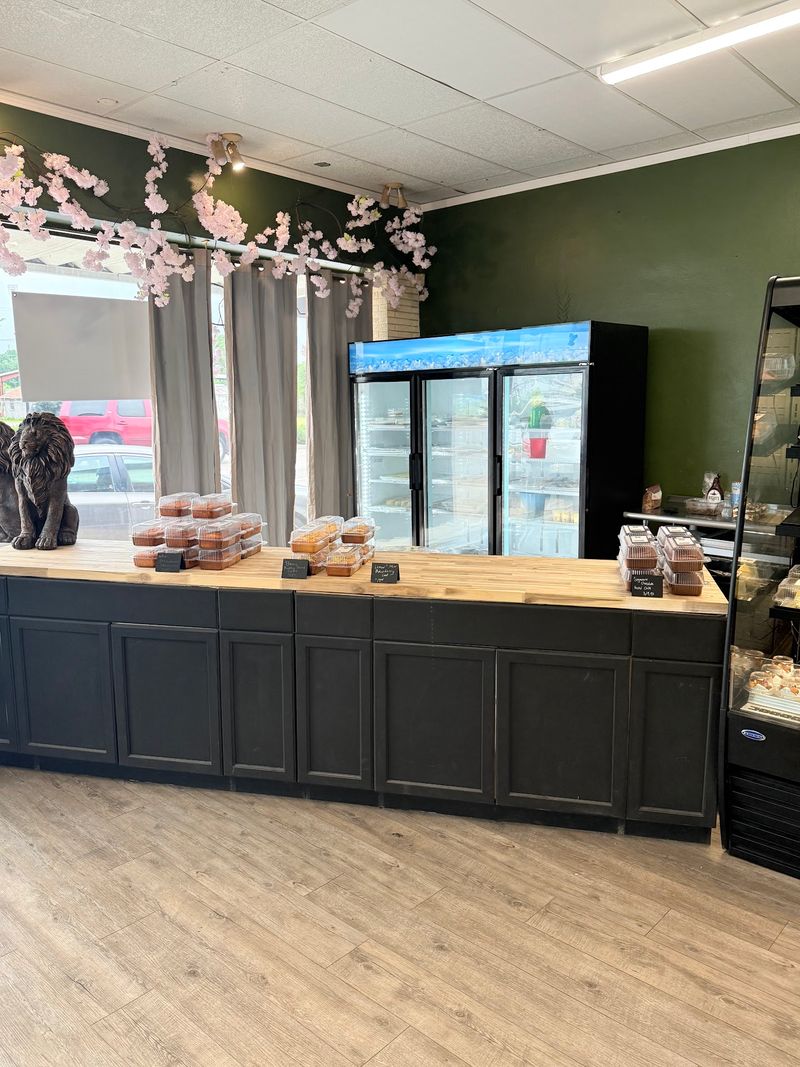
Peek into a jar of starter and you will see tiny bubbles, a sour smell, and a thick batter. That is a flour-and-water culture of yeasts and bacteria, and it is what makes sourdough rise and taste tangy.
As Colorado State University Extension explains, feeding the starter gives those microbes fresh nutrients.
Feeding usually means adding flour and water. Many routines also remove some of the starter first, which is one way to manage how much you have.
Without that step, a jar can grow quickly and need constant attention.
Researchers who have studied starter ecology and practices note that temperature and feeding habits shape how a culture behaves. That is why two jars on two counters can act differently.
Why does this matter in a class? Beginners often want to see the feeding steps done in person, learn what a healthy jar looks like, and ask how much to keep.
A hands-on setting is a friendly place for that.
The Edmond listing does not say it covers every one of these steps, and it does not say you will build a culture from scratch there. Use these basics as a list of topics to ask about, so you can arrive with good questions.
Look for activity rather than a fixed start date
Forget the calendar and watch the jar. A ready starter shows consistent rising and doubling after feeding, which is how Illinois Extension describes readiness.
Illinois also notes that getting a culture established can take longer than people expect.
Day counts are still handy as a rough guide. South Dakota State Extension says a starter often takes about 7 to 10 days.
Think of that as a typical range, not a promise.
A simple trick helps you see what is happening. After feeding, slip a rubber band or a strip of tape around the jar at the level of the starter.
Check back in a few hours. If it climbs to twice the height again and again after each feeding, it is behaving like an active culture.
If it barely moves, do not panic. A cooler kitchen can slow things down, and a young culture may need more time.
This matters for a take-home jar. A starter you receive may not be ready to bake with the moment you walk in the door.
Ask the organizer how active it is and watch for rising before you plan your first loaf.
Match starter care to your baking routine
How often you bake decides how you care for your jar. For frequent baking, Illinois Extension advises keeping the starter at room temperature and feeding it daily.
For less frequent baking, the same guidance points to the refrigerator.
Chilling slows the culture down. CSU Extension likewise describes refrigeration as a way to stretch out the time between feedings.
A refrigerated starter often needs a feeding before you bake with it. Plan ahead by taking it out and feeding it, then watching for activity before you mix dough.
Treat any schedule as a starting point. A warm kitchen speeds things up, and a cool one slows them down.
If you bake every weekend, your routine will look different from someone who bakes once a month.
Lids are another place where advice differs. One CSU resource suggests a loose cover while the starter ferments so gas can escape, while its care guide discusses a tighter cover in the refrigerator.
So there is no single lid rule for every stage. Follow the instructions that come with your starter, or lean on a trusted recipe, and ask your instructor to spell out the plan before you leave.
Handle flour and dough safely
Flour feels harmless, but it is not ready to eat. According to CDC guidance on raw flour and dough, uncooked flour can carry germs, and tasting raw dough is not advised.
That means no sampling of dry flour, starter, or unbaked dough, even when everyone else at the table seems curious. Save your appetite for the finished bread once it has been fully baked.
Cleanup is just as important as mixing. The CDC recommends washing your hands after handling flour or dough, and cleaning utensils, bowls, and counters too.
A starter jar spends a lot of time on the counter, so wipe the area around it after each feeding.
Here is a simple routine for home. Wash your hands before and after you work.
Rinse spoons and bowls promptly. Wipe down flour dust from the counter.
Keep kids and pets from nibbling at the dough.
The Edmond listing does not say what sanitation steps the workshop uses, so there is nothing to assume there. You can always ask the organizer how handwashing and cleanup work in class, then carry those habits home.
Check availability and ask two questions before booking
Three quick checks will save you a wasted trip. First, reconfirm that the listed workshop is still available, since the workshops page showed November 15 as of November 4, 2026.
Second, ask whether it takes place in a farmhouse kitchen. Third, ask whether you leave with a finished loaf as well as starter.
The listing confirms a take-home starter, not a loaf, and those two answers belong to the organizer. Also ask how to keep your starter going once you are home.
A jar of bubbles on the counter is a small thing that can turn into a whole new habit.
Share this story