Oklahoma has a way of hiding its most powerful stories in plain sight, and one Tulsa museum proves that point better than almost anywhere else in the state. Tucked into the heart of the Arts District, a compact but remarkable space preserves the life of a man whose songs gave voice to millions of struggling Americans during the hardest years of the twentieth century.
Walking through its doors feels less like visiting a museum and more like stepping into a conversation that never really ended. If you have ever hummed a folk song without knowing where it came from, this is the place where those roots run deepest.
Location and Identity of the Woody Guthrie Center
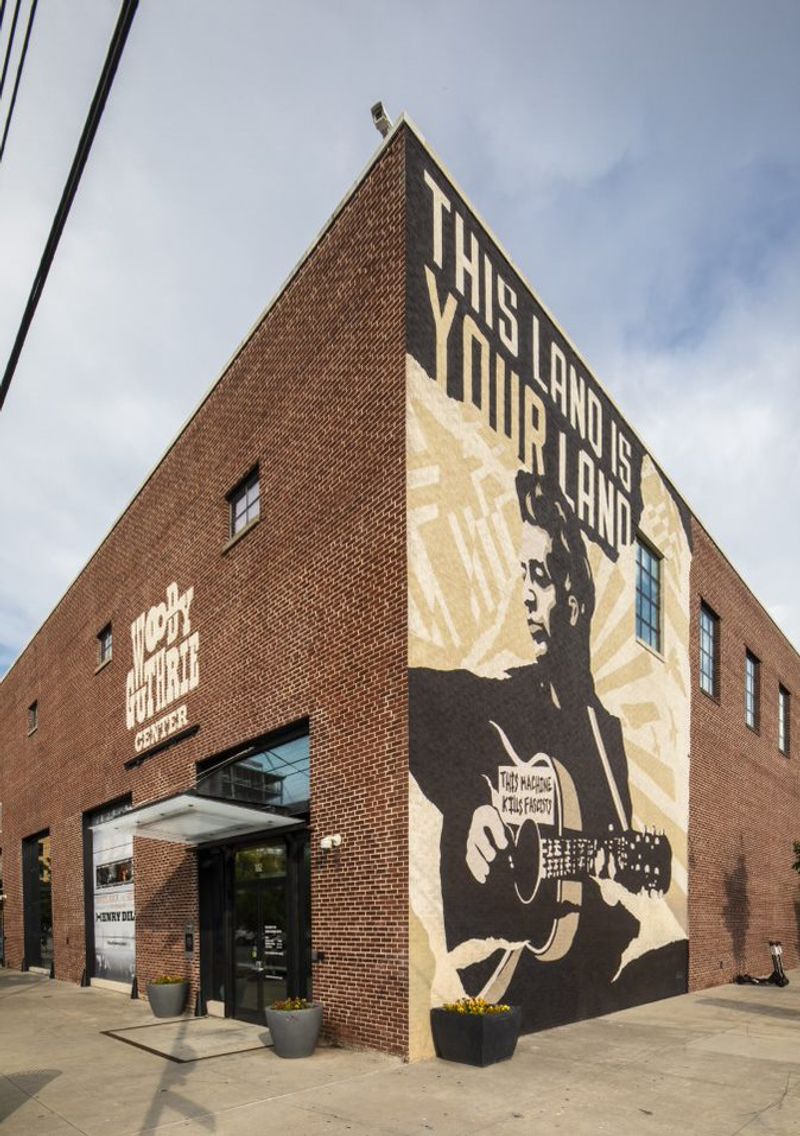
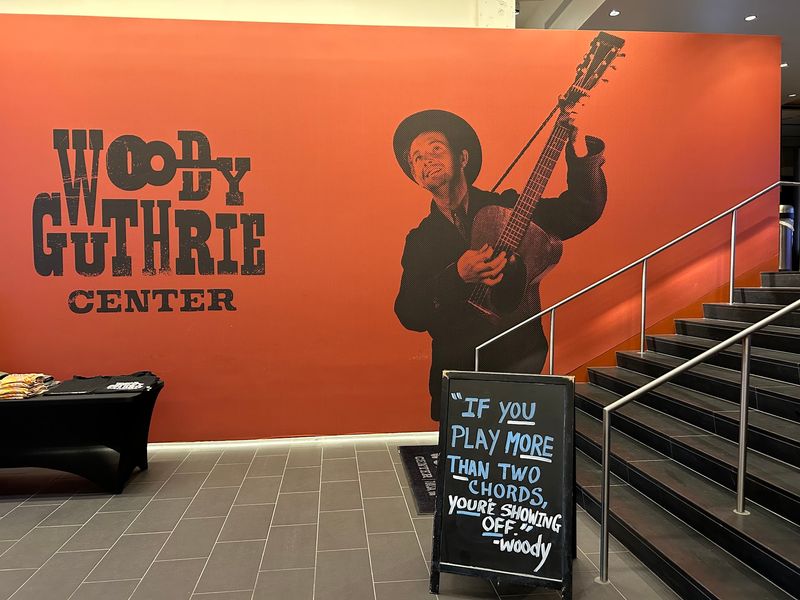
Sitting at 102 E Reconciliation Way in Tulsa, the Woody Guthrie Center occupies a thoughtfully chosen address in the city’s vibrant Arts District. The name of the street alone carries weight, and the building seems to understand that.
From the outside, it reads as clean and contemporary, but step through the entrance and the atmosphere shifts into something far more layered and personal.
The center is a dedicated museum celebrating one of America’s most influential folk musicians, Woodrow Wilson Guthrie, born in Okemah, Oklahoma in 1912. His songs documented the raw realities of working-class life, the Oklahoma Dust Bowl, and the long road west during the Great Depression.
The museum positions itself as both a cultural landmark and an educational resource for visitors of all ages.
Neighboring the Bob Dylan Center just a few doors down, the Woody Guthrie Center anchors a stretch of Tulsa that has become a genuine pilgrimage point for music lovers, history enthusiasts, and curious road-trippers alike. The surrounding area offers food, bookshops, and additional cultural venues within easy walking distance, making it a natural hub for a full day of exploration in Tulsa.
The Story Behind Woody Guthrie’s Oklahoma Roots
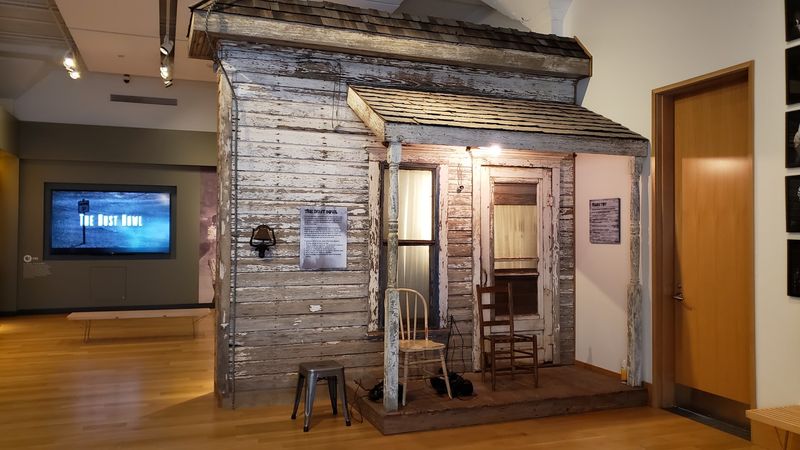
Born in a small Oklahoma town, Woody Guthrie absorbed the sounds, struggles, and stories of the Great Plains long before he ever wrote a song. His early years in Okemah shaped a worldview that would eventually influence folk, rock, and even hip-hop artists across multiple generations.
The museum traces that journey from its earliest roots with care and genuine affection for the man behind the music.
Guthrie lived through extraordinary hardship, including the economic collapse of the 1930s and the devastating Dust Bowl that swept across Oklahoma and neighboring states. Rather than turning away from those experiences, he turned them into poetry.
He went on to write an estimated 3,000 songs, a number that still staggers visitors when they encounter it inside the center.
The exhibits connect his personal biography to broader American history in a way that makes the past feel immediate and relevant. Visitors who arrive knowing little about Guthrie often leave with a new framework for understanding how music can function as journalism, protest, and comfort all at once.
His Oklahoma identity is never treated as a footnote here; it is the foundation everything else is built upon.
Exhibits, Archives, and the Breadth of the Collection
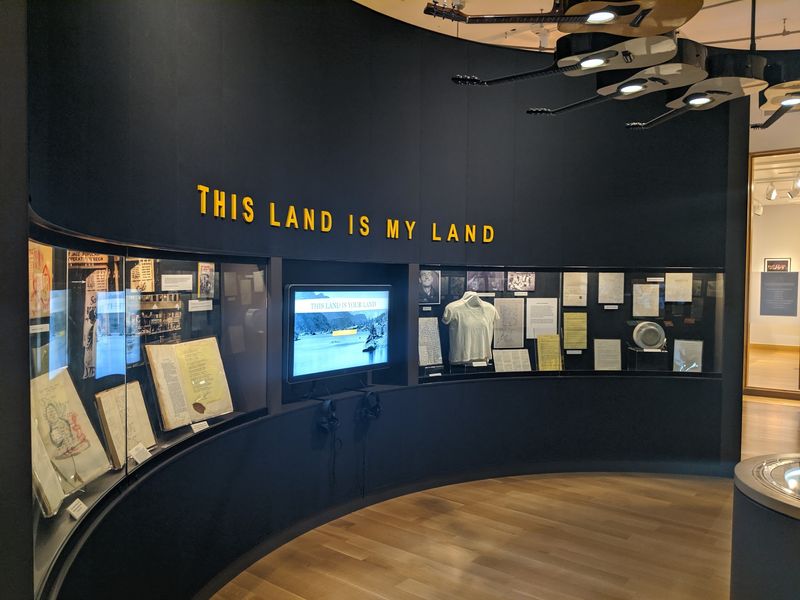
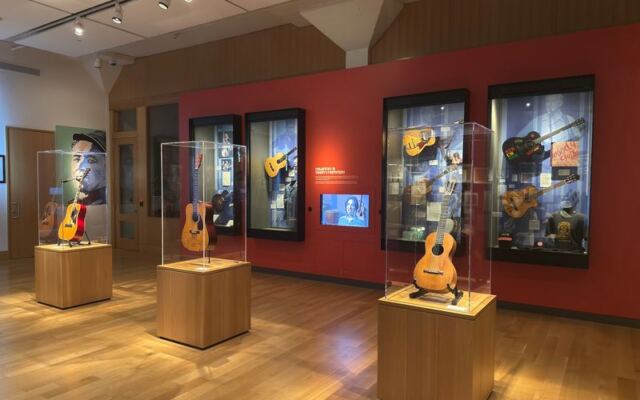
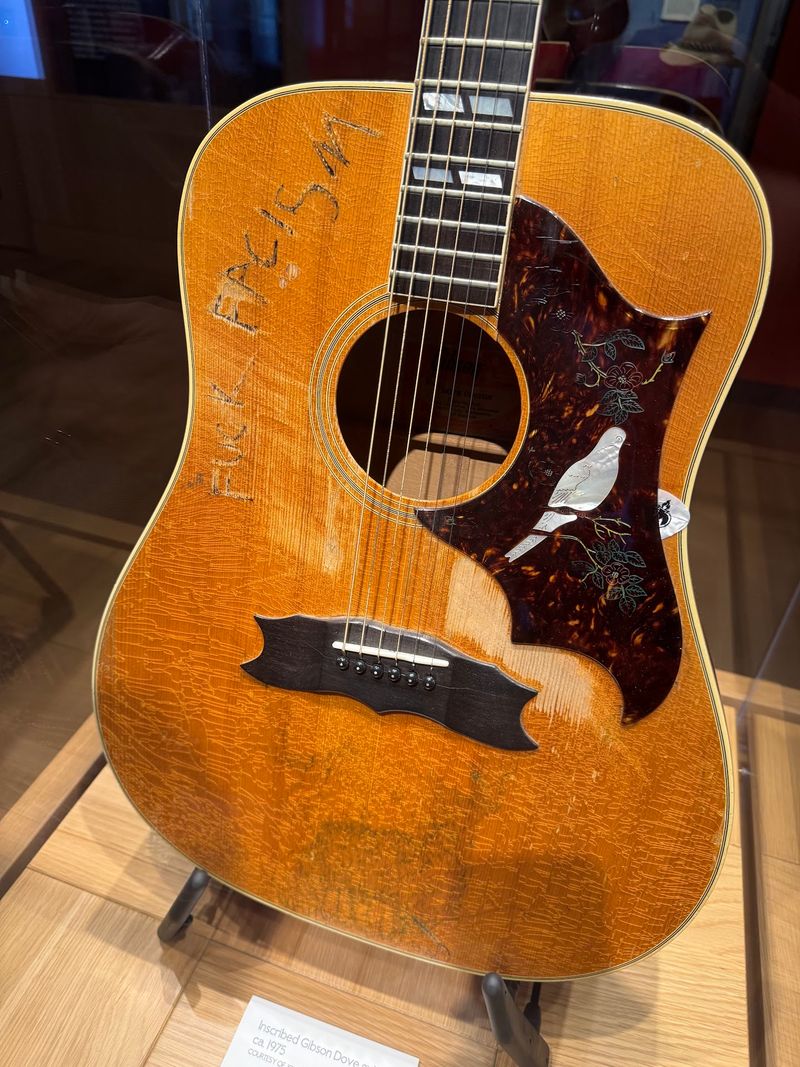
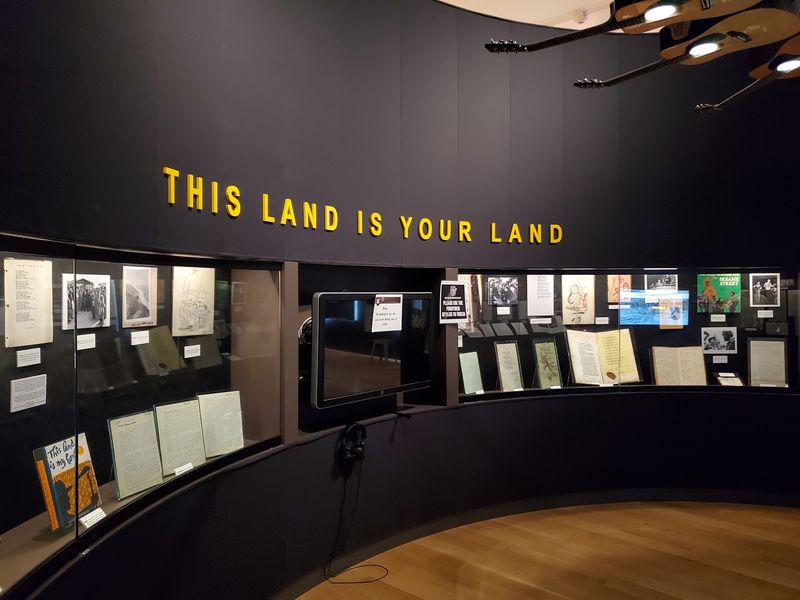
Few small museums pack as much genuine material into their square footage as the Woody Guthrie Center manages to. The collection includes original writings, sketches, guitars from various artists, and archival documents that paint a remarkably complete portrait of Guthrie’s creative life.
Visitors frequently describe the experience as discovering layers they did not expect, with new details surfacing on repeat visits.
His drawings and handwritten lyrics are among the most striking items on display. Guthrie was a prolific visual artist as well as a songwriter, and seeing his illustrations alongside his words reveals a creative mind that worked in multiple directions simultaneously.
The art adds a dimension to his story that pure biography often misses entirely.
The center also maintains rotating special exhibits that expand the conversation beyond Guthrie himself. Past rotating displays have included explorations of hip-hop culture, radical voices in American music, and the photographic legacy of artists like Glen E.
Friedman. These additions signal that the museum understands Guthrie’s influence as something living and ongoing, not a relic sealed under glass.
Visitors who come expecting a narrow folk-music shrine tend to leave pleasantly surprised by how wide the museum’s cultural vision actually reaches.
The Dust Bowl VR Experience
Strapping on a pair of VR goggles inside a museum might not sound like a moving experience, but the Woody Guthrie Center’s virtual reality recreation of the Dust Bowl changes that assumption quickly. The simulation places visitors directly inside Black Sunday, the catastrophic dust storm of April 14, 1935, that buried Oklahoma communities under walls of blowing earth.
Reviewers consistently single it out as one of the most memorable moments of their entire visit.
Guthrie wrote “So Long, It’s Been Good to Know Ya” in direct response to that storm, and experiencing the VR recreation gives those lyrics a physical context that no photograph or documentary can fully replicate. The sensation of standing inside that darkness, even virtually, makes the desperation behind his songwriting suddenly tangible.
It is the kind of exhibit that turns casual visitors into genuine fans.
The technology is handled well enough that even visitors who are skeptical of VR in museum settings tend to walk away impressed. The experience runs long enough to feel substantial without overstaying its welcome.
For families visiting with younger members, this interactive portion tends to be the undisputed highlight, sparking conversations about history that continue long after the goggles come off.
Interactive Stations and the Hands-On Approach
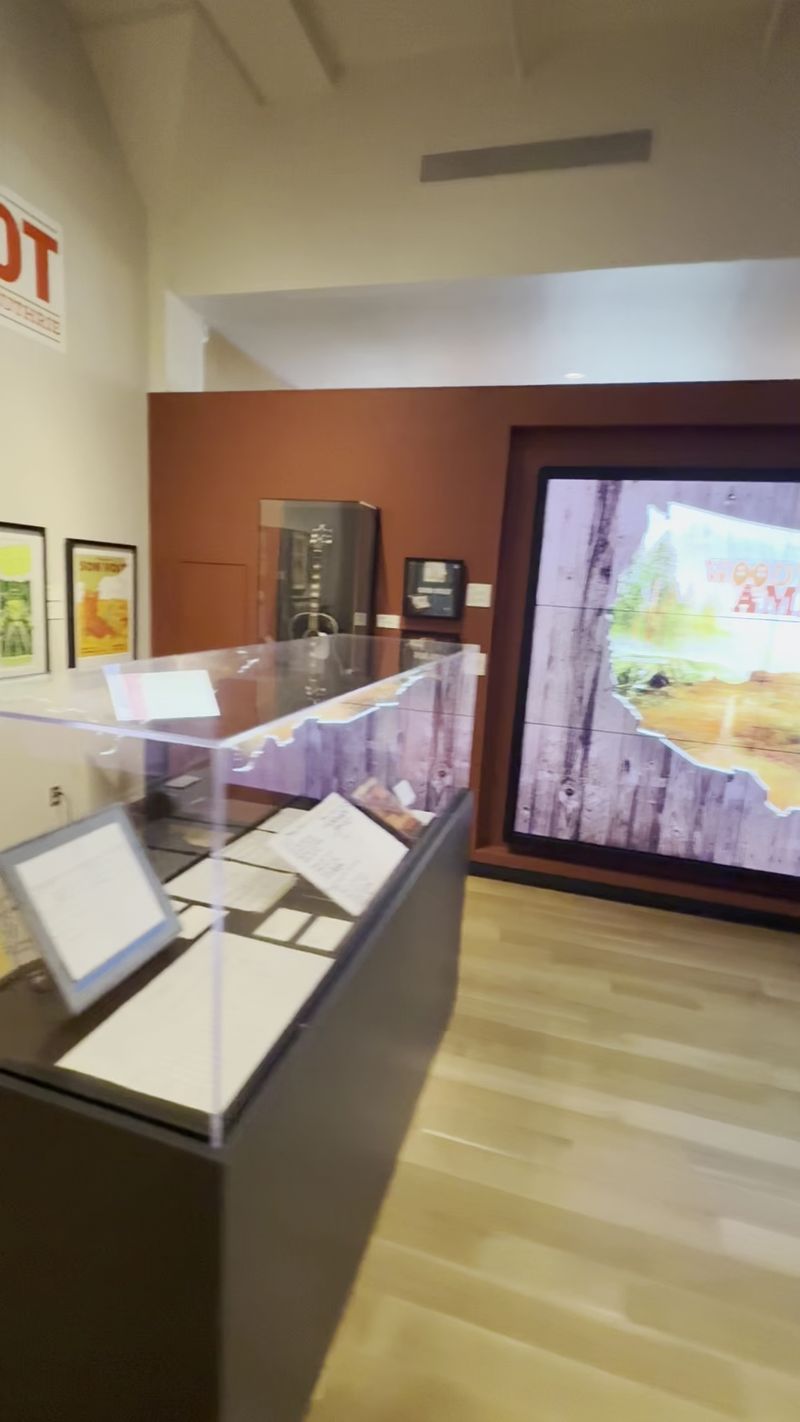
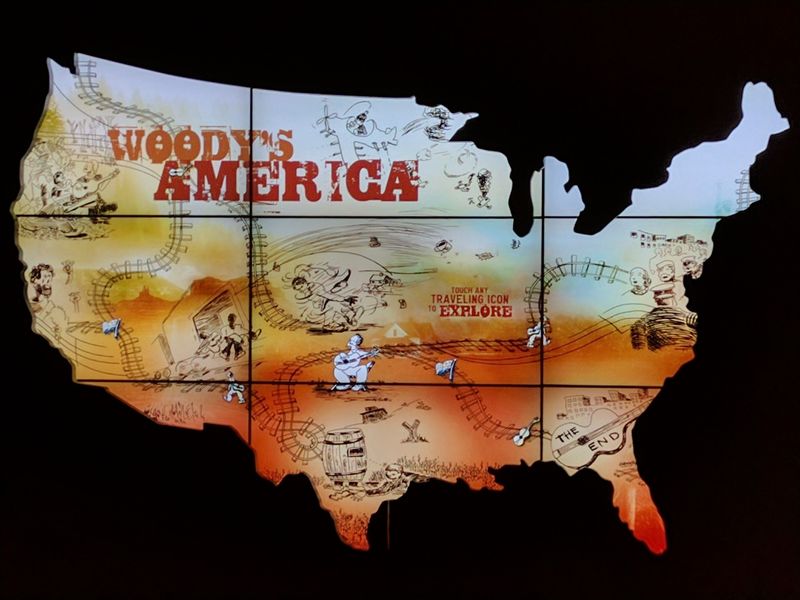
Beyond the VR headset, the Woody Guthrie Center leans hard into interactivity throughout its gallery spaces. Listening stations let visitors hear recordings directly connected to the exhibits around them, turning what could be a passive reading experience into something genuinely participatory.
Poetry kiosks, sketch displays, and touchscreen timelines encourage visitors to move at their own pace and follow whatever thread catches their interest most.
The go-at-your-own-pace structure works especially well for groups with mixed levels of prior knowledge. Someone who grew up hearing Guthrie’s music can find depth and nuance in the archival materials, while a first-time visitor can build a complete picture of his life without feeling lost or rushed.
The museum handles that balancing act better than many larger institutions manage to.
Staff members, including in-gallery guides, are available throughout the space to answer questions and point visitors toward exhibits they might otherwise overlook. Visitors frequently mention in their feedback that the human element inside the center elevates the experience considerably.
The combination of self-directed exploration and available expertise makes the Woody Guthrie Center feel less like a formal institution and more like a conversation with someone who genuinely loves the subject.
Sam Flowers and the Power of a Great Guide
Ask anyone who has visited the Woody Guthrie Center about the standout moment of their trip and there is a solid chance the answer involves a staff member named Sam Flowers. His name appears in visitor feedback more than almost any other detail about the museum, praised with a level of enthusiasm that is genuinely rare.
Regulars describe him as a storyteller, a historian, and an ambassador for Woody Guthrie’s legacy all rolled into one person.
Sam leads a guided tour on Saturday afternoons at 2 PM that visitors consistently describe as emotionally affecting. One visitor noted that their eyes watered twice during the presentation, which caught them completely off guard.
His ability to connect Guthrie’s personal history to broader human themes makes the tour feel relevant to anyone in the room, regardless of how much folk music they have heard before.
Beyond the scheduled tour, Sam and the rest of the Woody Guthrie Center staff engage with visitors throughout the day, offering context, pointing out details, and sharing the kind of layered knowledge that simply cannot be absorbed from a wall placard alone. The center’s informative and friendly staff receive consistent praise across visitor feedback, and that warmth is clearly part of the experience the museum intentionally cultivates.
The Bob Dylan Connection and Rotating Special Exhibits
Woody Guthrie’s influence on Bob Dylan is one of American music’s most documented creative relationships, and the Woody Guthrie Center gives that connection its proper due. A dedicated Bob Dylan exhibit explores how the young Dylan absorbed Guthrie’s approach to songwriting and political commentary, tracing a lineage that eventually reshaped popular music worldwide.
Visitors interested in the roots of rock and roll often find this section unexpectedly compelling.
The Bob Dylan Center itself sits just a few doors down on the same block, making a combined visit to both museums a natural choice for anyone spending time in Tulsa’s Arts District. Staff at the Woody Guthrie Center are happy to help visitors plan a route that takes in both spaces comfortably within a single day.
The two museums complement each other in ways that feel deliberate and well-considered.
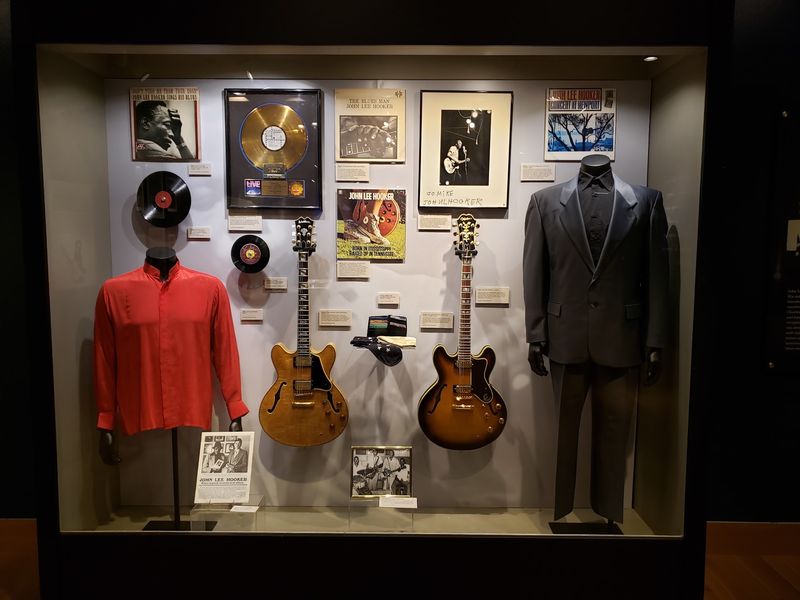
Rotating exhibits keep the center fresh for repeat visitors. Past special exhibitions have ranged from explorations of radical voices in American music to hip-hop culture showcases celebrating fashion, iconic artists, and the storytelling tradition within rap lyrics.
The willingness to draw connections between Guthrie’s folk activism and later American musical movements gives the center a progressive, forward-looking energy that sets it apart from more traditional music museums.
Practical Visiting Details for Planning Your Trip
Planning a visit to the Woody Guthrie Center is straightforward once you know the basics. The museum is open Wednesday through Sunday from 10 AM to 6 PM, and it remains closed on Mondays and Tuesdays.
Those hours give visitors a generous window to explore at a comfortable pace, and most visitors find that 90 minutes to two hours covers the permanent collection thoroughly, with more time needed if a special exhibit is running.
Admission pricing is described by visitors as reasonable, making it an accessible option for families and solo travelers alike. The gift shop carries branded merchandise and music-related items at prices that lean toward the higher end, though visitors generally note that purchases there support the center’s ongoing work.
Reaching the museum by phone is possible at 918-574-2110, and the official website at woodyguthriecenter.org carries updated information on current exhibits and special programming.
Parking downtown requires a bit of planning. Street parking runs approximately one dollar per hour with a two-hour maximum, and a parking app helps manage the meters more conveniently according to visitor tips.
Paid parking garages nearby offer an alternative for visitors planning a longer stay. The surrounding Arts District is highly walkable, so combining the museum visit with lunch, bookshop browsing, or a stop at the Bob Dylan Center next door is easy and enjoyable.
Who This Museum Is Built For and Why It Delivers
Some museums feel designed for specialists, the kind of places where casual visitors float through without quite catching the current. The Woody Guthrie Center is built differently.
Visitors who arrive knowing nothing about Guthrie leave with a genuine sense of having encountered something meaningful, while longtime fans find enough archival depth to satisfy serious curiosity. That dual accessibility is harder to pull off than it looks.
Families with children benefit from the interactive design, which keeps younger visitors engaged rather than restless. The VR experience, listening stations, and visual displays offer enough variety to hold attention across different age groups.
Adults traveling without kids find the self-paced format equally appealing, allowing them to linger over particular exhibits without feeling hurried through a rigid tour structure.
For Route 66 travelers, Oklahoma history buffs, and anyone chasing the quirky and culturally rich corners of the state, the Woody Guthrie Center earns a firm spot on the itinerary. It is compact enough to visit without clearing an entire day, but rich enough that most visitors wish they had budgeted more time.
The combination of genuine artifacts, immersive technology, warm staff, and rotating programming makes this one of Tulsa’s most rewarding stops, full stop.
Share this story