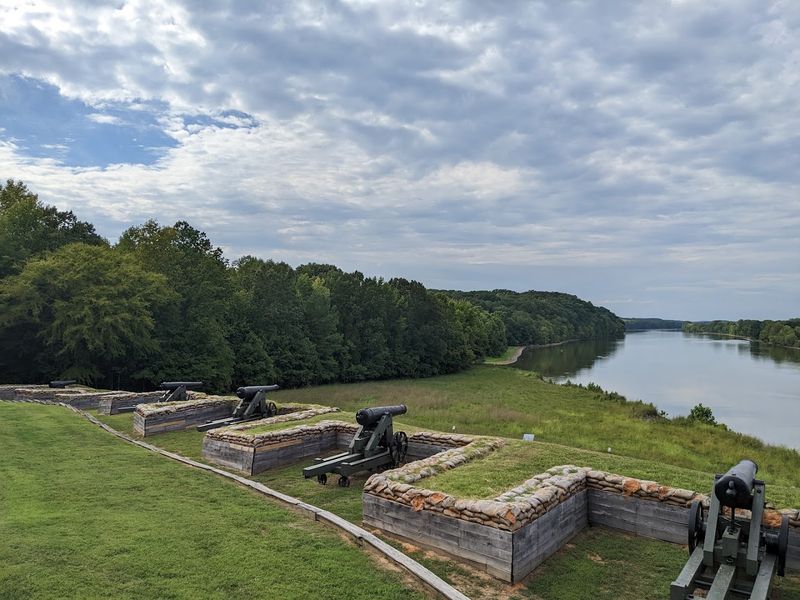
Tucked along the Cumberland River in the small town of Dover, there’s a Civil War fort that most folks driving through West Tennessee have never heard of. Fort Donelson National Battlefield sits quietly where a huge earthen fort once guarded the river, and today it’s part history lesson, part peaceful nature walk.
You can trace old trenches, stand beside massive cannons pointed at the water, or hike miles of forest trails where eagles, deer, and herons show up all the time. It’s the kind of place Tennesseans can be proud of, close enough for a weekend drive and quiet enough that it still feels like a local secret.
If you love history, hiking, or just a calm view of the river, this spot earns a spot on your list.
Where to Find It Along the Cumberland
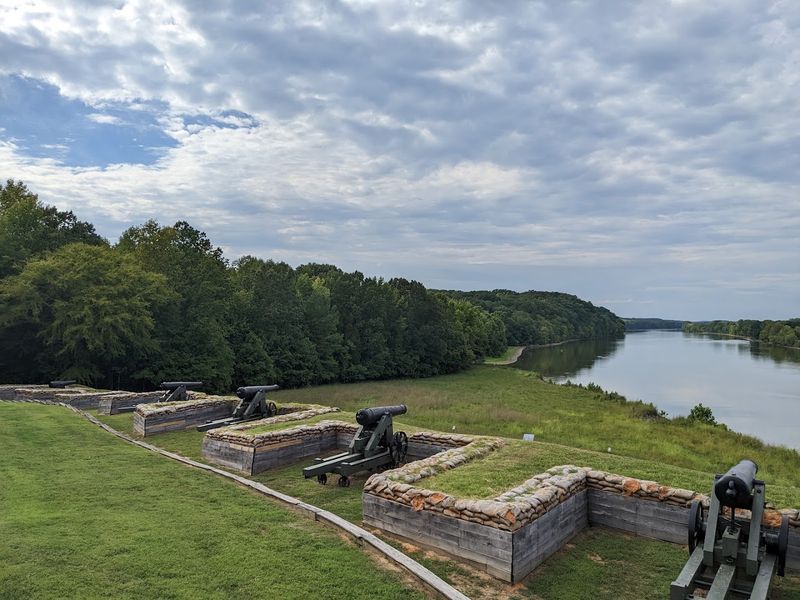
Right at 120 Lock D Rd in Dover, Tennessee, this national battlefield spreads out along the banks of the Cumberland River in the northwestern corner of the state. Dover is a small town, so the fort feels tucked away rather than crowded, which is part of the appeal.
The drive itself is an easy day-trip from several Tennessee population centers. Folks come out from Clarksville in well under an hour, and plenty treat it as a side stop while visiting Nashville a little farther east.
Managed by the National Park Service, the site pulls together a whole cluster of historic spots scattered around Dover, not just a single overlook. You get the main fort area, the water batteries down by the river, the Dover Hotel, and the national cemetery, all part of the same protected ground.
Because everything sits so close to the water, the Cumberland is never far from view no matter where you wander. That riverside setting is what turns a history stop into something closer to a genuine escape, and it explains why so many people rank a visit here well above the average roadside marker.
The Battle That Changed the War
Long before it became a quiet park, this ground was the site of a February 1862 clash that mattered far more than its size suggests. Union forces under Ulysses S.
Grant captured the fort, and the surrender here is where Grant famously earned the nickname ‘Unconditional Surrender’ Grant.
People sometimes assume the fight was minor because it isn’t a household name like Gettysburg. That misreads what actually happened.
Taking Fort Donelson cracked open the South, clearing the way for a push toward Nashville and handing the Union one of its first major victories at a point when they badly needed one.
Standing on the preserved works, you can still sense the weight of it. The earthen fort survives at an impressive scale, and reading the signs about the suffering that unfolded here tends to leave people with a solemn, thoughtful feeling.
Understanding that history changes the whole visit. A grassy mound stops being just a hill once you know soldiers held that exact line, and the story turns this from a pretty riverside walk into a place that genuinely helped shape the country.
Cannons Still Guarding the River
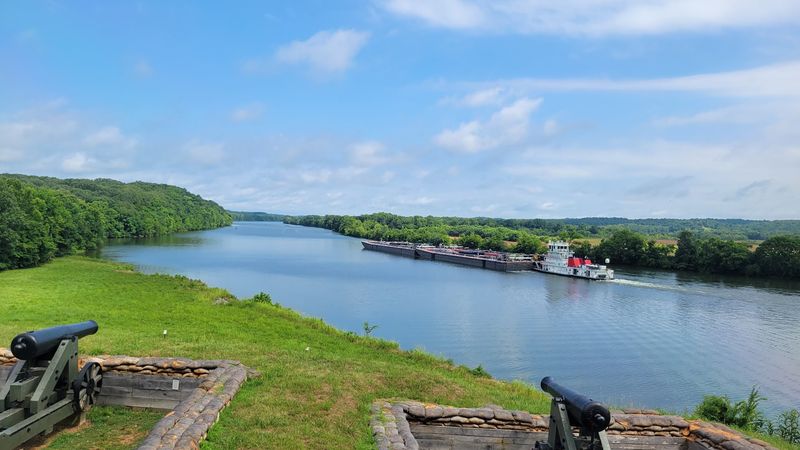
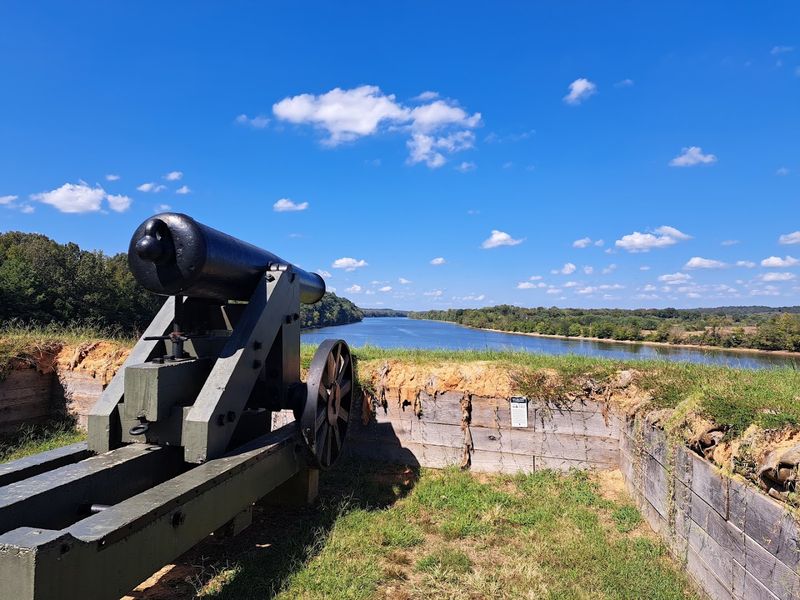
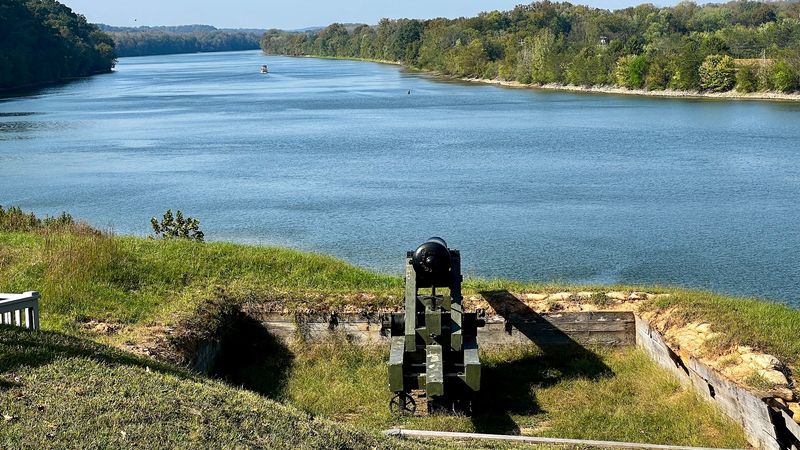
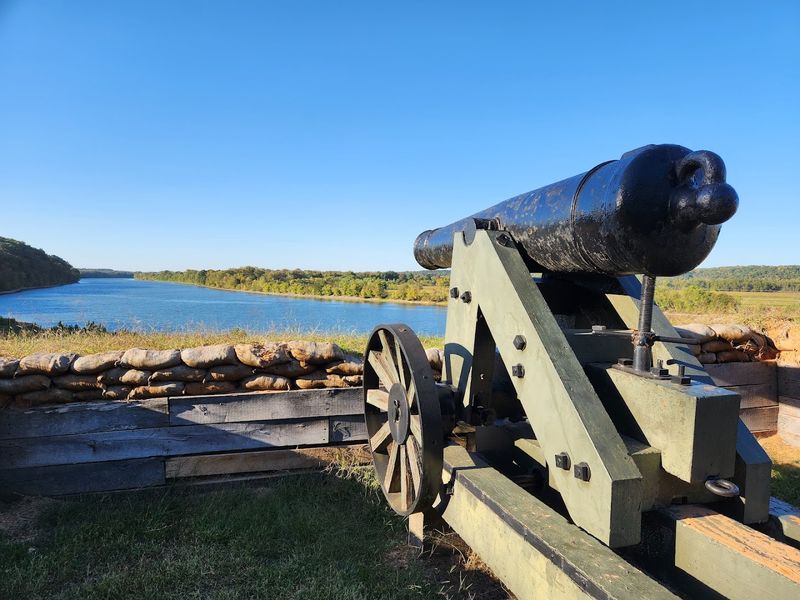
Down near the water, the old artillery positions steal the show. Massive cannons sit in their defensive spots, and replicas of the guns that once protected the Cumberland line up along the bluffs exactly where they would have fired on passing gunboats.
The Upper and Lower Water Batteries are well preserved and clearly marked, so it’s easy to picture how the fort controlled river traffic. Many people say the batteries guarding the river are their favorite part of the entire visit, and it’s not hard to see why.
From these positions, the view opens right out over the Cumberland. There’s something powerful about looking down the barrels toward the water and imagining the river warfare that took place here, especially the gunship battle the signs describe.
Benches placed near the river give you a spot to sit and take it all in. You can rest, watch the water move, and reflect for a while, which makes this corner of the park feel like a genuine destination rather than a quick photo stop before moving on.
Miles of Forest Trails to Roam
Beyond the history, hikers have plenty of reason to show up here. A well-connected trail system cuts through the surrounding forest, with routes that let you cover several miles while the terrain and battlefield story unfold around you.
The Donelson Trail and the River Circle Trail together can add up to a solid outing of around four and a half miles. Walking the Donelson Trail also helps you understand the ground Union forces assaulted, so the hike doubles as a way to read the battle through your feet.
Fair warning, the trails get steep in places, and loose fallen leaves can make footing slippery in the wrong season. Knowing your route ahead of time is smart, since some paths run well out into quiet forest away from the main stops.
Effort aside, the payoff is real. The scenery stays pretty the whole way, the woods feel peaceful, and reaching the Cumberland on foot rewards you with river views that most drive-through visitors never slow down long enough to earn.
Wildlife Along the Cumberland
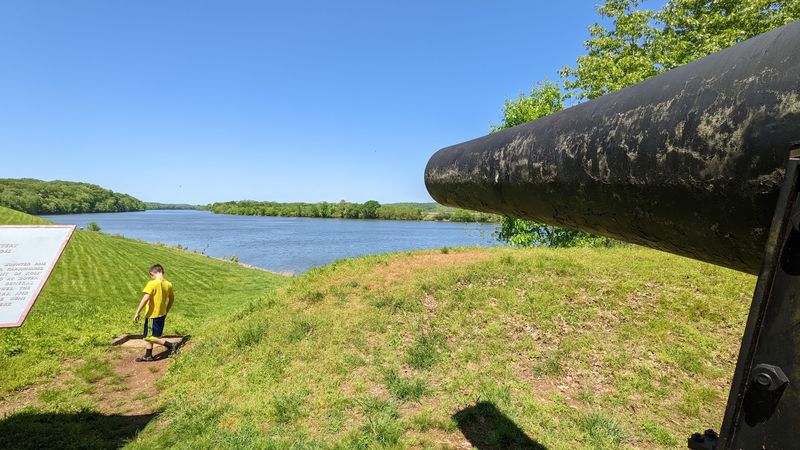
Nature lovers get their own kind of reward out here. The mix of river, forest, and open battlefield draws in animals, and a slow walk along the trails can turn up more than history.
People who hike the longer loops have spotted eagles overhead, herons working the shallows, turtles sunning near the water, and deer moving through the trees. It’s the sort of variety that makes each visit a little different depending on the day and the season.
The Cumberland itself acts like a magnet for birds, so the riverbanks near the batteries are a good place to pause and keep your eyes up. Benches at the water give you a reason to stay put long enough for something to wander into view.
Dogs are welcome here too, as long as they stay leashed on the trails. The park even offers a Bark Ranger program with a checklist to complete and a tag to earn, which turns a simple walk with your pup into a small adventure the whole family can share.
Driving the Self-Guided Tour
Not everyone wants to hike, and the park plans for that beautifully. A marked auto tour lets you drive through the whole battlefield, stopping at numbered pull-offs that each highlight a different piece of the story.
At every stop there’s something new to learn, from where soldiers were quartered to how river warfare worked to the exact positions of the batteries. The route is well signed with clear directions on where to pull over, so it’s tough to get lost.
A driving-tour app and printed maps back up the experience, and many people call the self-guided audio tour genuinely interesting rather than dry. It’s an easy way to cover a lot of ground without wearing yourself out.
The setup makes the park friendly to almost anyone. Families with young kids, folks short on time, and those who can’t manage steep trails can still see the highlights, park, read a plaque or two, and move on to the next stop at their own pace.
That flexibility is a big part of why a visit works as a relaxed half-day outing.
The Dover Hotel and Surrender Site
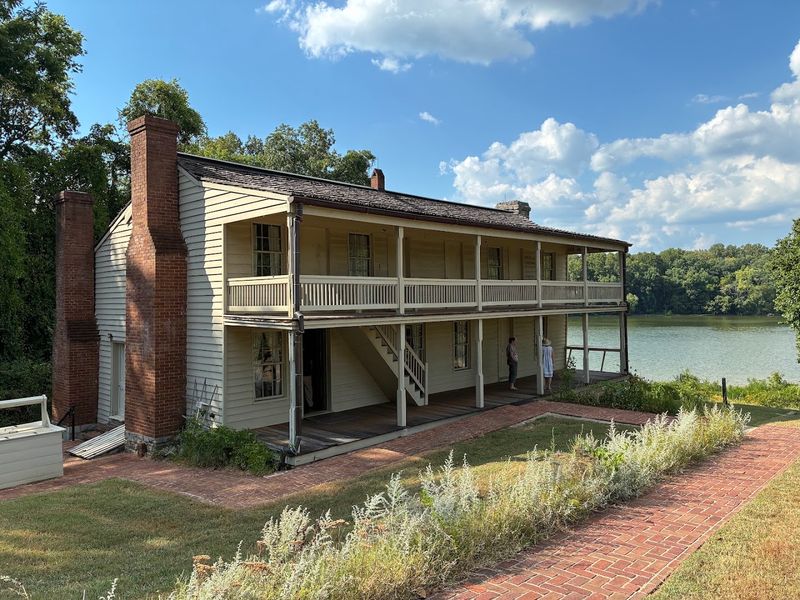
A short distance from the main fort, the Dover Hotel carries some of the heaviest history in the whole park. This is the building tied to the surrender that ended the battle, and the Park Service has done a strong job preserving it.
Unlike parts of the original fort, this site is handicap accessible, which makes it a welcome stop for anyone who worries the earthworks might be tough to reach. That accessibility opens up the story to a wider group of people.
Wandering the site, you get a real sense of the moment when the fighting stopped and the fort changed hands. It’s a quieter, more reflective piece of the visit compared to the cannons and trails.
Many people rank it among the must-see stops scattered around Dover, and it pairs naturally with the national cemetery nearby. Skipping it would mean missing one of the most meaningful chapters the park has to offer, so it’s worth carving out the extra few minutes to include it in your route.
Honoring Those Who Fell

Set apart from the battle lines, the Fort Donelson National Cemetery offers a place for quiet reflection. The Park Service has preserved it carefully, and it stands as one of the sites people say you really shouldn’t skip.
Rows of headstones drive home the human cost that the signs around the fort describe. After walking the trenches and reading about the lives lost, stepping into the cemetery gives that history a face and a resting place.
Near the cemetery sits the Judge’s House, another well-kept spot that folks find genuinely worthwhile. Together they round out the day with a slower, more thoughtful mood after the cannons and hikes.
The care put into these grounds is easy to notice. The park stays clean and well maintained, and that attention shows respect for what happened here.
Taking time at the cemetery isn’t the flashiest part of a visit, but it may be the part that stays with you longest as you drive back home along the river road.
The Visitor Center Under Construction
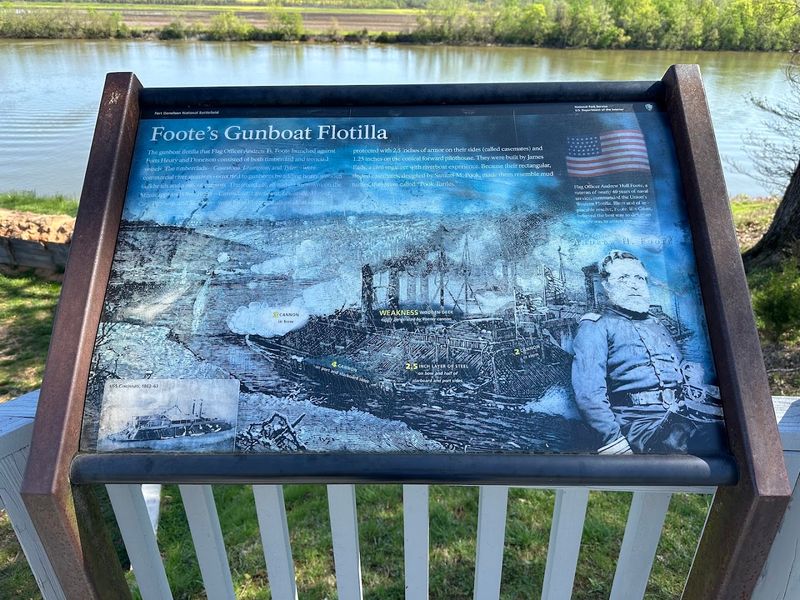
Heads up before you go, the main visitor center is currently closed for a major renovation. Word around the park is that the permanent building may not reopen until around 2027, so plan for a temporary setup in the meantime.
For now, a stand-in trailer handles the essentials. It’s small, but it’s thoughtfully arranged with a shop, informative displays, and even a hands-on touch table that adds something for younger visitors.
You can still watch the short documentary that explains the battle’s significance, and people consistently say it’s a good, worthwhile introduction. The same video is available on YouTube, so you can even preview it before your trip.
A few practical notes make the temporary center easier to navigate. Grab a map while you’re inside, and if you collect National Park stamps, don’t forget to stamp your passport book.
The restroom is a single-seater, so keep that in mind on busier days. It’s a modest space, but it does its job well while the real museum takes shape.
Rangers Who Bring It All to Life
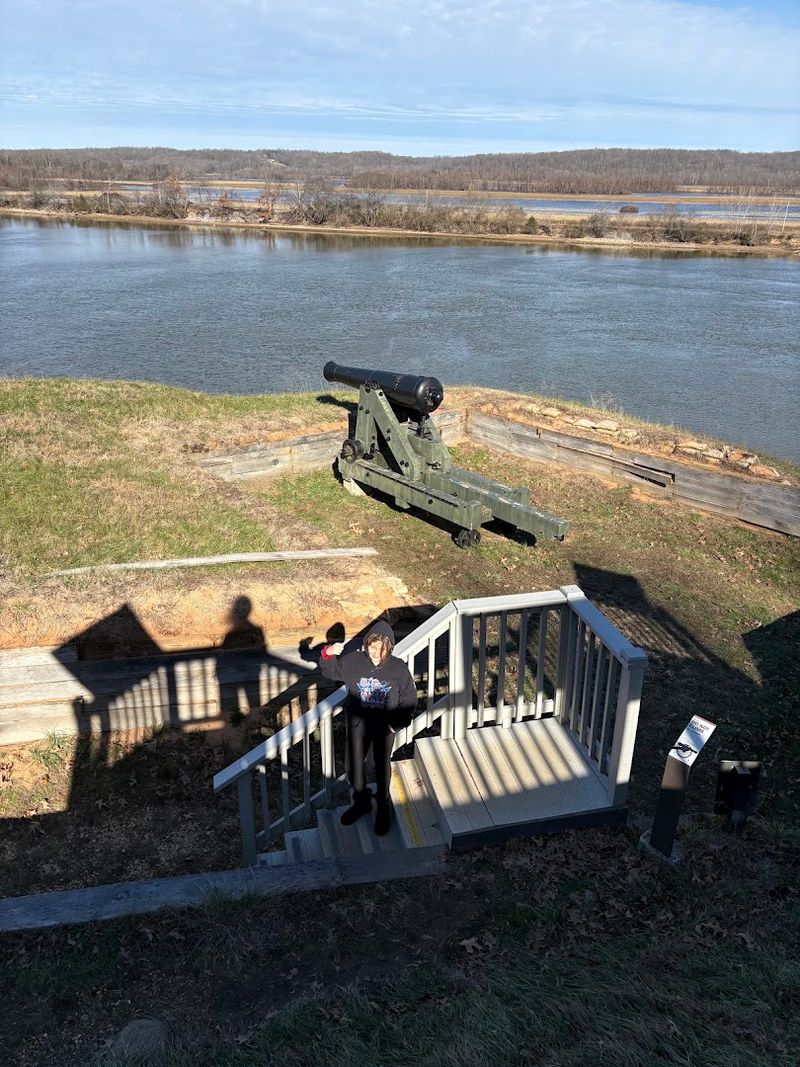
Ask anyone what stands out about the park beyond the scenery, and the staff come up again and again. The rangers here are polite, welcoming, and clearly know their history inside and out.
They tend to take real time with people, sharing details that turn a list of dates into a story you can follow. That extra effort is a big reason so many walk away feeling the history truly came alive rather than staying stuck on a plaque.
Their friendliness carries across the whole property, from the temporary center to folks you cross paths with along the drive. On a nice day, that welcoming attitude sets the tone for the entire visit.
Support for the park runs both ways. Regulars often talk about wanting to protect and maintain the place, sometimes even pitching in on the riverbank, and the staff’s care makes that pride feel earned.
If you have a question about a battery position or a trail, don’t hesitate to ask. Chances are you’ll leave knowing more than you expected to.
Hours, Cost, and Getting There
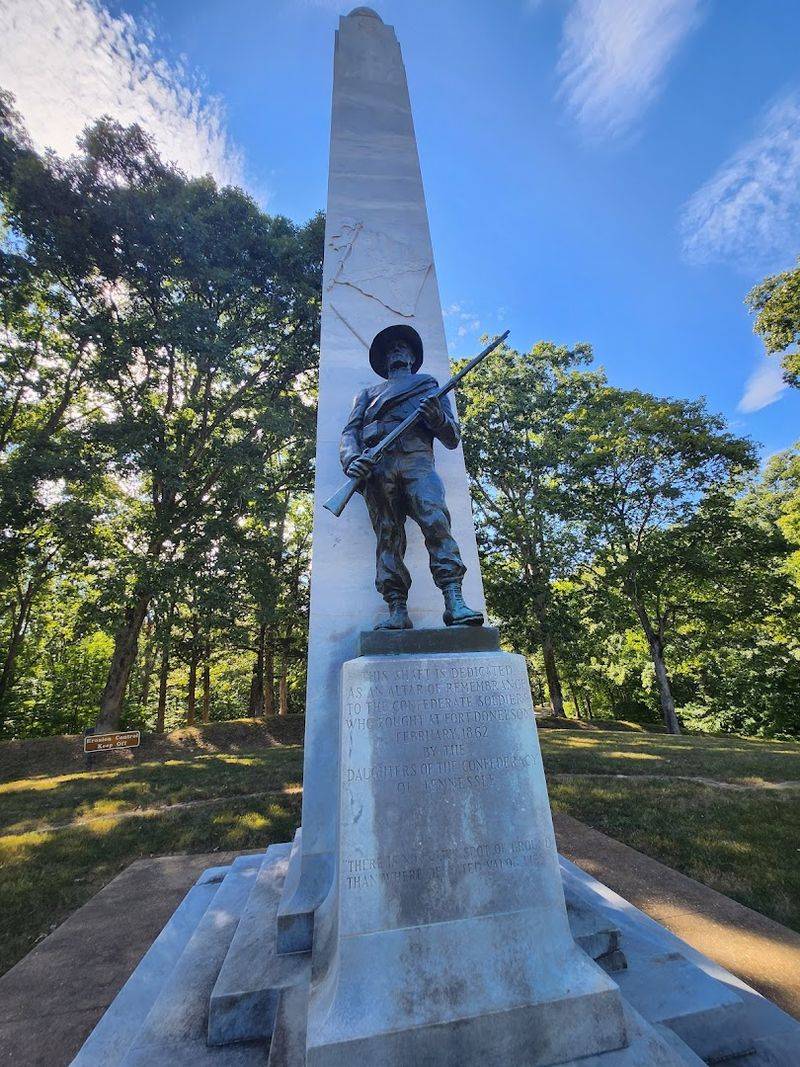
Planning a trip here is refreshingly simple. The battlefield is open every day of the week from 8 AM to 8 PM, which gives you a long window whether you want an early hike or a late-afternoon drive.
As a National Park Service site, it’s the kind of place that rewards a low-budget weekend without asking much of your wallet, making it an easy add to a road trip across northwestern Tennessee. Since the park spreads across several stops around Dover, giving yourself a few unhurried hours pays off.
Reaching it takes only a short drive from Clarksville, and Nashville visitors regularly fold it into a day-trip, so a wide slice of the region can get here without much fuss. There’s also a day-use area with picnic tables set apart from the batteries if you want to pack a lunch.
A couple of practical reminders before you set out. Keep dogs leashed on the trails, know your hiking route in advance, and note that the original earthworks weren’t built with accessibility in mind, though the Dover Hotel site is accessible.
A little planning goes a long way here.
Why It Deserves a Weekend Drive
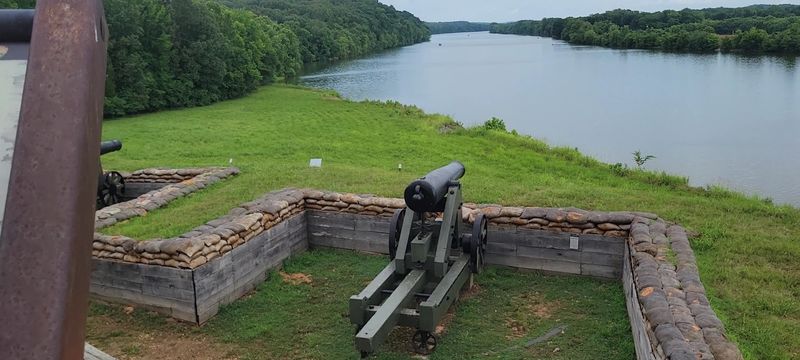
Pulling everything together, this is a spot that quietly overdelivers. History buffs get preserved earthworks and river batteries, nature lovers get trails and wildlife, and everyone gets those wide Cumberland River views that follow you around the park.
The rare combination is what makes it special. Few places let you stand in a genuine piece of Civil War history one minute and watch a heron work the shallows the next, all within an easy drive of home.
Yes, the main museum is still under wraps until it reopens down the road, and a few old plaques could use replacing. Even so, the strong ratings and the loyal crowd who keep coming back tell you the heart of the place is thriving.
Whether you spend an hour or a full day, Fort Donelson National Battlefield rewards the trip out to Dover. It’s the kind of under-the-radar Tennessee treasure that locals can be proud to show off, and once you’ve stood on those bluffs above the river, you’ll understand why so many come home planning their next visit.
Share this story