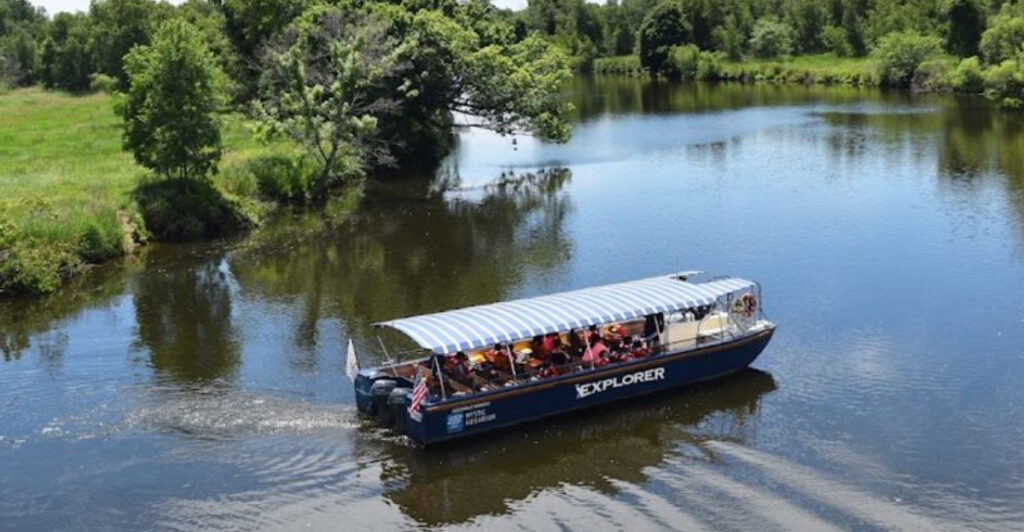
Rhode Island is small, but the Blackstone River has a story that stretches back centuries, and one boat tour in Central Falls is making sure that story gets told. A 50-minute cruise might not sound like much, but passengers on this tour regularly spot osprey, herons, and turtles while learning about the industrial and environmental history of one of New England’s most overlooked waterways.
The tour runs on a tight schedule, operates only on weekends, and costs just $10, which makes it one of the most underrated outings in the entire state. Keep reading to find out exactly what makes this cruise worth clearing your Saturday or Sunday afternoon for.
The Blackstone River’s Surprising Past
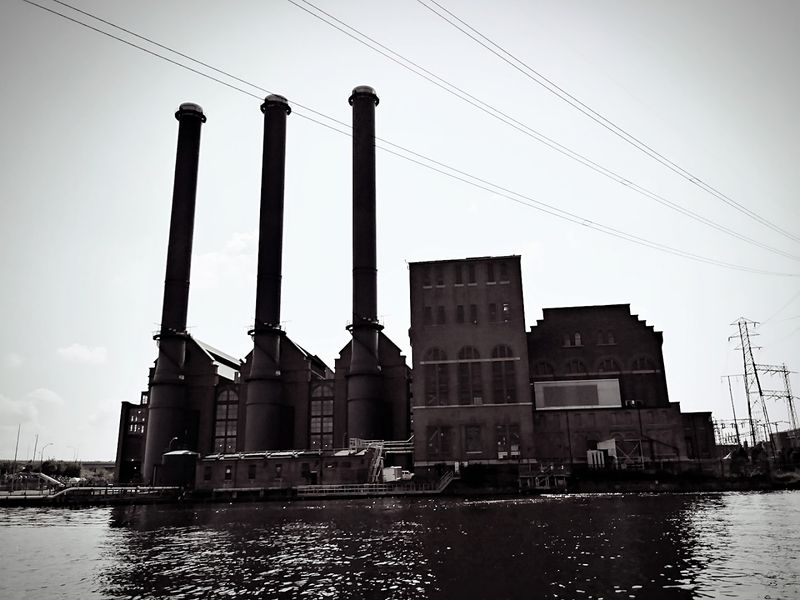
Most people think of rivers as natural features that simply exist, but the Blackstone River was one of the most industrially significant waterways in American history. The first successful water-powered cotton mill in the United States was built along this river in Pawtucket, Rhode Island, in 1793, kicking off the American Industrial Revolution.
That history is woven into every mile of the Blackstone, and Explorer River Tours uses the 50-minute cruise to bring that context to life. Passengers learn about the mills, the workers, and the environmental consequences that followed decades of heavy industrial use.
The river was once heavily polluted as a direct result of that industrial activity, but cleanup efforts over the past few decades have transformed it into a habitat that now supports a range of wildlife. The tour connects those historical dots in a way that makes the river feel like a living document rather than just a body of water passengers happen to be floating on.
What the 50-Minute Format Actually Delivers
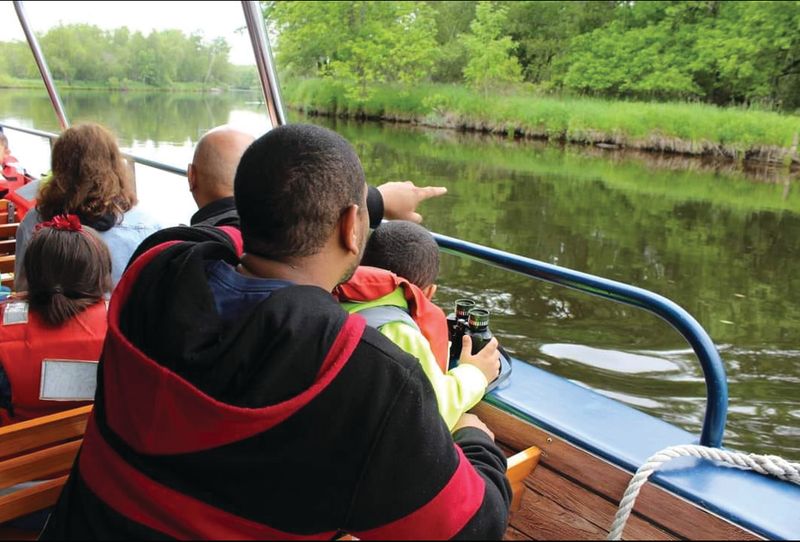
Fifty minutes is a specific number, and it turns out to be a well-calibrated one. The cruise covers enough of the river to give passengers a real feel for the landscape without overstaying its welcome, which is part of why the format works so well for a wide range of people including families, older adults, and couples.
The narrated Sunday tours pack a lot into that window. A guide covers local history, points out wildlife, and explains the ecological changes the river has gone through over the years.
The Saturday tours tend to be quieter and unnarrated, offering a more laid-back float down the river and back.
Both formats fit neatly into a weekend afternoon without requiring passengers to block off an entire day. At $10 per person, the time-to-value ratio is hard to argue with, and the compact format means even first-time boaters rarely feel restless before the cruise wraps up.
Wildlife Sightings That Catch People Off Guard
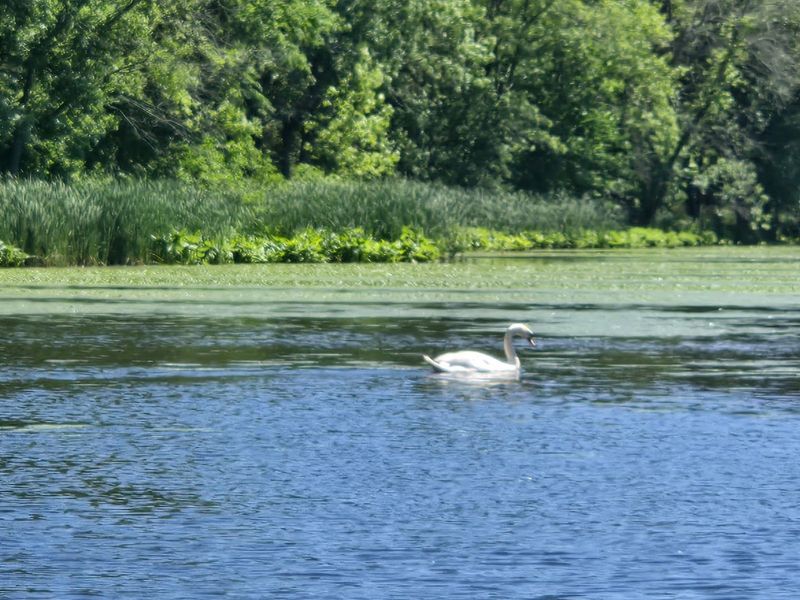
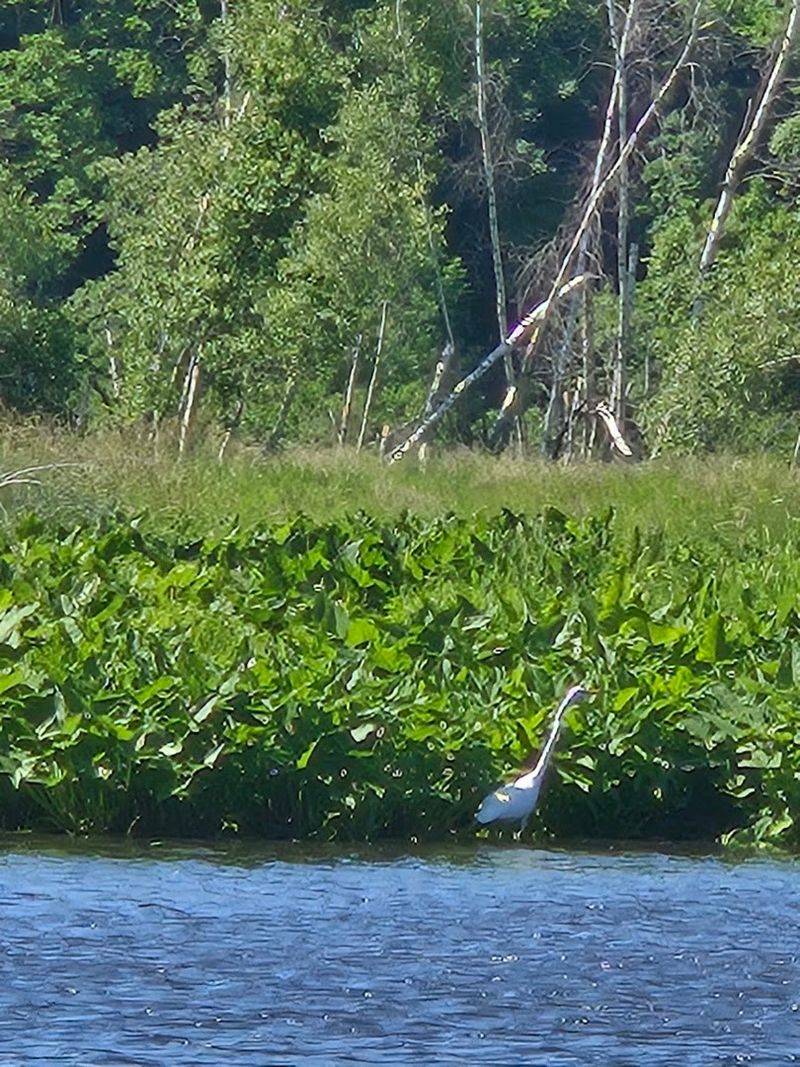
Urban rivers are not typically associated with wildlife watching, which is exactly what makes the Blackstone River such a pleasant contradiction. Passengers on Explorer River Tours have reported seeing osprey, green herons, great blue herons, swans, hawks, turtles, and even the occasional surprise on tours where the water is calm.
The evening tours, particularly the 6 PM Saturday departure, offer the best odds for wildlife encounters. Animals tend to be more active during those later hours, and the lower angle of light makes the riverbanks easier to scan.
The wildlife presence is not just a bonus feature; it is actually evidence of the river’s recovery. Herons and osprey are apex predators in freshwater ecosystems, and their return to the Blackstone signals that the water quality has improved enough to support a functioning food chain.
Spotting one of these birds from the deck of a slow-moving boat is a genuinely striking moment that passengers consistently mention afterward.
The Boat Itself: Meet The Explorer
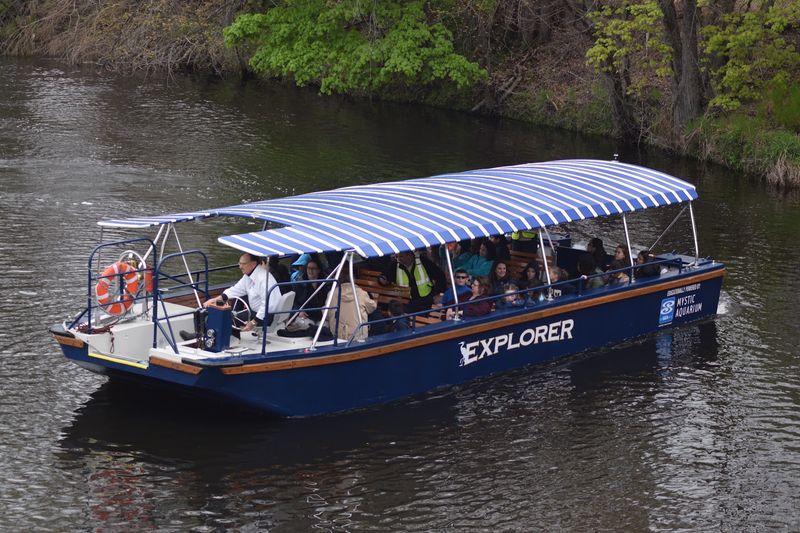
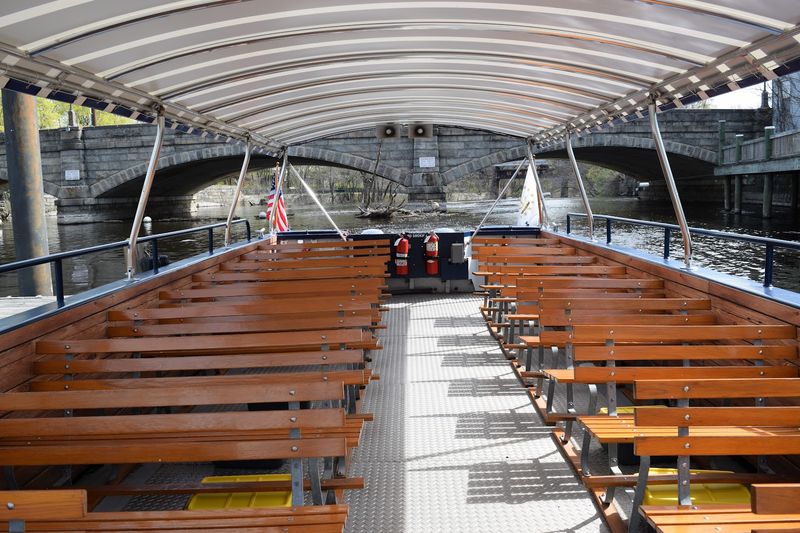
The vessel at the center of this operation is called The Explorer, and it is a modest, flat-bottomed riverboat built for calm inland waterways rather than open ocean crossings. That design is intentional.
The Blackstone River is not a wide, deep channel; it is a relatively narrow urban river with bridges, shallow sections, and tight bends that a larger boat simply could not navigate.
The Explorer’s size keeps passengers close to the water and close to the riverbanks, which is exactly where the interesting things are happening. There is no distance between the passengers and the herons standing in the shallows or the turtles sunning on logs near the bank.
The boat accommodates a reasonable number of passengers without feeling crowded, and the open deck design means most people have a clear line of sight to both sides of the river. The ride is described consistently as smooth, which suits the relaxed pace the tour is designed around.
Narrated Tours vs. Quiet Cruises: Knowing the Difference
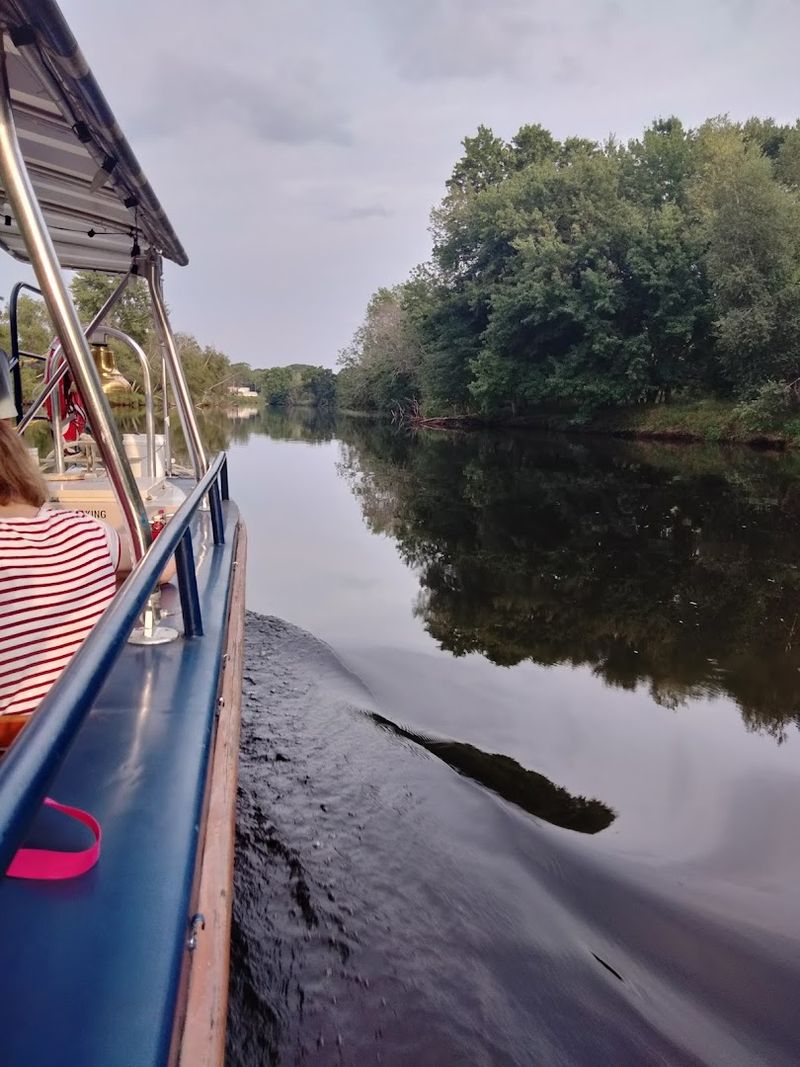
Explorer River Tours runs two distinct types of experiences depending on the day, and understanding that difference before booking saves a lot of confusion. Sunday afternoon tours are narrated, meaning a guide actively talks passengers through the history, ecology, and landmarks along the route.
These tours run from 1 PM to 3 PM on Sundays.
Saturday tours run from 4 PM to 5 PM and are generally unnarrated, offering a quieter, more self-directed float along the river. Those tours appeal to people who want to decompress rather than absorb information, and the later hour makes wildlife sightings more likely.
Both formats have their own appeal, and choosing between them really comes down to what kind of afternoon a person is looking for. The narrated Sunday tours tend to attract people who want to learn something, while the Saturday tours draw those who are happy to just watch the river go by without a running commentary filling the air.
Special Themed Tours That Go Beyond the Standard Cruise
Beyond the regular weekend schedule, Explorer River Tours has hosted a range of themed cruises that give the operation a creative edge. One of the more memorable examples is the Haunted Blackstone ghost stories tour, led by a local paranormal investigator named Tom D’Agostino and his wife.
That tour reframes the river entirely, presenting the Blackstone not just as a place of industrial history but as a landscape layered with local legend and unexplained stories. Passengers who took that tour came away with a noticeably different perspective on the river’s depth as a subject.
Other themed tours have focused on topics like the medicinal and ethnobotanical uses of native and invasive plant species along the riverbank, led by a guest expert named Julia Kaplin. These specialty events demonstrate that the operation is willing to experiment with formats and subjects, keeping the tour calendar from feeling repetitive for people who want to come back more than once.
The Plant Life Along the Riverbank
One aspect of the cruise that surprises many passengers is how much attention gets paid to the plants growing along the riverbanks. The Blackstone corridor is a mix of native species and invasive plants that have moved in over the years, and the contrast between the two tells its own ecological story.
During the ethnobotany-themed tour led by Julia Kaplin, passengers learned about which plants along the route have been used historically for medicinal purposes and which ones are actively crowding out native species. That level of detail is unusual for a short boat tour and reflects the broader educational mission behind the operation.
Even on standard narrated tours, the guide typically points out notable plants along the banks as part of the broader environmental history narrative. The riverbank is not just a backdrop; it is treated as an active part of the story the tour is trying to tell, which adds a layer of depth that most quick river cruises skip entirely.
The Environmental Recovery of the Blackstone River
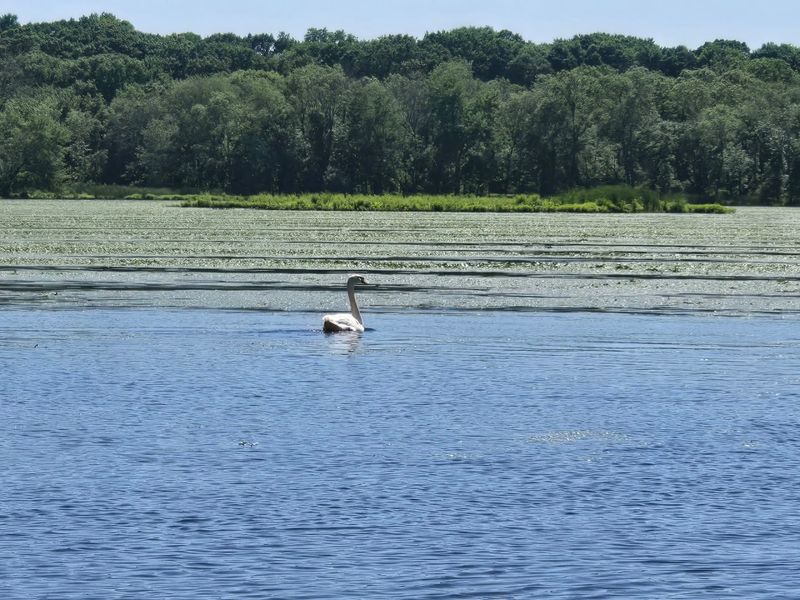
The Blackstone River’s turnaround is one of the more compelling environmental stories in New England. For much of the 19th and 20th centuries, the river absorbed the runoff and waste from the mills and factories that lined its banks, turning it into one of the most polluted rivers in the country.
Cleanup efforts, regulatory changes, and the decline of heavy industry have allowed the river to recover significantly over the past few decades. The return of herons, osprey, and other sensitive wildlife species is the most visible sign of that progress, and Explorer River Tours uses the cruise to highlight those changes directly.
Passengers learn about what the river looked like at its worst and what it looks like now, which gives the wildlife sightings a much richer context. Watching an osprey hunt from the deck of The Explorer carries more weight when you know that the same stretch of water was considered ecologically dead not that long ago.
Skyline Views and Bridge Architecture Along the Route
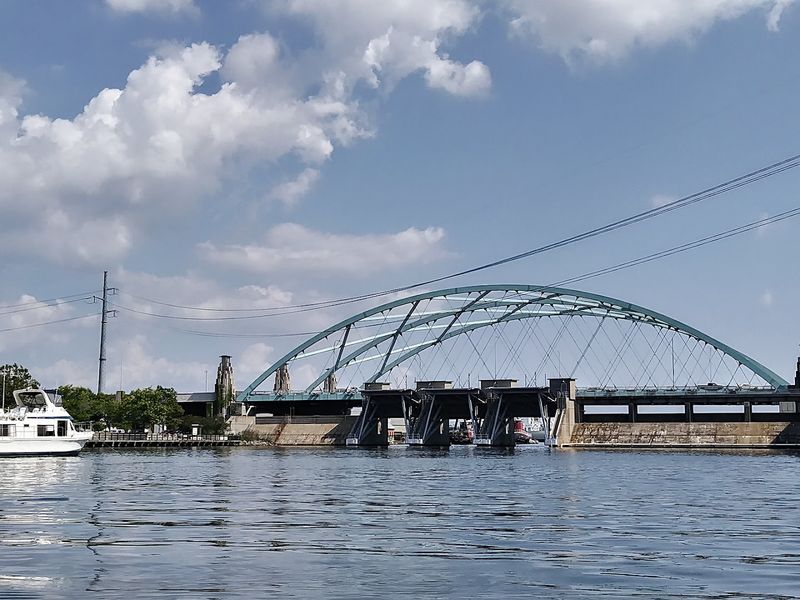
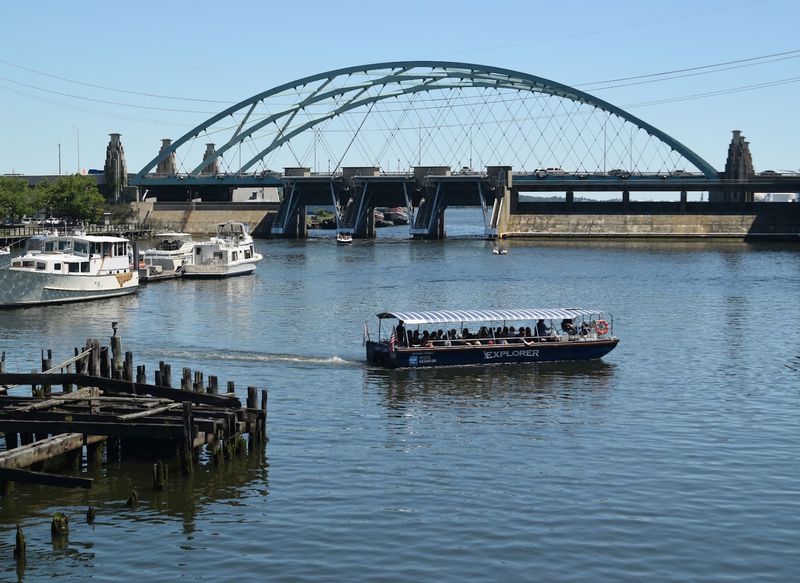
The Blackstone River tour is not just about wildlife and history; the built environment along the route offers its own kind of visual interest. Passengers get clear views of bridges, old mill structures, and in the right conditions, portions of the Providence skyline stretching into the distance.
The bridges along the route vary in age and design, and a knowledgeable guide can use them as reference points to talk about how the region developed over time. Some of the older structures date back to the industrial era and carry the visual weight of that history.
On a clear day, the sight lines extend well beyond the immediate riverbanks, giving passengers a broader geographic sense of where they are within the greater Providence area. That combination of close-up detail and longer-range perspective is one of the things that makes the river route visually engaging even for passengers who are not particularly interested in the historical narration.
Who This Tour Works Best For
Explorer River Tours draws a notably diverse crowd, which says something about how broadly the experience translates. The tour has attracted seniors looking for a relaxed outing, couples wanting a low-key afternoon on the water, and families with kids who are curious about the river and its wildlife.
The $10 price point makes it accessible in a way that most boat tours are not, and the 50-minute duration keeps it from being a commitment that requires a full day of planning. It fits naturally into a Sunday afternoon without displacing anything else on the schedule.
That said, very young children who have short attention spans may find the quieter stretches of the cruise less engaging, particularly on the unnarrated Saturday tours. The narrated Sunday tours, with their active commentary and wildlife spotting, tend to hold attention better across a wider age range.
Knowing that going in helps set the right expectations for families planning to bring younger kids along.
The Role of the Blackstone Valley Tourism Council
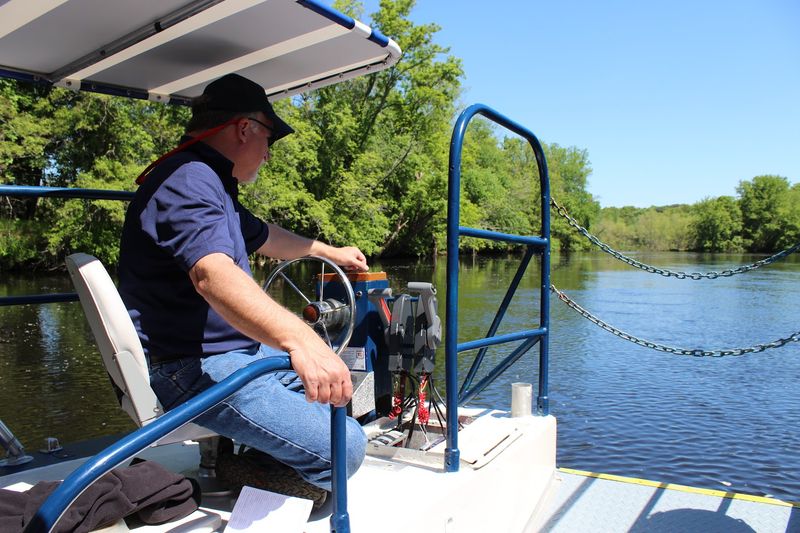
Explorer River Tours is operated under the umbrella of the Blackstone Valley Tourism Council, a Rhode Island organization dedicated to promoting heritage tourism and environmental education throughout the Blackstone Valley region. The council’s website, bvtcri.org, serves as the main hub for tour information and scheduling.
That connection to a larger tourism and education mission is part of what gives the operation its distinctive character. This is not a commercial cruise company focused primarily on profit; it is a program designed to connect people with the history and natural environment of a specific place.
The council has been active in the region for years, and the river tour program is one of its most direct ways of putting passengers in physical contact with the landscape it works to preserve and promote. That mission-driven foundation shows up in the quality of the narration, the selection of themed tours, and the overall approach to what a 50-minute boat ride can actually accomplish.
Practical Details Worth Knowing Before You Go
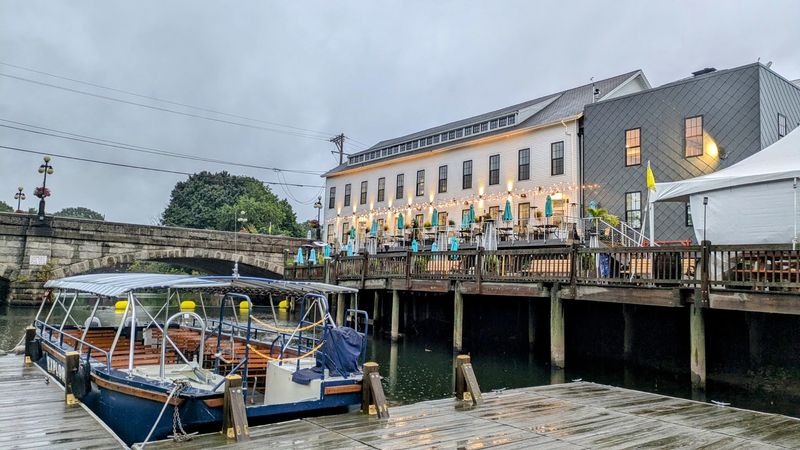
The operating schedule for Explorer River Tours is intentionally limited, which is worth understanding before making plans. The tour runs on Saturdays from 4 PM to 5 PM and on Sundays from 1 PM to 3 PM.
Every other day of the week, the operation is closed.
The $10 admission makes it one of the most affordable boat tours in New England, and the compact duration means it pairs well with other activities in the Providence area on the same day. The dock is located at 15 Madeira Ave in Central Falls, and parking in the area is generally manageable.
Checking the Blackstone Valley Tourism Council website before heading out is always a good idea, since seasonal scheduling and special themed tour dates can shift the regular calendar. The operation runs primarily in the warmer months, so confirming availability before planning a trip around the tour is a smart move that saves unnecessary trips to a closed dock.
A River Tour That Earns Its Reputation
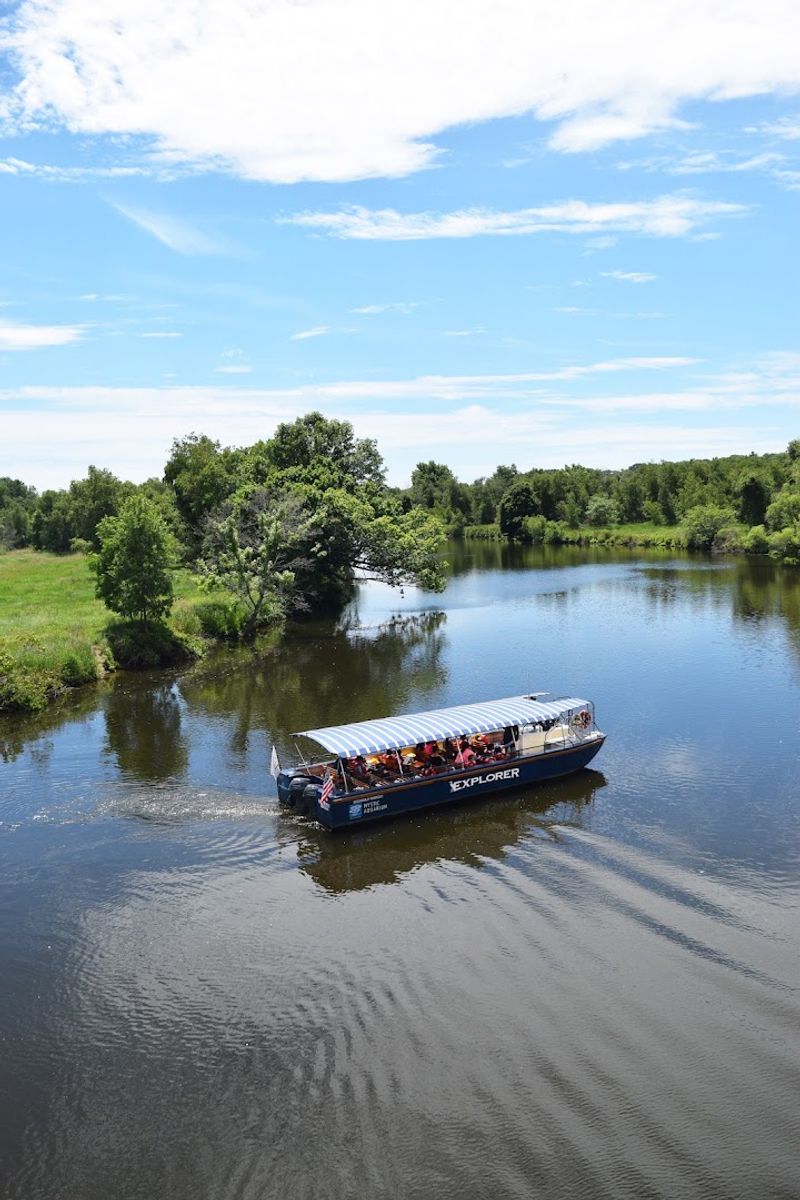
There are plenty of boat tours up and down the New England coast, but most of them are selling the ocean, the lobster boats, or the harbor views. Explorer River Tours is selling something different: a working-class river with a complicated history, a genuine ecological comeback story, and wildlife that shows up without being staged or promised.
That combination of honest storytelling, accessible pricing, and real natural encounters is what sets this tour apart from more polished but less substantive alternatives. The 4.7-star rating it holds across its reviews is not built on luxury; it is built on the fact that passengers consistently leave knowing more than they did when they boarded.
For anyone passing through the Providence area on a weekend, a 50-minute detour to Central Falls and a seat on The Explorer is the kind of low-stakes, high-reward decision that tends to become a story worth telling. The Blackstone River has been underestimated for a long time, and this tour is quietly changing that.
Where the Journey Begins: The Dock at Central Falls
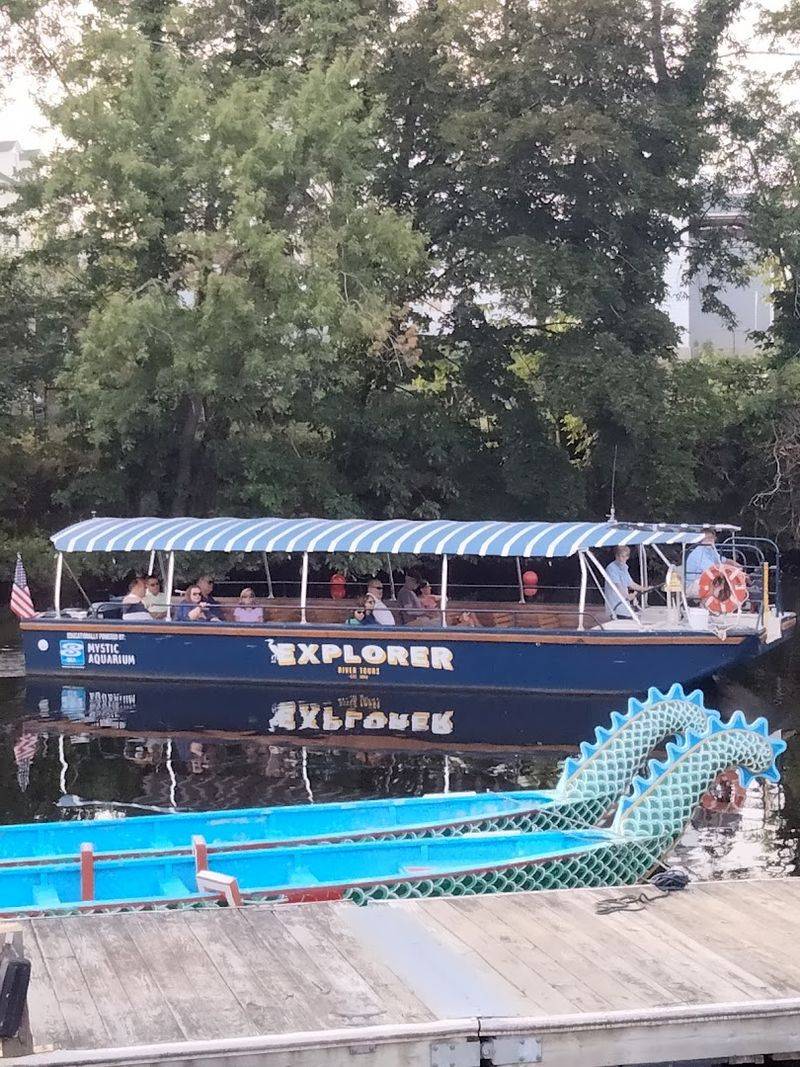
Not every great adventure starts at a grand marina. The Explorer River Tours operation launches from 15 Madeira Ave, Central Falls, RI 02863, a straightforward address that sits right along the Blackstone River in one of Rhode Island’s most densely populated cities.
Central Falls is a compact city with a rich industrial past, and the dock here reflects that no-frills character. There are no luxury terminals or elaborate waiting lounges, just the river, the boat, and a crew ready to take passengers out on the water.
The location itself is part of the story. Central Falls sits at the northern edge of Providence County, and the Blackstone River runs directly through it, connecting this urban landscape to a much larger watershed that stretches all the way into Massachusetts.
Getting to the dock is straightforward, and the setting makes it immediately clear that this tour is about the river first and everything else second.
Share this story