You know that feeling when you pull off the road expecting a quick stop and end up forgetting your whole schedule? That is what happens in this corner of Oregon, where the river is wide, the hills are steep, and the pace is pleasantly slow.
Most travelers zoom past on their way to somewhere louder. Stay a while, fellow Oregonian, and you may start checking whether your hotel lets you extend.
A City Where the River Meets the Sea
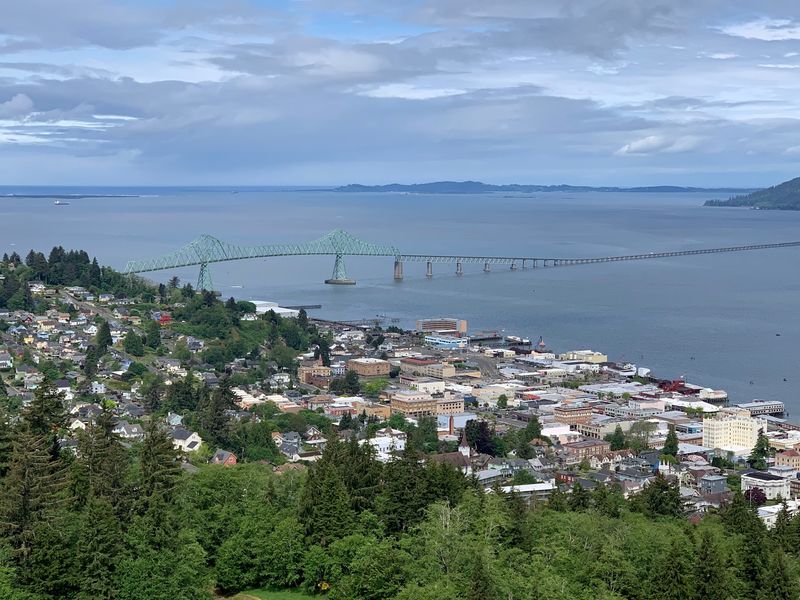
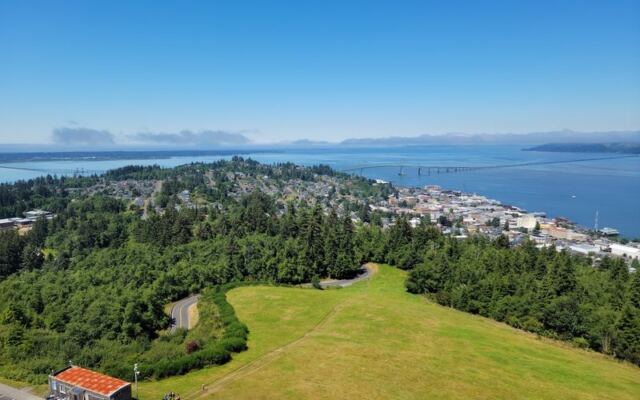
Picture a river so big it feels like an ocean with manners. Astoria sits right on the Columbia River, close to where it empties into the Pacific, in the far northwest corner of Oregon.
That spot gives the city its whole personality. Water is on one side, steep hills are on the other, and the streets seem to tumble between them.
For Oregonians who think they have seen every coastal town, this one plays by different rules. It is a working waterfront with a calm, lived-in feel, not a postcard staged for visitors.
Plan to wander more than you drive. Everything worth seeing is tucked close together, and the best discoveries tend to be the ones you were not looking for.
Bring a jacket, because river breezes have opinions.
Astoria Column and Its Panoramic Payoff
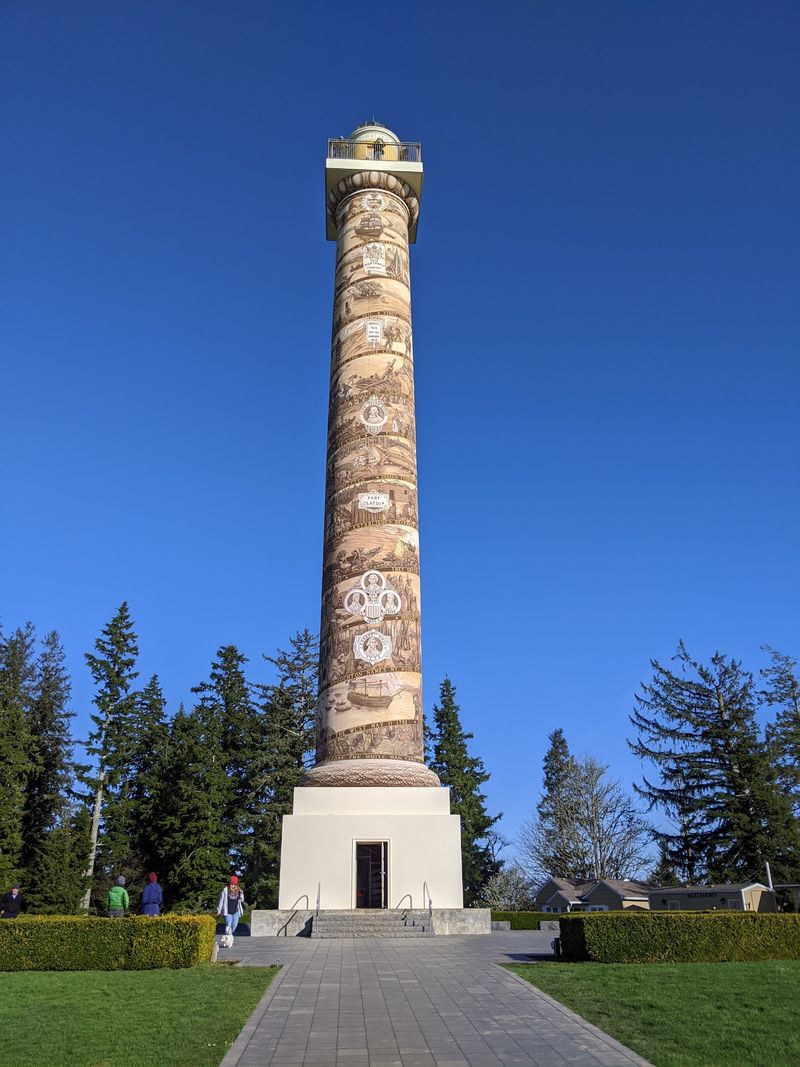
Climb the stairs and your legs will complain, but your camera roll will thank you. The Astoria Column is a towering hilltop monument that gives you panoramic views over the river, the town, and the land beyond.
Wrapped around the outside are murals that depict area history. Walk a slow lap before you head up, because the paintings tell the story in pictures.
Here is a local-style tip: go when the sky looks undecided. Shifting clouds over the water make the scene far more interesting than a flat blue day.
Off-peak visits tend to feel quieter, which suits a spot like this. You get room to linger at the top without a line of people tapping their feet behind you.
Columbia River Maritime Museum
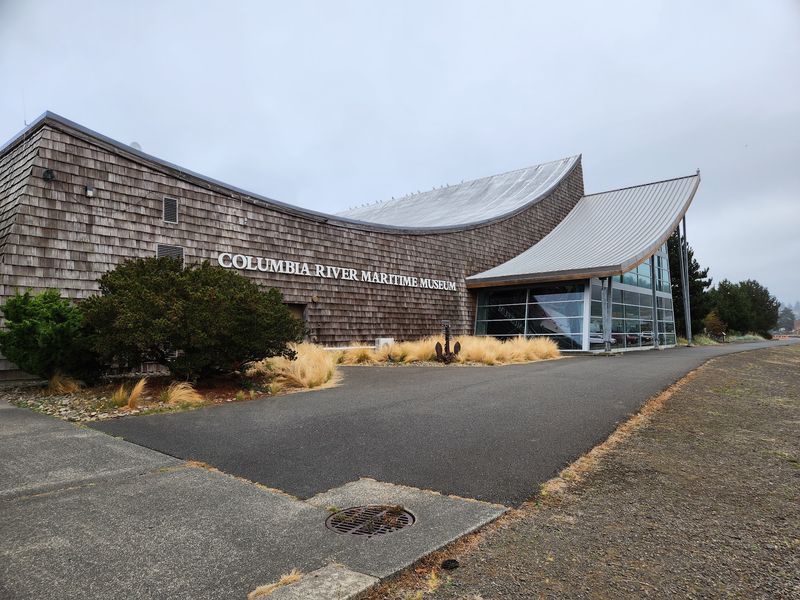
Fishing boats, cargo ships, and military vessels all share one story here, and it is told right on the water. The Columbia River Maritime Museum sits in a waterfront building that fits its subject perfectly.
Inside, the exhibits cover fishing, shipping, and military history. You do not need to be a sailor to enjoy it, just curious about how this busy river shaped life in the region.
Budget a generous chunk of time. It is the kind of place where you plan on an hour and look up to find the afternoon has slipped away.
Check the museum’s current hours and ticket prices before you go, since the details can change. A quick look at the official site saves any surprises at the door.
Flavel House Museum and Its Victorian Charm
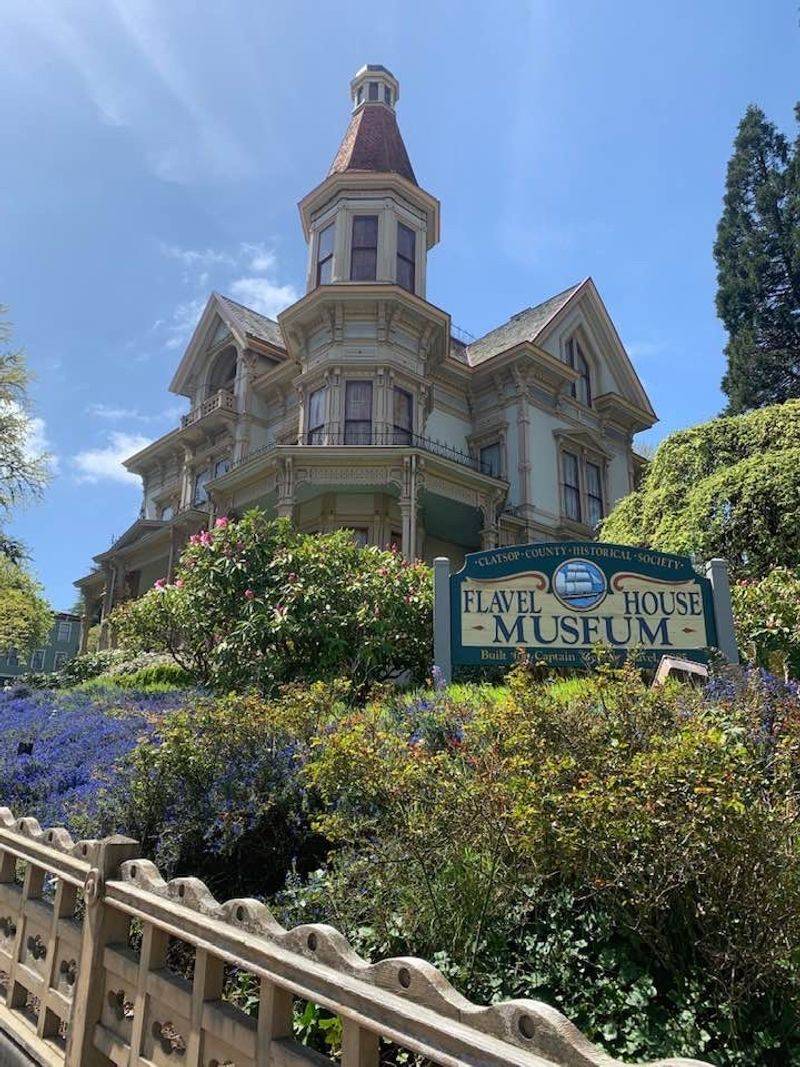
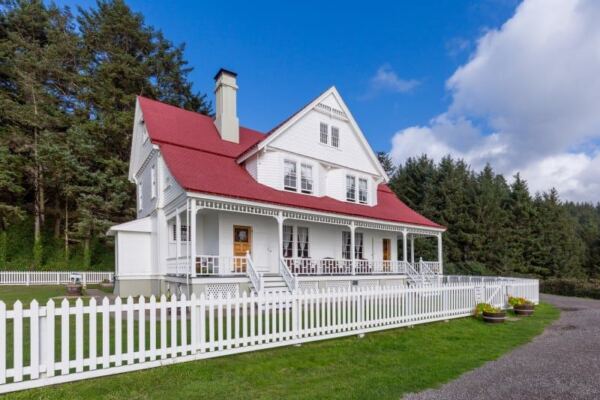
Turrets, gables, and a garden tidy enough to make your own yard feel shy. The Flavel House Museum is set in a Queen Anne-style Victorian mansion that stands out even among Astoria’s many pretty houses.
Step inside and you will find period furniture arranged as if the family just stepped out for a moment. It is a gentle, unhurried look at how people once lived.
Outside, the manicured gardens invite a slow stroll. Photographers tend to love the angles of the house against the greenery.
It makes a nice counterpoint to the maritime sights nearby. After salty ships and river tales, a little parlor elegance feels like a pleasant change of pace.
Hills That Hold the Whole Town
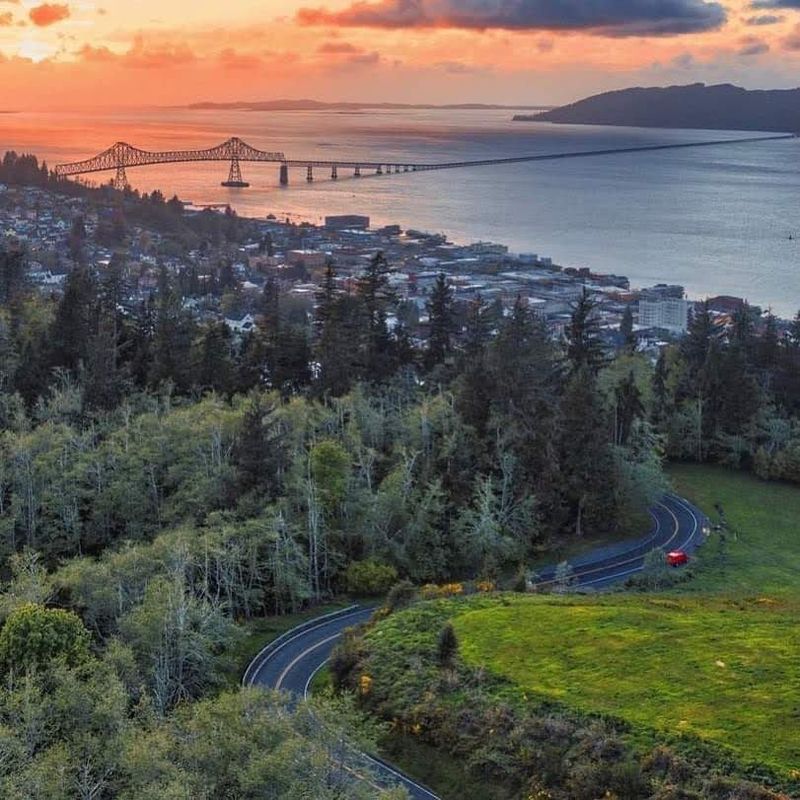
Astoria is built on a slope, and the town makes no apology for it. Streets climb and drop, and houses perch on the hillsides facing the river.
That layout means the views keep surprising you. Turn a corner and the water appears between rooftops, framed like a painting nobody paid for.
Comfortable shoes are your best travel accessory here. A walk uphill earns you a better look at the neighborhood and a nice excuse to pause and take it in.
The Flavel House and the Astoria Column both add to this layered, vertical feel. Together they make the town feel like a stage set, with the river as the permanent backdrop.
The Working Waterfront Walk
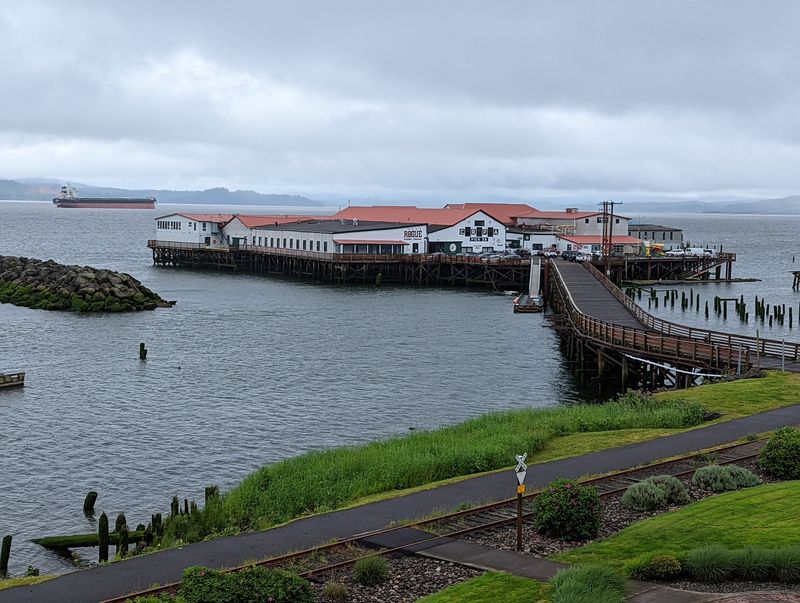
Ships drift by like slow, enormous neighbors. A stroll along Astoria’s waterfront puts you right beside the Columbia River, where the city’s relationship with the water is easy to see.
The maritime museum anchors the area, so you can pair a walk with a visit. Fresh air first, exhibits second, or the other way around.
Bring a camera and patience. River scenes change by the minute, with light shifting on the water and vessels sliding through the view.
It is a low-effort, high-reward outing that suits nearly any pace. Even a short walk gives you a real sense of why this town is so attached to its river.
Stories Painted Across the Column
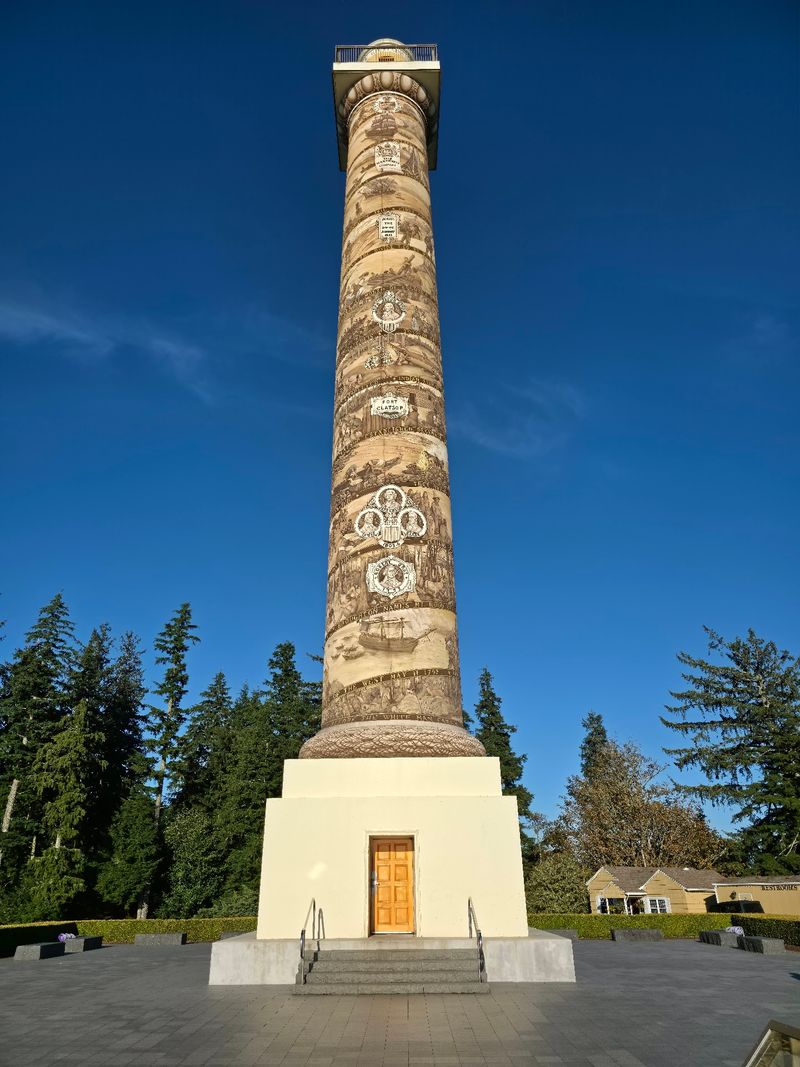
Here is a fun fact for your next trivia night: the Astoria Column is decorated with murals showing the area’s history. The artwork spirals up the monument, turning the structure itself into a storybook.
Look closely and you will notice the scenes reward a slow pace. Each section hints at the people and events that shaped this stretch of Oregon.
Pair the art with the view from the top and the history feels suddenly real. You are looking at the same river and land the murals describe.
Kids and adults alike tend to enjoy the hunt for details. It turns a simple monument stop into a small, satisfying treasure search.
Museum Hopping Without the Crowds
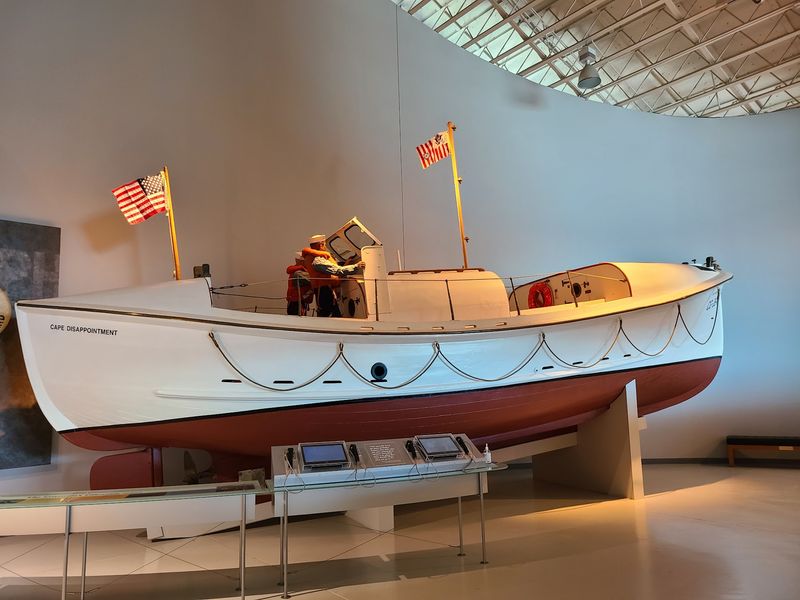
Two museums, one compact town, zero stress. Astoria gives you the Columbia River Maritime Museum and the Flavel House Museum within easy reach of each other.
One looks outward to ships, fishing, and the sea. The other looks inward to parlors, period furniture, and quiet garden paths.
That contrast makes a day feel balanced. You get big-water history in the morning and Victorian polish in the afternoon.
Off-peak visits are especially pleasant, since lighter foot traffic lets you take your time. It is exactly the sort of low-key culture stop Oregonians love to keep to themselves.
Gardens Worth a Slow Stroll
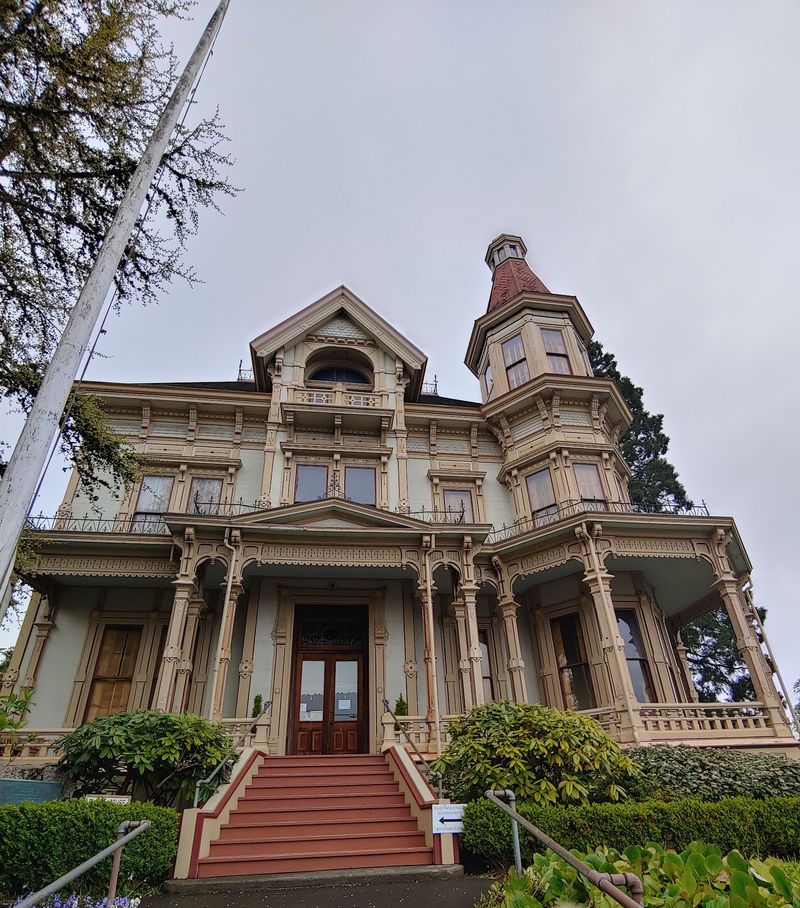
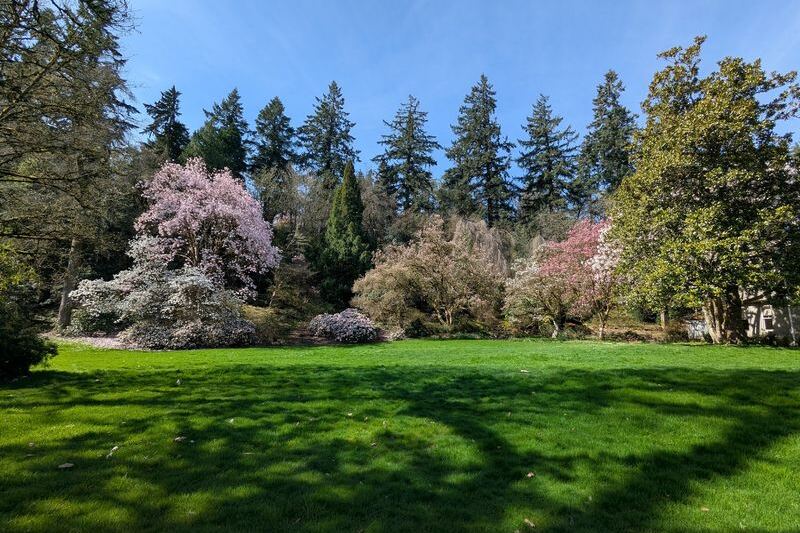
Sometimes the best part of a historic home is the lawn. The Flavel House Museum is surrounded by manicured gardens that add color and calm to the visit.
Spring and summer bring the most color, while cooler seasons offer a moodier, quieter look. Either way, the garden frames the Victorian house beautifully.
Bring a camera, and notice how the mansion’s rooflines peek out above the greenery. It is a photogenic corner of town that does not shout about itself.
Give yourself a few extra minutes outside before you leave. A bench, a breeze, and a pretty view make a lovely pause.
Where the Columbia Becomes the Pacific
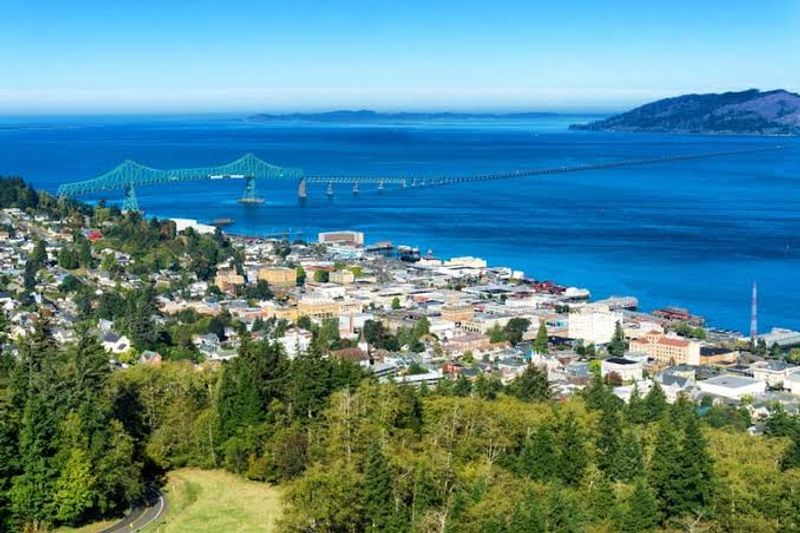
Few places let you watch a river pass the baton to an ocean. Astoria sits near the Pacific, where the mighty Columbia ends its long run to the sea.
That meeting of waters gives the area a distinct mood. Skies shift, light changes, and the horizon feels bigger than usual.
Visit in fall or winter and the scene turns dramatic in the best way. Moody weather and fewer visitors make everything feel a little more private.
Take a moment to simply look. The scale of it all is the kind of thing photos try to capture and mostly miss.
The Atmosphere: Quiet, Curious, Unhurried
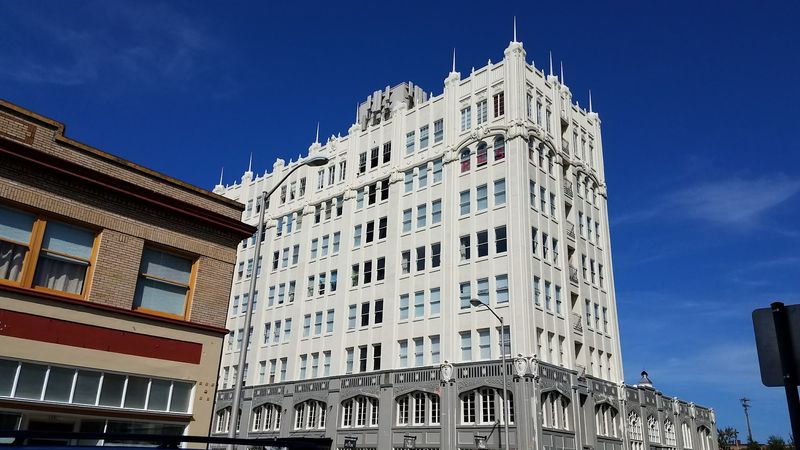
Astoria hums rather than roars. The mood is relaxed, a little nostalgic, and friendly to people who like to look around slowly.
It suits history lovers, photographers, and anyone who prefers a town with character over a town with crowds. Couples, solo wanderers, and curious families all fit right in.
The mix of river views, hilltop lookouts, and Victorian architecture gives every hour of the day a different feel. Morning light on the water is quite different from late afternoon glow on the hills.
If your ideal getaway involves wandering with no strict agenda, this is your spot. The town rewards curiosity more than it rewards a packed itinerary.
Getting There and Getting Around
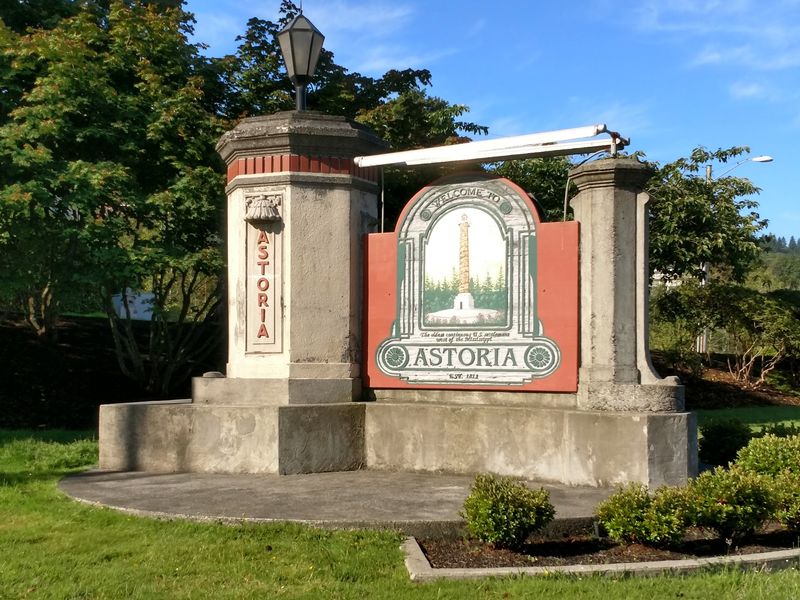
Astoria sits in the northwest corner of Oregon, on the Columbia River near the Pacific Ocean. The zip code to remember is 97103, handy for your map app.
Plan to explore on foot once you arrive. The main sights, from the waterfront to the Flavel House, are close enough to link together with a little walking.
The Astoria Column is up on a hill, so factor in a short drive or climb to reach it. Wear shoes you trust on slopes.
For hours and ticket prices, check the city’s website at astoria.or.us or each attraction directly. Details can change, and a quick look beforehand keeps your day smooth.
Seasons on the River
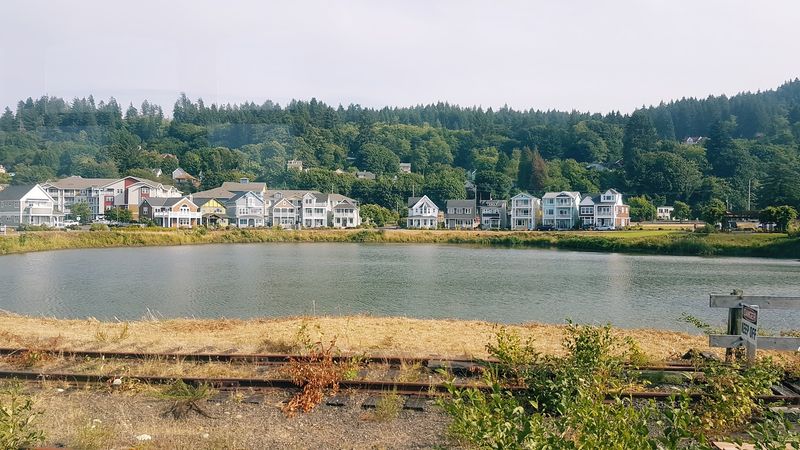
Every season gives Astoria a different outfit. Summer brings long days and bright water, perfect for lingering at lookouts.
Spring adds fresh color to the gardens around the Flavel House. Fall brings crisp air and cozy museum hours.
Winter turns the river moody and dramatic, which fans of stormy scenery tend to love. Fewer travelers means more breathing room at every stop.
Off-peak visits often feel like having the town to yourself. Pack layers and a flexible attitude, and you will be rewarded with views that feel personal.
A Soft Verdict: Maybe Stay Another Night
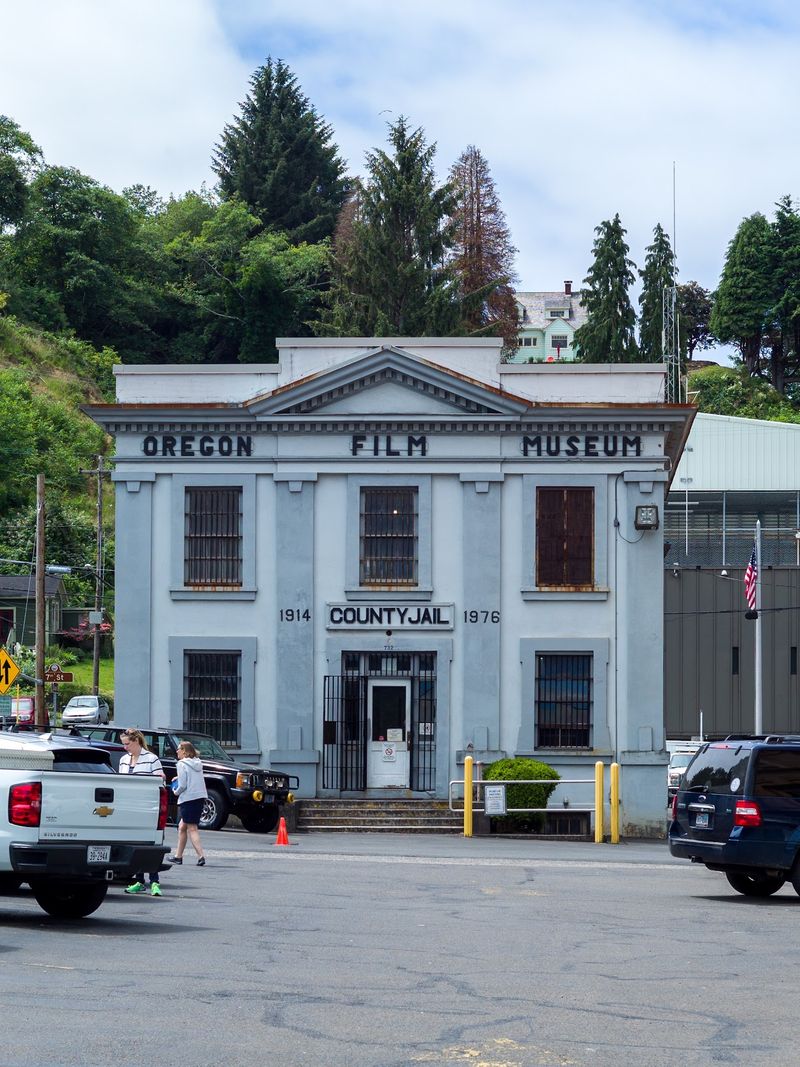
Here is the honest takeaway: Astoria is easy to love. It combines big river views, a hilltop monument, and two museums in a town small enough to explore without rushing.
It does not try to dazzle. It simply offers history, scenery, and a calm pace, and lets you decide how long to stay.
For Oregonians who like discovering places that tourists skim past, this one earns a spot on the list. Go with an open schedule and an appetite for views.
Will you cancel the rest of your trip? Maybe not entirely.
But do not be surprised if you start rearranging it around this river town.
Share this story