Something happens every September in Oklahoma that turns ordinary people into determined, sweaty, deeply happy crowds willing to wait in line for a corn dog the size of a small baseball bat. The Oklahoma State Fair pulls folks in from every corner of the state, armed with cash, comfortable shoes, and an appetite that no regular Tuesday could ever satisfy.
Part carnival, part cultural showcase, part fried-food pilgrimage, this annual event at Oklahoma City has become one of the most anticipated gatherings on the state calendar. Whether you have been going since childhood or are planning your very first visit, the fair has a way of making everyone feel like they belong.
The Fairgrounds Themselves: A City Within a City
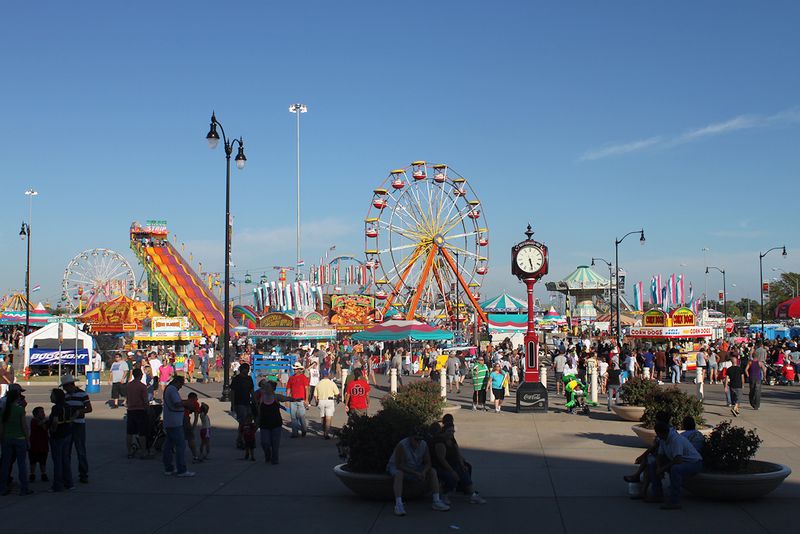
Sprawling across a massive stretch of Oklahoma City at 3001 General Pershing Blvd, the Oklahoma State Fair occupies a footprint that can genuinely disorient first-timers in the best possible way. Multiple large pavilions, outdoor plazas, ride zones, and animal barns spread out in every direction, making the whole place feel like a temporary city that appears each fall and vanishes just as quickly.
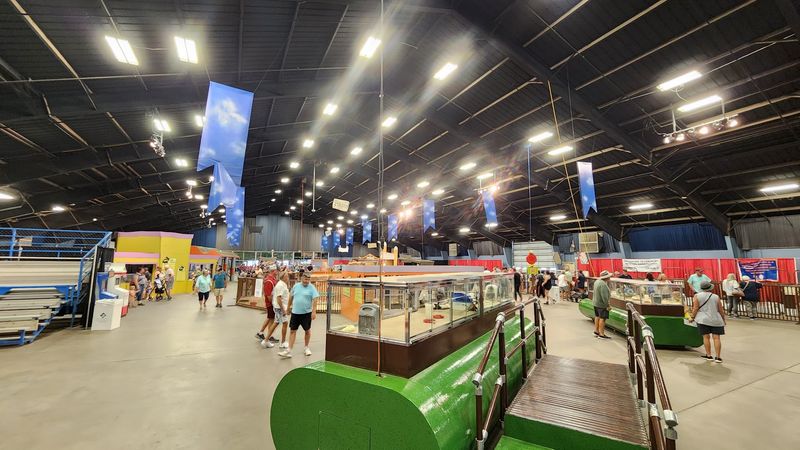
Navigating the grounds takes planning, and even regulars admit they discover something new every year. Indoor vendor buildings keep shoppers cool when the Oklahoma heat lingers into September, and a dedicated “everything Oklahoma” section celebrates local businesses with prominent signage to guide visitors straight there.
Signage across the broader grounds has been a mixed experience for some attendees, particularly vendors who mention that finding the right building during multi-event days can be a challenge. Still, the sheer scale of what has been assembled here is part of the spectacle.
Arriving early helps, and picking up a map at the gate turns the potential confusion into a fun scavenger hunt across one of the most energetic fairgrounds in the region.
Fried Food Culture: The Heart of the Fair Experience
Ask any Oklahoman what they think about first when someone mentions the state fair, and the answer almost always circles back to food. Not just any food, either.
The kind that comes out of a fryer bubbling with ambition, dusted with powdered sugar, or stuffed with something that has absolutely no business being deep-fried and yet somehow works perfectly.
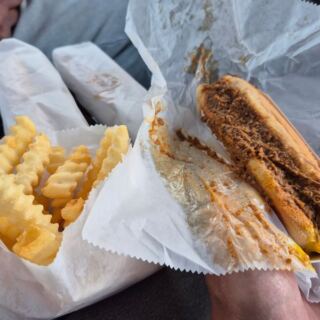
Funnel cakes are a consistent crowd favorite, showing up in multiple visitor conversations as a must-have. Long corn dogs, turkey legs, and cotton candy round out the classics, while newer creations keep the menu feeling fresh each year.
One standout that visitors have raved about recently is the pickle cheese curd taco topped with raspberry sauce, a combination that sounds unexpected but has earned genuine praise.
Freshly squeezed lemonade offers a cold, tart counterbalance to all the richness, and jugs of root beer have become their own fair tradition. Prices run high across the board, with corn dogs reaching around ten dollars and turkey legs landing between fourteen and fifteen dollars, so budgeting ahead makes the indulgence feel a lot more enjoyable and a lot less stressful.
Pig Races: The Unexpected Crowd Pleaser
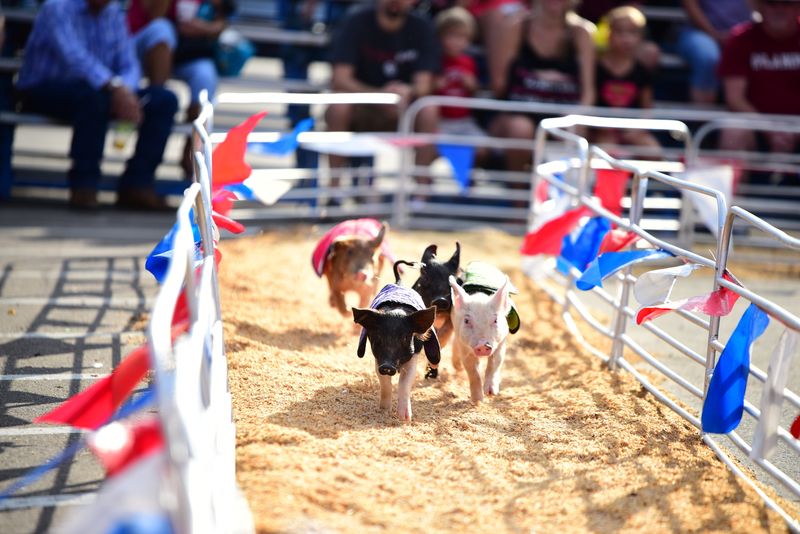
Few things at the Oklahoma State Fair generate as much spontaneous joy as watching a group of small, determined pigs barrel around a track at full speed. The pig races have earned a reputation as one of the highlights of the entire event, drawing visitors who planned to just walk past and ended up staying for multiple heats.
Reviewers who have attended over the years consistently single out the races as a genuinely fun, laugh-out-loud experience that works for every age group. There is something about watching animals compete with such apparent enthusiasm that cuts through any fair fatigue and reminds everyone why they came in the first place.
The races fit naturally into the fair’s broader agricultural identity, connecting the carnival atmosphere to Oklahoma’s deep roots in farming and livestock. They also provide a free entertainment option in a fairground where costs add up quickly, making them a smart stop for families trying to stretch their budget.
Arriving a few minutes early to grab a spot near the track pays off, especially on weekends when the crowds around the racing area tend to build up fast before each event begins.
Glass Blowing Demonstrations: Where Craft Meets Spectacle
Glass blowing is the most-mentioned topic across visitor conversations about the Oklahoma State Fair, and that popularity makes complete sense once you have watched it happen in person. A skilled artisan gathering glowing molten glass on a metal rod and shaping it into something beautiful right before your eyes is the kind of live craft demonstration that stops people mid-stride.
The heat radiating from the furnace, the precise rotations, the slow emergence of a recognizable form from what was just a glowing blob seconds before, all of it creates a hypnotic viewing experience that feels genuinely rare in an age of mass-produced everything. Kids and adults both tend to cluster around these demonstrations with the same wide-eyed attention.
Beyond the performance itself, finished glass pieces are typically available for purchase, offering a tangible souvenir that carries a story back home. For visitors moving through the indoor buildings, catching a live glass blowing session adds a cultural and artistic dimension to the fair that goes well beyond rides and food.
Checking the daily schedule at the entrance helps visitors time their walk through the buildings to catch a demonstration at its most active and impressive stage.
The Animal Barns and Petting Zoo: Oklahoma Agriculture Up Close
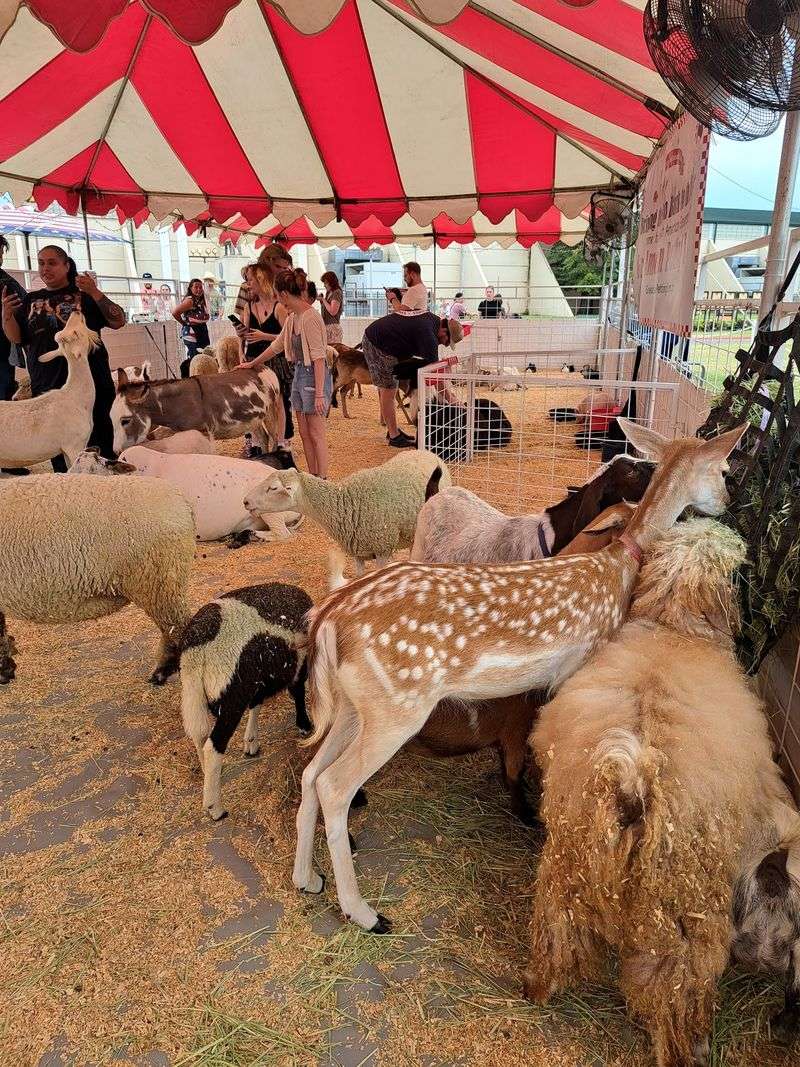
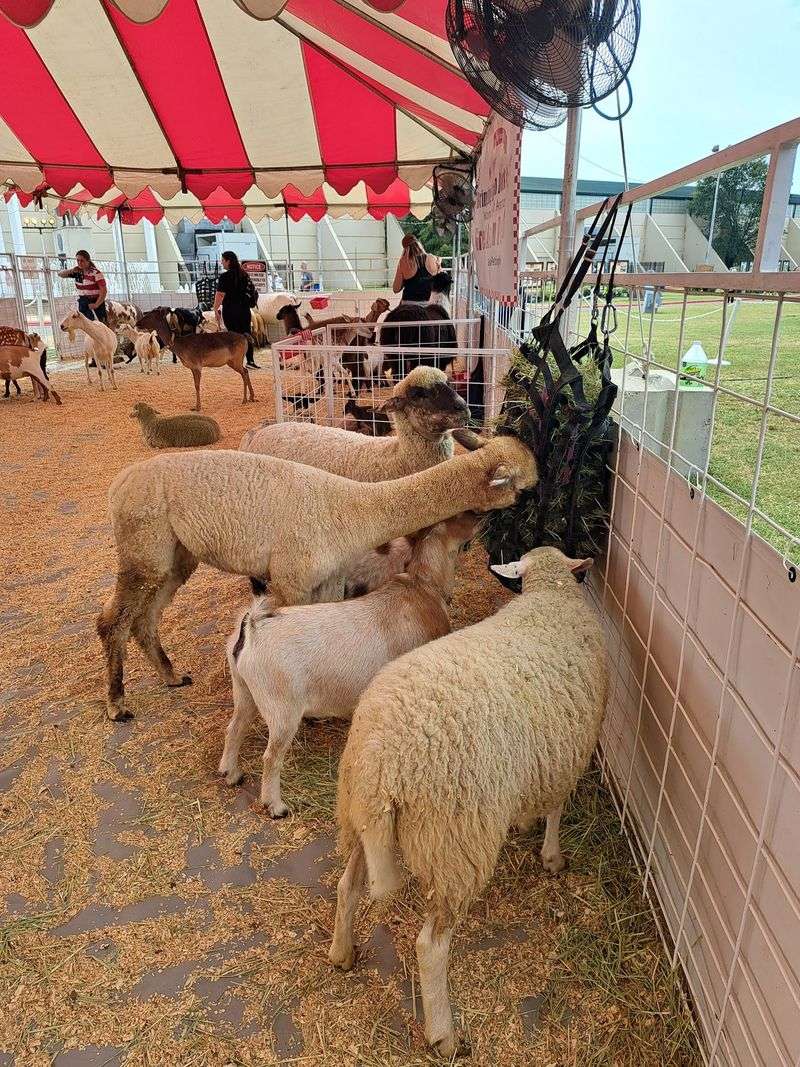
Somewhere between the corn dog stands and the carnival rides, the Oklahoma State Fair quietly offers one of its most grounding experiences: a chance to get up close with the animals that define so much of this state’s identity. The petting zoo draws families with young children who may be encountering a baby goat or a fluffy rabbit for the very first time outside of a picture book.
Visitors consistently mention the animals as a highlight, with baby goats earning particular affection in multiple accounts. One reviewer who visited during a quieter year still pointed to the baby goats as the best part of the entire trip.
Pony rides add another layer of excitement for younger fairgoers, and the broader livestock barns give older visitors a look at the serious agricultural competition happening alongside all the carnival fun.
The birthing suite, where newborn animals occasionally make their first appearance during fair week, has drawn curiosity from visitors who wish for even more hands-on interaction with the youngest animals. For families with children who are not yet tall enough for the big rides, the animal area provides an extended, genuinely engaging alternative that does not require spending a single extra dollar beyond admission.
Carnival Rides and the Classic Midway Feel
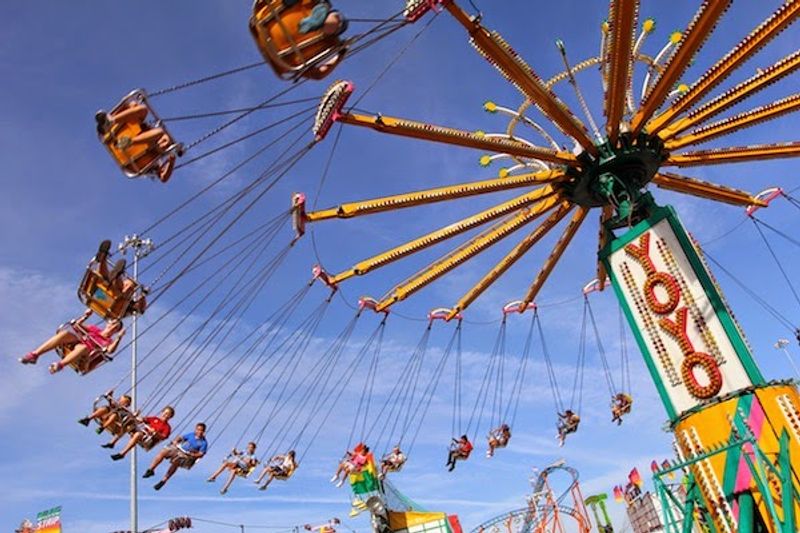
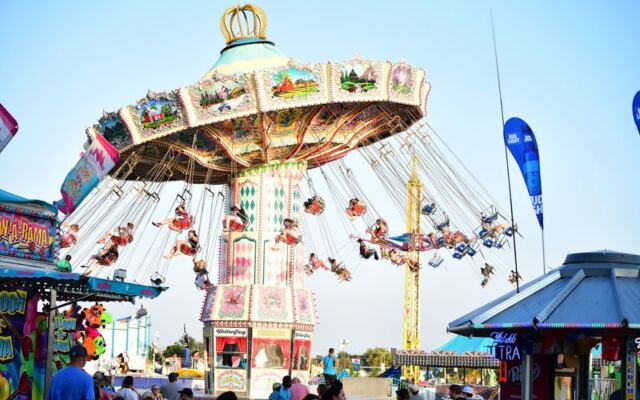
Spinning lights, the mechanical hum of rides winding up, and the distant shriek of happy passengers dropping on a thrill ride, the midway section of the Oklahoma State Fair delivers the sensory experience that has defined American fairs for generations. Rides range from gentle options suited for small children to faster, higher attractions that draw the thrill-seeking crowd.
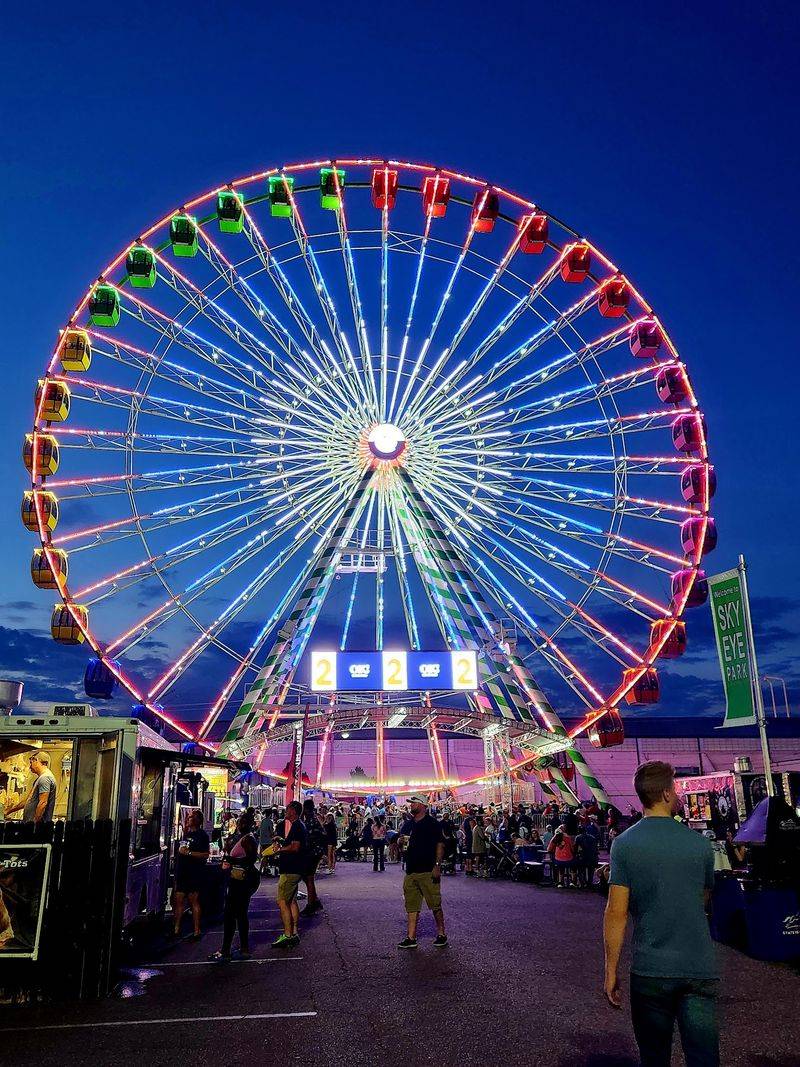
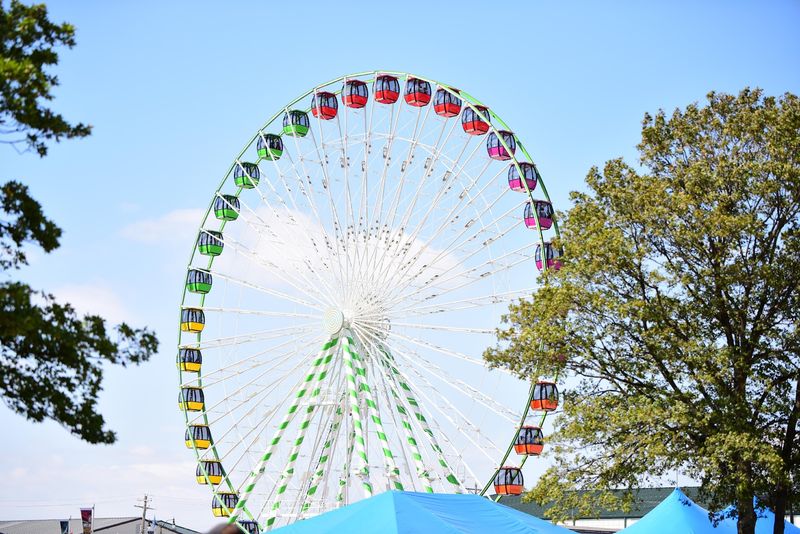
The Ferris wheel is a fair institution, offering a birds-eye view of the entire sprawling grounds and a slower pace that works well for all ages. At six dollars per ride, it sits at the more accessible end of the pricing scale compared to some other fair expenses.
The kids’ ride area has been noted for having a thoughtful layout, though some parents have wished for more food and drink vendors positioned within that zone for convenience.
Ride safety is a topic that comes up occasionally among fairgoers, as it does at any traveling midway. The fair’s rides are assembled and disassembled each season, which is standard practice across the industry.
For most visitors, the midway remains a core part of the experience, and the children’s excitement around the ride area tends to be one of the most genuinely joyful sights the entire fair has to offer.
Live Concerts and Entertainment Included with Admission
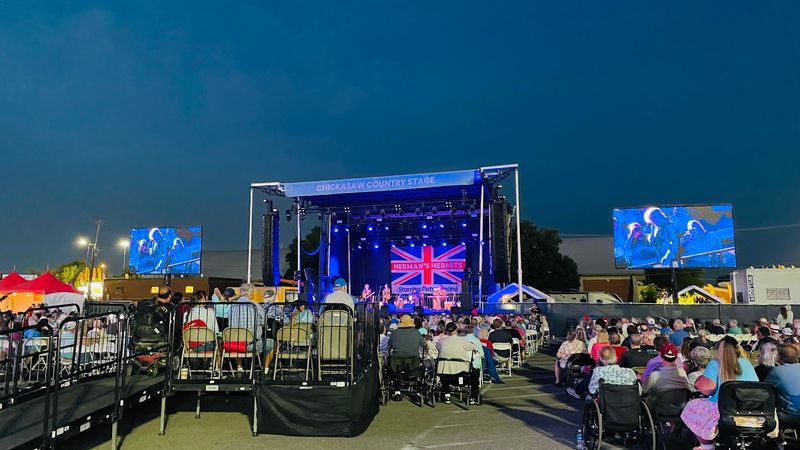
One of the most underappreciated perks of an Oklahoma State Fair ticket is the entertainment that comes bundled with it. Concerts included in the admission price give visitors a reason to linger well into the evening hours, turning what might have been a quick afternoon stop into a full-day memory worth repeating next year.
Reviewers who have attended specifically mention the included concerts as a standout recommendation, urging others to plan their visit around the performance schedule rather than treating the music as an afterthought. The atmosphere during these shows carries the same communal energy that defines the fair as a whole, with strangers sharing space and a good time without needing any other introduction.
Beyond concerts, the fair hosts a rotating lineup of shows, competitions, and demonstrations throughout each day. Arts and crafts award exhibitions give local makers a moment in the spotlight, while events like dog shows and other competitive programs add structure to the day.
Checking the official schedule at okstatefair.com before arriving allows visitors to map out their time in a way that captures as many of these included experiences as possible without accidentally missing something they would have loved.
The Vendor Buildings: Shopping, Local Goods, and Oklahoma Pride
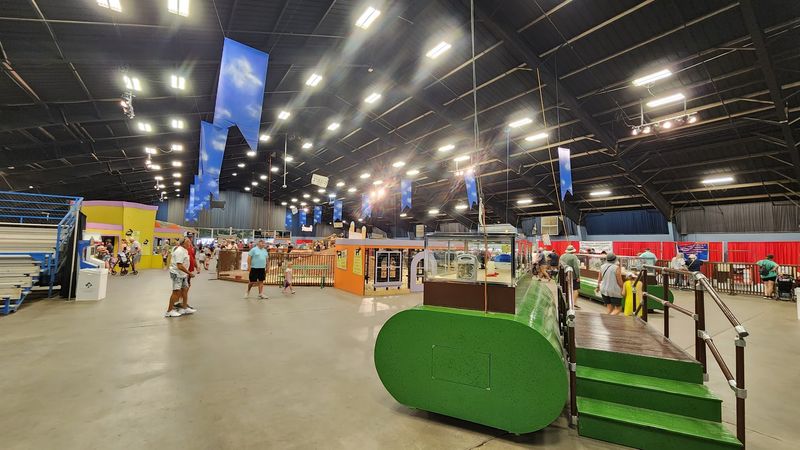
Walking through the vendor buildings at the Oklahoma State Fair feels like browsing a marketplace that has been curated specifically for people who love Oklahoma and want to take a piece of it home. Booths offer everything from handmade crafts and novelty items to locally produced goods that carry the kind of story a chain store shelf never could.
The “everything Oklahoma” section stands out as a particularly popular destination, drawing first-time visitors and longtime regulars alike. A large sign marks the entrance, making it easier to find than some other areas of the fairgrounds.
Visitors describe the variety of vendors as a pleasant surprise, especially those attending for the first time who expected a smaller selection.
Shopping at the fair does require some patience. Booths and aisles can feel crowded during peak hours, and some vendor areas have lost space in recent years as older buildings were removed.
Prices on merchandise tend to run higher than everyday retail, a pattern consistent with fair pricing across the board. Still, for visitors who enjoy browsing and discovering products they would not encounter anywhere else, the vendor halls offer a genuinely enjoyable stretch of the day that feels distinctly different from the food and ride portions of the fairgrounds.
The Atmosphere: What Makes the Fair Feel Like the Fair
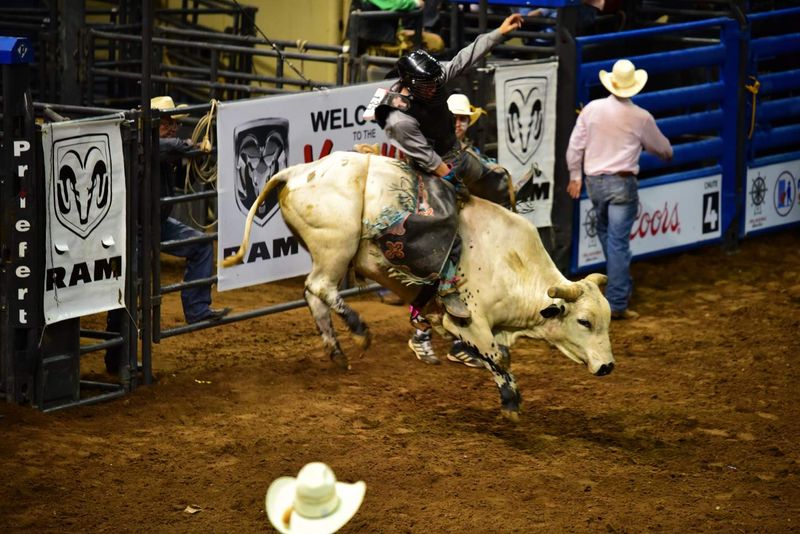
There is a specific kind of energy at the Oklahoma State Fair that resists easy description. It is not quite excitement and not quite nostalgia, but somewhere in the middle where both feelings blur together into something that makes you walk a little slower and look around a little more carefully than you normally would.
Visitors describe the atmosphere as lively, family-friendly, and full of the kind of community spirit that does not show up in everyday life very often. The crowd itself becomes part of the experience, a broad mix of Oklahomans from different towns, different backgrounds, and different reasons for being there, all sharing the same grounds for a few hours.
People-watching at the fair carries its own entertainment value. One longtime attendee noted warmly that the crowd turned out to be a broad selection of taffy-eating, turkey-munching, ride-queuing Oklahomans having a genuinely great time, not the strange scene some people had warned about.
Security presence has increased in recent years, and the grounds are generally described as clean and well-managed. That combination of safety, energy, and shared purpose gives the Oklahoma State Fair an atmosphere that feels specific to this place and this season in a way that is hard to replicate anywhere else.
Special Events and Themed Days: Getting More for Your Visit
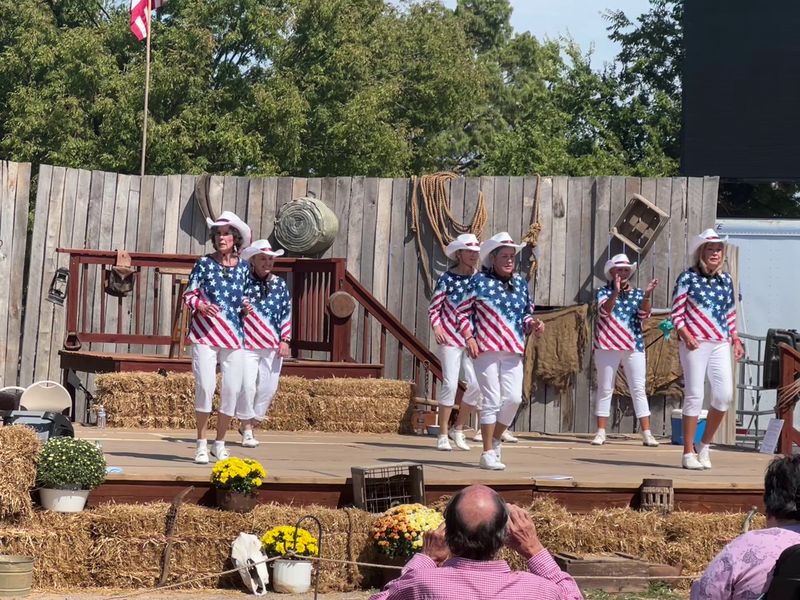
Savvy fairgoers know that the Oklahoma State Fair is not a single uniform experience repeated day after day. Themed days and special events shift the character of each visit, and knowing which days offer the best value can turn a good trip into a great one without spending a dollar more than necessary.
Free senior days have drawn enthusiastic crowds of older visitors who take full advantage of the admission perk, spending their time working through the food lineup and exploring the vendor halls at a comfortable pace. Discount admission days, including past promotions at two dollars per person, have been highlighted by multiple visitors as the ideal way to experience the fair without the financial pressure that full-price entry can create for larger families.
Charity events and community competitions also run throughout the fair’s calendar. A kiss-the-pig contest tied to fundraising has been noted as a fun and well-intentioned event, though visitors hoping to participate or donate should confirm booth hours in advance, as some charity tents operate on limited weekday schedules.
Checking the official website at okstatefair.com for the current year’s themed day lineup before purchasing tickets can make a meaningful difference in how much value and enjoyment a single visit delivers.
Pricing at the Fair: What to Expect and How to Plan
Honesty about fair pricing is something that longtime Oklahoma State Fair visitors appreciate, and the numbers here are worth knowing before you arrive. Admission runs around twelve dollars per person, parking adds another ten dollars, and food costs climb steeply from there.
A large corn dog costs around ten dollars, turkey legs land between fourteen and fifteen, Indian tacos run about twelve, and candy apples fall in the five to six dollar range.
The Ferris wheel costs six dollars per ride, and a jug of root beer runs another six. Those numbers add up quickly, particularly for families with multiple children who each want a ride, a snack, and a souvenir.
Several visitors have pointed out that the fair is far more enjoyable when you budget ahead rather than discovering the costs in real time at the counter.
Looking for value within the experience helps. Concerts included in admission, free entertainment like the pig races, and the animal areas all provide significant enjoyment without additional spending.
Bringing cash and setting a per-person budget before walking through the gate gives families a way to enjoy the full fair atmosphere without the financial stress that can otherwise overshadow an otherwise genuinely fun Oklahoma tradition worth experiencing at least once every season.
Hours and When to Visit: Timing Your Trip Right
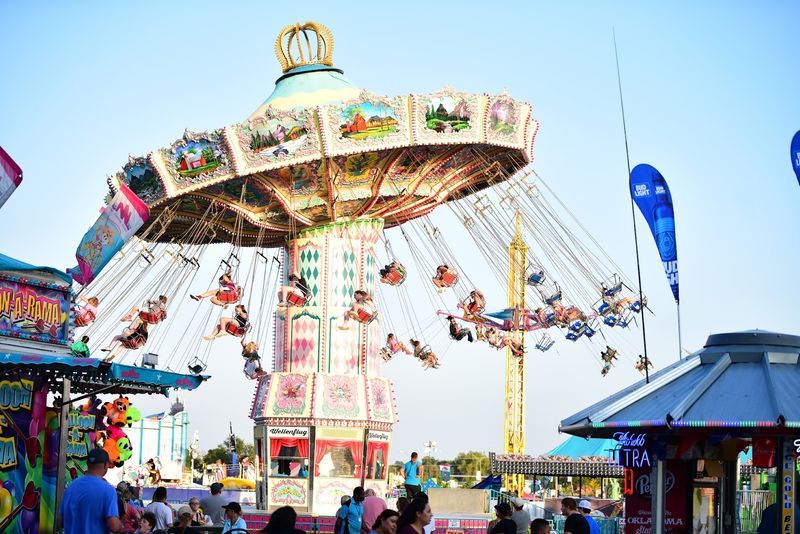
Getting the timing right at the Oklahoma State Fair can be the difference between a relaxed, enjoyable day and a hot, crowded, exhausting one. The fair runs daily with gates opening at 10 AM across all days of the week.
Weekday closing time lands at 9:30 PM, while Fridays and Saturdays stay open until 10:30 PM for those who want the full evening experience under the lights.
Weekday mornings offer the most manageable crowds, cooler temperatures during early September, and shorter lines at the most popular food vendors. Families with flexible schedules who can visit on a Tuesday or Wednesday often find the grounds easier to navigate and the overall pace more comfortable than a packed Saturday afternoon.
Weekend evenings bring a different kind of energy, with the midway lights glowing, concerts running, and the full social atmosphere of the fair in peak form. Those visiting specifically for the entertainment lineup may find Friday or Saturday evenings worth the extra crowds.
Arriving at opening time on any day of the week tends to be the smartest move for first-timers, allowing time to get oriented before the grounds fill up. The fair runs for a limited stretch each fall, so checking the specific dates and schedule at okstatefair.com ensures you do not miss the window entirely.
Getting There and Finding Your Way Around
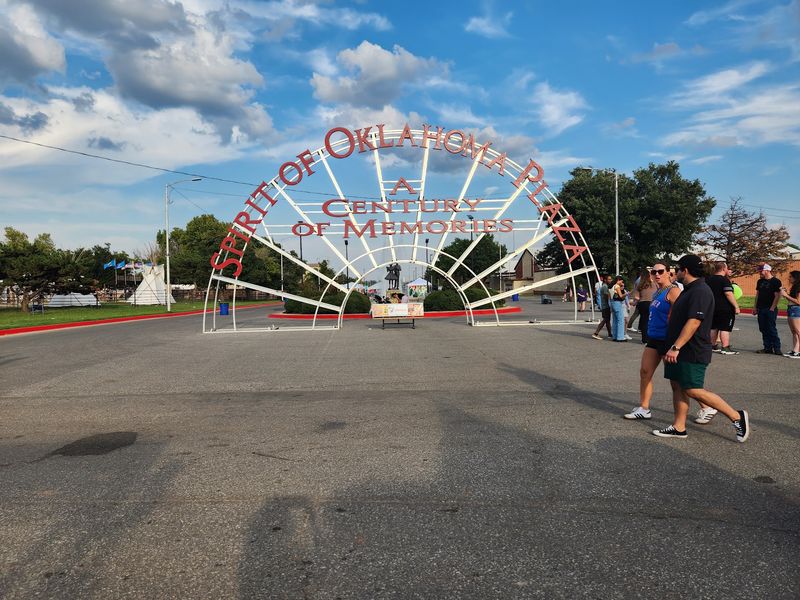
Located at 3001 General Pershing Blvd in Oklahoma City, the Oklahoma State Fair sits in a central part of the city that is accessible from multiple directions. Paid parking on the fairgrounds runs ten dollars, and it fills up quickly on weekends, particularly during afternoon peak hours.
Arriving early or planning an alternative route in is worth the effort when the lot is at capacity.
The fairgrounds themselves cover a large area, and navigating between buildings, ride zones, and outdoor vendor areas can feel disorienting without a map in hand. Picking one up at the entrance gate is a practical first step, especially for visitors who have never attended before.
Signage inside the grounds varies in quality, with some areas well-marked and others harder to find, particularly when multiple events are running simultaneously in different buildings.
Comfortable shoes are not optional here. A full day at the fair involves significant walking across mixed surfaces, including paved paths, gravel areas, and packed dirt near the animal barns.
Dressing in layers helps manage the Oklahoma fall temperature swings between afternoon heat and cooler evening air. The official website at okstatefair.com and the phone number 405-948-6700 are both useful resources for confirming parking options, event schedules, and any accessibility accommodations needed before your visit.
Who the Fair Is Really For: A Place That Fits Almost Everyone
One of the most striking things about the Oklahoma State Fair is how genuinely wide its appeal runs. Young children find wonder in the petting zoo and the gentler rides.
Teenagers gravitate toward the midway and the competitive games. Adults spend time in the vendor buildings, at the concerts, and working through the food lineup with the focused dedication of people who have been planning this meal since last October.
Older visitors have their own rhythms at the fair, taking advantage of senior discount days and focusing on the exhibitions, the arts and crafts competitions, and the quieter corners of the grounds that offer a chance to sit, people-watch, and soak in the atmosphere without fighting the biggest crowds. The fair genuinely tries to accommodate mobility needs, though some visitors have noted that certain policies around assistive devices have created frustration for those who rely on them to get around comfortably.
At its core, the Oklahoma State Fair works because it does not ask everyone to want the same thing. You can spend the whole day chasing fried food and never touch a ride.
You can skip the food entirely and fill your time with glass blowing demonstrations and livestock shows. That flexibility, more than any single attraction, is probably the real reason thousands of Oklahomans keep coming back year after year.
Share this story