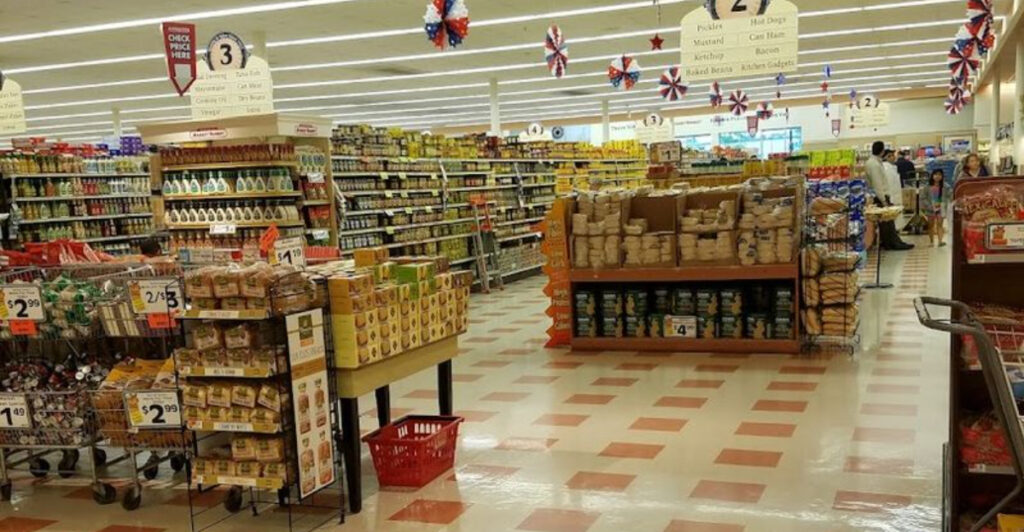
There is a grocery store in Chelsea, Massachusetts, that people drive 45 minutes to reach, not because it is the only option nearby, but because it is genuinely worth the trip. At 138,000 square feet, this location is a category of its own, a full-scale shopping destination that has built a loyal following across Greater Boston.
The store sits at the heart of a working-class city with deep roots and a diverse community, and it has become a kind of anchor for the neighborhood. This is the story of how one supermarket became a flagship, why shoppers keep coming back, and what makes this particular location stand apart from every other grocery store in the region.
The Family Behind the Name: A Brief History of Market Basket
Market Basket did not start as a corporate giant. The chain traces its origins back to 1917, when Greek immigrants Arthur and Efrosini Demoulas opened a small grocery store in Lowell, Massachusetts.
Over the following decades, the family business grew steadily, eventually expanding into a regional supermarket chain with dozens of locations across Massachusetts, New Hampshire, and Maine. The company remained family-owned throughout its growth, which is a rare distinction in an industry dominated by national conglomerates.
The Demoulas family name became closely tied to the brand, even through a famously complicated internal dispute that played out publicly in the 1990s and again in 2014. That 2014 conflict saw employees and shoppers rally in support of CEO Arthur T.
Demoulas in a way that few corporate stories have ever produced.
The Chelsea location stands as one of the most prominent expressions of what that family-built legacy looks like at full scale, decades after that first small shop in Lowell opened its doors.
Why 138,000 Square Feet Actually Matters to Shoppers
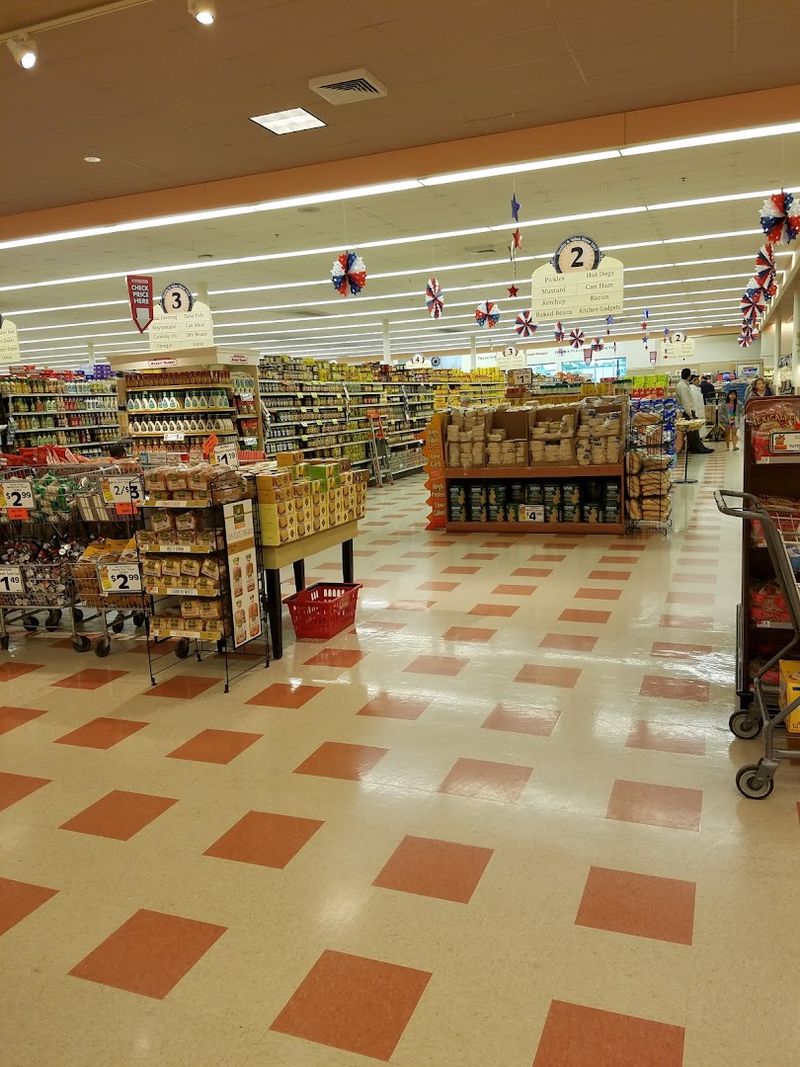
Size is not just a bragging point at this location. The 138,000 square feet translates directly into things shoppers notice on every visit, starting with the aisle width.
Grocery stores are often cramped by design, pushing shoppers close together and making navigation with a full cart a constant negotiation. At this Market Basket, the aisles are genuinely wide, which changes the whole experience of moving through the store.
Families with strollers, shoppers with large carts, and people who simply want to browse without feeling rushed all benefit from that extra space.
The sheer square footage also allows for a product variety that smaller stores cannot match. Multiple brands and sizes of the same item sit side by side, giving shoppers real choices rather than a single option per category.
For a city like Chelsea, where many households are large and multi-generational, having that kind of selection under one roof is not a convenience, it is a practical necessity that this store delivers consistently.
The Produce Section: Fresh, Varied, and Globally Stocked
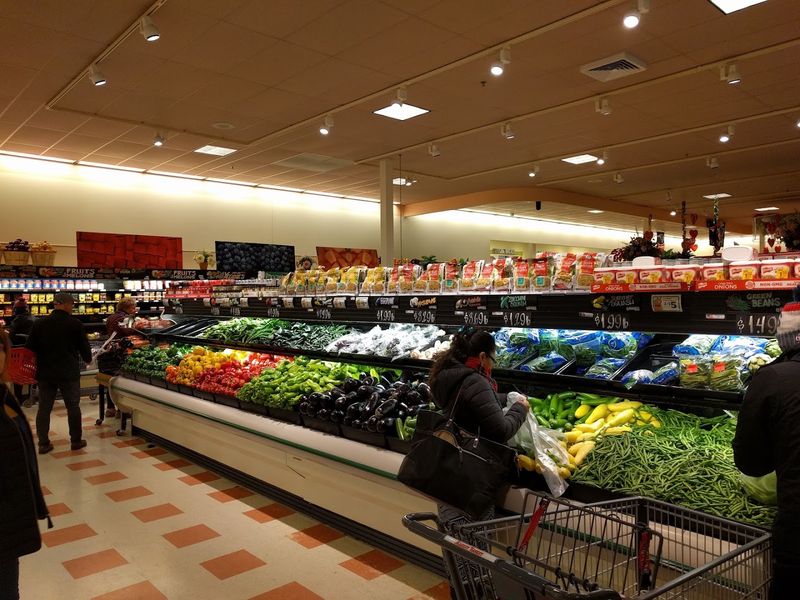
Chelsea has one of the most ethnically diverse populations in Massachusetts, with large communities from Central America, Southeast Asia, East Africa, and beyond. The produce section at this Market Basket reflects that reality in a direct and practical way.
The selection goes well beyond the standard American grocery store offering. Shoppers find produce tied to specific regional cuisines that would be difficult to locate at a typical Stop and Shop or Shaw’s.
That variety is not accidental; it is a deliberate response to who actually shops here and what they need to cook the meals their families grew up eating.
The produce arrives fresh and is restocked regularly throughout the day. The section is organized and clean, with items clearly labeled and grouped in a way that makes navigation straightforward.
For shoppers who have driven across state lines or spent years searching for specific ingredients, finding them here at competitive prices is the kind of discovery that turns a first visit into a standing weekly commitment.
Seafood Selection That Reflects Its Boston Roots
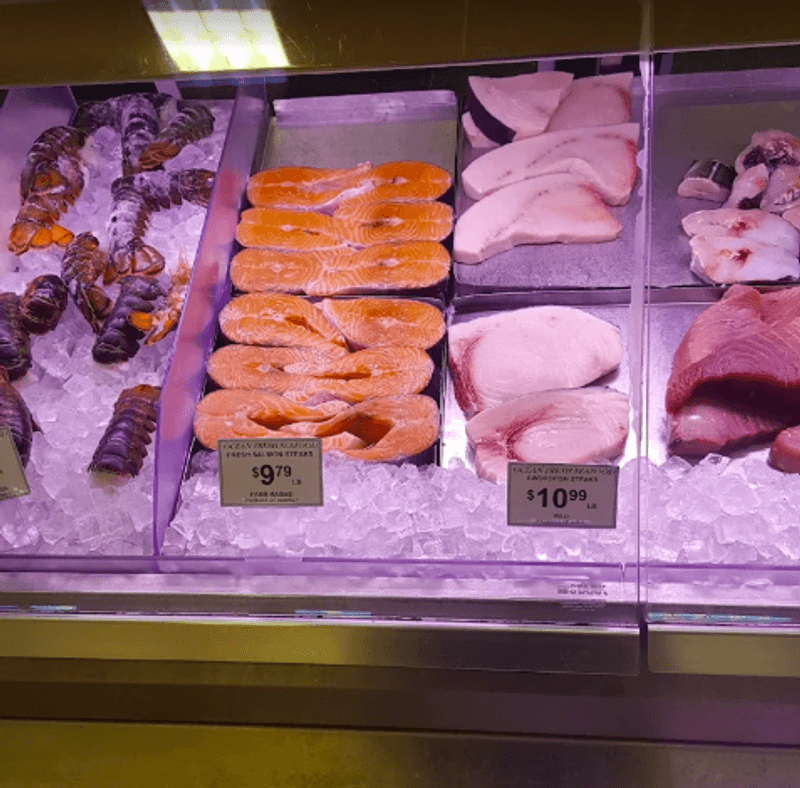
Boston has a long relationship with the sea, and the seafood department at this Market Basket location leans into that history without apology. The selection is extensive by any standard, and for shoppers coming from outside the region, it can be genuinely surprising.
Whole fish, shellfish, prepared options, and a rotating selection tied to seasonal availability fill the counter. The variety rivals what many dedicated fish markets offer, but with the convenience of being part of a full grocery run rather than a separate stop.
New England seafood culture runs deep, and this store serves a community that takes its fish seriously. Whether the goal is a simple weeknight dinner or a larger weekend meal, the seafood counter provides enough range to cover both without compromise.
For shoppers visiting from inland states, the seafood department alone can be a revelation. One out-of-town shopper noted that the sheer variety was unlike anything available back home, a reaction that says something real about what this store carries and why Boston-area residents take it for granted.
Prices That Keep Shoppers Coming Back Week After Week
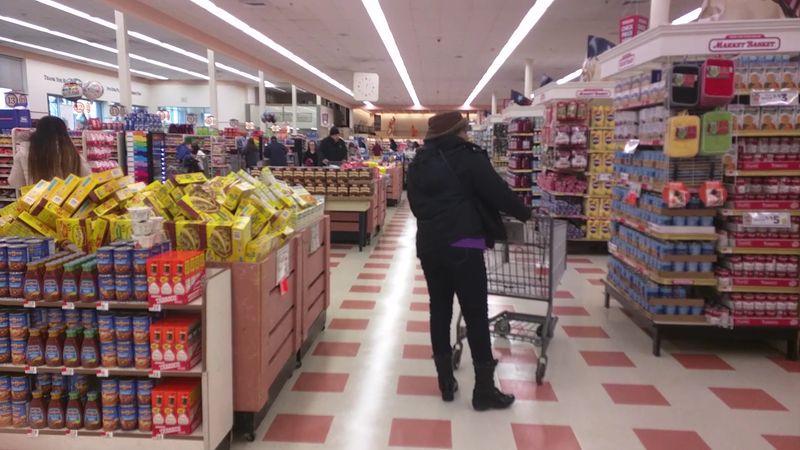
Market Basket built its reputation on one thing more than any other: keeping prices low without sacrificing product quality. At the Chelsea location, that reputation holds up on every regular visit.
Shoppers consistently report that their money goes further here than at comparable stores in the area. For families managing tight household budgets, that difference is not abstract; it shows up in how much food comes home at the end of a shopping trip.
The chain has historically resisted the kind of aggressive pricing games that other supermarkets use, such as inflated regular prices offset by loyalty card discounts. At Market Basket, the shelf price is generally just the price, which makes budgeting more predictable and honest.
That straightforward approach to value is a big part of why this Chelsea location draws shoppers from well outside the immediate neighborhood. People drive significant distances, sometimes 30 to 45 minutes each way, specifically because the savings over time make that trip financially worthwhile compared to shopping closer to home.
The Deli Counter and In-Store Kitchen
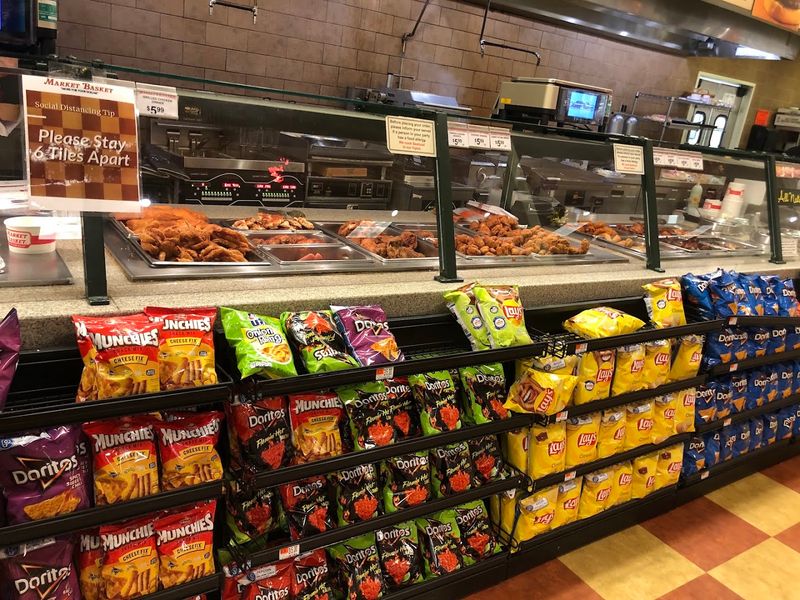
Beyond the standard grocery aisles, this location includes a deli counter and an in-store kitchen that extends what shoppers can pick up during a single visit. The deli offers sliced meats, cheeses, and prepared items that fill the gap between raw ingredients and ready-to-eat convenience.
The in-store kitchen adds another layer, providing hot prepared options for shoppers who want something ready to bring home without the effort of cooking from scratch. It is the kind of addition that makes a grocery store function more like a full food destination.
There is also a seating area inside the store where families can sit down, eat, and take a break from shopping. That detail is easy to overlook, but for parents with young children or anyone doing a long shopping trip, having a place to sit and eat inside the store is a genuinely useful feature.
The kitchen has drawn mixed reactions over time, with the quality of the experience depending heavily on which staff members are working a given shift, a variability that is worth keeping in mind before making it a regular stop.
Navigating the Layout: Wide Aisles, Confusing Corners
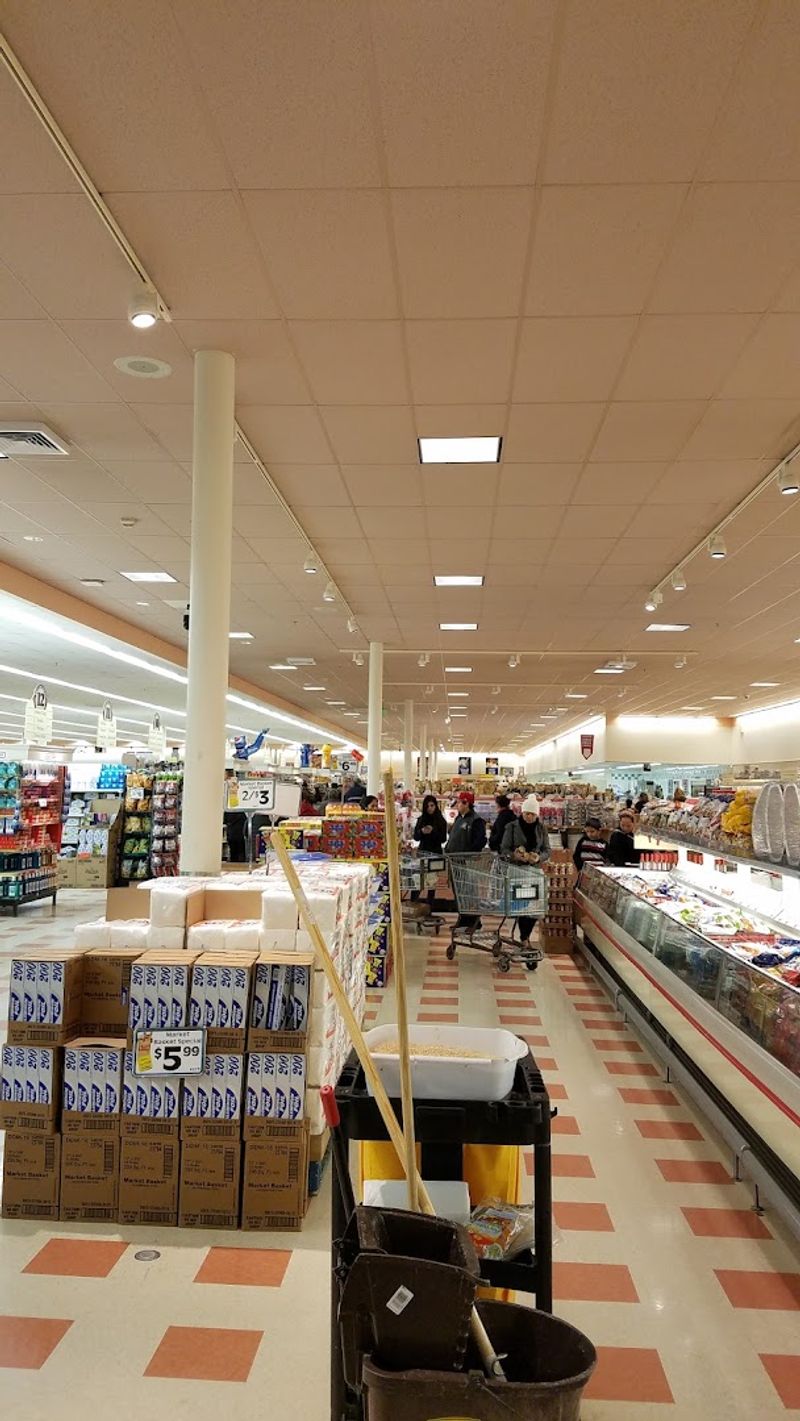
The Chelsea Market Basket is big enough that first-time shoppers sometimes need more than one visit to feel fully oriented. The layout has its own logic, but it does not always match the intuitive expectations that experienced grocery shoppers bring through the door.
Paper products, for example, are spread across more than one aisle rather than grouped together in a single location. Chips and tortilla chips are not always in the same section.
These small quirks add up, and some regular shoppers report spending more time looping back through the store than they do at smaller, more tightly organized locations.
That said, the wide aisles make the navigation experience far less frustrating than it would be in a cramped store. There is room to stop, recheck a list, and turn a cart around without disrupting everyone nearby.
The store also has clear signage and staff members in identifiable jackets throughout the floor, which helps when a question needs a quick answer from someone who actually knows where things are.
Crowds, Timing, and the Art of Shopping Smart Here
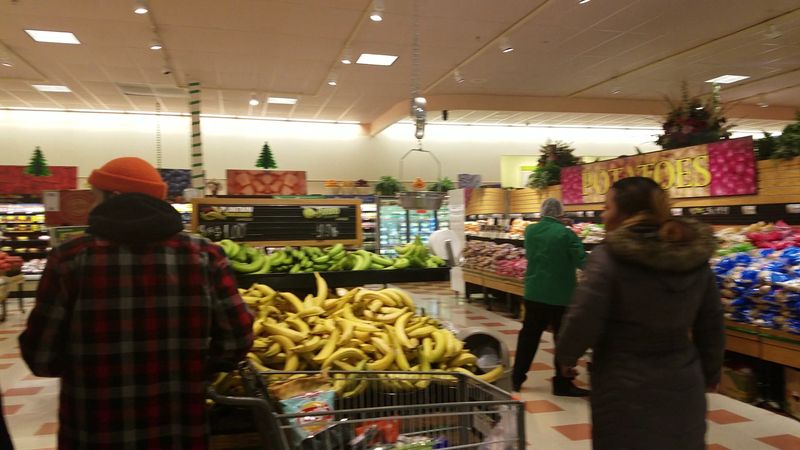
This store is busy. That is not a complaint so much as a fact of life at a location that draws shoppers from across Greater Boston and beyond.
On weekend afternoons and weekday evenings, the parking lot fills up and the aisles get thick with carts.
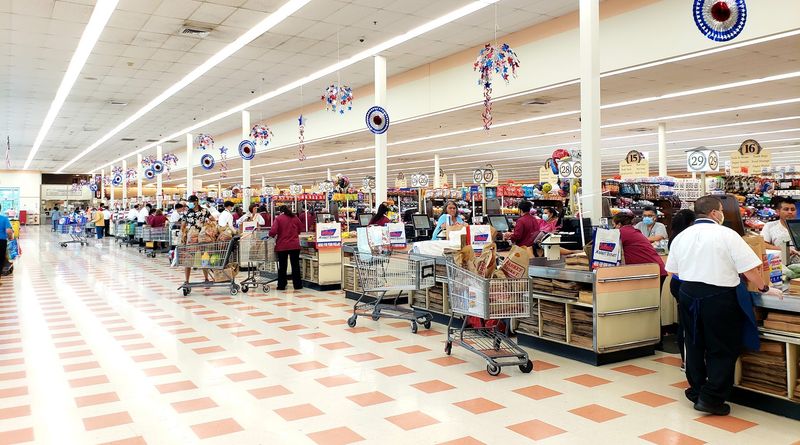
The crowds reflect genuine popularity rather than a lack of alternatives, and the store handles the volume reasonably well. All checkout lanes tend to open during peak hours, and the lines, while sometimes long, move at a pace that keeps total wait times manageable.
For shoppers who want a calmer experience, early morning visits are the clear answer. The store opens at 7 AM, and the first hour or two offer a noticeably different atmosphere, open aisles, shorter lines, and a more relaxed pace that makes the whole trip faster and easier.
Late evenings, in the hour before closing, also tend to be quieter. Knowing when to go is half the strategy for getting the most out of what this massive store has to offer.
A Destination for New England’s Diverse Communities
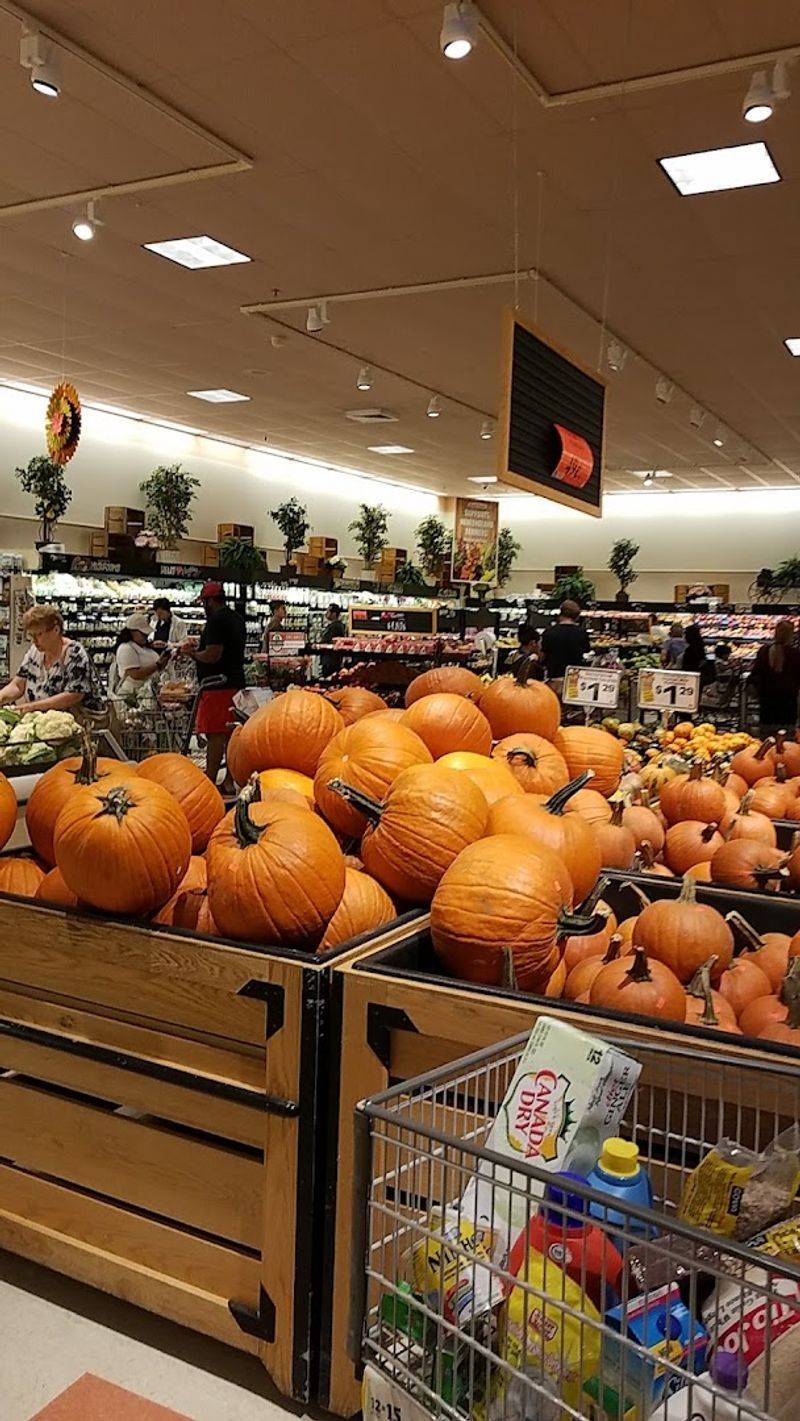
Chelsea has long been one of the most diverse cities in Massachusetts, and the Market Basket on Everett Avenue serves that community in a way that goes beyond simply being the closest large store. The product selection reflects the actual cooking traditions of the people who shop there.
Shoppers from Latin American, Caribbean, Southeast Asian, and East African backgrounds find ingredients here that are difficult to source elsewhere in the region without making multiple stops at specialty stores. That kind of one-stop accessibility is a genuine time and cost saver for households with complex culinary needs.
The store also draws shoppers from neighboring cities like Revere, Everett, and East Boston, extending its reach well beyond Chelsea itself. Some shoppers travel from as far as Kansas City, according to at least one account, and leave genuinely surprised by the regional variety on offer.
For a store rooted in a small immigrant-founded family business, serving an immigrant-rooted community feels less like a coincidence and more like a natural continuation of where it all started.
What Keeps People Driving Back: The Market Basket Loyalty Factor
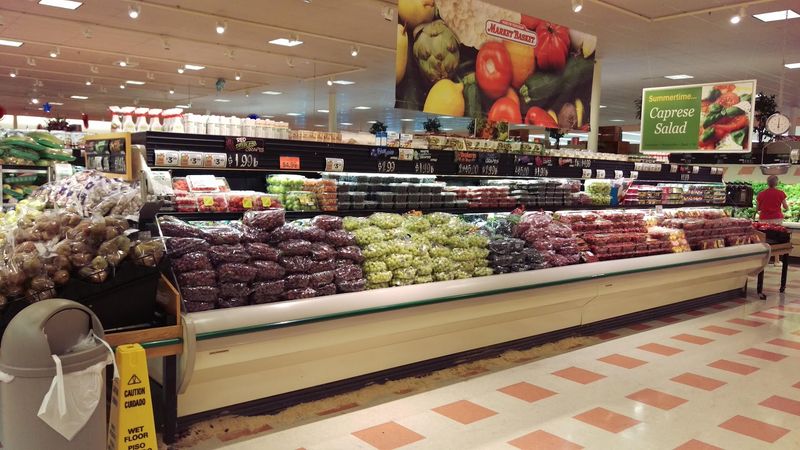
There are plenty of grocery stores in Greater Boston, from budget chains to upscale organic markets. Market Basket in Chelsea competes against all of them and wins a loyal customer base not through flashy marketing but through consistent delivery on the basics: price, variety, and reliability.
Shoppers who drive 30 to 45 minutes each way to reach this location are making a deliberate economic choice. The savings on a full weekly shop can be significant enough to justify the travel time, especially for larger households buying in volume.
The loyalty extends beyond pure economics, though. There is something about the scale and the selection of this particular store that creates a shopping experience people genuinely look forward to, even when the crowds make it challenging.
At its core, the Chelsea flagship represents what Market Basket has always promised: a family-owned store that treats its shoppers as neighbors rather than transactions, and delivers on that promise at a size that few supermarkets anywhere in New England can match.
Where the Flagship Stands: Address, Size, and First Impressions
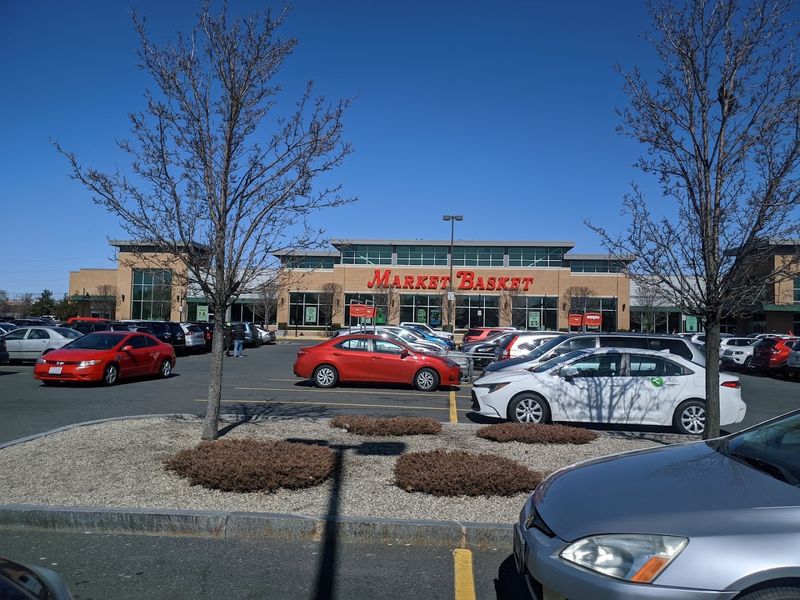
At 170 Everett Ave, Chelsea, MA 02150, this Market Basket location makes an immediate statement just by existing. The building stretches across 138,000 square feet, which puts it among the largest supermarkets in the entire New England region.
Chelsea is a small but densely populated city just north of Boston, bordered by Revere, Everett, and East Boston. It is an area with a rich immigrant history and a community that takes grocery shopping seriously, because feeding a family well on a careful budget is not a luxury concern here, it is a daily reality.
The store opens at 7 AM every day of the week, closing at 9 PM Monday through Saturday and at 8 PM on Sundays. That schedule gives early risers a quiet window before the crowds arrive, and the parking lot is large enough to handle the volume this location consistently draws throughout the day.
Share this story