Some Oregon roads feel friendly at noon and completely different once the sun slips behind the hills. You pull over for a quick look, the quiet settles in, and suddenly every stretch of pavement seems to have a secret.
Locals know these routes well, and many of them would rather finish their drives before dark. If you love finding the places tourists skip, these lonely roads are calling your name, as long as you go in daylight.
1. Oregon Outback Scenic Byway, Oregon, La Pine
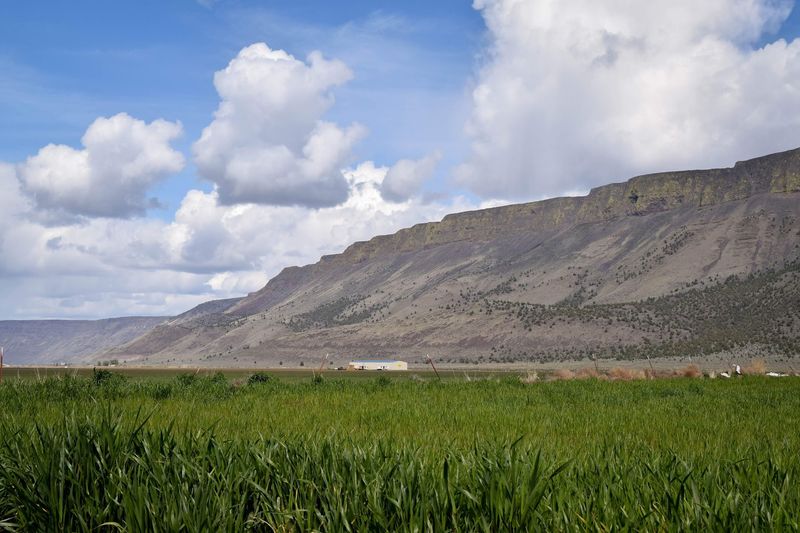
Picture a ribbon of asphalt that just keeps going, with nothing but sagebrush and sky on either side. The Oregon Outback Scenic Byway follows Oregon Route 31 out of La Pine and into the high desert, where towns grow few and far between.
Daytime here feels wide open and almost peaceful. Once dusk arrives, though, the emptiness takes on a new personality.
Headlights become the only light for miles, and the silence can feel enormous. Locals swap tales of strange lights over the dry lake beds and shapes that seem to drift at the edge of the high beams.
The road stays open around the clock, so there is no gate keeping anyone out. Common sense does the job instead.
Fill your tank in La Pine, pack snacks, and plan your outback wandering for spring wildflower season, when long days give you plenty of sunshine to enjoy the solitude without the shivers.
2. Hells Canyon Scenic Byway, Oregon, Oxbow
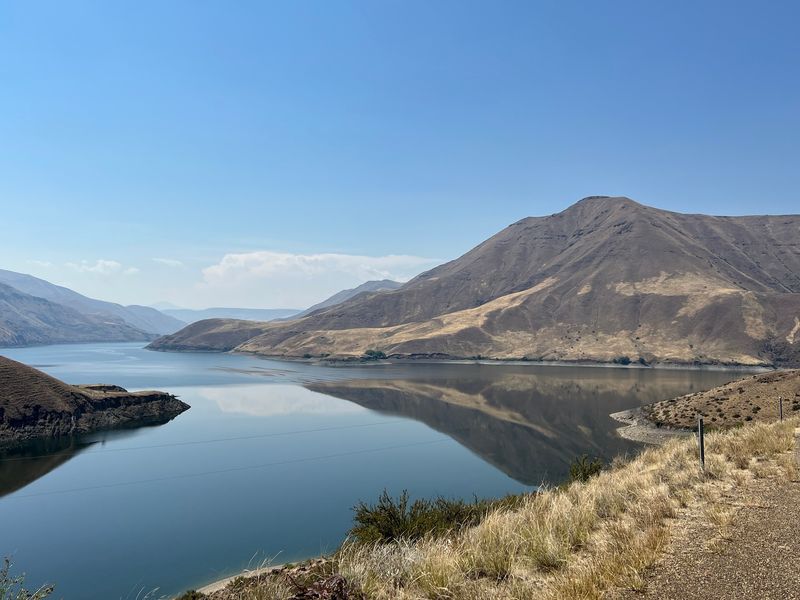
With a name like Hells Canyon, nobody expects a gentle Sunday drive. Near the tiny community of Oxbow in far eastern Oregon, the byway hugs the river through North America’s deepest river gorge, and the scenery is jaw-dropping.
Parts of the route turn to dirt as they trace the water, which only adds to the wild, remote mood. Canyon walls rise so steeply that sunset arrives early down below.
Shadows creep across the road long before the sky above goes dark, and that sudden gloom is exactly why many locals head home by late afternoon.
Kids tend to love the drama of the cliffs and the river views, making it a fun family adventure in daylight. Just know there is no restaurant along the way, so bring a cooler packed with lunch.
Fall is a sweet spot, when the canyon glows gold and the summer crowds have thinned.
3. Aufderheide Scenic Byway, Oregon, Blue River
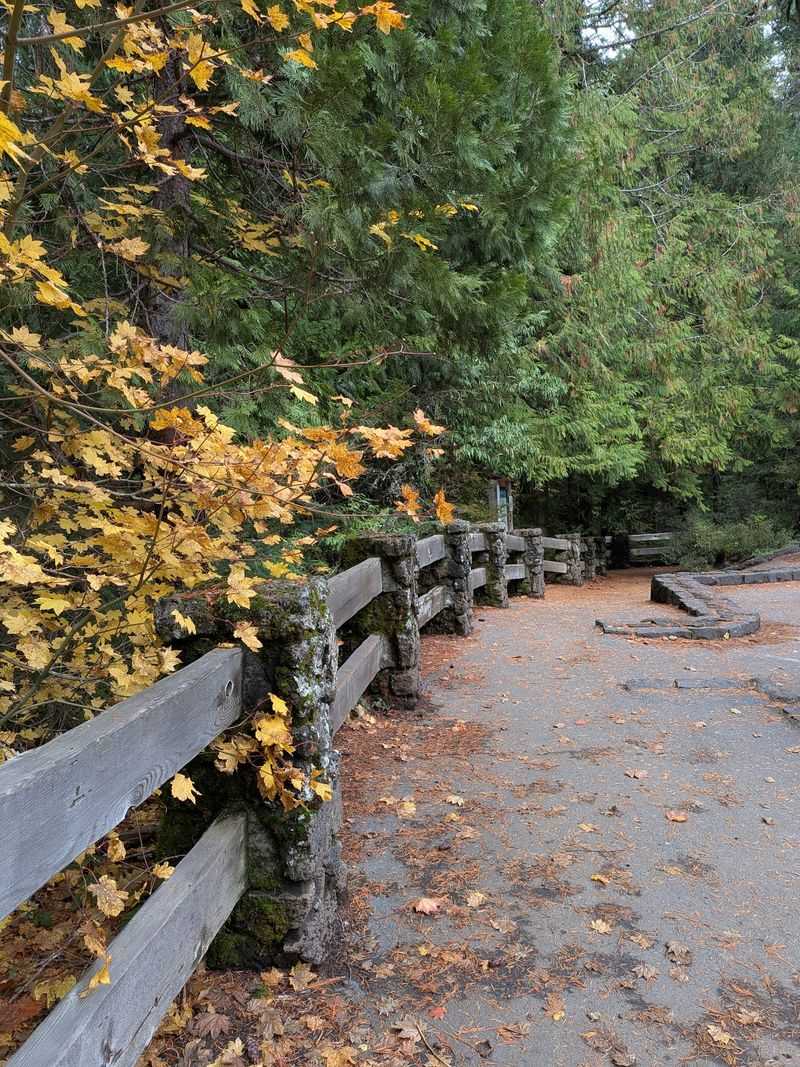
Old-growth trees can make you feel very small, and on the Aufderheide they press right up to the pavement. Starting near Blue River and Cougar Dam, this fully paved backroad slices through the deep Oregon woods of the Willamette National Forest.
Moss drips from branches, ferns crowd the shoulders, and cell service fades fast. During the day, it feels like a storybook forest.
After dark, that same thick canopy swallows every scrap of moonlight. Locals joke that the trees whisper, and with the wind moving through the firs, it is easy to believe them.
The winding curves demand slow, careful driving even in good light. Many stretches close in winter when snow piles up, so late spring through early fall is prime time.
Go early, roll the windows down, and soak up that cool, earthy forest air while the sun still filters through the branches.
4. Cascade Lakes National Scenic Byway, Oregon, Bend
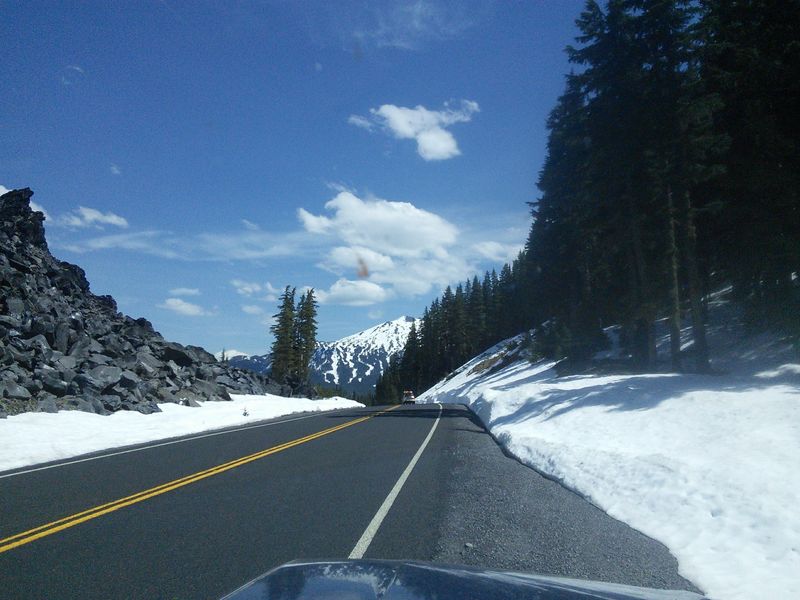
Sixty-six miles of mountain road, a string of sparkling lakes, and volcanic peaks watching from above. Known to many as Forest Route 46, the Cascade Lakes National Scenic Byway loops west of Bend through some of the prettiest country in central Oregon.
Summer afternoons bring paddlers and picnickers to the shorelines. Evening tells a different story.
The lakes turn glassy and black, temperatures drop quickly at this elevation, and the road feels suddenly deserted. Campfire stories here often feature mysterious splashes on still water and figures spotted near empty campgrounds.
Here’s a handy tip: much of the high section closes in winter, so plan visits between late spring and fall. September is a local favorite, when the crowds disappear and the aspens start turning.
Bring layers, a camera, and enough daylight to reach your last lake before the stars come out.
5. Columbia River Highway Scenic Highway, Oregon, Cascade Locks
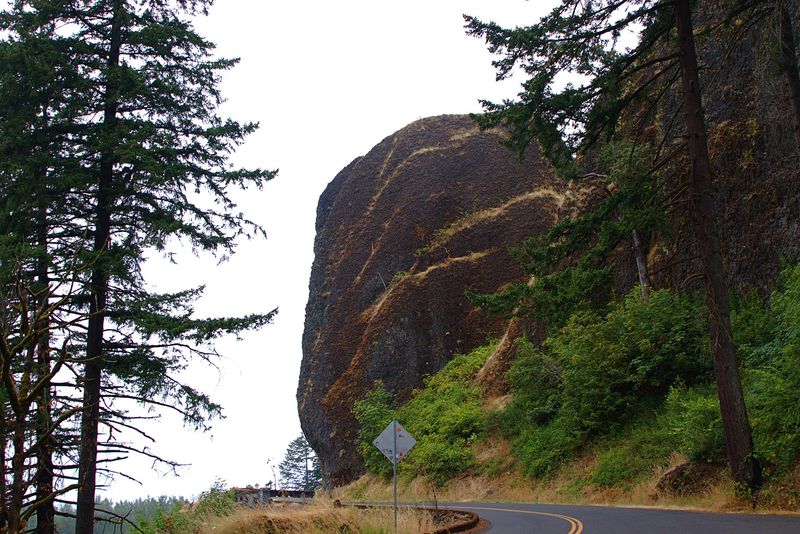
Waterfalls tumble from cliffs, a historic vista house perches above the gorge, and stone guardrails curve like something from an old postcard. The Columbia River Highway near Cascade Locks is one of Oregon’s most beloved drives, and daytime crowds prove it.
So why would locals avoid it after sunset? Fog rolls up from the river, mist hangs around the falls, and the old highway grows eerily hushed.
Gorge legends tell of wandering lights near the trails and voices that seem to echo off the basalt walls.
There is also a practical reason. Trailhead lots can see car break-ins, especially when parking areas empty out, so never leave valuables in sight.
For the best experience, visit on a weekday morning in early spring, when the waterfalls roar with snowmelt and you might have a viewpoint all to yourself.
6. McKenzie Pass, Oregon, Sisters
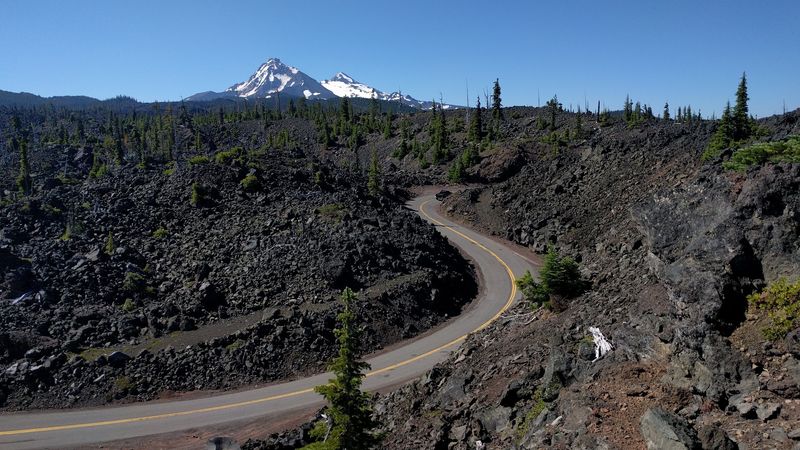
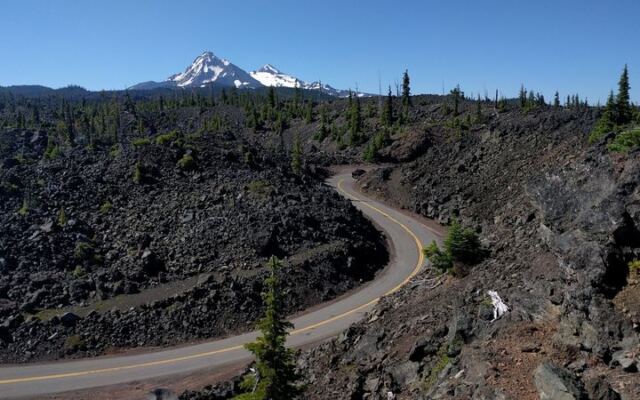
Ever wondered what driving on the moon might feel like? McKenzie Pass comes close.
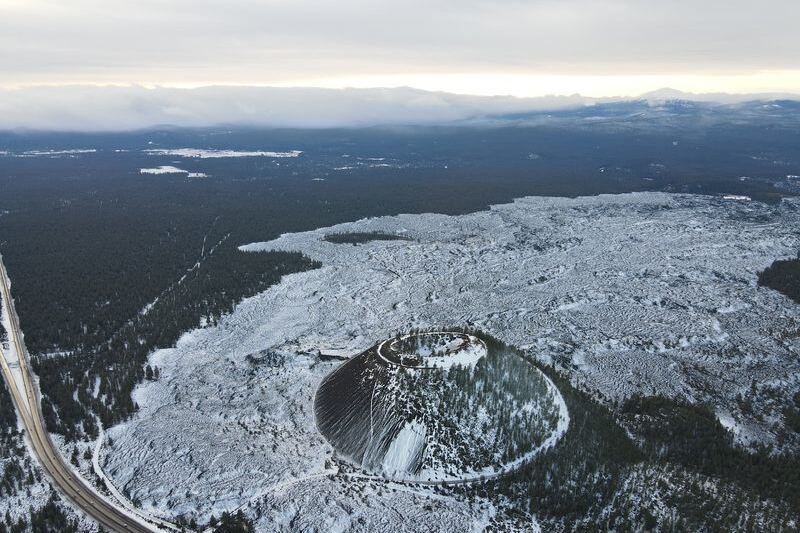
This mountain road climbs through a barren lava field, ending at a small rock observatory perched at 5,325 feet.
Jagged black rock stretches in every direction, with snowy Cascade peaks rising beyond. NASA astronauts reportedly trained in central Oregon lava country, which tells you how otherworldly the landscape is.
Once the light fades, the lava turns into a sea of shadows, and the narrow, twisting road becomes genuinely tricky to follow.
Locals speak of an uneasy stillness up top at night, with no trees to soften the wind. The highway usually closes to cars through winter and reopens in early summer.
Arrive mid-morning, climb the stone observatory, and use its little windows to pick out the surrounding peaks. Then coast back down toward the forest well before twilight sneaks in.
7. Rim Drive, Oregon, Crater Lake
Blue does not even begin to describe it. Rim Drive is a historic 33-mile loop that circles Crater Lake, the deepest lake in the United States, offering view after view of that impossibly colored water.
The Klamath people tell ancient stories of a battle between spirits of the sky and underworld that shaped this caldera. Stand at an overlook as dusk settles, and those legends feel surprisingly close.
The lake darkens to ink, the wind picks up along the rim, and the steep drop-offs beside the road become hard to see.
Snow buries most of the loop for much of the year, so the full drive usually opens only in summer. Early mornings are magical, with calm water reflecting Wizard Island like a mirror.
Take your time, stop often, and wrap up your loop while the sky still glows.
8. Steens Mountain Loop, Oregon, Frenchglen
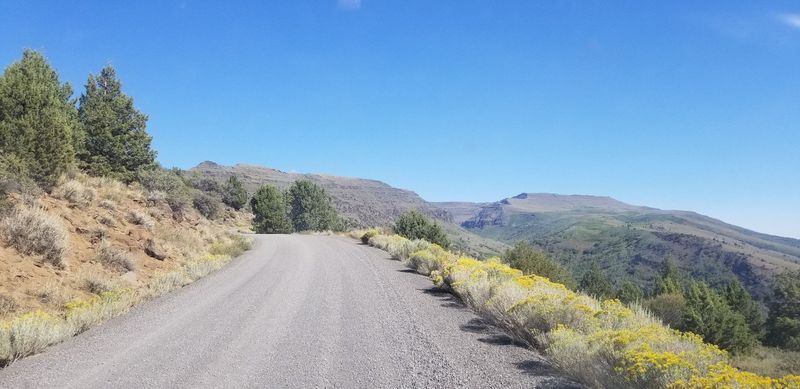
Remote barely covers it. Out in rural Harney County, the Steens Mountain Loop climbs from sagebrush flats toward one of the highest roads in Oregon, passing gorges carved by ancient glaciers.
You might go hours without seeing another car. That quiet is the whole appeal in daylight, when wild horses roam and the views stretch into Nevada.
Night changes things fast. With no towns close by and almost zero light pollution, darkness here feels total, and ranchers share stories of odd sounds echoing down the gorges.
Much of the route is gravel and rough in spots, so a sturdy vehicle helps. The upper loop typically opens only in summer and early fall after snow melts.
Start near the little town of Frenchglen, pack extra water and a spare tire, and give yourself a full day. Watching stars from a campground is fine.
Driving under them is another story.
9. Scappoose Vernonia Highway, Oregon, Scappoose
Just an hour from Portland, you would think this road would feel busy. Instead, the Scappoose Vernonia Highway winds through quiet timber country in Columbia County, linking two small towns with miles of trees and not much else.
That nearness to the city is part of what makes it unsettling. One minute you are close to civilization, and the next you are deep in thick forest with fog drifting across the lanes.
Local teens have long traded campfire tales about a misty figure on the shoulder and cars that seem to follow at a distance before vanishing.
Fall brings the spookiest atmosphere, with low clouds tangled in the firs. Daytime drivers get lovely green scenery and a chance to explore Vernonia’s lakeside park and logging history.
Head out after breakfast, enjoy the curves, and leave the late-night version to the storytellers.
10. Rogue-Umpqua Scenic Byway, Oregon, Roseburg
Rivers have a way of carrying stories, and two of them shape this route. The Rogue-Umpqua Scenic Byway travels through southwestern Oregon, tracing the North Umpqua and upper Rogue rivers between Roseburg and the Crater Lake region.
Daylight reveals rushing green water, hidden waterfalls, and forests so tall they block the horizon. The trouble starts when the sun drops.
Canyons close in, the river noise drowns out everything else, and long gaps between towns leave you feeling very alone. Bigfoot sightings get mentioned around here more than you might expect, and nobody seems eager to test those tales at midnight.
Autumn is spectacular, when maples blaze along the riverbanks and summer traffic fades away. Plan stops at waterfall trailheads, bring a picnic, and fuel up before heading deep into the canyon.
Then aim to reach your cozy cabin or campsite while the light still lingers on the water.
Share this story