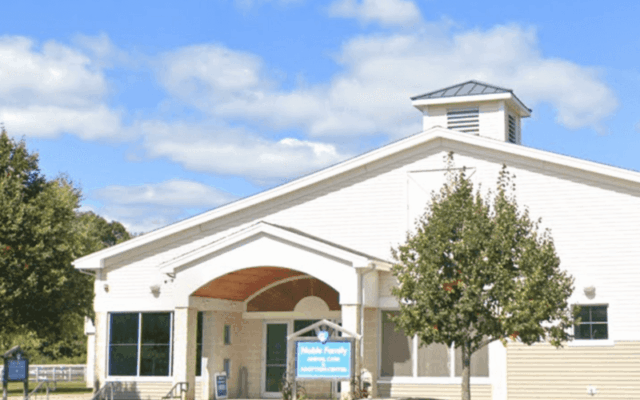
Most people drive past a quiet barn on a back road in Massachusetts and never guess that a rescued pig, a retired horse, or a flock of chickens might be living their best life behind the fence. These farm sanctuaries give animals a safe place to stay after rough starts, and many of them welcome visitors, volunteers, and curious families.
Some are big operations with guided tours, while others are small, homey spots run by a handful of devoted caretakers. Ready to meet a few new barnyard friends close to home?
Here are ten places across the state where rescued animals get a second chance.
1. Unity Farm Sanctuary, Sherborn, MA
Plan ahead for this one, because drop-in visits are not part of the routine here. Guests register in advance for guided tours, which keeps the experience calm for both people and animals.
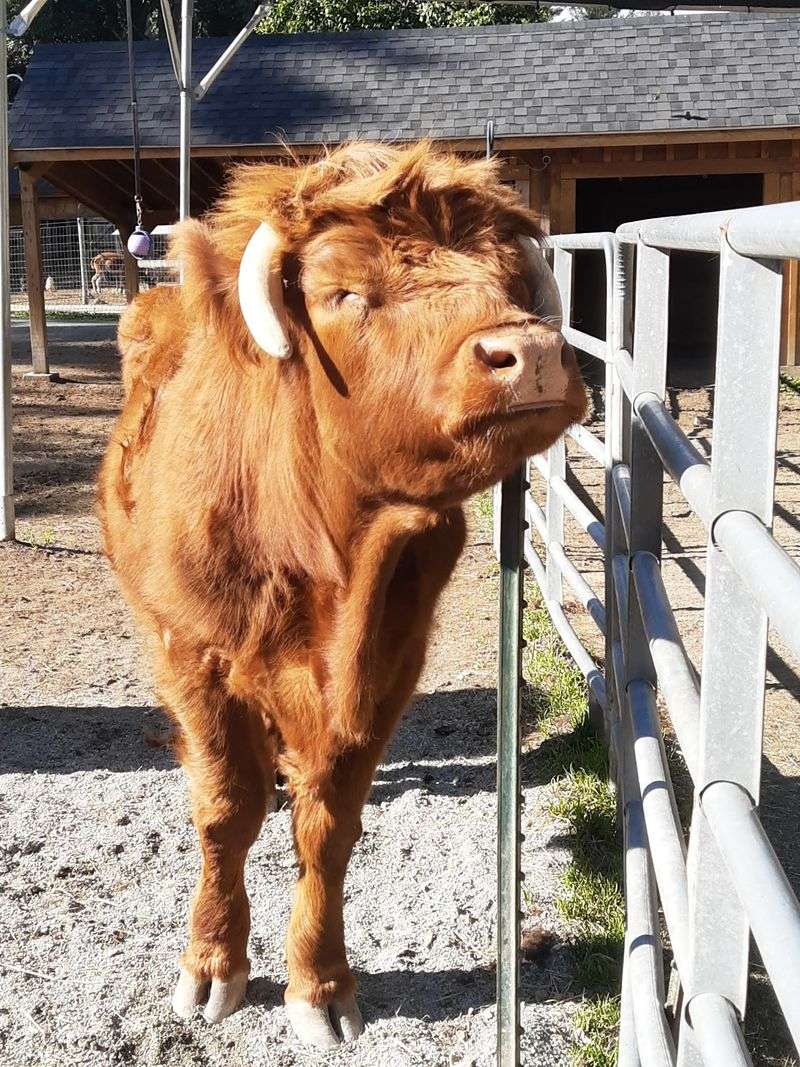
The sanctuary describes its mission as providing a safe and loving lifelong home for rescued farm animals. That promise covers a surprisingly long roster, including alpacas, llamas, horses, ponies, donkeys, cows, sheep, goats, pigs, and plenty of feathered residents.
Tours often include a chance to meet and feed the animals, which makes it a favorite for families looking for a hands-on outing. The volunteer team is a big part of the experience, and the sanctuary openly invites community members to pitch in.
Practical perks help too. There is a free on-site parking lot, a gender-neutral restroom, and a welcoming, LGBTQ+ friendly atmosphere.
I would save this stop for a weekend morning in Sherborn when you want a meaningful outing without a long drive.
2. Winslow Farm Animal Sanctuary, Norton, MA
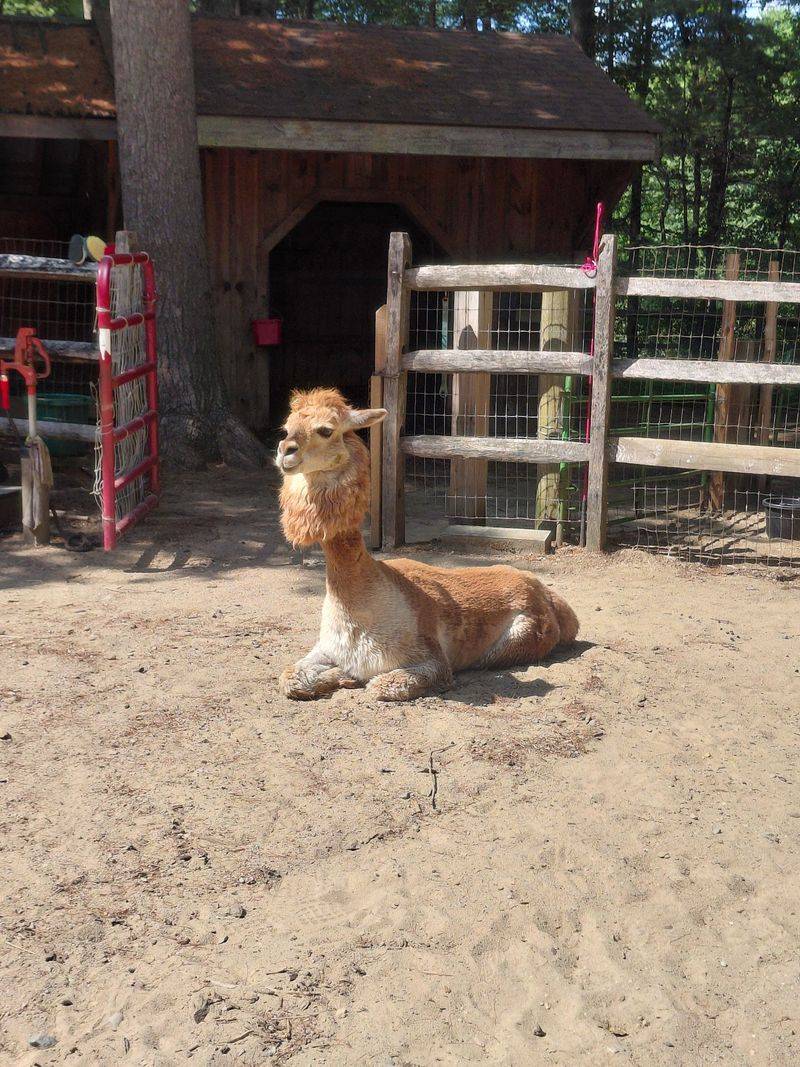
Bring cash. Admission at Winslow Farm is $20, cash only, and the money goes straight toward feeding and sheltering the rescued residents.
Visiting windows are short, so timing matters. The sanctuary opens Friday and Saturday from noon to 3 PM and stays closed the rest of the week, which makes it a nice fit for an easy end-of-week plan in Norton.
Farm animals are only part of the story here. Cats and other rescued creatures also call the property home, giving the place a wider mix than a typical barnyard.
Families get a bonus, too, since there is a playground on site for kids who need a break between animal visits. The volunteers are known for being knowledgeable and friendly, and they share real insight into the daily lives of the goats and sheep.
It is the kind of outing where you leave knowing a little more about the animals than when you arrived.
3. Berkshire Farm Sanctuary, Hinsdale, MA
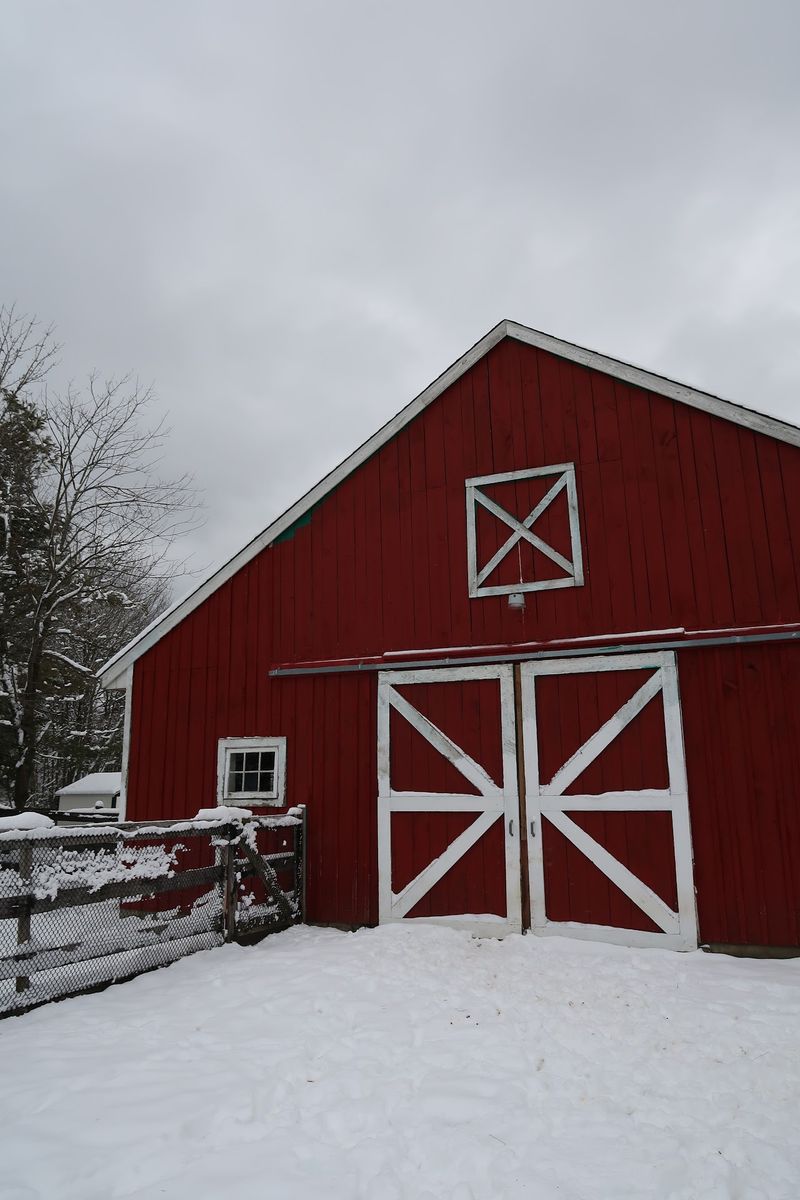
Out in the Berkshire hills, where fall foliage drives pull people west every October, Hinsdale offers a quieter reason to slow down. Berkshire Farm Sanctuary sits on West Main Road and gives rescued farm animals a permanent place to settle in.
The barns are a highlight. They are set up with everything the animals need for their health and happiness, which says a lot about how seriously the team takes daily care.
Volunteers keep the operation moving, and some show up every single week. That kind of steady support tends to signal a well-run organization with people who genuinely care about the residents.
If you are building a western Massachusetts day trip around leaf peeping, this makes a thoughtful addition. Check the sanctuary website before heading out, since visiting details and volunteer opportunities are shared there.
Pair it with a scenic drive through the hills, and you have a low-cost autumn outing with real heart.
4. Sunny Meadow Sanctuary, Barre, MA
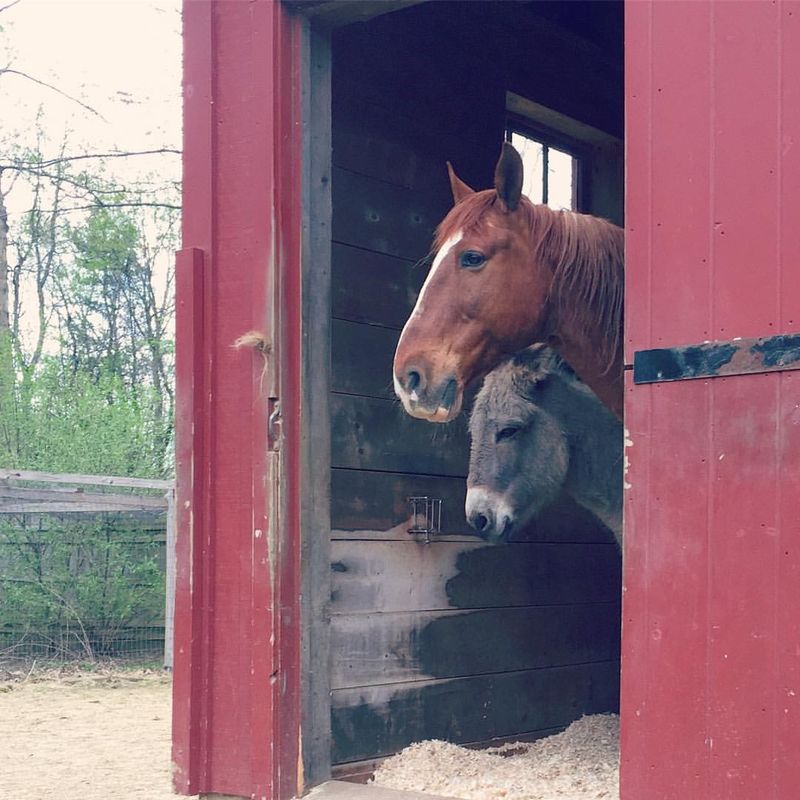
Small can be mighty. Sunny Meadow Sanctuary keeps things intimate on Chapman Road in Barre, one of those quiet Central Massachusetts towns that many people only pass through.
The resident lineup is easy to picture. Goats, pigs, and sheep share the property with a horse, a cow, and a donkey, which gives the place a classic little-farm character.
What sets it apart is scale. With a smaller group of animals, each one gets a lot of individual attention, and the sanctuary focuses on permanent shelter and hands-on care rather than big crowds or busy events.
I like this stop for anyone who prefers a peaceful setting over a packed attraction. Barre’s rolling countryside makes the trip itself part of the fun, especially when the maples start turning.
Visit the sanctuary website first to learn about visiting options or ways to support the animals, since a place this size depends on its community.
5. Cloa’s Ark Animal Sanctuary, Hadley, MA
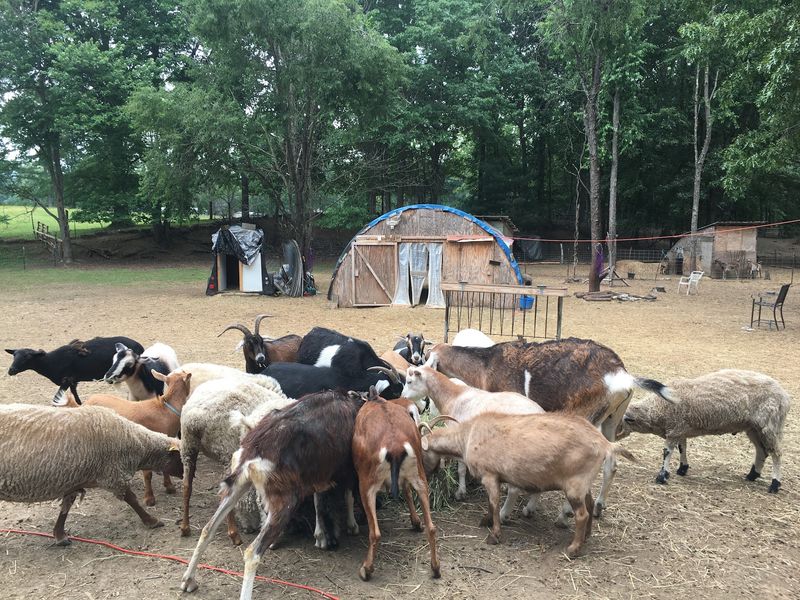
Parrots on a farm sanctuary list? At Cloa’s Ark in Hadley, absolutely.
The roster here is one of the most varied in the state. Goats, sheep, a pig, cows, roosters, chickens, turkeys, and geese share space with rabbits, pigeons, cockatiels, and parrots.
Many of these animals were saved from situations that could have turned out badly. The caretakers have built the sanctuary around giving them a fresh start in the Pioneer Valley, surrounded by Hadley’s wide-open farmland.
Visits tend to be unhurried and personal. Guided time can stretch for hours, with plenty of information shared and room for guests to bond with the animals at their own pace.
Watching the caretakers interact with the residents is a big part of the appeal, since the trust between them is easy to see. On-site parking keeps things simple.
Reach out through the sanctuary’s contact page to arrange a visit before you go.
6. Sunshine Farm Sanctuary, Bridgewater, MA
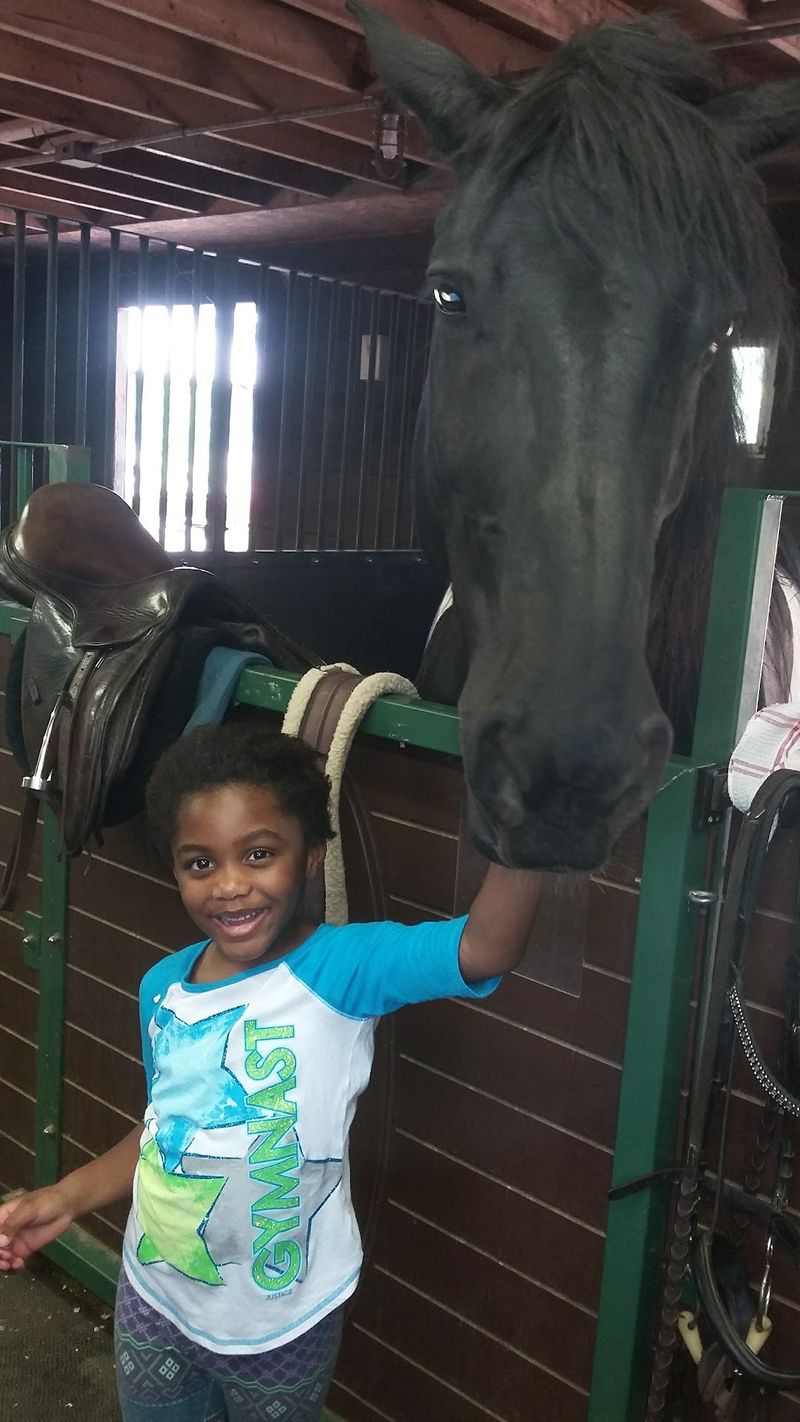
Healthy, well-kept animals are the first thing that stands out at Sunshine Farm Sanctuary. It is clear the residents on Walnut Street in Bridgewater are loved and looked after.
The sanctuary focuses on caring for rescued farm animals, giving them a steady home in a Plymouth County town better known for its college crowd than its barnyards. That contrast makes it a fun find for South Shore families.
Here is a tip for your GPS. The listed address is the rear of 258 Walnut St, so look carefully when you arrive.
Before planning a trip, check the sanctuary website for current visiting opportunities, events, or ways to help. Small rescues like this rely on community support, whether that means volunteering time or donating supplies.
I would save this one for a relaxed afternoon close to home. It is an easy way to show kids where good animal care starts.
7. MSPCA at Nevins Farm, Methuen, MA
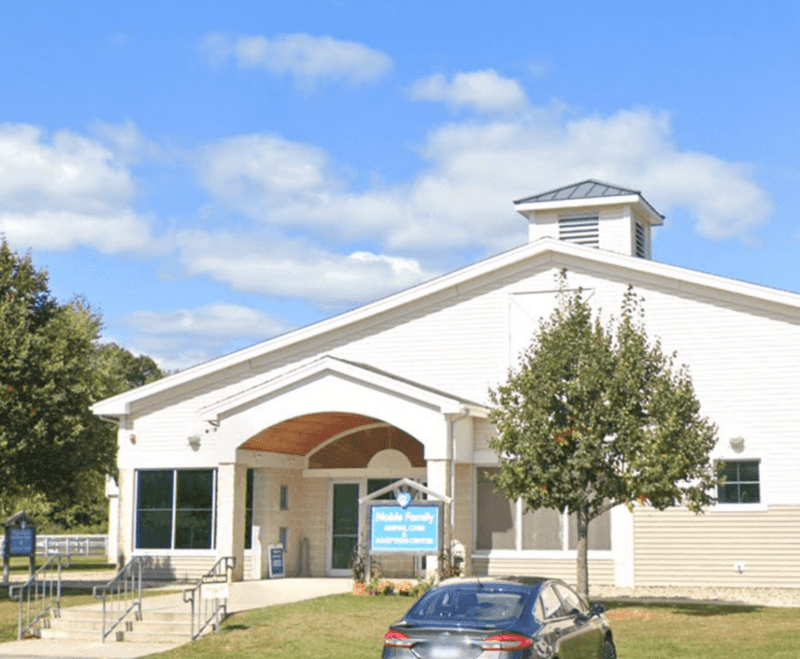
Dogs and cats might be the headline at most shelters, but Nevins Farm in Methuen adds barns full of farm animals to the mix. It is a rare North Shore spot where you might meet a goat and a puppy on the same trip.
Run by the MSPCA, the property includes barns and little sheds built to house its farm residents. The goal is helping animals find their forever homes, and that includes the barnyard crowd.
Volunteers are everywhere, keeping the grounds tidy and the animals well cared for. The center also offers community programs, including dog training.
Hours are specific. Nevins Farm opens Tuesday, Wednesday, and Friday through Sunday from noon to 4:30 PM, and stays closed Monday and Thursday.
Saturday afternoons get the busiest. For a calmer visit, Tuesday afternoon is usually the quietest choice.
8. Whip City Animal Sanctuary, Westfield, MA
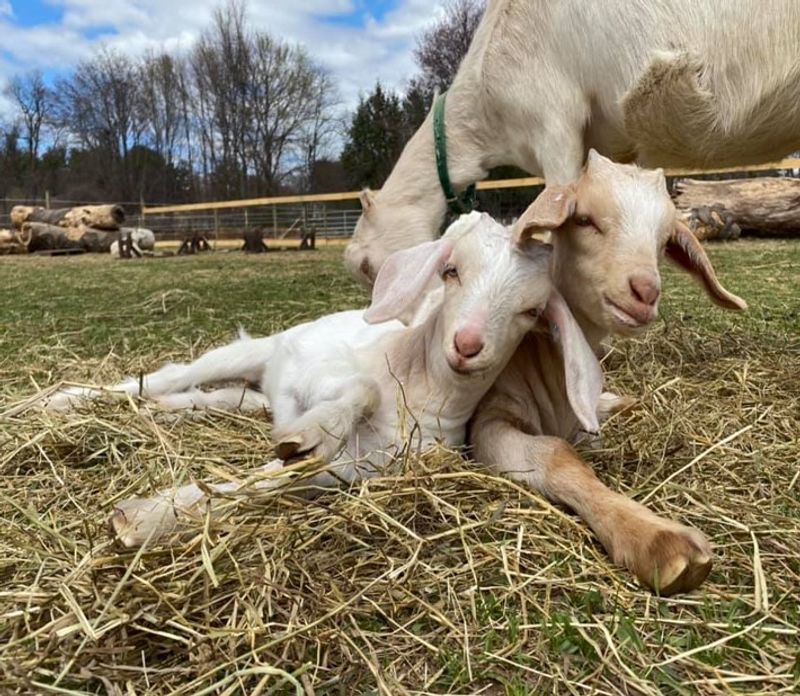
Whip City Animal Sanctuary in Westfield offers plenty of opportunities for people who would rather roll up their sleeves than simply make a quick visit. The sanctuary operates animal-care volunteer shifts seven days a week, with four shifts available each day.
That regular schedule gives volunteers the chance to become part of the routine that keeps rescued residents comfortable and cared for. Animal care is only one way to contribute.
Volunteers with practical skills can help with building projects, habitat maintenance, and other improvements around the property, while people who prefer community work can assist at events and fundraisers. The sanctuary says all monetary donations go directly toward caring for its animals, reinforcing its focus on providing them with safe, dependable lives.
Prospective volunteers can submit an application through the organization. For animal lovers looking for recurring hands-on service rather than a one-time farm attraction, Whip City offers an especially practical way to get involved.
9. Down to Earth Farm Animal Sanctuary, South Dartmouth, MA
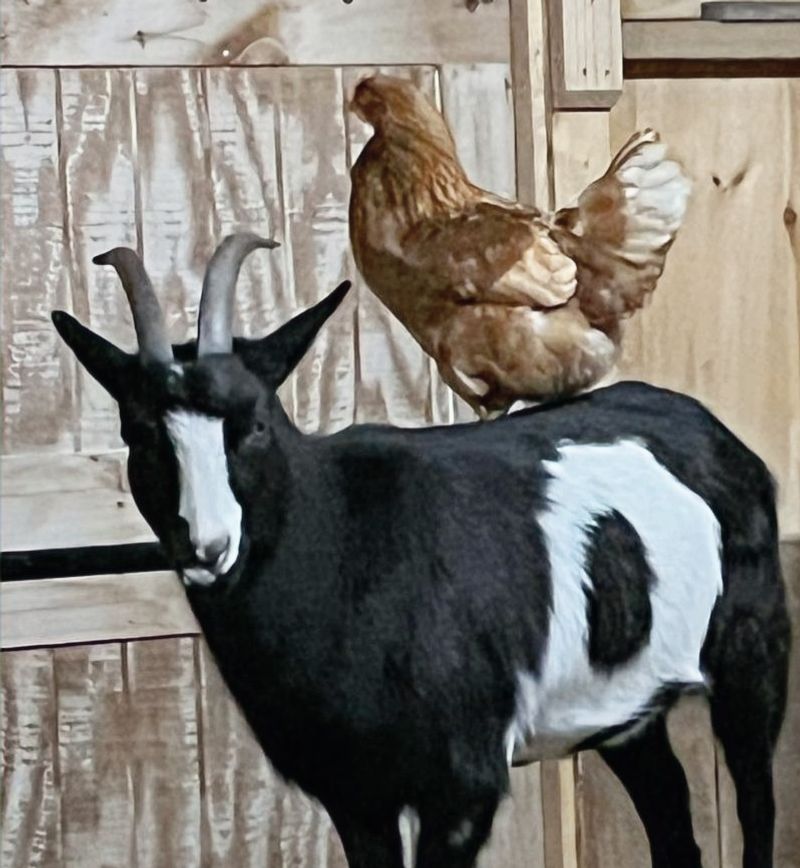
Down to Earth Farm Animal Sanctuary in South Dartmouth offers one of the clearest hands-on volunteer programs on this list. The sanctuary takes in injured, mistreated, and unwanted animals and provides lifelong care in a safe environment.
Animal volunteers may help feed and water residents, clean pens, brush animals, and socialize them. The animals volunteers can work around include horses, donkeys, goats, pigs, and chickens, so a shift can involve several different kinds of farm care.
People interested in the heavier side of farm work can volunteer for maintenance projects such as repairing shelters, maintaining fences and fields, and helping with equipment. Those labor roles are intended for adults and may vary by season.
Down to Earth is not operated as a drop-in public attraction; visits and group experiences are arranged in advance so animal welfare remains the priority. Prospective animal-care volunteers are encouraged to contact the sanctuary with their interests and relevant experience.
10. Sowa Goat Sanctuary, Harvard, MA
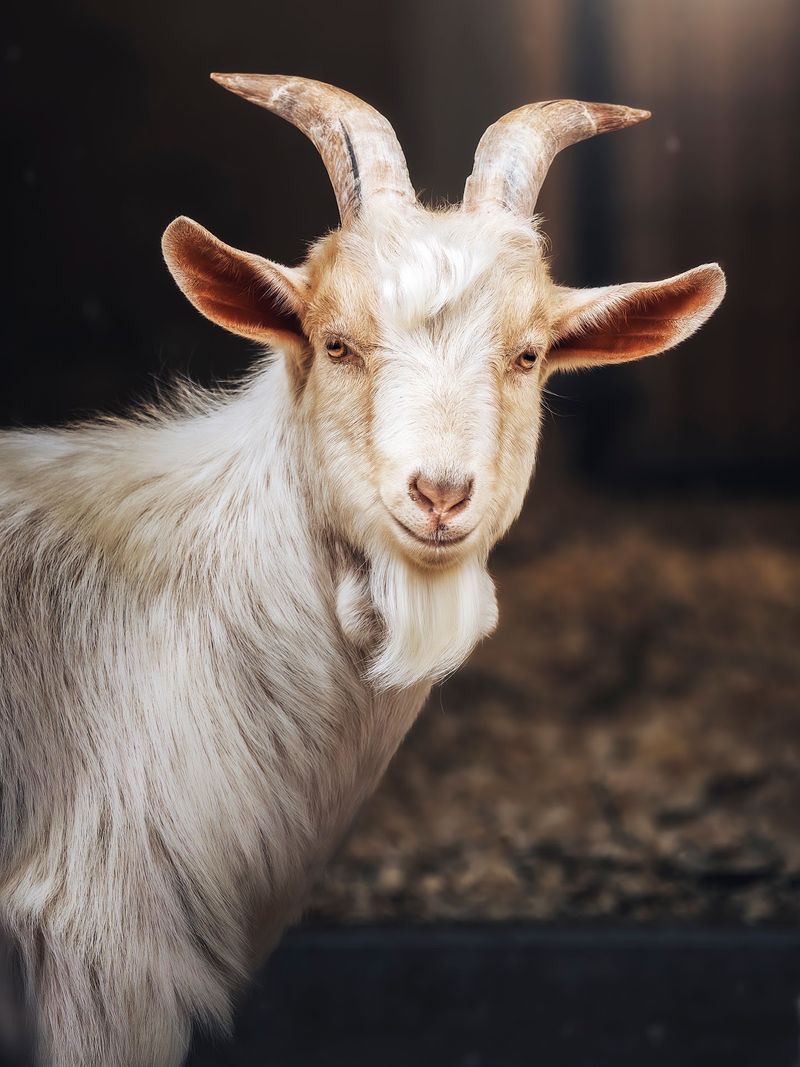
Sowa Goat Sanctuary in Harvard depends on a substantial community of volunteers to keep its rescued residents cared for every day. More than 40 weekly volunteers help operate the sanctuary, and new animal lovers are invited to apply if they can make a regular two-hour weekly commitment.
Tasks are genuinely hands-on. Volunteers may feed and water animals, muck stalls, rake outdoor areas, sweep, and prepare fresh fruits and vegetables for pigs.
Spending positive time with the residents is also considered an important part of the job, since the sanctuary views affection and social interaction as part of compassionate care. No previous farm-animal experience is required.
Potential volunteers first complete a trial shift, and those who join receive orientation and training on safely working with the animals. The sanctuary asks volunteers to commit to the same time each week rather than offering short-term summer placements, making Sowa best suited to people who want to build an ongoing relationship with the animals.
Share this story