Canada sat just across the river, and for thousands of people escaping slavery, Michigan was the last stretch of a long and risky trip. Before the Civil War, farmers, ministers, shopkeepers, and free Black families quietly turned their homes and churches into stops on a secret network.
Some hid travelers in barns. Others printed newspapers that challenged slavery in plain ink.
A few towns even stood up to slave catchers face to face, and those showdowns made national headlines. The best part is that much of this history is still standing today.
You can visit preserved houses, statues, churches, and small museums that keep these stories alive. This list takes you across the state, starting with a striking monument and ending at the riverfront where freedom was finally within reach.
Each stop comes with real names, real dates, and tips for planning your visit, so pack your curiosity and keep reading.
1. Dr. Nathan Thomas House, Schoolcraft, Michigan
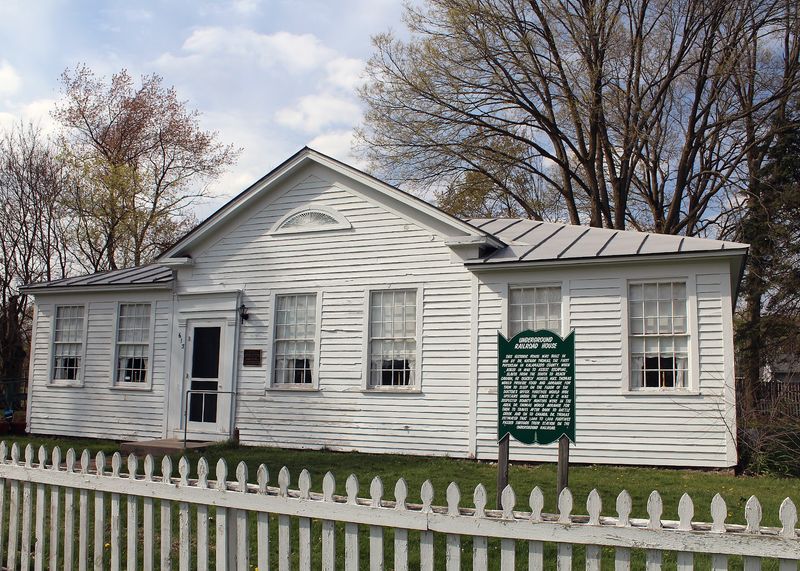
Somewhere between 1,000 and 1,500 people found help at one small house in a village of about 1,500 residents today. That math alone makes the Dr. Nathan Thomas House worth a detour.
Dr. Thomas was the first doctor in Kalamazoo County. He and his wife, Pamela, opened their home at 613 East Cass Street to freedom seekers traveling north through southwest Michigan.
Pamela later wrote about feeding and hiding guests, often with little warning. Travelers usually arrived at night and left before sunrise, guided by local helpers to the next safe stop.
The house was built around 1835 and still sits on its original street. It is listed on the National Register of Historic Places, and it is part of the National Park Service Network to Freedom.
Tours are offered during special events and by appointment through the Schoolcraft Historical Society, so check ahead before you go. The village has a cozy main street with small shops, making it an easy half-day trip from Kalamazoo.
Bring questions, because local volunteers love sharing family details that never made the history books.
2. Oakridge Cemetery, Marshall, Michigan
A knock on the door before dawn in January 1847 started one of the boldest standoffs in Michigan history. Slave catchers from Kentucky had come to seize Adam Crosswhite and his family in Marshall.
Neighbors did not stay quiet. A crowd of Black and white residents gathered around the house and blocked the men from taking anyone.
Local leaders even had the Kentuckians arrested for trespassing. While that legal drama played out, the Crosswhites slipped away and reached Canada.
The case grabbed national attention. Southern lawmakers pointed to Marshall as proof that northern towns were ignoring the law, and that argument helped shape the Fugitive Slave Act of 1850.
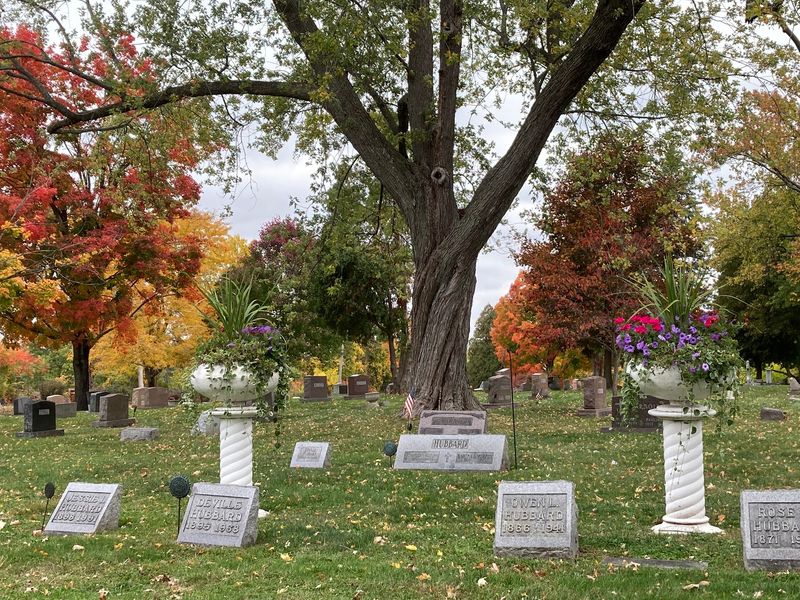
Adam Crosswhite later returned to Marshall and lived there for years. His grave rests at Oakridge Cemetery, a peaceful spot where visitors often leave small notes or stones.
A historical marker downtown tells the full story, so make it your second stop. Marshall is also famous for its well-kept 1800s homes, which means a walking tour pairs nicely with this visit.
3. James E. Bonine House, Vandalia, Michigan
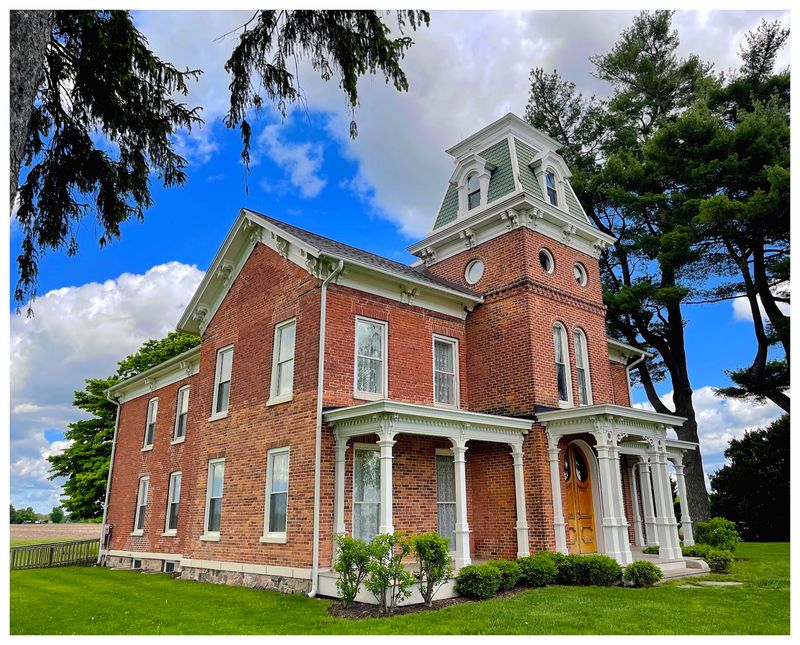
Mansard roofs are not usually linked with secret escapes, yet this fancy house in tiny Vandalia has a big backstory. The James E.
Bonine House was built in the 1870s in the Second Empire style.
The Bonine family belonged to a strong Quaker community in Cass County. Many local Quakers believed slavery was wrong and acted on that belief by helping freedom seekers.
Vandalia sat at a crossroads of routes heading north toward Battle Creek and Detroit. Travelers coming up from Indiana often passed through here.
Fun fact: Cass County had one of the largest free Black farming communities in the Midwest by the 1850s. That made it a safer place to rest and even to settle.
Today the house is home base for the Underground Railroad Society of Cass County. The group runs tours, talks, and an annual community event.
Check their website for open hours before driving out, since this is a volunteer-run site. Nearby, a walking trail with markers tells more local stories, so wear comfy shoes.
4. Cass District Library Local History Branch, Cassopolis, Michigan
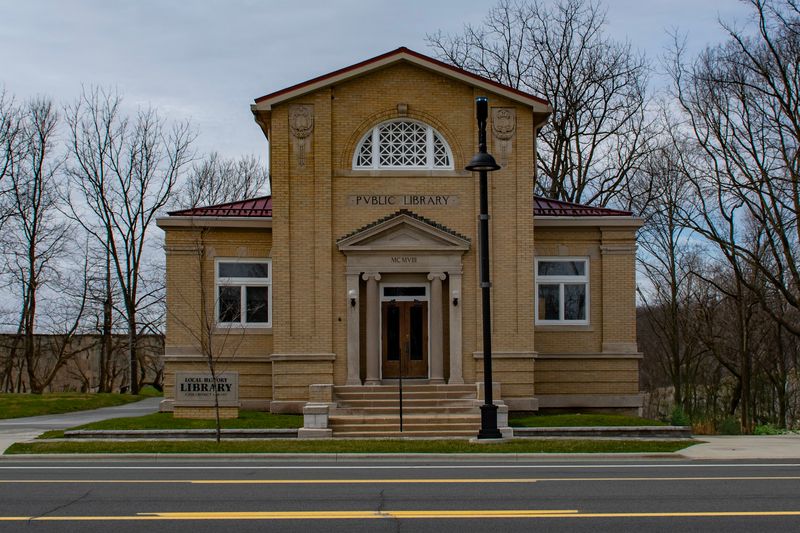
Libraries are supposed to be quiet, but the stories inside this one are anything but. The Cass District Library Local History Branch keeps records of a dramatic 1847 event called the Kentucky Raid.
That summer, a group of armed men from Kentucky rode into Cass County. Their goal was to capture freedom seekers living on local farms.
Residents pushed back. Black and white neighbors gathered, surrounded the raiders, and helped dozens of people escape before the plan could succeed.
The branch sits in a historic Carnegie library on North Broadway Street. Researchers can explore maps, family files, newspapers, and books about the county’s past.
Genealogy fans, this is your place. Many descendants of free Black settlers still trace their roots here.
After your visit, stroll to the county courthouse to read the historical marker. Then find the Sanctuary and Deliverance mural, which shows the courage of the people who stood up during the raid.
Call ahead about research hours, since staff can pull materials for you if you share your topic in advance.
5. Laura Smith Haviland Statue, Adrian, Michigan
Slave catchers once offered a reward of $3,000 for Laura Smith Haviland. That price tag tells you how much trouble she caused for people who supported slavery.
Haviland was a Quaker who moved to Lenawee County in 1829. With her husband, Charles, she started the Raisin Institute, one of the first schools in Michigan open to students of every race.
She did not stop at teaching. Haviland traveled south herself to help people escape and guided many freedom seekers toward Canada.
After the Civil War, she kept working. She helped formerly enslaved families find homes, schooling, and jobs.
Her bronze statue stands at 110 East Church Street, outside the Lenawee Historical Museum. It was unveiled in 1987 and shows her holding shackles she once used to teach audiences about slavery.
Go inside the museum after your photo. The building is a grand old library from 1909, and it holds exhibits on Haviland and county history.
The town of Haviland, Kansas, was even named in her honor, which makes for great trivia.
6. Underground Railroad Monument, Battle Creek, Michigan
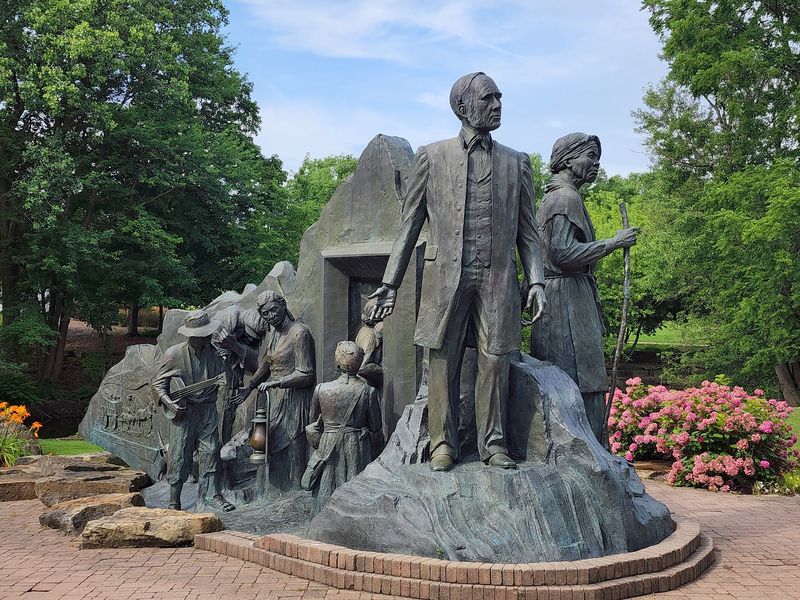
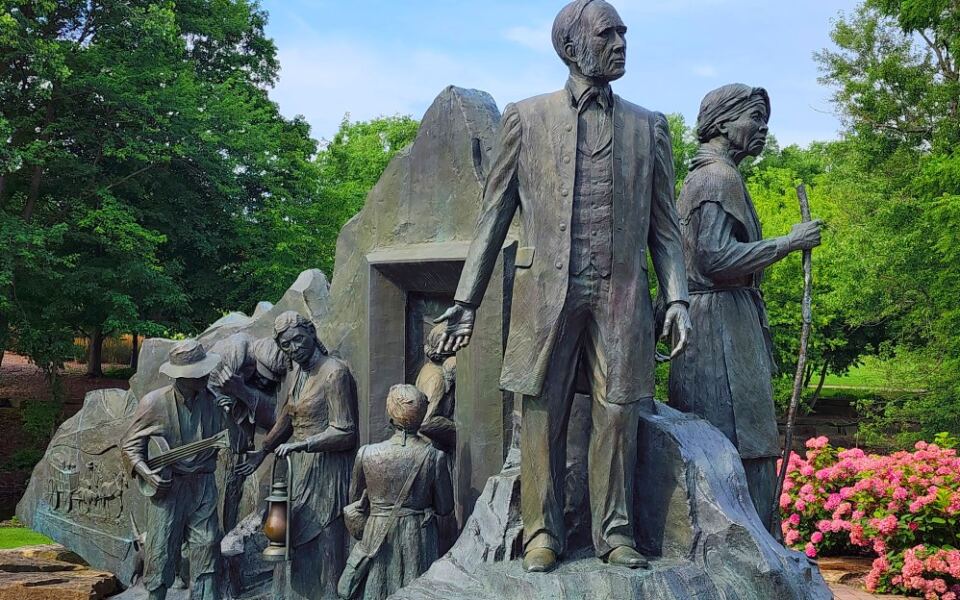
Twenty-eight feet of bronze makes it hard to walk past this downtown landmark without stopping. The Underground Railroad Monument in Battle Creek is one of the largest sculptures in the country honoring the freedom network.
Artist Ed Dwight created the piece, which was unveiled in 1993. It shows Harriet Tubman leading a group of freedom seekers, along with local helpers Erastus and Sarah Hussey, who sheltered travelers in their own home.
Battle Creek was also home to Sojourner Truth, who settled here in 1857. She spoke out against slavery and for women’s rights, and she became one of the most famous voices of her time.
Plan a little extra time for a Sojourner Truth loop. Her grave sits at Oak Hill Cemetery, and a large statue of her stands at Monument Park downtown.
The Underground Railroad sculpture sits near the Kalamazoo River on the grounds of Kellogg House, so parking downtown is easy. Bring your phone for photos, since the figures are detailed enough that you will want close-ups of their faces.
Kids especially like counting the people in the group.
7. African American Cultural and Historical Museum of Washtenaw County, Ann Arbor, Michigan
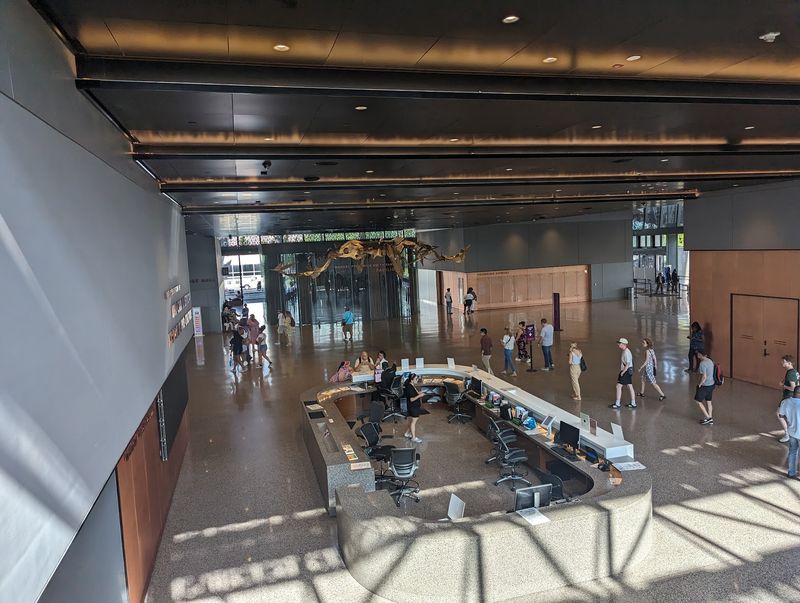
Printing presses can be powerful tools, and Ann Arbor had one aimed straight at slavery. In the 1840s, the town was home to the Signal of Liberty, an antislavery newspaper.
Reverend Guy Beckley helped run it. His house on Pontiac Trail still stands, and it is believed he sheltered freedom seekers there too.
Ann Arbor also hosted early meetings of the Michigan Anti-Slavery Society. Students, ministers, and local families joined the fight with words and action.
The African American Cultural and Historical Museum of Washtenaw County keeps these stories close. Its team leads Underground Railroad tours across Ann Arbor and nearby towns.
These tours are the real highlight. Guides point out homes, churches, and sites you might drive past without a second look.
Book ahead, since tours fill quickly in spring and fall. The museum also hosts talks and has an online collection of oral histories from local Black families.
Pair your trip with a walk through downtown, where you can grab lunch and talk over what you learned.
8. Ypsilanti Historical Museum & Archives, Ypsilanti, Michigan
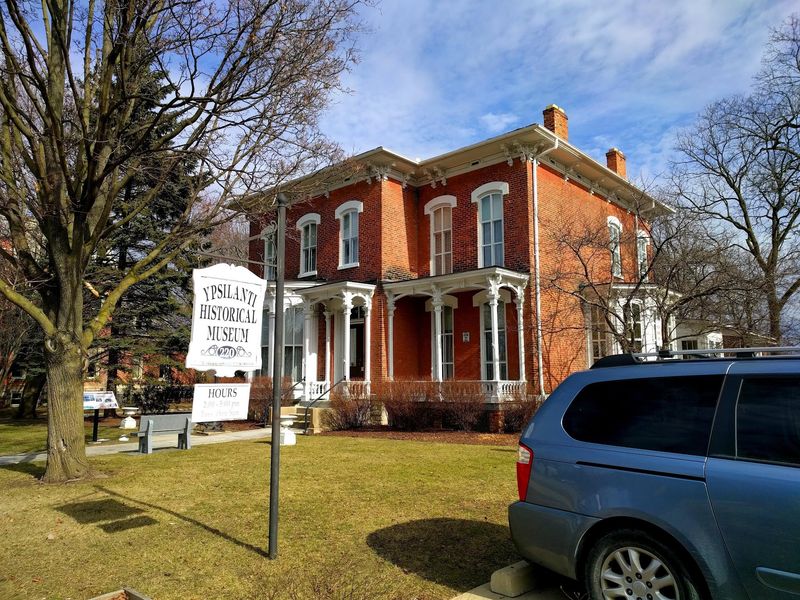
George McCoy escaped slavery himself and then turned around to help others do the same. His story is one of many kept safe at the Ypsilanti Historical Museum & Archives.
George and his wife, Millie, lived in Ypsilanti and worked with the local network. Their son, Elijah McCoy, grew up to become a famous inventor with dozens of patents.
Yes, some people say the phrase the real McCoy comes from his inventions. Historians still debate it, but it makes a fun conversation starter.
Another key family was Asher and Catherine Aray. Their farm outside town was a well-known refuge, and free Black families like theirs took huge risks to keep it going.
The museum sits in an 1860s house at 220 North Huron Street. Rooms are set up with period furniture, and the archives hold maps, letters, and city records.
Admission is free, though donations help. Archive staff can guide you through family files if you call ahead.
Visit on a weekend afternoon, when the house is most likely open.
9. Birmingham Museum, Birmingham, Michigan
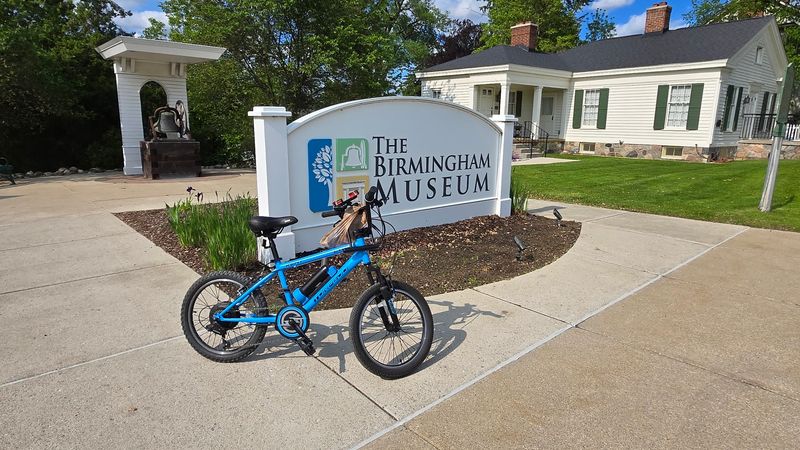
Fancy shops and busy cafes are what most people picture in Birmingham today. Dig a little deeper, and the town reveals a quieter history of antislavery work.
In the 1800s, Oakland County had a network of helpers who moved freedom seekers north and east toward Detroit. Birmingham was part of that chain.
For many years, these stories were mostly forgotten. The Birmingham Museum changed that by researching local records and sharing the town’s Black heritage and abolitionist ties.
The museum sits on West Maple Road. Its grounds include the 1822 John West Hunter House, one of the oldest homes in the area, plus a newer museum building with exhibits.
The county also has an online Underground Railroad project that maps sites across the region. Look it up before your visit to plan a mini driving tour.
Admission is low cost, and the grounds have walking paths that are nice for families. Ask staff about rotating exhibits, since topics change through the year.
Downtown is a short walk away for lunch afterward.
10. Grand Rapids African American Museum & Archives, Grand Rapids, Michigan
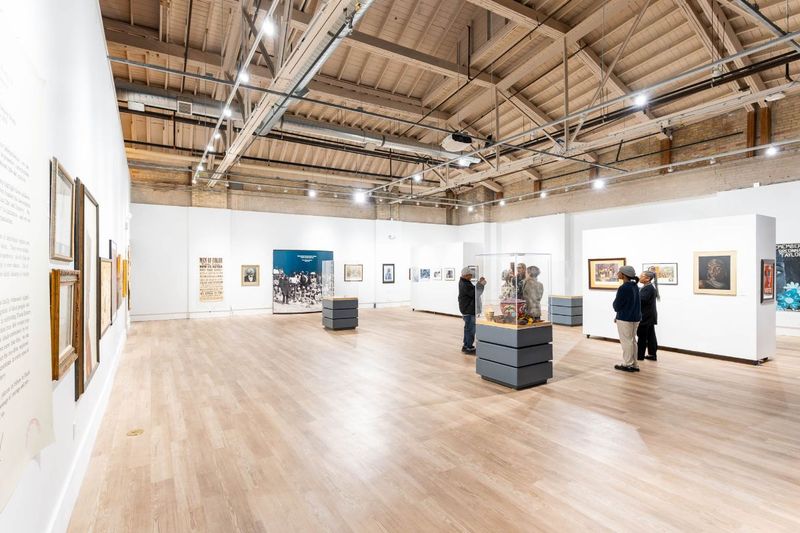
West Michigan does not always show up in Underground Railroad stories, and that gap is exactly what makes this stop interesting. The Grand River Valley was part of a route that helped freedom seekers keep moving north.
Helpers along the river offered food, rides, and directions. Some travelers stayed and built new lives in the growing town.
The Grand Rapids African American Museum & Archives, often called GRAAMA, tells that bigger story. Its collections cover Black life in West Michigan from the 1800s to today.
Expect documents, photographs, artwork, and personal items donated by local families. Exhibits often connect past struggles to present-day community leaders.
The museum sits downtown on Sheldon Avenue, close to other attractions like the Gerald R. Ford Presidential Museum and the Grand River walkway.
Check the calendar before visiting, as GRAAMA hosts lectures, art shows, and youth programs. Staff are happy to help with research on family history.
Plan about an hour inside, then walk to the river to see the waterway that once carried so much hope.
11. Second Baptist Church, Detroit, Michigan
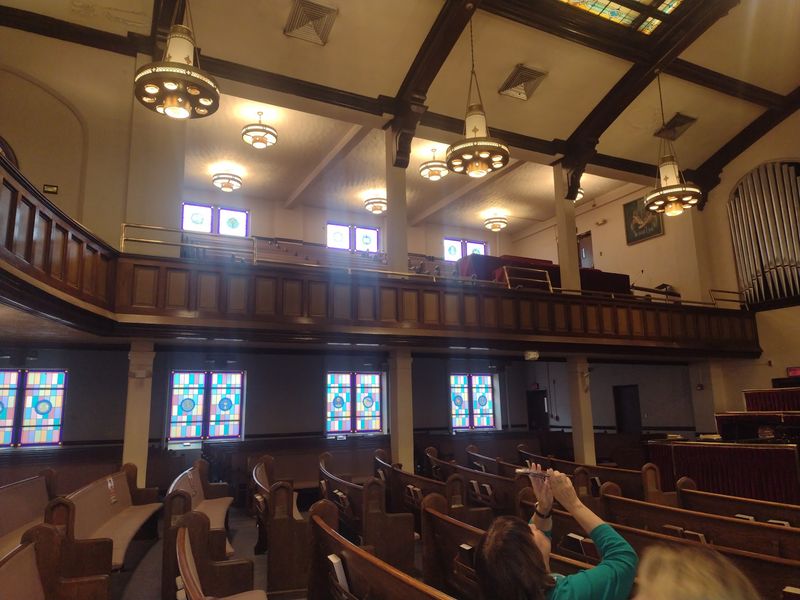
Code names were a big deal on the Underground Railroad, and Detroit went by Midnight. It was the final stop before Canada, just across the Detroit River.
Second Baptist Church played a starring role. Founded in 1836 by 13 people who left a church that treated them unfairly, it became Michigan’s first Black congregation.
Members sheltered freedom seekers in the church basement. Estimates suggest around 5,000 people passed through on their way across the river.
The church also opened Detroit’s first school for Black children in 1839. Education and freedom went hand in hand here.
The congregation still meets in Greektown on Monroe Street. Tours of the historic basement can be arranged by contacting the church office in advance, and they are worth the planning.
Afterward, head to Hart Plaza on the riverfront. The Gateway to Freedom Monument shows a group of freedom seekers looking toward Canada, and its partner statue stands on the other side in Windsor.
Seeing both ends of the journey is a fitting way to finish this trip.
Share this story