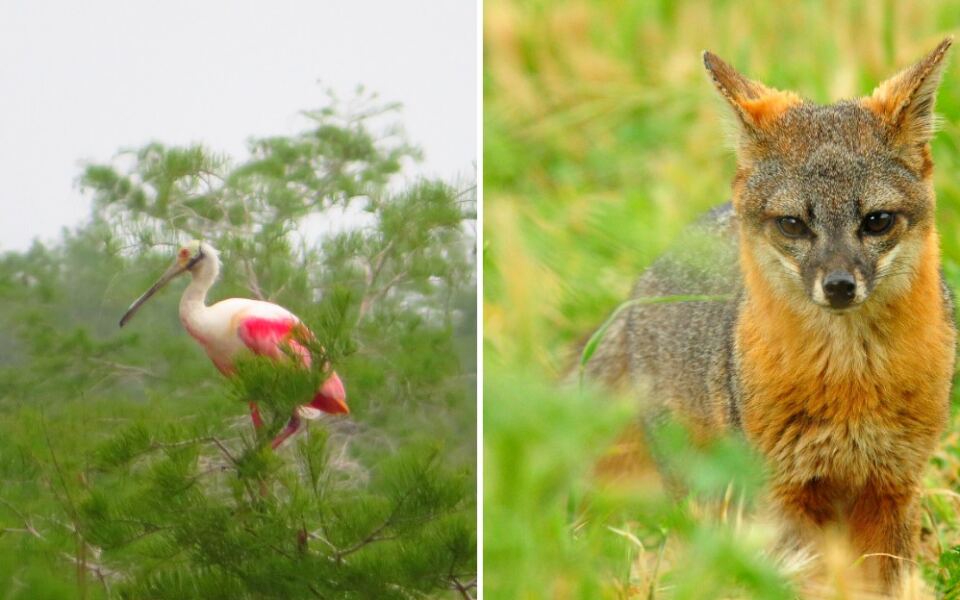
A pink bird with a spoon-shaped bill, a fox about the size of a house cat, and a tiny fish found naturally in just one Nevada cavern. These are real animals living in the United States, and they’re only the beginning.
Across 15 states, unusual creatures have adapted to everything from Hawaiian beaches and Arizona deserts to Alaska’s Arctic tundra. Some exist nowhere else on Earth, while others are so elusive that spotting one is a rare experience.
From venomous lizards to synchronized fireflies, here’s where these animals live, what makes them extraordinary, and which places offer a chance to learn about them or see them in the wild.
1. Hawaii: Hawaiian Monk Seal, Kauai, Hawaii
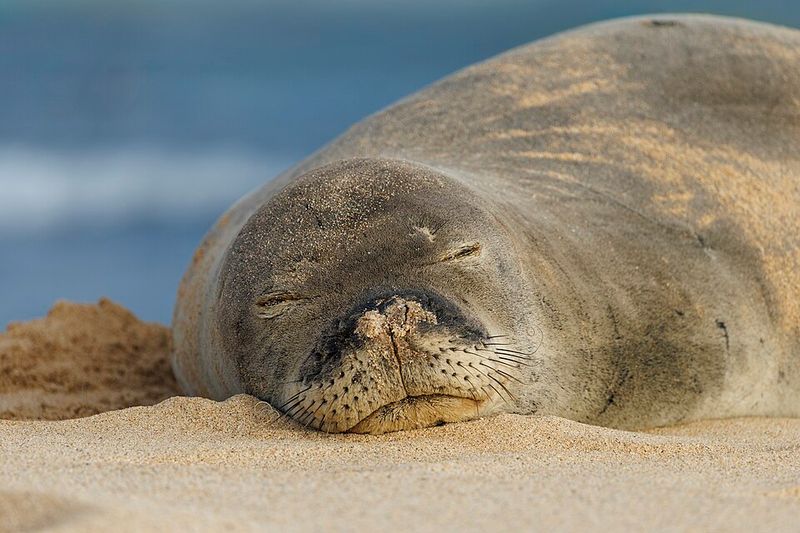
Only one seal species lives entirely within United States waters, and it prefers tropical beaches over icebergs. The Hawaiian monk seal is found naturally nowhere else on Earth.
Adults can reach about seven feet long and weigh up to 600 pounds. Underwater, they dive more than 1,800 feet and flip rocks with their noses to find eels, octopuses, and lobsters.
Pups start out with black coats before switching to silvery gray. On Kauai, seals often haul out on the sand to nap, sometimes for days.
Spotted one snoozing? Stay at least 50 feet away and let it rest, since that nap helps it recover energy.
Hawaii also hosts the nene, the state bird. This goose evolved longer legs and less webbing on its toes for walking across hardened lava.
2. Arizona: Gila Monster, Tucson, Arizona
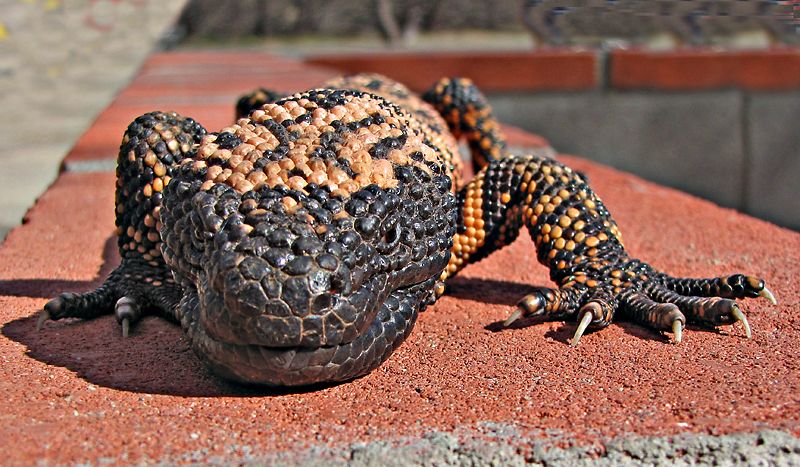
Few lizards on the planet carry venom, and Arizona claims one of the most famous. The Gila monster wears bold orange, pink, and black scales backed by tiny bony plates in its skin.
Fast it is not. This reptile spends up to 95 percent of its life underground, coming out mostly in warmer months to hunt.
When it does eat, it goes big. A single meal can equal about a third of its body weight, so it can skip dinner for a long time afterward.
Its menu includes bird eggs, small mammals, and other reptiles.
Wild sightings are uncommon, so head to the Arizona-Sonora Desert Museum near Tucson for a safe, close look. Staff there explain how this slow-moving lizard fits into Sonoran Desert life.
Leave any wild ones alone, since the bite is painful.
3. Florida: Roseate Spoonbill, Everglades National Park, Florida
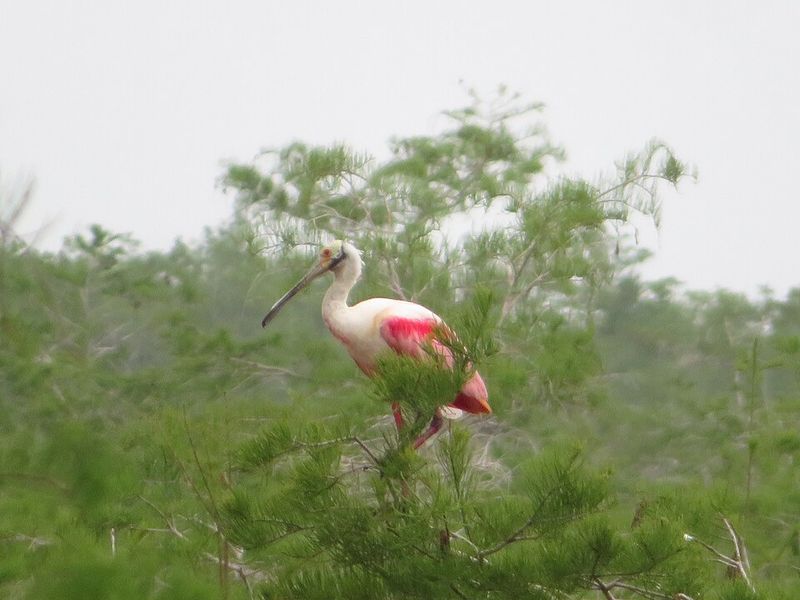
Picture a flamingo that borrowed a kitchen utensil and never gave it back. That is pretty much the roseate spoonbill.
Its pink feathers come from pigments in the shrimp, crabs, and small creatures it eats. A deeper pink usually means a richer diet.
The flat, spoon-shaped bill is the real star. Spoonbills sweep it side to side through shallow water, snapping it shut when they touch a fish or crustacean.
Everglades National Park is one of the best places to watch them. They share these coastal wetlands with alligators, herons, and egrets.
Bring binoculars and check shallow, muddy edges during low tide, when feeding is easiest. Early morning trips often pay off.
Spoonbills sometimes feed in small groups, so one pink bird may lead you to several more.
4. California: Island Fox, Channel Islands National Park, California
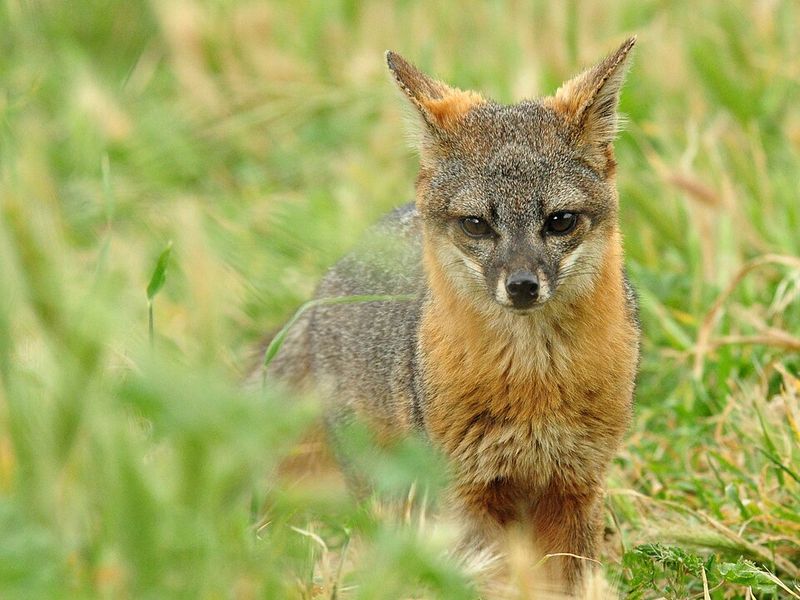
Grown adults weighing around five pounds make the island fox a pint-sized surprise. It is roughly the size of a house cat.
Scientists call this shrinking effect insular dwarfism. Over many generations, island animals with limited food can become smaller than their mainland cousins.
Island foxes live naturally on just six of California’s eight Channel Islands. Each island has its own separate subspecies.
They also serve as the top native predator on these islands. Mice, insects, and fruit make up much of their diet.
Santa Cruz Island is a favorite spot for sightings, especially near Scorpion Canyon. A ferry ride from Ventura gets you there.
These foxes can act bold around campers, but feeding or approaching them is not allowed. Keep food sealed in the provided storage boxes so the foxes stay wild.
5. Alaska: Muskox, Arctic National Wildlife Refuge, Alaska
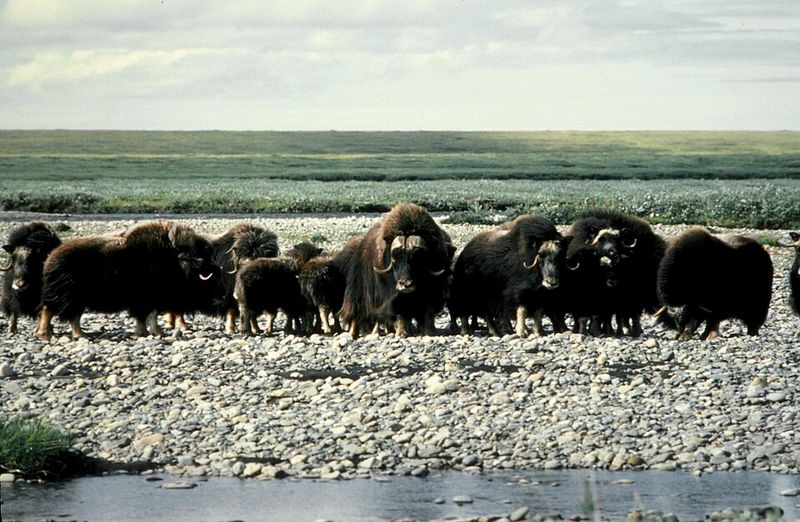
Ice Age leftovers still roam Alaska, and they come with serious winter gear. Muskoxen have long outer hair that nearly reaches the ground.
Underneath sits qiviut, pronounced kiv-ee-oot. This soft underwool is about eight times warmer than sheep’s wool and finer than cashmere.
That coat lets muskoxen handle temperatures around 40 below zero. Their curved horns meet in a thick plate across the forehead.
Herds have a clever defense plan. When wolves show up, adults form a tight circle facing outward, with calves tucked safely in the middle.
The Arctic National Wildlife Refuge is among the remote places where they graze on grasses, sedges, and willow. Caribou and wolves live there too.
Getting there usually means a bush plane, so many visitors book guided trips. Watch from a distance, since a startled muskox can charge.
6. Texas: Javelina, Big Bend National Park, Texas
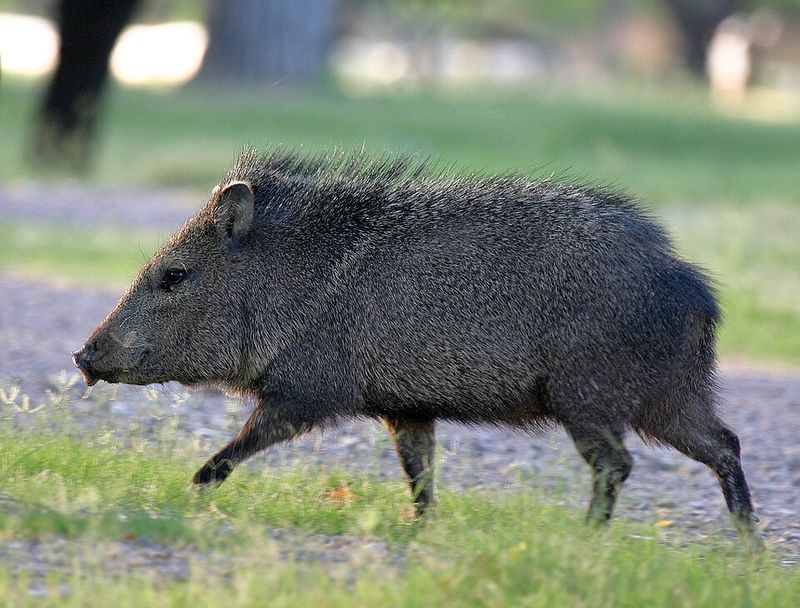
Call it a pig and a biologist will politely correct you. The javelina, or collared peccary, belongs to a completely different animal family.
Its coarse, grizzled hair includes a pale band around the neck, which explains the collar part of its name.
Javelinas travel in groups that can number a dozen or more. Members keep in touch with grunts and barks.
Their favorite snack might surprise you. They munch prickly pear cactus pads, spines and all, thanks to a tough digestive system built for desert food.
Big Bend National Park in the Chihuahuan Desert offers solid chances to see them. Look near campgrounds and brushy washes in early morning or evening.
Campers should lock up food and trash. Javelinas are usually shy, but a free meal can make them much braver than you would like.
7. Nevada: Devils Hole Pupfish, Amargosa Valley, Nevada
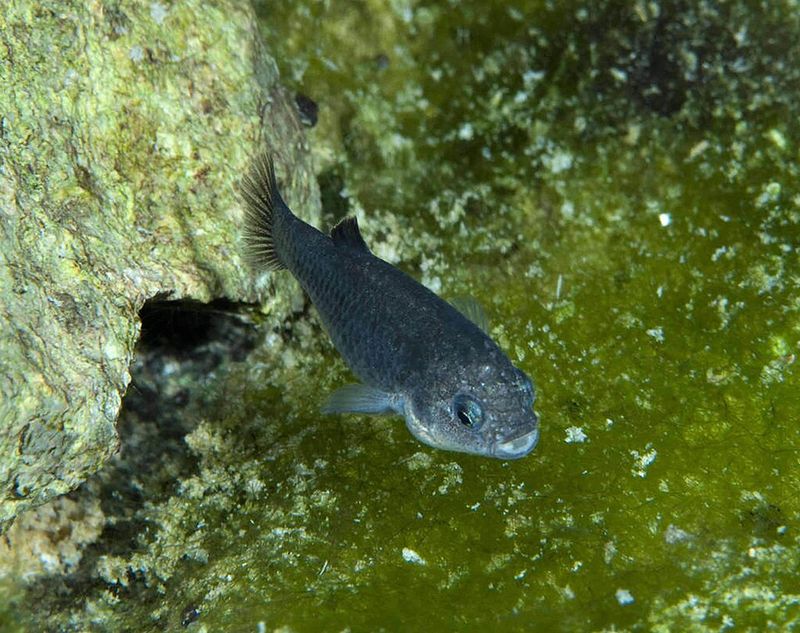
One cave pool. That is the entire natural home of the Devils Hole pupfish.
This tiny blue fish lives in Devils Hole, a water-filled limestone cavern within Ash Meadows National Wildlife Refuge in Nevada’s Amargosa Valley.
The pool is more than 500 feet deep, yet the fish depend on a small rock shelf near the surface for food and spawning. Water stays around 93 degrees with very little oxygen.
Counts have sometimes dropped below 200 fish. That makes it one of the rarest fish in the world.
Visitors can view Devils Hole from a fenced observation area, though the pupfish are very hard to spot.
The rest of the refuge is worth a walk too. Boardwalks lead to clear springs that shelter other rare desert species, so plan an hour or two there.
8. New Mexico: Bleached Earless Lizard, White Sands National Park, New Mexico
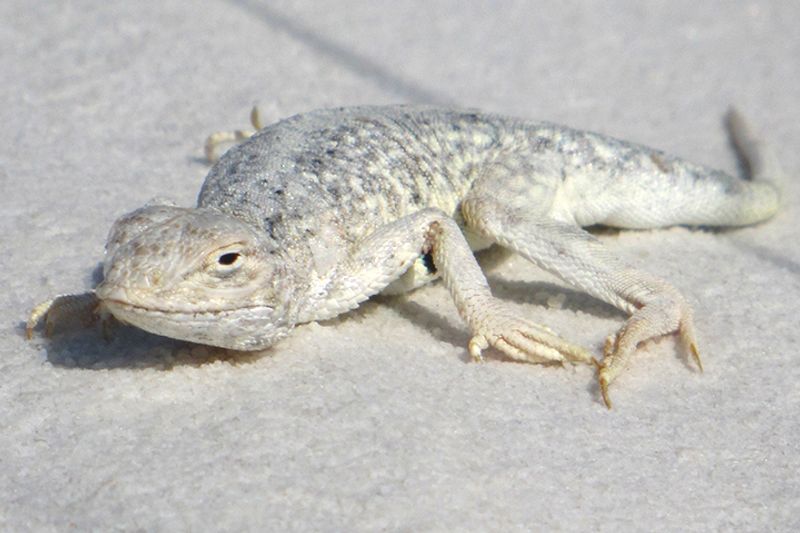
Hide-and-seek champions do exist, and one lives in New Mexico. The bleached earless lizard has pale coloring that matches the white gypsum dunes of White Sands National Park.
Its ancestors were darker. Over time, lighter lizards survived better because hawks and other predators had trouble seeing them.
Scientists study this reptile as a clear example of natural selection in action.
The earless part is accurate too. It has no outside ear openings, which may help keep sand out.
Most of the day, these lizards stay tucked just under the sand, coming out to catch small insects.
Your best bet is the Interdune Boardwalk in the cooler morning hours. Walk slowly and scan the sand near plants, since a moving speck of white is usually all you will notice at first.
9. Tennessee: Synchronous Firefly, Great Smoky Mountains National Park, Tennessee
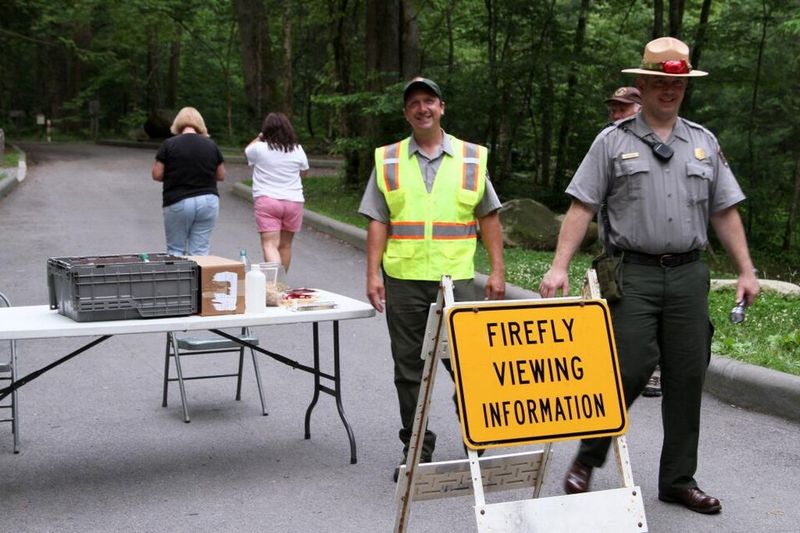
Teamwork reaches a new level in the Smoky Mountains each late spring. Synchronous fireflies flash together in waves, then go dark at the same moment.
Most fireflies blink on their own schedules. This species, called Photinus carolinus, coordinates its signals as part of a courtship display, with males flashing to attract females.
The show usually runs for about two weeks in late May or early June.
The famous viewing area near Elkmont in Great Smoky Mountains National Park is so popular that the National Park Service runs a lottery for parking passes.
Apply early, since the lottery opens weeks ahead. Winners ride a shuttle into the viewing area.
Once there, cover flashlights with red film and point them at the ground. Stay on the trail so the insects and their habitat stay protected.
10. Utah: Desert Tortoise, Zion National Park, Utah
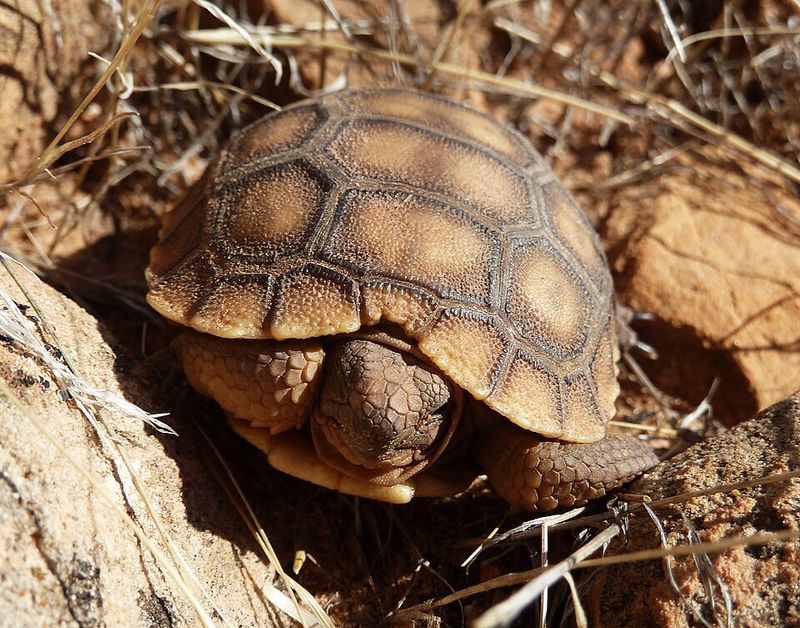
Patience is basically a lifestyle for the desert tortoise. Some live more than 50 years, moving slowly through red rock country in southern Utah.
Its high domed shell and thick legs give it a prehistoric look.
Up to 95 percent of its life happens underground. Burrows protect it from summer heat and winter cold.
Those burrows help other animals too, since lizards and small mammals often use them for shelter. That is why scientists call tortoises ecosystem engineers.
Water mostly comes from the grasses, wildflowers, and cactus they eat.
The lower elevations of Zion National Park provide habitat, but sightings are rare. Spring, after rain, is your best window.
Spot one crossing a road? Never pick it up.
A frightened tortoise may release stored water it needs to survive.
11. Louisiana: American Alligator, Jean Lafitte National Historical Park and Preserve, Marrero, Louisiana
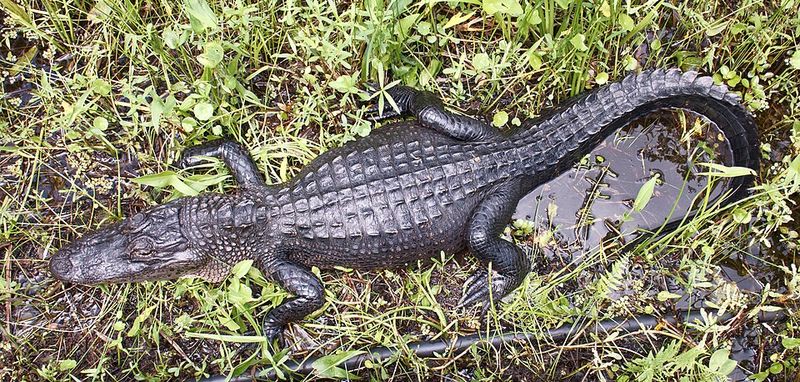
Dinosaurs disappeared long ago, but their distant relatives still patrol Louisiana swamps. American alligators look nearly unchanged from ancient times.
They are top predators in wetland food webs. They also dig gator holes, small pools that keep water around for fish, turtles, and birds during dry spells.
The Barataria Preserve, part of Jean Lafitte National Historical Park and Preserve near Marrero, offers easy boardwalks through marsh, swamp, and bottomland forest.
On warm days, check logs and banks where gators bask. Stay on the boardwalk and never feed them, since that is both illegal and unsafe.
Louisiana also hosts the alligator snapping turtle. Its huge head, ridged shell, and hooked beak stand out.
Even stranger, it wiggles a pink worm-shaped lure on its tongue to trick fish into swimming close.
12. Wyoming: Pronghorn, Grand Teton National Park, Wyoming
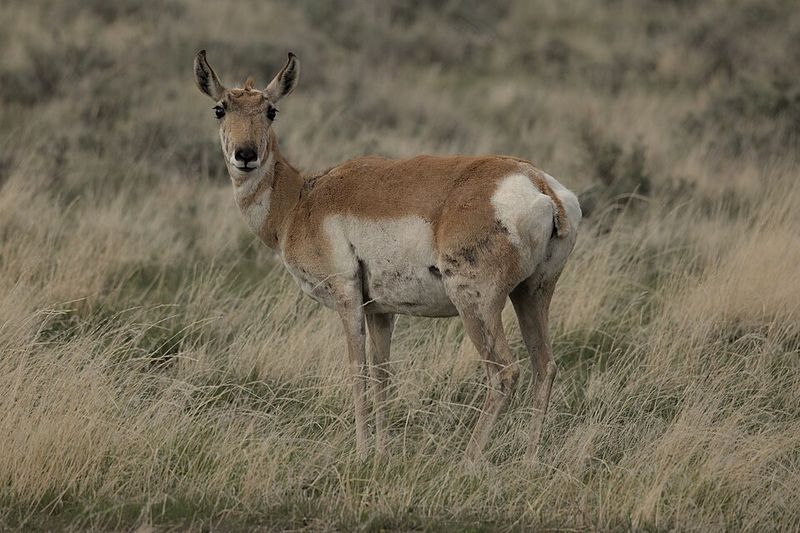
Speed limits mean nothing to a pronghorn. Bursts near 60 miles per hour make it the fastest land animal in the Western Hemisphere.
People often call it an antelope, but that label is wrong. The pronghorn is the last surviving member of a family found only in North America.
Its horns are unusual too. The outer sheath falls off and regrows every year, a feature no other animal shares.
Big eyes set far back on its head help it spot danger across open land.
Grand Teton National Park is a great place to watch them on sagebrush flats, with mountains rising behind. Antelope Flats Road is a popular viewing area.
Each year some pronghorn travel a long migration route between the park and winter range farther south. Late spring and fall bring the most movement.
13. Oregon: Pacific Giant Salamander, Tillamook State Forest, Oregon
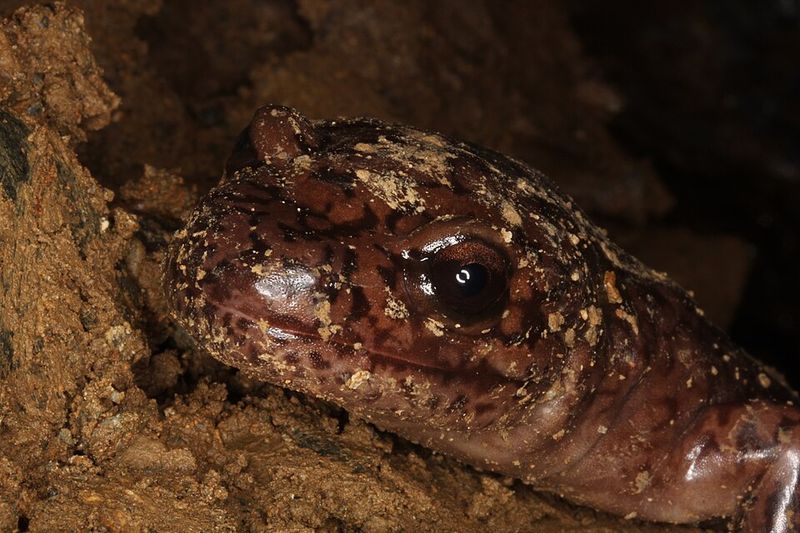
Salamanders are usually tiny, so a foot-long one gets attention. The Pacific giant salamander ranks among North America’s largest land salamanders.
It has a broad head, sturdy body, and mottled brown coloring that blends into the forest floor.
Night is hunting time. It eats insects, slugs, other salamanders, and even small rodents.
Here is an odd twist. Some never fully grow up, keeping their gills and living in water their entire lives, a trait called neoteny.
Tillamook State Forest has the cool streams and damp woods these amphibians need.
During the day they hide under logs and rocks. If you check under one, lift gently with wet hands, look quickly, and put it back exactly how you found it.
Rainy spring and fall evenings bring the best chances.
14. Idaho: Pygmy Rabbit, Craters of the Moon Region, Idaho
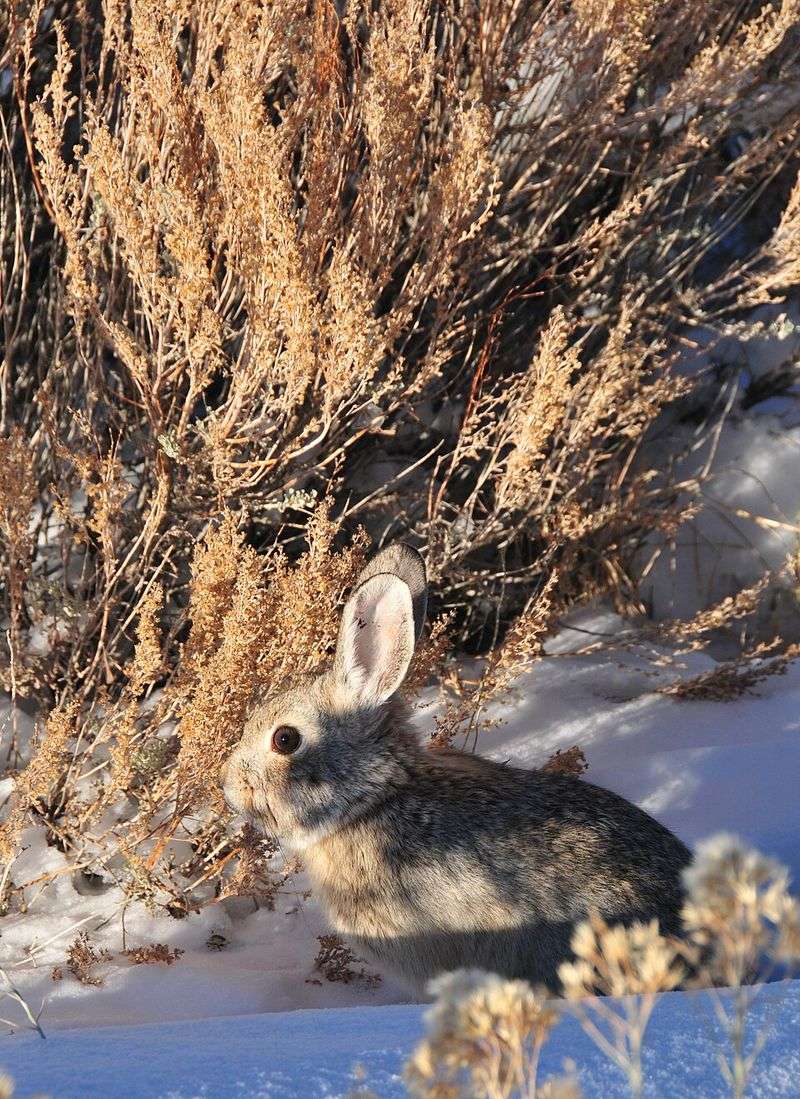
Small enough to sit in your hand, the pygmy rabbit holds the title of North America’s smallest native rabbit. Adults weigh about one pound.
Most rabbits borrow holes or rest above ground. Pygmy rabbits dig their own burrows, which few rabbit species do.
Sagebrush is their whole world. It provides cover from predators, and in winter it makes up almost all of their diet.
That close bond makes them sensitive to habitat loss. When sagebrush disappears from fire or development, the rabbits do too.
Southern Idaho’s sagebrush country, including land around Craters of the Moon National Monument and Preserve, gives them what they need.
Spotting one takes sharp eyes. Look for small burrow openings at the base of big sagebrush plants, and scan in early morning or near sunset.
15. North Carolina: Hellbender Salamander, Great Smoky Mountains National Park, North Carolina
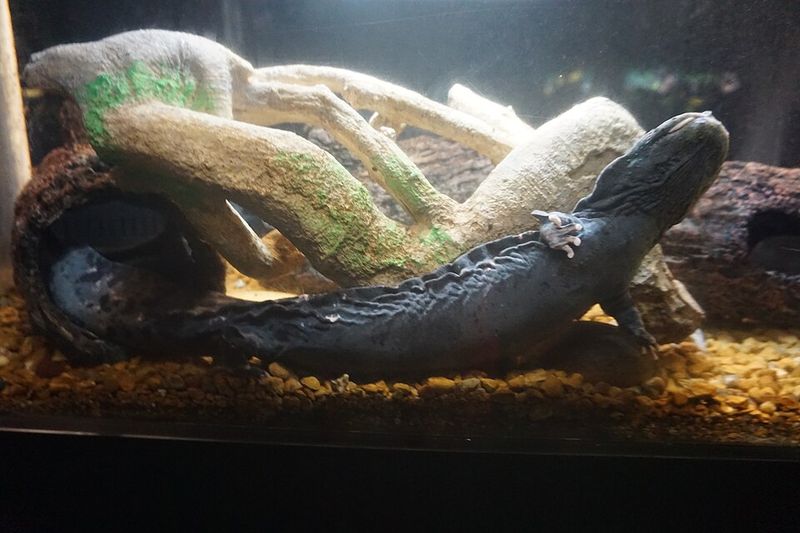
Nicknames like snot otter and devil dog tell you this salamander is not winning beauty contests. The eastern hellbender still deserves a spot on the list.
It can reach nearly two feet long, making it one of North America’s largest salamanders.
Those wrinkly skin folds have a job. They add surface area so the hellbender can absorb oxygen straight from cold, flowing water.
It lives underwater its whole life, hiding under big flat rocks by day. Crayfish are its favorite meal.
Great Smoky Mountains National Park protects the clean streams it needs. Scientists treat hellbenders as signs of healthy water.
Want to help? Avoid moving or stacking rocks in streams, since those rocks serve as hellbender homes.
Seeing one is rare, so count yourself lucky if you do.
Share this story