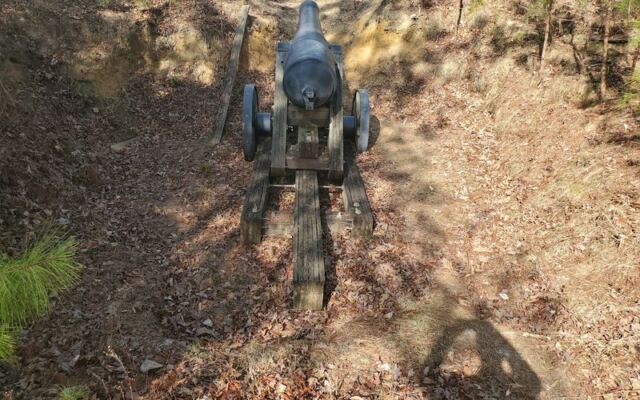
Some of the best surprises in North Carolina hide at the end of long, quiet country roads. You pass farm fields and tall trees, half wondering if you took a wrong turn, and then the ground itself starts telling a story.
Here, earthen walls shaped by hand during the Civil War still rise and dip across a high bluff, holding their form after more than 160 years. If you love history you can actually walk through, this little-known spot might just become your favorite free-feeling find of the year.
An Earthen Fort Above the Roanoke River
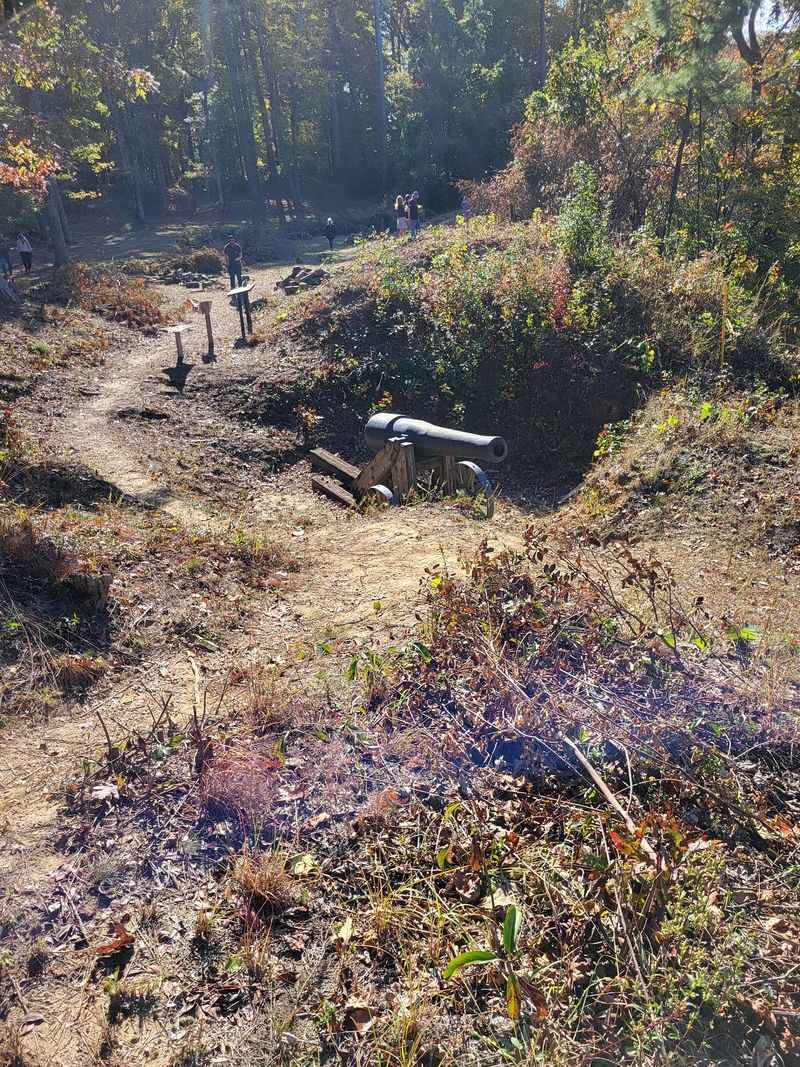
Tucked into rural Martin County at 2883 Fort Branch Rd in Oak City, Fort Branch Confederate Earthen Fort Civil War Site sits high on a bluff over the lower Roanoke River. Rather than a stone castle or brick tower, the fort is made of packed soil, shaped into walls and trenches by people working with shovels in the 1860s.
What makes it remarkable is simple. Those earthworks never washed away.
Grass and trees now soften their edges, yet the lines and angles remain easy to trace as you stroll across the grounds.
Officially, the site is listed as an army museum, and it does have a building with artifacts. Still, most of the magic lives outdoors, where the land itself acts as the main exhibit.
Visitors often describe it as a well-preserved fort that feels surprisingly personal, almost like stepping onto a page of an old history book that someone left open.
Why Shovels and Soil Built a Stronghold
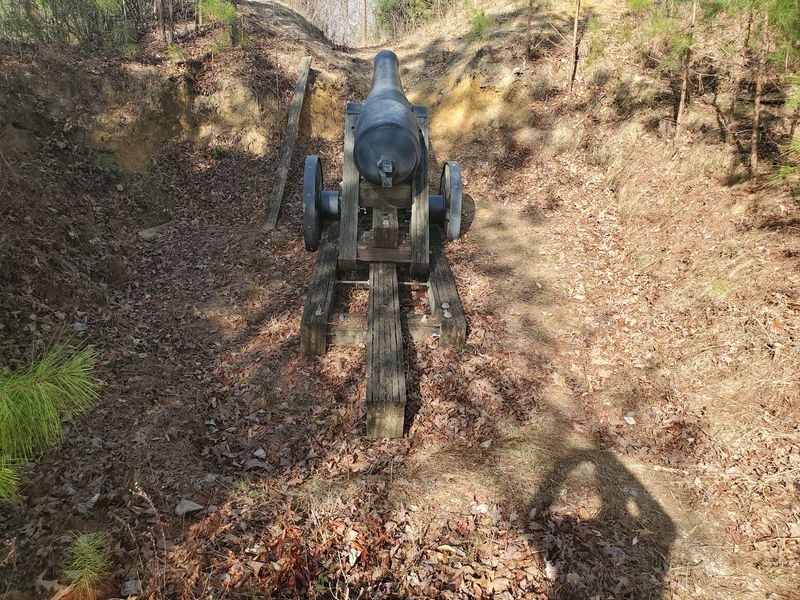
Picture a river as a highway. During the Civil War, the Roanoke carried boats deep into eastern North Carolina, so a fort on a high bluff gave defenders a commanding view of anything coming upstream.
Dirt might sound like a flimsy building material, yet packed earth was a smart choice back then. Thick soil walls could absorb impacts far better than stone, and builders could shape them quickly with local materials.
That practical thinking is exactly why the trenches survive today.
Walking along the embankments, you start noticing details. Some walls rise higher where the view of the river mattered most.
Low spots mark where soldiers once moved from one position to another.
Kids especially enjoy imagining how many shovelfuls it took. Adults tend to marvel that rain, wind, and more than a century and a half of seasons have not flattened the shapes at all.
A Sheer Bluff With a River View
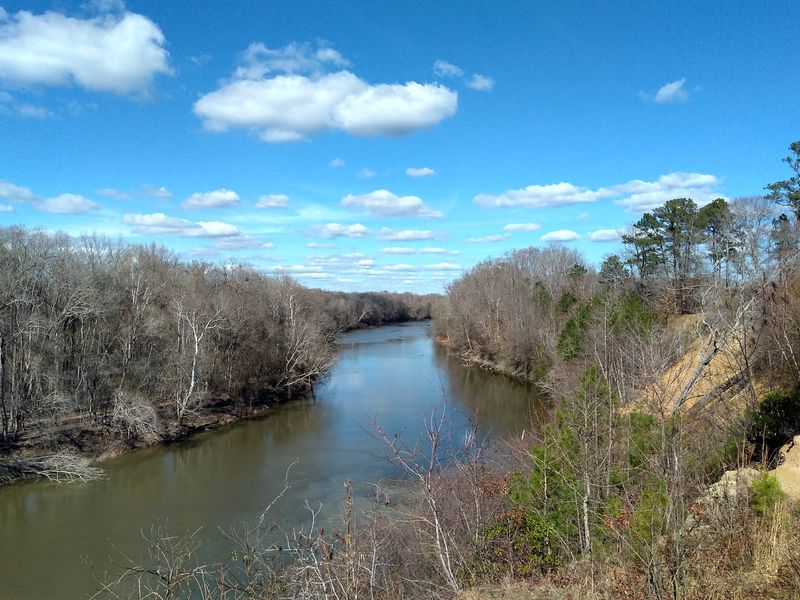
From the water, you would hardly guess anything sits up there. One longtime river visitor shared that only a split rail fence peeks over the top of a steep rock and clay wall, which he estimated at 60 to 70 feet straight up.
That dramatic drop explains a lot about the location. A bluff this tall gave the fort a natural shield, and the Roanoke below offered a clear line of sight for anyone keeping watch.
Years ago, wooden steps were built into the bank, letting boaters climb from the river to the grounds. Hunters remember scaling them through the 1990s just to wander and snap pictures.
Sadly, those steps have since disappeared, so today everyone arrives by road.
Standing near the edge now, you can still appreciate the height and the quiet sweep of water and forest stretching below.
The Cannons That Came Back From the Water
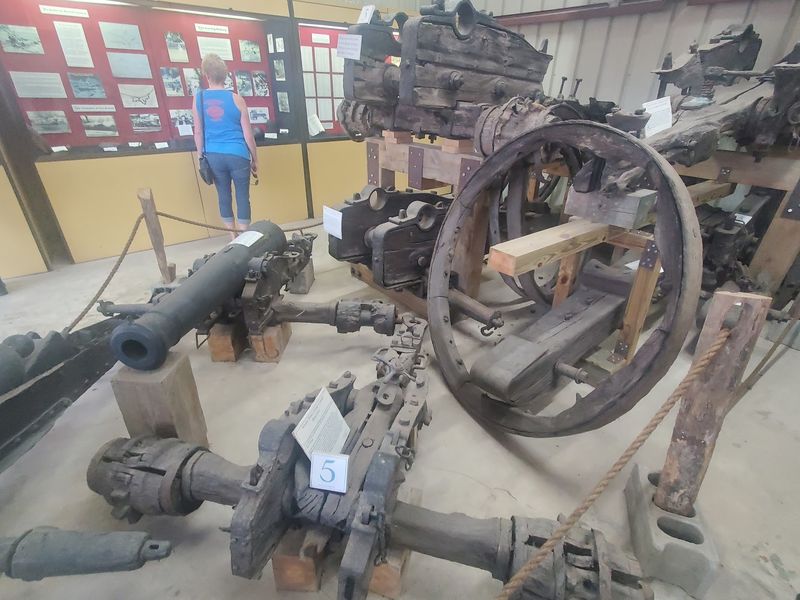
Here is a twist worth bragging about at dinner. According to visitors who know the story, the fort’s cannons ended up in the Roanoke River, and their recovery came with surprising drama around 1972.
As the tale goes, an excavating company attempted to pull the cannons from the river and keep them. Instead, the pieces were recovered, and that moment became part of the fort’s modern identity.
For guests, the story adds an extra layer of fun. You are not just looking at old earth walls, you are visiting a place where history literally resurfaced from the riverbed.
Ask the volunteers about it when you visit. People who staff the site are known for being eager to share details, and hearing the story told on the very ground where it matters makes it far more memorable than reading it anywhere else.
Artifacts Inside the Museum Building
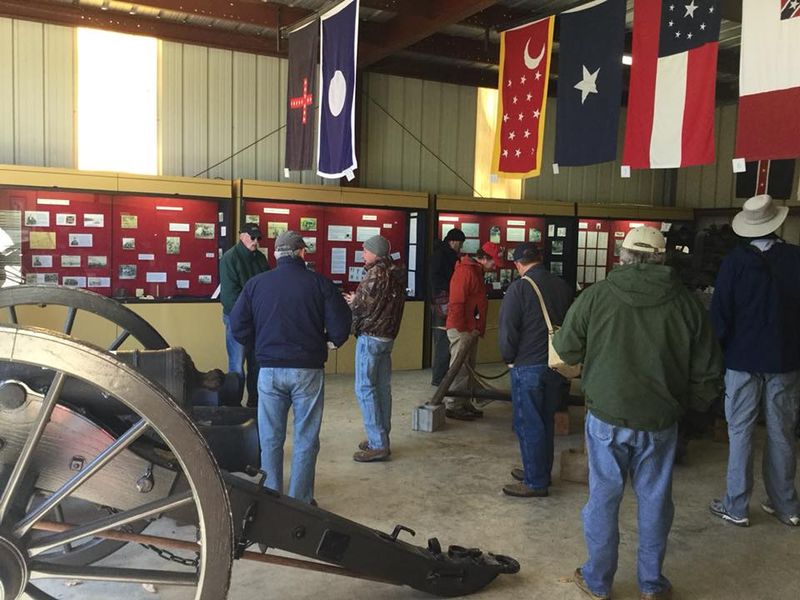
Outdoors gets most of the attention, but don’t skip the indoor exhibits. One returning visitor called the building with authentic artifacts exceptional, and that praise fits the site’s homegrown spirit.
Display cases help connect the earthworks to the real people who lived and worked here. Seeing everyday objects up close can make history feel less like dates on a test and more like a neighbor’s story.
Since the space is modest, you can take your time without feeling rushed or crowded. Pause at each case, read the labels, and then head back outside with fresh eyes for the trenches.
One firm rule applies across the property: absolutely no relic hunting. The site is privately owned, and visitors note that anyone digging for items can face prosecution.
Leave the metal detector at home and let the museum do the showing for you.
November Reenactment Weekends

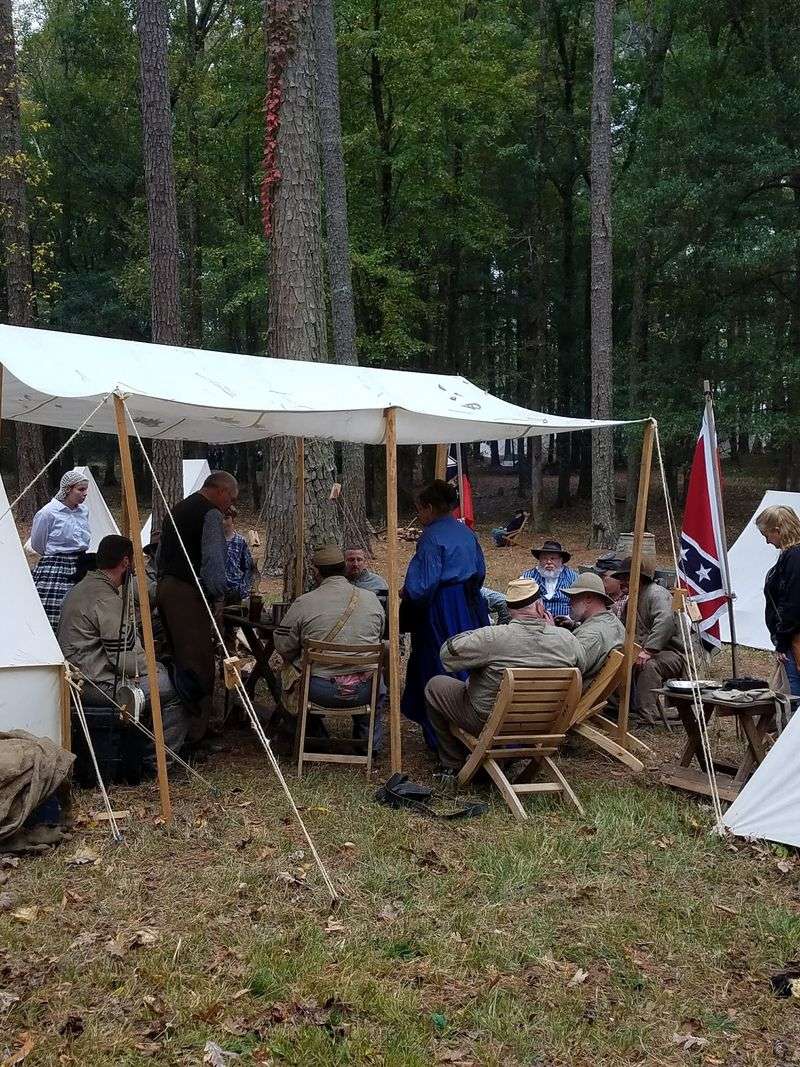
Smoke curling over the bluff on a fall morning is your clue that something special is underway. Reenactment is the single most talked-about topic among visitors, and the big event happens in November.
Families describe it as realistic, informative, and unforgettable. One guest who drove up from Florida, originally from North Carolina, said the scene felt so real she could only imagine what people went through back then.
Participants welcome conversation, so it’s easy to chat, ask questions, and learn about daily camp life. One visitor even mentioned eating and talking with folks involved and calling the whole day fantastic.
Crisp autumn air and colorful leaves make it a natural fit for a seasonal day trip. If you can only visit once, plan around this weekend and check the website ahead of time for exact dates.
Volunteers Who Love Telling the Story
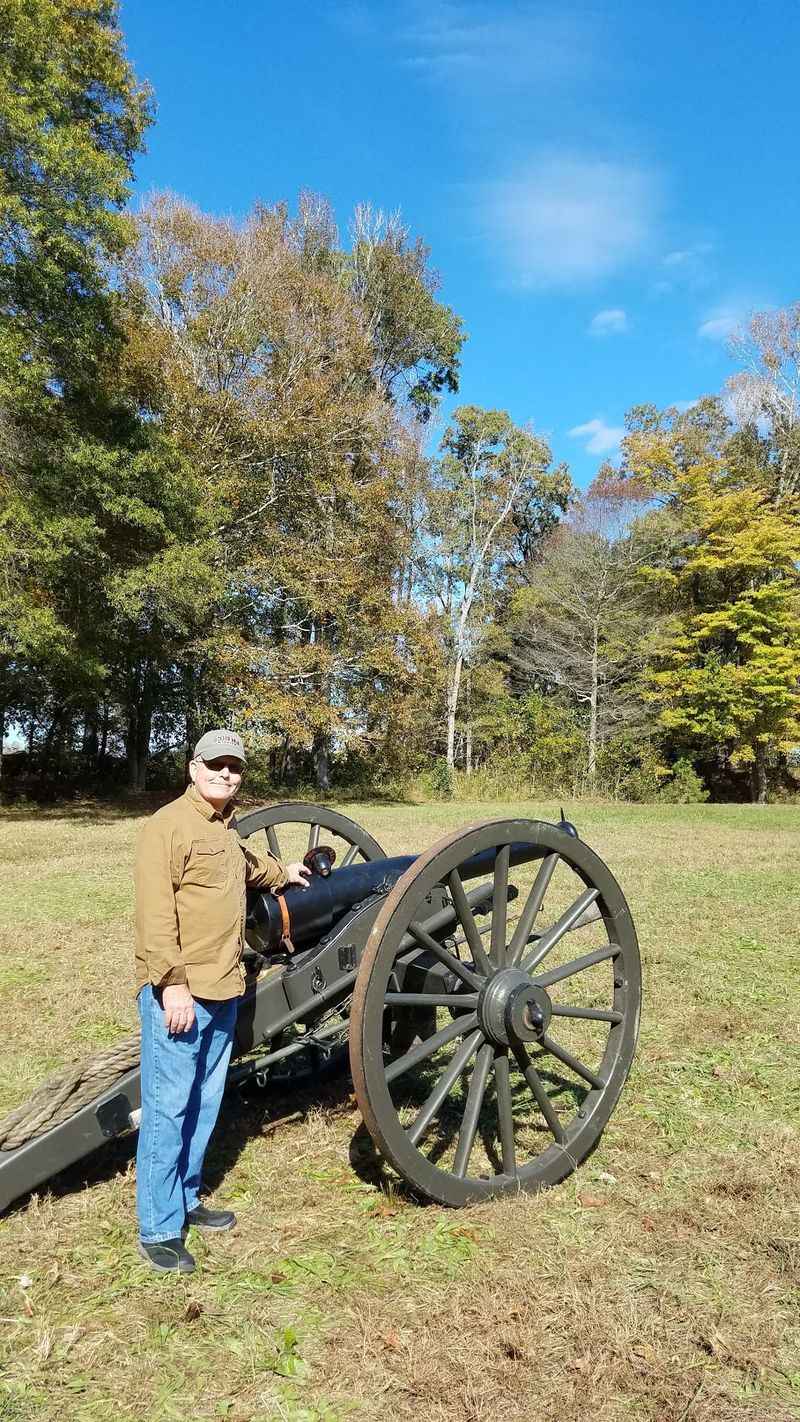
Ask almost anyone who has visited and they will mention the people first. Friendly staff comes up again and again, along with words like knowledgeable, helpful, and kind.
One visitor described a gentleman who was extremely well informed about the fort. Another simply said they had a great tour time with Jim, which says plenty about how personal these visits can feel.
Small sites like this often run on passion rather than big budgets. You can sense that warmth in how folks take time to answer questions, point out details in the earthworks, and share stories you would never find on a sign.
For curious kids or history buffs, that one-on-one attention is gold. Bring a list of questions, and don’t be shy.
The guides seem genuinely happy whenever someone wants to learn more about this corner of Martin County.
Quiet Trees and Serene Grounds
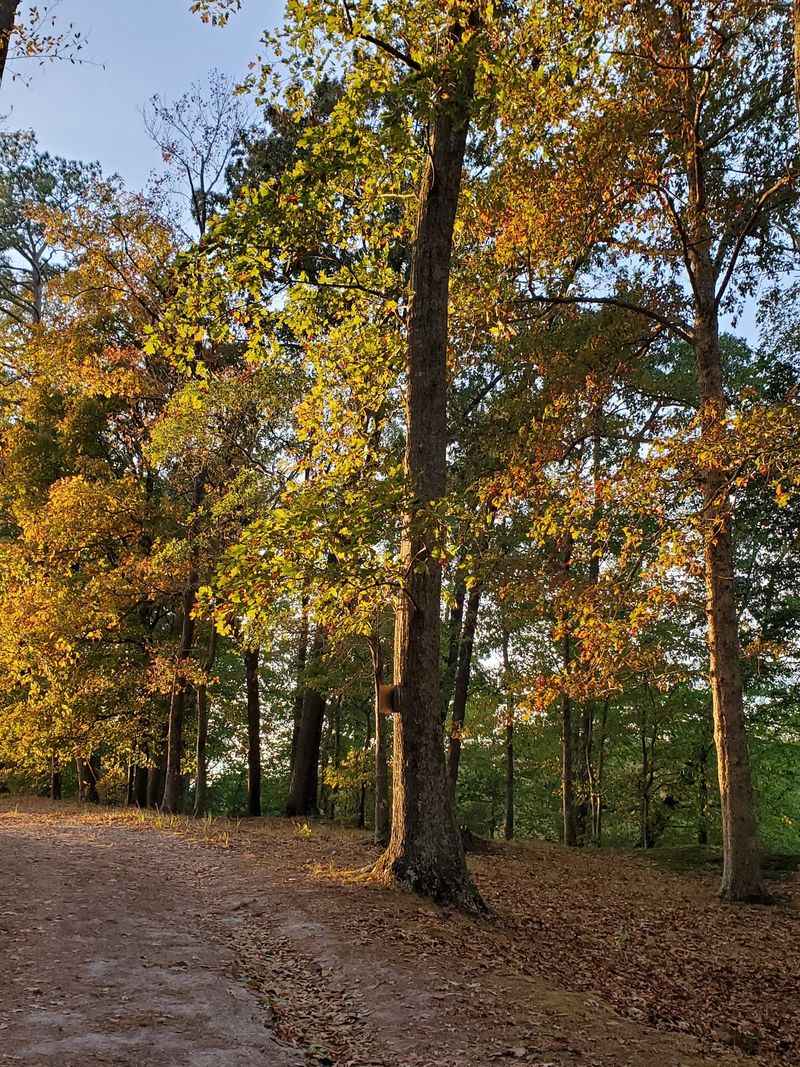
Silence is underrated. On an ordinary open afternoon, the loudest sounds might be birdsong and leaves shifting in the breeze.
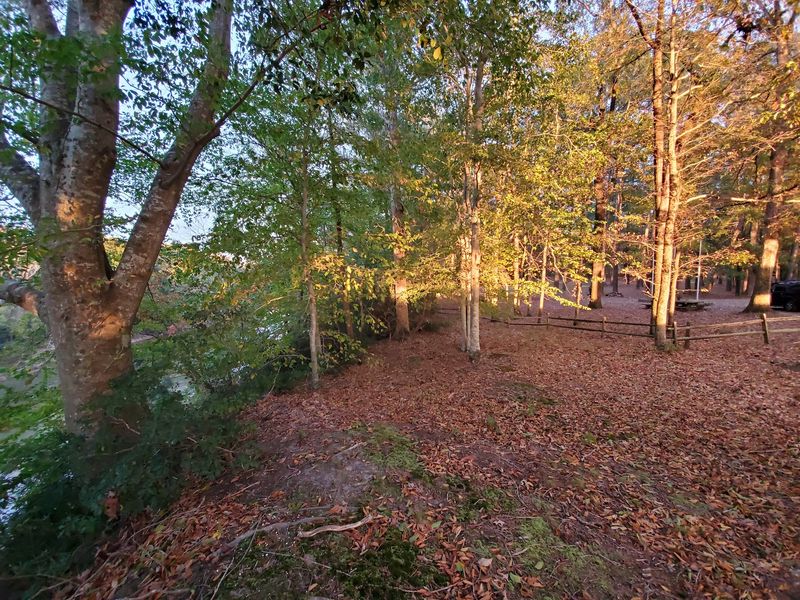
Guests repeatedly call it a quiet place, peaceful and serene. Tall trees shade much of the property, giving the earthworks a calm, almost park-like feel that invites slow walking rather than rushing from stop to stop.
That gentle mood makes the history easier to absorb. Without crowds or noise, you can stand beside a trench, look around, and let your imagination fill in the scene from long ago.
Trees have also shaped recent chapters here. Visitors mention that a falling tree damaged a shed on the property, a reminder that nature keeps working on this landscape year after year.
Even so, the walls themselves endure, proving just how sturdy those hand-built forms really are.
Camping Areas for Event Weekends
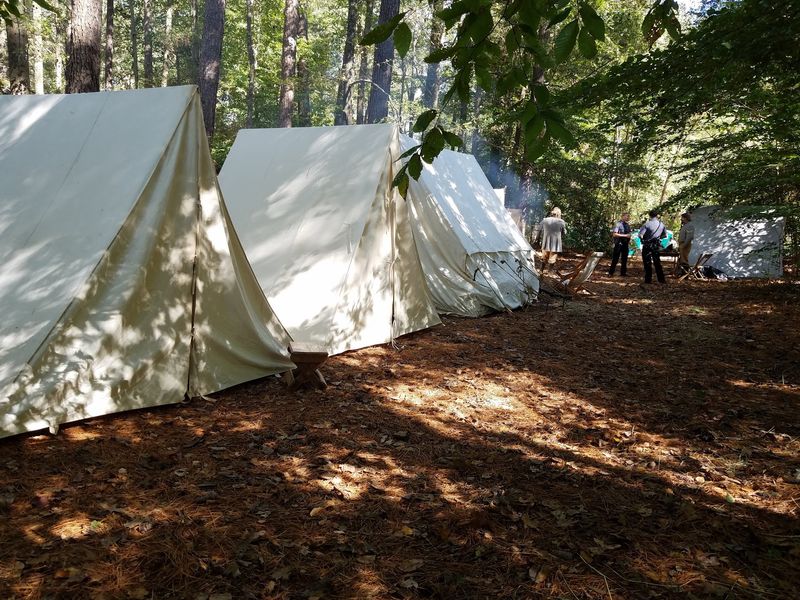
Want to stretch a visit into a full weekend? One guest praised the really nice camping areas, describing the grounds as a relaxing place to enjoy history.
Camping fits naturally with event weekends, when reenactors and visitors gather and the site comes alive. Waking up near the earthworks adds a sense of adventure that a quick drive-through simply can’t match.
Details about reservations or availability aren’t covered in the information we have, so contact the site through its website before packing your tent. That small step can save a long drive and a disappointing surprise.
For budget-minded families, outdoor stays like this can turn a single history lesson into a memorable mini getaway. Pack snacks, a lantern, and comfortable layers, since autumn nights in eastern North Carolina can turn cool after a warm afternoon in the sunshine.
Who Will Love a Visit Most
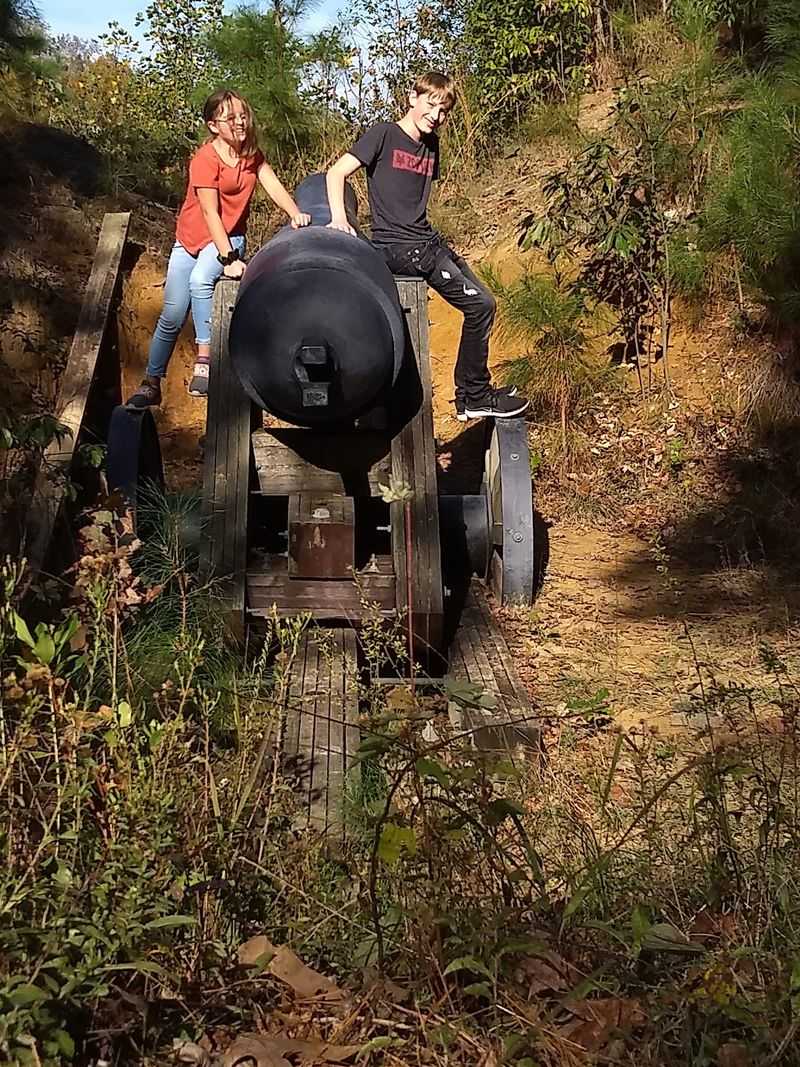
History lovers are an obvious match, but the appeal reaches further. Families especially seem to enjoy it, with several visitors calling it a nice place to bring loved ones.
Students can gain a lot here, too. One guest summed it up by saying everyone needs to attend because they would learn so much, and another called it a great spot to study North Carolina’s Civil War past.
Photographers will find plenty of textures, from grassy walls to river views and towering trees. Nature fans may simply enjoy the calm walk.
Folks who prefer flashy attractions with gift shops and snack bars might find it too simple. Yet that simplicity is exactly the charm.
Easy to explore and low-key, it suits anyone who likes discovering something real and unpolished, the kind of place that feels like a secret shared among friends.
Hours, Appointments, and Timing Tips
Timing matters more here than at most attractions. Current listed hours show the site open only on Saturdays from 1:30 to 5:30 PM, and closed Sunday through Friday.
Visitor reports add helpful nuance. Some mention openings on specific Saturdays each month during the warmer season, plus special events in November and December.
One traveler arrived to locked gates and noted the posted sign didn’t match the real schedule.
Good news, though. Guests say you can call the number listed on the website, and someone may arrange to meet you by appointment.
Others mention walking in during daylight hours is allowed on this privately owned property.
Bottom line: check fortbranchcivilwarsite.com before heading out. A quick look or phone call can make the difference between an empty gate and a warm, guided welcome.
Country Roads, Sneakers, and Bug Spray
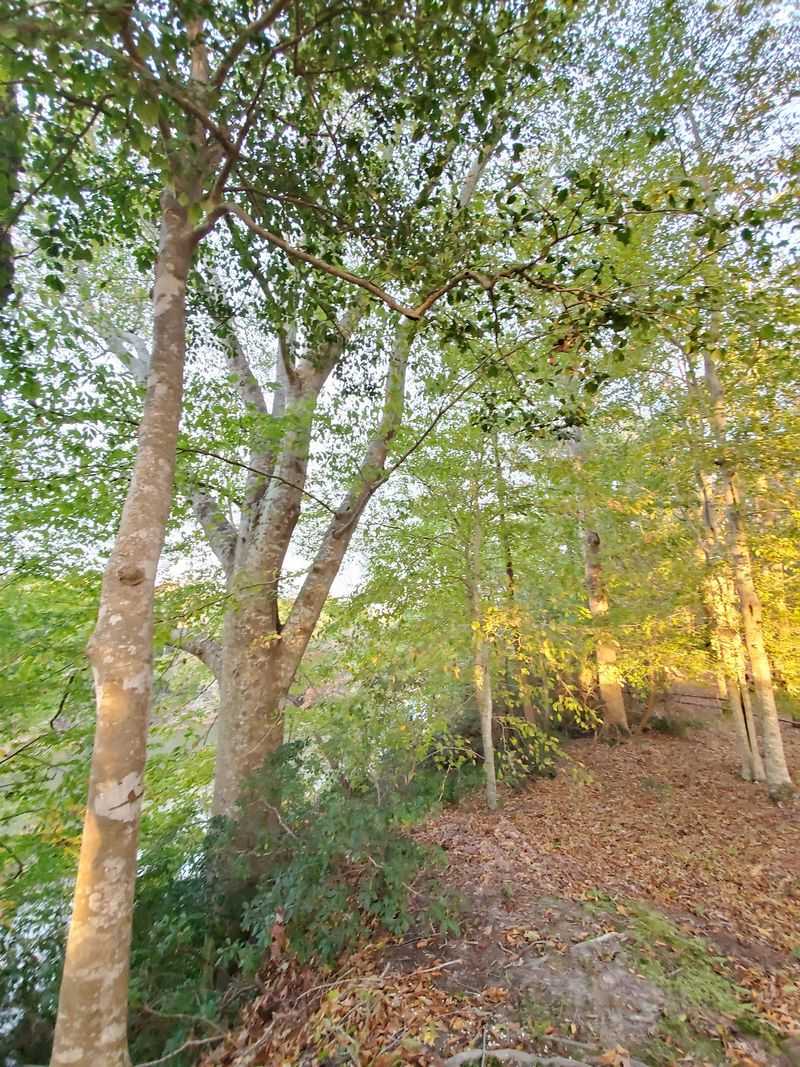
Getting there is half the fun. Visitors describe a nice country drive through rural eastern North Carolina, and several say the trip is well worth the miles.
The address is 2883 Fort Branch Rd, Oak City, NC 27857. Expect quiet back roads, open fields, and stretches of woods, so download directions ahead in case your phone signal fades.
Footwear deserves a thought. One guest recommended sneakers, since exploring means walking on uneven ground along the earthen walls.
The same visitor suggested bug spray, which makes sense on a wooded bluff near the river.
A water bottle, a light jacket for fall, and a camera round out a smart packing list. Pricing details aren’t listed in our information, so ask about any fees when you call.
Showing up prepared lets you focus on the history instead of itchy ankles.
A Hidden Chapter Worth the Detour
Few places let you literally walk inside history the way this bluff does. Hand-shaped trenches, a river view, rescued cannon lore, and friendly guides add up to something far richer than its quiet entrance suggests.
Sure, the schedule takes some planning. Hours are limited and the location is remote.
Still, visitors consistently say it was worth the drive, and many leave already planning a return for the November reenactment.
Think of it as a slow, thoughtful outing rather than a busy attraction. Pair it with a fall foliage drive or a weekend camping trip, and you have a day that feels both educational and relaxing.
If you enjoy uncovering lesser-known corners of North Carolina, put this one on your list. Those earthen walls have waited more than 160 years, and they are still ready to share their story.
Share this story