Somewhere beneath the streets of Saint Paul, Minnesota, there are cave walls that have witnessed things most history books barely mention. Bullet holes, secret rooms, mushroom farms, and swing dancing nights all share the same sandstone tunnels.
This is not a story about a typical underground attraction. The Wabasha Street Caves have lived at least five completely different lives, and each one left a mark you can still see today.
How Sandstone Tunnels Became Saint Paul’s Most Surprising Address
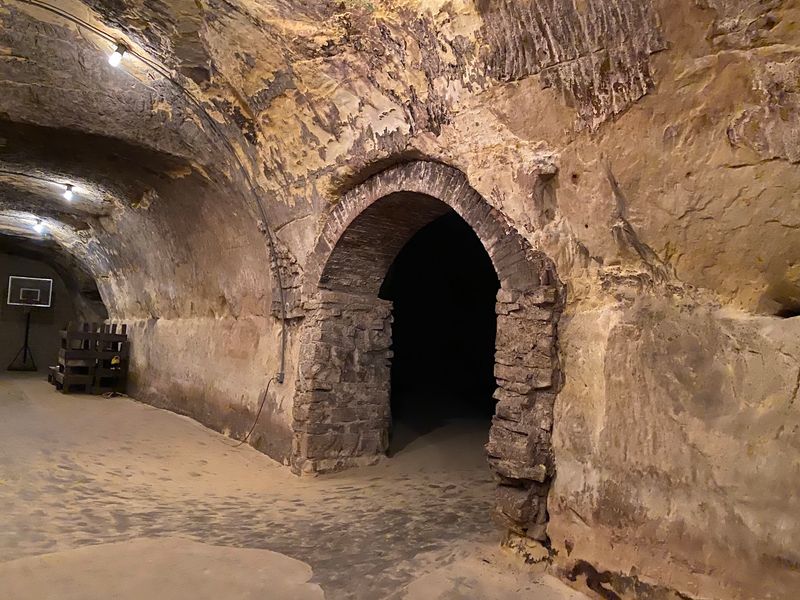
Long before anyone thought of giving tours down here, these tunnels were carved out of the soft sandstone bluffs along the Mississippi River. Workers dug them by hand, leaving pickaxe marks on the walls that are still visible today.
That kind of detail stops you cold when a tour guide points it out.
The Wabasha Street Caves, located at 215 Wabasha St S, St Paul, MN 55107, sit right at the edge of a bluff that overlooks the river valley. The address sounds ordinary, but nothing about what is inside fits that description.
The caves were originally mined for silica sand, which was used in local manufacturing. After the sand ran out, the empty tunnels did not stay empty for long.
Saint Paul had big plans for this underground space, and the story was only just getting started.
From Mining Tunnels to Mushroom Farms Underground
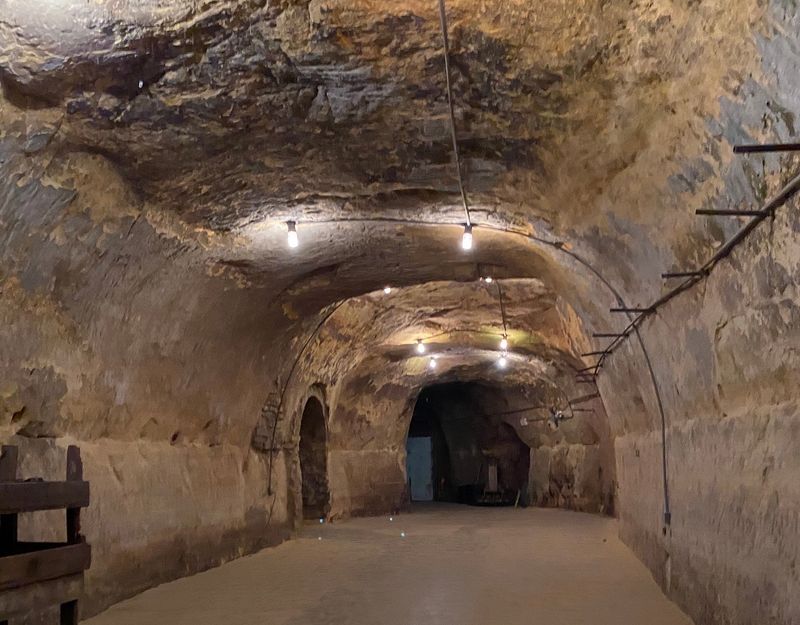
After the silica sand was exhausted, someone looked at these dark, cool, humid tunnels and had a genuinely practical idea. The caves were converted into mushroom farms, taking advantage of the naturally stable temperature underground.
It was a clever use of space that nobody would have predicted.
Mushroom farming in caves sounds unusual today, but it was a reasonable commercial operation for its time. The conditions underground stayed consistent year-round, which made growing mushrooms far easier than doing it above ground in Minnesota’s unpredictable climate.
The farming operation did not last forever, but it set a pattern that would define this place for decades. Each new owner looked at those tunnels and found a completely different purpose for them.
That cycle of reinvention is part of what makes this location so genuinely hard to categorize, even now.
The Gangster Era That Left Its Mark on the Walls
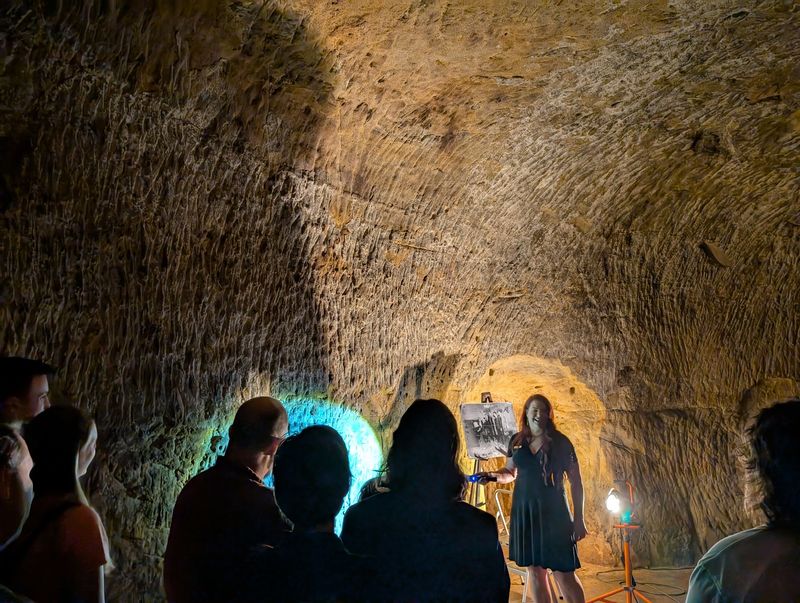
Here is where the story takes a sharp turn. During the Prohibition era and into the 1930s, the caves became associated with Saint Paul’s notorious gangster scene.
The city had a well-documented arrangement at the time that made it a temporary safe haven for criminals passing through the region.
The caves reportedly served as a gathering spot during this period, and the bullet holes that some visitors notice on certain surfaces are pointed out during tours as physical evidence of that rough chapter. Seeing an actual bullet hole in a cave wall is the kind of thing that makes history feel uncomfortably real.
Gangsters including figures connected to the wider Midwest criminal network of that era reportedly used spaces in and around this area. The tour guides bring this history to life with enough detail to keep adults genuinely riveted from the first minute to the last.
The Underground Nightclub That Kept the Party Going
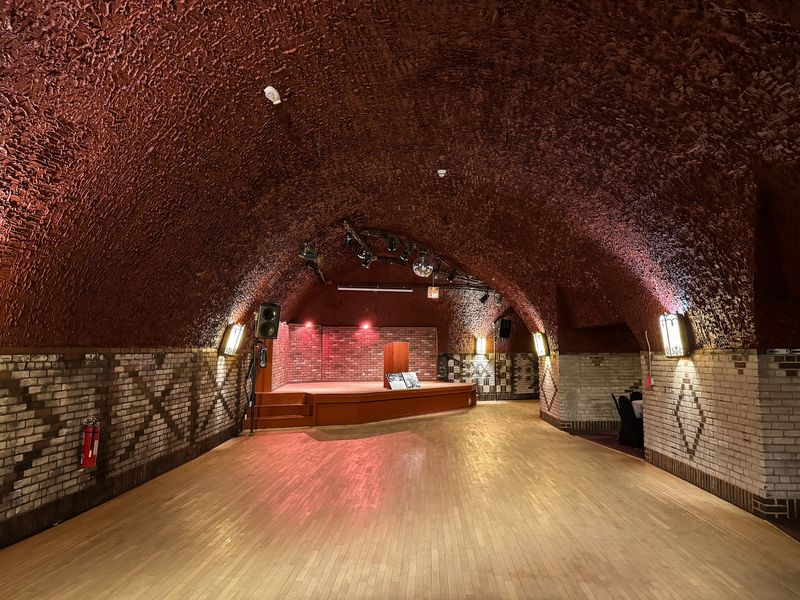
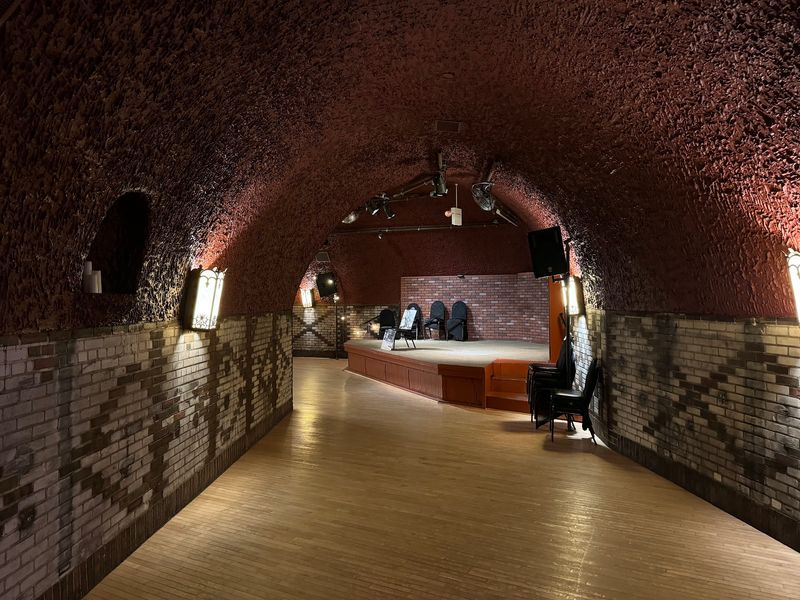
After the gangster years, the caves found yet another identity. They were transformed into an underground nightclub, complete with a dance floor and a stage.
The idea of a live music venue carved into a sandstone bluff along the Mississippi sounds almost too good to be true, but the physical space still reflects that history.
The Castle Royal nightclub operated here and attracted performers and guests during an era when underground venues had a certain irresistible appeal. The cave’s natural insulation kept the sound contained and the temperature cool, which turned out to be a practical advantage for a busy nightspot.
Today, swing dancing nights are still held inside the caves, continuing a tradition that stretches back decades. Hearing that a 15-piece band once filled these tunnels with music while people danced on a cave floor is the kind of detail that makes you wish you could have been there.
What the Tommy Gun Fireplace Actually Tells You
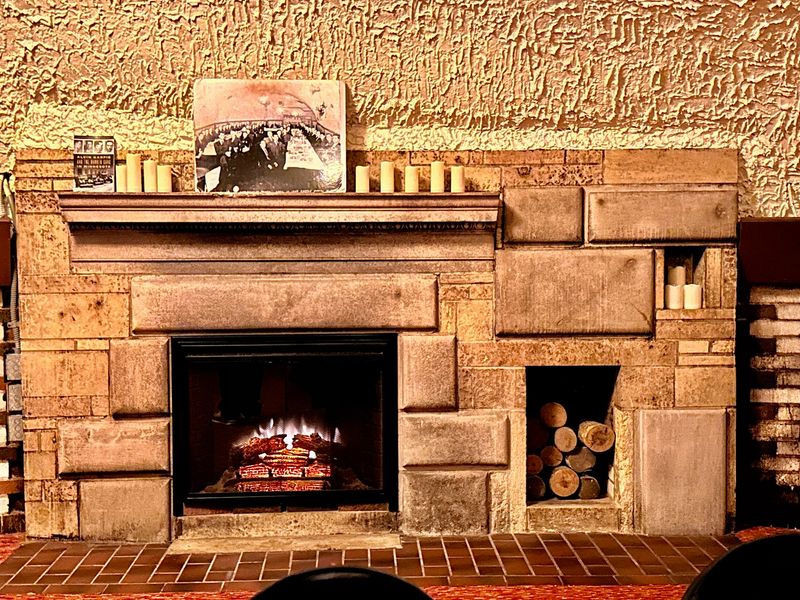
One of the most talked-about details inside the caves is the Tommy gun fireplace. Tour visitors regularly mention it as a favorite moment, and it is easy to understand why.
A fireplace built with a Thompson submachine gun design element is not something you expect to find inside a sandstone cave in Minnesota.
Details like this were not accidental. The decor from the nightclub era was intentional, reflecting the culture and aesthetic of the time.
The people who ran this space understood their audience, and that audience had a taste for a certain kind of drama.
The fireplace sits in what is known as the fireside room, one of several distinct spaces within the cave network. Guests today still gather in that room, and the fireplace remains a genuine conversation piece.
It is one of those small, specific details that makes the whole tour feel worth every minute.
The Mushroom Doorway and What It Signals About the Past
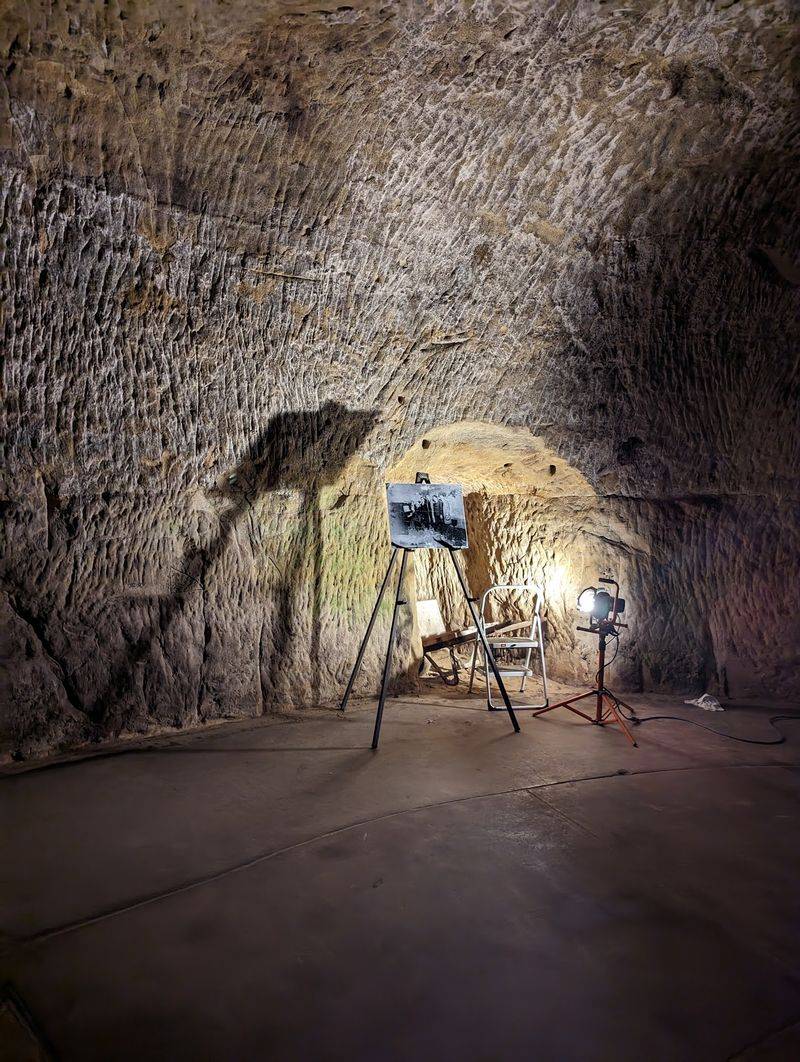
One of the quirkiest architectural surprises inside the caves is the mushroom doorway. It is a carved opening that reflects the cave’s earlier life as a mushroom farming operation, and it has become one of those details that tour visitors remember long after they leave.
Seeing a doorway shaped by the practical needs of a long-gone agricultural business inside a space that later became a gangster hangout and then a dance hall is genuinely disorienting in the best possible way. The layers of history overlap in ways that feel almost impossible to untangle.
Tour guides use the mushroom doorway as a teaching moment, connecting the cave’s agricultural chapter to everything that came after. It is a small architectural detail that carries a lot of historical weight, and it is exactly the kind of thing you would never notice or understand without a knowledgeable guide walking you through it.
Saint Paul’s Gangster History Goes Deeper Than Most People Know
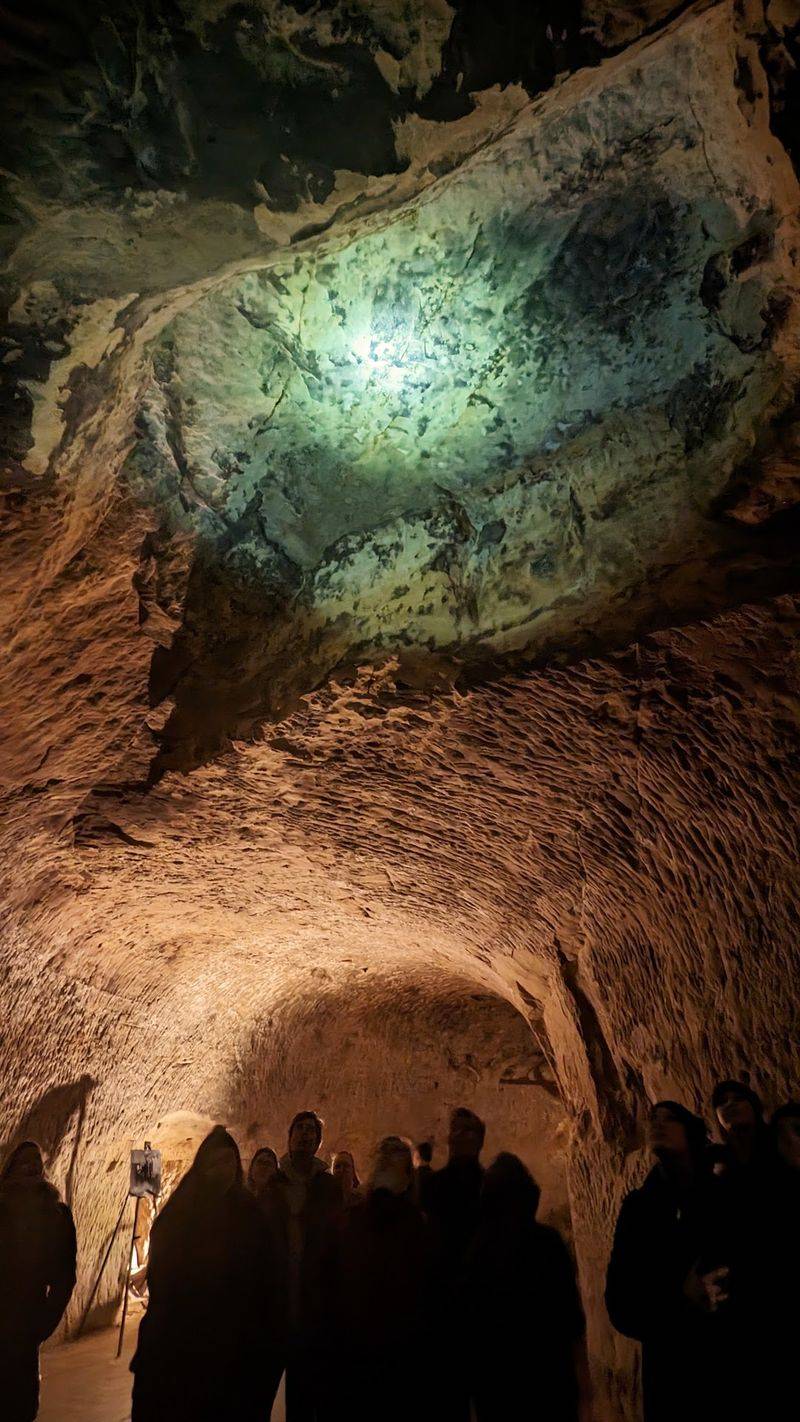
Saint Paul had a documented arrangement during the early 20th century sometimes called the “O’Connor System,” named after a former police chief. Under this informal agreement, criminals could stay in the city as long as they checked in with local authorities and avoided committing crimes within city limits.
This arrangement made Saint Paul a temporary refuge for some of the most notorious figures of the era. The caves fit into this broader story as a place where people connected to that world gathered, conducted business, and apparently sometimes settled disagreements in ways that left permanent marks on the walls.
Understanding this context makes the cave tour feel like a genuine history lesson rather than a novelty experience. The guides connect the underground space to the wider story of the city in ways that give visitors a much richer picture of what Saint Paul actually looked like during those decades.
What a Cave Tour Here Actually Feels Like
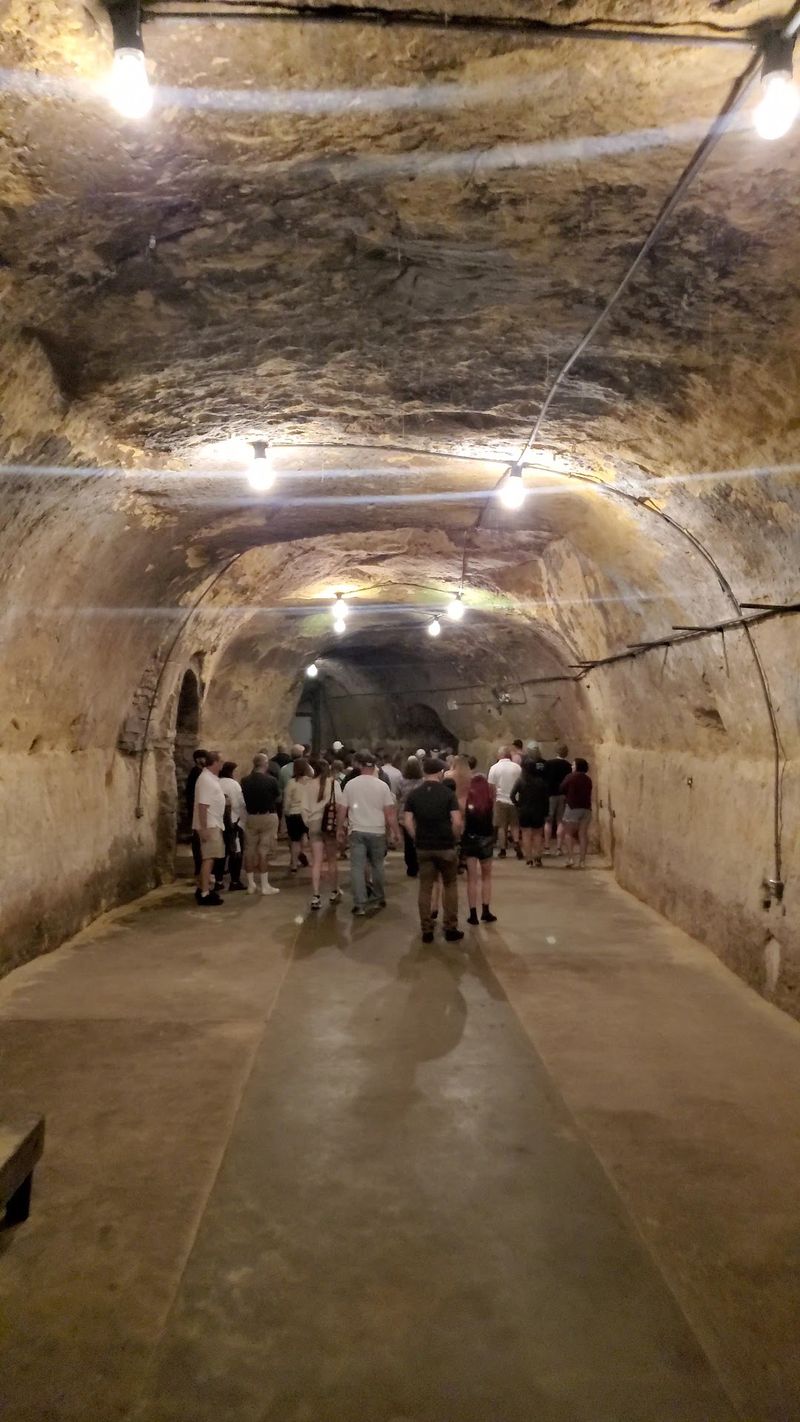
The tour runs about an hour, and the physical experience is easier than most people expect. The walking distance is short, the path is flat, and there are places to sit near the beginning of the tour.
The cave is accessible, including for visitors who use mobility aids, though it helps to mention that when booking.
The temperature inside stays cool year-round, so bringing a light layer is a good idea regardless of the season. That consistent chill is part of what made the space work so well as a mushroom farm and a food storage area before it became anything else.
What makes the tour genuinely engaging is the storytelling. The guides bring real energy and specific knowledge to every section of the cave, connecting the physical space to the historical events that shaped it.
The hour goes by faster than you expect, and most visitors leave wanting more.
The Ghost Tours That Fill Up Faster Than You Expect
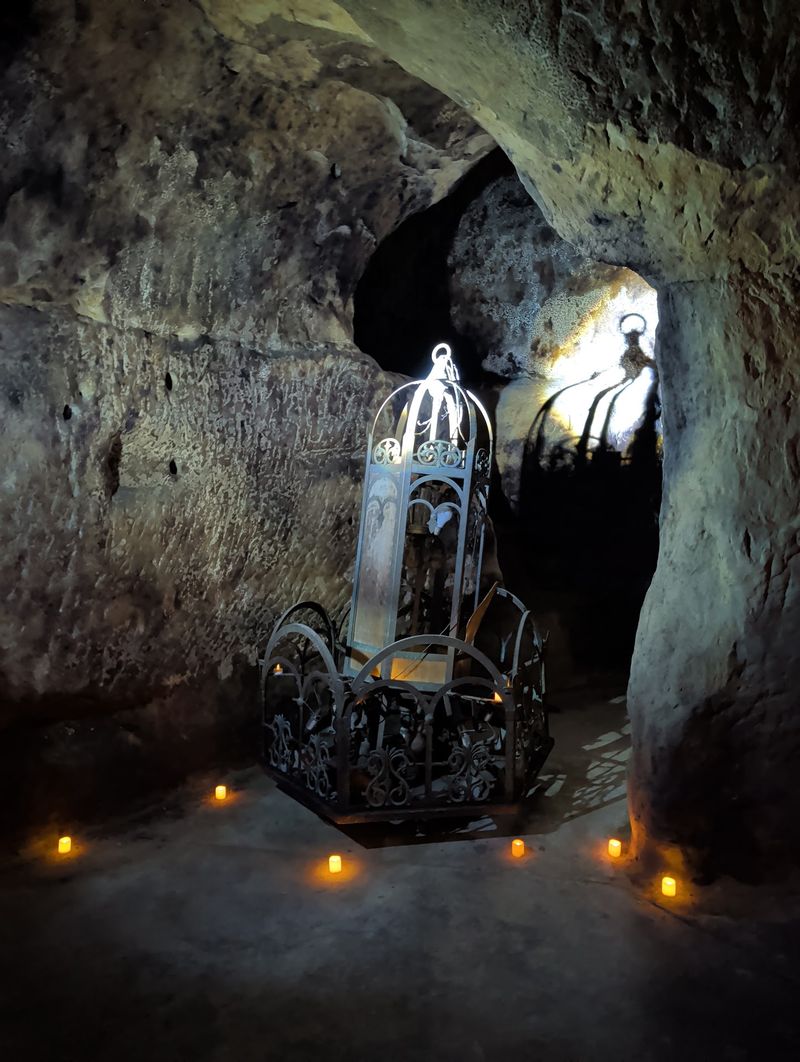
Beyond the standard history tour, the caves also offer ghost tours that attract a very different kind of visitor. The underground setting is naturally atmospheric, and the history of the space gives ghost tour guides plenty of material to work with.
Several visitors have reported unexplained experiences during their time inside the caves.
One visitor on a recent tour mentioned that someone in their group claimed to have seen a ghost. The guide took it in stride, which suggests this is not an unusual report.
Whether you believe in that kind of thing or not, the cave environment makes it easy to understand why people’s imaginations run at full speed down here.
Ghost tours tend to book up quickly, especially around Halloween. If that version of the experience interests you, checking availability well in advance is the smart move.
The caves have a way of feeling genuinely different after dark.
Swing Dancing Nights Keep an Old Tradition Alive
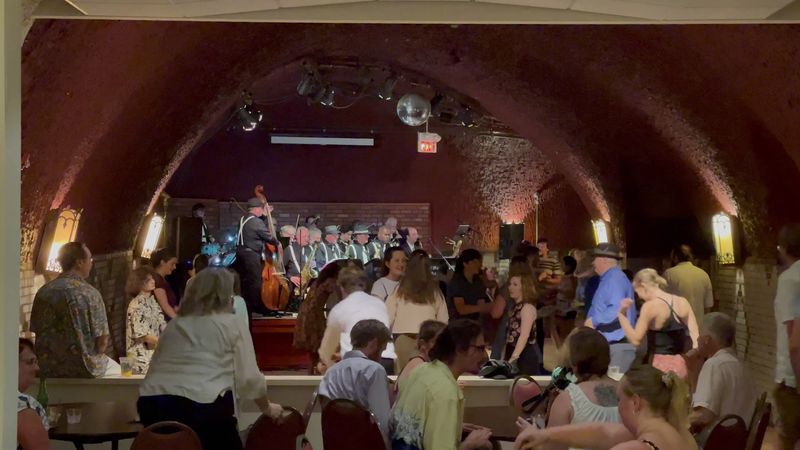
One of the most unexpected things about visiting the caves is finding out that swing dancing nights are still a regular event here. A 15-piece band performing inside a sandstone cave while people dance on the same floor where gangsters once gathered is a combination that is hard to find anywhere else.
The swing dancing events have become genuinely popular, drawing both experienced dancers and complete beginners. An instructor typically helps newcomers get comfortable before the full dancing begins, which keeps the atmosphere welcoming rather than intimidating.
Combining a cave tour with a swing dancing night is something visitors frequently recommend as a package experience. The two things together cost around $25 at the time some visitors have reported, though checking the current schedule and pricing directly is always a good idea.
It is the kind of evening that is difficult to replicate anywhere else in the Twin Cities.
The Gangster Bus Tour Adds a Whole New Layer
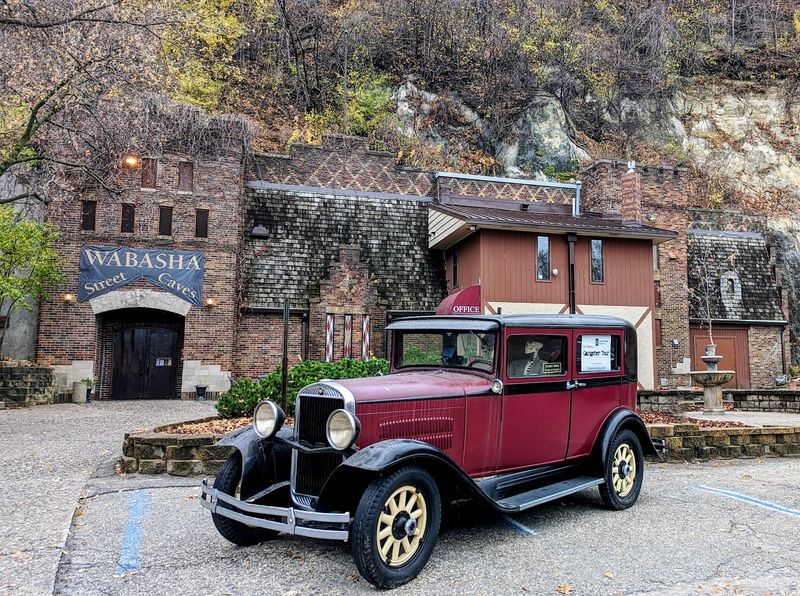
The caves themselves are only one part of the experience available here. The gangster bus tour takes visitors out into the streets of Saint Paul to see the historical buildings and locations connected to the city’s criminal past.
It is a completely different format from the cave tour but draws on the same rich history.
Tour guides on the bus route connect specific addresses and buildings to real events and real people from the Prohibition era and beyond. Visitors who have taken both tours consistently say the bus tour adds significant context to everything they learned underground.
The guide known as Radio Sally has been specifically mentioned by visitors as a standout presence on the bus tour. Booking both experiences during the same visit gives you a much fuller picture of how deep Saint Paul’s gangster history actually runs, and how much of it is still physically visible in the city today.
How the 1950s Flood Changed What You Can See Today
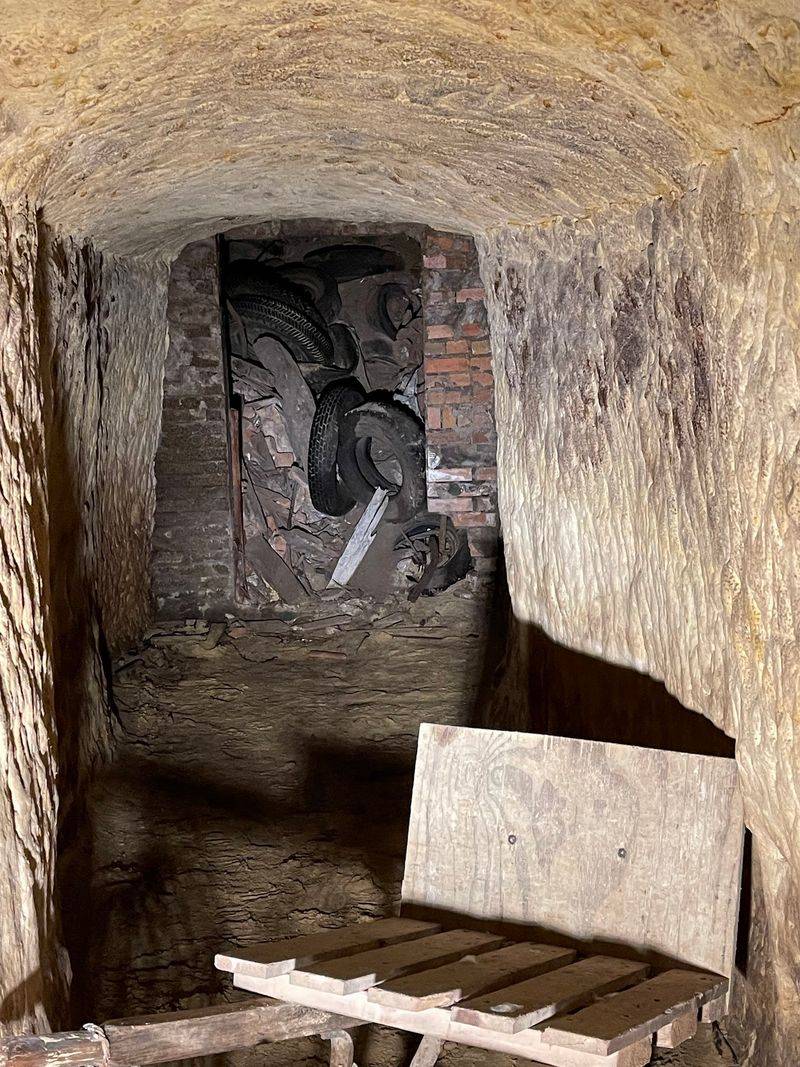
Not all of the cave network is open to visitors, and there is a specific reason for that. A significant flood in the 1950s affected portions of the caves, and some sections are still in the process of being cleaned out and assessed.
That piece of context is worth knowing before you arrive, so your expectations match what is actually accessible.
The front portion of the caves is the section open for tours, and it covers enough ground to tell the full story of the space. The closed sections add an element of mystery, and guides sometimes reference what lies beyond the accessible area, which naturally makes visitors curious about what future tours might eventually reveal.
The owners have indicated that work continues on expanding what can be shared with the public. That ongoing process means the caves are genuinely still evolving as an attraction, and a return visit in a few years could offer something different from today’s experience.
Practical Tips That Make the Visit Run Smoothly
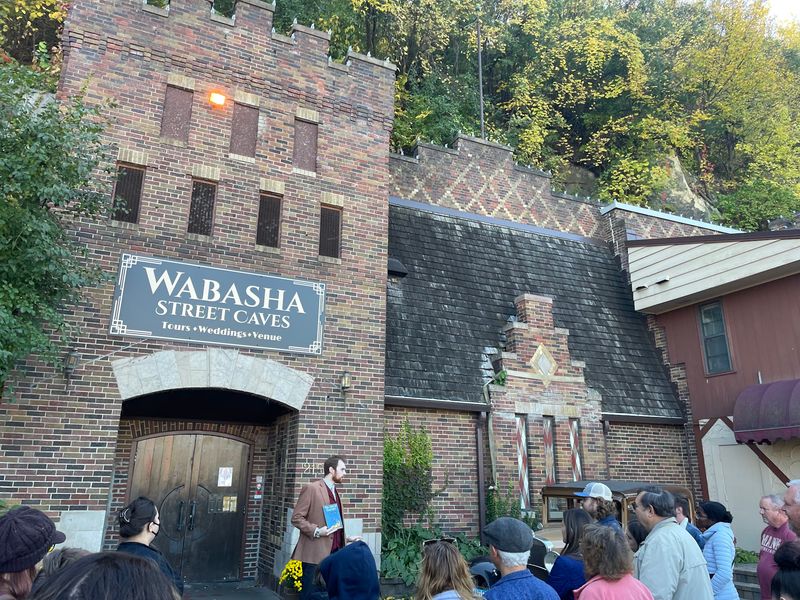
A few practical things are worth knowing before you show up. The caves operate on a tour-based schedule, so walking in without a reservation is risky, especially on weekends when spots fill up fast.
Buying tickets in advance is something nearly every visitor who has been there recommends.
Parking is available on site and is free, which is a genuine convenience in a city where parking can be complicated near popular attractions. The caves are open most days of the week, with hours varying slightly depending on the day, so checking the current schedule before visiting saves frustration.
The experience is cash-friendly, and some visitors have noted that cash is preferred or required for certain transactions on site. Wearing comfortable shoes and bringing a light jacket for the cool cave temperature covers the two most common things first-time visitors wish they had done differently.
Why the Tour Guides Are the Real Heart of This Place

Every account of a visit here eventually circles back to the tour guides. The cave itself is fascinating, but the guides are what transform a walk through sandstone tunnels into something genuinely memorable.
Names like Luke, Angela, Radio Sally, and Karen come up repeatedly in visitor accounts, each described as bringing a distinct personality and presentation style to the same material.
One guide has reportedly been leading tours here for 26 years, which is the kind of institutional knowledge that cannot be manufactured. That depth of experience shows in how fluidly the history is connected to the physical space, and how naturally questions get answered.
The guides use props, theatrical delivery, and personal storytelling techniques that vary enough from one guide to the next that two visits with different guides can feel like genuinely different experiences. That variability keeps the caves worth returning to, which is not something every attraction can honestly claim.
Why This Underground Space Keeps Drawing People Back
Few places in the Twin Cities have reinvented themselves as many times as this one. Mining tunnels became mushroom farms, which became food storage, which became a nightclub, which became a gangster gathering spot, which became a tourist attraction with swing dancing nights and ghost tours.
That progression is not common anywhere.
The physical evidence of all those chapters is still present in the walls, the doorways, the fireplace, and the marked surfaces that guides point out during the tour. You are not being told about history in the abstract.
You are standing inside it.
Visitors consistently leave saying they had no idea this place existed before they arrived. That reaction, repeated across hundreds of accounts, is the clearest sign that the caves are doing something genuinely worth paying attention to.
Saint Paul has more underground history than most people realize, and this is the best place to start understanding it.
Share this story