Tucked deep inside the Mt. Hood National Forest, there is a place where steaming water has been flowing through ancient cedar wood for longer than most people can imagine.
Long before Oregon became a state in 1859, Indigenous peoples knew about these healing waters and made the journey through dense forest to reach them. Today, that same journey still starts with a 1.5-mile forest trail, wooden tubs that smell like a freshly cut sauna, and water so hot you will need a cold hose just to survive it.
This is not your average roadside attraction, and that is exactly what makes it worth every step.
Where to Find This Forest Treasure
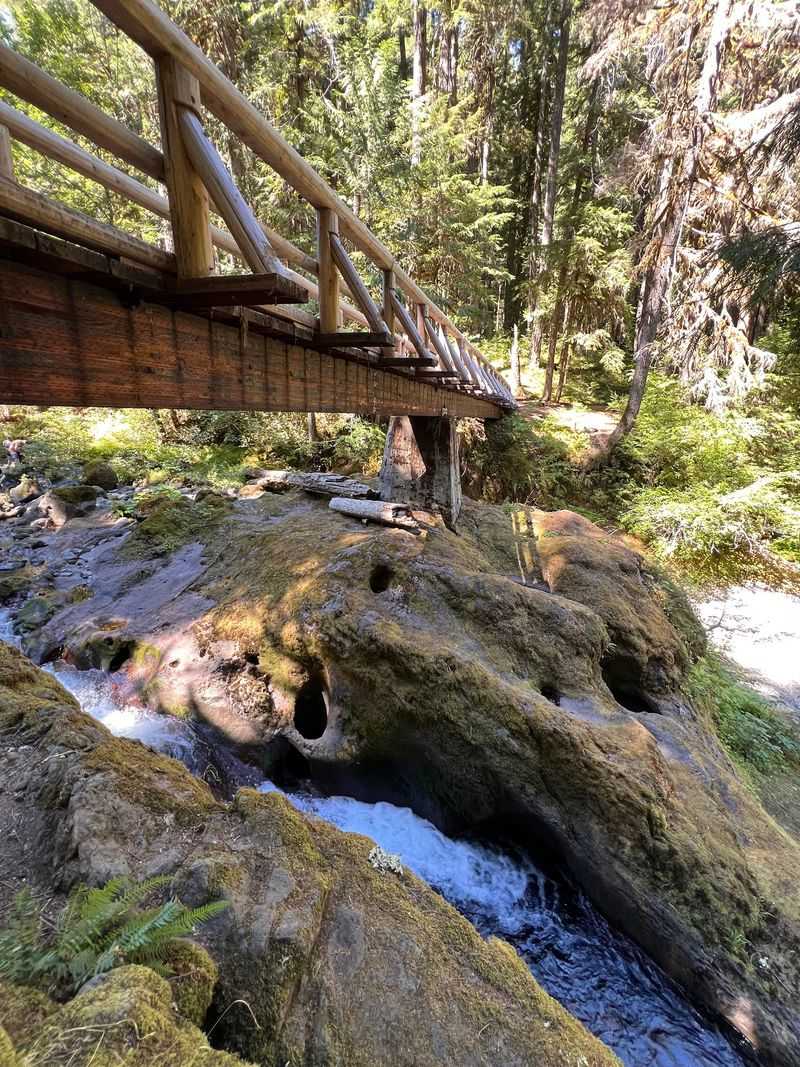
Bagby Hot Springs sits within the Mt. Hood National Forest in northwestern Oregon, at an elevation of 2,280 feet above sea level.
The closest major city is Portland, roughly 70 miles to the northwest, making it a very popular day trip for city dwellers craving a forest reset.
The trailhead is located off Bagby Road, accessed via Highway 224 through the town of Estacada. The road is fully paved all the way to the trailhead parking lot, so you do not need a four-wheel-drive vehicle or an SUV to get there.
A Northwest Forest Pass is required to park at the trailhead.
The coordinates place the springs at approximately 44.9354 N, 122.1737 W, deep in Clackamas County. Cell service disappears well before you reach the parking area, so download your maps before you leave home.
The drive itself winds through some seriously beautiful mountain scenery, and arriving at the trailhead already feels like stepping into a different world entirely.
A History Rooted Long Before Statehood
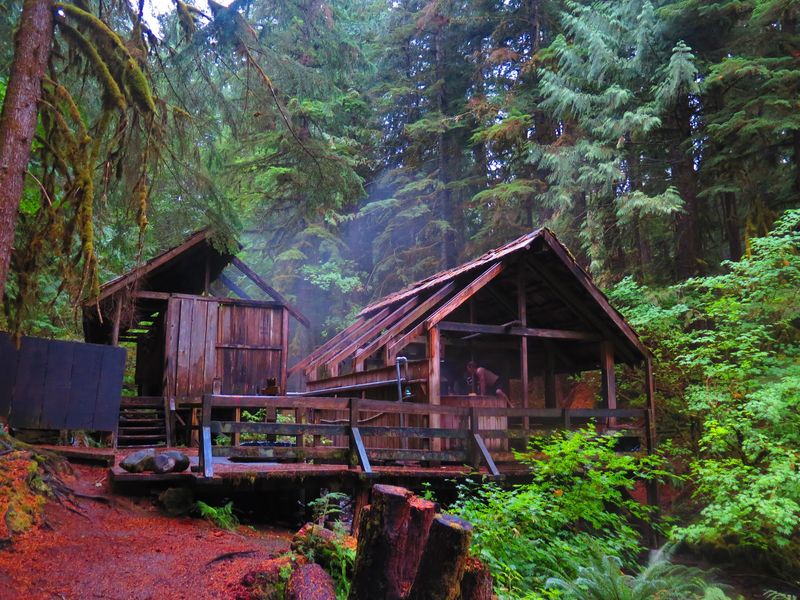
The hot springs at Bagby have been known and used for centuries, long before Oregon officially became the 33rd U.S. state in 1859. Indigenous peoples of the Pacific Northwest, including those from the Molalla tribe, traveled through these forested mountains to soak in the geothermally heated waters.
For them, the springs were not just a comfort but a place of spiritual and physical renewal.
European settlers discovered the springs in the mid-1800s, and the site eventually became part of the Mt. Hood National Forest system.
The Friends of Bagby, a volunteer nonprofit group, has managed and maintained the site under a special-use permit for decades, pouring enormous effort into keeping the historic bathhouses functional and the trail clean.
Recent years brought some structural damage from harsh Oregon winters, but restoration work has been ongoing. Visitors today can still see the hand-built wooden tub houses that reflect generations of craftsmanship.
Knowing that people have been making this exact same forest walk for hundreds of years adds a quiet, almost reverent feeling to the whole experience.
The Trail That Earns Your Soak
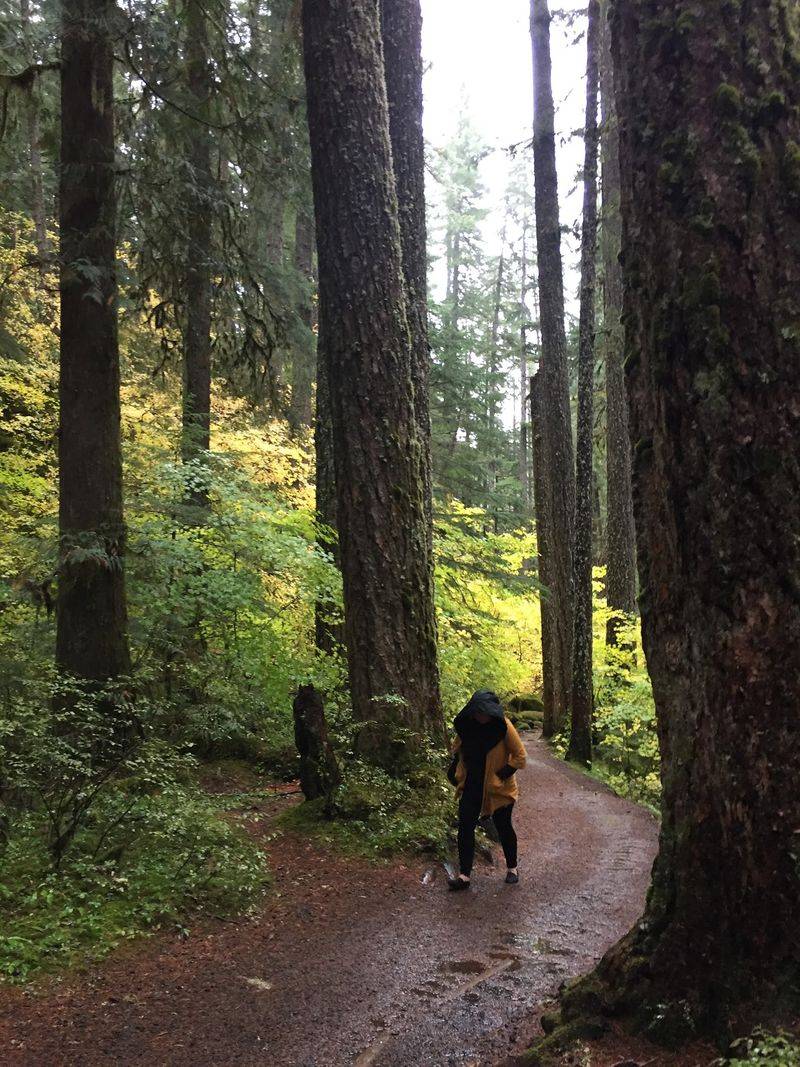
The walk to the springs is 1.5 miles each way, and it is one of those trails that makes you feel like you earned something by the end of it. The path winds through towering Douglas firs and western red cedars, crossing the Collawash River on solid wooden bridges that creak pleasantly underfoot.
The trail is well-maintained and clearly marked, suitable for most fitness levels. It is not a strenuous climb by any stretch, though it does have some gentle elevation changes.
Families with kids manage it regularly, and dogs are welcome on leash, so it is a genuinely inclusive outing for most groups.
In winter, the trail can have patches of snow, which transforms the whole atmosphere into something almost surreal. In summer, the canopy keeps things cool and shaded even on warm days.
One of the best parts of the hike is spotting little surprises along the way, like painted rocks tucked into tree stumps or a buffalo quarter coin left by a previous visitor as a small trail gift for the next lucky hiker.
Cedar Tubs and Steaming Water
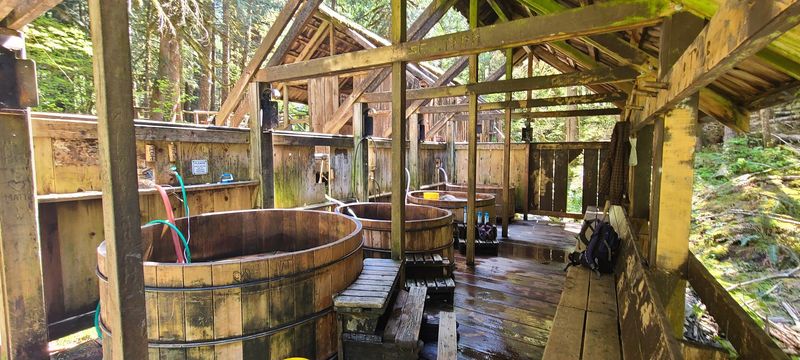
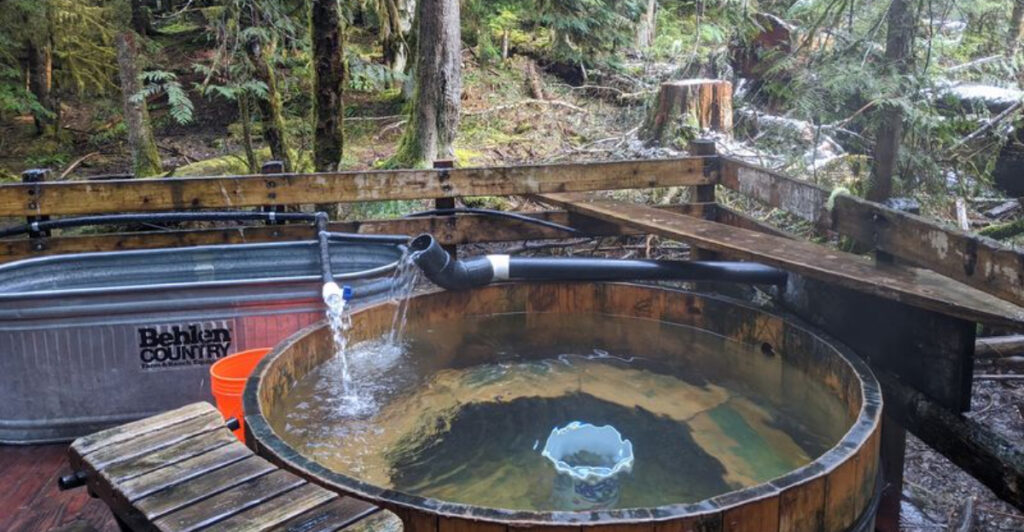
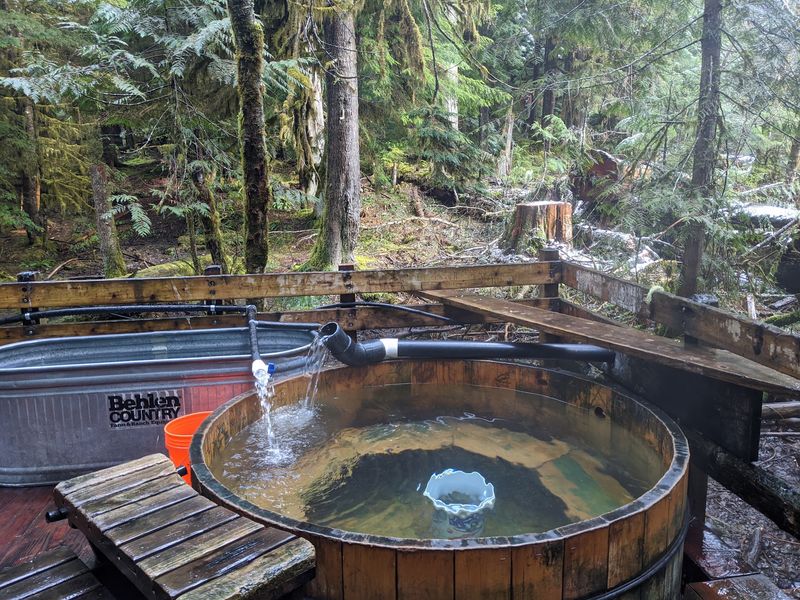
Nothing quite prepares you for the first look at those cedar tubs. Hand-hewn from old-growth logs, these soaking vessels are massive, deep, and carry the rich smell of aged cedar mixed with mineral-rich steam.
They are not your average spa setup, and that rawness is the whole point.
The main bathhouse holds four tubs of varying sizes, and there is one larger tub set slightly apart in a more open, nature-facing area. The water temperature coming straight from the spring is extremely hot, close to 180 degrees Fahrenheit, so each tub has a cold water hose that lets you dial in your perfect soaking temperature.
You control the whole experience yourself, which feels surprisingly satisfying.
Each tub group gets fresh water for their session, since the water is drained and refilled between uses. This keeps the experience clean and personal, which is a detail many visitors appreciate deeply.
The cedar walls around each tub give just enough privacy while still letting in the sounds of the surrounding forest, making every soak feel like a very deliberate pause from the noise of everyday life.
What to Know About the Wait
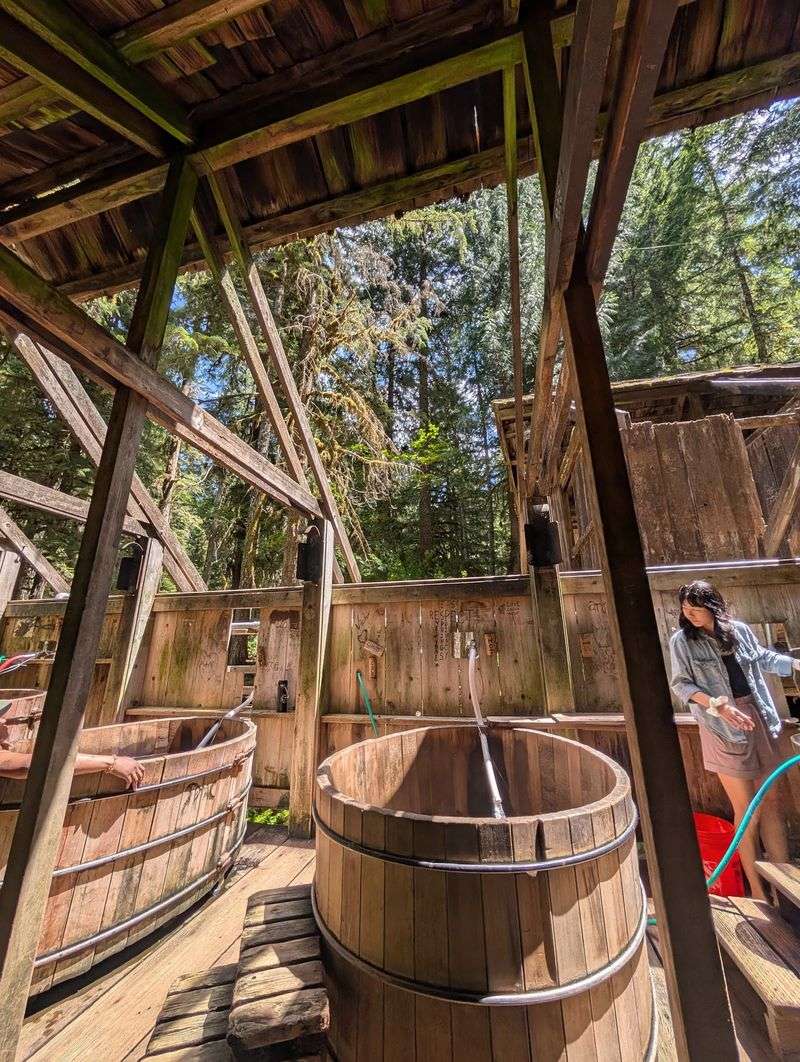
Honesty first: the wait at Bagby can be real. On busy weekends, it is not unusual to wait 90 minutes or even longer for a tub to open up.
The springs are popular, the tubs are limited, and people tend to linger, which is completely understandable once you are actually soaking in one.
There are a few things that can help shorten your wait. Arriving early on weekday mornings is the most reliable strategy.
One visitor noted arriving around 1 p.m. on a weekday and having a tub almost entirely to themselves for the first 20 minutes before the afternoon crowd started building. Timing really does make a difference here.
One pro tip that gets passed around among regulars: ask the group ahead of you not to drain their tub when they leave. Refilling a fully drained cedar tub from scratch can take 40 minutes or more, which adds significant time to your wait.
If the previous group leaves the water in, the next person just adjusts the temperature with the cold hose and gets in much faster. A little friendly communication on the trail goes a long way.
Practical Details Every Visitor Should Know
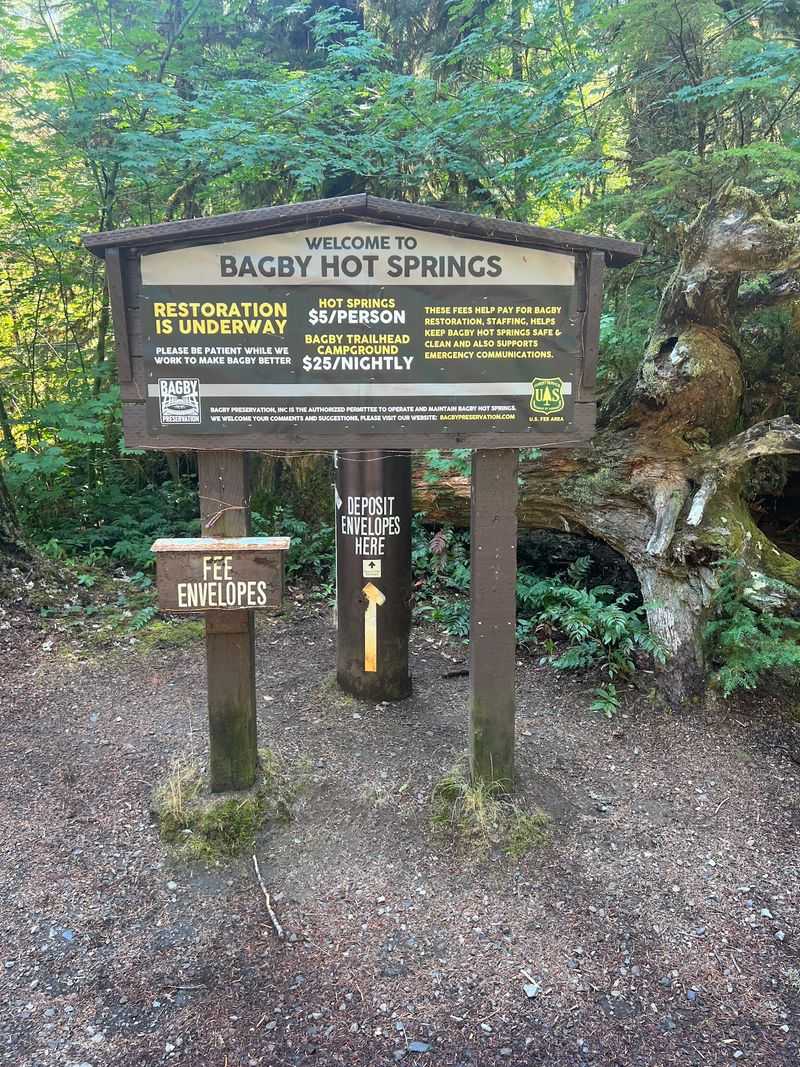
A few practical notes can save you a headache before you even hit the trail. The entry fee is five dollars per person, and it is cash only.
There is no card reader, no QR code scanner, and no way to make change on site, so bring exact bills. The fee goes directly toward maintenance and restoration of the springs and structures.
There is no cell service at or near the springs, so any navigation, music playlists, or emergency contacts need to be sorted out before you lose signal on the drive in. Bringing a printed or downloaded map is a genuinely good idea, especially if you plan to explore beyond the main trail.
The springs are technically open 24 hours a day, but the trail has no lighting and the path includes some steep drop-offs near the river. Visiting at night without proper flashlights and a solid plan is not recommended.
Restrooms are available at both the trailhead and near the bathhouse area, and the facilities are reported to be clean and well-kept under the current management. Pack out everything you bring in, as the community here takes cleanliness seriously.
The Clothing-Optional Culture and Who Should Visit
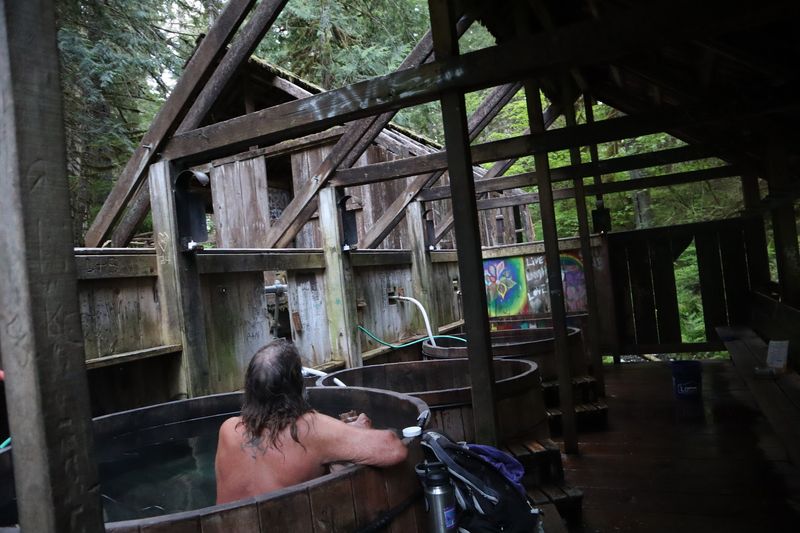
Bagby Hot Springs has a clothing-optional reputation that has been part of its culture for decades. Most visitors are relaxed about it, and the atmosphere tends to be low-key and respectful.
That said, it is worth knowing before you arrive so you can decide if it fits your comfort level and plan your visit accordingly.
Families with children do visit, and the earlier hours of the day tend to see a more mixed crowd. Several visitors have noted that arriving before noon generally means a more family-friendly atmosphere.
The springs are not exclusively adult-only, but parents should be aware of the environment and make their own informed call.
The general vibe at Bagby is one of mutual respect and shared appreciation for a genuinely special natural spot. Most people there are focused on the experience of soaking in a forest hot spring, not on making anyone uncomfortable.
Solo travelers, couples, and friend groups all tend to coexist peacefully here. The community culture that has grown around this place over the years is part of what keeps it feeling welcoming rather than chaotic, even on busy days.
The Waterfall Just Around the Corner
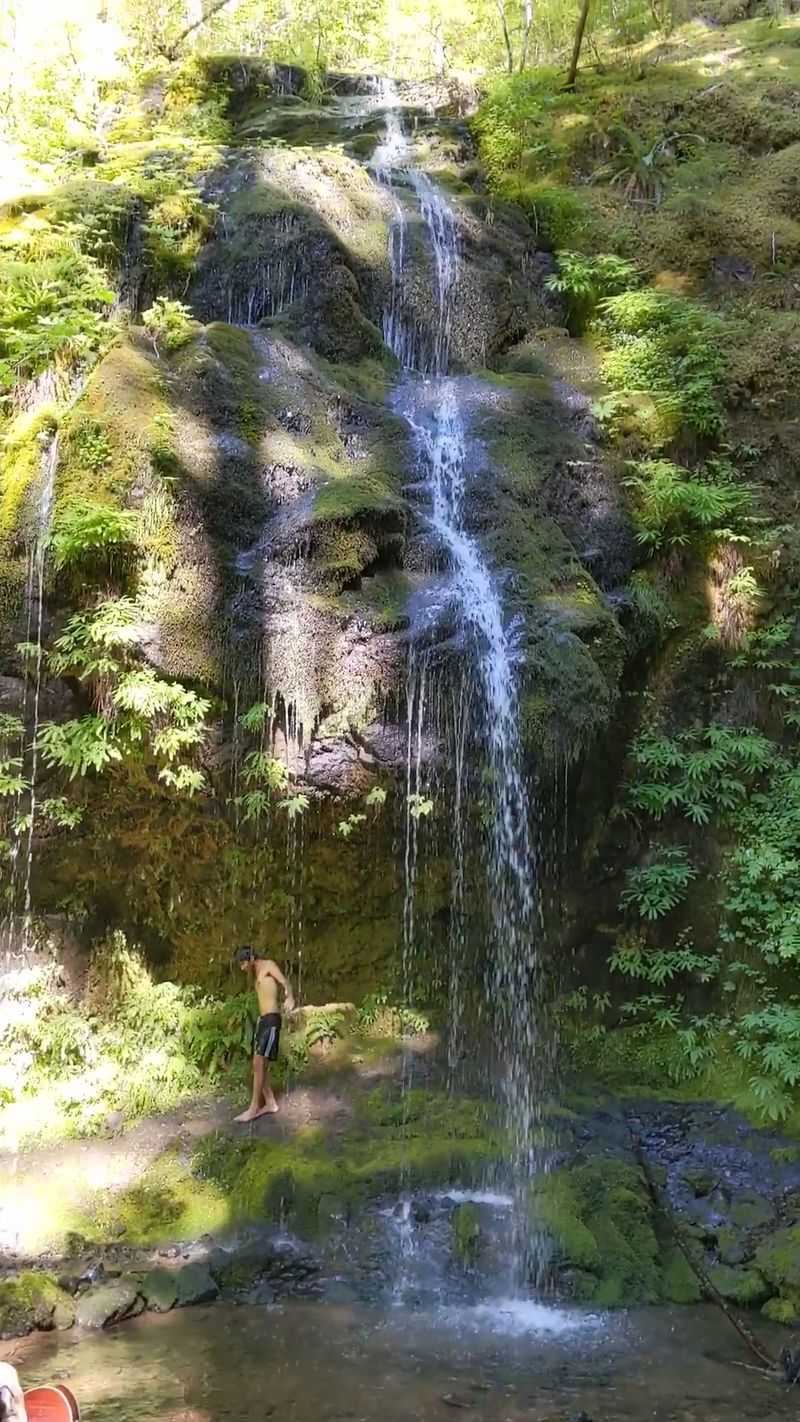
Most visitors come for the tubs and do not realize there is a waterfall waiting just a short distance further up the trail. About 15 minutes past the bathhouse, a lovely cascade tumbles over mossy rocks in a way that feels completely removed from civilization.
You can actually walk behind certain sections of it, which is one of those small moments that sticks with you long after the trip is over.
The waterfall makes a great add-on to the visit, especially if you arrive and find a long wait for the tubs. Instead of standing around, you can hike out to the falls, take in the scenery, and circle back when a tub opens up.
It turns a frustrating wait into a bonus adventure.
The forest around Bagby is part of what makes the entire experience feel cohesive rather than just a single attraction. The trees are enormous, the air smells like rain and pine, and the sound of moving water follows you almost the entire way.
The waterfall is the cherry on top of an already beautiful outing, and it costs nothing extra beyond the steps to get there.
Camping Overnight at Bagby
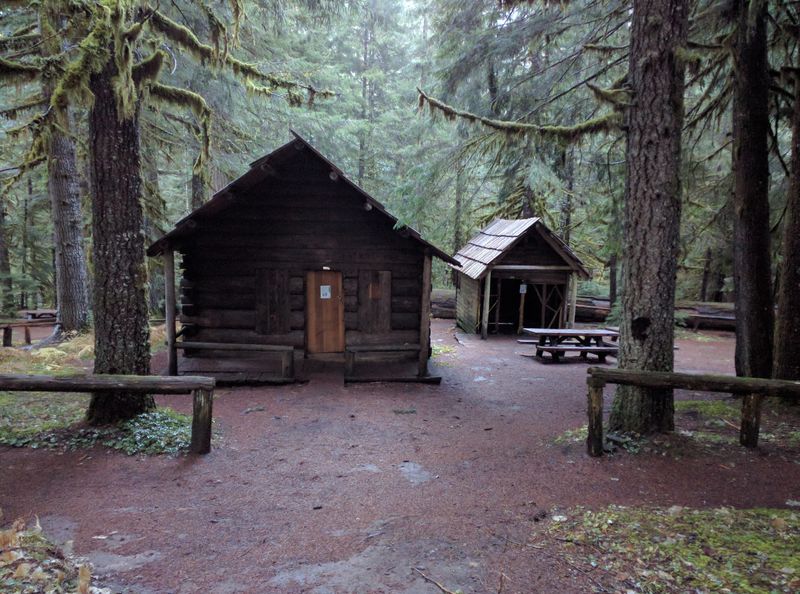
The campground near Bagby Hot Springs is a legitimate option for those who want to turn the trip into a full overnight experience. Several visitors have mentioned wanting to come back specifically to camp, noting that the grounds are kept clean and the setting is genuinely peaceful in the early morning hours before day visitors arrive.
Camping here means you get access to the springs at off-peak times, which is a significant advantage. Early morning soaks, when the mist is still hovering over the forest floor and the trail is quiet, are a completely different experience from a midday weekend visit.
The forest sounds at night, owls, the river, the wind through the canopy, are reason enough to stay.
If you plan to camp, check current regulations and availability in advance, as the site operates under a special-use permit with specific rules. Bringing all your own supplies is essential since there are no camp stores or supply points nearby.
The nearest town for stocking up is Estacada, so plan your grocery run before heading out on the highway toward the forest. A well-prepared overnight trip here tends to be one people talk about for years.
Why This Place Keeps Calling People Back
There is something about Bagby that gets under your skin in the best possible way. People mention coming back three, four, even ten years later and finding the place just as moving as the first time.
That kind of staying power does not happen by accident. It comes from a combination of genuine natural beauty, a community that cares about preservation, and an experience that cannot be replicated anywhere else in Oregon.
The Friends of Bagby volunteer group deserves real credit for keeping this spot accessible. Without their ongoing work, years of deferred maintenance and weather damage could have closed the springs entirely.
The five-dollar entry fee is a direct investment in keeping that work going, and most visitors seem to understand and appreciate that connection.
What makes Bagby special is the way it layers things together: a forest hike, a soak in hand-built cedar tubs, mineral water that has been flowing for centuries, and a community of strangers who all showed up for the same quiet reason. You leave feeling rested in a way that is hard to explain to someone who has not made the walk themselves, which is probably why so many people end up going back.
Share this story