Michigan has plenty of restaurants where the setting is just as memorable as the food. Tiki-filled dining rooms, historic mansions, rustic lodges, unusual handmade décor, and elaborate tasting experiences turn an ordinary meal into something worth remembering.
These 10 one-of-a-kind Michigan restaurants stretch across both peninsulas, ranging from casual family-style favorites to upscale destinations. Each offers distinctive food, atmosphere, and character that make it worth adding to your next road trip.
1. Max’s South Seas Hideaway, Grand Rapids, Michigan
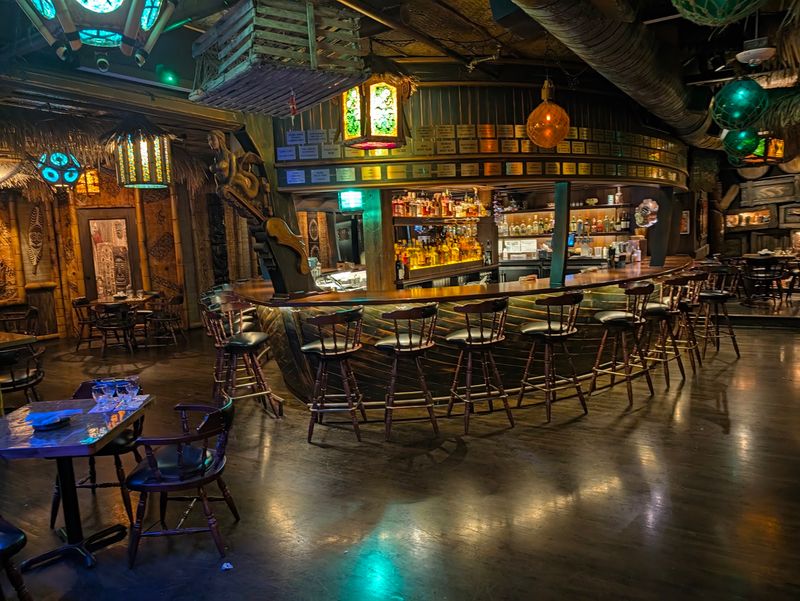
A tiki mug collection this big deserves its own zip code.
Max’s South Seas Hideaway in downtown Grand Rapids holds one of the largest private collections of vintage and modern tiki art in the world. Owners Mark Sellers, Martin Cate, and a designer known simply as Gecko teamed up to create a two-story tropical hideout.
Two famous tiki builders split the work. Bamboo Ben designed the downstairs, while Notch Gonzalez handled the upstairs, so each floor has its own personality.
Carved totems, pufferfish lanterns, masks, and shelves of mugs fill nearly every wall and ceiling. Many guests spend as much time exploring as they do eating, so arrive a little early to look around.
Food follows the island theme. Small plates include chicken satay, crab rangoons, and island ceviche, which work well for sharing.
Hungry groups should look at the Pu Pu Platter. It brings pineapple BBQ steak fries, smoked chicken wings, and vegetable spring rolls together on one board.
Larger plates and handhelds round out the menu for anyone who wants a full meal.
A practical tip: take photos, but be polite about other tables. The hideaway is popular, and the best way to enjoy it is to slow down and notice the small details hidden in the corners.
2. Legs Inn, Cross Village, Michigan
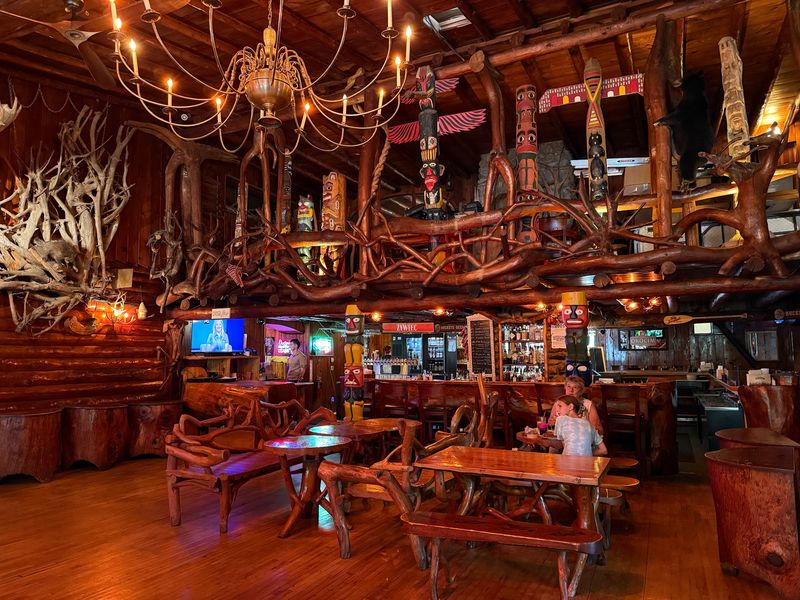
Stove legs are not a normal roof decoration, but they gave one northern Michigan restaurant its name.
Polish immigrant Stanley Smolak settled in Cross Village in 1921 and started building Legs Inn during the 1920s. He lined the roof with upside-down antique stove legs, then filled the stone-and-timber building with his own woodwork.
Tables, chairs, and wall pieces are made from twisted tree roots and driftwood. The decor also honors the local Odawa people, and the Michigan Historical Commission has called the inn one of the state’s most unusual buildings.
His family still runs the place today. The menu leans Polish, so the Taste of Poland plate is a smart first order, with gołąbki, kielbasa, and pierogi together.
Bigos, a hearty hunter’s stew, and kotlet, a breaded pork cutlet, are other classics. Guests who prefer something local can pick Great Lakes whitefish.
Ask for a table in the outdoor garden, which looks out over Lake Michigan.
Getting there is half the fun, since the inn sits at the end of M-119, the famous Tunnel of Trees. Plan carefully, because Legs Inn is seasonal, with the 2026 season running through October 25.
3. The Whitney, Detroit, Michigan
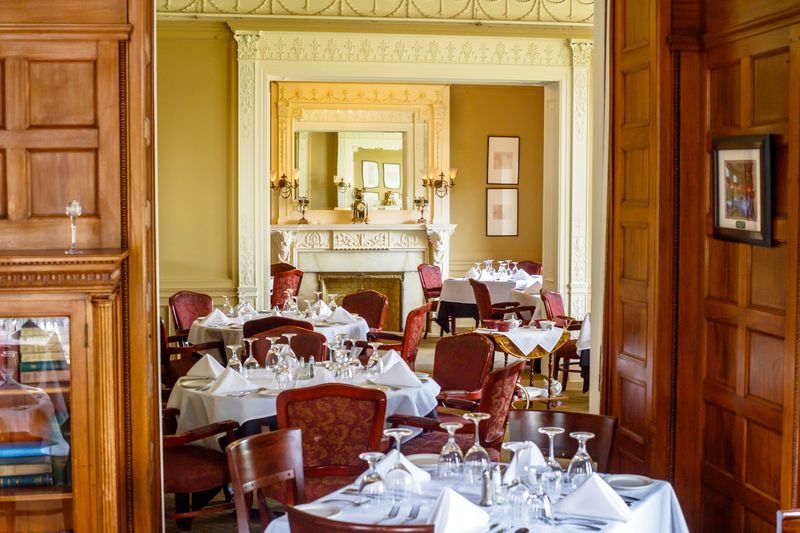
Lumber made David Whitney Jr. one of Detroit’s richest men, and in 1894 he finished a mansion to prove it.
That Woodward Avenue landmark is now The Whitney, an upscale restaurant where dinner is served in the rooms of a Gilded Age home. Each dining room has its own decor, so two visits can look completely different depending on where you sit.
Guests are welcome to wander between the spaces. Grand staircases, carved woodwork, and tall windows make the house a tour on its own.
The menu sticks to creative American cooking. Beef Wellington is a signature choice, and the lobster bisque is a classic starter.
Groups can share calamari or Maryland jumbo lump crab cakes before moving on to pasta or seafood mains.
Warm weather brings another option. The mansion’s gardens turn into an outdoor dining area, which is a nice choice for summer evenings in Midtown.
History fans have one more reason to book. The Whitney runs Late Night Paranormal Tours and a Paranormal Dinner Tour that share stories and legends about the house.
Reservations are smart, especially on weekends and holidays. Dressing up a little is part of the fun, since few Detroit restaurants come with this much old-money style built into the walls.
4. The Antlers, Sault Ste. Marie, Michigan
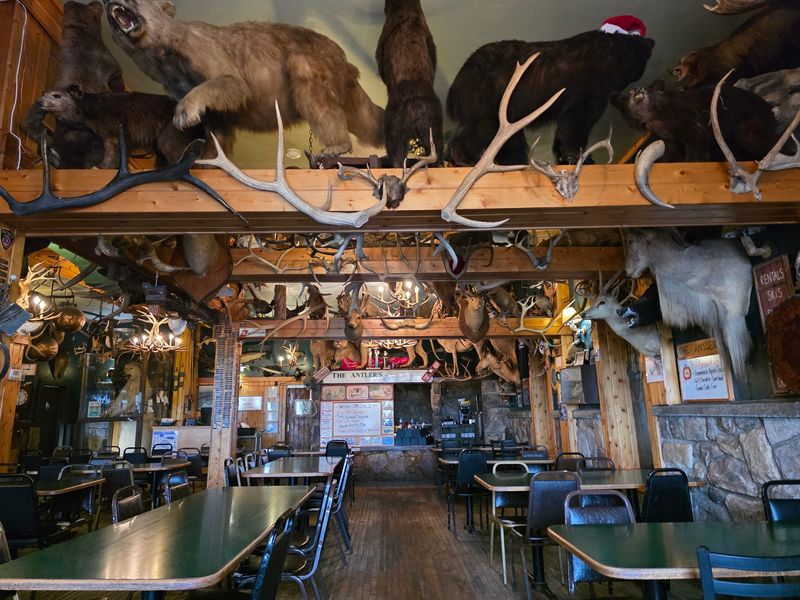
Hundreds of glass eyes will be watching while you order.
The Antlers in Sault Ste. Marie is famous for its huge collection of mounted animals, antlers, and old memorabilia.
Nearly every wall is covered, giving the dining room the look of a classic Upper Peninsula hunting lodge.
The building has a long backstory. During the 1920s, it operated under a different name, the North Star Ice Cream Parlor, and the restaurant has passed through generations since then.
Food here is built for big appetites. The Paul Bunyan burger lives up to its lumberjack name, and The Antler burger is another house favorite.
Poutine may be the true star. It starts with hand-cut fries, then adds homemade beef gravy and Wisconsin cheese curds.
Fish lovers can choose salmon or whitefish, a nod to the Great Lakes waters nearby.
Save a little room for the ice cream counter, which keeps that old parlor history alive. A shop area sells Antlers-themed merchandise for anyone who wants a souvenir.
Plan a visit around the Soo Locks, just a short trip away. Watching giant freighters pass through the locks and then grabbing a burger here makes for a very northern Michigan afternoon.
5. Bavarian Inn Restaurant, Frankenmuth, Michigan
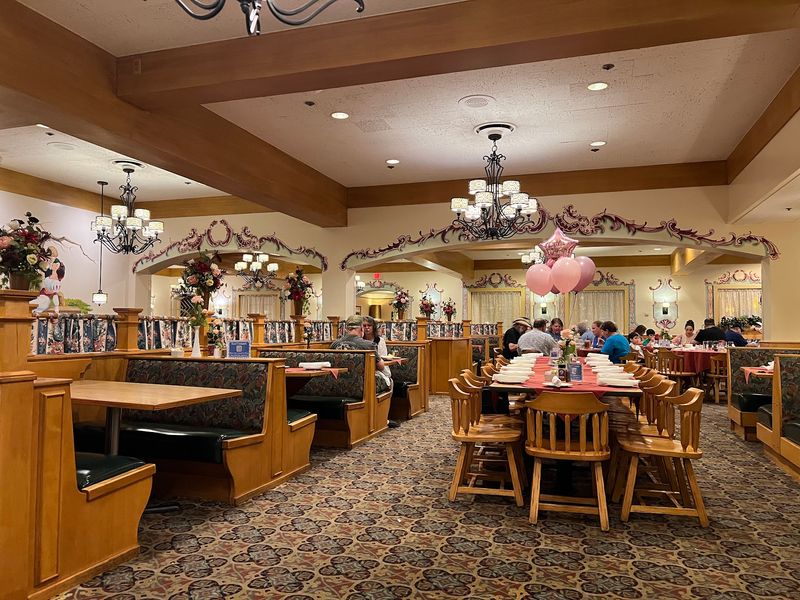
More than 20 million guests have sat down for chicken in Frankenmuth since 1888.
Bavarian Inn Restaurant is the place behind that number, and its all-you-care-to-eat family-style chicken dinner is the main event. The meal arrives in courses, so pace yourself.
Bread, noodle soup, and salads come first. Then the table fills with fried chicken, mashed potatoes, gravy, and buttered noodles.
The chicken is fresh, lightly breaded, and seasoned with the restaurant’s own blend. Housemade soft-serve ice cream closes out the feast.
Not in a chicken mood? The German side of the menu offers schnitzel, sauerbraten, bratwurst, and Kasseler Rippchen, a smoked pork loin.
German dinners come with extras such as Stollen, backofenbrot, coleslaw, sauerkraut, and potato cheese puffs. The kitchen uses Michigan ingredients when they are in season.
After the meal, head downstairs to the Castle Shops. Cobblestone-style walkways connect small stores in a fairytale setting, which is a good way to walk off a second helping of noodles.
Families should plan for a long visit, since dinner and shopping can easily fill an afternoon. Weekends and holidays get busy, so arriving early or making a reservation can save a lot of waiting in the lobby.
6. Dakota Inn Rathskeller, Detroit, Michigan
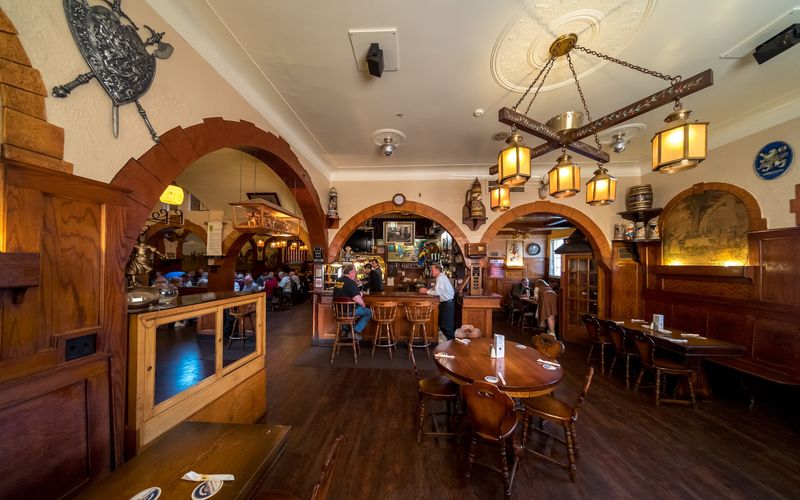
A Chinese hand laundry is an unusual starting point for a German restaurant.
Karl Kurz changed all that in 1933, turning the Detroit building into the Dakota Inn Rathskeller. He based the look on his hometown of Weikersheim in Bavaria.
Three generations of the Kurz family have kept it going ever since. In 1988, the restaurant earned a spot on the State Register of Historic Sites.
Inside, dark wood furniture and wall panels are decorated with hand-painted German scenes. Family hunting trophies hang on the walls, adding to the old-world neighborhood character.
The menu sticks with tradition. Sauerbraten, sausage, and schnitzel are the go-to orders, and American dishes are available for picky eaters.
Music is a big part of a visit. The current calendar includes live piano nights, jazz, and Oktoberfest performances, so check the schedule before you go.
Fall is the busiest season. Oktoberfest events draw big crowds, and many guests join in group sing-alongs at the long tables.
A practical tip is to arrive early on event nights. Seating fills quickly, and the friendly, crowded energy is exactly why people keep coming back to this family-run spot after more than 90 years.
7. White Horse Inn, Metamora, Michigan
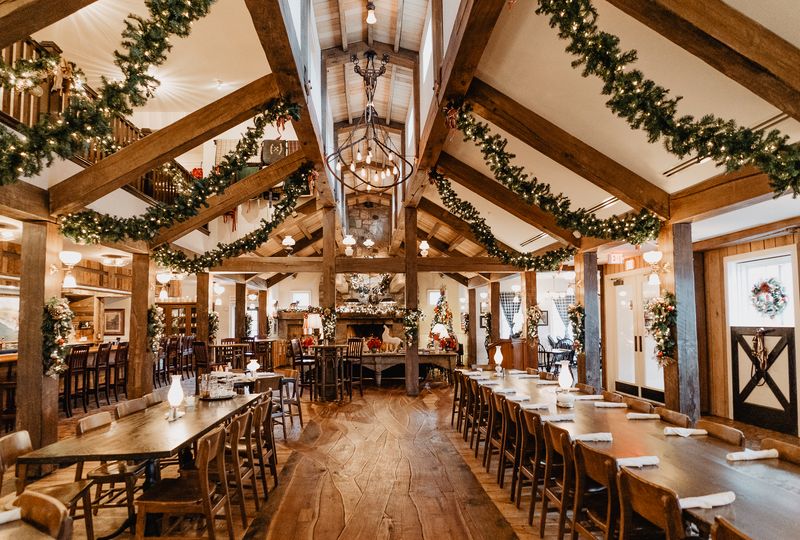
Few Michigan restaurants can say they once welcomed stagecoach passengers.
The White Horse Inn in Metamora started as a general store around 1848. Lorenzo Hoard bought it in 1850, turned it into an inn and stagecoach stop, and named it the Hoard House.
Train passengers began stopping by after the Michigan Central Railroad arrived in 1872. The building took the White Horse Inn name in 1923 under owner Frank Peters.
Later, it sat neglected for years. Linda Egeland and Victor Dzenowagis restored it and reopened the doors in 2014, keeping much of its history intact.
Metamora is known for horses and foxhunting, and the design honors that. In the lower dining area, look for a tribute by painter and sculptor Jean Louis Sauvat celebrating the stagecoach and hunting days.
The menu mixes comfort food with newer favorites. Cowboy Mac and Cheese and Chicken Pot Pie are popular, and the Impossible Burger gives plant-based eaters a solid option.
Winter brings a fun twist. Heated, themed igloos are set up outside from November through March, giving small groups a private place to eat.
Igloos tend to book quickly, so reserve early. A drive through the horse country around Metamora makes a nice add-on.
8. Henderson Castle, Kalamazoo, Michigan
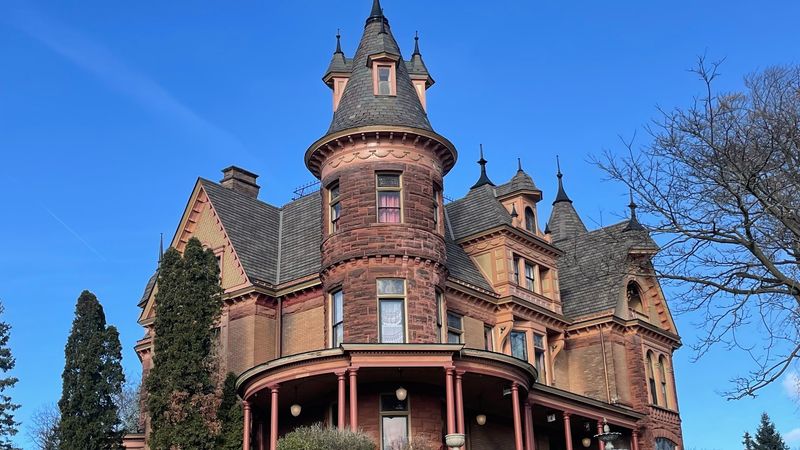
Seventeen courses and at least three hours make for one very long, very fancy dinner.
That marathon is the Chef’s Tasting at Henderson Castle, a historic home sitting on a hill above Kalamazoo. It is the kind of meal people plan a whole evening around.
Master Chef François Moyet leads the kitchen. His cooking focuses on French and American dishes made with ingredients sourced from Michigan.
Guests can eat inside the castle’s elegant rooms or outdoors when the weather allows. The hilltop location gives the outdoor seating good views over the city.
Not everyone needs seventeen courses, and the castle has lighter choices too. The Queen’s Tea Service brings special tea blends with small treats, which works well for birthdays, bridal showers, or a relaxed afternoon with friends.
The building also operates as an inn. Some visitors book a room so they can enjoy dinner without worrying about the drive home.
Here are a few practical tips. Reservations are required for most experiences, and the tasting menu needs a clear schedule, so avoid booking it before an early event.
Dress codes lean polished. Arriving a few minutes early leaves time to walk the grounds and admire the castle before sitting down.
9. Polish Village Cafe, Hamtramck, Michigan
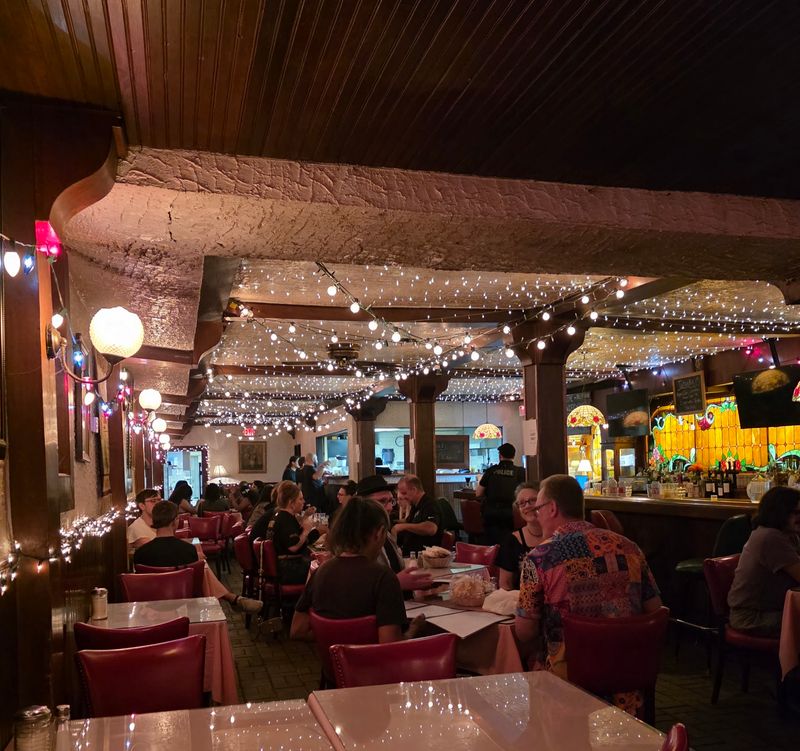
Ask locals in Hamtramck where to find pierogi, and plenty will point you down a short set of stairs.
Polish Village Cafe sits on a lower level, away from the street traffic. Ted Wietrzykowski opened it in 1979, and his daughter Carolyn now leads the restaurant.
The location matters. Hamtramck grew as a home for Polish immigrants, many of whom worked at the nearby Dodge Main factory.
That history shows up on the plate. Gołąbki, or stuffed cabbage, is a classic, and pierogi and kielbasa are nearly always ordered at the same table.
Dill pickle soup surprises many first-time visitors and quickly wins fans. Naleśniki, thin Polish crepes, and schnitzel round out the old-world lineup.
Carolyn has added some modern dishes while keeping the time-honored recipes front and center. The goal is home-style cooking rather than a staged theme.
The dining room has a cozy, old-school look with wood paneling and simple tables. Servers are friendly and happy to explain dishes to newcomers.
Portions are generous and prices are fair, so ordering a combo plate is an easy way to sample several favorites at once.
Weekend dinners can get busy, so a weekday lunch is a good choice for a quieter visit.
10. Golden Fleece Restaurant, Detroit, Michigan
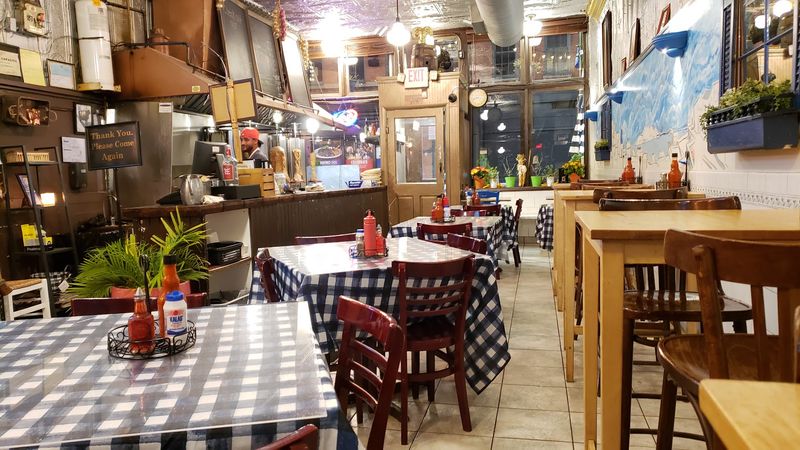
Two brothers, one dream, and a lot of lamb started this Greektown story in 1970.
Niko and Vasili Dionysopoulos opened Golden Fleece Restaurant after moving to America. Today, cousins Yanni and Spero, sons of the founders, carry on the family business on Monroe Street.
Greektown has changed a lot over the decades, but this spot has stayed put. It remains one of the neighborhood’s longest-running dining landmarks.
Gyros are the big draw here. The meat is homemade from 100 percent lamb, and chicken and veggie versions are available too.
Beyond gyros, the menu covers Greek classics such as moussaka, souvlaki, pastitsio, and lamb chops. Sides include lemon potatoes, horta, and rice.
Adventurous eaters can start with marinated octopus or spanakopita. Saganaki, the famous flaming kasseri cheese, adds a little showtime to the table.
Leave space for dessert. Baklava and portokalopita, a Greek orange cake, make a sweet finish.
Service tends to move quickly, which helps when you are heading to a game.
The busy Monroe Street setting is part of the fun, with downtown Detroit just steps away. Pair a meal here with a Tigers or Lions game or a stroll around Greektown to round out a full day exploring one of Detroit’s most historic districts.
Share this story