Tucked into the Berkshire Hills of western Massachusetts, there is a forest so vast and so quietly remarkable that most people outside the region have never heard of it. Spanning more than 11,000 acres, it contains something that stops most first-time visitors in their tracks: a natural pond sitting higher above sea level than any other natural body of water in the entire state.
That pond is Berry Pond, perched atop Berry Mountain, and it is just one reason why this place keeps drawing people back year after year. From well-maintained campgrounds and multiple waterfalls to mountain biking trails groomed even in winter, this place is the kind of outdoor destination that rewards every type of explorer who shows up.
Berry Pond: The Record-Holder on the Mountain
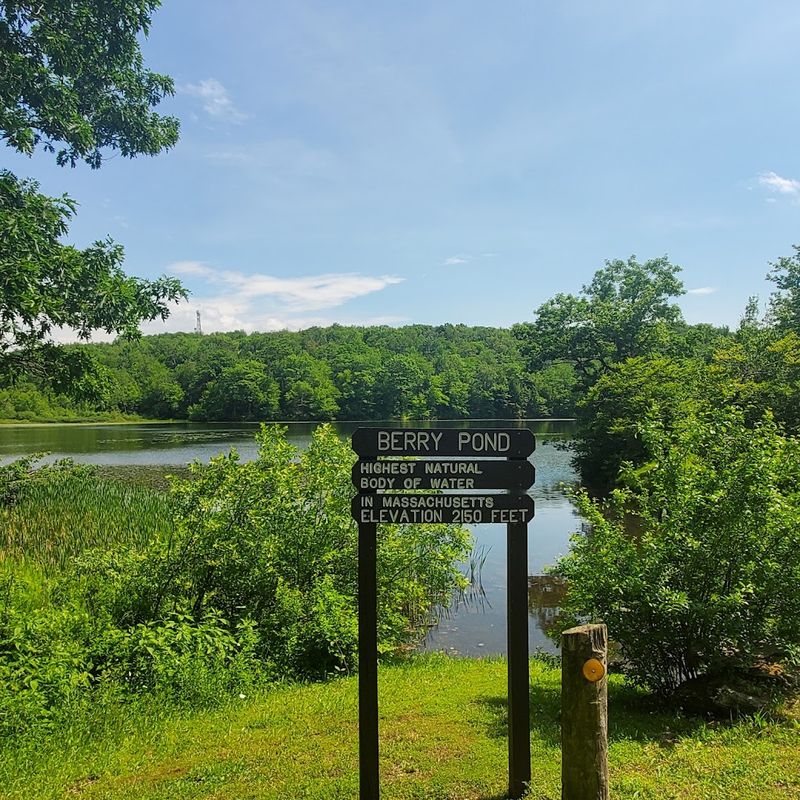
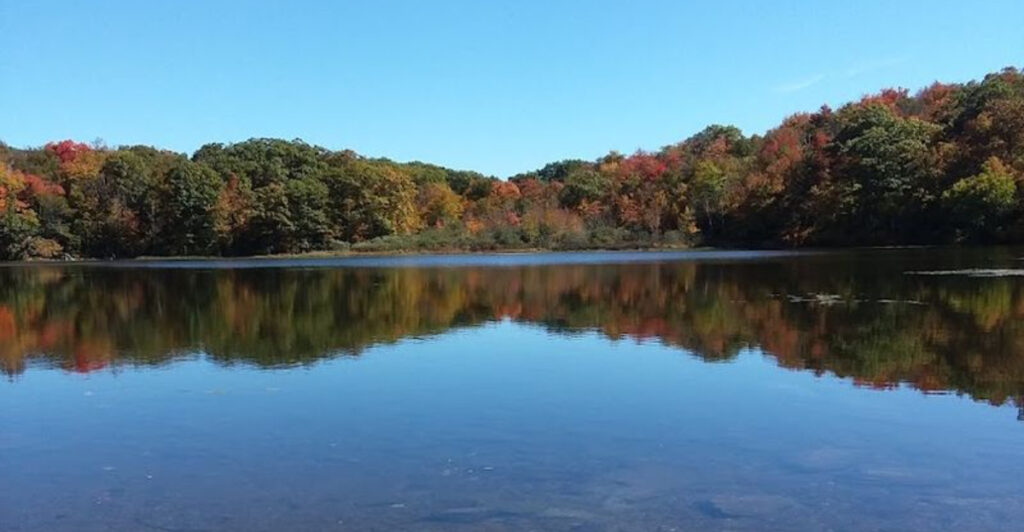
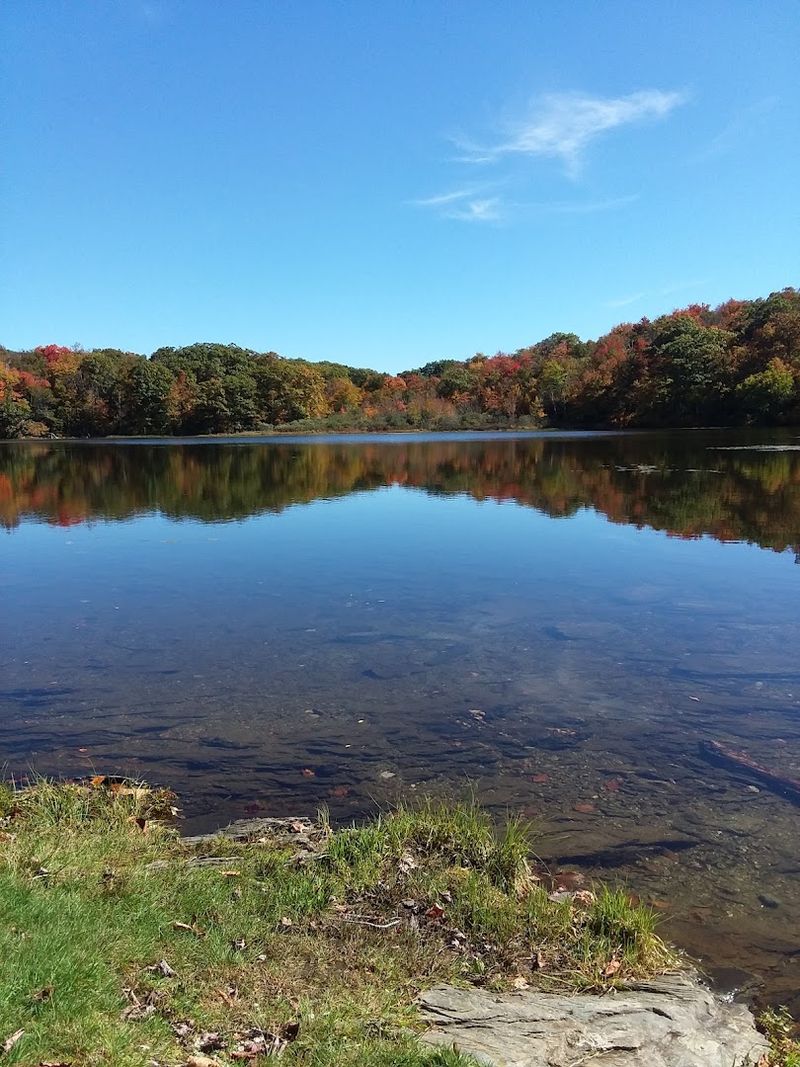
At roughly 2,150 feet above sea level, Berry Pond holds the distinction of being the highest natural body of water in Massachusetts. That fact alone makes the drive or hike up Berry Mountain worth the effort, but the pond itself adds to the appeal in ways that go beyond a geographic record.
The water sits in a quiet clearing near the summit of Berry Mountain, surrounded by open forest and a wide sky. On clear days, the view from this elevation extends across the Berkshire Hills and into neighboring New York State.
The pond supports fishing and is accessible by the park road, which means even those who prefer not to hike can reach it by car. Primitive camping is available near the summit for those who want to spend the night at elevation.
Watching the sunset from up here, with the pond catching the last light of the day, is an experience that earns its reputation.
11,000 Acres of Forest and What That Actually Means
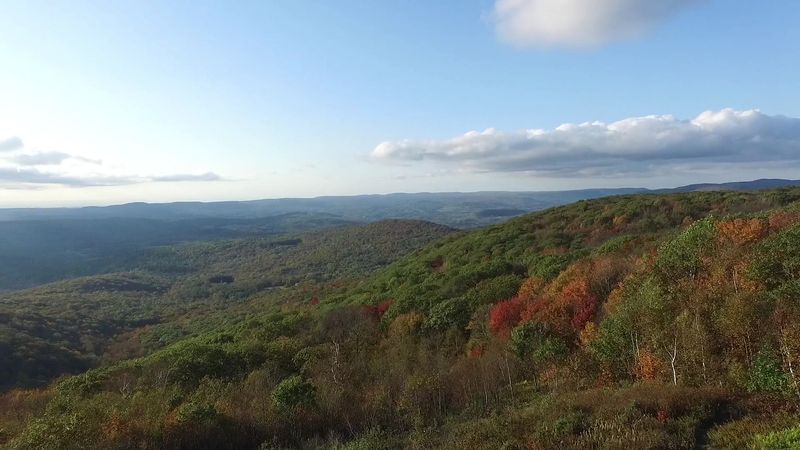
Eleven thousand acres is a number that sounds impressive, but it becomes truly meaningful once you are standing inside this forest and realize you could spend a full weekend here without covering all of it. The land includes mixed hardwood and conifer forest, open ridgelines, several brooks, multiple ponds, and miles of trails used for hiking, biking, and equestrian activities.
The sheer size of the property means that even on busy summer weekends, it is easy to find a quiet corner of the forest that feels entirely your own. Trails branch off in multiple directions from nearly every trailhead, offering both short loops and longer multi-mile routes.
Wildlife is present throughout the forest, including deer, wild turkey, and a variety of bird species that draw birdwatchers during migration seasons. The diversity of terrain within those 11,000 acres keeps the experience from feeling repetitive, no matter how many times a person returns to explore a new section.
The Waterfalls Hidden Inside the Trails
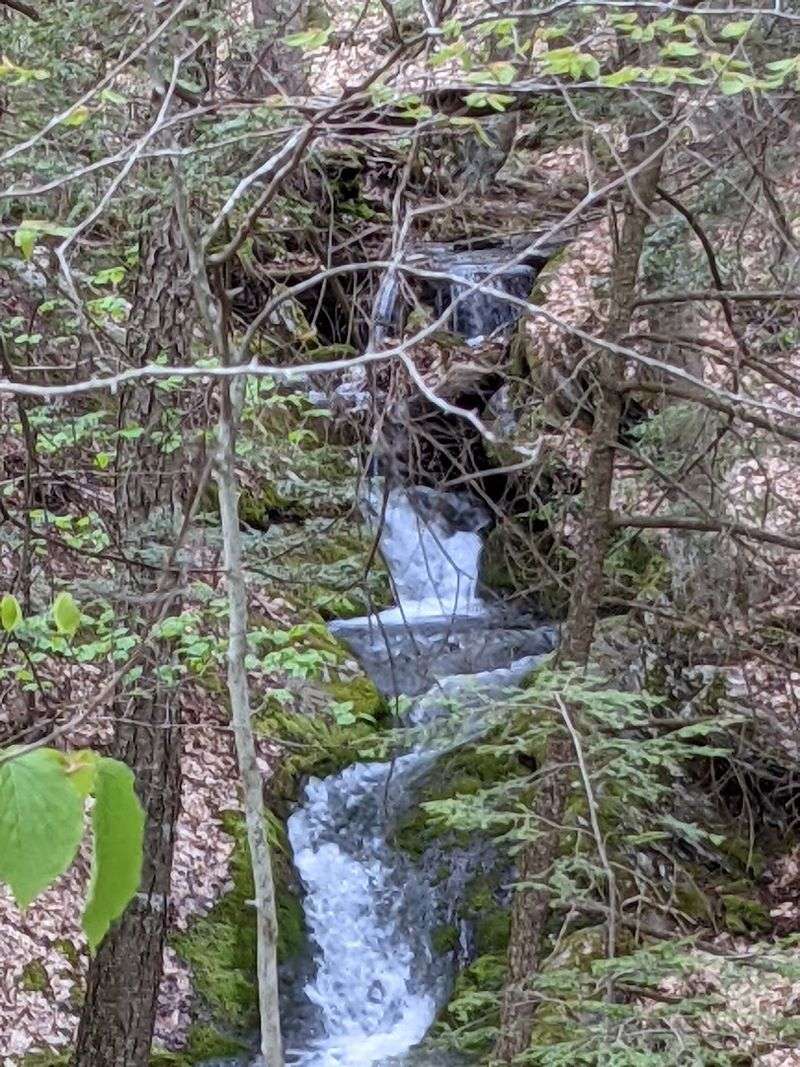
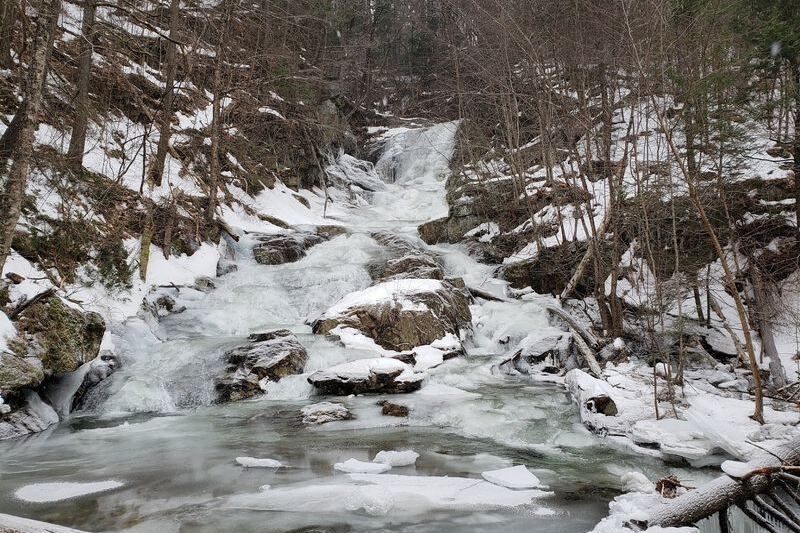
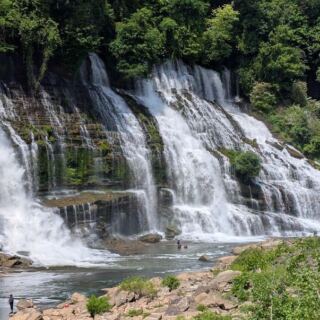
Most people who visit Pittsfield State Forest come for the hiking, but not everyone realizes the trails hide several waterfalls worth seeking out. Lulu Falls is the most well-known, located near the Lulu trailhead and accessible on foot within a reasonable distance from the parking area.
Beyond Lulu Falls, the forest also contains Hawthorne Falls, Parker Brook Cascade, and Daniels Brook Chasm, which together give waterfall seekers multiple destinations to target in a single visit. Each one has its own character depending on rainfall levels and the season.
Spring tends to bring the highest water flow, making the falls more dramatic after snowmelt from the higher elevations. Summer visits are more relaxed, with lower water levels but more comfortable trail conditions underfoot.
The trail leading to Lulu Falls is popular with dogs on leash, and the area around the base of the falls offers a natural resting spot before heading back to the trailhead.
Camping at the Base and the Summit
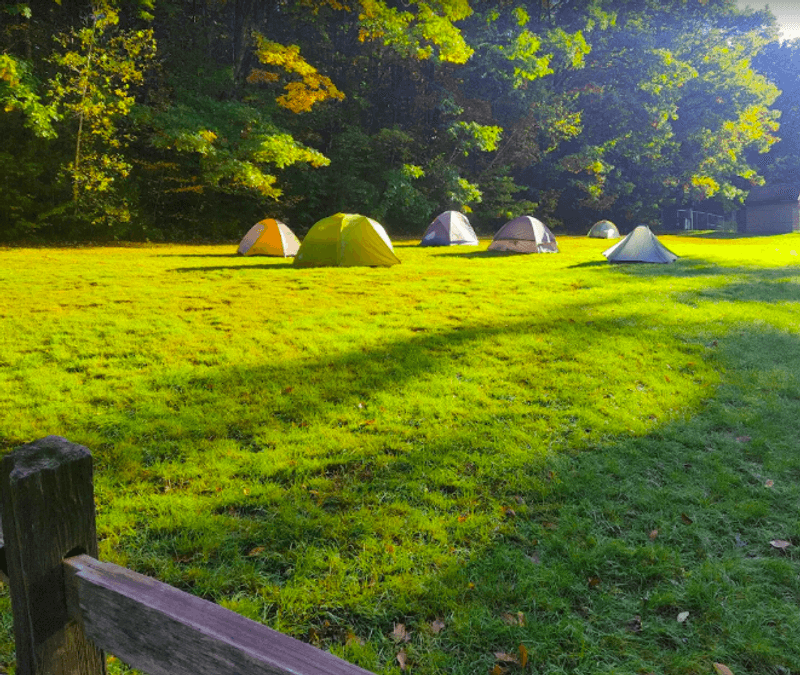
With 40 designated campsites spread across the property, Pittsfield State Forest offers two very different camping experiences depending on where you set up. Sites near the base of Berry Mountain cluster around the main campground area, where modern comfort stations with flush toilets, hot showers, and even a dishwashing station make the stay more comfortable than the average state park.
The bathrooms at the main campground have earned consistent praise for being exceptionally clean and well-maintained, which is not something every state forest can claim. The campsites themselves tend to be more spacious than average, with many offering a reasonable degree of privacy through natural tree buffers.
For those willing to trade modern facilities for elevation, primitive camping near the Berry Pond summit provides a completely different atmosphere. Group sites are also available for larger parties.
Bear boxes are installed at campsites for safe food storage, a practical detail that reflects the thoughtful management of the property overall.
Hiking Trails for Every Level of Effort
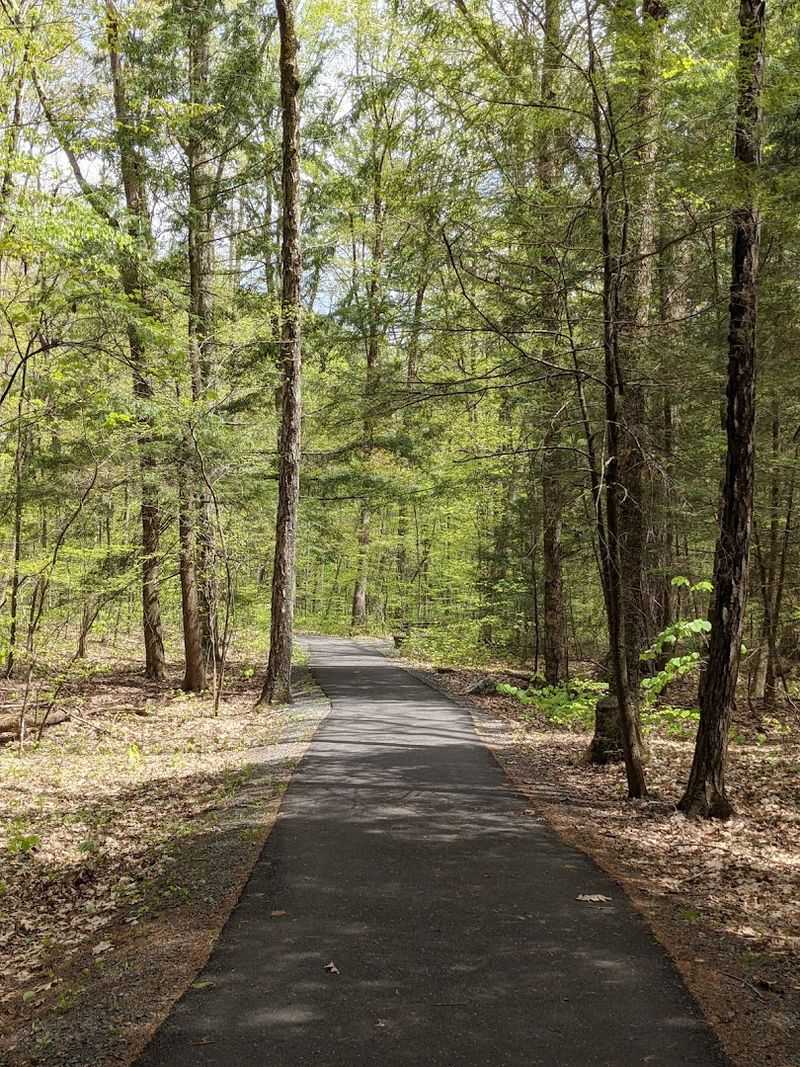
The trail network inside Pittsfield State Forest covers enough ground to keep hikers busy across multiple visits without repeating the same route twice. Trails range from flat, accessible paths suitable for wheelchairs and young children to steeper, more technical routes that climb the ridgeline toward Berry Mountain.
The Tranquility Trail near the main entrance is one of the more accessible options, designed to accommodate wheelchairs and those who prefer a gentler pace. Higher up, routes toward the summit gain significant elevation and reward the effort with views that stretch into New York on clear days.
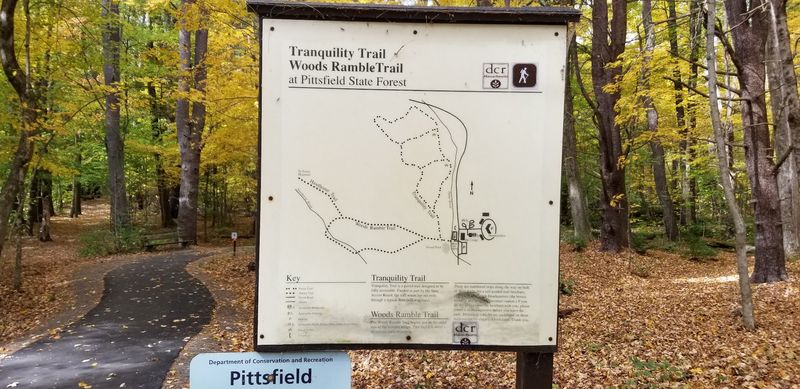
Trail markings vary in quality across the property, and some sections are less clearly signed than others. Photographing the trailhead map before setting out is a practical habit that prevents unnecessary backtracking.
Dogs are welcome on leash throughout the trail system, making this a popular destination for people who prefer outdoor adventures with their four-legged companions along for the journey.
Mountain Biking and Winter Riding
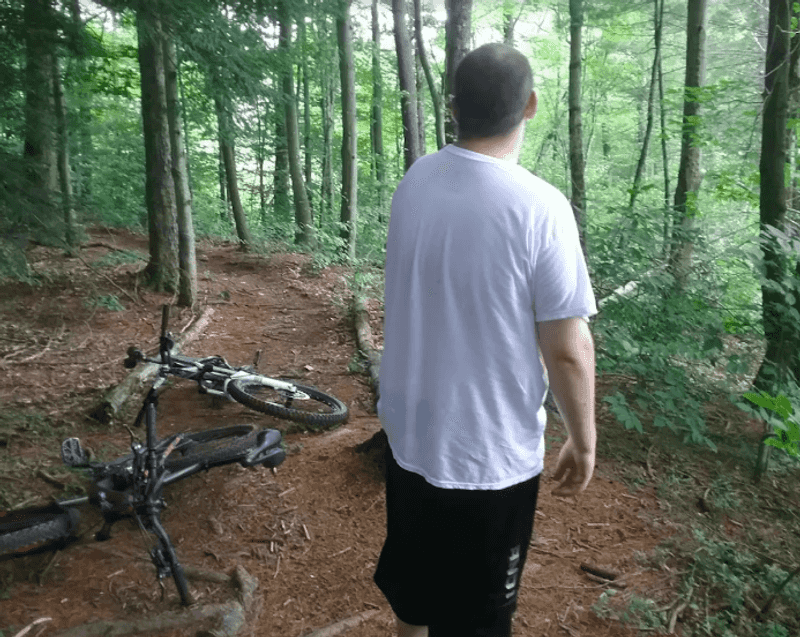
The mountain biking scene at Pittsfield State Forest runs year-round, which sets it apart from many other parks in the region. In warmer months, the network of dirt single-track trails offers a mix of rolling terrain and more technical sections that suit intermediate and experienced riders well.
What surprises many riders is the winter option. The trails have been groomed for fat biking during snowy months, creating packed single-track conditions that allow for riding even after significant snowfall.
The grooming method produces a firm, rideable surface that turns an otherwise quiet winter forest into an active destination for cyclists.
The combination of challenging terrain and accessible entry points makes this a well-regarded biking destination in the Berkshires. Riders who arrive early on weekday mornings often have entire sections of trail to themselves.
The forest road that loops toward Berry Pond also doubles as a scenic route for those who prefer gravel-style riding over technical single-track.
Swimming, Fishing, and Time on the Water
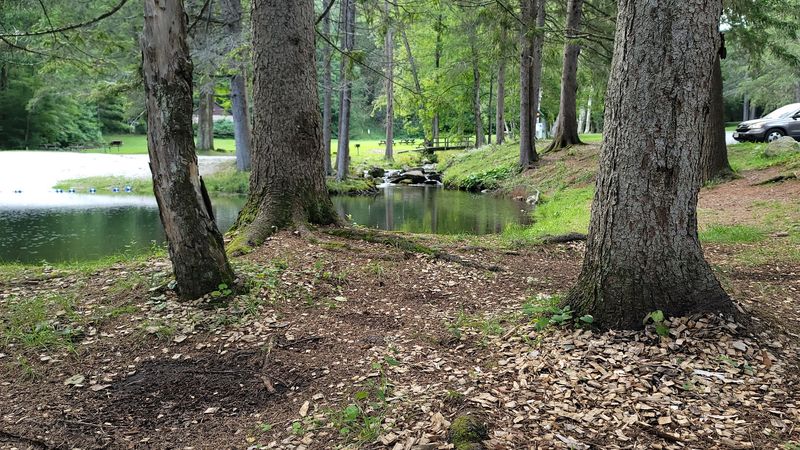
Water-based activities are a real draw at Pittsfield State Forest, though it helps to know what to expect before showing up with a canoe on the roof. The swimming area near the main campground features a small sandy beach, and the pond available for boating and fishing is compact rather than expansive.
The fishing is the highlight for many who come specifically for the water. The ponds hold fish and offer a quiet, unhurried experience that fits the overall character of the forest.
Canoeing is possible, though the size of the available water keeps trips shorter rather than longer.
The beach area, while small, works well for families with young children who want to cool off during warm summer days. The combination of swimming, fishing, and boating in one location is part of what makes the forest appealing to families looking for a single destination that covers multiple activities without requiring separate trips to different parks.
Views from the Top of Berry Mountain
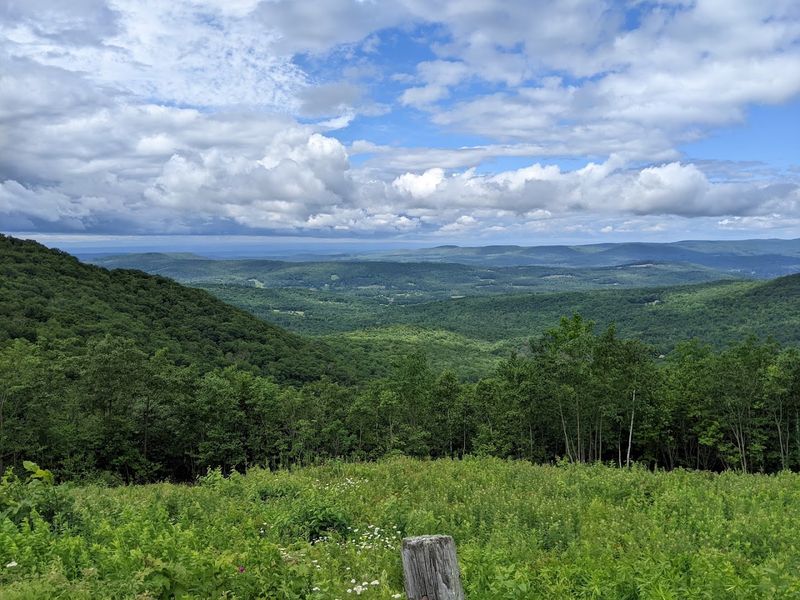
Reaching the top of Berry Mountain by either the park road or one of the hiking trails reveals a view that stretches well beyond the borders of Massachusetts. On clear days, the western horizon opens up toward the Hudson Valley and the hills of New York State, giving the summit a sense of scale that is easy to underestimate from the trailhead below.
The summit area is open enough to allow wide views without requiring technical climbing or bushwhacking. The park road makes it drivable for those who want the view without the hike, which means the top of Berry Mountain is genuinely accessible to a wide range of visitors.
Sunset from this elevation draws campers from the primitive sites nearby, and the changing light across the ridgeline creates a scene that photographs well but honestly looks better in person. The elevation also means temperatures at the summit can differ noticeably from conditions at the park entrance below.
Picnic Areas and Family Day Trips
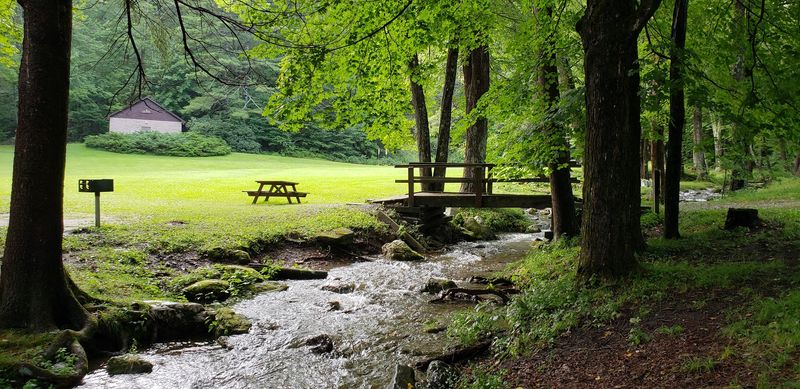
Not every visit to Pittsfield State Forest needs to involve an overnight stay or a long hike. The park maintains dedicated picnic areas equipped with tables and grills, making it a practical and appealing destination for a simple day out with family or friends.
The picnic spots are spread across the property, with some located near the lower trailheads and others positioned closer to the water. The grills are charcoal-style, so bringing your own fuel is necessary.
The setting, surrounded by mature forest, keeps the areas shaded and comfortable during warmer months.
Day-use visitors do not need to commit to camping to enjoy the majority of what the forest offers. The combination of picnic areas, accessible trails, the beach, and the scenic drive up to Berry Pond makes for a full day without ever feeling rushed.
Families who discover this park through a single day trip tend to come back with tents the next time.
Wildlife and Natural Ecology of the Berkshires
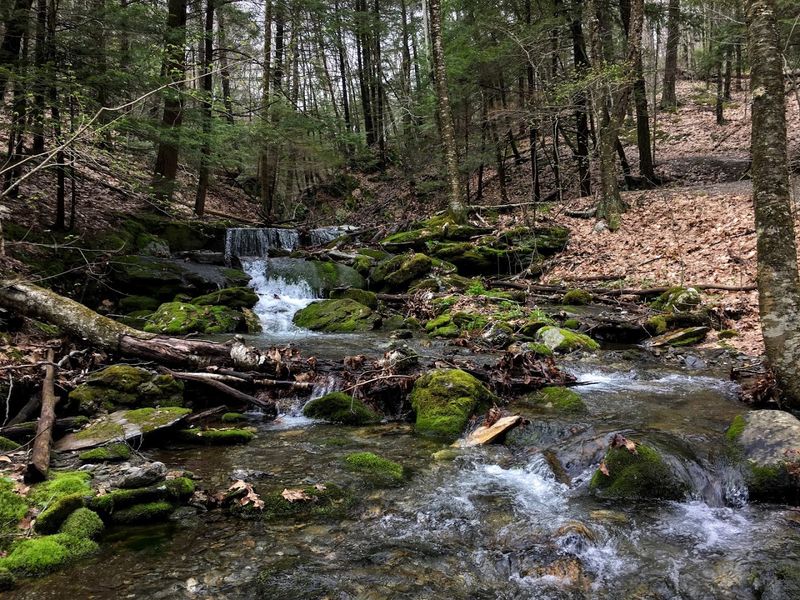
The ecological diversity of Pittsfield State Forest reflects its location in the Berkshire Hills, a region known for its intact forest cover and relatively low human population density. The 11,000-acre property supports a wide range of wildlife that benefits from the connected habitat across the landscape.
White-tailed deer are frequently spotted along trail edges, particularly in the early morning and late afternoon. Wild turkey are common throughout the lower sections of the forest, while various hawk species use the thermals along the ridgeline during migration periods.
Birdwatchers find the forest productive across multiple seasons.
The brooks and ponds within the forest support aquatic species and attract amphibians during spring breeding season. The mix of deciduous hardwoods and conifers creates varied habitat that supports more species than a single forest type would.
Understanding the ecology of a place like this adds a layer of appreciation that goes beyond simply logging trail miles or checking off viewpoints.
Planning Your Visit: Practical Tips
A few practical details can make the difference between a smooth visit and an avoidable frustration. The park is open daily from 6:30 AM to 7:00 PM, and the gate closes at the end of operating hours, so planning departure time accordingly matters, especially for hikers who start late in the afternoon.
There are no trash barrels inside the forest, which means carrying out everything brought in is the standard expectation. Leashed dogs are welcome on all trails, though the leash rule is enforced and important for the comfort of other trail users.
Camping reservations are recommended well in advance during summer weekends, as the campground fills quickly.
The park road toward Berry Pond has been noted for rough patches, so driving carefully on the way up is worthwhile. Cell service can be limited in parts of the forest, making a downloaded offline map a useful backup.
The official website at mass.gov provides current conditions and reservation information before heading out.
Where It All Begins: Location and Access
The main entrance to Pittsfield State Forest sits at 1041 Cascade St, Pittsfield, MA 01201, right at the edge of the city before the landscape opens up into something much wilder. The park is managed by the Massachusetts Department of Conservation and Recreation and is open every day from 6:30 AM to 7:00 PM.
Getting here is straightforward whether you are coming from downtown Pittsfield or arriving from out of state via Route 7 or the Mass Pike. The drive along Cascade Street already gives a preview of what is ahead, with dense tree cover closing in on both sides of the road.
Once through the entrance, the road forks and offers choices: head toward the campground, continue up to Berry Pond, or park near one of the many trailheads scattered throughout the property. A trail map posted near the entrance is worth photographing before heading out.
Share this story