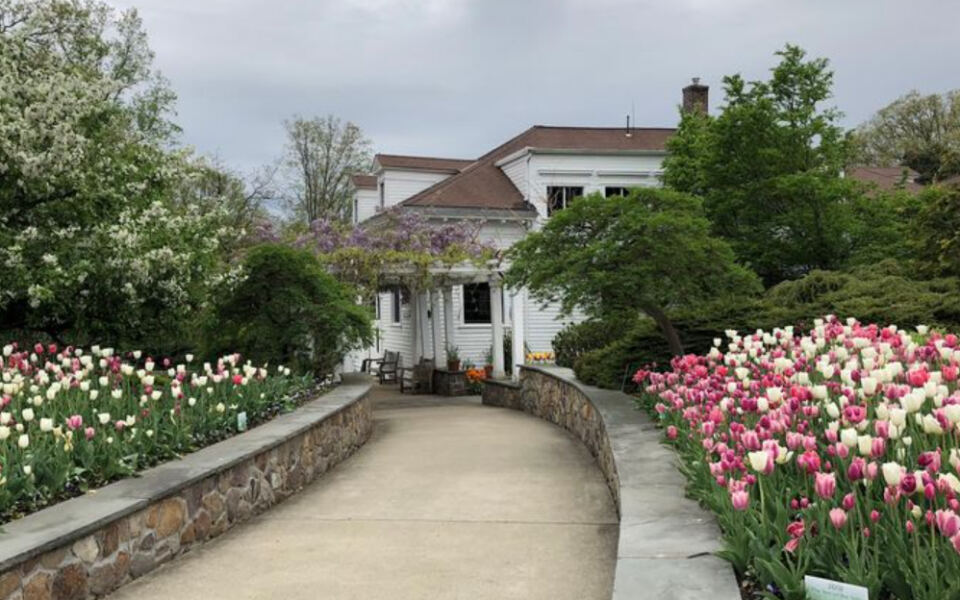
New Jersey has a funny way of hiding big surprises behind ordinary turns. One minute the day feels like errands, traffic lights, and a half-finished to-do list, and the next there is a 127-acre escape with gardens, trails, a mansion waiting to slow everything down.
It is the kind of place that makes curiosity feel useful, especially when a simple local outing turns into a full afternoon plan. Keep reading for the story, the best features, and the practical notes that make this Morris County arboretum worth keeping on the short-trip list.
A Morristown Arboretum With Room To Roam
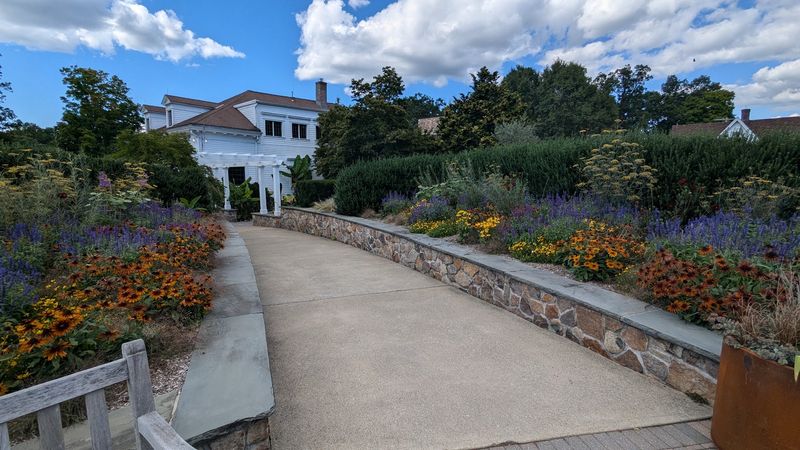
A 127-acre park in Morris County sounds almost too roomy to be tucked into a regular New Jersey day, yet The Frelinghuysen Arboretum makes that scale feel easy to use. The full address is The Frelinghuysen Arboretum, 353 E Hanover Ave, Morristown, NJ 07960, United States, and it functions as an arboretum with gardens, groves, walking paths, educational programs, and a Colonial Revival mansion on the grounds.
Its Morristown location gives it a practical edge for North Jersey residents and short-hop day-trippers. The setting is not a faraway wilderness project, but a public green space with enough variety to make repeat visits feel reasonable rather than repetitive.
The official description points to serene gardens for strolls and picnics, and that is the core appeal. People come for flower gardens, groves, trails, benches, broad lawns, and a setting that feels cared for without turning stiff.
Unlike a single-purpose park, the arboretum gives several versions of an outing in one place. A quick loop, a longer garden wander, a family picnic, a plant-focused visit, or a mansion-and-grounds stroll can all start from the same parking area, which is a small miracle for anyone planning around mixed attention spans.
A Private Estate Turned Public Green Space
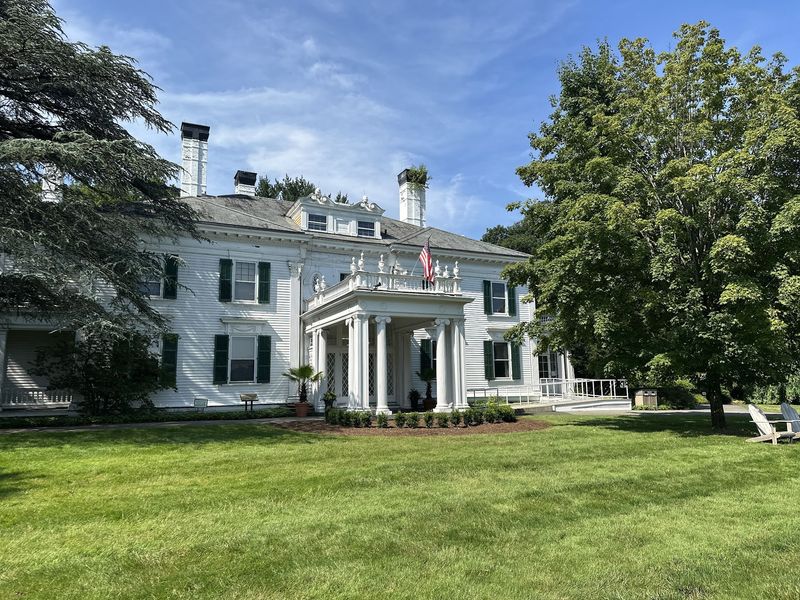
Behind the lawns and paths sits a story that gives the arboretum more weight than a pretty afternoon stop. The property is tied to Matilda Frelinghuysen, whose generosity made the former private property available for public enjoyment, a detail that helps explain why the place feels both grand and welcoming.
The mansion remains one of the most recognizable features on the grounds. Its Colonial Revival character gives the arboretum a formal center, and the building helps visitors understand that the landscape did not appear by accident.
Historic estates can sometimes feel distant, but this one works because the public use is so clear. The grounds have become a place for walks, plant learning, gatherings, photographs, and relaxed outdoor time, which turns the old estate framework into something everyday people can actually use.
Several accounts mention the mansion as charming or stately, though the building has not always been open for touring. That matters for planning, because the best reason to go is the outdoor experience rather than a guaranteed interior visit.
The estate background adds a satisfying layer to the trip. A person can enjoy the gardens without reading every historical detail, but knowing the property was shared for public benefit makes the paths feel less random and more rooted in local civic pride.
Woodsy Trails That Keep The Visit Moving
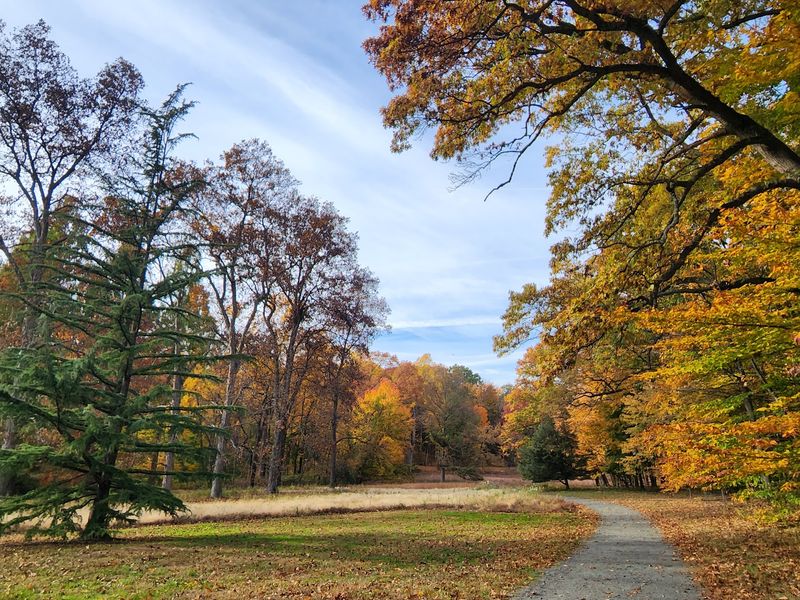
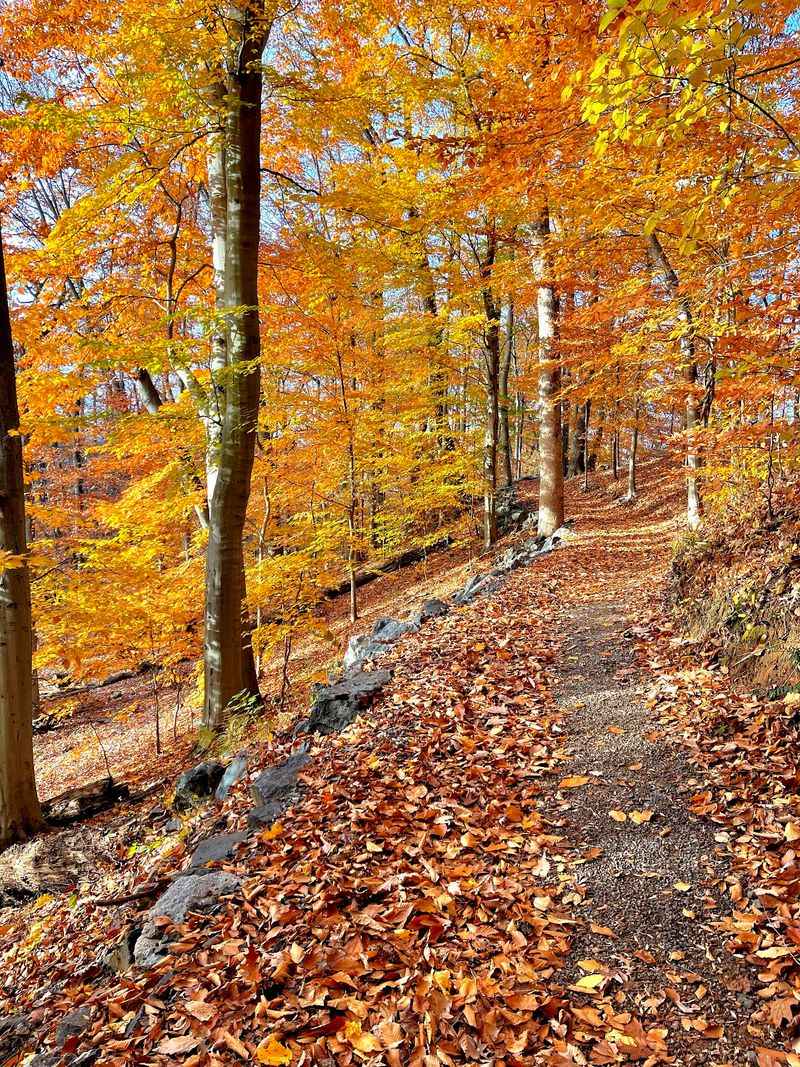
Trail lovers get a pleasant surprise here, because the arboretum is not limited to flower beds and lawn borders. Mentions of trails come up again and again, and one account describes about three miles total of pretty woodsy trails, giving the grounds enough walking substance for a short or moderate outing.
The paths are approachable rather than intimidating. One noted yellow trail included a mix of pavement, stone, and pea gravel, while another description called the trails short and flat enough that unclear map details did not spoil the walk.
That low-pressure design is part of the charm. It is a place where a casual walker can keep going without needing special gear, yet someone who wants more than a five-minute garden lap still has ground to cover.
The trails also help the arboretum serve different moods in one visit. A person can move between more arranged garden areas and wooded corners, which keeps the experience from feeling like a single loop repeated under different plant labels.
Because bikes, roller blades, running, and pets are not allowed according to posted-style guidance mentioned by regulars, the paths are framed around walking. That rule set may not suit every outing, but it supports the arboretum’s steady, unhurried pace.
Flower Gardens That Reward Repeat Trips

Colorful garden areas are a major reason people keep the arboretum on their local list. The grounds are known for flower gardens, roses, seasonal plantings, tulips, and other arrangements that shift in interest as the growing season changes.
Spring earns special attention in many accounts, with flowers blooming in late April and cherry blossoms noted near the entrance during an early-season visit. The data also points to rhododendrons as a primary highlight when they are in bloom, which gives plant fans a specific reason to time a return.
The rose garden comes up often enough to deserve its own mental bookmark. It adds a more formal garden moment to a property that also has trails and groves, and that contrast helps the arboretum avoid feeling one-note.
Plant labels are another useful touch. They make the visit friendlier for people who want to learn names without pretending they already know the difference between every shrub, bloom, and botanical overachiever on the property.
The garden experience depends on timing, as outdoor spaces naturally do. Early in the season, not everything may be active, but the grounds still offer enough structure, paths, trees, and built features to keep a shorter visit worthwhile.
Groves, Champion Trees, And Plant Curiosity

Tree people, the quietly devoted detectives of the outdoor world, have plenty to inspect here. The arboretum includes groves and a wide variety of trees, and one detailed account notes that quite a few New Jersey champion trees can be found on the grounds.
An arboretum is, at its simplest, a place where trees and plants are collected, grown, and often interpreted for public learning. That educational purpose helps explain why the property can feel different from a standard park, even when the activity is still just a walk.
The plant collection gives the visit a second layer. Someone who only wants a calm loop can enjoy the space casually, while a flora enthusiast can slow down around labels, compare specimens, and turn the walk into a low-key field lesson.
Ferns, mature trees, flower beds, and garden arrangements all contribute to that sense of botanical variety. Nothing in the available information suggests a need for expert knowledge before arriving, which is good news for anyone whose plant vocabulary begins with tree and ends with pretty nice tree.
The groves also make repeat visits more rewarding. Seasonal flowers may draw attention first, but the larger plant collection gives the arboretum a deeper identity that holds up beyond peak bloom days.
Benches, Lawns, And Picnic-Friendly Corners
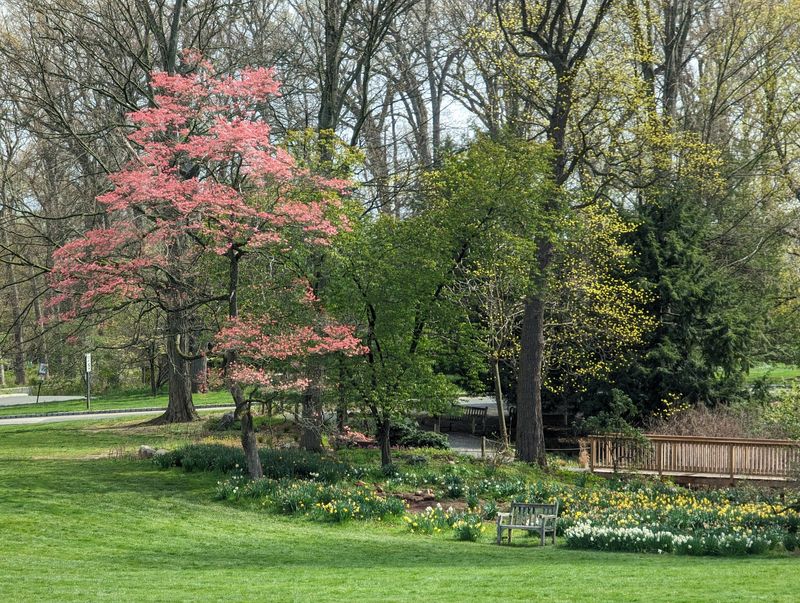
Some parks seem designed for constant motion, but this one leaves room for the noble art of doing very little. The official description includes picnics, and people regularly mention benches, gazebos, lawns, and plenty of places to sit.
That matters because an arboretum visit is often better when it is not rushed. The grounds provide enough resting points that a person can pause between garden areas, regroup with family, or simply stretch a short walk into a fuller afternoon.
Dedicated picnic areas have been mentioned, along with broad maintained lawns and gathering-friendly spaces. The setting works for low-key family time, relaxed meetups, and unhurried outdoor plans that do not require a packed schedule.
A large tent has also been noted in connection with events, and the mansion has served as a venue for special gatherings. Those details show that the property is not only a walker’s retreat, but also a community setting with a more formal side.
Still, the everyday picnic is the most accessible version of the experience. Bring what is allowed, clean up carefully, and the arboretum can turn a simple sit-down into the part of the day everyone remembers without needing a complicated itinerary.
Water Features And Small Landscape Surprises
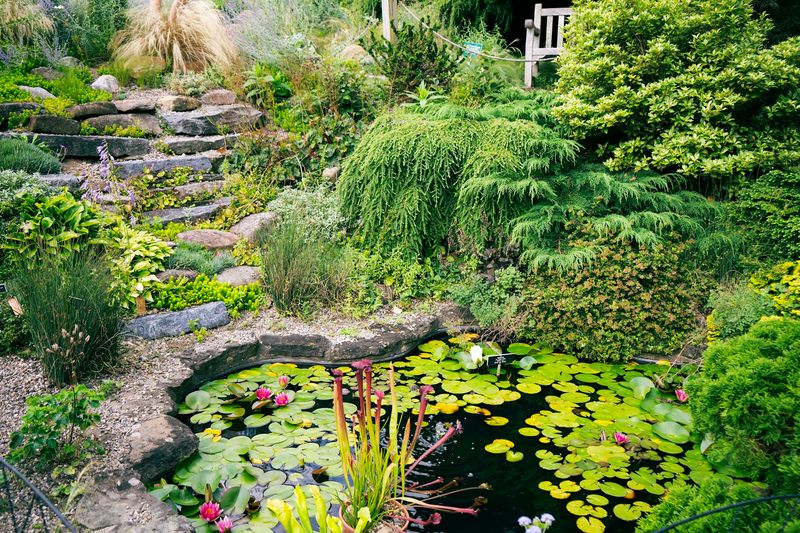
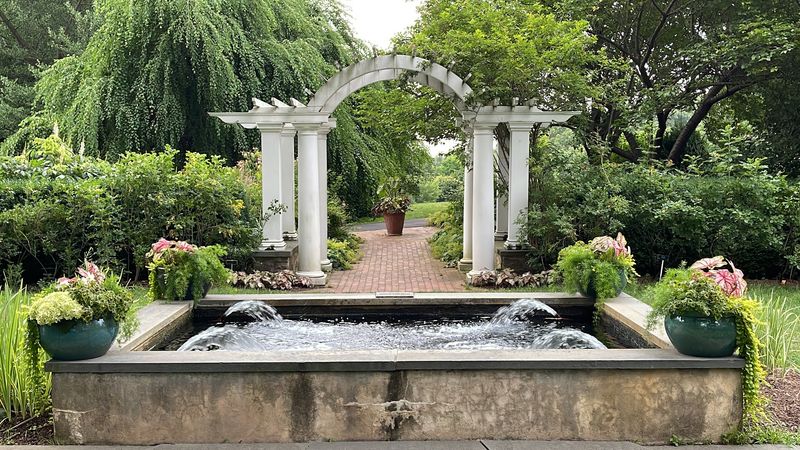
Beyond the headline attractions, smaller landscape details help the arboretum feel layered. Accounts mention water features, a brook running through garden areas, and a lake at one end of the property, adding variety to a walk that might otherwise be all paths and plant beds.
Those features are useful for pacing. A garden visit can become more engaging when the route includes little changes in layout, edges, open spaces, and points where the scene shifts without needing a dramatic reveal.
The arboretum also has artworks blended into the natural surroundings, according to a recent account comparing the effect to a garden setting where creative pieces sit alongside plants. An art gallery and historic buildings have also been mentioned, though outdoor access and program details may vary.
None of these extras require the place to become a theme park. They simply give walkers more reasons to look around carefully, especially on return trips when the big features are already familiar.
That is one of the arboretum’s strongest qualities. It does not depend on a single attraction to justify the visit, because the mansion, trails, gardens, water features, and creative touches all share the job in a balanced way.
A Calm Atmosphere With Clear Ground Rules
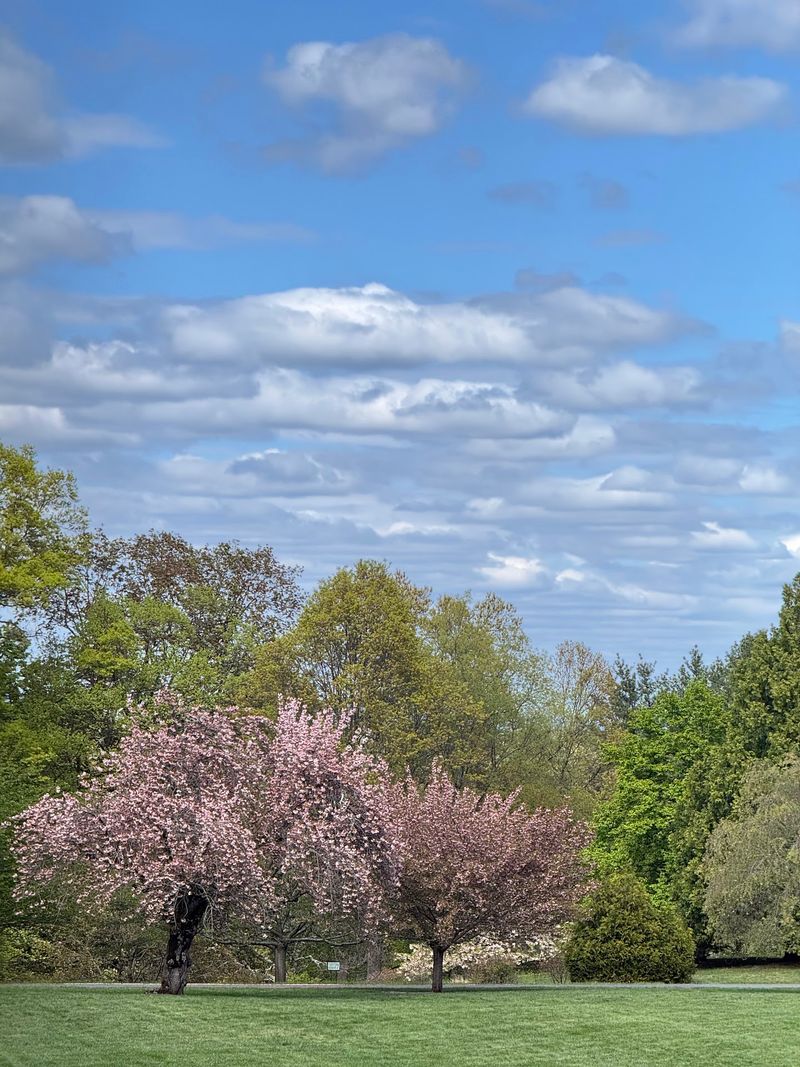
Orderly does not have to mean dull, and the arboretum proves that nicely. The grounds are often described as peaceful, clean, spacious, and well maintained, with paths and garden areas that show steady care.
Part of that atmosphere comes from the rules. Pets are not allowed, and accounts also mention no bikes, roller blades, or running, which shapes the property around strolling rather than speed.
Those limits may be disappointing for dog owners or cyclists, but they also help preserve the arboretum’s specific personality. The place is built around garden appreciation, relaxed walking, plant study, picnics, and quiet gatherings, not every possible park activity.
Clean grounds come up repeatedly, and so does the sense that people generally treat the property with respect. That kind of shared courtesy matters in a public garden, where paths, lawns, and plantings can only stay inviting when users understand the assignment.
The result is a setting that suits readers who want a softer local outing without heading far from everyday New Jersey life. It is not trying to be rugged or rowdy, and that restraint is exactly why many people keep coming back.
Family Walks, Scavenger Hunts, And Easy Outings
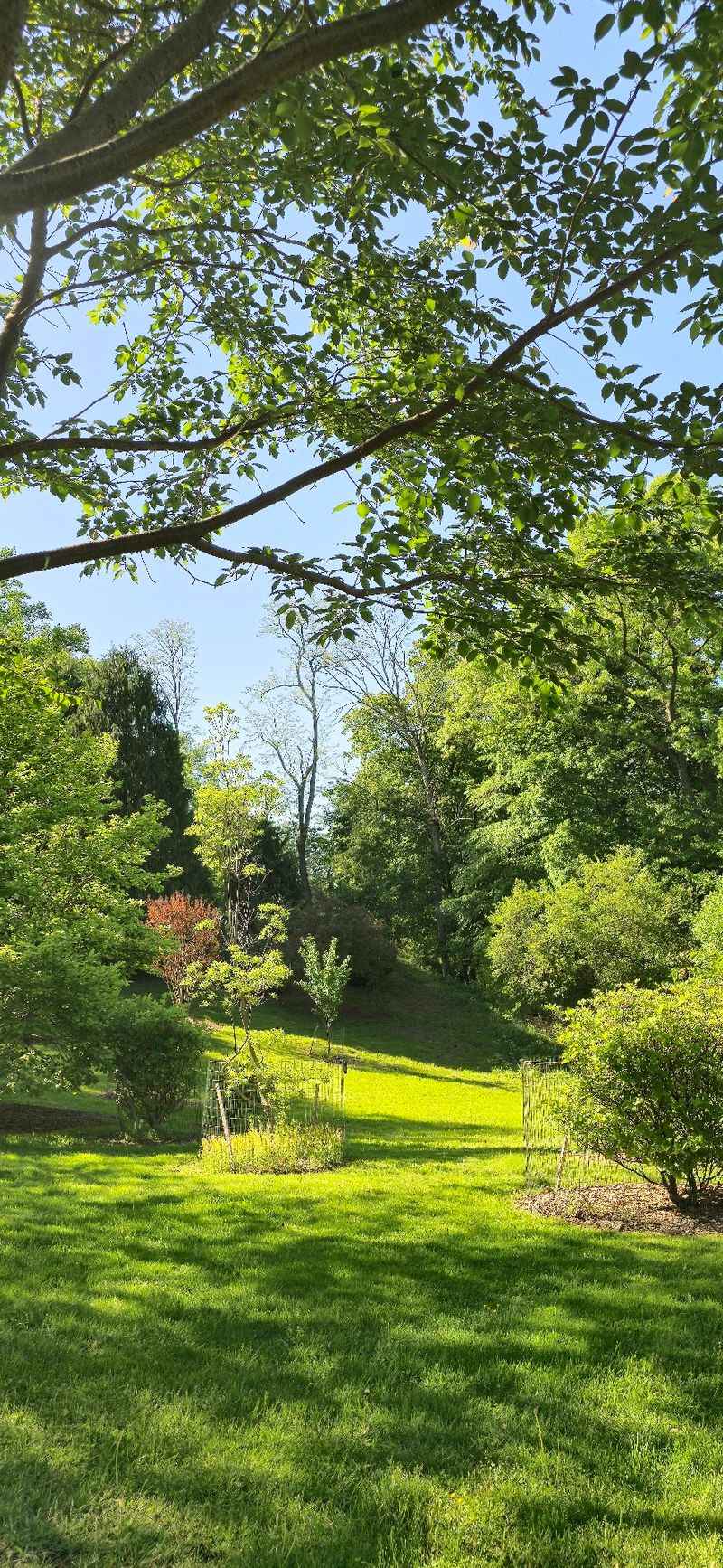
Families do not always need a mega-plan, and the arboretum is appealing because it can stay simple. The paths, gardens, lawns, and benches make it possible to build a visit around a walk, a plant-focused activity, or a picnic without turning the day into a logistical obstacle course.
A scavenger hunt has been mentioned as a fun way to explore while learning about plants and vegetation. That kind of interactive activity can help younger guests pay attention to details that might otherwise be passed by in three seconds flat.
The grounds also work well for multi-generational outings. Shorter paths, flat stretches, seating areas, and spacious lawns make the property adaptable for people who move at different paces.
Families should still plan with the rules in mind. No pets are allowed, and one account notes that bees may be around, so extra awareness with children can make the visit smoother during active garden seasons.
The best family version of the arboretum is not overpacked. Choose a loop, look for the rock labyrinth, leave time for sitting, and let the gardens provide enough structure to keep everyone occupied without turning the outing into a checklist marathon.
Photo-Worthy Grounds Without The Fuss
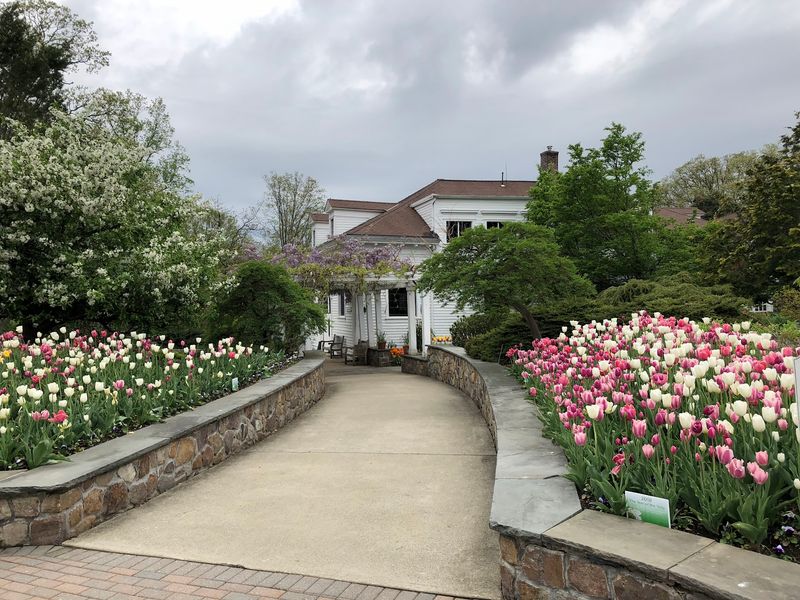
Cameras tend to come out quickly at places like this, and for good reason. The arboretum offers mansion backdrops, flower beds, textured plantings, lawns, garden paths, benches, gazebos, and seasonal displays that lend themselves to personal photos.
Several accounts describe it as a place for pictures with loved ones, nature photography, and special occasion images, though anyone planning a formal shoot should confirm current policies before assuming permission. Public garden spaces often have rules for organized photography, and checking ahead prevents awkward surprises.
The mansion is a natural focal point because it gives photographs a clear sense of place. Garden corners and wooded paths offer other options, especially for people who prefer plant-focused frames rather than building-centered ones.
Seasonal timing changes what the camera finds. Cherry blossoms near the entrance, spring blooms, roses, rhododendrons, tulips, and maintained lawns may all create different reasons to return with fresh eyes.
The nicest part is that photography does not have to dominate the visit. The arboretum still works if the phone stays tucked away, but for memory-makers, plant fans, and careful composition hunters, it offers enough variety to make a casual stroll feel surprisingly productive.
Free Entry, Parking, And Timing Notes
Practical details make this arboretum especially easy to recommend. Admission has been described as free, and parking is also repeatedly mentioned as plentiful or available, which gives the outing a low-friction feel for New Jersey day-trippers watching both time and budget.
Free entry is a major part of the appeal. It allows a short visit without guilt, a return trip during a better bloom window, or a casual stop when someone is already in the Morristown area.
Parking seems to be one of the smoother pieces of the experience, with multiple accounts noting ample spaces or easy access. As with any public destination, event days or peak bloom periods can change the rhythm, but the available information points to parking as a convenience rather than a headache.
Hours deserve a little caution. One person reported arriving around 9:00 AM based on an online listing and finding the main gate closed, then returning around 10:00 AM when it was open, so checking the Morris Parks website before leaving is the sensible move.
The arboretum’s website is listed through Morris Parks at morrisparks.net. Before planning around a specific program, gate time, or mansion-related expectation, a quick current check can save the day from becoming an accidental parking-lot field trip.
A Soft Verdict For New Jersey Day-Trippers
Not every worthwhile New Jersey outing needs a big build-up. The Frelinghuysen Arboretum earns attention by being useful, varied, and genuinely local, with enough room for a walk, enough plant interest for repeat trips, and enough distinctive features to stand apart from a basic park.
The 127-acre size matters because it gives the destination flexibility. A person can stop by for a short stroll, linger over gardens, follow woodsy trails, find the rock labyrinth, sit on a bench, or plan a picnic without needing to treat the day like a major expedition.
Its best audience includes plant lovers, quiet walkers, families, photographers, history-curious locals, and anyone who appreciates a public place that feels carefully maintained. Dog owners, cyclists, runners, and roller bladers should choose another spot, since the rules steer this property toward walking and garden enjoyment.
The mansion not being a guaranteed interior attraction is worth remembering, but it does not weaken the main draw. The grounds themselves are the reason to go, especially during active bloom periods or on a day when a calm Morris County escape sounds better than another crowded errand route.
For New Jersey residents who like defending the state’s quieter surprises, this arboretum offers a strong case. It is accessible, free to enter, layered with gardens and trails, and memorable enough to make a simple afternoon feel well chosen.
Share this story