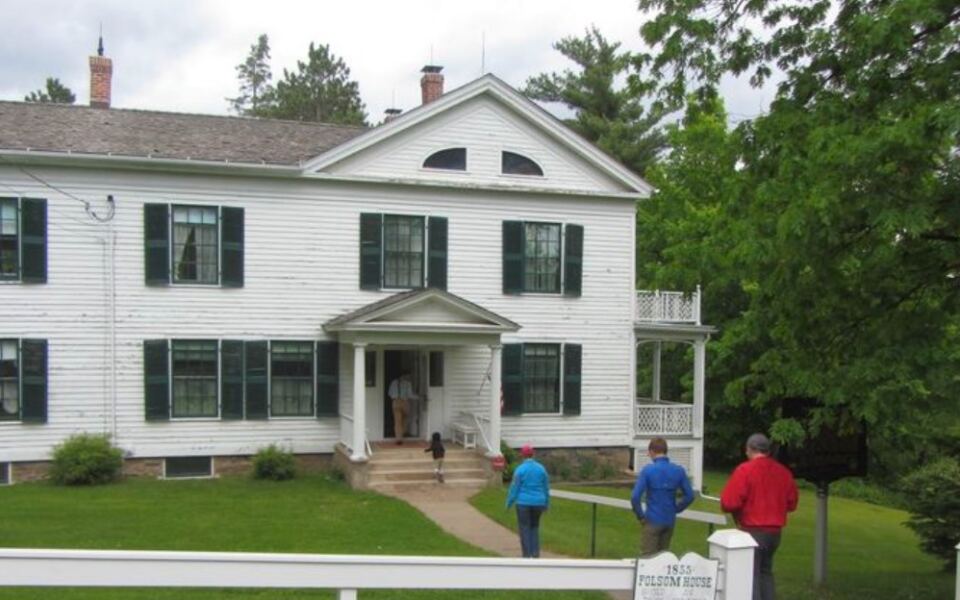
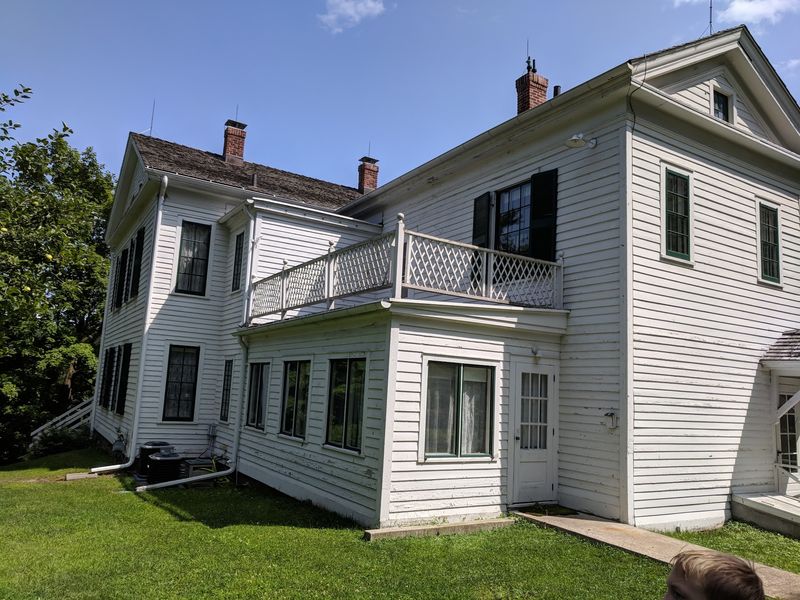
There is a white clapboard house sitting on a bluff in a small Minnesota river town that stops visitors cold the moment they see it. It looks like it was plucked straight from coastal Maine and quietly set down along the St. Croix River.
Built in 1855, the home has barely changed since the day it was finished, and nearly everything inside it is original. That combination of architectural surprise and remarkable preservation makes this one of the most genuinely fascinating historic sites in the upper Midwest.
A House That Defied Its Frontier Setting
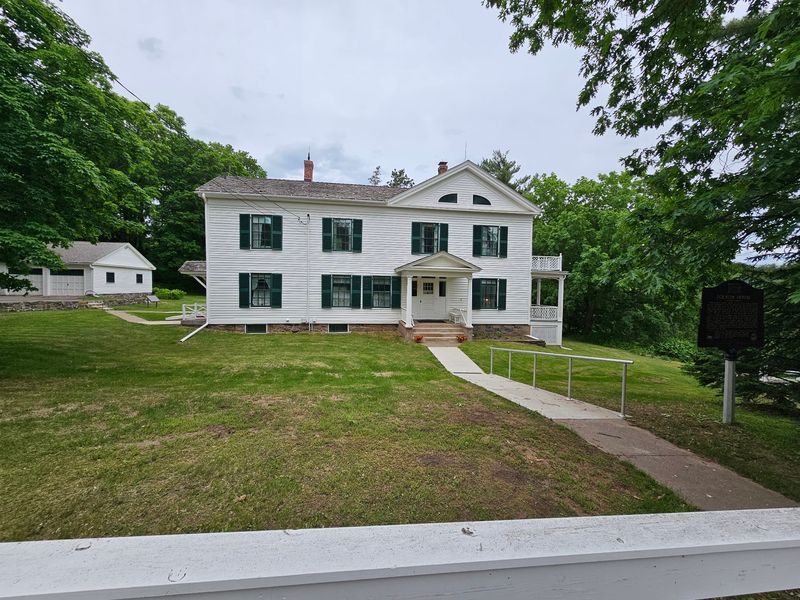
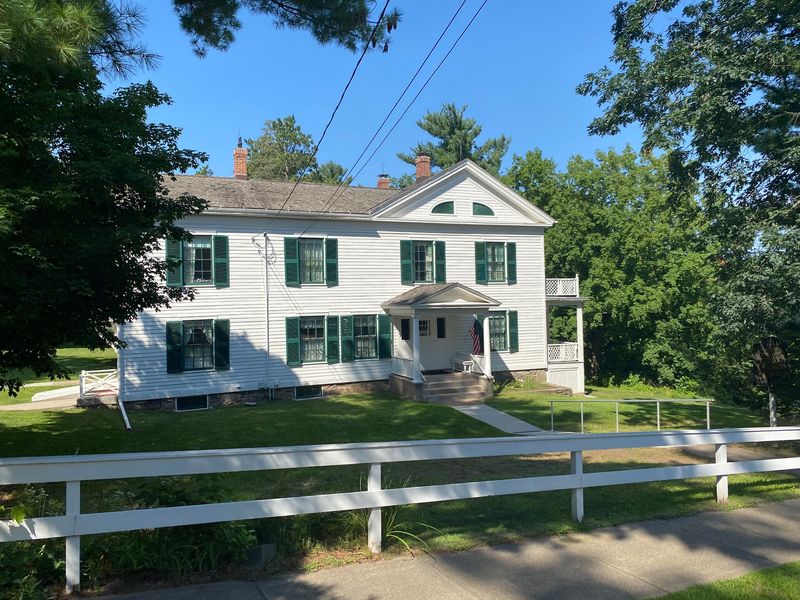
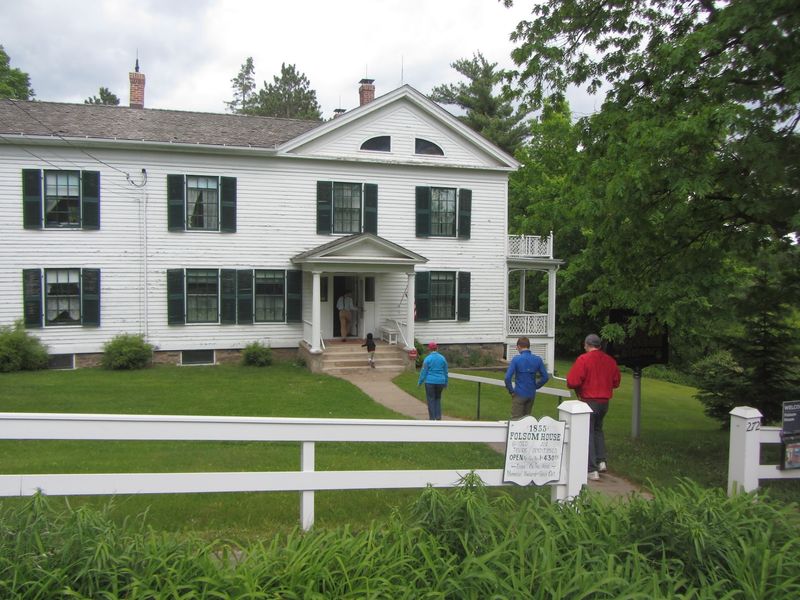
Most people expect frontier-era Minnesota to conjure images of rough-hewn log cabins and muddy wagon trails. What they do not expect is a crisp, white Greek Revival home with green shutters that looks like it belongs in a New England seaside village.
The Folsom House at 272 W Government St, Taylors Falls, MN 55084, United States, is managed by the Minnesota Historical Society and stands as one of the best-preserved mid-19th-century homes in the entire state.
The house was completed in 1855, just seventeen years after Minnesota became a U.S. territory. Its clean lines, symmetrical facade, and formal architectural style were bold choices for a wilderness outpost.
Somehow, it has survived nearly 170 years with its original character fully intact, making every visit feel less like a museum trip and more like stepping into a living photograph.
The Man Who Built It All
William Henry Clement Folsom was not a man who did things halfway. He arrived in the St. Croix Valley in the 1840s and quickly built a reputation as a lumberman, merchant, politician, and community leader all at once.
Folsom served in the Minnesota Territorial Legislature and later in the state legislature, giving him real political influence during some of Minnesota’s most formative years. He was also a writer, eventually publishing a memoir that documented frontier life in remarkable detail.
The house he built reflects the ambition that defined him. Rather than settling for a modest cabin, he constructed a home that announced his status and his vision for what this corner of the Midwest could become.
His story is one of those rare cases where a building and its original owner are so connected that understanding one makes the other far more interesting.
Original Furnishings That Survived the Centuries
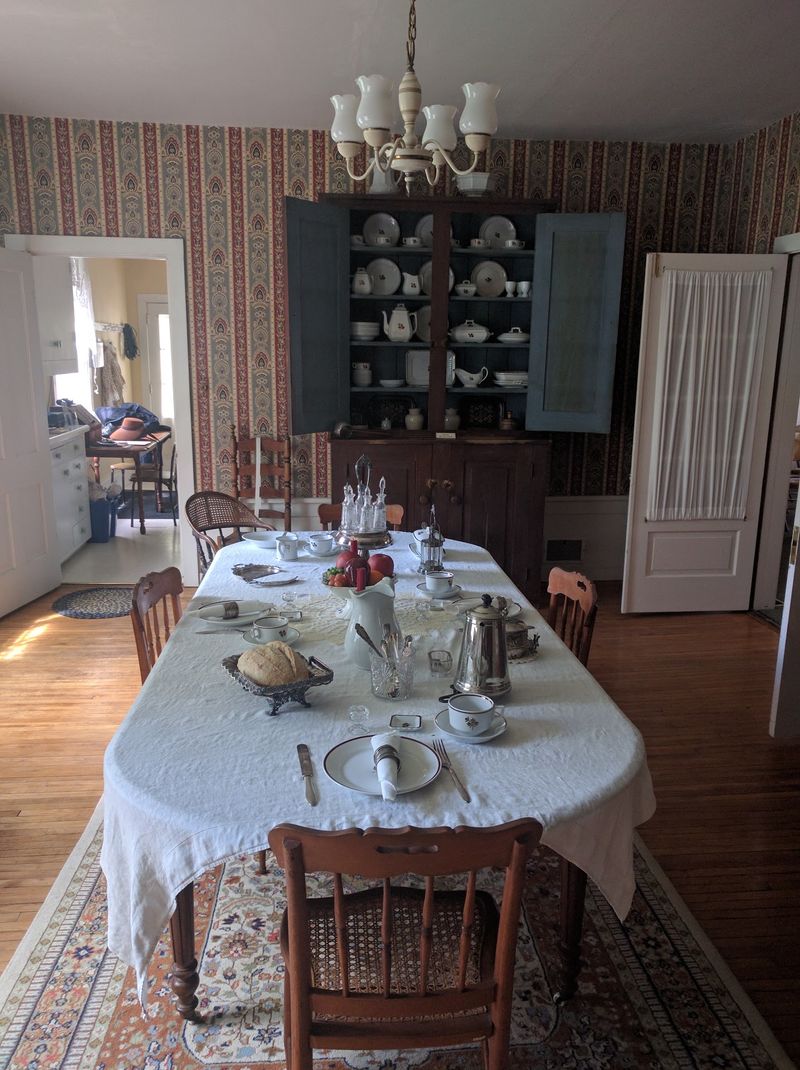
One of the most remarkable things about this house is what is still inside it. Many historic house museums fill their rooms with period-appropriate pieces sourced from antique dealers and estate sales.
The Folsom House took a different approach.
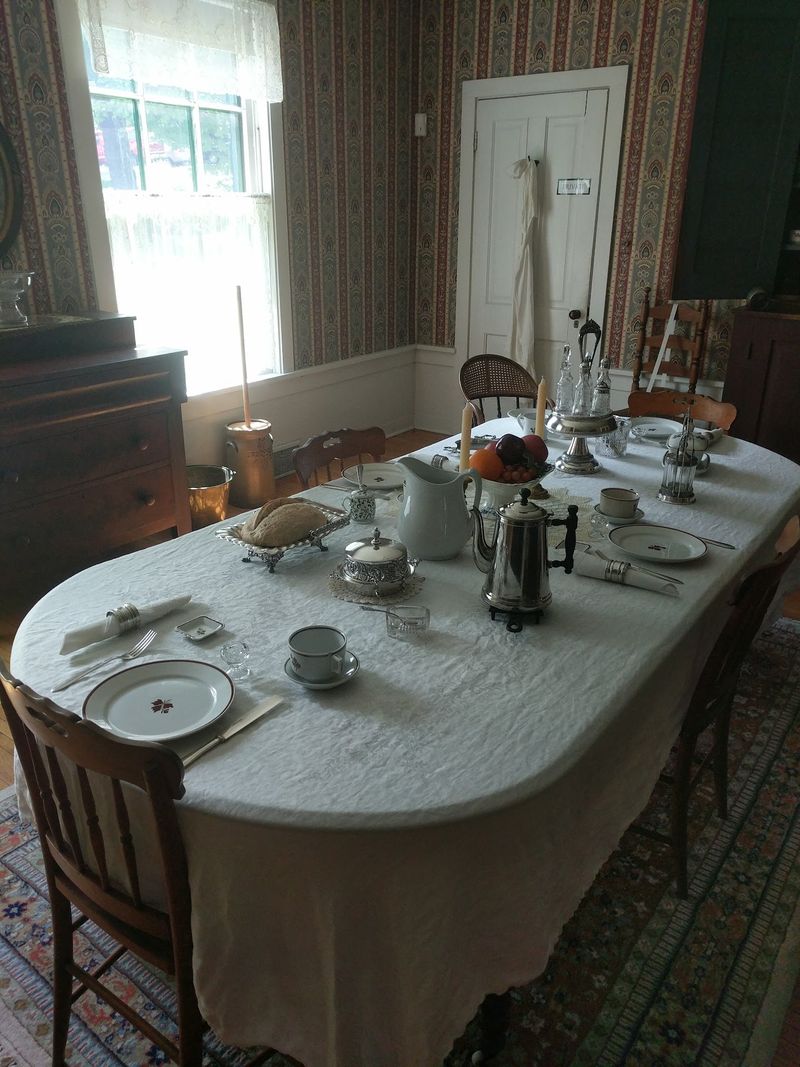
A significant number of the furnishings, decorative objects, and household items on display are the actual original pieces that belonged to the Folsom family. That distinction changes the entire feeling of a tour.
You are not looking at things that are similar to what was here. You are looking at the real objects that William Folsom and his family touched, used, and lived alongside every day.
Visitors frequently comment on how that detail makes the rooms feel genuinely inhabited rather than staged. The parlor, the bedrooms, and the common spaces all carry that quiet weight of authentic history rather than careful reconstruction.
Greek Revival Architecture on the Minnesota Frontier
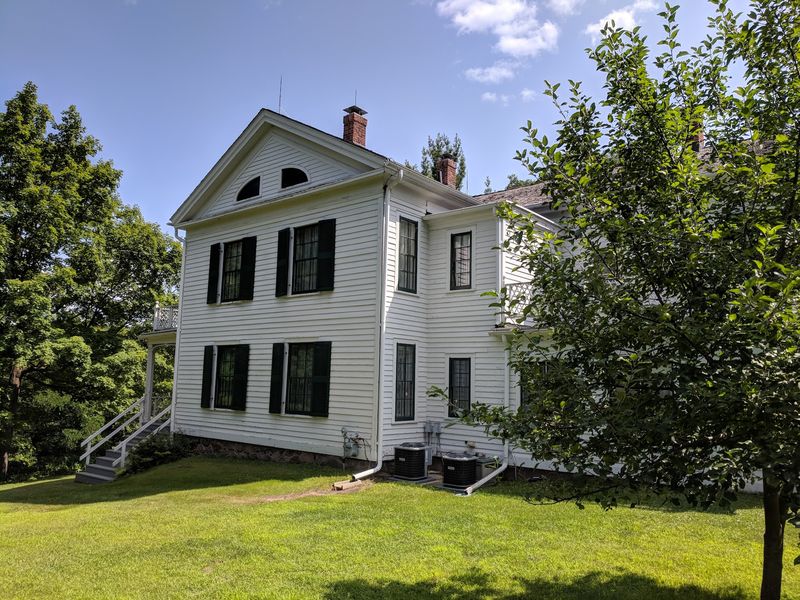
Greek Revival architecture was the dominant style for ambitious American homes during the 1830s through the 1850s. It spread from New England across the country as settlers carried their tastes and building traditions westward with them.
What makes the Folsom House stand out is how faithfully it follows that tradition in a place where such refinement was genuinely rare. The symmetrical layout, the low-pitched roofline, and the carefully proportioned windows all point to a builder who wanted something more than shelter.
He wanted a statement.
That New England influence is precisely why visitors from the East Coast sometimes do a double take when they first see the house. The style feels familiar in a context where it is completely unexpected.
Seeing it perched above the river in a small Minnesota town gives it a quietly dramatic quality that photographs simply cannot fully capture.
The Guided Tour That Brings the 1800s to Life
Tours at the Folsom House run approximately 60 minutes and cover both floors of the home. The volunteers who lead these tours are genuinely well-informed, and their enthusiasm for the material is easy to pick up on within the first few minutes.
Rather than reciting dates and names from memory, the guides tend to weave the Folsom family story into a broader narrative about what life was actually like in this part of Minnesota during the mid-1800s. Frontier politics, the lumber trade, family dynamics, and local conflicts all find their way into the conversation naturally.
The second floor is included in the tour, though visitors should be aware that wheelchair accessibility is limited to the ground level. The house is open seasonally on Saturdays and Sundays from 1 to 4 PM, so checking hours before making the trip is always a smart move.
A Location That Makes the Visit Even Better
The Folsom House does not sit in isolation. It occupies a spot in Taylors Falls, a small town along the St. Croix River that has its own considerable appeal.
The surrounding landscape is dramatic by Minnesota standards, with rocky bluffs, dense forest, and river views that feel more like the upper Midwest’s best-kept scenic secret than a typical small town.
Interstate State Park is nearby, offering trails along the river and access to some genuinely striking geology. The town itself has a walkable historic district that complements a visit to the house naturally.
Many visitors combine the Folsom House tour with a boat trip on the river, which gives the whole day a satisfying shape. Arriving by the river and then walking up to the house creates a sense of arrival that feels appropriately 19th-century, even if you got there by car.
The Lumber Trade That Shaped the St. Croix Valley
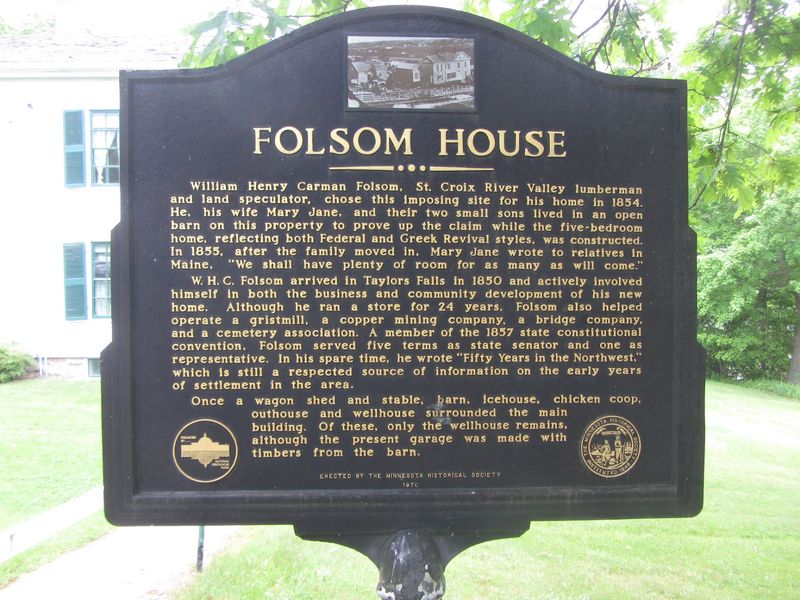
To understand why someone like William Folsom built such an ambitious home in such a remote location, you have to understand the lumber trade that once dominated this entire region. The St. Croix Valley was one of the most productive logging areas in the country during the mid-1800s, and Taylors Falls sat right in the middle of it.
Folsom was deeply involved in that industry. The wealth generated by the timber trade gave him the means to build the kind of home he envisioned, and the town that grew up around that trade gave him a community substantial enough to make it worthwhile.
The tour touches on this economic history in ways that make the house feel less like an isolated artifact and more like a product of its time and place. Understanding the lumber context makes every room in the house read a little differently.
What the Folsom Family Actually Experienced Here
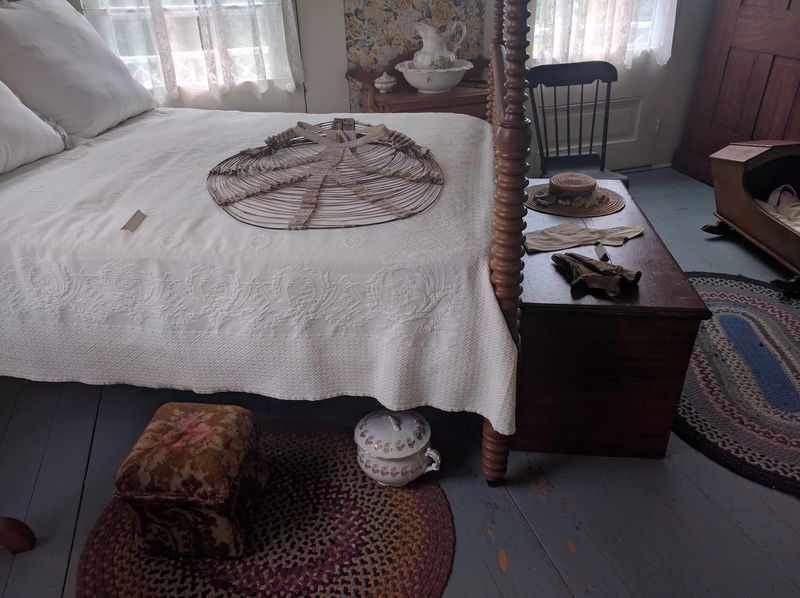
One of the tour’s quieter strengths is how it focuses on the human side of the Folsom story rather than just rattling off historical facts. You hear about the rhythms of daily life in a 19th-century household, the challenges of raising a family in a frontier community, and the social world that the Folsoms moved through.
William Folsom married and had children, and the house reflects that family life in its layout and its objects. The rooms are sized and arranged to suggest how they were actually used, not simply how they looked from the outside.
There is something quietly moving about standing in a room where a real family lived out their ordinary days more than a century and a half ago, surrounded by the very objects they owned. The Folsom House delivers that feeling with unusual consistency across every part of the tour.
Seasonal Visits and What to Know Before You Go
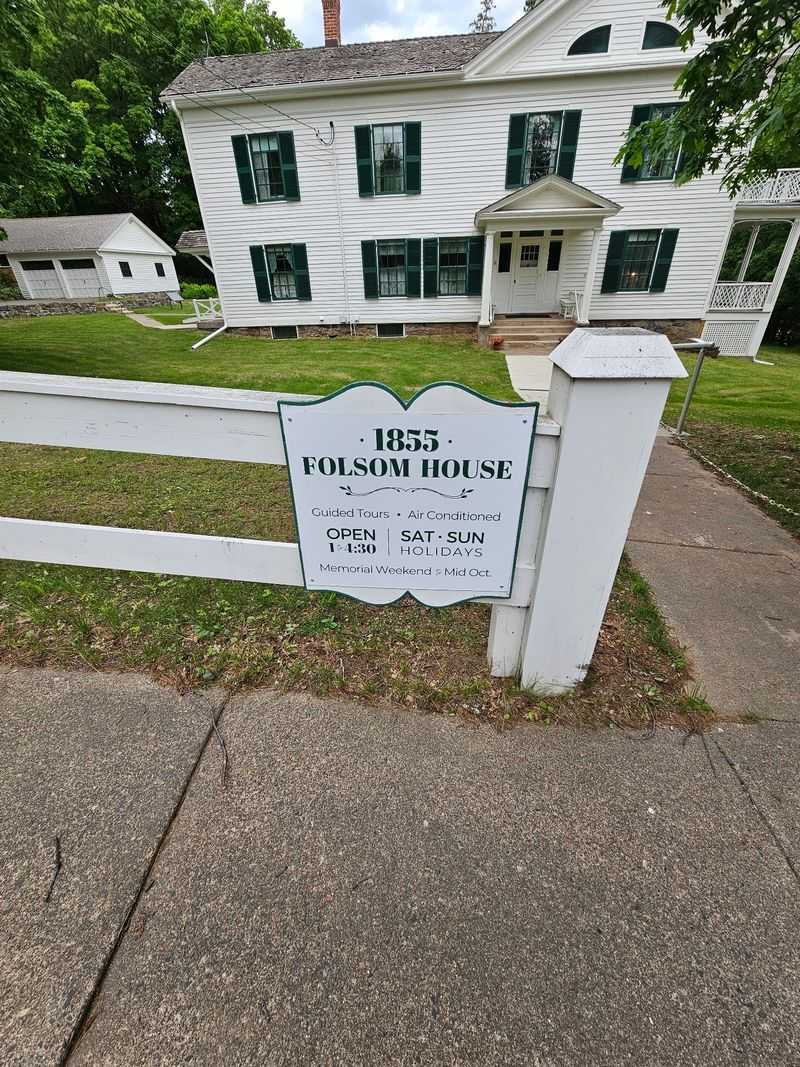
The Folsom House operates on a seasonal schedule, which catches some visitors off guard. The site is open on Saturdays and Sundays from 1 to 4 PM during the warmer months, and it is closed during the winter season entirely.
Planning ahead makes a real difference here.
The house is managed by the Minnesota Historical Society, which keeps the property well-maintained and the tours consistently high in quality. Informational boards around the exterior grounds mean that even a quick stop offers some context, though the full indoor tour is where the real experience lives.
Parking near the house is straightforward, and the location in Taylors Falls means there are other things to do nearby if you arrive early or want to extend your day. Pairing the visit with a walk through the town or a stop at the state park makes the trip feel complete rather than rushed.
How the House Has Been Preserved So Well
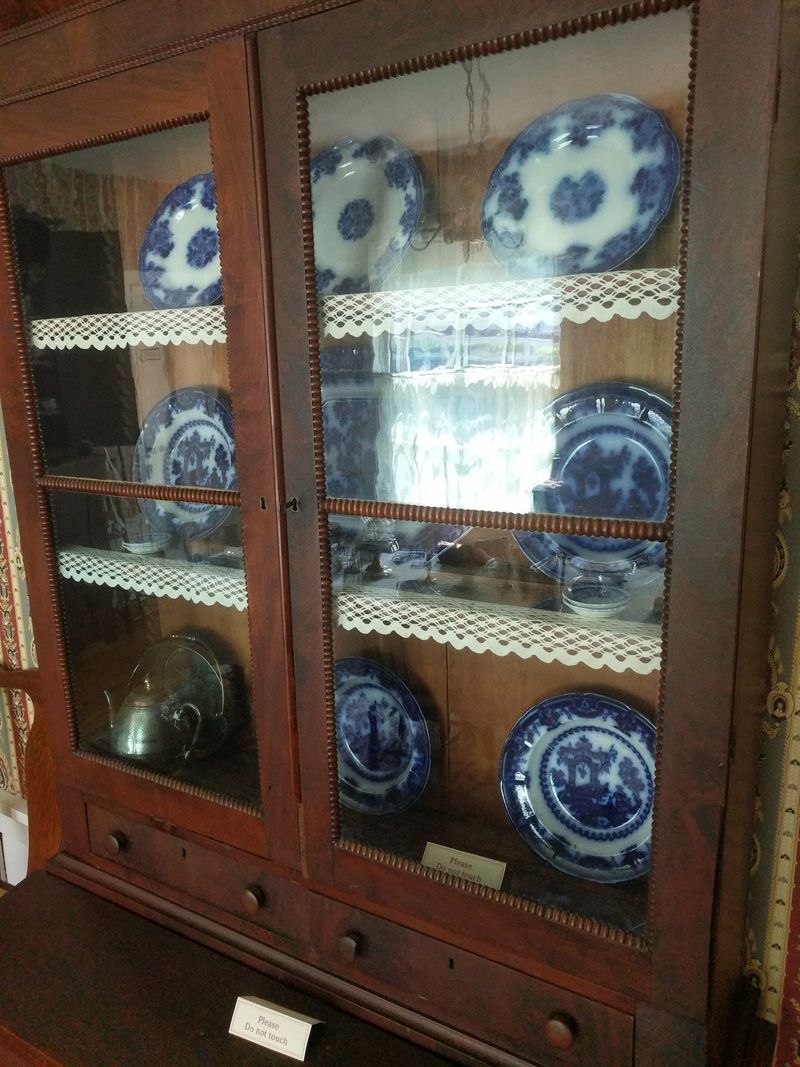
Preservation at this level does not happen by accident. The Folsom House has remained in such good condition partly because it was taken over by the Minnesota Historical Society, which has the resources and expertise to maintain historic properties properly over long periods of time.
The original construction was also notably solid. The materials used in 1855 were chosen for durability, and the Greek Revival style’s relatively simple structural elements have aged well compared to more ornate Victorian designs that came later.
What makes the preservation especially impressive is that it extends to the interior contents, not just the shell of the building. Keeping original furnishings intact across generations requires careful climate management, thoughtful handling, and consistent attention to detail.
The result is a house that feels genuinely old in the best possible way, carrying its age with dignity rather than showing signs of decline.
The Christmas Season Tour That Transforms the House
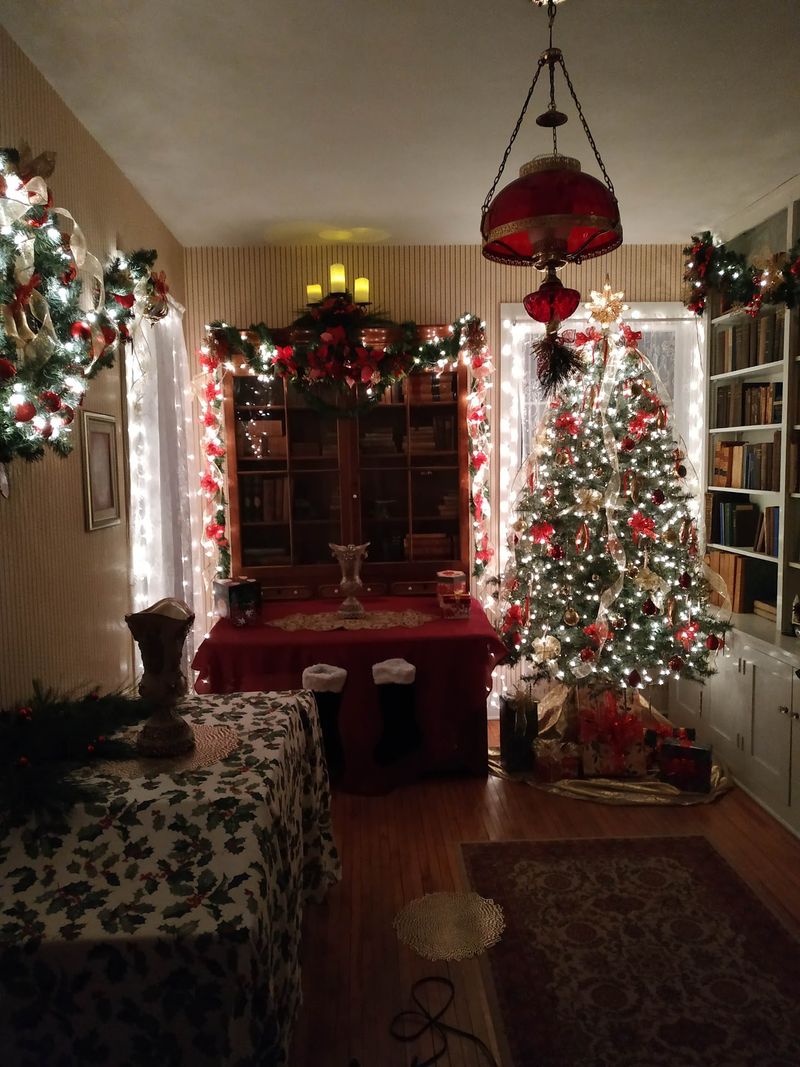
At least one visitor has noted that seeing the Folsom House decorated for Christmas is an experience entirely its own. Victorian-era holiday decorations in a genuinely preserved 1850s home create a visual effect that modern reproductions rarely match.
The house takes on a warmth during the holiday season that contrasts beautifully with its formal Greek Revival exterior. Period-appropriate garlands, candles, and seasonal objects fill the rooms in a way that feels true to how the Folsoms might have actually celebrated.
Checking the Minnesota Historical Society’s website or social media before visiting is the best way to find out about special seasonal events, since the standard weekend hours apply during the regular season and special programming is announced separately. The Christmas version of the tour has its own quiet magic that regular-season visitors sometimes do not realize they are missing until they hear about it afterward.
Why This Place Stays With You Long After You Leave
Some historic sites feel like obligations. You visit because you feel like you should, you walk through the rooms, and you move on.
The Folsom House is not that kind of place. Visitors consistently describe it as a highlight of their time in the St. Croix Valley, often mentioning that they had no idea it existed before they stumbled across it.
Part of what makes it stick is the specificity of the story. This is not a generic pioneer experience.
It is the story of one particular man, one particular family, and one very particular house that somehow survived intact through more than 165 years of Minnesota history.
That specificity gives the visit an emotional weight that broader historical surveys rarely achieve. You leave knowing something real about a real person, and that is a harder thing to forget than any exhibit label or informational pamphlet could ever be.
Share this story