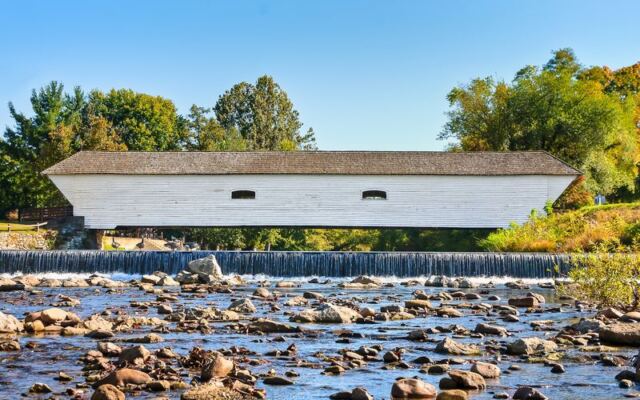
Some places in Tennessee hide in plain sight, waiting quietly for someone curious enough to slow down and look. A narrow wooden crossing near a downtown, painted white and stretching over a rushing river, still carries foot traffic after more than 140 years.
It has stood through floods, storms, and generations of families who keep coming back with kids who later bring kids of their own. Ducks and geese lounge along its banks, festivals fill its park with music, and the whole thing costs nothing to enjoy.
It rivals the postcard spots people drive hours to reach, yet plenty of locals treat it as their own private treasure. The story behind this crossing, its clever design, and the little park that surrounds it are all worth the drive.
A White Wooden Landmark in Downtown Elizabethton
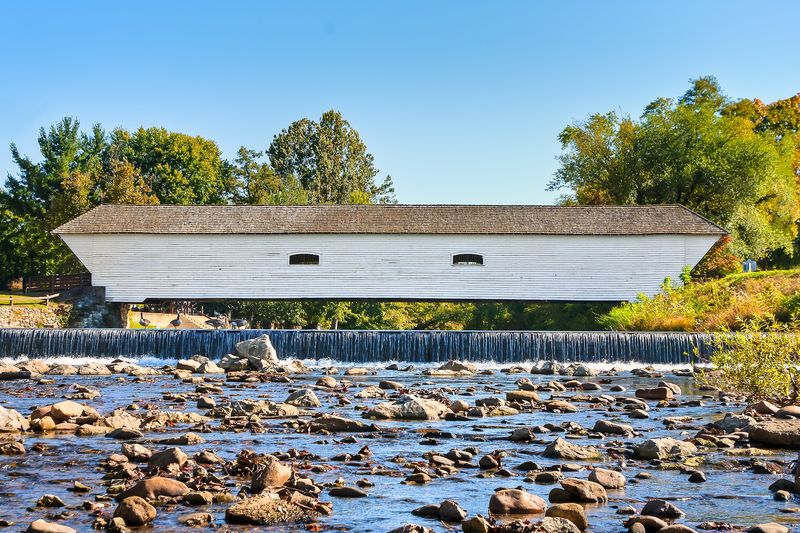
Right at 717 E Elk Ave in Elizabethton, Tennessee, sits a crossing that most road trippers roll past without realizing what it is. The Historic Elizabethton Covered Bridge stretches 134 feet across the Doe River, its white wooden frame standing out against the water below.
Built in 1882, it remains one of the few historic covered bridges in the state that still carries foot traffic. Cars once rolled across it, and longtime residents fondly recall those drives, but today it belongs to walkers, families, and anyone chasing a slower moment.
The location keeps things easy. It sits in the heart of downtown, close to shops, walkways, and a small park hugging the riverbank.
Free to visit and open to the public, this landmark offers a rare chance to actually step inside a piece of East Tennessee history.
More Than a Century of Standing Strong
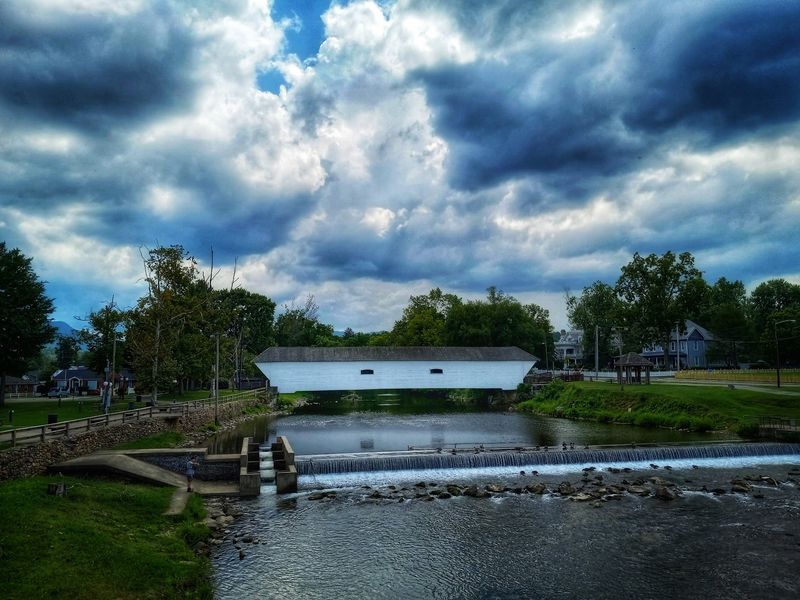
Longevity is the quiet brag of this crossing. Since 1882, it has weathered floods, storms, and well over 140 years of East Tennessee seasons, and it still welcomes people across its planks every single day.
That kind of staying power earned it a spot on the National Register of Historic Places, a fitting honor for a structure that has witnessed generations of small-town life unfold around it.
People who grew up nearby treat it as a marker of home. Families return year after year, some traveling back just to walk across it once more and remember when vehicles used to rumble through.
History fans get a real payoff here, because the bridge is not roped off behind glass. It stays useful, sturdy, and open, proving that some old things only grow more valuable with time.
The Clever Howe Truss Design
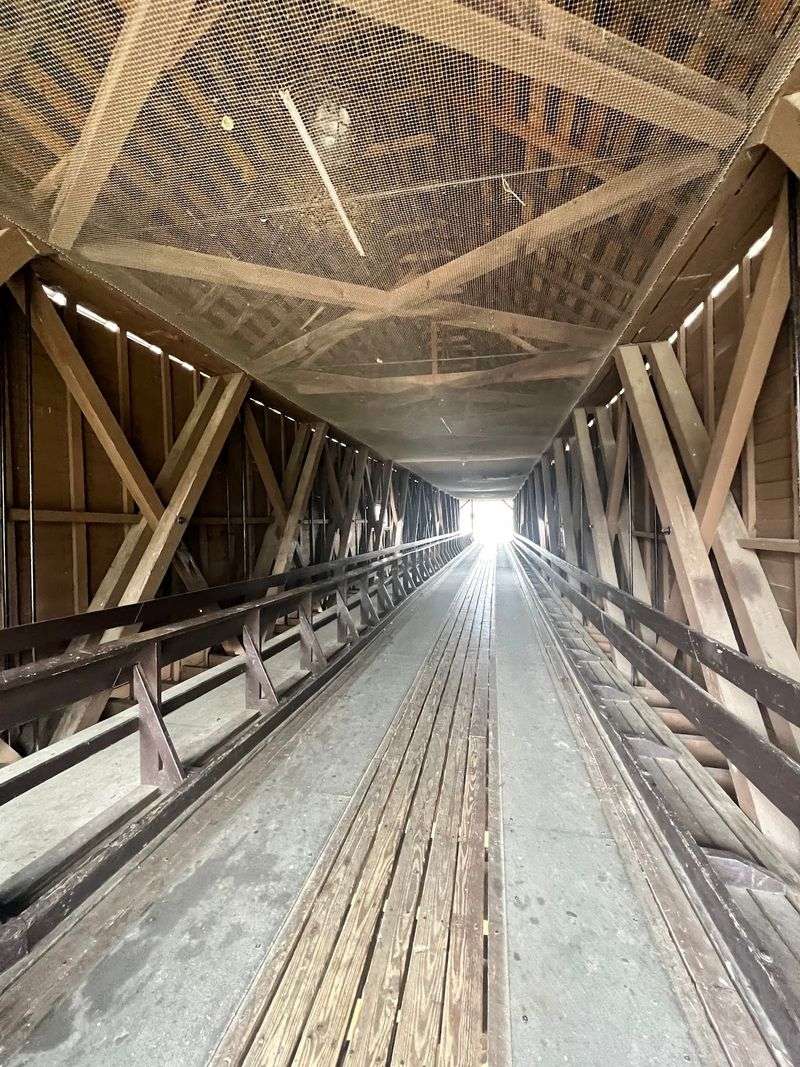
Engineering nerds and casual walkers alike find something to admire in the bridge’s bones. It was built using a Howe truss design, a system of wooden beams and metal rods that gave nineteenth-century bridges the strength to last.
Walking through, you can see the framework overhead, an honest display of how builders solved big problems long before modern machines existed. The covered roof was not just for looks either, since it protected the wooden structure from weather and helped it survive all those decades.
The condition surprises people. For a structure this old, it stays remarkably solid, a credit to careful upkeep and thoughtful original craftsmanship.
Anyone curious about how things were made to endure will appreciate the details tucked into every joint and beam. It is a working history lesson you can walk right through.
The Doe River and Its Little Dam
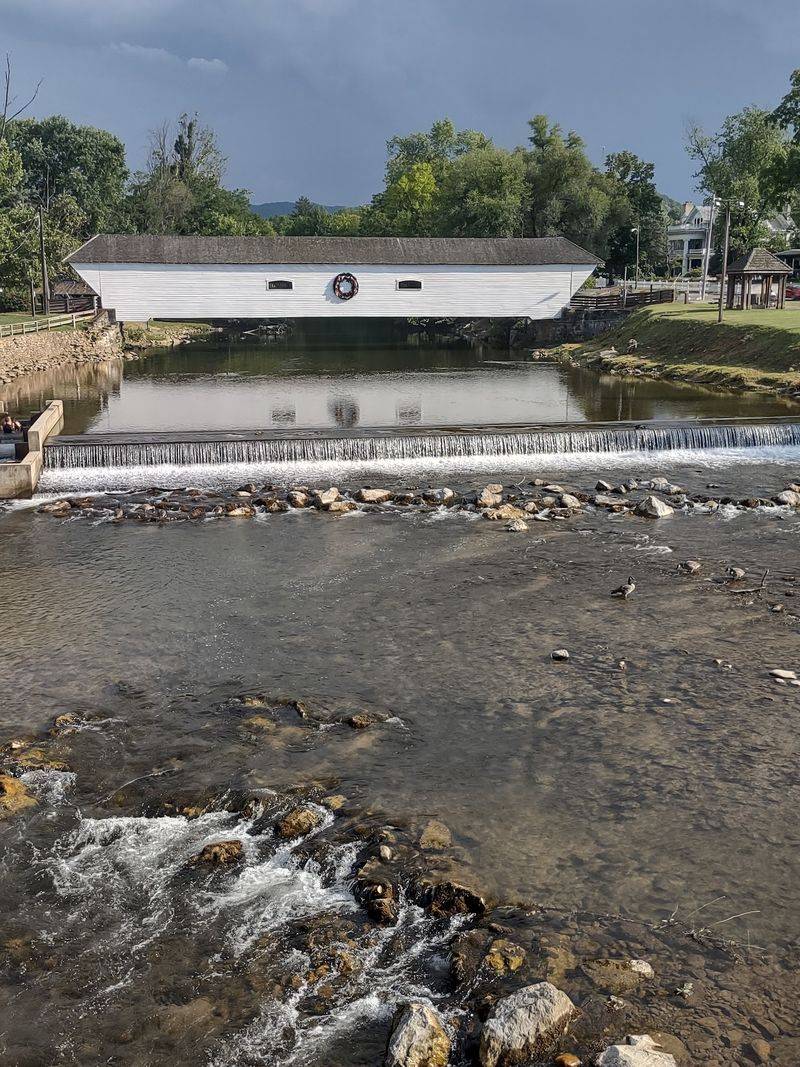
Water gives this spot much of its charm. The Doe River slides beneath the bridge and spills over a small dam that stretches all the way across, creating a gentle cascade that draws the eye downstream.
The river runs right through the center of the park, with walkways along both banks that let you follow the water from different angles. It is the kind of setting that makes people linger far longer than they planned.
Sunset walks along the river are a favorite here, and the calm surface makes the whole scene feel unhurried.
Between the flowing dam, the wooden bridge above, and the greenery framing it all, the riverfront turns a quick stop into an afternoon. Bring comfortable shoes, because once you start wandering the banks, turning back gets harder than you would expect.
Ducks, Geese, and Riverside Wildlife
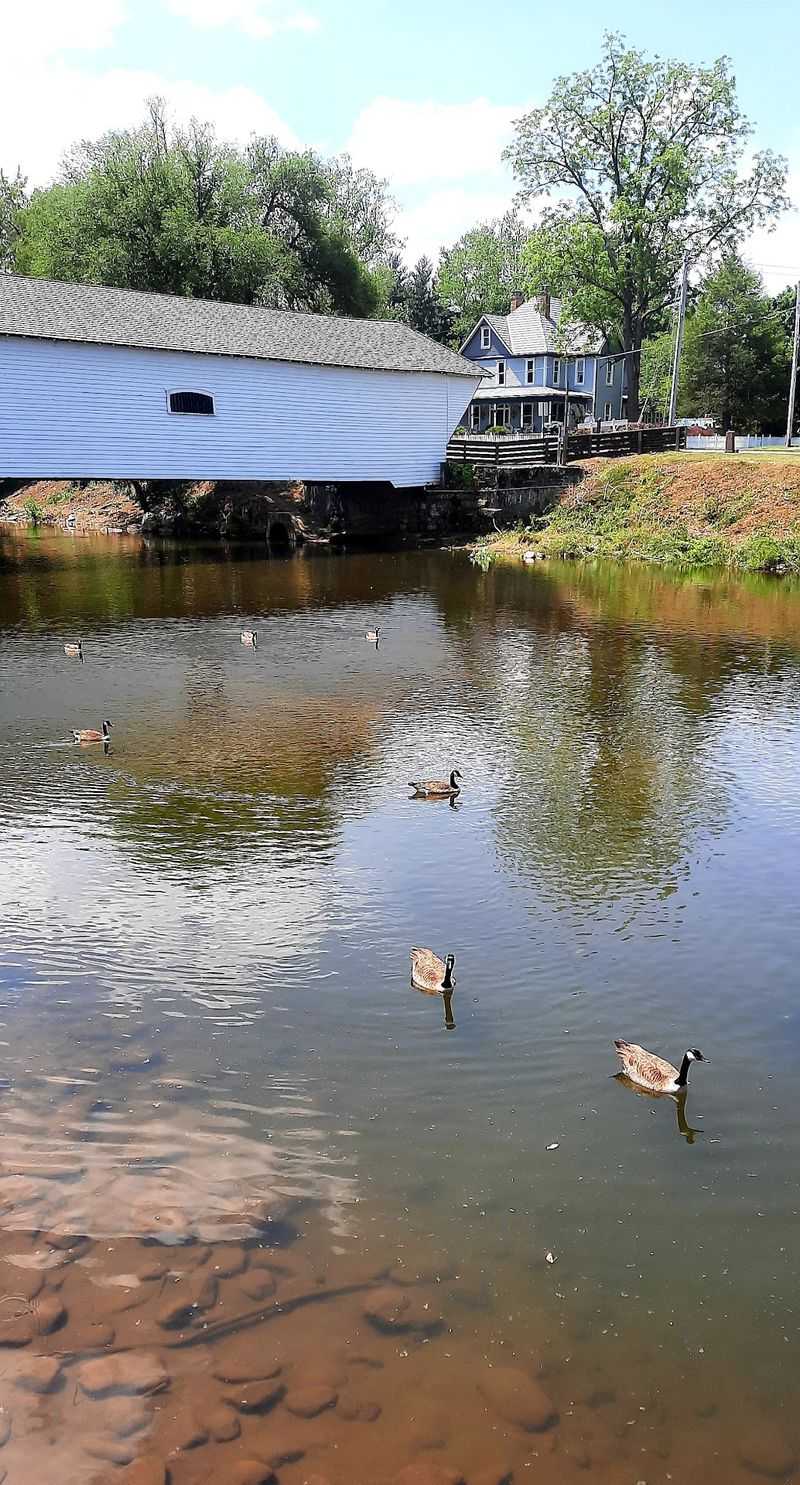
Feathered locals run the show along the banks. Ducks and geese gather near the water regularly, lounging on the grass and paddling around, and they have become one of the most talked-about parts of a visit.
Families often show up with the little ones just to watch the birds and spend time near the water. The wildlife adds an easygoing rhythm to the place, turning a simple walk into something kids remember.
People come to observe the animals, snap photos, and enjoy the quiet company of nature in the middle of town.
It is worth checking local guidance before feeding any wildlife, since rules and healthy habits for the animals can vary. Either way, the resident geese and ducks give the riverside a friendly, lived-in feel that keeps visitors of all ages coming back.
Festivals, Music, and Covered Bridge Days
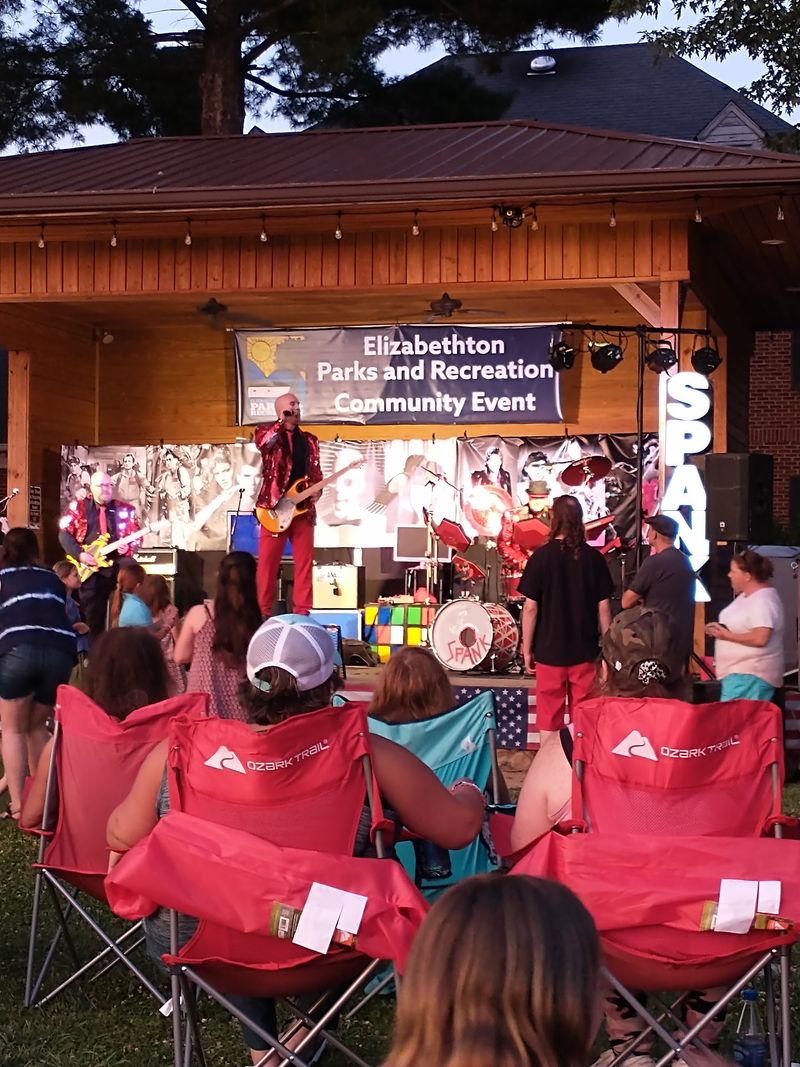
Quiet most of the year, the park bursts to life during festival season. Covered Bridge Days is the big yearly draw, packing the grounds with concerts, food trucks, and family activities that people return for generation after generation.
A stage sits ready for summer live music, and the celebrations run the gamut from foam parties and inflatables for kids to holiday events and even a costumed dog gathering in the fall.
Fourth of July brings its own festivities, complete with local pageants and community fun that longtime families circle on the calendar.
Come winter, the bridge and park glow with Christmas lights, giving the historic setting a cozy seasonal shine.
Whatever the time of year, there is a decent chance something is happening. Checking the event schedule before you go can turn a simple bridge walk into a full-blown celebration.
A Peaceful Park Made for Slowing Down
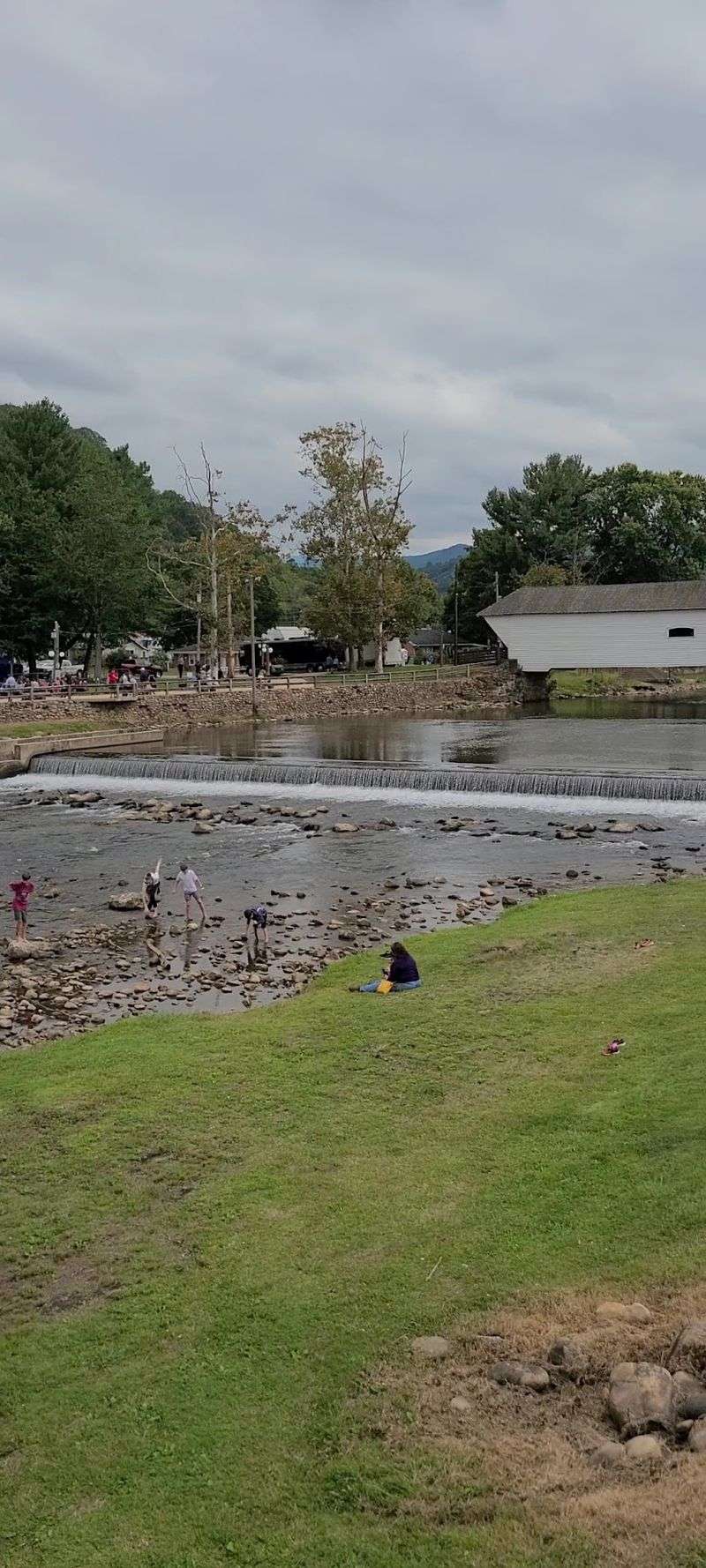
Calm is the default setting here. Covered Bridge Park wraps around the crossing with picnic tables, open grass, and a linear trail that follows the river, giving people plenty of reasons to stay a while.
The area suits just about everyone. Families come to picnic and play, couples wander the banks at sunset, and solo visitors find a quiet corner to sit and watch the water move.
The bridge also anchors a historic walkway through town that spotlights events from the area’s past, so a short stroll doubles as a self-guided history tour.
Downtown sits close enough to fold into the trip, with little shops, friendly faces, and art installations to discover on foot.
Peaceful yet packed with small pleasures, the park rewards anyone willing to trade a rushed schedule for an unhurried afternoon by the river.
Parking, Hours, and Planning Your Visit
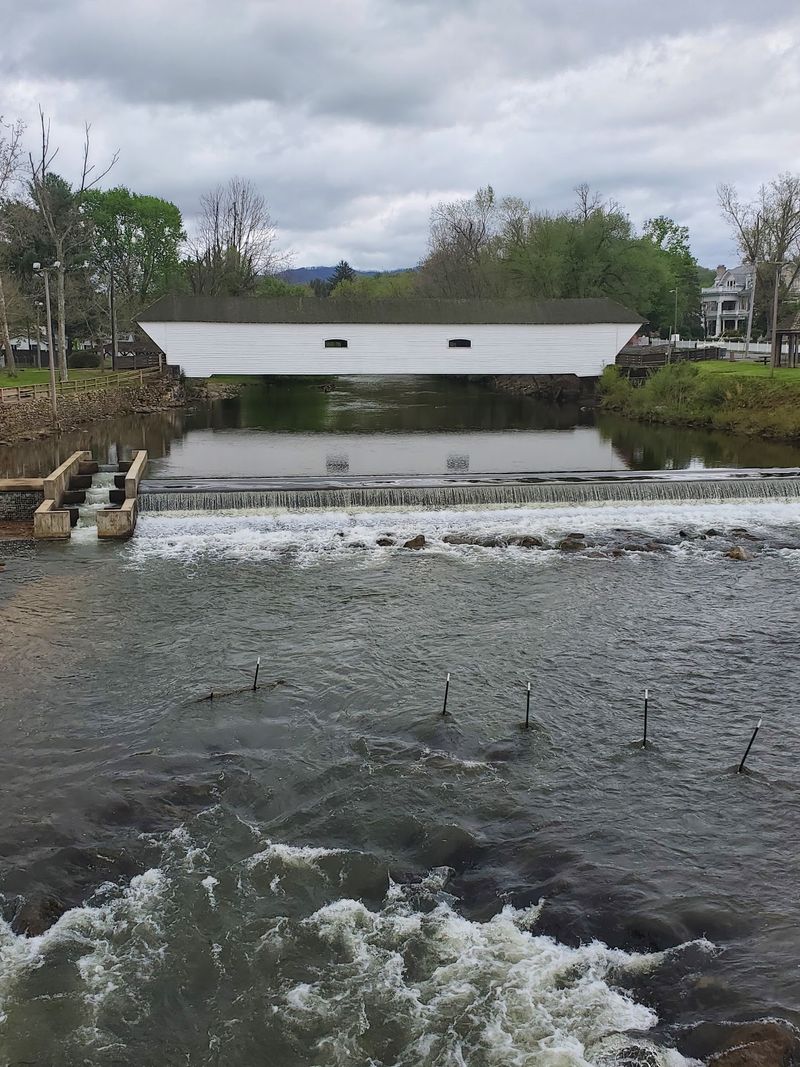
Getting here is refreshingly simple, and the price is the best part: admission is free. The bridge sits at 717 E Elk Ave in Elizabethton, with parking available just off Third Street next to the crossing.
Those few spots fill quickly, but the town helps out with plenty of public lots downtown. A short, easy walk brings you right back to the bridge, so a full lot is never a dealbreaker.
Because parking is limited near the entrance, weekdays and quieter hours tend to make the visit smoother. Festival days draw bigger crowds, which is part of the fun if you plan for it.
The spot works for a quick photo stop or a lazy afternoon, and it pairs nicely with a downtown stroll.
Scenic, historic, and completely free, it earns a place on any nearby weekend itinerary.
Share this story