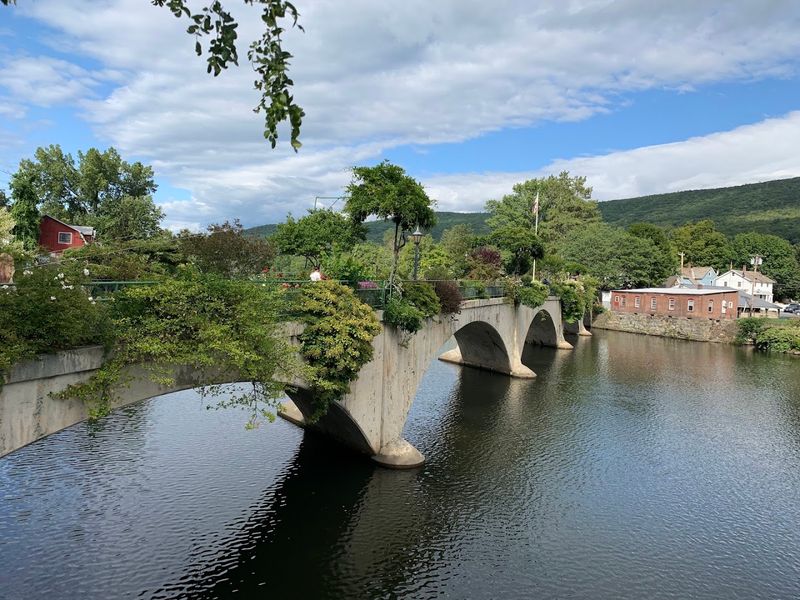
Tucked into a quiet western Massachusetts village sits an old trolley crossing that traded steel rails for garden beds more than a century ago. Warm months turn its span into a ribbon of color that draws people back year after year, many of whom keep the spot to themselves like a family secret. The walk takes only minutes, the price is nothing at all, and the whole thing floats above a river with small mountains rising on both sides. Locals here take genuine pride in a place that surprises almost everyone who stumbles onto it.
What follows is a close look at how a forgotten bridge became one of the most charming free outings you can find close to home, plus the practical details that make a visit easy to plan.
Where the Flower Walk Waits
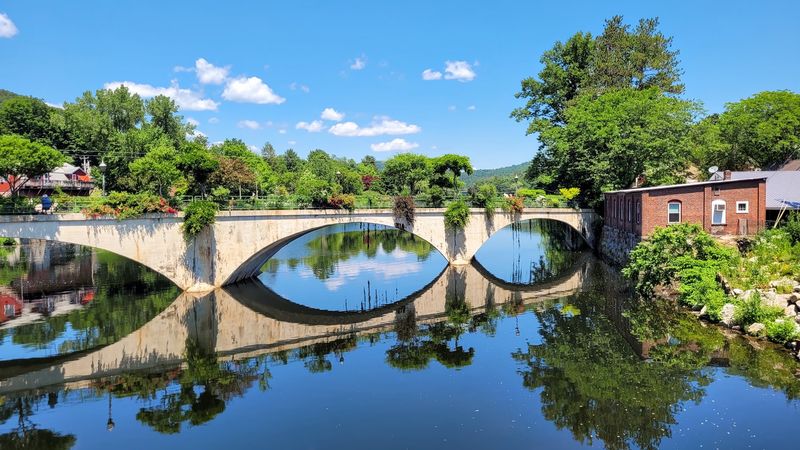
Follow Water Street into Shelburne Falls and you land right at the address that makes this outing so easy to find: 22 Water St, Shelburne Falls, MA 01370.
The bridge connects the village of Shelburne Falls with neighboring Buckland, stretching across the Deerfield River in the western part of the state. Both ends drop you into a walkable little downtown, so the crossing feels less like a dead-end attraction and more like a doorway between two friendly pockets of town.
Regulars mention that the setting does half the work. The river runs below, small mountains frame the view, and the whole scene stays calm even when a few groups gather at midday.
What surprises many first-timers is how compact it all feels. The walk itself covers only a short span, roughly a block or two of strolling, which means you can wander across and back a few times without eating up an afternoon.
That easy scale is part of the charm. You get a genuine western Massachusetts outing without a long hike or a complicated plan, and you finish with plenty of time left to poke around the surrounding streets.
From Trolley Tracks to Garden Beds
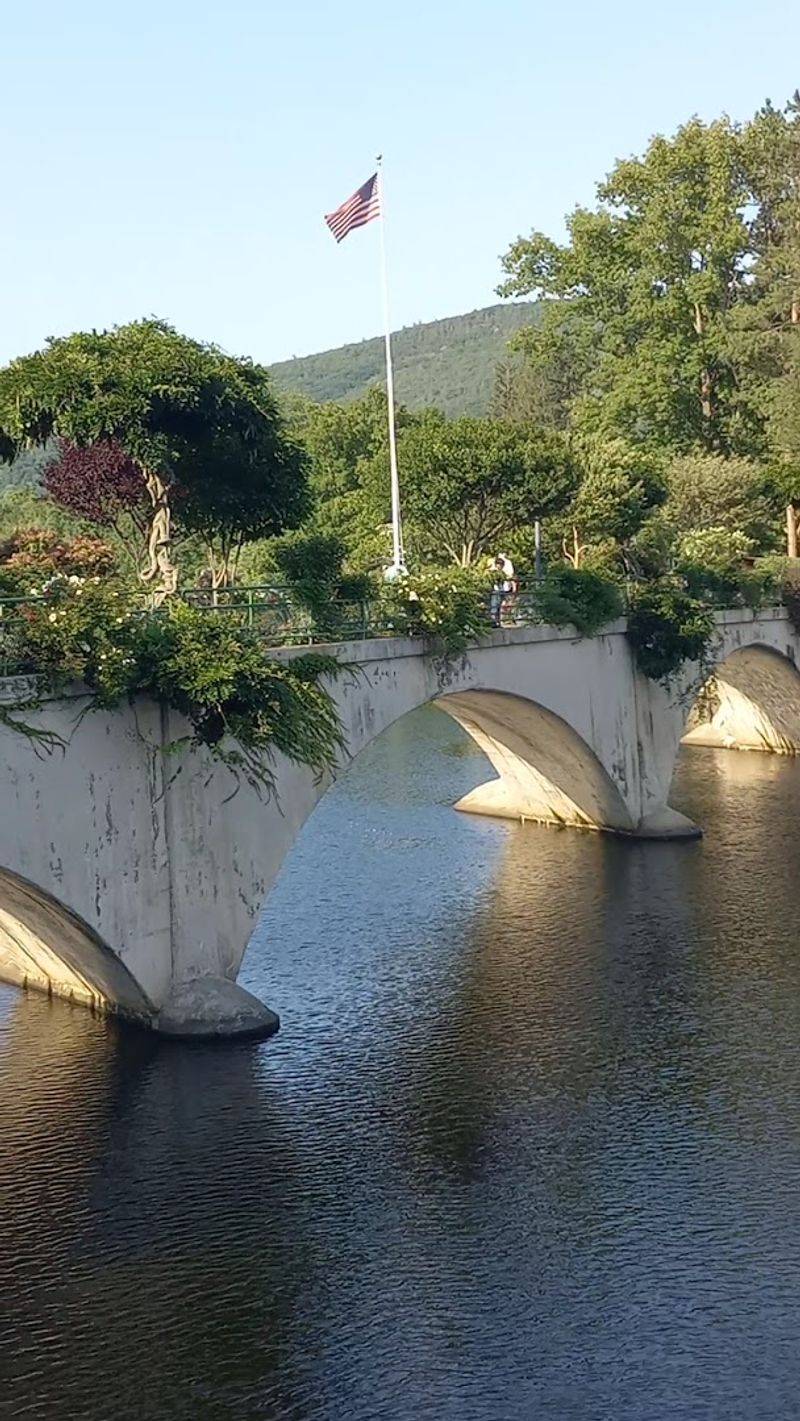
Back in 1908, this crossing had a very different job. Built as a trolley bridge, it carried freight and passenger cars over the Deerfield River until the rail line faded from use.
Rather than let the structure sit idle, the community reimagined it as a planted walkway. Volunteers filled the old span with flowers and shrubs, and the trolley bridge quietly became a garden that people now travel to see.
There is something satisfying about that reinvention. A piece of transportation history that could have been forgotten instead turned into one of the more beloved free stops in the region.
The idea of covering a working bridge in thousands of blooms was unusual then and still feels novel now. Few places take an industrial relic and dress it up in petunias, zinnias, and marigolds.
That backstory adds weight to the walk. You are not just admiring flowers; you are crossing more than a hundred years of local history that the town chose to keep alive in the most colorful way possible.
A River View That Comes Free With the Walk
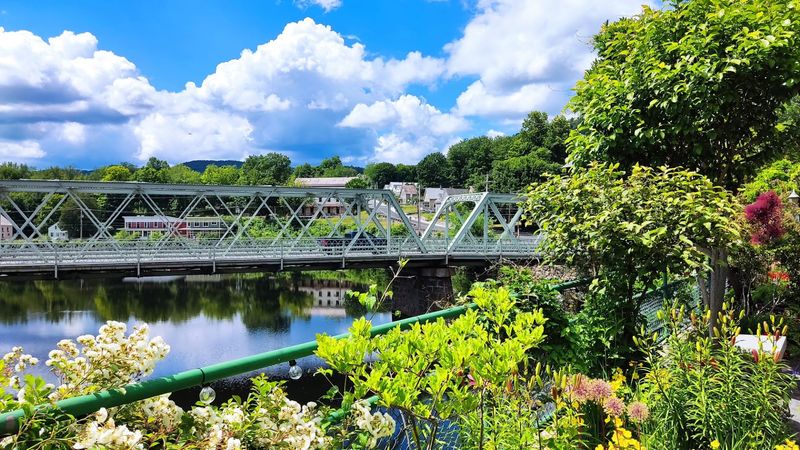
Look over either railing and the Deerfield River spreads out beneath you, giving the flower beds a backdrop most gardens can only dream of.
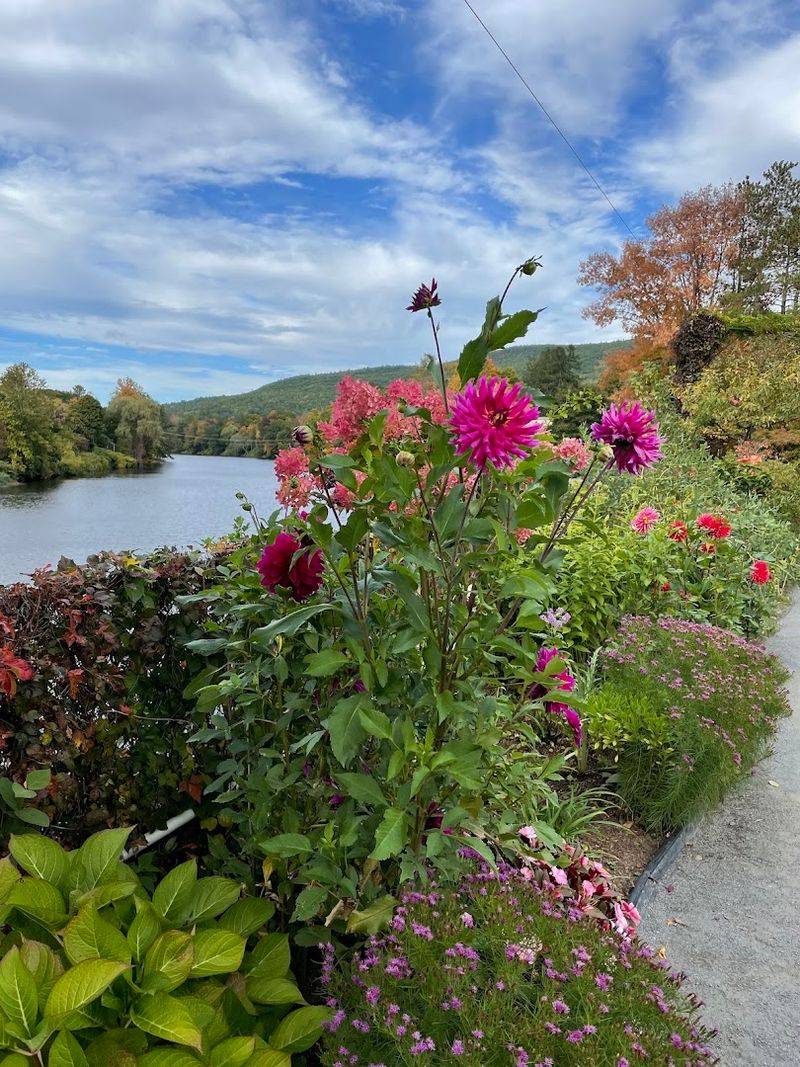
The water, the surrounding village, and the small mountains all combine to make the short stroll feel bigger than its length. People often pause halfway across just to take in the scene below rather than rushing to the other side.
That combination of planted color up close and open river views in the distance is a big reason the crossing keeps pulling people back. It works as both a garden and a lookout point.
Photographers especially appreciate the mix. The blooms offer close-up subjects while the river and hills fill out wider shots, so a single visit can produce very different pictures.
Even folks who came only for the flowers tend to linger over the water. The setting turns a quick garden walk into a genuine river-town moment that sticks with you.
Thousands of Blooms, Countless Varieties
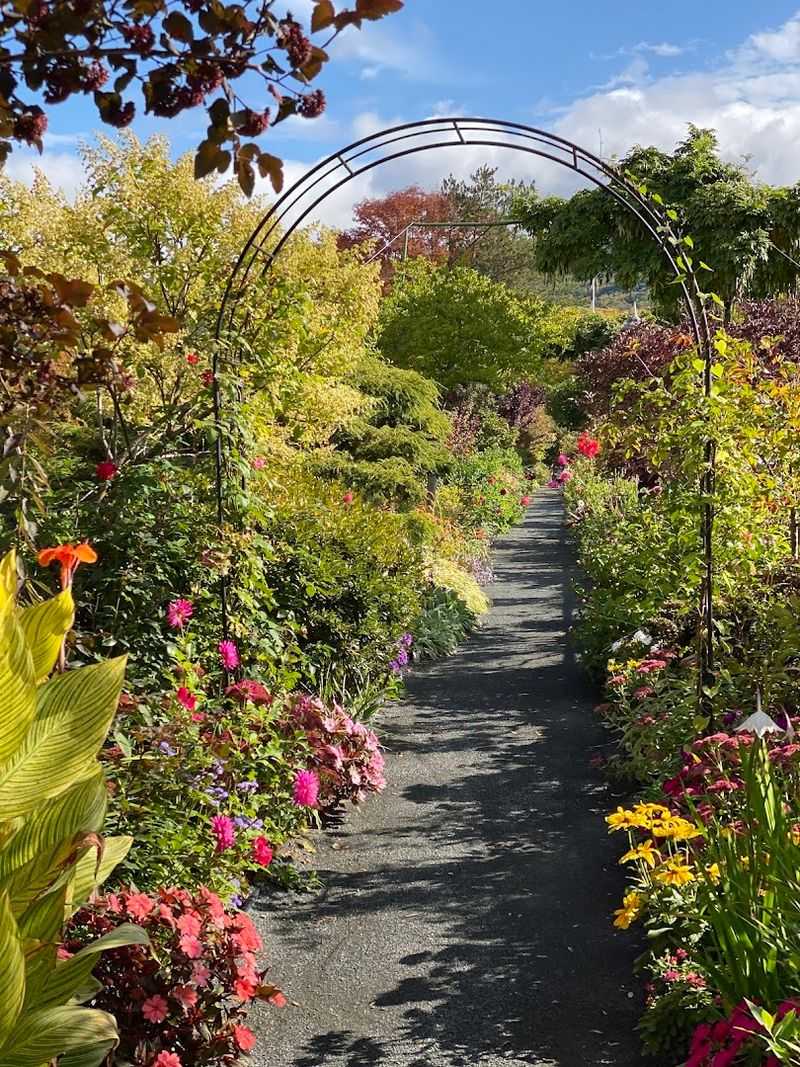
Counting the plant varieties here is a losing battle, and that is exactly the appeal. The walkway holds a wide range of flowers, ferns, shrubs, and other greenery packed along both sides.
People routinely discover species they have never encountered before. The sheer variety means each stretch of the span offers something a little different from the last.
Colors run across the spectrum, which is what makes the display so striking during the warm months. Late in the season the beds fill out with zinnias, marigolds, and late petunias for a final burst before the cold sets in.
The density is part of the magic. Rather than a few scattered planters, the beds run continuously, giving the whole crossing that fully covered look the name promises.
For anyone who likes learning as they wander, the range doubles as a low-key botanical tour. You can walk across simply enjoying the color, or slow down and treat it as a chance to meet a few new plants.
Little Signs That Teach You the Names
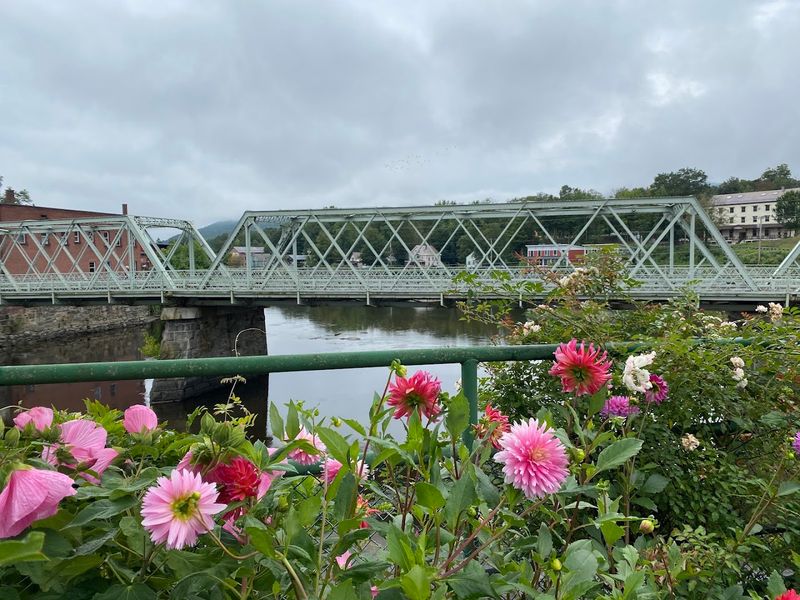
One thoughtful detail catches nearly everyone who slows down: small signs scattered along the beds that name the plants.
These labels turn a simple stroll into a chance to learn. Curious walkers can match a bloom to its name and walk away knowing a variety or two they had never heard of before.
Families with kids find the signs handy for keeping little ones engaged. It becomes a gentle scavenger hunt of matching flowers to their labels as you cross.
The educational touch fits the spirit of the place. This is a garden that wants you to notice details, not just breeze past them.
Because the signs are spread throughout, you can dip into learning mode whenever you like and return to plain sightseeing the next moment. It is a small feature that quietly deepens the whole outing.
Benches Made for Slowing Down
Scattered along the span are benches that invite you to stop moving and simply sit with the garden for a while.
Plenty of people cross once, then double back and settle onto a bench to enjoy the flower beds without any rush. The seating makes the bridge feel less like a passage and more like a small park you can occupy for a bit.
Those quiet pauses are where the place really shows its calm side. With the river below and blooms all around, a bench here becomes a comfortable spot to unwind.
The benches also make the crossing friendlier for anyone who prefers a relaxed pace. There is no pressure to keep walking when you can rest and take it all in.
It is a modest amenity, yet it changes how long people stay. A five-minute walk can easily stretch into a half hour of sitting once you find the right seat.
The Volunteers Who Keep It Blooming
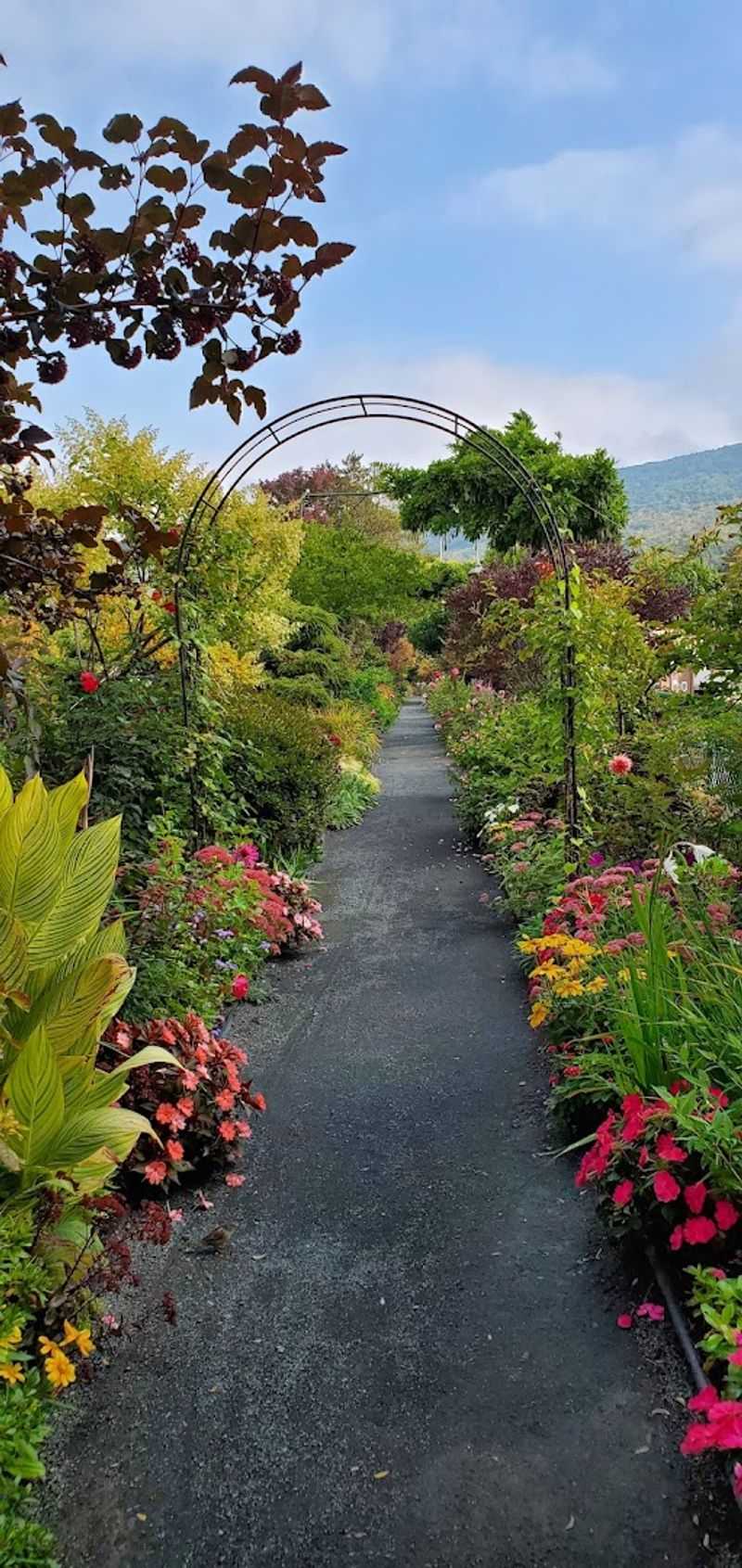
Behind every full flower bed stands a crew of dedicated volunteers, and their effort does not go unnoticed.
People frequently credit the group that handles the planting and upkeep with earning top marks. Keeping thousands of plants healthy takes real work, including watering that often looks like it happens by hand.
Gardeners are sometimes on duty as you visit, and regulars describe them as a delight to chat with. That personal presence adds warmth to a walk that could otherwise feel purely scenic.
The community pride behind the maintenance is easy to feel. This is clearly a labor of love rather than a commercial attraction, and it shows in how well tended the beds stay.
Knowing volunteers share their time and talents here makes the free admission feel even more generous. You are enjoying the payoff of countless quiet hours of care.
A Rebuild That Started the Beds Over
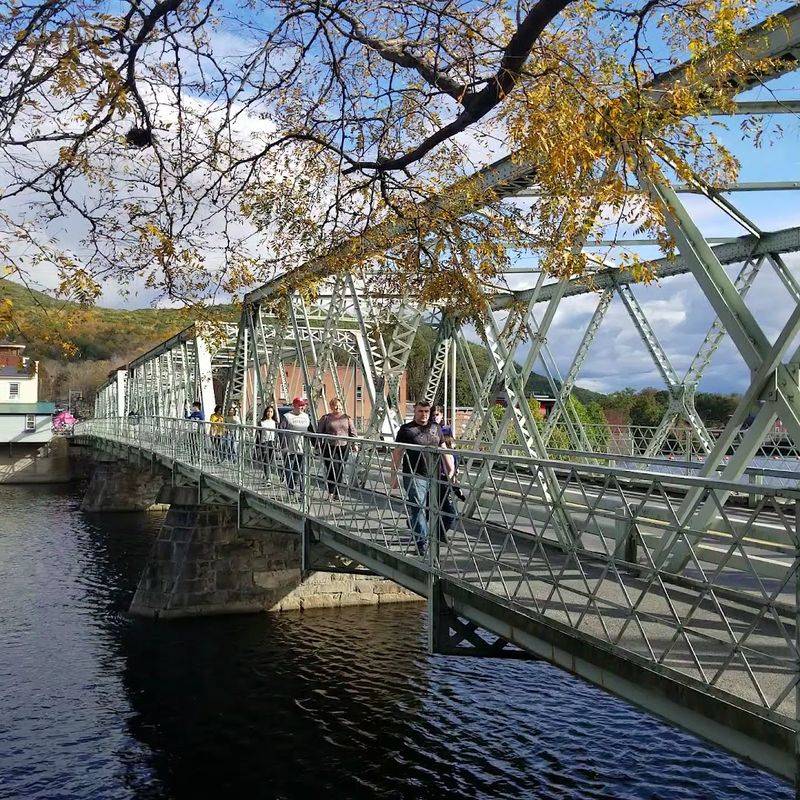
Recent visitors arrived to find a chapter of change underway. Bridge repairs meant the old structure came down after more than a hundred years, and the flower beds had to be replanted from scratch.
Signage on site explains the situation, noting that the plants were regrowing after the renovation. Some people stopped by during this rebuilding season and still called the walk worthwhile even before everything filled in.
There is an upside to catching it during the reset. The fresh plantings mean the garden will grow more abundant and established over the coming years.
Folks who saw the beds early admit they were not in full bloom yet, but many expressed excitement to return and watch the new growth mature. It is the rare attraction where coming back next season promises something even better.
The renovation shows how committed the town is to keeping this tradition going. Rather than let the aging bridge fade, the community chose to rebuild and replant so future summers stay colorful.
An Easygoing Vibe for Every Kind of Visitor
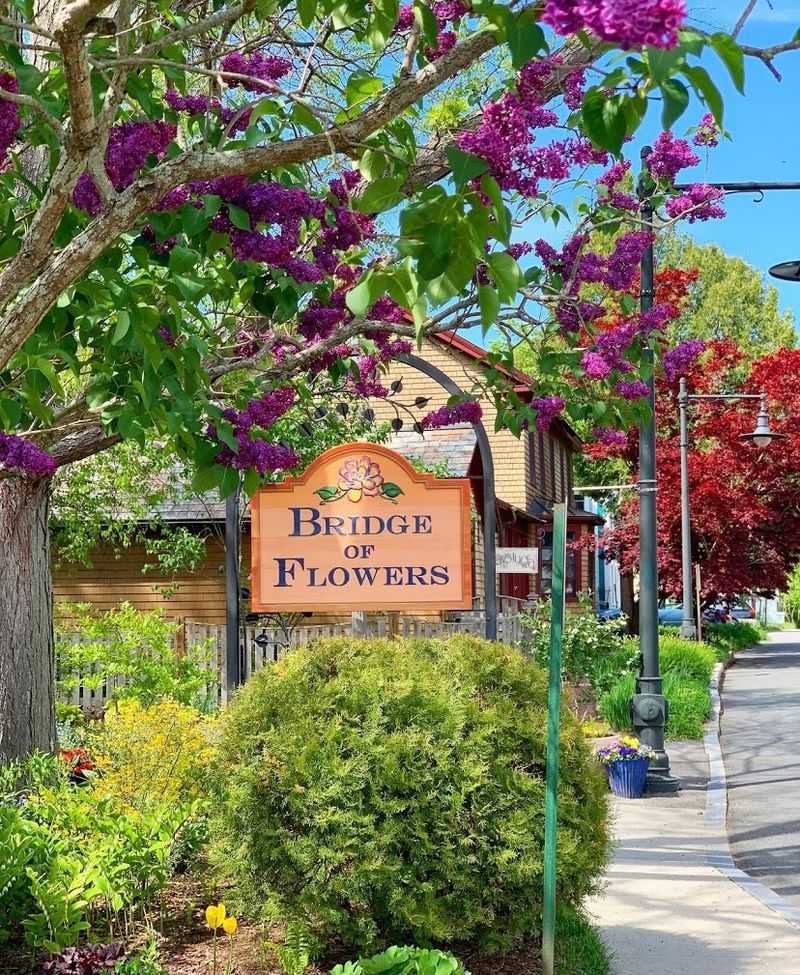
Calm is the word that fits this crossing best. The atmosphere leans relaxed and welcoming, which makes it an easy stop for almost anyone.
Couples wander across hand in hand, families bring their kids, and solo walkers come for a quiet morning among the flowers. The short length means no one feels overwhelmed, and the pace stays gentle throughout.
People describe the mood as chill and unhurried, the kind of place you visit to reset rather than to be entertained. It suits a slow Sunday morning as well as a quick pause on a road trip.
Because it works for so many different plans, the bridge tends to fit whatever day you are having. A few minutes is enough, yet you can happily stretch it longer.
That flexibility is why it lands on so many itineraries. Whether you want a peaceful stroll or a fun family detour, the crossing meets you where you are.
The Village That Wraps Around It
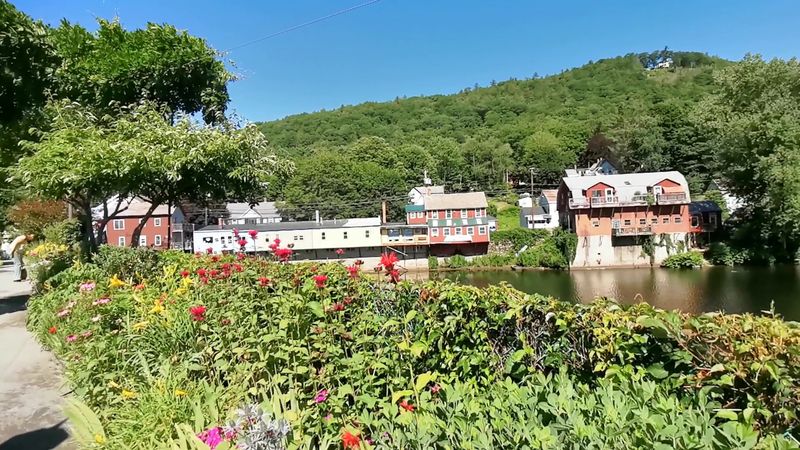
Half the fun starts once you step off the span. Shelburne Falls surrounds the bridge with an inviting little downtown that pairs perfectly with the walk.
Both sides of the crossing lead into pleasant streets, with the Buckland end and the Shelburne Falls end each offering their own charm. People consistently describe the town as warm and welcoming.
There is more to do here than admire flowers. The area includes shops, coffee spots, an ice cream stop, and breakfast places, making it easy to turn a quick garden visit into a full outing.
Many folks come for the bridge and stay for the town, grabbing lunch and wandering the streets afterward. The compact layout keeps everything within an easy walk.
That blend of garden and village is what makes the trip feel complete. You arrive for one attraction and leave having explored a whole charming corner of western Massachusetts.
Best Times to Catch Peak Color
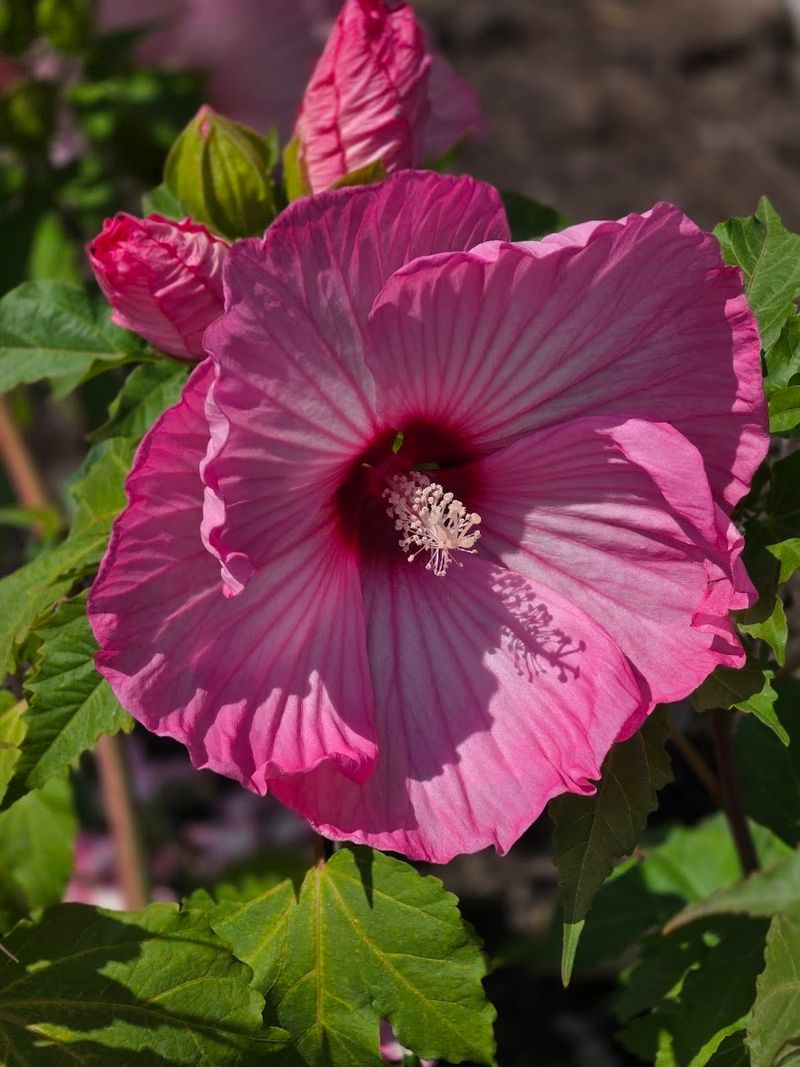
Timing shapes what you will see, since the flowers appear during the warm months rather than year-round.
Peak bloom lands in the heart of summer, when the beds run full and vivid along the entire span. Even the shoulder edges of the season have their charm, with early October still delivering plenty of color before the frost.
Late spring can be a bit early, especially in a rebuilding season when new plantings have not filled in yet. If full beds are the goal, aim for the middle of summer.
The end of the season brings its own reward as zinnias, marigolds, and late petunias take over for a final showing. Different months genuinely offer different displays.
Weather-wise, a mild sunny day with a light breeze around midday tends to be pleasant and not overly crowded. Picking a warm-season morning or afternoon gives you the best odds of catching the walkway at its most colorful.
Hours, Parking, and a Price of Zero
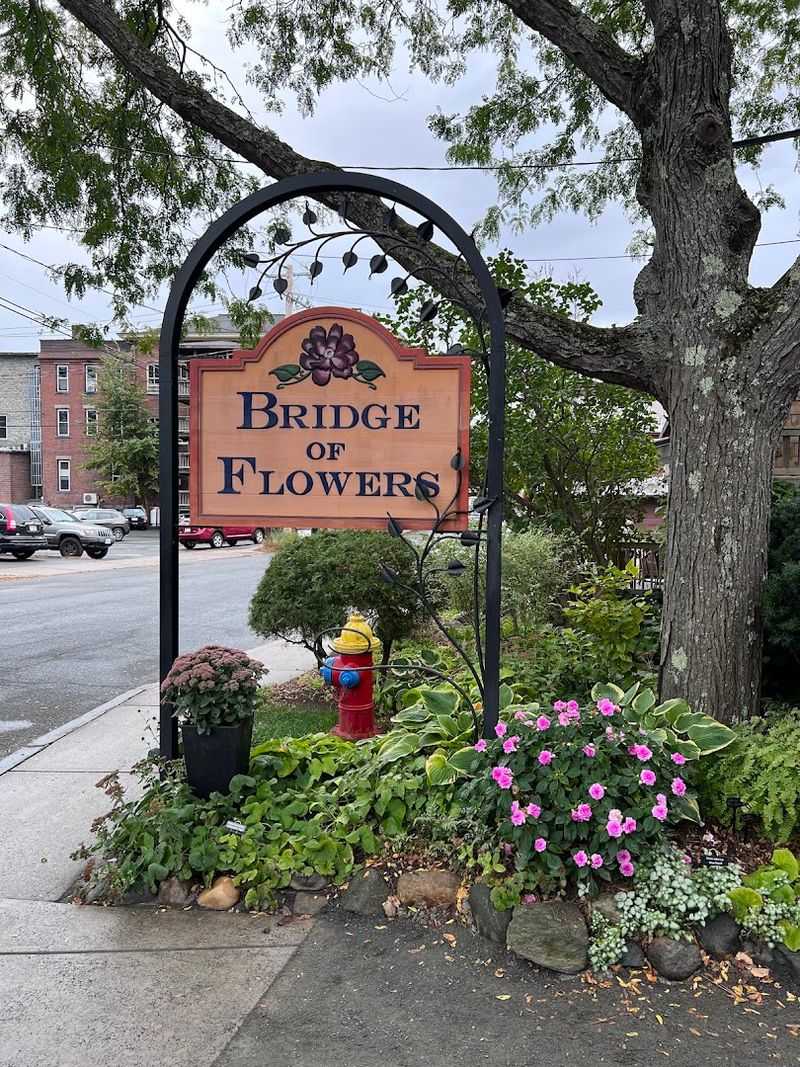
Here is the detail that seals the deal for budget-minded day-trippers: admission is completely free.
The garden stays open around the clock every day of the week, so there is no ticket window and no closing time to plan around. That said, the flowers only show during the warm months, so season matters more than the hour.
Getting there is straightforward. Parking can be a little tight, but there is street parking along with a municipal lot and free public parking nearby, including accessible spaces across the street.
A couple of practical notes help. The walkway runs somewhat narrow, and because the beds attract plenty of bees, anyone with allergies should take extra care while crossing.
For anyone wanting more details before heading out, the official site at bridgeofflowersmass.org covers the essentials. Between the free entry and easy access, this ranks among the more effortless outings in the region.
Why This Short Walk Earns a Long Detour
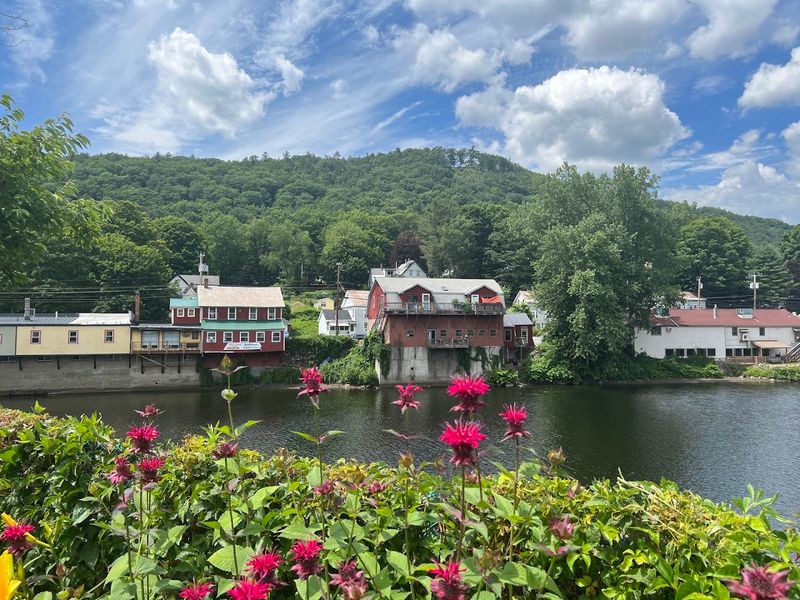
Small as it is, this crossing punches well above its size. A short stroll, a free ticket, and a garden perched over a river add up to an outing people happily drive out of their way for.
The steady stream of praise says plenty. With a 4.8-star average across thousands of ratings, the bridge clearly leaves people glad they came, and many walk back and forth a few times before they leave.
What lingers is the sense of community pride baked into every bed. A town that turned an old trolley bridge into a flower walk, then rebuilt it to keep the tradition alive, has given locals and travelers alike a spot worth protecting.
Some folks like to keep places like this quiet, and it is easy to understand why. A free, low-effort escape this close to home feels like an insider reward.
Catch it during the warm months, give yourself a few unhurried minutes, and pair it with a wander through town. You will leave already thinking about the summer you come back.
Share this story