Some New Jersey day trips ask for a full schedule, a packed cooler, and a heroic amount of planning. This one asks for something simpler: a free Saturday, a little curiosity, and maybe a dollar for an apple.
In rural Cumberland County, a rescue farm gives animals with complicated pasts a wide, cared-for place to live, while giving families a reason to slow down without turning the outing into a major production. Keep reading, because the charm here is not built around flashy attractions; it is built around cows with room, peacocks with personality, volunteers with stories, and a farm that feels proudly, unmistakably South Jersey.
A Cedarville Rescue Farm With A Big Local Heart
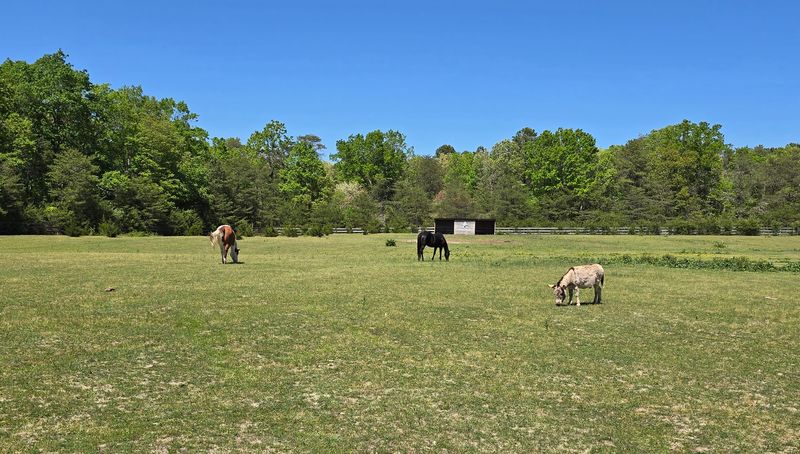
The address tells part of the story before the animals do: Freedom Farm Animal Rescue is at 229 Newport-Centre Grove Rd, Cedarville, NJ 08311, in Cumberland County, New Jersey. It is an animal rescue service, not a theme park, and that distinction shapes the whole visit.
Across its 43-acre setting, the farm gives rescued animals space, steady care, and a public window into the work that happens behind the scenes. The place has become a Saturday stop for families, animal lovers, and locals who want something more grounded than a standard weekend errand.
The farm is open to the public on Saturdays from 10 AM to 2 PM, while the rest of the week is listed as closed. That limited schedule matters, because this is a working rescue with animals to care for every day, not a place built around constant foot traffic.
What makes the destination especially New Jersey is how quietly it earns attention. No giant billboard energy is needed here; the appeal comes through in open enclosures, volunteers sharing animal backstories, and the simple fact that a rural road in Cedarville leads to a place people remember long after leaving.
The Rescue Mission Behind The Gates
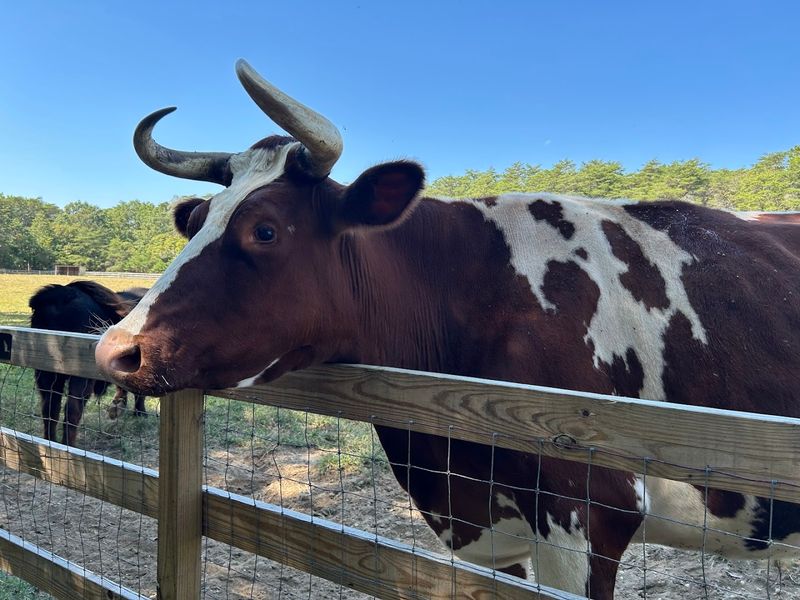
A farm full of animals can look simple from the outside, but rescue work is rarely simple. Freedom Farm Animal Rescue centers its mission on giving animals a second chance through daily care, safe space, and patient attention.
People familiar with the farm often point to the dedication of its owners, Jamie and Tara, who are described as deeply involved in the needs of the animals that arrive there. The work includes maintaining facilities, managing enclosures, coordinating help, and making choices that keep the farm from becoming overcrowded.
That last point is important. One of the most repeated impressions about the farm is that the animals are given more room than many people expect, which changes the feel of the visit from a quick animal stop into a look at sanctuary-style care.
The farm also runs with help from volunteers, and their role shows up in the way guests learn about individual animals. Background stories are shared along the route, which helps people understand that the animals are not props for a day trip.
By the time the visit settles in, the rescue mission becomes the main attraction. The animals draw people through the gate, but the commitment behind them is what gives the place its staying power.
Forty Three Acres Built For Room To Roam
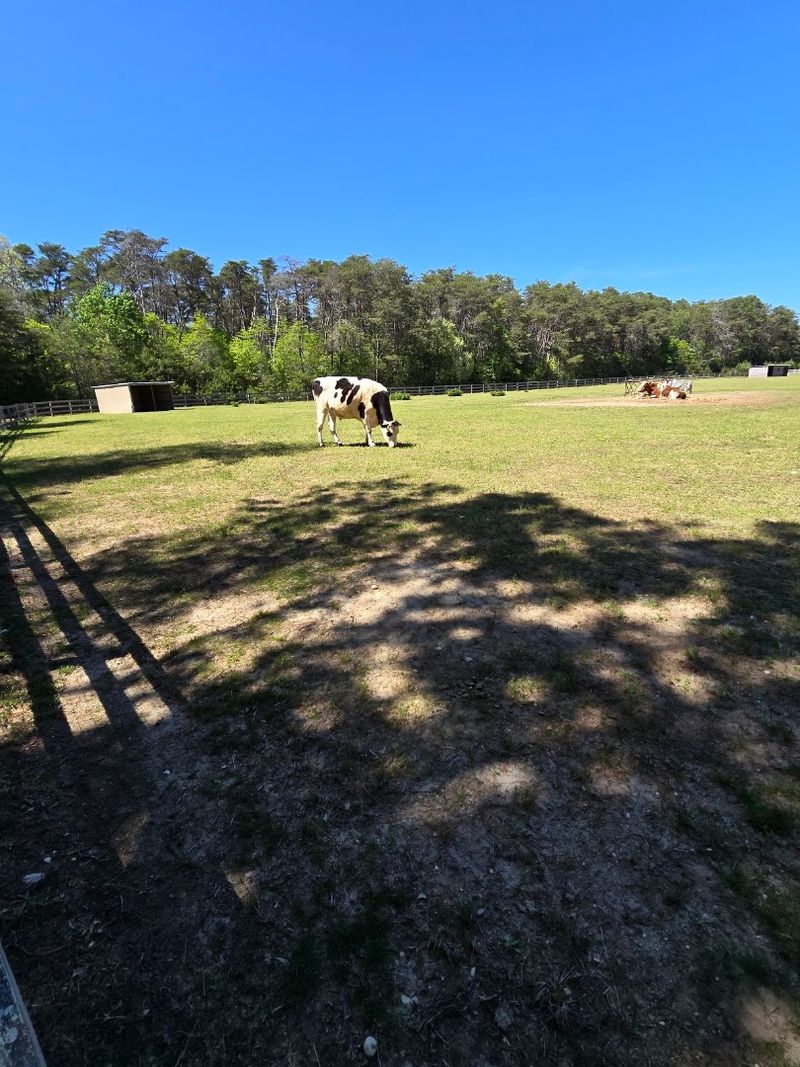
Space is the headline feature here, and not in a vague, brochure-friendly way. Freedom Farm Animal Rescue sits on 43 acres, giving cows, horses, alpacas, pigs, goats, birds, and other rescued residents room that feels central to the farm’s identity.
The layout comes across as more of a working sanctuary than a small petting area. Large pastures, separate enclosures, and open farm sections help animals live with room suited to their size and needs.
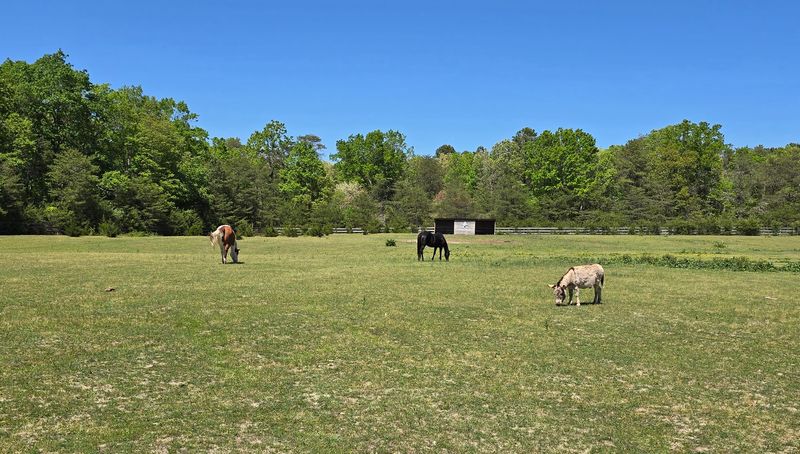
Families often notice the difference quickly. Horses can be seen in a large pasture, cow areas sit farther back, and pig enclosures include room to move through grass, shaded spots, and open areas.
The size also changes the pace for people. A visit here is less about rushing between attractions and more about moving from one area to another while learning what lives where and why the setup matters.
That 43-acre footprint is especially satisfying for New Jersey readers used to hearing the state reduced to traffic jokes. Cedarville quietly counters that old routine with land, rescue work, and a farm that proves South Jersey still has plenty of room to surprise people.
Cows, Horses, And The Bigger Residents
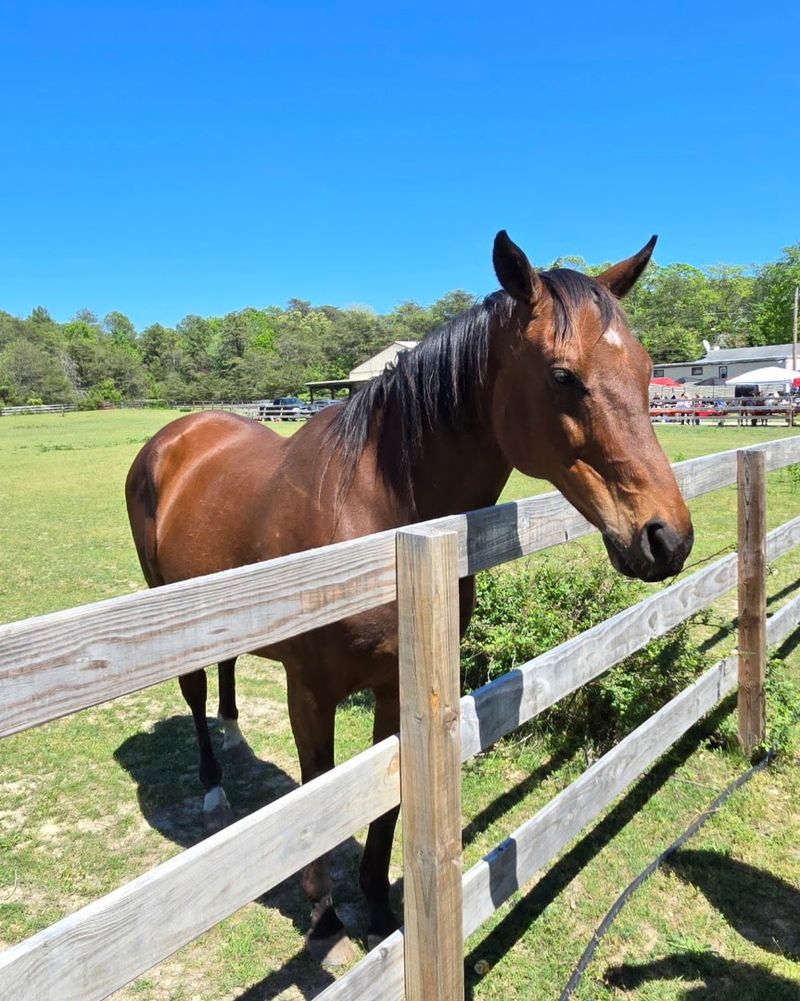
The big animals tend to become the unofficial welcoming committee for anyone who expects a small roadside stop. Cows and horses at Freedom Farm Animal Rescue are part of what makes the farm feel substantial, especially for children who may be used to seeing farm animals only in books or brief exhibits.
The cows are often described as especially impressive because of their size. Rather than being tucked into tight pens, they are part of the larger pasture experience that helps define the farm’s rescue approach.
Horses add another layer to the visit, with large pasture areas that reinforce the difference between a sanctuary and a petting zoo. Guests are there to observe and connect respectfully, not to treat the animals like scheduled entertainment.
That respectful distance is part of the farm’s character. The animals are residents first, and the public experience is arranged around their comfort, routine, and care.
For a local family outing, the larger animals give the day a strong opening chapter. They make the farm feel bigger than expected, and they help children understand that rescue work involves animals of many sizes, not just the small and cuddly kind.
Peacocks, Emus, Chickens, And Farmyard Birds
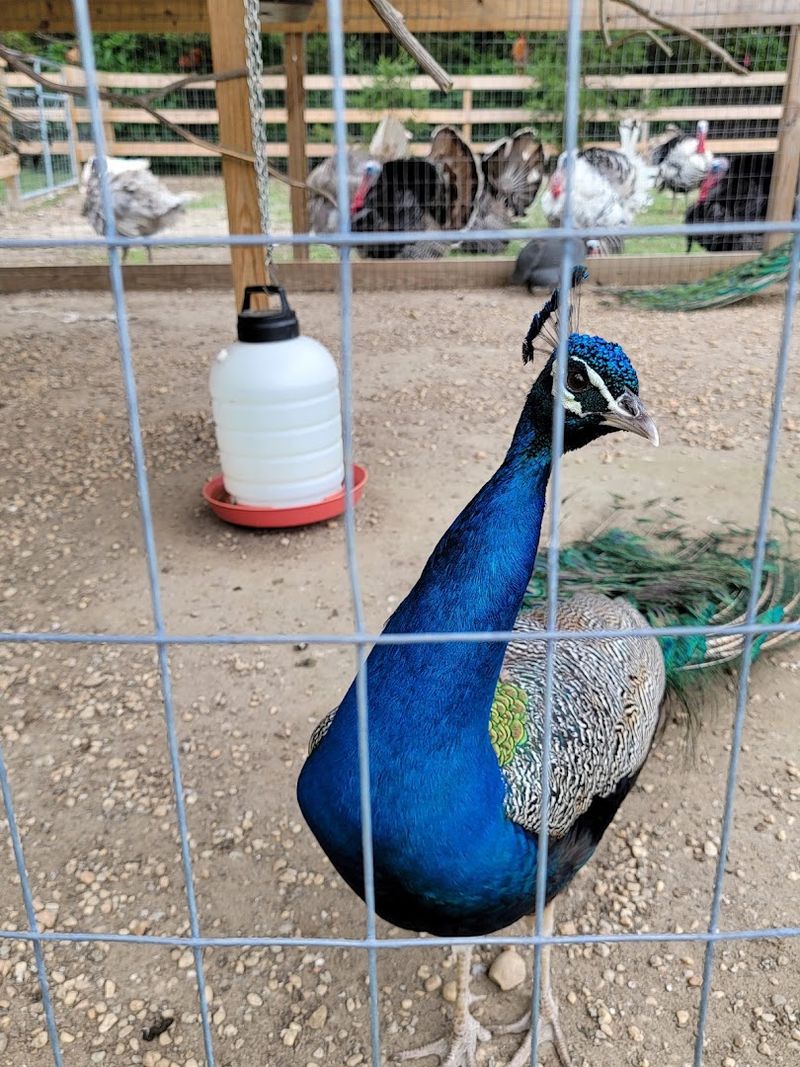
Birds give the farm one of its liveliest chapters, and the lineup is broader than many first-timers expect. Peacocks, emus, chickens, turkeys, ducks, geese, and pigeons have all been part of the public experience described at the rescue.
The emus often earn extra attention because they are large, curious, and very different from the chickens and ducks many people already know. The farm experience has included apple feeding, with a practical caution that large birds should be treated with care and boundaries.
Peacocks add another reason the title of the place sticks in a reader’s head. They are not the only birds here, but they help make the farm feel more varied than a standard barnyard checklist.
Chickens and turkeys may appear in areas where farm activity feels more casual, while ducks and geese have been seen around a pond area. Each section of the farm adds a different kind of animal behavior to observe without turning the visit into a performance.
The result is a feathered detour that keeps the route from feeling predictable. Just when guests think they have figured out the farm, an emu or peacock tends to rewrite the plan.
Pigs, Goats, Donkeys, Alpacas, And Llamas
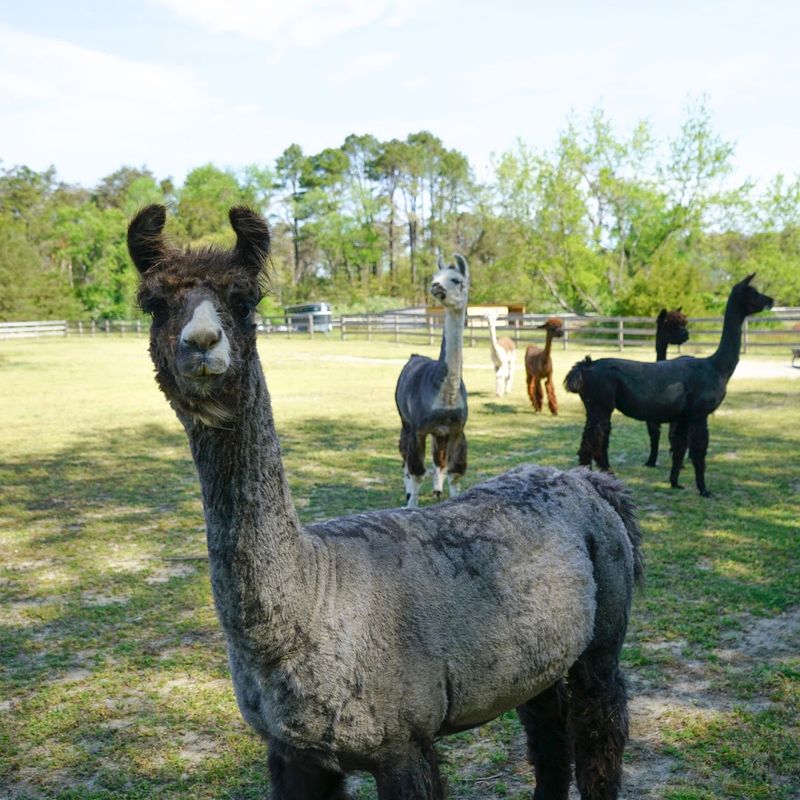
The middle of the animal lineup brings the farm into full barnyard character, with pigs, goats, donkeys, alpacas, and llamas adding variety beyond the largest pastures and bird areas. The mix matters because every group introduces a new reason to pause.
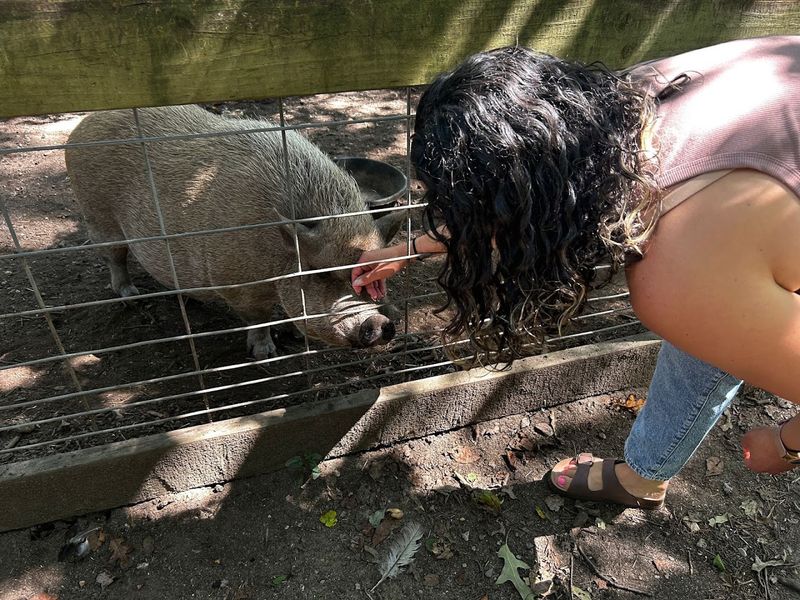
Pigs have become memorable at the rescue, partly because some are notably large. Their enclosures have been described as roomy, with outdoor features that support the practical needs of the animals rather than just the convenience of guests.
Goats and donkeys round out the visit with the kind of familiar farm presence that works well for children and adults alike. Donkeys in particular seem to earn loyal fans, especially among repeat family groups.
Alpacas also appear in the farm experience, including a mother and baby mentioned by people who spent time exploring the back areas. The article title calls out llamas, and the broader appeal is the same: hoofed animals with room, care, and individual stories.
None of it feels like a rushed checklist when the farm is approached the right way. The pleasure is in letting each enclosure add a small piece to the larger rescue story, one snout, hoof, and curious glance at a time.
A Saturday Rhythm That Keeps Things Simple
Saturday is the day to circle on the calendar, because public hours are limited and clear. Freedom Farm Animal Rescue is listed as open Saturdays from 10 AM to 2 PM and closed Sunday through Friday.
That narrow window gives the farm a rhythm that feels more intentional than casual. Guests do not simply drop in whenever they want; they plan around the rescue’s schedule, which helps support the daily needs of the animals and the people caring for them.
The Saturday setup also makes the outing easy to understand. Arrive during the open hours, take time moving through the farm, and leave room for conversations with staff or volunteers when they are available.
Because the farm’s website presence is through its Facebook page, checking there before heading out is a smart move. Event details, schedule notes, and updates are most likely to matter for people planning around children, weather, or a longer drive.
The simplicity is part of the charm. Four public hours may not sound like much, but it turns the farm into a focused half-day outing instead of a complicated itinerary that tries to do too much.
Apple Feeding With A Few Farm Rules
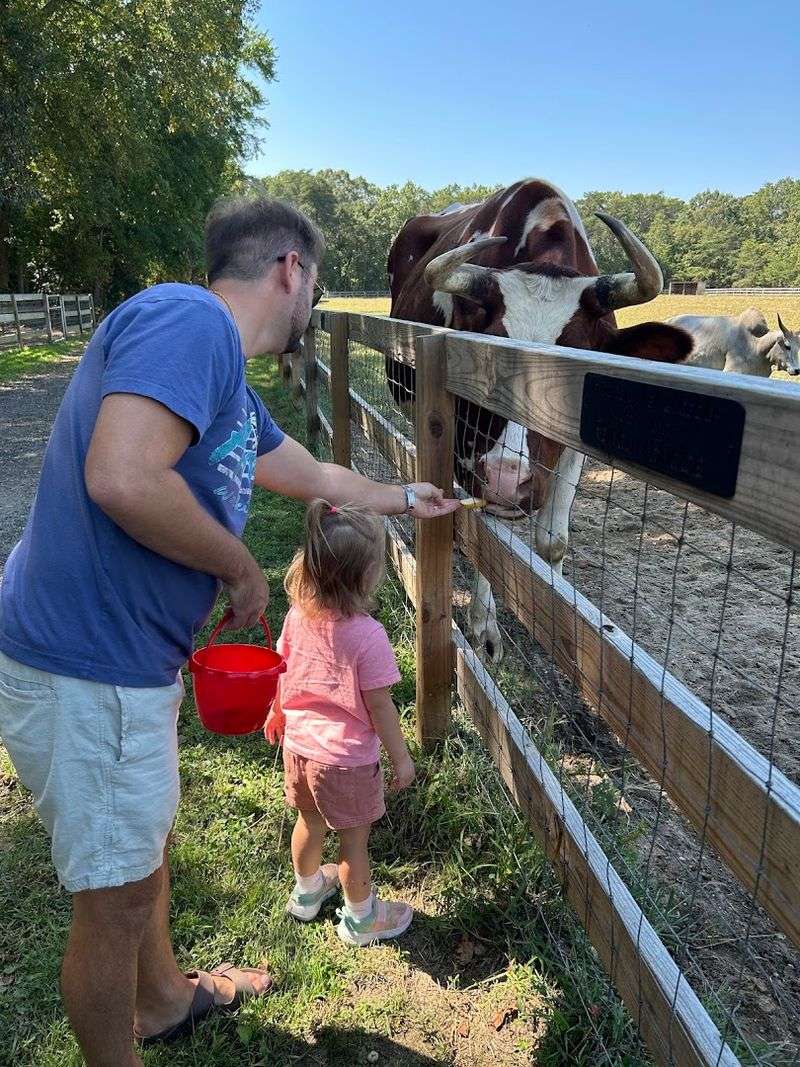
A dollar apple can become the smallest purchase with the biggest role in the day. At Freedom Farm Animal Rescue, guests have been able to buy apples for $1 each, with the apples sliced and placed in a pail for feeding animals along the route.
The setup gives families a hands-on element without turning the farm into a free-for-all. Feeding happens around fences and animal areas, and it works best when people follow the guidance offered by the farm team.
Large animals and birds deserve extra care, especially emus. A practical approach is to let animals take slices safely from the proper side of the fence rather than treating feeding like a game of bravery.
Apple feeding also helps children slow down. Instead of racing from one enclosure to the next, they get a reason to pause, wait, watch the animals respond, and understand that every resident has its own boundaries.
The farm’s rule of thumb is easy enough to remember: enjoy the closeness, respect the rescue setting, and let the animals decide how interested they are. That keeps the experience fun without forgetting who the place is really for.
Not A Petting Zoo, And Better For It
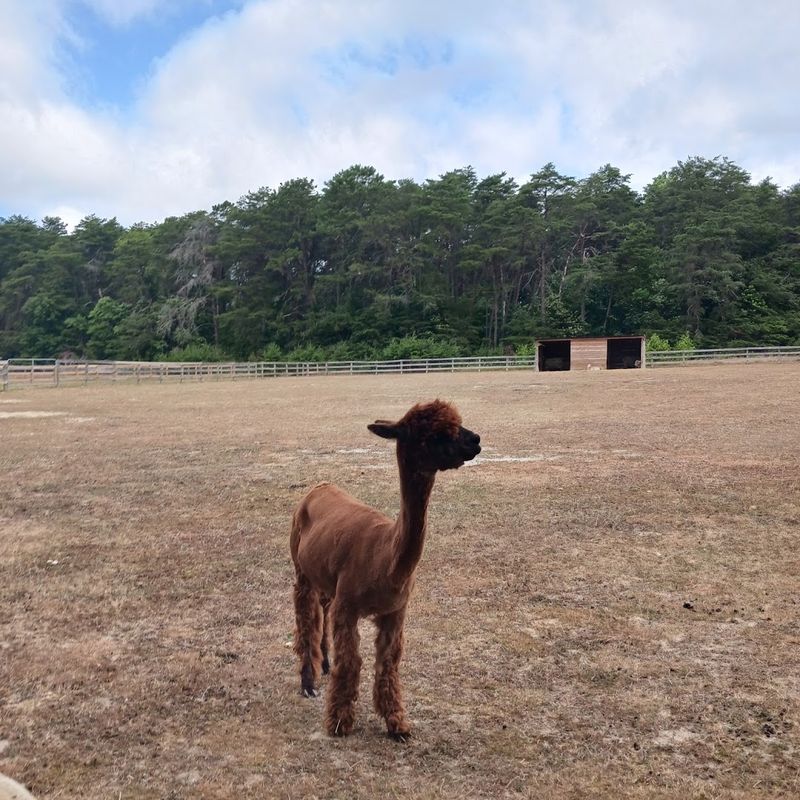
The most useful expectation to bring is also the simplest: this is not a petting zoo. Freedom Farm Animal Rescue is a sanctuary-style rescue, which means the animals live there as residents rather than attractions scheduled for constant handling.
That distinction can make the visit more meaningful. Children still get close views, families still spend time around a wide range of animals, and adults still have plenty to enjoy, but the focus stays on care and respect.
People who understand that setup tend to get more out of the farm. Instead of expecting constant interaction, they notice the enclosures, the size of the pastures, the volunteer explanations, and the way the rescue keeps animal comfort at the center.
The farm’s identity benefits from that boundary. It avoids feeling overly polished or staged, and it lets guests see a working rescue that happens to welcome the public during set hours.
For parents, the lesson is built right into the visit. Animals can be admired without being treated like toys, and a Saturday outing can teach kindness without turning into a lecture.
Volunteers Who Share The Backstories
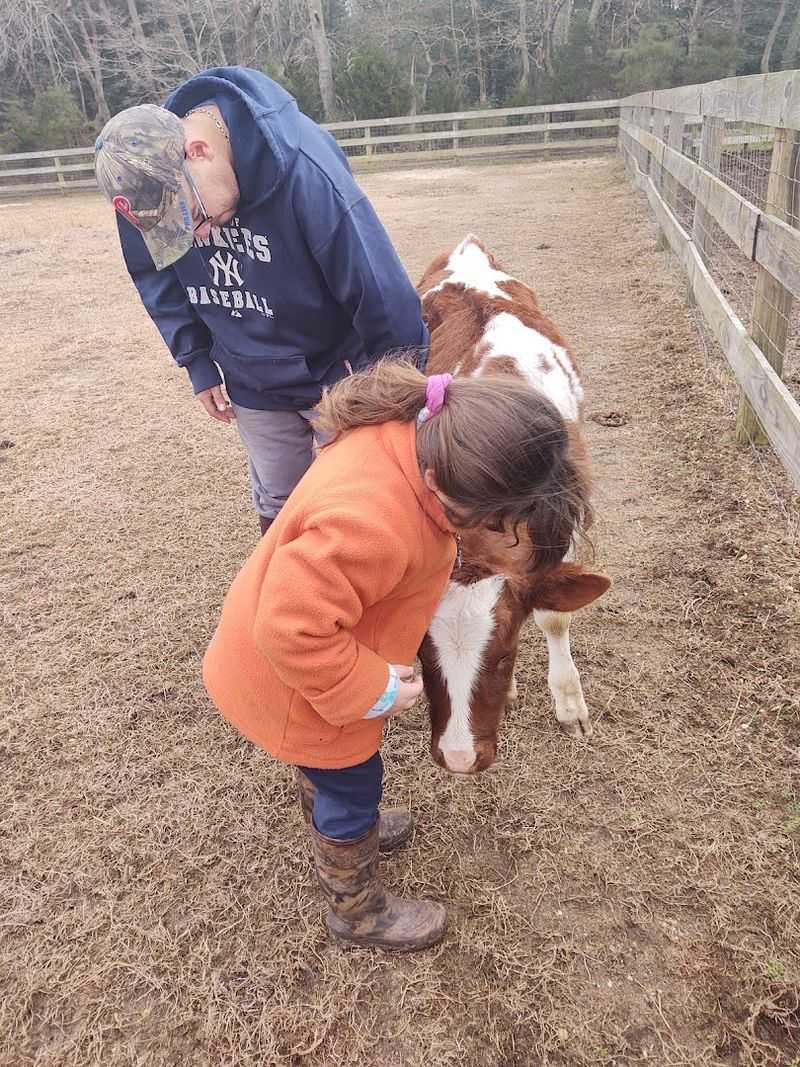
Every good rescue farm has two stories happening at once: the one guests see in front of them and the one that explains how the animals got there. At Freedom Farm Animal Rescue, volunteers help connect those two parts.
Families mention that people working around the farm are welcoming and willing to explain animal backgrounds when time allows. That adds depth to the visit without making it feel formal or classroom-like.
The details matter because rescue can otherwise become an abstract word. Hearing that an animal has a specific past, a specific need, or a specific reason for living at the sanctuary helps people understand the mission in human terms.
Volunteer care also shows up in the way facilities are maintained. The farm is frequently described as clean and well kept, which is no small thing when the resident list includes large mammals, birds, pigs, goats, and more.
There is a quiet kind of teamwork behind a place like this, and it becomes visible as guests move around the property. The animals may get top billing, but the volunteers are the reason the story keeps moving in the right direction.
A Family Morning That Still Works For Adults
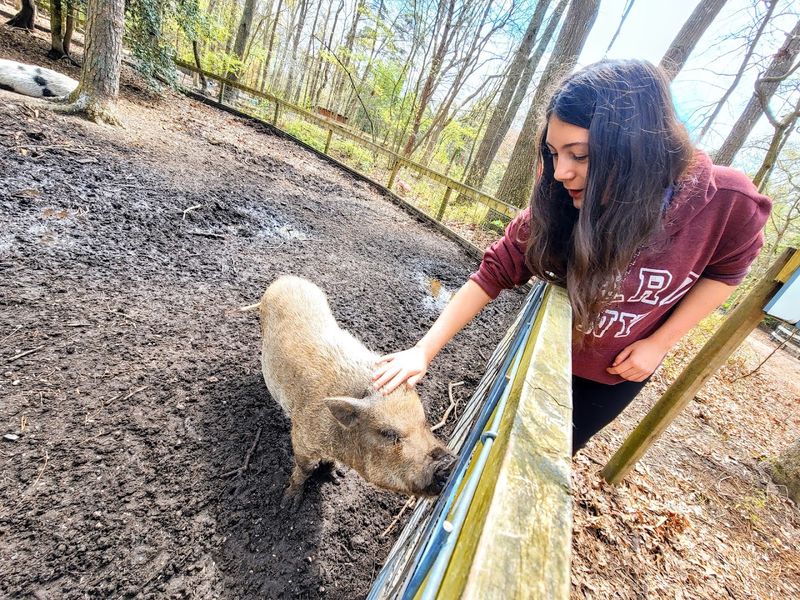
Grandparents, parents, little kids, and adults without children can all find a reason to linger here, which is not always true of animal-centered outings. Freedom Farm Animal Rescue works because the experience is simple without being thin.
Children get the thrill of seeing many types of animals in one place, including cows, pigs, goats, horses, birds, alpacas, and donkeys. Adults get the wider context of a rescue operation that is maintained with visible care.
The farm also avoids the pressure of a heavily programmed attraction. There is no need to chase showtimes or squeeze in a list of must-do activities; the outing moves at the pace of the group.
That flexibility helps families with different ages. Younger children can focus on feeding apples or spotting animals, while adults can pay attention to the sanctuary layout, volunteer explanations, and the practical work behind the scenes.
Even solo animal lovers can appreciate the place, especially if they enjoy quiet local stops with a purpose. It is the kind of New Jersey outing that does not need a complicated sales pitch, because the animals and mission make the case on their own.
Parking, Donations, And The Facebook Check
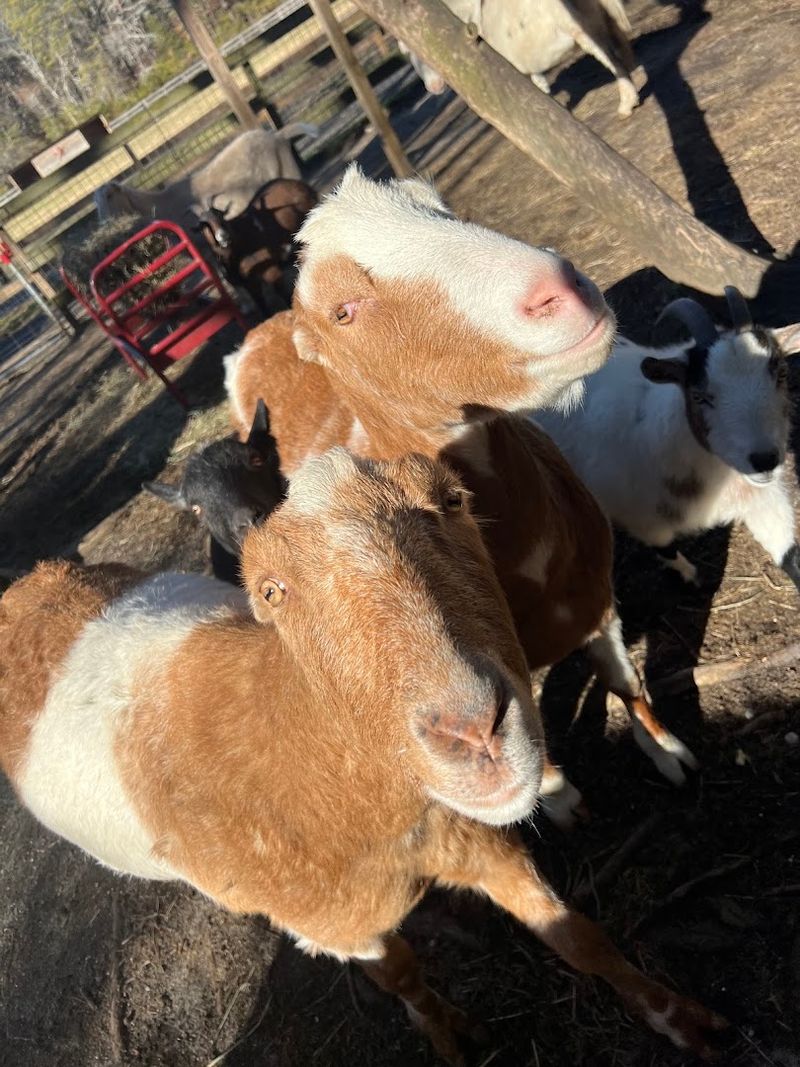
Practical details can make or break a day trip, and this one stays refreshingly manageable. People have found parking across the street, which helps the Saturday visit start without the kind of logistical puzzle that drains the fun before it begins.
There is no admission price listed in the provided information, so the safest planning note is to check the farm’s Facebook page before going. Donations are encouraged by many who value the rescue work, and contributing is a direct way to support animal care.
The $1 apples are one known small cost connected with the public visit, based on the farm experience described by guests. Bringing a little cash may be useful for that kind of add-on, though current details should be confirmed through the farm’s own updates.
Because the rescue is open only on Saturdays from 10 AM to 2 PM, timing should be treated as part of the plan rather than an afterthought. A late start can shrink the visit quickly.
The farm’s Facebook page is also the best place to look for special event information. Seasonal happenings have been mentioned in the past, but current plans should always come from the farm directly.
A Soft Landing For A South Jersey Day Trip
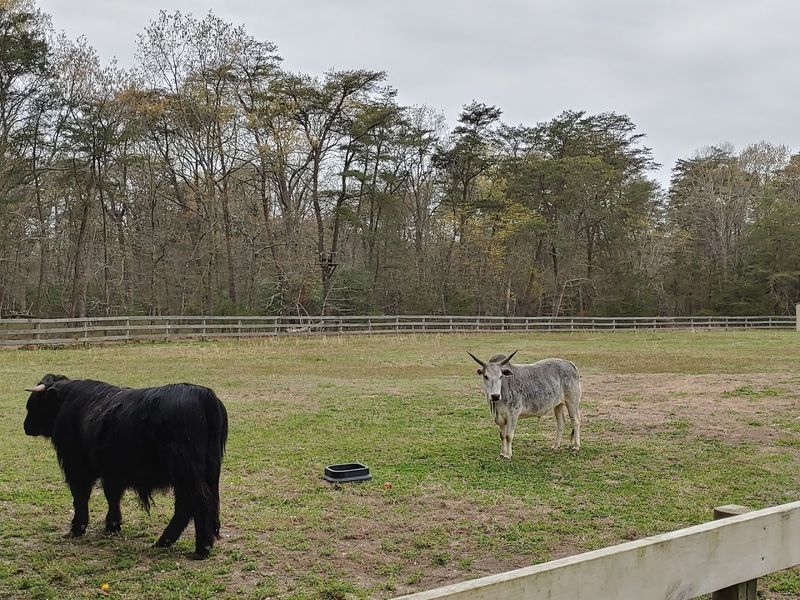
By the end of a visit, the strongest impression is not that Freedom Farm Animal Rescue is unusual, although it is. The stronger point is that it feels useful, local, and sincere in a way many weekend stops try too hard to copy.
Cedarville gives the farm a setting that matches its purpose. The rural location, 43-acre footprint, and Saturday-only public hours all help keep the focus on the animals rather than on turning the rescue into something flashier.
For New Jersey residents, the farm is a reminder that the state’s best finds are not always polished attractions with long brochures. Sometimes they are places where cows have space, peacocks share the route, volunteers know the backstories, and families leave with a clearer idea of what rescue work takes.
The verdict is simple without being oversized: this is a worthwhile Cumberland County stop for people who respect animal-centered spaces and want a low-pressure outing with purpose. Go during the posted Saturday hours, check Facebook first, consider a donation, and let the farm be exactly what it is.
That may be the real reason it sticks. Freedom Farm Animal Rescue does not need to shout for attention when its mission speaks so plainly.
Share this story