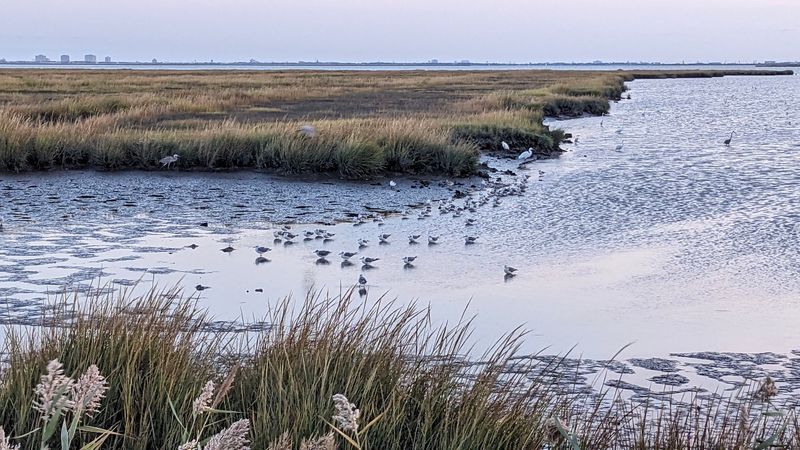
New Jersey has a coastal wildlife refuge where the state feels bigger than its map suggests. Near Atlantic City, a simple day trip can turn into an eight-mile ride past wetlands, shore birds, osprey, egrets, and open views that remind locals how much nature is tucked beside busy places.
The headline number is the hook: more than 320 bird species have been connected with this long coastal refuge, making it a serious stop for bird watchers and curious families alike. Keep reading, because the best part is how easy this place is to visit without turning the day into a complicated expedition.
A Coastal Refuge With A Galloway Address
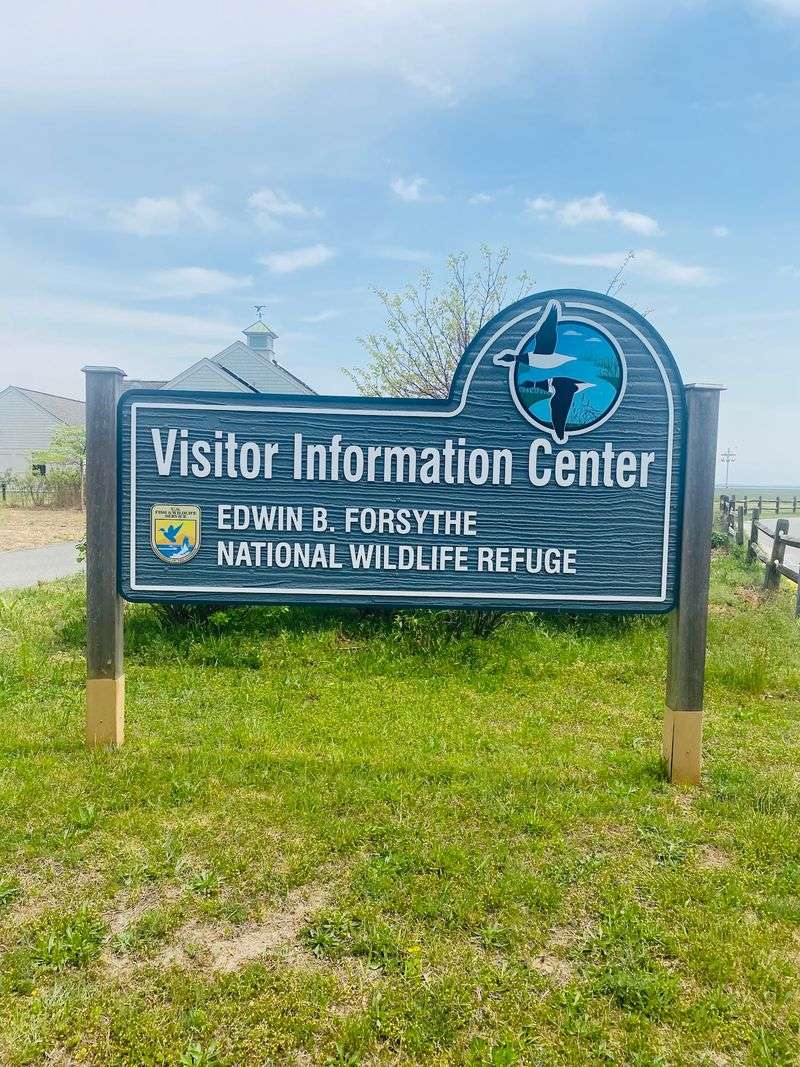
The address keeps things nicely simple: Edwin B. Forsythe National Wildlife Refuge is at 800 Great Creek Rd, Galloway, NJ 08205, in New Jersey, United States.
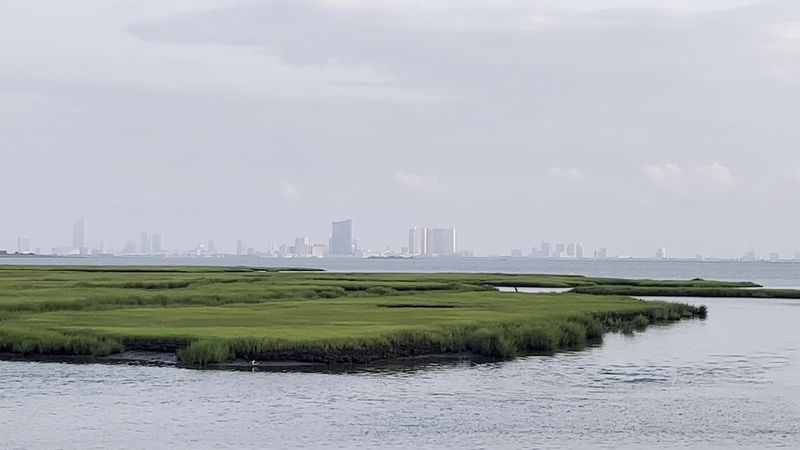
That puts the refuge close enough to Atlantic City that the skyline can be seen from parts of the refuge, yet the place itself is centered on protected wildlife habitat rather than boardwalk energy.
As a wildlife refuge, it is not a theme park, a beach club, or a quick roadside pull-off pretending to be more than it is. The main appeal comes from wetlands, shore birds, migratory birds, osprey, egrets, herons, red-winged blackbirds, ducks, raptors, observation decks, hiking trails, and an eight-mile driving loop that lets people move at their own pace.
New Jersey residents often know this stretch of the state for shore traffic and casino lights, so the refuge lands differently. It gives the coast a quieter identity, one built around protected marshland, bird watching, and a surprisingly practical way to see wildlife without needing a full outdoor skill set.
The result is a place that feels both specific and accessible, which is a rare little win for anyone planning a day trip with mixed patience levels in the car.
The Long Coastal Setting Behind The Bird Count
A big bird list does not happen by accident, and this refuge has the kind of setting that helps explain the attention it gets. The title points to a 50-mile coastal refuge with more than 320 bird species, and the experience on the ground backs up why bird watchers keep circling it on their New Jersey maps.
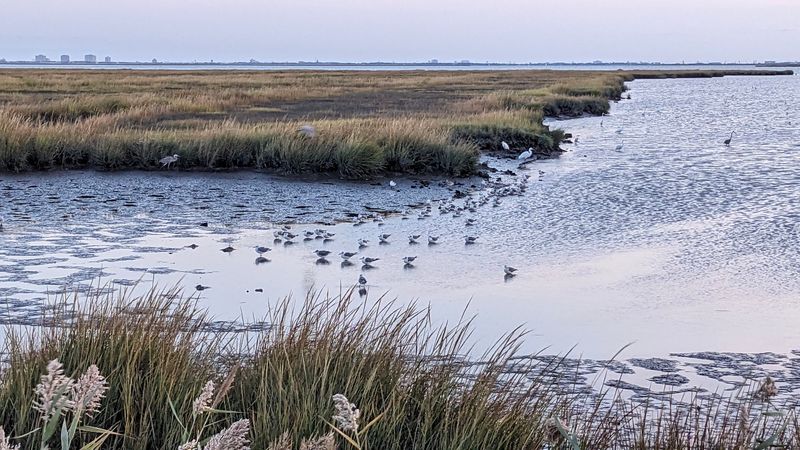
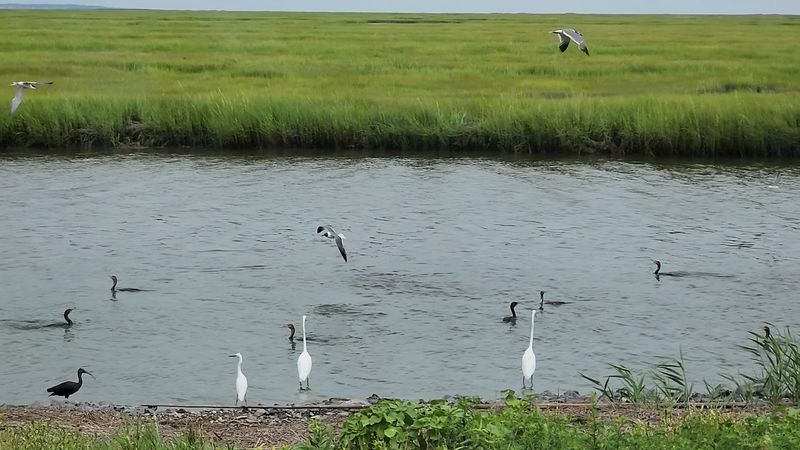
Wetlands are one of the repeated themes here, and they matter because they create habitat for many kinds of birds. Shore birds, migratory birds, ducks, raptors, egrets, herons, osprey, red-winged blackbirds, and other wildlife all show up in the information shared by people who spend time here.
The refuge also has both freshwater and saltwater areas along the eight-mile drive, a detail that adds variety without making the route complicated. Raised berms carry the road through and around these spaces, so people can stay in their vehicles for much of the visit while still getting close enough to watch what is happening.
There is a quiet bit of New Jersey pride in that arrangement. A state often reduced to jokes about highways also protects a coastal corridor where patience, binoculars, and a slow car speed are the main tools of discovery.
The Eight-Mile Wildlife Drive
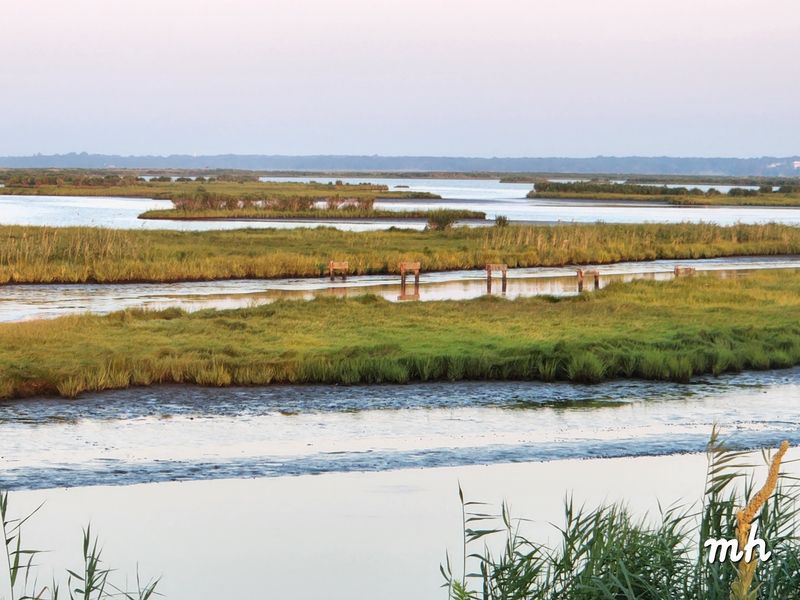
Here is the wonderfully low-stress twist: one of the refuge’s signature experiences is an eight-mile driving loop. That means bird watching does not require a long hike, a complicated gear list, or a heroic early-morning pep talk that nobody asked for.
The loop lets people move at their own pace, with places to pull over and let others pass. Several people mention stopping along the route to take photos, and the ability to pause without blocking the whole road makes the drive feel more flexible than a standard scenic route.
Because the drive runs along raised berms between freshwater and saltwater areas, the route gives access to changing wildlife activity throughout the loop. Birds may appear in clusters, singly, in the air, or near the water, which keeps the drive from becoming a simple point-A-to-point-B errand.
A practical note deserves a spot here, too. Some regulars mention rough spots and craters on parts of the back section of the drive, so a careful pace is not just polite, it is also kinder to the car.
For New Jersey day-trippers, the loop is the refuge’s secret handshake: slow down, leave the hurry outside the gate, and the whole place starts making sense.
Bird Watching Without The Fuss
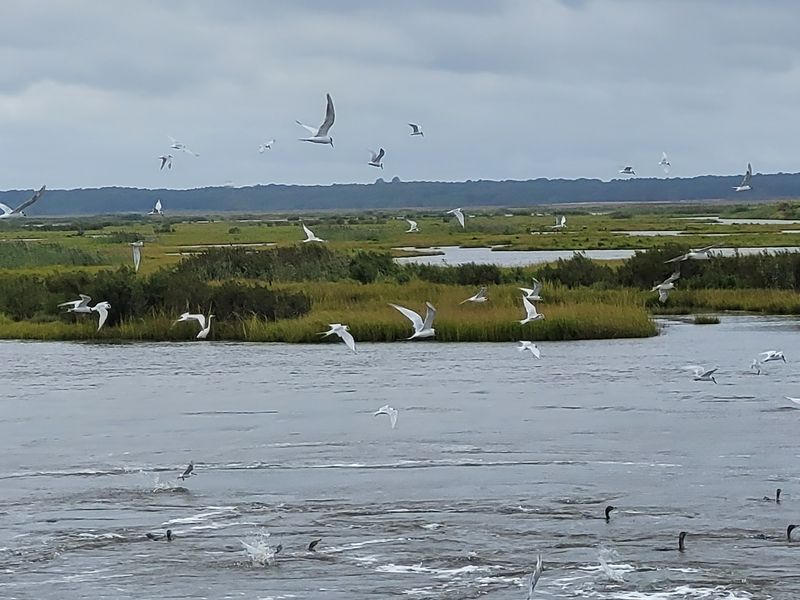
Bird watching can sound intimidating until a place makes it feel easy. At Edwin B.
Forsythe National Wildlife Refuge, the activity is front and center, but the setup works for both people who know every field mark and people who mostly know that some birds are tall, some are tiny, and some clearly have better schedules than humans.
Bird watching is one of the most mentioned activities connected with the refuge, and for good reason. Osprey, egrets, herons, red-winged blackbirds, ducks, raptors, shore birds, and migratory birds are all part of the experience people talk about after spending time there.
Binoculars are strongly worth bringing, and there is an especially helpful detail at the information center: binoculars can be borrowed for free. That single feature lowers the barrier for families, casual nature fans, and anyone who forgot that bird watching usually works better when the birds are not tiny dots.
The refuge also works well for photography, partly because the driving loop includes pull-off opportunities and areas where people can pause. Nobody has to pretend to be a professional nature photographer to enjoy that setup.
The best advice is simple enough to remember: bring binoculars, take your time, and let the birds provide the day’s agenda.
Osprey, Eagles, Egrets, And Other Headliners
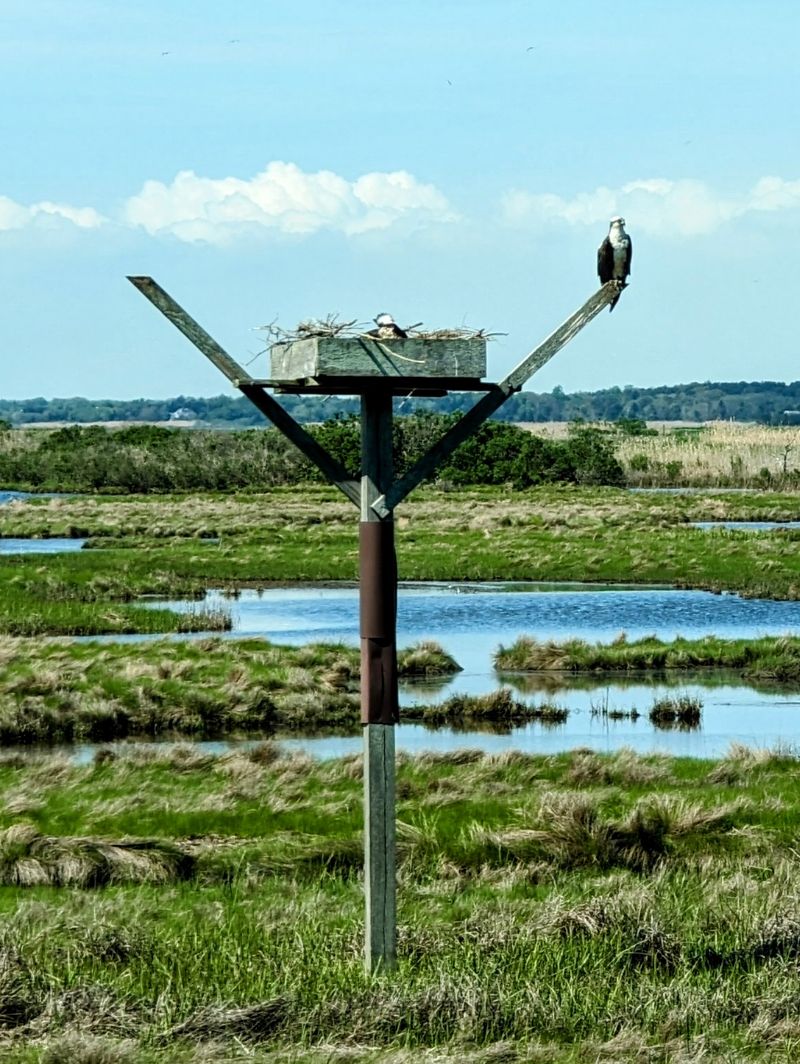
Some places make one species the star, but this refuge runs more like a rotating cast. Osprey come up often, and so do egrets, herons, ducks, shore birds, raptors, red-winged blackbirds, and migratory birds.
Eagles have also been spotted here, along with hawks and harrier-like birds mentioned by people tracking movement across the refuge. Turtles and other wildlife add to the sense that the route is not only about birds, even if birds clearly own the marquee.
That variety is a major reason the refuge works for repeat trips. A short loop in one season can feel very different from another trip during migration season, especially when ducks, raptors, and shore birds change the main event.
The bird life also gives the place a rare flexibility. A family can keep the visit casual, while a dedicated bird watcher can treat the same route as a serious outing with binoculars, camera gear, and a longer window of time.
Nothing here requires a dramatic production. The reward comes from slowing the pace enough to notice how many different kinds of wildlife can share one stretch of New Jersey coast without demanding a headline of their own.
Observation Decks And A Tower View
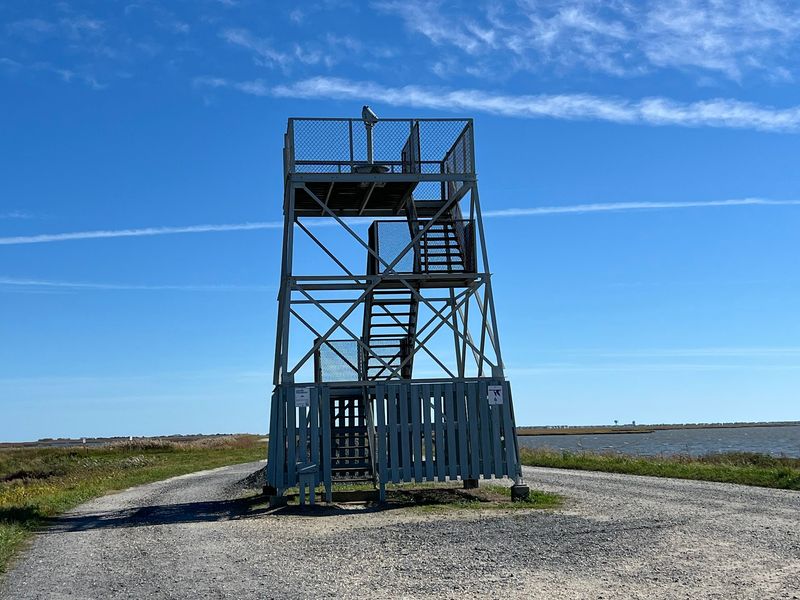
A good refuge needs more than habitat, because people need clear ways to experience it without getting in the way. Edwin B.
Forsythe National Wildlife Refuge helps with observation decks, a viewing stand, and a tower that gives a broader look across the protected landscape.
The tower is often singled out as a worthwhile stop, especially for people who want a higher view of the marsh and open areas. It adds a simple goal to the outing, which helps anyone who enjoys having a destination within the destination.
Observation areas also make the visit easier for groups with different interests. Someone may want to scan for birds, someone else may want photos, and another person may just want a break from the car without committing to a long trail.
Because the refuge includes multiple viewing opportunities, people can adjust the day as they go. A short stop can still feel worthwhile, while a slower visit can include repeated pauses at decks, pull-offs, and the tower.
The best part is that these features do not turn the refuge into a crowded checklist. They simply give people a better angle on a landscape that already has plenty going on.
Trails For A Slower Kind Of Visit
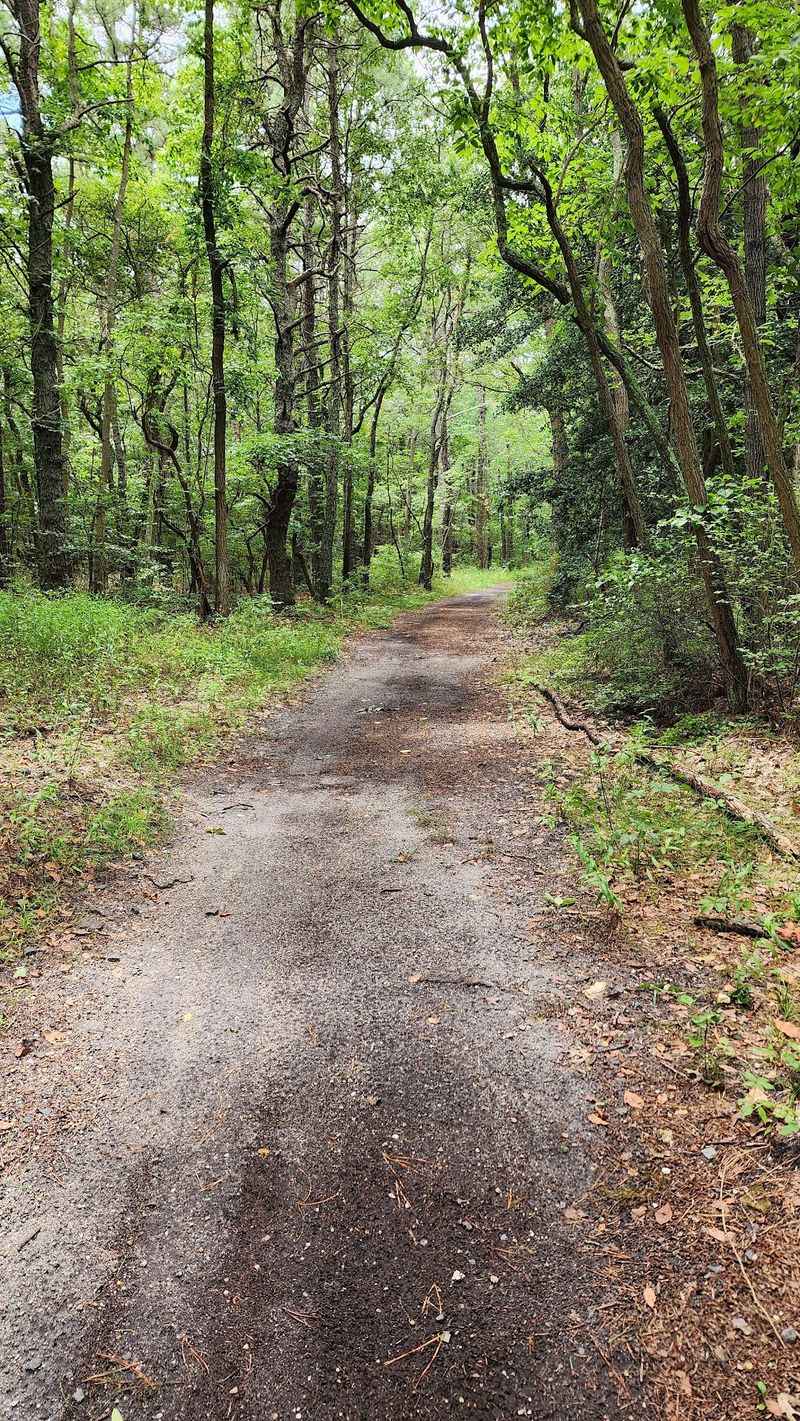
The driving loop gets plenty of attention, but the hiking trails matter for anyone who wants a little more time outside the vehicle. Trails appear often in comments about the refuge, and they add a slower option to a place that is already unusually easy to explore by car.
Walking through wooded sections changes the rhythm of the visit. Instead of moving from pull-off to pull-off, people can focus on shorter sections of habitat and use the refuge as a more traditional outdoor stop.
Bug preparation is not a minor footnote here. Several people mention that bugs can become a real issue, especially by the middle of June, and long clothing or bug spray is smart for anyone planning to walk rather than stay mostly in the car.
The trails also help the refuge serve different kinds of day-trippers. A quick loop works for a casual outing, while a trail walk gives returning locals another reason to come back when they have more time.
Think of the trail option as the extra chapter after the main story. It is not required for a successful visit, but it gives the refuge more range than a simple scenic drive.
Atlantic City On The Horizon
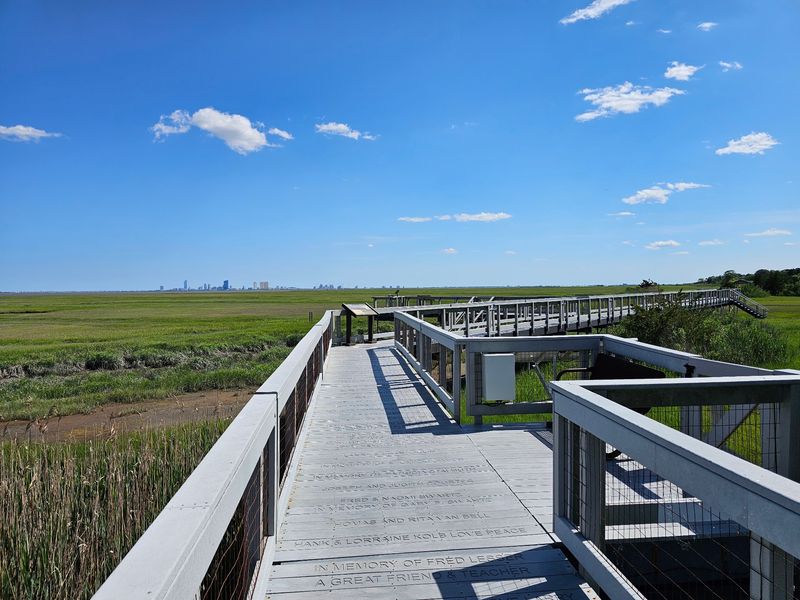
Few New Jersey contrasts are as neat as seeing Atlantic City from a protected wildlife refuge. The skyline is visible from portions of the refuge, and that detail gives the visit a distinctly local edge.
The view does not turn the place into an urban overlook, and that is part of the charm. Instead, the skyline sits in the distance while the foreground remains focused on wetlands, birds, water channels, and the slow pace of the Wildlife Drive.
For people returning from Atlantic City or making a stop nearby, the refuge can become a surprisingly easy add-on. Several travelers connect the refuge with an Atlantic City trip, which makes sense because the two places are close but offer very different versions of the New Jersey coast.
That contrast is useful for residents, too. It shows how quickly the state can shift from entertainment corridors to protected habitat, sometimes in the span of one modest drive.
The skyline also gives photographers and casual phone-camera users another reason to pause along the route. New Jersey gets to be both recognizable and unexpected here, which is exactly the kind of local contradiction worth bragging about politely.
A Welcome Center With Useful Help
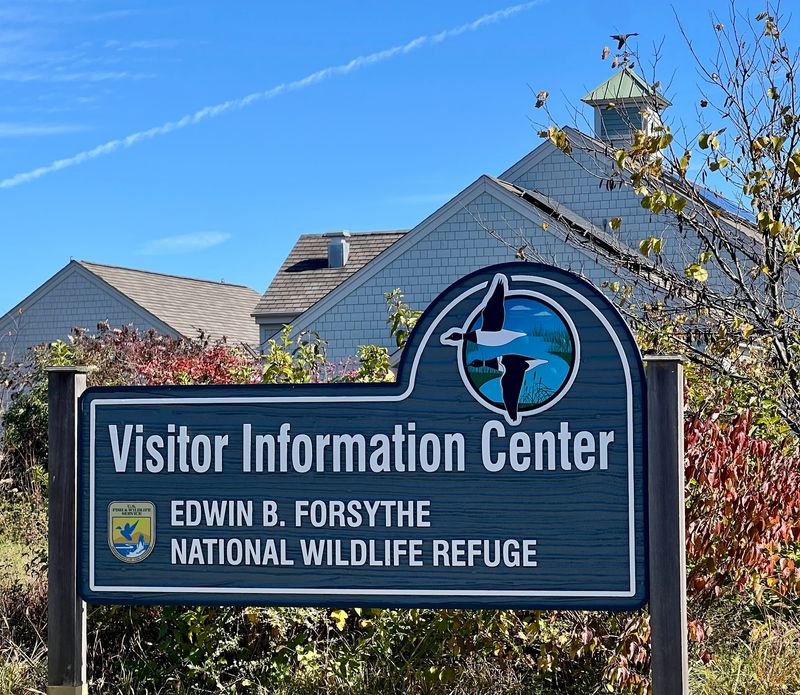
A strong day trip often depends on small helpful details, and the information center is one of those details at this refuge. It is described as welcoming and educational, with items inside that help people better understand what they may see outside.
The free binocular borrowing option is especially practical. Not every casual visitor owns binoculars, and not every parent wants to buy gear for a first bird watching experiment that may or may not turn into a lifelong hobby.
Staff at the information center are also described as friendly, which matters in a place where first-timers may not know how the loop works or what to look for. A little guidance can turn a random drive into a more focused outing.
The center also helps the refuge feel organized rather than mysterious in the wrong way. People can gather context, ask questions, and then head into the loop with a better sense of how to spend their time.
It is a modest feature, but a meaningful one. Good orientation turns the refuge from a pretty place on a map into a place people can actually use well.
Wildlife Photography With Room To Pause
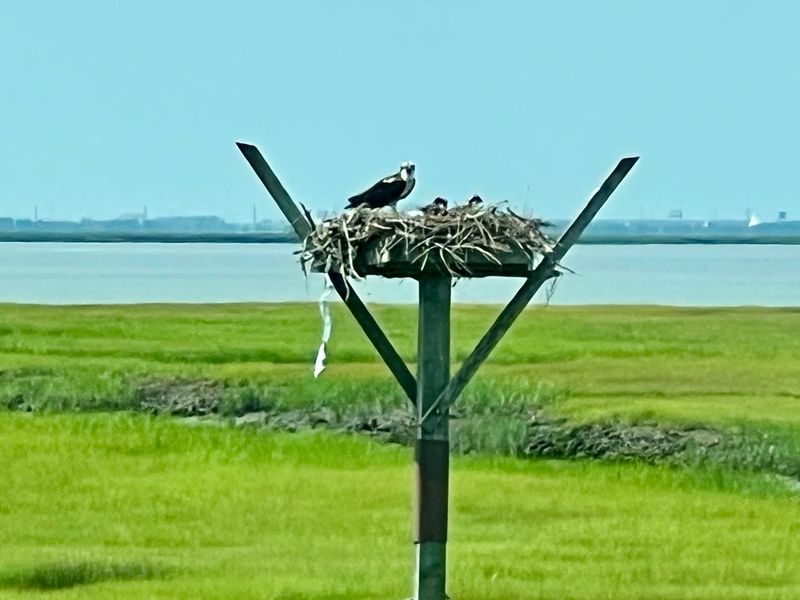
Cameras seem to come out naturally here, and the refuge makes that habit easy to understand. The eight-mile loop includes places to pull over, pause, and let traffic pass, which helps people take photos without treating the road like a personal studio.
Bird photography is a major draw because the variety can be strong. People have noted opportunities involving osprey, egrets, herons, ducks, raptors, shore birds, red-winged blackbirds, and migratory birds, along with turtles and other wildlife.
The raised berms along the drive also create practical sightlines over freshwater and saltwater areas. That setup is useful for anyone trying to spot movement across the wetlands or wait for birds to settle into view.
Patience helps, but the refuge is not only for specialists with large lenses. Casual phone photos, family snapshots, and simple birding records all fit the pace of the loop.
There is one etiquette point worth keeping in mind: other cars may be moving through at different speeds, so pull-offs and considerate stopping matter. The refuge works best when everyone remembers that the birds are the stars, not the traffic jam.
Practical Notes For A Smoother Trip
The basics are refreshingly straightforward, but a few details can make the visit smoother. Google Maps lists Edwin B.
Forsythe National Wildlife Refuge as open now, and the refuge is easy to find at its Galloway address.
Entry has been noted at about 4 dollars per car, and bringing cash is a smart move based on what people have shared after visiting. The cost makes the refuge a notably affordable outing for a carload, especially compared with many shore-area activities.
Bug preparation belongs near the top of the packing list. Bug spray and long clothing are both commonly suggested, particularly for anyone planning to walk trails or visit during periods when insects are more active.
Binoculars are another useful item, though the information center may help if none are available at home. A camera can also be worthwhile, but the most important tool is time, because the eight-mile route is better when nobody is rushing through it.
Drivers should also watch the road surface on the loop, since rough spots have been mentioned on the back portion. A slow pace helps wildlife watching anyway, so the car and the birds both benefit from patience.
A Soft Verdict For New Jersey Day-Trippers
The strongest case for Edwin B. Forsythe National Wildlife Refuge is not that it tries to impress people loudly.
Its appeal comes from being useful, accessible, wildlife-rich, and unmistakably tied to the New Jersey coast.
Families can handle the eight-mile drive without turning the day into a major expedition. Bird watchers can spend much longer scanning for osprey, egrets, shore birds, migratory birds, ducks, raptors, and other species that give the refuge its reputation.
Photographers get pull-offs, observation decks, a tower, and the occasional Atlantic City skyline in the distance. Trail walkers get another way to experience the refuge, as long as they plan for bugs and dress with that reality in mind.
The refuge is also a good reminder that affordable New Jersey outings do not have to be ordinary. With an entry cost noted at about 4 dollars per car, free binocular borrowing at the information center, and a route that works for many comfort levels, it checks the rare box labeled simple but not boring.
For locals and short-hop day-trippers, the verdict is easy to keep gentle: go when there is time to slow down, bring binoculars if possible, and let this coastal refuge make New Jersey feel larger than expected.
Share this story