Some places look like nothing special on a map, just a thin road leading into empty hills. Then you arrive, and the quiet hits you before anything else does.
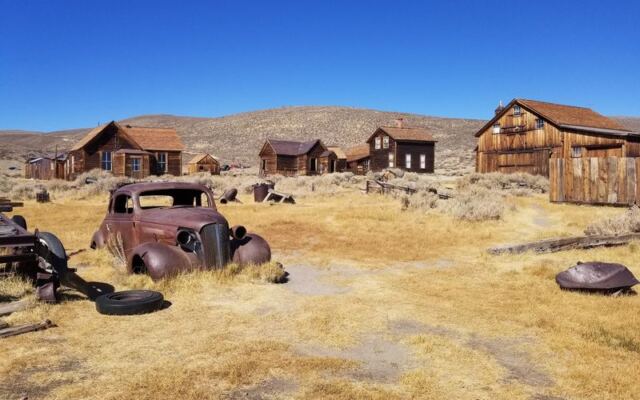
High in the dry country of California, an old mining town still stands with furniture inside its homes and rusty cars resting in the grass. It feels like the people stepped out for a moment and never came back, and you will want to see it for yourself.
A Ghost Town on the Edge of Nowhere
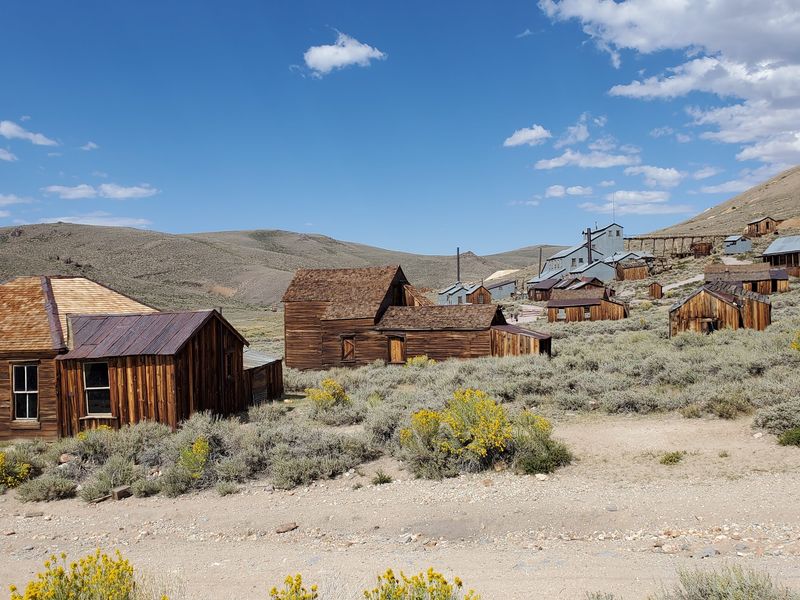
Out along CA-270 near Bridgeport, the pavement eventually gives up, and that is exactly where the fun begins. Bodie State Historic Park protects a former gold-mining community that now sits as one of the most famous ghost towns in the American West.
Inside the park, you will find a whole town of weathered buildings, a museum, and a stamp mill that you can tour with a guide. The setting sits close to 8,500 feet above sea level, so the air feels thin and the views stretch on forever.
Travelers often call it a time capsule. Many say it feels like the residents simply packed up and walked away, leaving their belongings behind.
Some visitors describe it as close enough to modern times to feel familiar, yet distant enough to clearly belong to another era. That strange balance is a big part of what makes the place so memorable for first-timers and returning fans alike.
Gold Fever and a Boomtown Past
Back in 1859, a prospector named Waterman S. Body made the discovery that put this lonely spot on the map.
The town would later carry a version of his name, and the gold kept people coming for decades.
Here is a fact that surprises plenty of guests. At its peak, Bodie ranked as the sixth largest town in California, and its school once had as many as 625 students enrolled.
Guides on the mill tour explain that for every five homes still standing today, there were once 80 to 90 more.
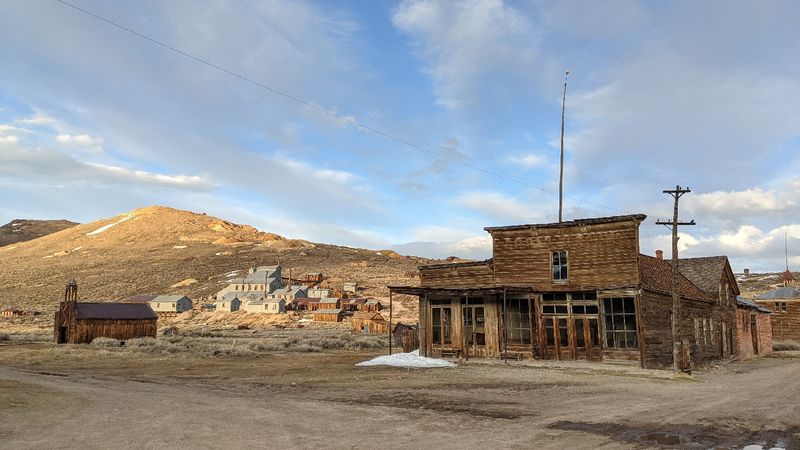
Fire later swept away over 75 percent of the original town, yet a remarkable amount survived. Mining finally wound down in the 1940s.
Visitors also enjoy hearing about the local legend known as the Bodie Curse, a spooky tale that still adds a little shiver to every stroll down the empty streets.
Homes Left Exactly as They Were
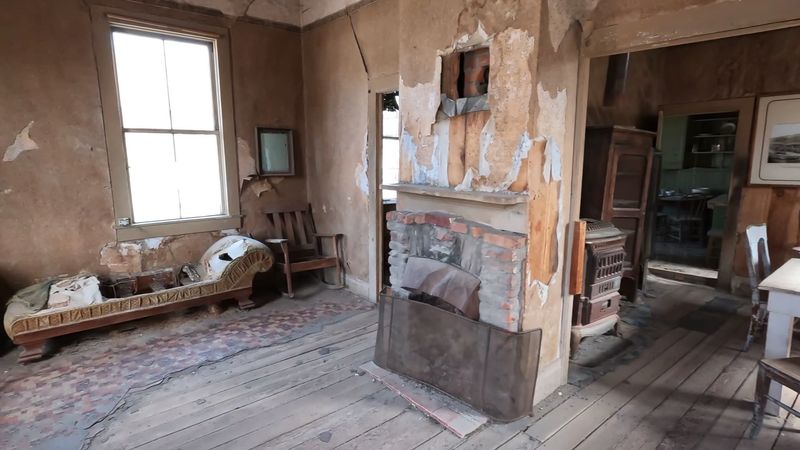
Press your face close to a dusty pane of glass, and a whole family’s life seems to stare back. Chairs, tables, and household odds and ends still sit inside many of Bodie’s homes, right where they were left.
The park keeps everything in a state called arrested decay. Rather than fixing buildings up to look brand new, caretakers maintain them just enough to stop them from falling apart.
The result looks authentic, not reconstructed or overly polished.
Visitors love this approach. Many say the experience feels like stepping back in time, since nothing has been dressed up for tourists.
You can wander past homes, businesses, a church, and barns, peeking through windows at each one. One guest put it simply: it seems as if the whole town just got up and left their stuff.
That eerie, honest feeling is the heart of Bodie, and it sticks with you long after the visit ends.
Inside the Stamp Mill Tour
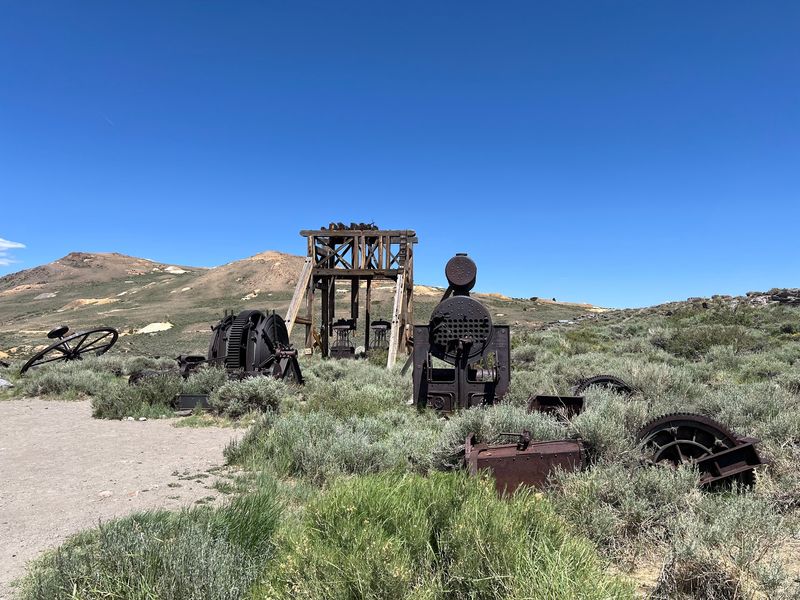
Most of Bodie can only be admired from the outside, but the stamp mill is the exception. It is the one building guests are allowed to enter, and only with a guide leading the way.
Families who have joined the tour rave about it. Guides start with safety tips, then walk the group through everything from the electrical room to the stamping area and the shaker tables used to separate gold.
Expect plenty of facts and a chance to ask questions.
Timing matters, though. Tickets are sold at the museum, and sales close about ten minutes before each tour begins.
Tours can sell out too, with some visitors snagging the very last spots after arriving around noon. If seeing the mill is high on your list, head to the museum first thing.
Missing it is a common regret, since guests who skip it often wish they had planned ahead.
Museum Displays and a Handy Guidebook
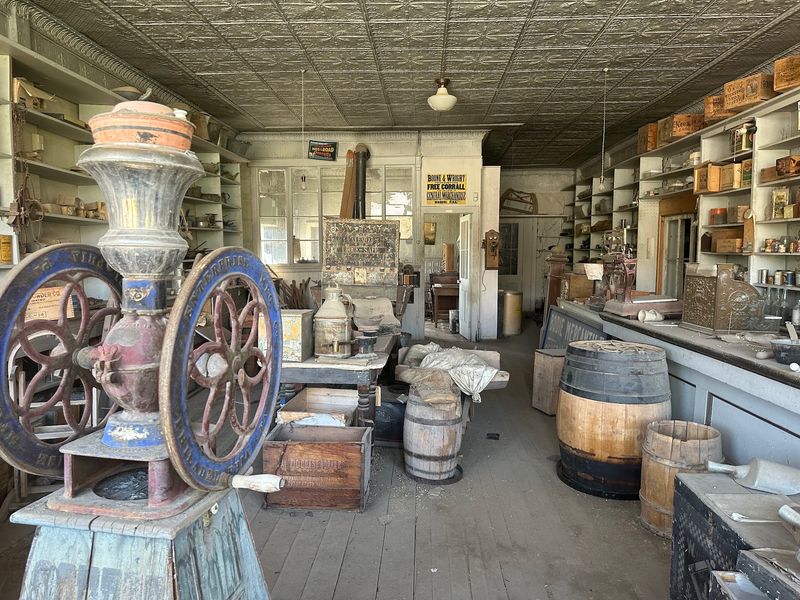
Curious minds will want a stop at the museum, which doubles as a small gift shop. Glass cases hold displays of items from the town’s busy years, giving you a closer look at daily life back then.
Shelves also carry tour books and pamphlets, including one about the cemetery. Visitors especially praise the three dollar booklet, which works as a self-guided tour and helps you match each building with its story.
For the price, many call it well worth it.
A short film plays in a small theater, though some guests feel it shows its age. One quick tip from recent visitors: the museum may close for an hour around midday when staff are stretched thin.
If this building tops your list, consider visiting early so you do not miss out. Plenty of history signs near the parking area also offer helpful background before you start walking.
Rusting Cars and a Photographer’s Playground
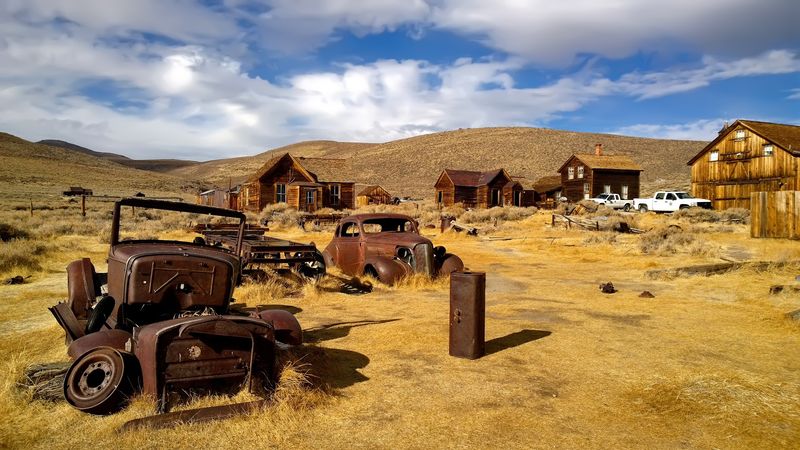
Bring extra batteries, seriously. Photographers describe Bodie as an absolute dream, with a new shot waiting around every corner.
Old cars and trucks sit slowly rusting into the grass. Wagons, machinery, and stacks of weathered wood add even more texture.
Crooked structures lean at funny angles, and the deep blue sky makes the faded boards pop in pictures.
Wide shots of the whole town surrounded by high desert are just as stunning as close-ups of abandoned interiors. Guests often say they spent hours just walking, looking, and snapping photos, and still wished they had more time.
Even if you only use a phone camera, you will likely leave with a gallery full of keepers. The mix of decay and open landscape creates scenes that feel almost like paintings, which is why so many people return again and again to capture the town in different seasons and light.
High-Desert Mood and Who Will Love It
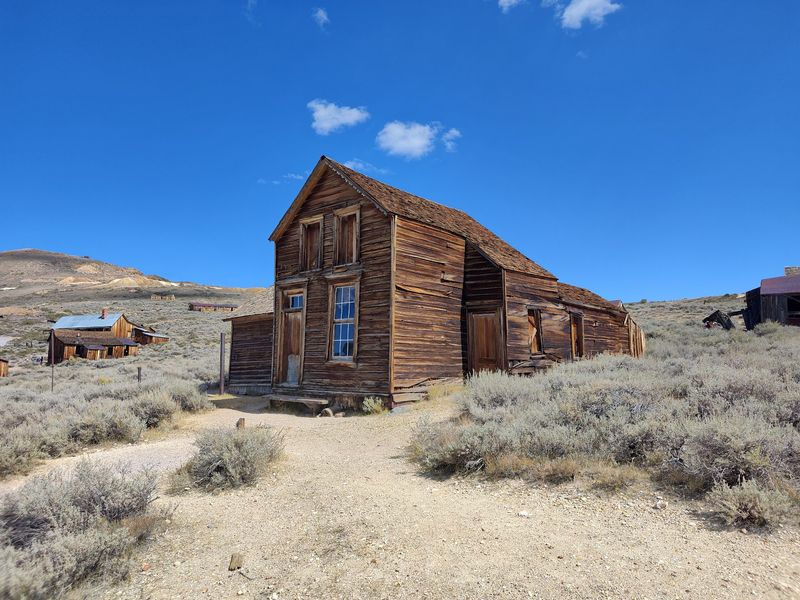
Silence is the first thing many people notice. Dry hills, sagebrush, and huge skies surround the town, and almost nothing else is out there.
That isolation gives Bodie a hauntingly beautiful mood. Some guests find it a bit creepy in the best way.
History buffs, ghost town fans, and anyone who loves abandoned places tend to fall hard for it. There are no sidewalks or roped-off paths, so you truly roam a town in the middle of a field.
Families are welcome, but parents should keep a close eye on little ones. Broken glass and old machine parts lie around because the park wants the site left raw.
Dogs are allowed too. Weather can be tough, with strong wind, dust, and direct sun with no shade, so sunscreen helps.
In colder months, visitors have even walked snow-covered roads while viewing the buildings from outside.
Hours, Fees, and the Dusty Road In
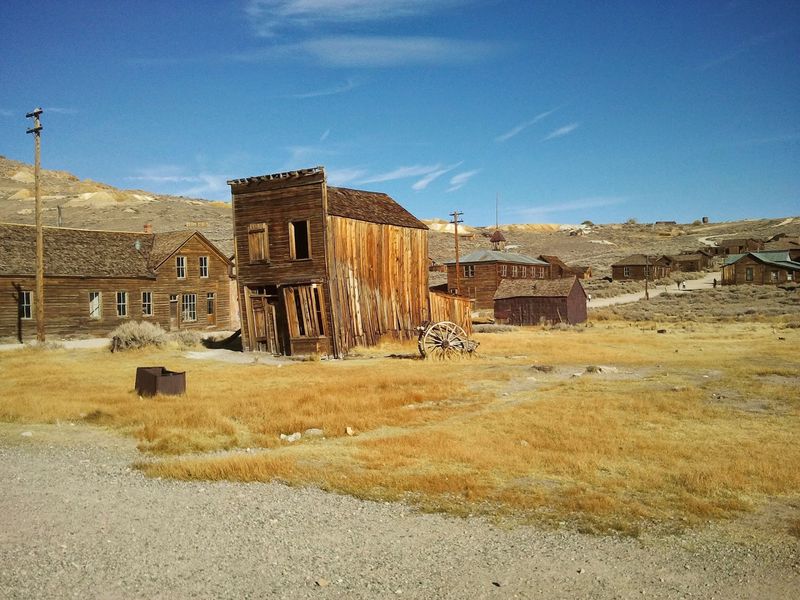
Getting there is half the adventure. The final stretch includes about three miles of unpaved gravel road that can feel bumpy, dusty, and even slippery at times.
Don’t panic, though. Many drivers say regular cars handle it fine, and rangers will reassure nervous callers.
A smart trick is switching your car’s air to recirculate so the dust stays out. Bodie sits within a reasonable drive of places like Reno and Sacramento.
The park is open daily from 9 a.m. to 6 p.m. Entry costs $8 per adult, and both cards and cash are accepted.
Regular state park passes may not be honored here, but a California historic parks pass can cover admission. There is no food service, so pack lunch and snacks.
Bathrooms are located near the parking lot, and picnic tables wait just past the town. For questions, call +1 760-616-5040 before you go.
Worth Every Bumpy Mile
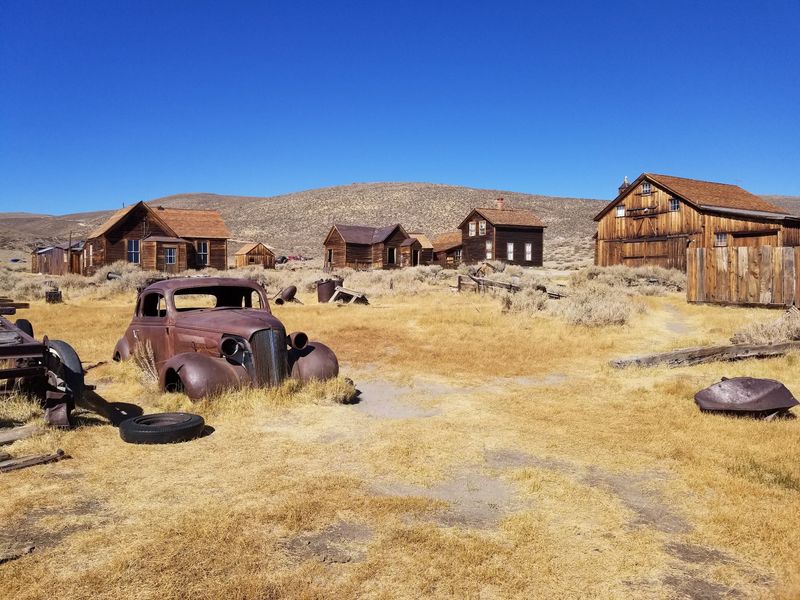
Some trips fade from memory within a week. Bodie is not one of them.
Between the preserved homes, the guided mill tour, and the wide-open desert views, the park offers a rare, honest look at life in a gold rush town. Visitors regularly call it a must-see and say it was worth the long drive.
Several even plan to come back someday.
Give yourself plenty of time, because the buildings spread across a large area and there is a lot to take in. Wear comfortable shoes, bring water and snacks, and head to the museum early if the stamp mill tour interests you.
Some guests also mention special evening access on limited nights, which sounds like a spooky treat worth watching for. Whether you love history, photography, or simply a good mystery, this quiet town in the hills rewards the effort and leaves you wondering about the stories hidden behind every dusty window.
Share this story