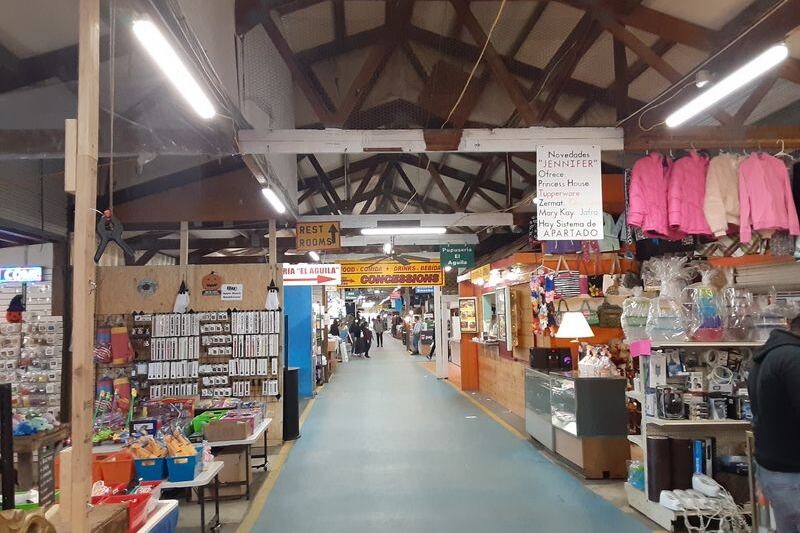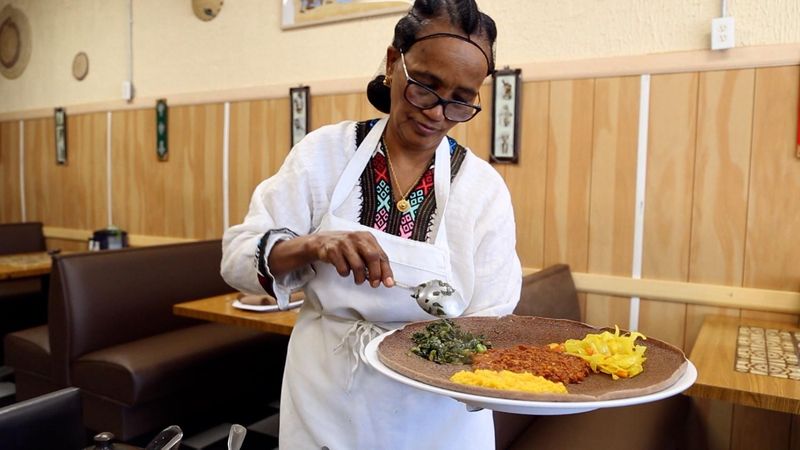
Tucked into Charlotte, North Carolina, Nile Grocery and Ethiopian Restaurant has been quietly supplying the local Ethiopian community with injera, spice blends, and cooking staples since 2005. For shoppers who have never wandered into a specialty African grocery, the shelves can feel like a whole new pantry. North Carolina actually has several distinct African and African-diaspora markets worth knowing, each rooted in a specific culinary tradition rather than a single continental category.
Nile Grocery serves Charlotte’s Ethiopian community
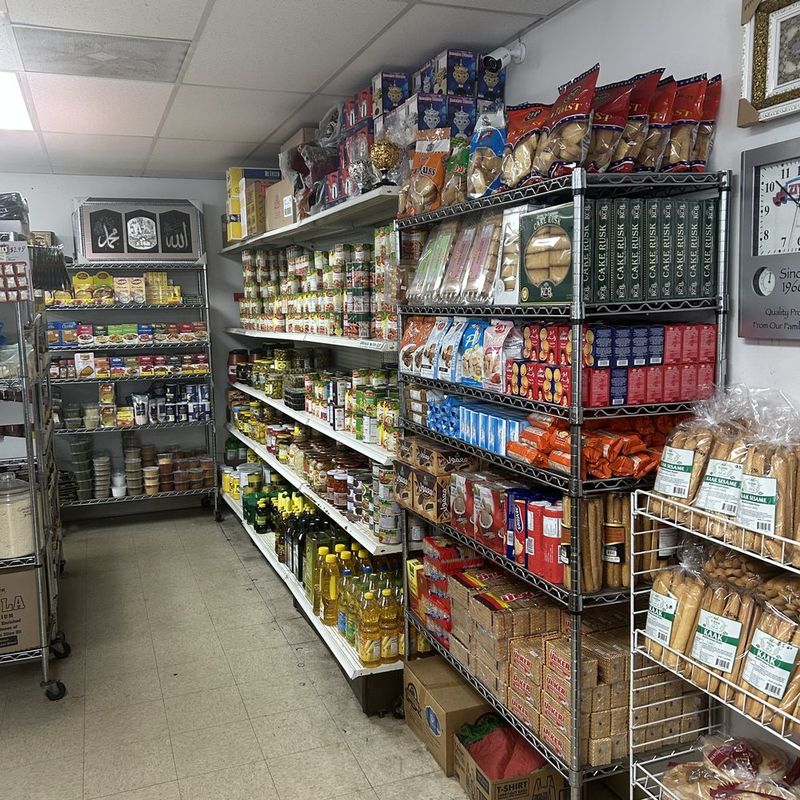
Nile Grocery and Ethiopian Restaurant opened in Charlotte in 2005, and the grocery side of the business came first. Before tables were set and food was plated, the family was already stocking shelves with injera, spices, and the cooking ingredients that Charlotte’s Ethiopian community needed and could not easily find elsewhere. PBS coverage of Nile Grocery describes a family-run Ethiopian business built around community service rather than tourist appeal.
HistorySouth calls it a mom-and-pop store, and that description fits. The grocery was not designed to introduce Ethiopian cuisine to outsiders; it was built to make sure Ethiopian families in Charlotte could cook at home. Injera, the spongy fermented flatbread central to Ethiopian meals, requires a specific flour and fermentation process that mainstream grocery stores do not support. Spice blends like berbere need to be sourced from suppliers who know the recipe.
HistorySouth’s profile of the store confirms spices and Ethiopian cooking ingredients as documented inventory. What it does not confirm is the title’s claim that the market sits in a small North Carolina town. Charlotte is the state’s largest city, not a small town, so that geographic framing does not hold up against the available evidence.
The phrase “African-owned” also needs a direct source. The available reporting establishes Nile as a family-run Ethiopian grocery, which is meaningful and specific. Calling it African-owned without a verified interview or ownership statement adds a label the current sources do not supply. Those are two different things, and the distinction matters for accuracy.
Readers and editors should treat the small-town and ownership claims as unverified until additional reporting fills the gap.
An Ethiopian grocery is not a catch-all African market
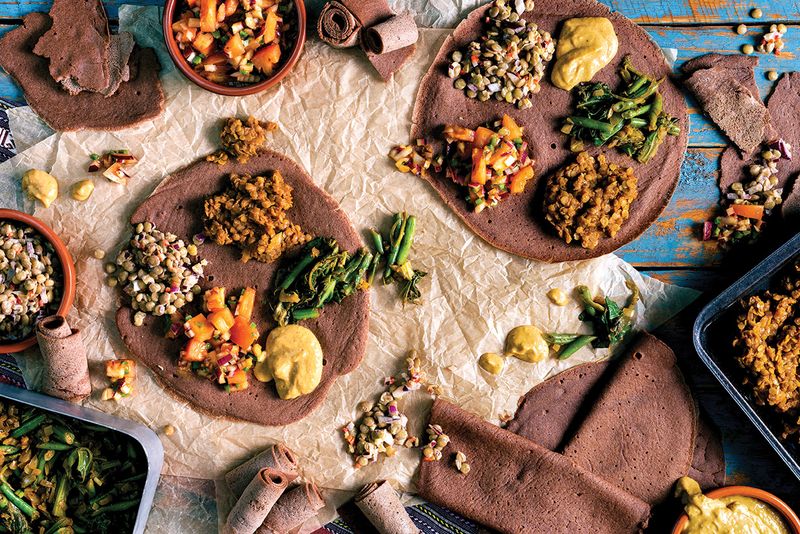
Walking into Nile Grocery expecting a pan-African selection would be like walking into a Korean grocery expecting Japanese or Vietnamese products. Ethiopian foodways are their own distinct tradition, and the store’s inventory reflects that specificity. The documented staples at Nile center on what Ethiopian home cooks actually use: injera made from teff flour, berbere spice blend, and the building blocks of dishes like tibs, misir, and kitfo.
Berbere is a layered blend of dried chilies, fenugreek, coriander, korarima (Ethiopian cardamom), rue, and other spices that vary by household and region. It is not interchangeable with West African pepper blends, Caribbean jerk seasoning, or North African ras el hanout, even though all of those are also complex spice mixes from the continent. Each belongs to a specific culinary lineage with its own flavor logic.
Injera deserves its own explanation because it functions as both bread and utensil. Made from fermented teff batter, it has a mild sourness and a porous texture that soaks up stews and sauces. Teff is a tiny grain native to the Horn of Africa, and its flour behaves differently from wheat or cassava flour. PBS reporting on Nile specifically names injera and spices as the grocery’s core products, which tells you something about what the store was built to supply.
Grouping Ethiopian, Ghanaian, Nigerian, Somali, Liberian, Senegalese, and Congolese foodways under one “African” label flattens real differences in ingredients, techniques, and flavor profiles. HistorySouth’s documentation of Nile treats it as an Ethiopian business, not a general African one, and that framing is the right model. When you know which country’s cuisine you are cooking, you can shop with much more purpose.
North Carolina offers several distinct African-market options
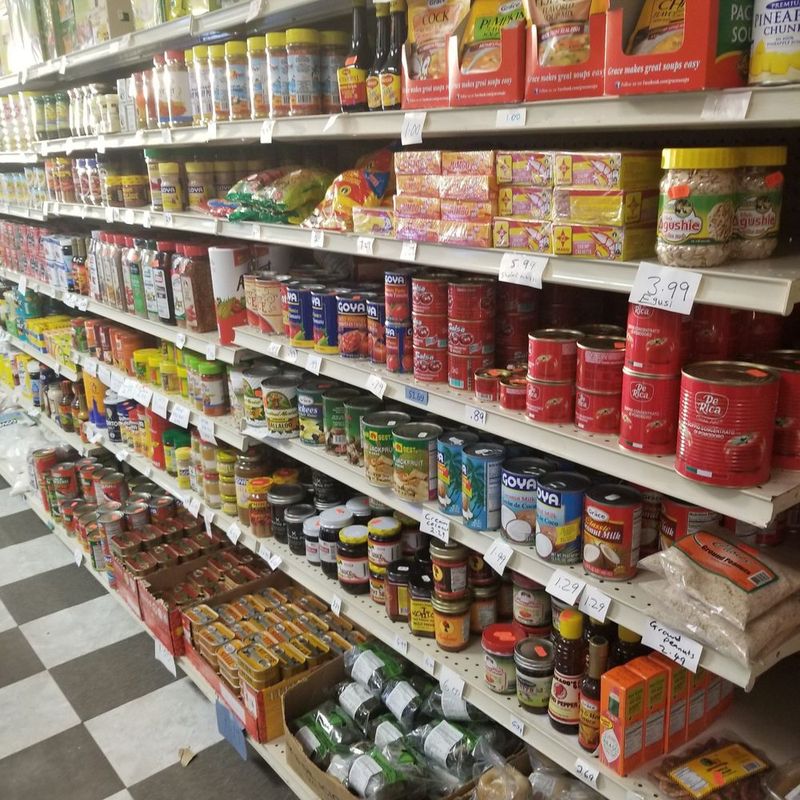
Charlotte and Raleigh both have documented African grocery businesses, and they serve noticeably different communities. Knowing which store stocks which tradition saves a wasted trip and prevents the frustrating experience of buying the wrong product for a specific dish.
Carolina African Market in Charlotte advertises West African and Caribbean groceries alongside a restaurant, butcher counter, and catering operation. Its documented products include palm oil, cassava, fufu, dried fish, yams, plantains, and Nigerian sauces. That inventory reflects a West and Central African culinary focus that overlaps with Caribbean traditions in some ingredients but stays distinct in preparation and flavor. Combining it with Nile’s Ethiopian inventory would be like combining a Mexican tienda with a Vietnamese grocery because both carry rice.
In Raleigh, Agori International African Market lists fresh and ground seasonings, palm oil, flours, fresh and frozen meats, clothing, fabrics, and jewelry. The breadth of that listing suggests it serves a broader African immigrant community rather than a single-nationality customer base. That is a different business model than Nile’s more focused Ethiopian operation, and neither is a substitute for the other.
Original Kaneshie Market identifies itself as a Ghanaian and West African grocery source and lists products including Ghana yams, gari, egusi, palm oil, fufu flour, dried fish, frozen goat meat, African drinks, and spices. Its North Carolina page primarily documents online shipping rather than a verified brick-and-mortar storefront in the state. If you are looking for a physical location to browse, confirm the store’s current address and hours before driving out. Online availability and in-store availability are not the same thing, and that distinction matters when you are planning a meal around specific ingredients.
Choose ingredients by dish, region, and use
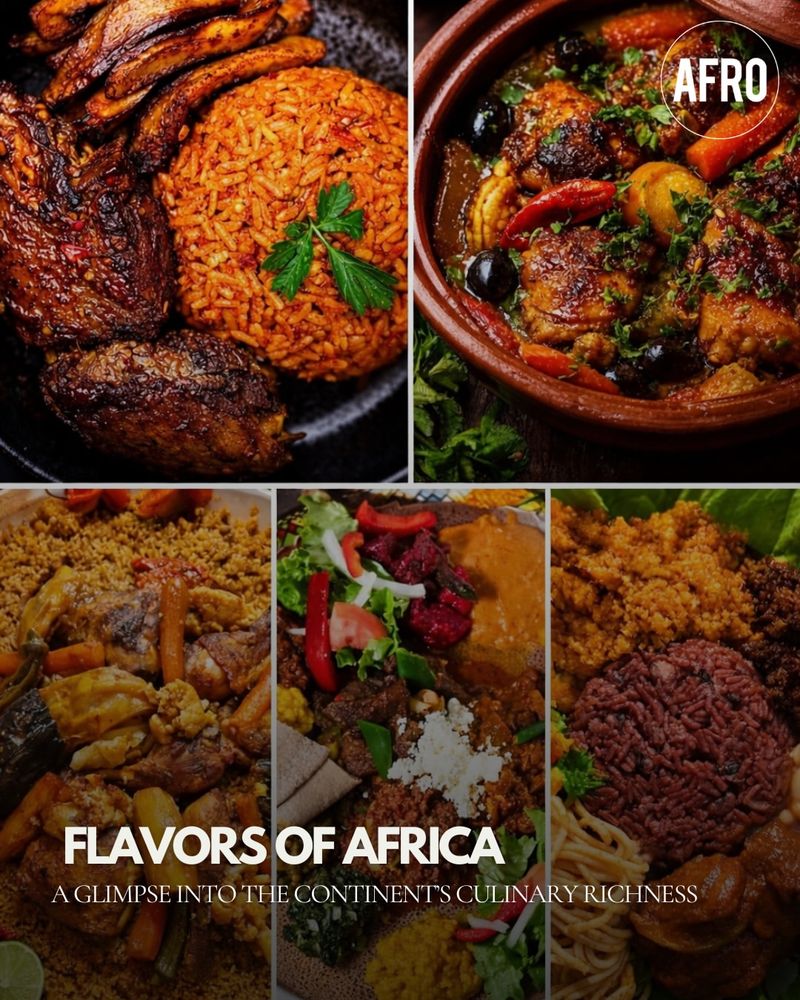
The most useful question to ask before buying anything at a specialty African grocery is: what dish am I making, and where does that dish come from? That single question prevents mismatched ingredients and helps you have a real conversation with store staff who know their inventory well.
Berbere belongs to Ethiopian and Eritrean cooking. It is a dry spice blend used in stews, marinades, and slow-cooked meat dishes. Nile Grocery’s documented focus on Ethiopian ingredients makes it the right place to source berbere if you are cooking from that tradition. Do not assume you can find it at a West African market, and do not assume a West African market’s spice blends will substitute for it.
Egusi is a dried, ground melon seed used as a thickening agent and protein source in West African soups and stews, particularly in Nigerian, Ghanaian, and Cameroonian cooking. Gari is a coarse, toasted flour made from cassava, used as a starchy base or side dish across West and Central Africa. Neither of those belongs in an Ethiopian dish. Carolina African Market’s West African inventory is the right place to look for both.
Palm oil is used across many African and African-diaspora cuisines, but the variety, processing method, and flavor intensity vary. Fufu flour, made from cassava, plantain, or yam depending on the brand, produces a dense starchy accompaniment to soups and stews. Dried and smoked fish add depth to broth-based dishes in several regional traditions. Original Kaneshie Market’s Ghanaian product listings document these items in context, which helps clarify their culinary role.
Always confirm current availability before building a recipe around a specific product, because specialty grocery stock can shift with supplier availability.
Store dried spices for flavor, not just shelf life
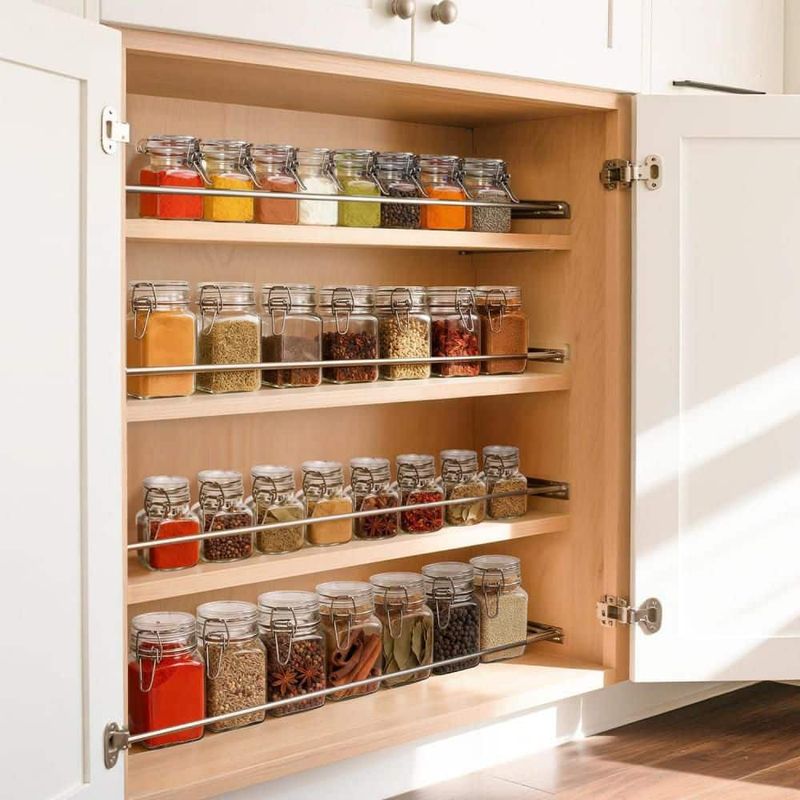
Buying a good spice blend is only half the job. How you store it after you get home determines whether it still tastes like something worth using six months later. Heat, light, moisture, and time are the four main enemies of dried spices, and most home kitchens put spices directly in the path of at least two of them.
University of Delaware Cooperative Extension guidance on herbs and spices recommends storing dried spices in airtight containers in a cool, dry place away from sunlight and the stove. That means the cabinet directly above the range, which is warm and steamy every time you cook, is one of the worst spots in the kitchen for spice storage. A lower cabinet away from the oven or a dedicated drawer works better.
Whole spices generally hold their quality longer than ground spices because the outer surface protects the aromatic compounds inside until you crack or grind them. The extension guidance suggests checking whole spices about once a year and ground spices about every six months. Those are freshness checkpoints, not expiration dates, but they give you a practical rhythm for evaluating your stock.
The most reliable freshness test requires no equipment. Rub or crush a small amount between your fingers and smell it immediately. A good spice releases a clear, distinct aroma right away. If the smell is faint, flat, or absent, the spice is probably safe to use but has lost most of its flavor contribution.
For a blend like berbere, which relies on the interaction of several spices working together, stale base ingredients will produce a noticeably muted result in the finished dish. Replacing a tired blend is cheaper than rescuing a meal that never came together.
Apply ordinary food-safety checks to imported products
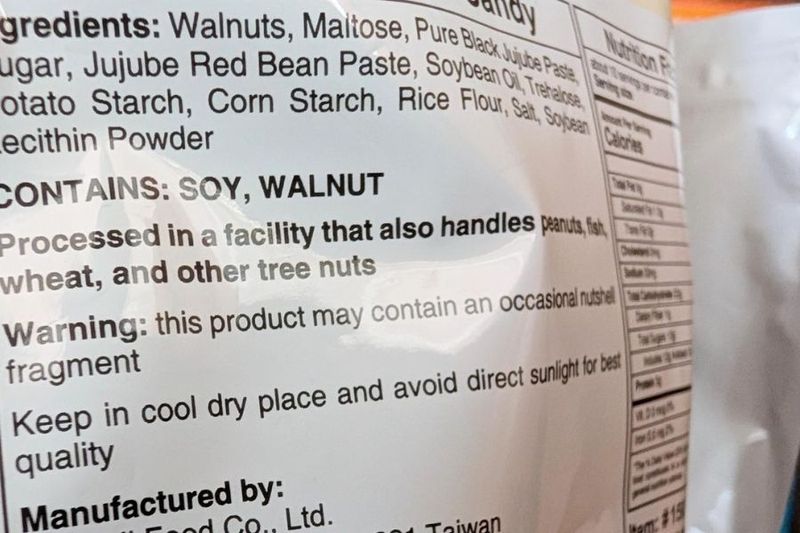
Imported food products sold in the United States are subject to U.S. food-safety requirements. FDA guidance on importing food products states that imported foods must meet U.S. standards and may be inspected, detained, or rejected when they do not comply. That regulatory framework applies to products arriving from any country, not specifically from African suppliers.
FDA has also documented that spices as a category, regardless of origin, carry some risk of pathogen contamination and foreign material. FDA’s risk profile for pathogens and filth in spices treats this as a category-level concern across the global spice supply chain. Singling out African-market products as uniquely risky would misread that guidance. The same practical checks apply to any spice you buy, wherever it was grown or packaged.
Before opening a product, look at the packaging. Reject anything with visible mold, signs of insect activity, unexplained moisture, damaged seals, or an unusual odor that does not match the labeled contents. Those are signs of a compromised product regardless of brand, price point, or country of origin. This is not a warning specific to African groceries; it is the same standard you would apply to a bulk spice bin at a farmers market or a discount spice rack at a big-box store.
Follow the storage and use instructions on the label. If a product has no English labeling and you cannot identify its contents or intended use, ask a staff member before purchasing. Specialty grocers typically know their inventory well, and the staff at a community-serving store like Nile are often the best resource for understanding what a product is for and how much to use.
Keep the discovery, and correct the headline
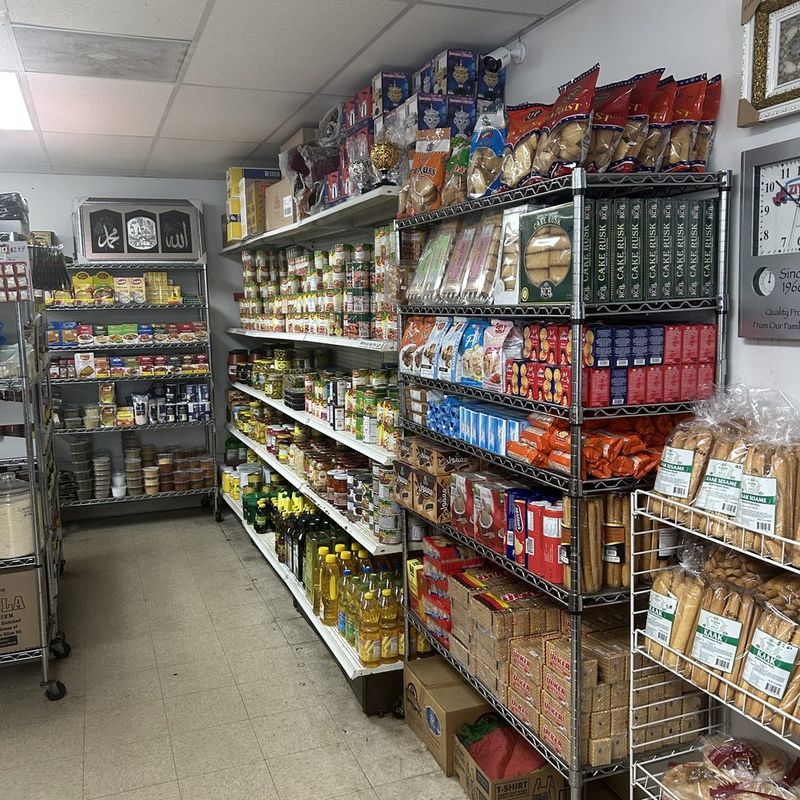
The real story here is worth telling without embellishment. North Carolina shoppers can find businesses that supply African and diasporic pantry products, and Nile Grocery in Charlotte offers a documented, family-run Ethiopian grocery experience that has been serving its community since 2005. That is a genuine and specific discovery for readers who have never encountered it.
What the available research does not support is the current headline’s three central claims. Charlotte is not a small North Carolina town. The available sources describe Nile as a family-run Ethiopian business, not a verified African-owned operation in the precise ownership sense. And the promise that these are spices “your kitchen has never tasted” cannot be verified and erases the Ethiopian, West African, Caribbean, and broader immigrant communities in North Carolina who already cook with these ingredients regularly.
HistorySouth’s profile, alongside listings for Carolina African Market, Agori International, and Original Kaneshie Market, gives editors enough verified material to publish a useful, accurate article. Replace the headline with one grounded in the Charlotte Ethiopian grocery story, or obtain direct reporting from the intended market before restoring the small-town and ownership framing. The discovery is real enough on its own terms that it does not need a headline that overpromises.
Share this story