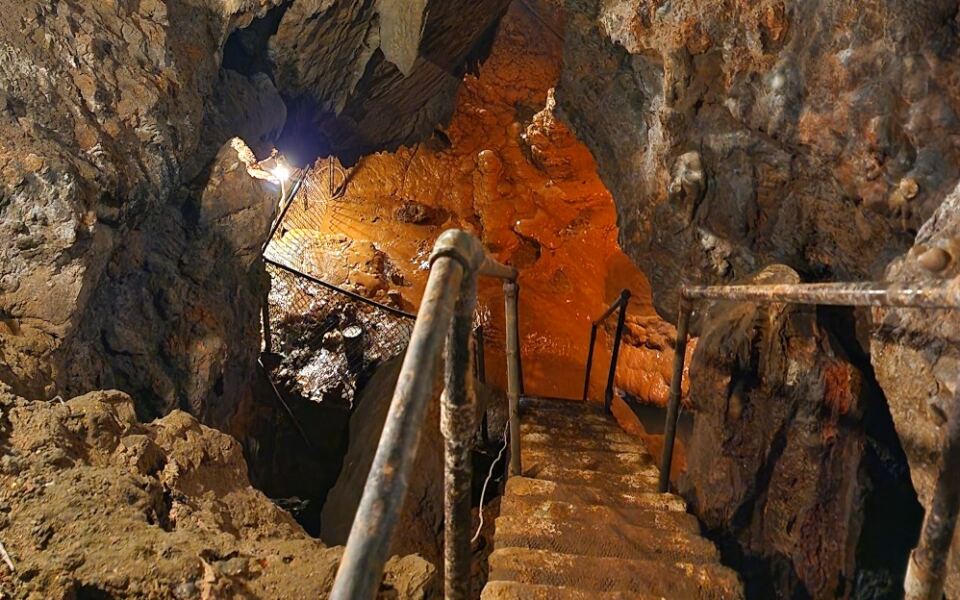
Arkansas’ oldest touring cave has been welcoming visitors since 1893, and it is still open for underground exploration. Onyx Cave, just outside Eureka Springs, offers self-guided audio tours through limestone formations in a cave that stays around 57 degrees all year.
Visitors can explore at their own pace or add a guided tour to see additional areas. The attraction also offers gem panning, axe throwing, and a small museum.
The cave even appeared in a 1969 horror movie, and its unusual history goes well beyond the formations underground. For a relatively small attraction, there is quite a bit to discover.
An Ozarks Cave With a Long Guest List
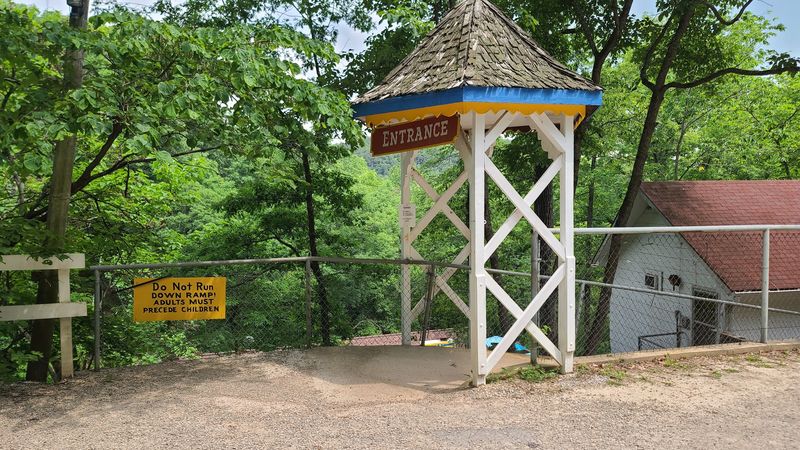
Since 1893, people have been paying a visit to the same patch of limestone in the hills of northwest Arkansas. That makes it one of the longer-running show caves in the region.
The place is called Onyx Cave, and it sits at 338 Onyx Cave Lane in Eureka Springs, Arkansas.
The cave is small compared to giant national park caves. Still, it packs a lot into a short walk.
Stalactites hang from the ceiling, stalagmites rise from the floor, and smooth onyx-like formations give the cave its name.
Eureka Springs already draws travelers with its winding streets and old buildings. Onyx Cave adds a different kind of history, one written slowly by dripping water over thousands of years.
I like that you can enjoy a quirky small town and a natural wonder on the same day.
The drive out takes you into wooded countryside just outside of town. It feels peaceful before you even reach the gift shop.
Once you arrive, you get to choose how you want to explore. That choice shapes your whole visit, so it helps to understand the options before you buy a ticket.
Headphones On, Flashlight Brain Engaged
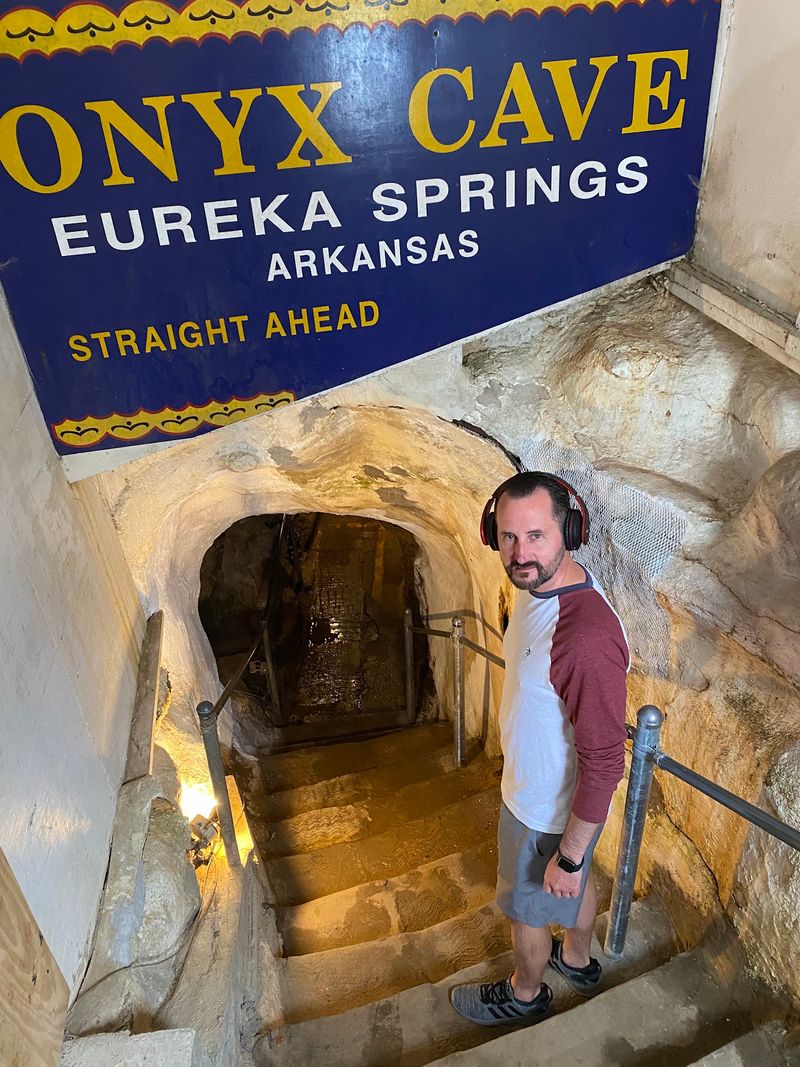
Most cave tours put you behind a guide from start to finish. Onyx Cave does something a little different.
The main tour is self-guided, and you hear the story through a set of headphones.
Numbered stop signs inside the cave tell you where to pause. At each one, the recording explains what you are looking at, from formations to the history of the place.
You move at your own pace, which is nice if you like to linger.
The self-guided tour usually takes about 30 minutes. That makes it an easy fit for a busy day of sightseeing in Eureka Springs.
It also works well for families with kids who might get restless on a long tour.
Photos and videos are allowed, so you can snap pictures of the formations as you go. Just remember that other groups may be nearby, and voices carry in a cave.
A little courtesy goes a long way down there. Keep chatter low so everyone can hear their recording clearly.
Once the audio part ends, some visitors keep going. The next stretch of the cave needs a real person to lead the way.
Where the Guided Tour Goes Further
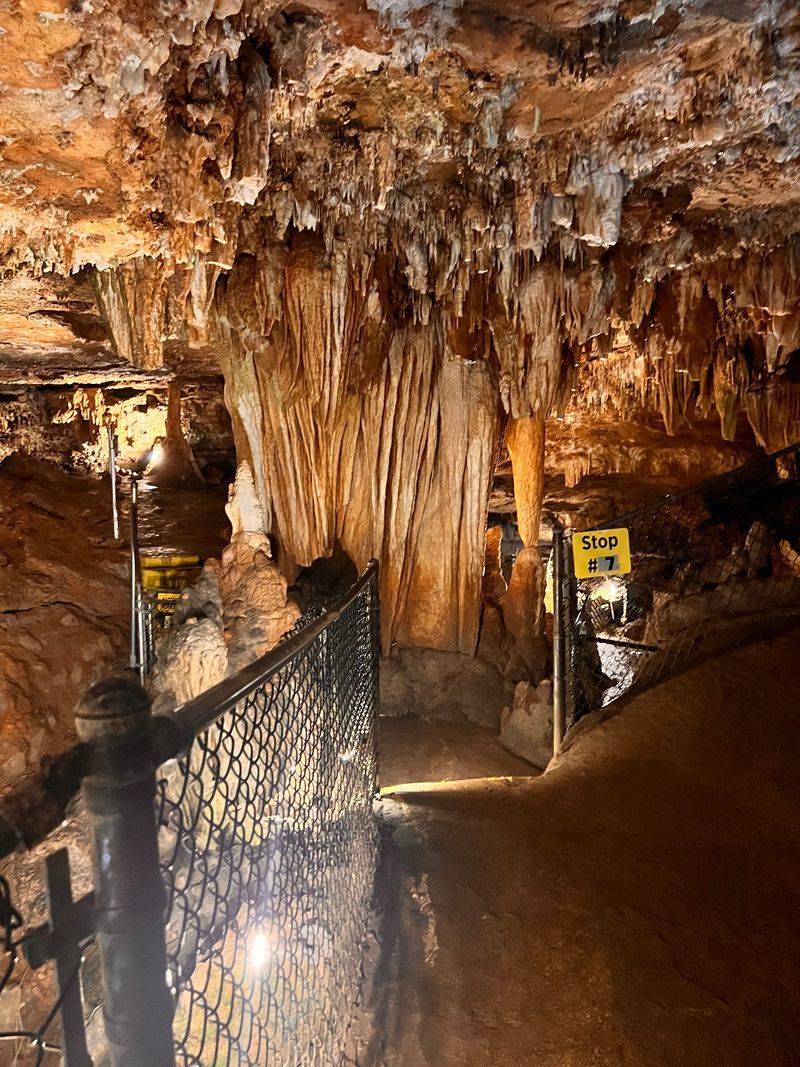
Here is a tip worth remembering. If you have the time, the longer guided tour shows you more of Onyx Cave than the self-guided route does.
The combo tour starts with the headphone portion. Then a guide meets your group and leads you into areas that are normally closed off.
It takes around an hour in total.
Guides talk about geology, cave history, and the animals that live underground. They can answer questions too, which a recording cannot do.
That back-and-forth makes the science easier to understand.
Groups can get a bit crowded in tight spots. You might end up standing on a stair while the guide explains a formation ahead.
Be patient and you will still get a good look.
On busy weekends, you may wait a while before your guided tour begins. Going earlier in the day or on a weekday can help.
The cave is open daily, but the last hours fill up fast.
I would choose the longer tour for older kids and curious adults. Younger children may be happier with the shorter version.
Either way, one moment on the guided tour tends to stick with people: the lights go out.
Total Darkness, Steady 57 Degrees
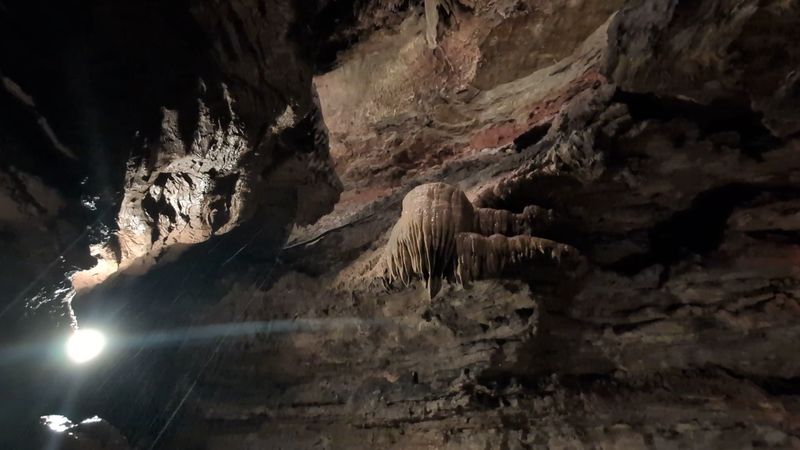
Close your eyes in a dark room, and you still see a little light. Deep inside a cave, there is none at all.
During tours at Onyx Cave, visitors can experience that complete darkness for a moment.
It is a strange feeling. Your hand in front of your face simply disappears.
Many people say it is one of the most memorable parts of the tour.
The cave also holds a steady temperature of about 57 degrees all year long. That number does not change much between July and January.
So in summer it feels cool, and in winter it can feel almost cozy.
Pack a light jacket or sweatshirt no matter the season. You will probably want it after a few minutes underground.
Kids especially may feel chilly if they show up in shorts.
Some surfaces inside stay wet because water keeps dripping and shaping the cave. That moisture is what built the formations in the first place.
Without light, the animals living here have adapted in clever ways. Some of them may even be watching you pass.
Bats, Salamanders, and Tiny Neighbors
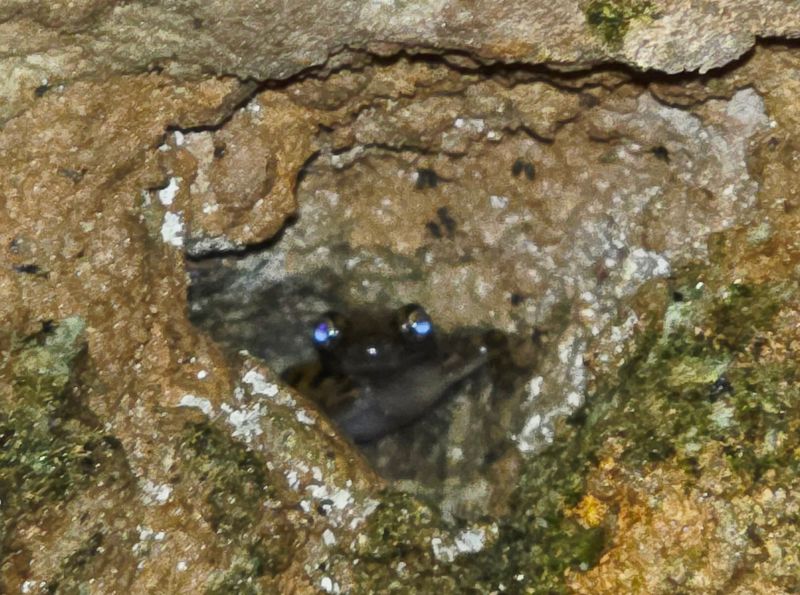
Small residents share Onyx Cave with its human guests. Several species of bats live here, along with salamanders and spiders.
You will not see a parade of animals on every tour. Sometimes visitors spot a single bat tucked into the rock.
Other times a tiny frog or salamander shows up near damp spots.
Guides often point out these creatures when they appear. They also explain how each animal survives in darkness and cool, wet air.
Salamanders, for example, need moisture to keep their skin healthy.
Treat any animal you spot with respect. Look, take a quiet photo if you like, but never touch.
Bats in particular should be left alone so they can rest.
I find it interesting that a cave this close to a busy tourist town still supports wildlife. It shows how important these underground spaces are.
Spotting a living thing in the dark is a fun bonus for kids. It turns a rock walk into a small nature hunt.
Above ground, though, the most famous animals at Onyx Cave have fur, whiskers, and a fondness for visitors.
Meet Onyx and Flowstone, the Furry Staff
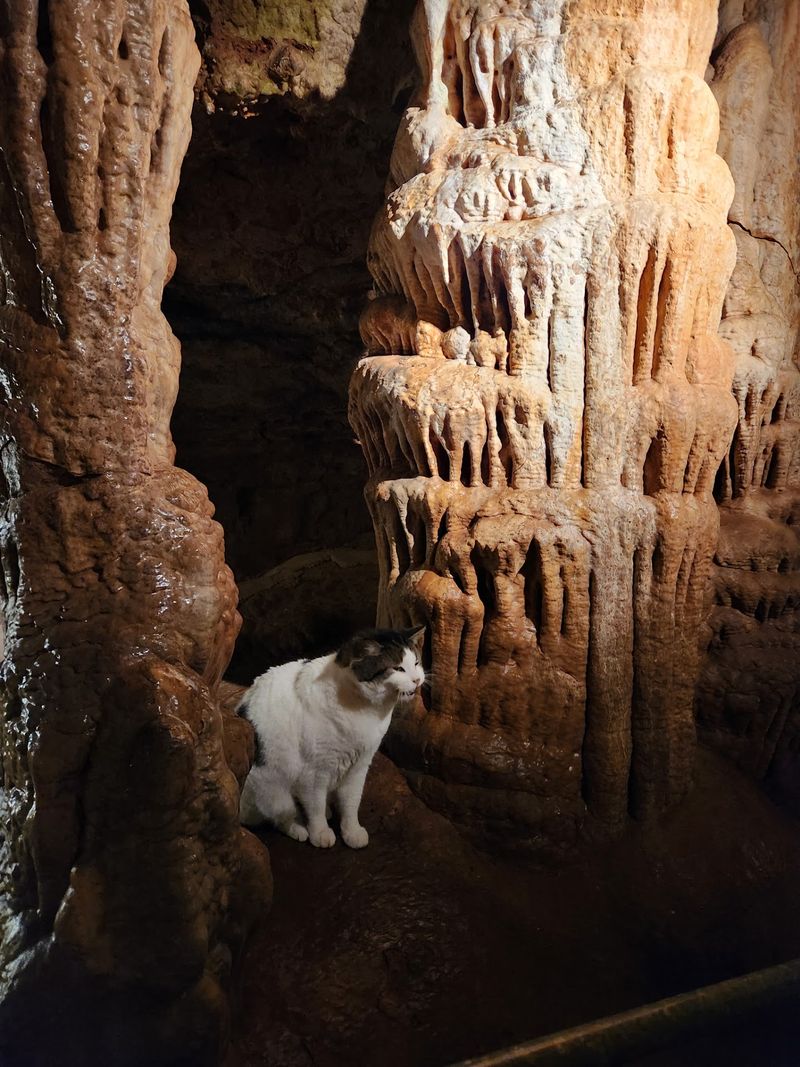
Not every attraction has cats on the payroll, at least in spirit. Onyx Cave has two, named Onyx and Flowstone, and they often hang around the visitor center.
Their names come straight from the cave. Onyx matches the attraction itself.
Flowstone is a type of formation made when water flows over rock and leaves mineral layers behind.
The cats are known for being friendly with guests. Some visitors have even had one follow them along part of the walk.
Animal lovers tend to remember them as much as the formations.
If your kids are nervous about going underground, meeting the cats first can help. A few friendly pets make the whole place feel relaxed and welcoming.
Of course, these are working cats with their own schedules. They may be napping when you arrive.
Let them come to you rather than chasing them.
I like little touches like this. They give a roadside attraction a personality you cannot find at bigger, busier sites.
The cats may steal some attention, but the cave has its own celebrity story. It once appeared on screen.
A Movie Set Made of Limestone
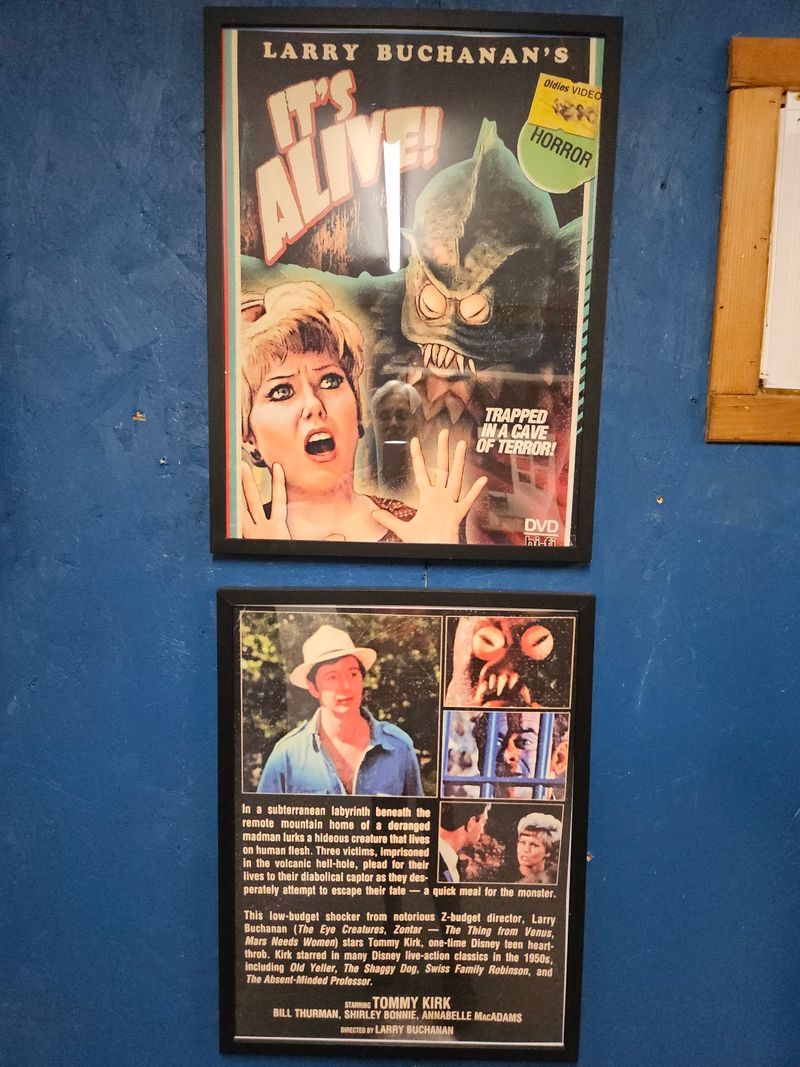
Hollywood rarely heads to the Ozarks for blockbuster films. Still, a low-budget movie was filmed inside Onyx Cave, and the attraction has fun with that piece of its past.
A small museum on site shares information about the film along with cave history. It is often described as a z-rated movie, which tells you it was no award winner.
That honesty is part of the charm.
The museum also covers how humans have left their mark on the cave over the years. You can learn about early tours that began in 1893 and how the site changed over time.
Spend a few minutes here before or after your tour. The exhibits help explain what you see underground.
They also add a dose of humor to a science-heavy visit.
I enjoy finding out that a quiet cave has a quirky pop culture side. It gives you a great story to tell friends back home.
Movies come and go, though. The next stop shows something far older than any film reel: a spring and a curious tale about bathing.
The Blue Spring and the Bathing Lady
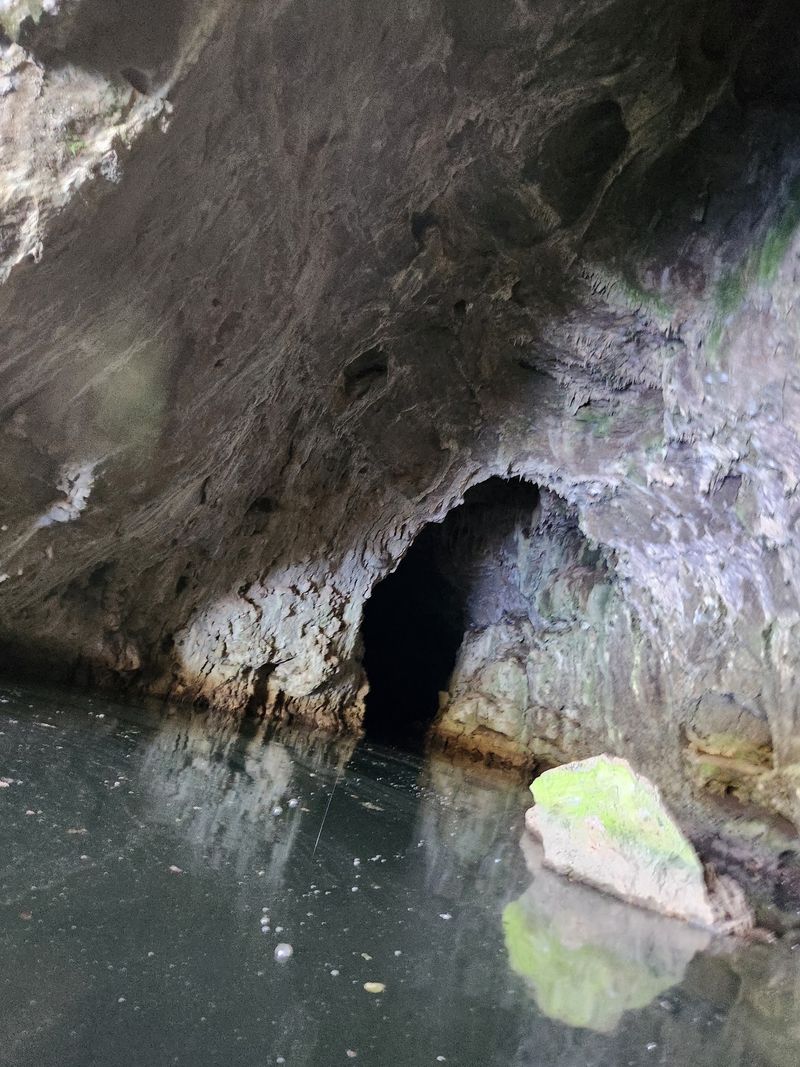
Deep inside the cave, a pool of water glows a pretty shade of blue. This spring is one of the sights that visitors talk about after the tour.
Eureka Springs built its early fame on springs. People once believed the waters in the area could help their health.
So it makes sense that cave water drew attention too.
Tours share the story of a lady who used to bathe at the base of the cave. Guides tell the tale as part of the cave’s human history.
It is a reminder that people saw these waters as special long ago.
Guides also mention a 24-foot waterfall connected to the cave. You may not see it in person, but hearing about it shows how much water moves through this hidden system.
Please do not touch the water or formations. Oils from skin can damage minerals that took ages to form.
Photos of the blue spring turn out well with a steady hand. Turn off your flash if the reflection looks harsh.
After all that time underground, it might be nice to stretch your arms with something more active.
Gem Panning, Axe Throwing, and Shopping
Kids light up when shiny stones appear in a sluice tray. Gem panning at Onyx Cave gives young visitors that thrill without needing a mine.
You pour a bag of material into running water and sift it. Small rocks and gems show up as the dirt washes away.
It is easy, hands-on, and a nice break from walking.
Older visitors can try axe throwing on site. It is a surprising activity to find at a cave, but it adds variety to the stop.
Follow staff instructions carefully for safety.
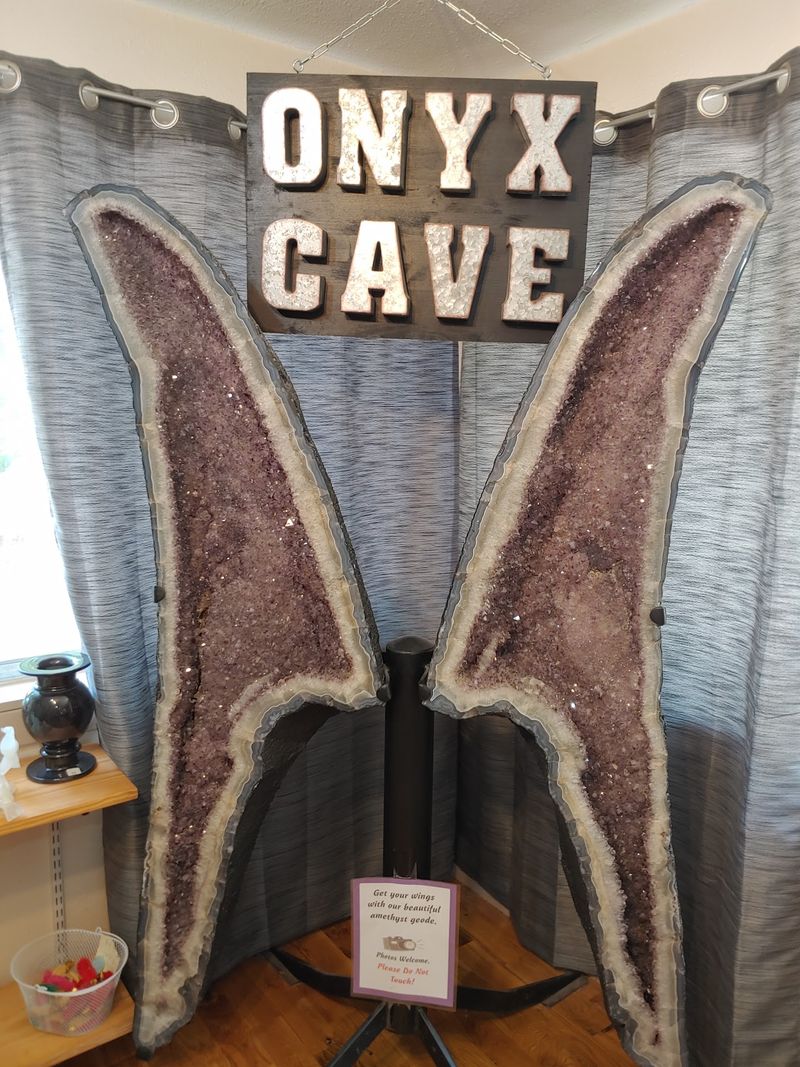
The gift shop sits near the entrance and carries stones, crystals, and small souvenirs. Plenty of people browse here while waiting for a guided tour to start.
Restrooms are available, which parents will appreciate. Planning a bathroom stop before going underground is a smart move.
I would save a little time for these extras. They turn a short cave visit into a fuller outing, especially for families.
Before you head in for any of it, though, there are a few practical things you should know about the path.
Smart Tips Before You Head Underground
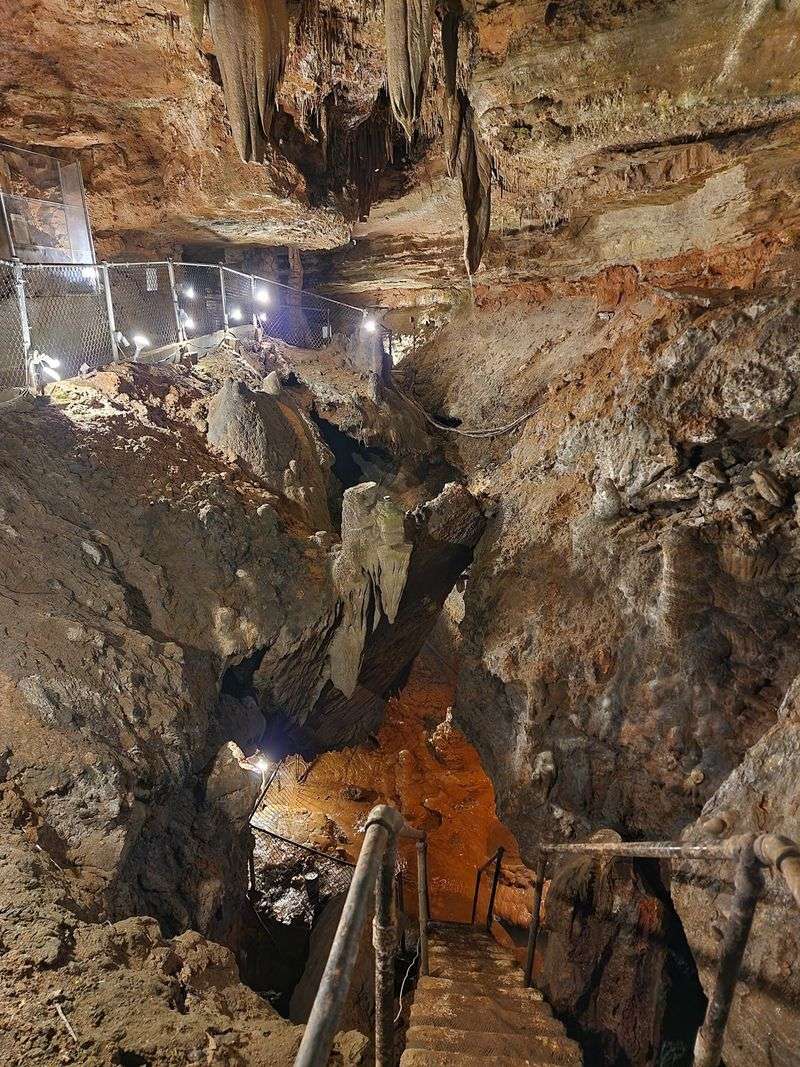
Good shoes matter more than you might expect. The walk from the parking area to the shop and cave entrance includes some climbing.
Inside, a few steps are steep and narrow, and some surfaces stay wet. Most people handle the path fine.
Still, anyone who struggles with tight spaces or steep stairs should think carefully first.
Onyx Cave is open every day, usually from 10 in the morning until 4 in the afternoon. Arriving earlier gives you a better shot at a shorter wait, especially on weekends.
Bring a light layer for the cool air. A phone or camera is welcome too, since photography is allowed throughout the tour.
Decide ahead of time whether you want the short self-guided tour or the longer combo. Families with small children may prefer the quicker option, while curious teens often enjoy the extra areas.
The quiet country setting outside Eureka Springs makes the drive pleasant. Give yourself time to enjoy it.
Since 1893, explorers have walked this same rock. I like knowing that every visit adds one more set of footsteps to that long, slow-moving story.
Share this story