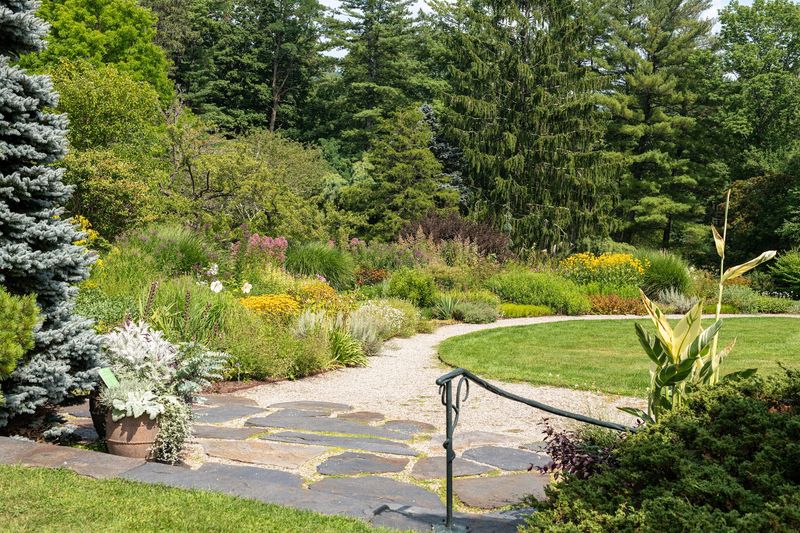
Tucked into a quiet corner of western Massachusetts sits a place where people tend to slow their steps without meaning to. Spread across acres of themed beds, ponds, and winding paths, it invites a kind of wandering that clears the mind and softens a busy day. Regulars mention arriving frazzled and leaving lighter, and the mix of hedge sculptures, hidden nooks, and rotating art keeps every visit fresh. Best part for locals watching their wallets?
The admission stays reasonable, parking is free, and it sits minutes from downtown charm. Keep reading to learn where it hides, what to look for, and how to plan a low-cost day that feels far bigger than the drive it takes to get there.
The Stockbridge Address Locals Keep Close
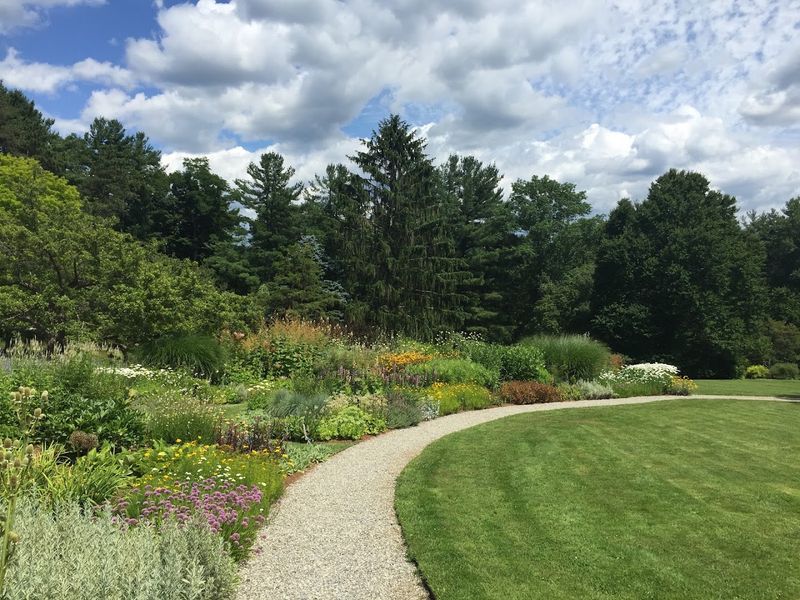
Berkshire Botanical Garden sits at 5 W Stockbridge Rd in Stockbridge, Massachusetts, just minutes from the town’s well-known main street.
The grounds spread across roughly 15 to 24 acres of flower beds, ponds, and strolling paths, split across two sides of the road. You pay on the parking lot side, then cross a marked crosswalk to reach most of the gardens.
What makes it click for Massachusetts residents is the easy reach. It is simple to find, parking is free on site, and you can build a whole afternoon around it without a long haul or a big budget.
Many people plan on about two hours to take it in at a relaxed pace. There are plenty of benches and quiet corners to sit, so nobody has to rush from one bed to the next.
Holding a 4.5-star average across more than 900 opinions, it has earned a loyal following among people who like their outings green, calm, and close to home. For a spot this peaceful, the location feels almost too convenient.
A Garden Split Across the Road
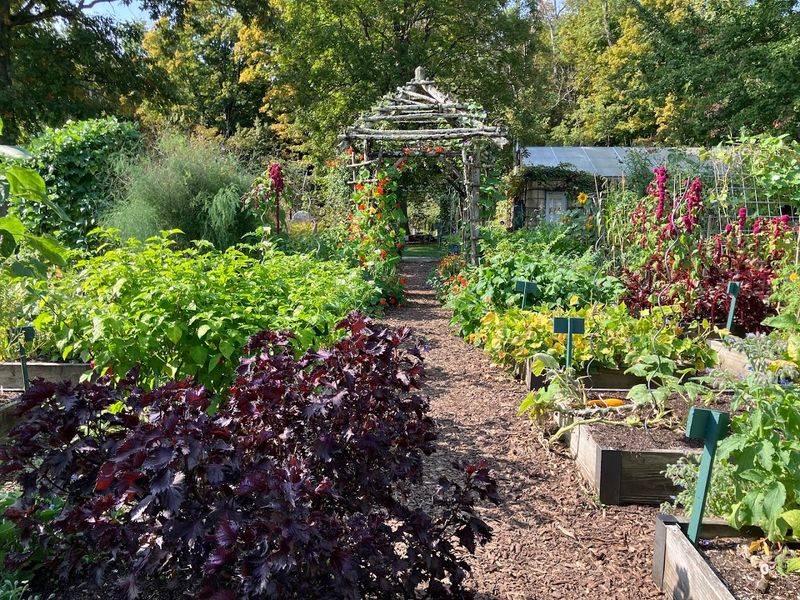
One quirk sets this place apart from the moment you arrive: the gardens live on both sides of West Stockbridge Road.
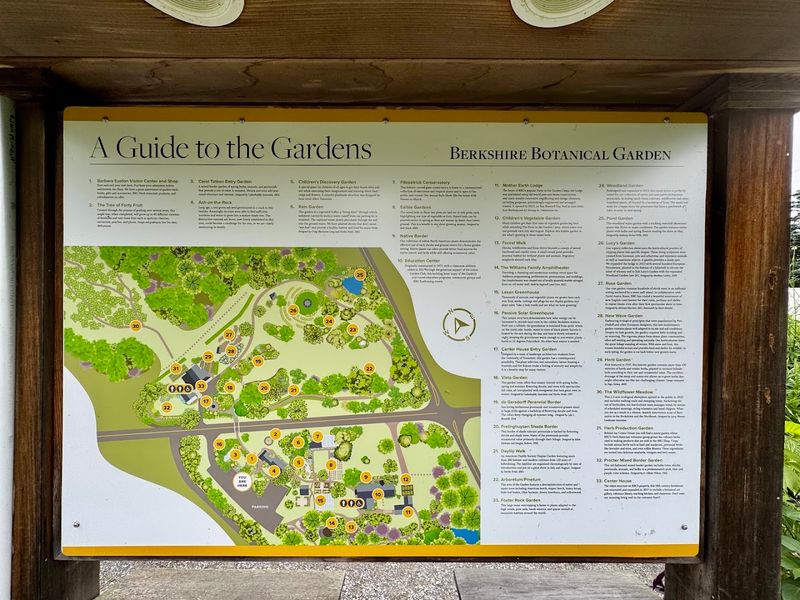
The parking lot side holds the ticketing area, along with a children’s section and a day camp space. Cross the street and you reach the larger stretch, a series of greenery-enclosed gardens with plenty of seating tucked throughout.
A crosswalk connects the two, though regulars suggest finishing one side fully before heading to the other. It keeps road crossings to a minimum and lets you settle into each area without backtracking.
The layout rewards curiosity. Little hidden pockets turn up as you wander, and the split design gives the whole visit a sense of discovery rather than a straight march through a single field.
Some folks like to grab a map at the visitor center, while others prefer to roam and let the paths surprise them. Either way works. The two-sided setup means there is always another corner waiting once you think you have seen it all.
Themed Beds With Something for Every Mood
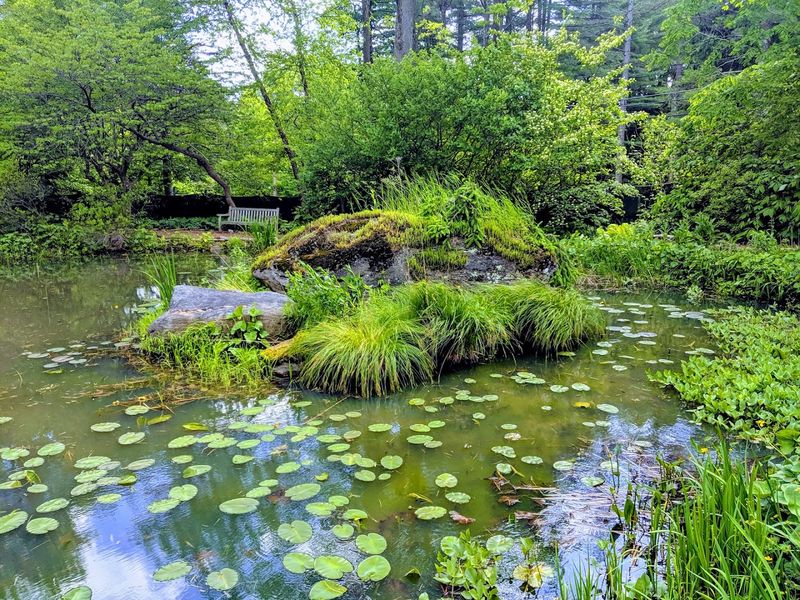
Variety is the calling card here, and the themed gardens deliver it in spades.
Walkers often single out the Vista Garden, Rock Garden, Rose Garden, and Pond Garden as standouts. A vibrant Wildflower Meadow adds a looser, wilder feel, and a short woodland walk gives the whole property a natural, unmanicured edge.
Dozens of distinct gardens mean the scenery shifts as you move. One moment you are among ornamental plants and rock features, the next you are near still water or a meadow that hums with color in the warmer months.
The mix pulls in plant lovers and casual strollers alike. Gardeners come to gather ideas about what grows well in New England, comparing vegetable plots and herb beds against their own at home.
Because so much of the property lives outdoors, the experience leans on the season. A late-spring or summer visit tends to show the beds at their fullest, when the daylilies and other blooms take their turn in the spotlight. Come at the right time and the diversity alone can eat up a couple of easy hours.
The Lost Bird Project Hidden Among the Greenery
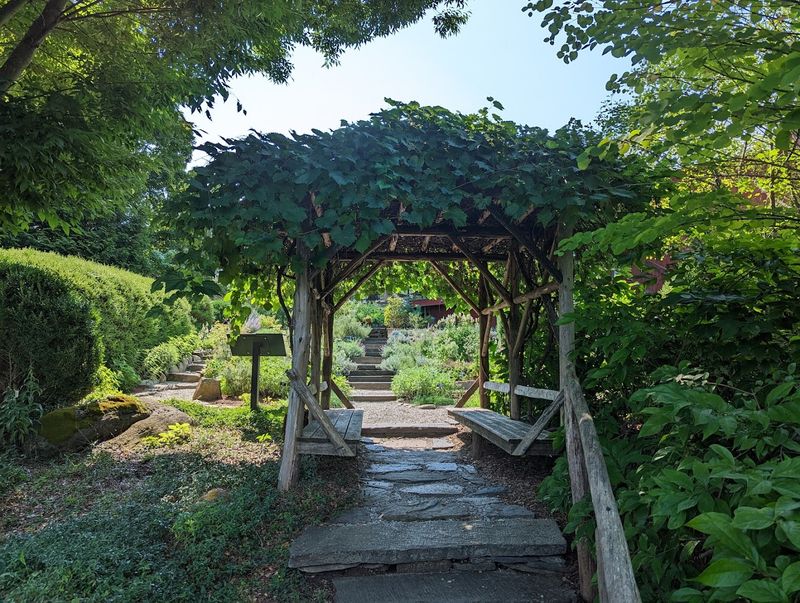
Scattered through the grounds, you may spot bronze statues of birds that no longer roam North America.
Known as the Lost Bird Project, these sculptures honor species that once lived across the continent. The Carolina parakeet and passenger pigeon are among the figures that visitors find quietly tucked into the beds.
The effect is thoughtful rather than heavy. As you round a corner, a statue appears, and it nudges you to pause and consider the story behind it. Some of these figures stay out through winter, keeping the gardens company when the blooms fade.
The project has paired well with rotating exhibits inside. At times, cards and displays have explained the history of these species in more detail, adding a layer of learning to a walk that already feels restful.
It is the kind of touch that lingers after you leave. A garden this pretty could coast on flowers alone, yet these sculptures give the space a bit of soul and a reason to slow down and reflect. For anyone who likes a walk with meaning woven in, they are worth seeking out.
Greenhouses and the Center House Museum
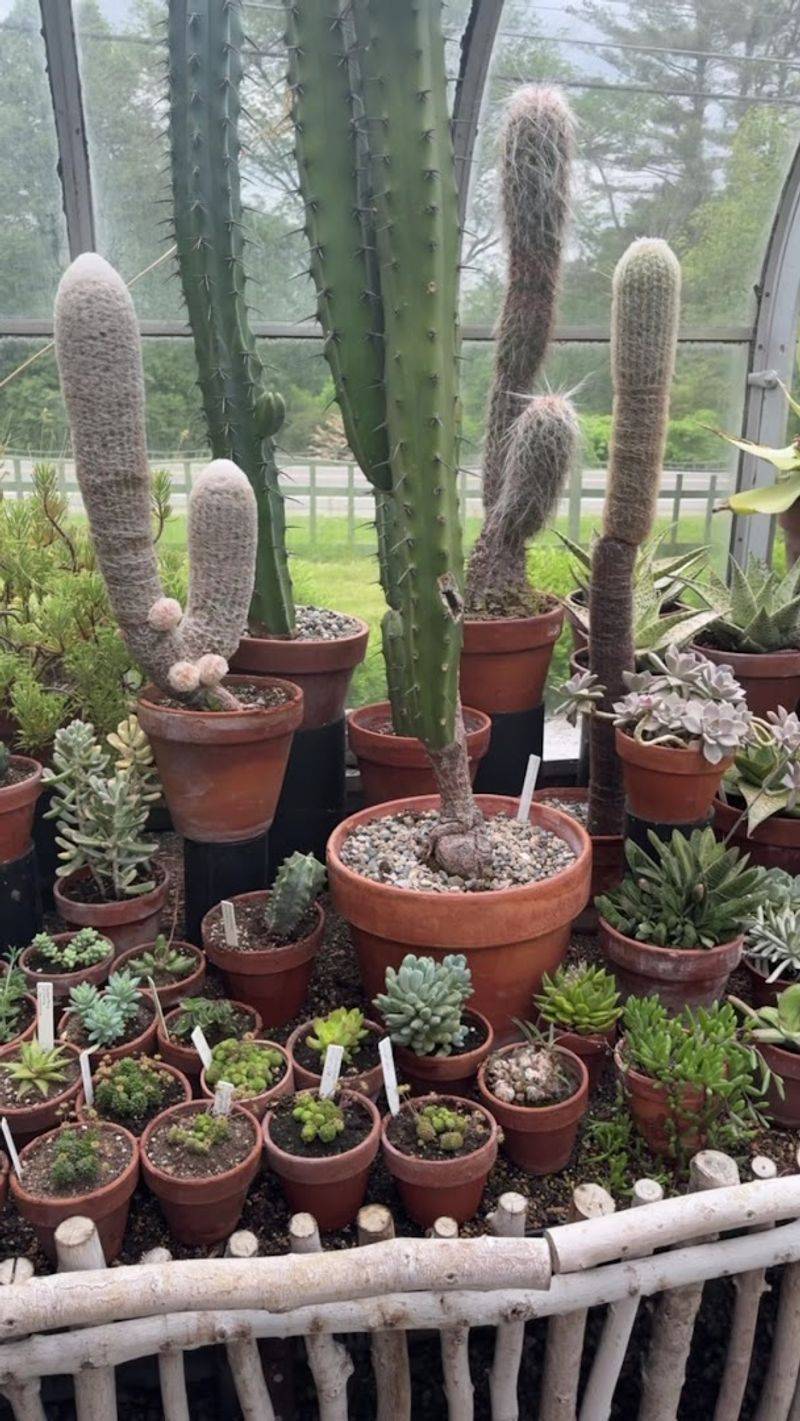
When the outdoor beds rest between seasons, the indoor spaces pick up the slack.
A few greenhouses hold an assortment of plants, with interesting varieties that lean toward the educational. They give the property a place to shine even on a cooler day, and there has been talk of a larger greenhouse meant to help the garden stay open year-round.
Then there is the Center House, a small indoor museum on the property. It displays artwork and shares more background on the bird sculptures out in the gardens, tying the whole visit together under one roof.
The Center House also handles the practical stuff. It offers public restrooms, and the visitor center nearby keeps drinks, snacks, and a small gift shop with a handful of pleasant items.
These indoor stops make the outing more flexible. If the weather turns or you simply want a break from the paths, you can duck inside, learn something new, and still feel like part of the experience. It is a smart way to stretch a visit beyond the beds themselves.
Rotating Art That Surprises You
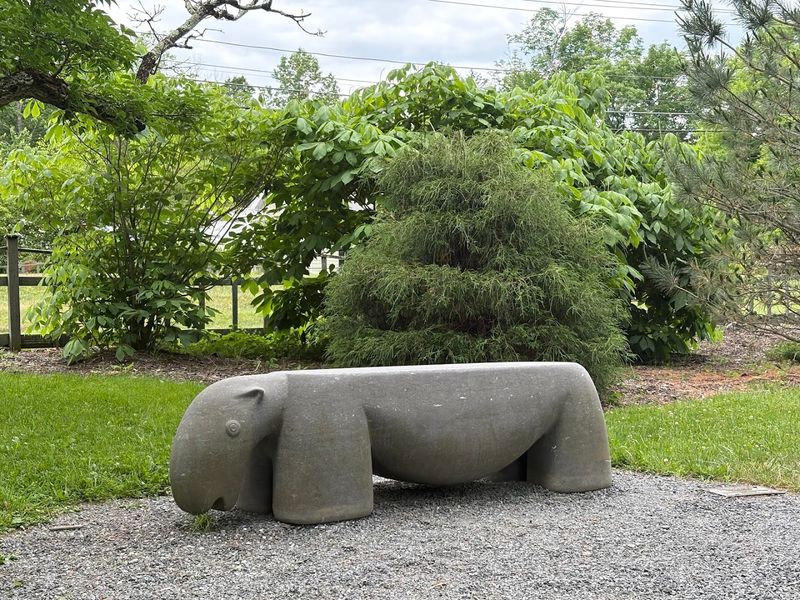
Beyond the plants, art keeps turning up in unexpected ways at this Stockbridge landmark.
Guests have stumbled onto sculpture showcases from visiting artists, and indoor galleries have featured everything from bird photography and paintings to works made using flowers, plants, and natural fibers dyed with plant-based colors. There has even been a caterpillar lab where different species could be viewed up close.
The exhibits change, which is part of the fun. You may arrive planning a plain garden stroll and leave having caught a show you never expected, and that element of surprise keeps people curious about what will be on next.
A living green wall inside the arts center has drawn attention too, blending the garden theme right into the walls. Sculptures shaped from bushes, including chairs you can actually sit in, blur the line between plant and artwork out in the open air.
For a place rooted in horticulture, the creative side runs deep. It gives repeat guests a fresh reason to return, since the flowers may follow the seasons but the art rewrites itself throughout the year. That mix of nature and gallery is a big part of the charm.
A Kid-Friendly Side With Room to Roam
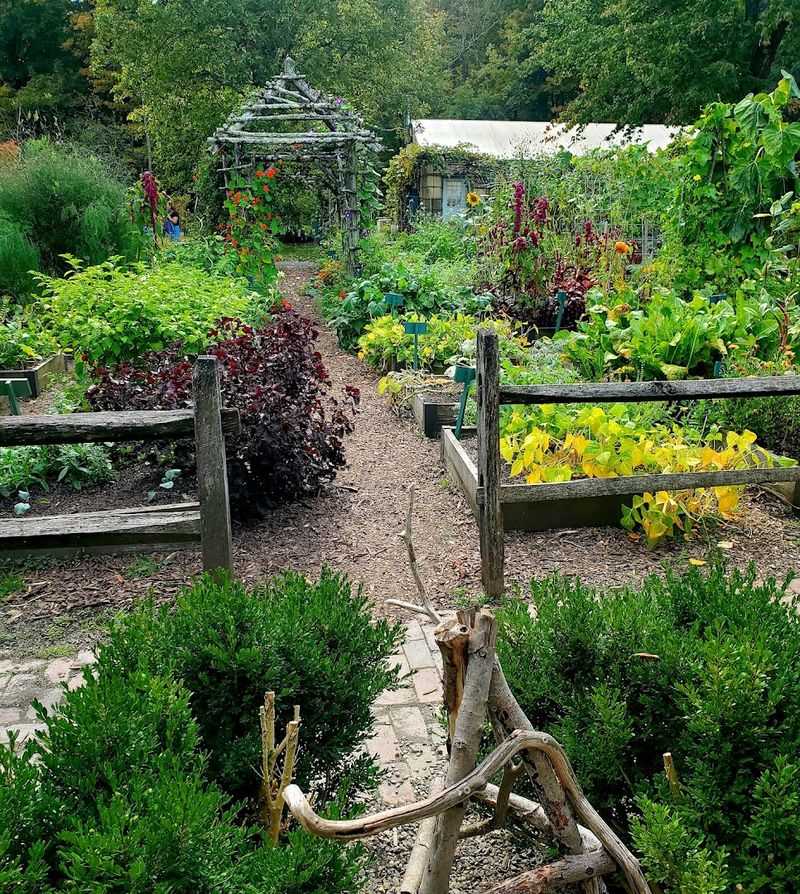
Families get their own slice of the property, and it is more than an afterthought.
The parking lot side holds a children’s garden and a day camp area, giving younger guests a space designed with them in mind. Across the road, hedge sculptures and a scattering of hidden nooks turn the grounds into a low-key treasure hunt for curious little ones.
Parents tend to appreciate how easy the whole place is to navigate. The paths are simple to walk, seating is plentiful, and there is enough variety to keep short attention spans busy without anyone getting overwhelmed.
Vegetable and herb gardens add a hands-on angle for kids who like to see where food comes from. Comparing how these beds are laid out can spark ideas for a small home garden back in the yard.
Because the grounds are compact yet packed with different areas, a family can cover a lot without exhausting anyone. It suits multigenerational outings, where grandparents settle on a bench while the young ones explore. Everyone finds a pace that fits, which is exactly what makes it such an easy day trip.
Timing Your Visit With the Seasons
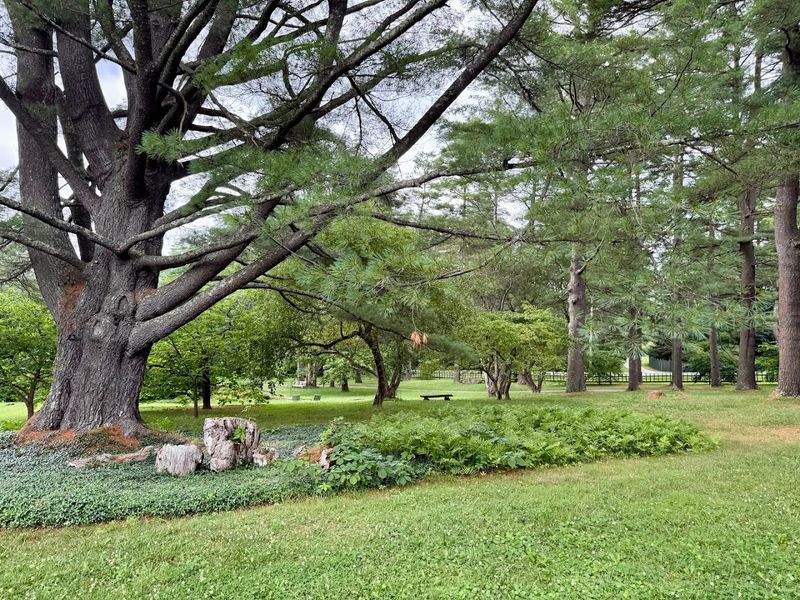
Since most of the beauty grows outdoors, when you show up matters more than at many attractions.
Late April brings budding trees and a daffodil walk that draws early crowds, while late spring can run a touch early for the fuller blooms. Summer and its daylilies tend to reward those who wait, and the property stays lush through the warm months.
Fall carries its own draw. A Harvest festival arrives in the cooler weeks, and around that time the garden may switch to a suggested donation because the grounds are past their peak.
Weather plays a role too. Since so many plants sit in the open air, a bright, mild day shows the gardens at their best, and mornings before the afternoon heat make for a comfortable stroll.
Planning around the season is the local move here. Aim for peak bloom and you catch the color at full strength. Come in the off weeks and you may pay less while still enjoying the greenhouses, art, and quiet paths. Either way, checking what is in flower before you drive out helps you get the most from the trip.
Hours, Admission, and Getting There
Practical details keep this outing firmly in the affordable, low-effort column.
The garden is open daily from 9 AM to 5 PM, seven days a week, which makes it easy to slot into a weekday or weekend plan. It sits right off West Stockbridge Road, simple to find and close to downtown Stockbridge.
Admission runs about $18 per adult, and free parking is available on site. During certain stretches, like the lead-up to the Harvest festival, that figure becomes a suggested donation, so you can pay what feels fair with no pressure at the desk.
There is a real value angle worth knowing. Guests with a Massachusetts EBT card have been able to bring in several people at no cost, which makes the day approachable for more families.
Special events sometimes carry an extra fee, and parking can get tight when festival vendors are setting up, so a heads-up helps. Tickets are simple to buy on arrival, and the staff have a reputation for being friendly and helpful with maps and the phone audio guide. All told, it is an easy trip to plan and an easy one on the wallet.
Why It Leaves People Feeling Lighter
What keeps drawing people back is harder to bottle than any single feature.
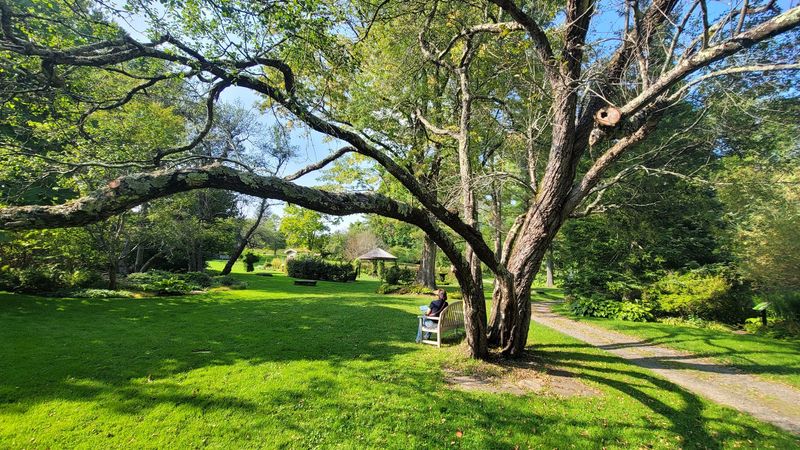
The overall feel leans calm and grounding. Guests describe slowing down without trying, taking in the colors and textures and quiet, and finding small moments of joy in corners like the herb garden or the wish tree, a gentle space that invites a pause and a bit of reflection.
Not every day lands the same, and honesty helps here. During off-peak stretches, some beds can look overgrown, labeling varies, and a few folks feel the price runs a little high when they are short on time. Going during peak season and giving yourself a couple of hours tends to make all the difference.
Still, the strong 4.5-star reputation speaks to how many people leave content. The blend of themed gardens, thoughtful sculptures, rotating art, and easy access adds up to a day that feels bigger than the modest drive it takes.
For Massachusetts residents hunting a peaceful escape close to home, this Stockbridge retreat is an easy recommendation. Come when the blooms are up, wander at your own pace, and there is a good chance you head home a little lighter than you arrived.
Share this story