Right in the middle of Boston sits a building that looks ordinary from the sidewalk and then completely surprises you the second you walk inside. Behind those plain outer walls waits a sunlit courtyard filled with flowers, four floors packed with centuries of art, and a few empty picture frames that hold one of the biggest unsolved mysteries in the art world.
It was designed by a woman who wanted her collection and her home to belong to everyone, arranged exactly the way she liked it rather than in tidy rows. Locals treat it as one of the most unusual places to spend an afternoon close to home.
Keep reading to find out what makes this spot so special, why the courtyard steals the show, and how to visit without paying full price.
A Hidden Palace on Evans Way
Tucked into Boston’s Fenway neighborhood at 25 Evans Way, Boston, Massachusetts, the Isabella Stewart Gardner Museum keeps a low profile from the outside. Nothing about the street view prepares you for what waits behind the doors.
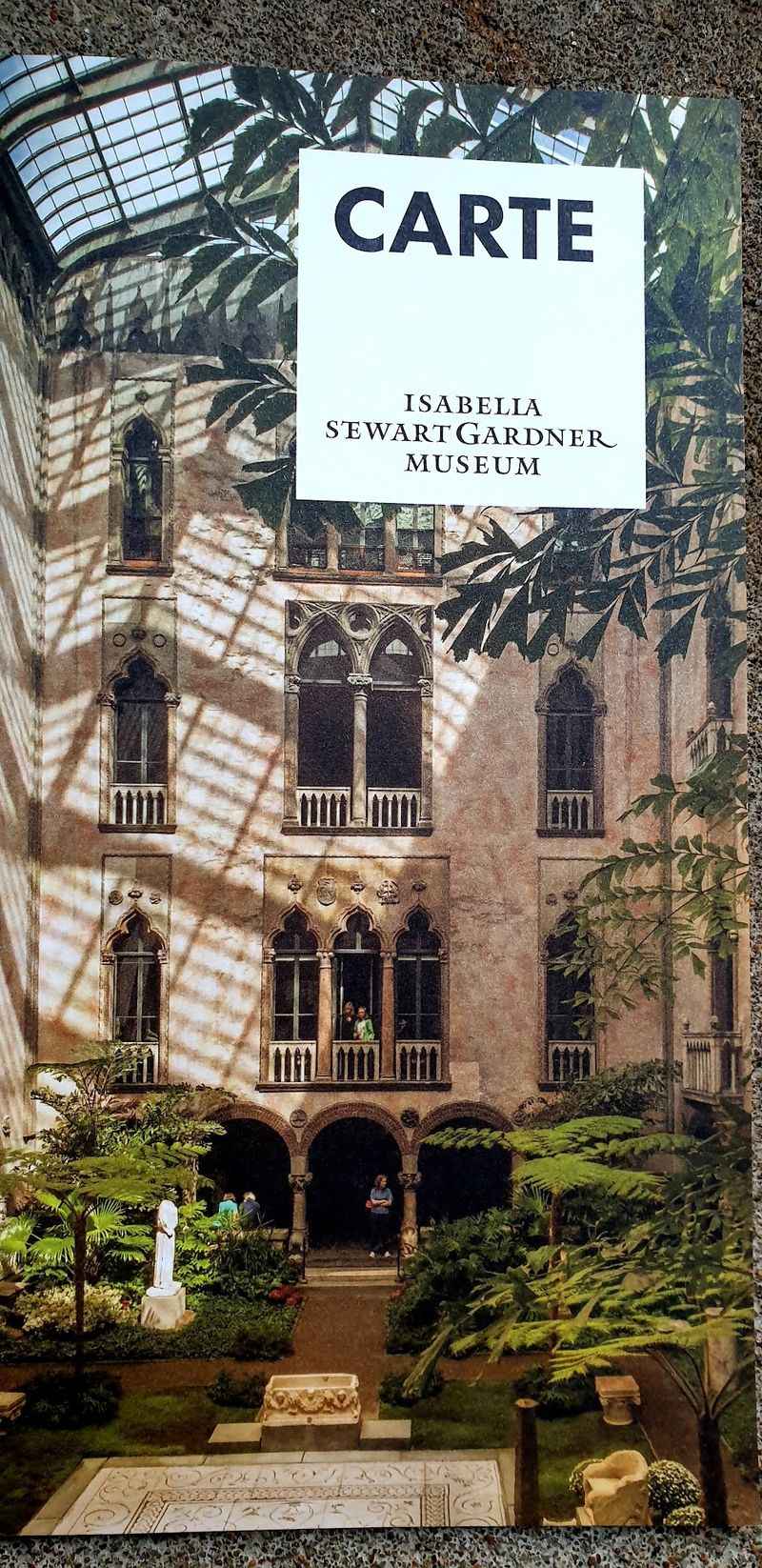
The building was designed to feel like a 15th-century Venetian palace, and once you step past the entrance, the ordinary city seems to disappear. Rooms wrap around a central courtyard, and the whole layout pulls you upward floor by floor.
Regulars often mention that the contrast between the plain exterior and the rich interior is half the fun. What you see from the sidewalk and what you experience once inside are two completely different things.
It sits close to the Museum of Fine Arts, so many people fold both into a single day out. With a rating of 4.7 stars across more than 11,000 reviews, it has clearly earned a spot near the top of the city’s art scene.
For Massachusetts residents looking for something unexpected without traveling far, this is about as good as it gets.
The Woman Who Built It All
Behind every room and every carefully hung painting stands Isabella Stewart Gardner herself, a passionate collector who gathered art from across the world and turned her home into a public treasure. She wanted her collection to be enjoyed by everyone, and she made that happen.
What sets her apart is how personal her vision was. Rather than handing the arranging over to specialists, she placed pieces herself, following her own instincts about what belonged next to what.
Visitors often say the museum feels less like a public institution and more like being a guest in her home. Letters written to her are part of the story too, and people who love the history behind places tend to find her especially fascinating.
She even left detailed instructions about how her home should be used and displayed after she was gone. That level of intention is rare, and it gives the whole place a sense of soul.
Learning a little about her before you go makes the visit far richer. Once you know her story, every room starts to feel like a conversation with the person who dreamed it up.
The Courtyard Everyone Falls For
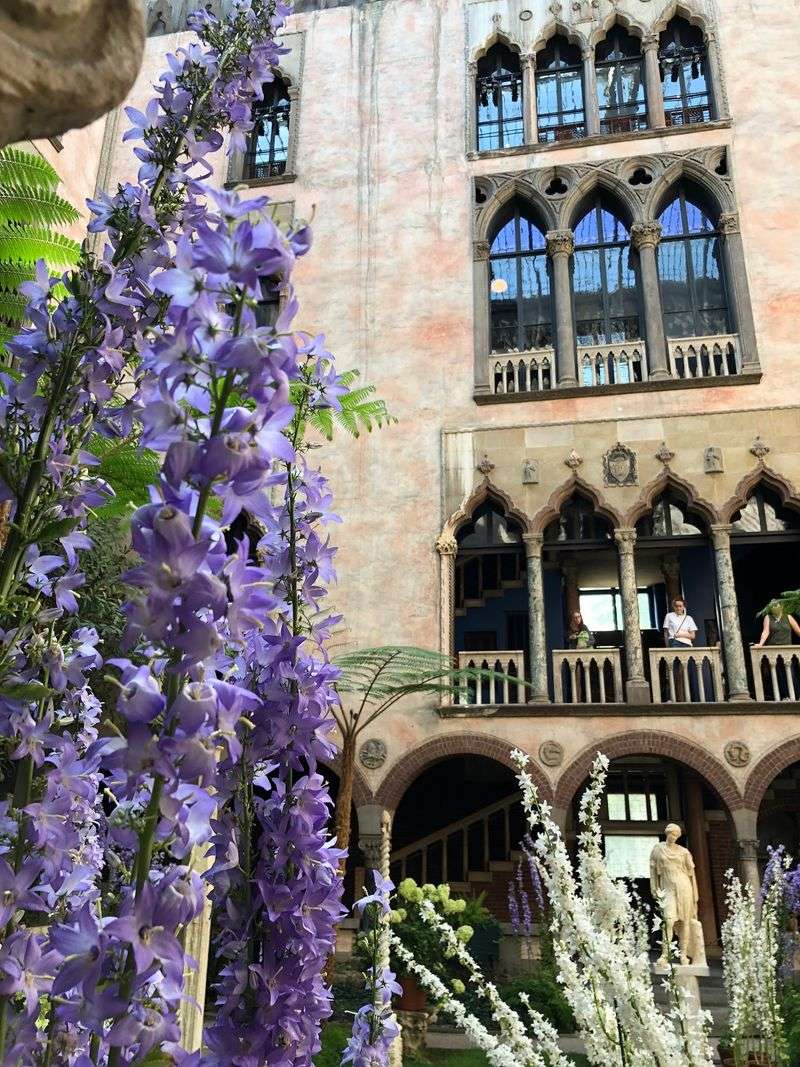
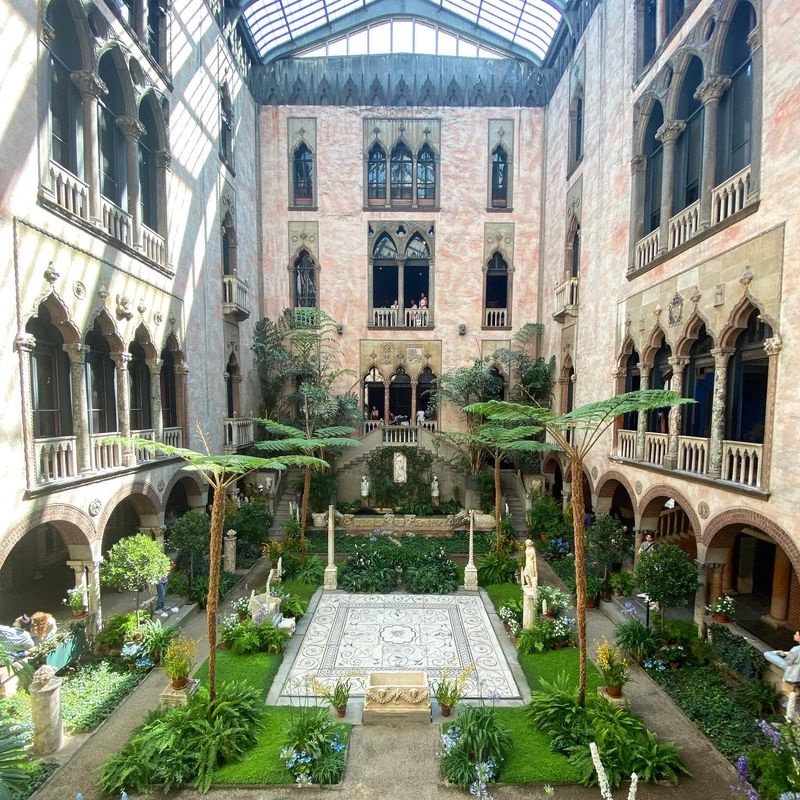
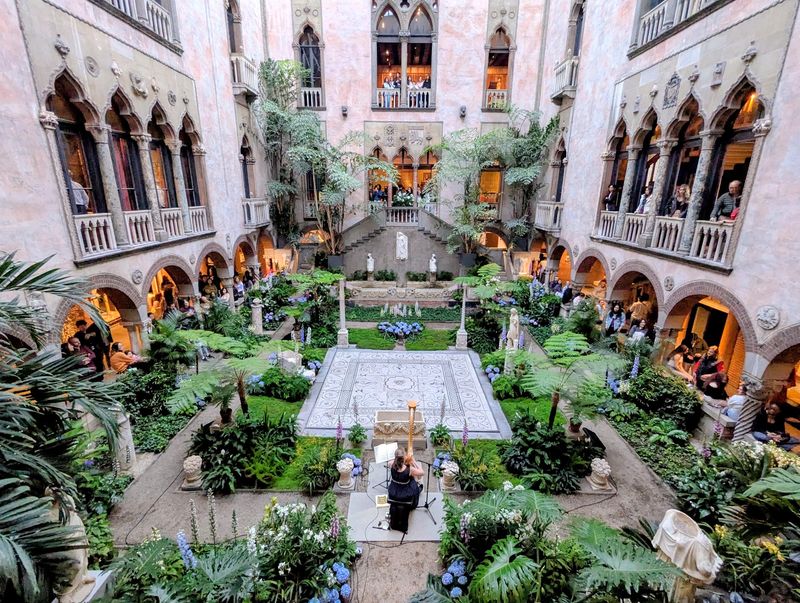
Ask anyone what stole the show and the answer comes back the same: the central courtyard. Flowers, greenery, and Roman sculpture fill a sunlit indoor garden that sits at the very heart of the building.
People describe it as the crown jewel, and for good reason. As you spiral your way up through the floors, the courtyard keeps reappearing from new angles, so you never quite lose sight of it.
Blue flowers, lush plants, and natural light turn what could have been a dusty old manor into a bright, living space. Many find it the most beautiful garden they have seen inside any museum.
Seasonal displays keep things changing, and lucky guests sometimes catch the famous Hanging Nasturtiums when they are placed. Some people settle in nearby to read or draw, treating the space like a quiet oasis in the middle of the city.
For the best photos without crowds, regulars suggest heading straight to the top floor overlooking the courtyard as soon as the doors open. The view down is worth the early start.
The Empty Frames and a Famous Mystery
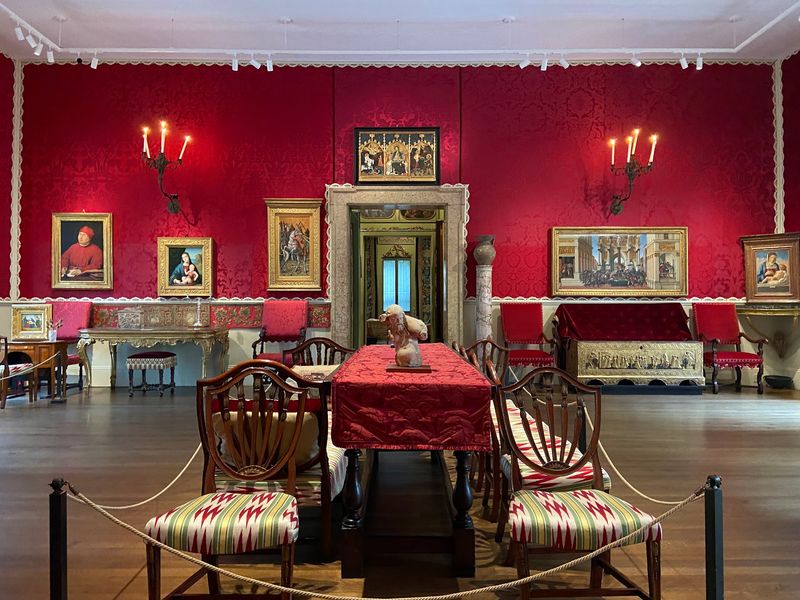
Not every wall here is full, and that is on purpose. Back in 1990, thieves pulled off one of the most infamous art heists in history, taking 13 works valued at around $500 million that remain missing to this day.
Instead of quietly hiding the gaps, the museum left the empty frames hanging in place. Those blank spaces mark exactly where the stolen pieces once lived.
Seeing them in person adds a mysterious layer to the visit that surprises a lot of people. There is something haunting about standing in front of a frame with nothing inside and knowing the story behind it.
Longtime fans often trade hopes that the works will someday be recovered and returned. Until then, the empty frames have become a strange kind of attraction all their own.
If you know the tale before you arrive, spotting them turns into a small treasure hunt. It is history and unsolved mystery rolled into one quiet corner, and it sticks with you long after you leave.
A Collection That Spans Centuries
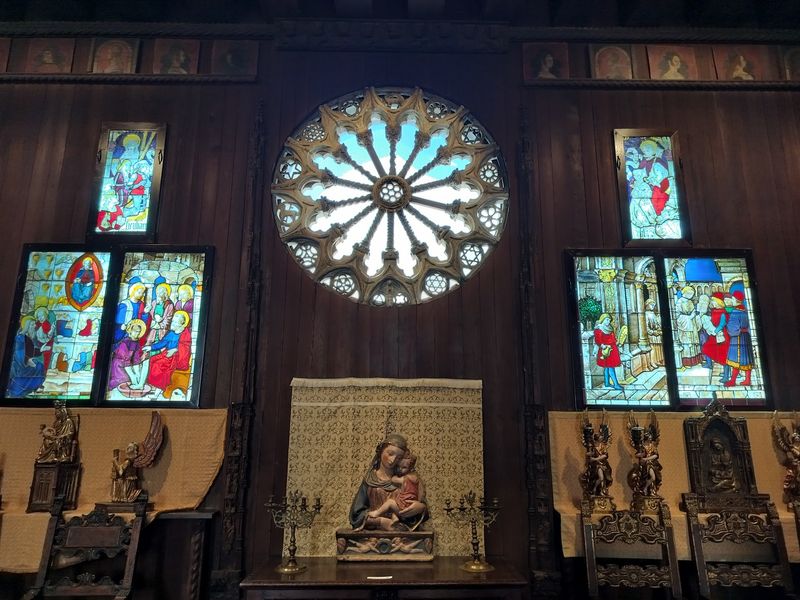
Four floors of the old building brim with so much art that a single visit barely scratches the surface. Original paintings by Rembrandt, Botticelli, Rubens, and Titian hang alongside sculptures, textiles, and treasures gathered from many corners of the globe.
The variety is genuinely startling. A 12th-century French stained glass window from an old church shares space with Gobelin tapestries from Italian palaces, Buddhist statues, and Japanese swords.
People who have never made it to Europe often say the collection gives them a taste of centuries of art all under one roof. The Dutch Room holds a Rembrandt self-portrait that draws steady attention.
Massive works make an impression too, like the enormous El Jaleo painting that stretches roughly seven feet tall and eleven feet wide. Its scale is the kind of thing you can only really appreciate standing in front of it.
Because so much is packed into every room, from the floors to the ceilings, there is always another detail waiting to be noticed. Slow down and you will keep discovering more.
Curated by Whim, Not by Category
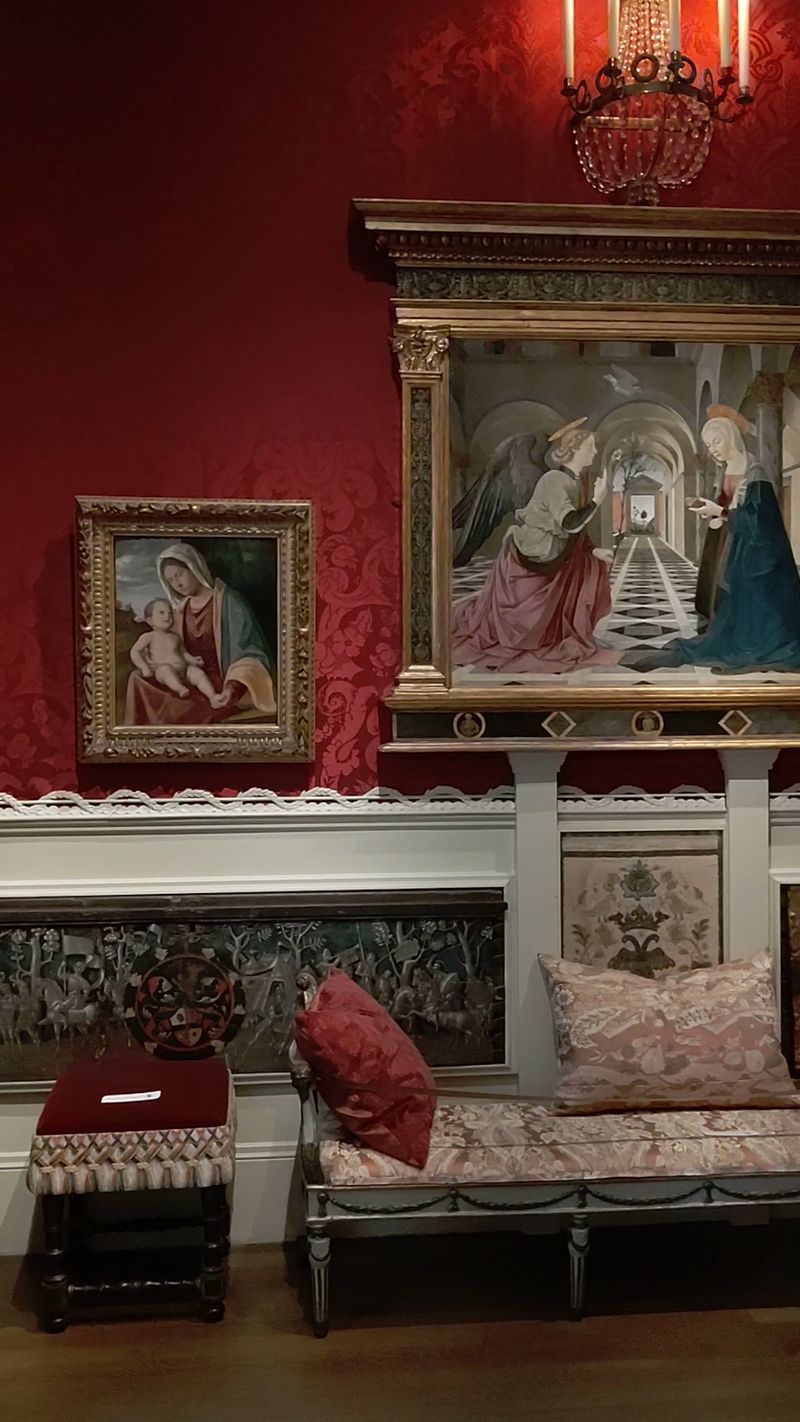
Forget the tidy, chronological setup you find at most galleries. Here the art is arranged by Isabella’s own instincts, grouped by how the pieces feel together rather than by era or style.
That approach makes the whole place feel unified and personal. Paintings, ancient textiles, and bright colors coexist in a way that feels like a quiet conversation between the objects.
People who normally find museums stiff often warm to this one fast. The fluid, artistic layout lets you discover unexpected connections between art and history on your own.
She was known for placing her favorite pieces right beside the windows, so wandering along those spots can turn up small surprises. A few extra minutes near the light often pays off.
Even folks who are unsure whether they enjoy art museums at all tend to leave impressed. The curation has a heartbeat to it, and that makes all the difference.
It is less a lesson and more an experience that unfolds room by room.
Rooms With Their Own Personalities
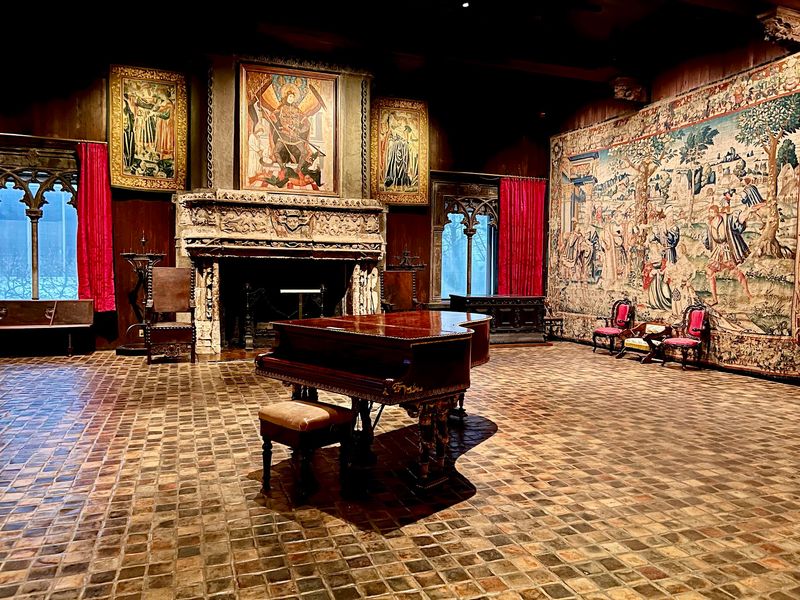
Wander from one space to the next and you will notice that no two rooms feel alike. Each floor carries its own character, and every room offers something new to explore.
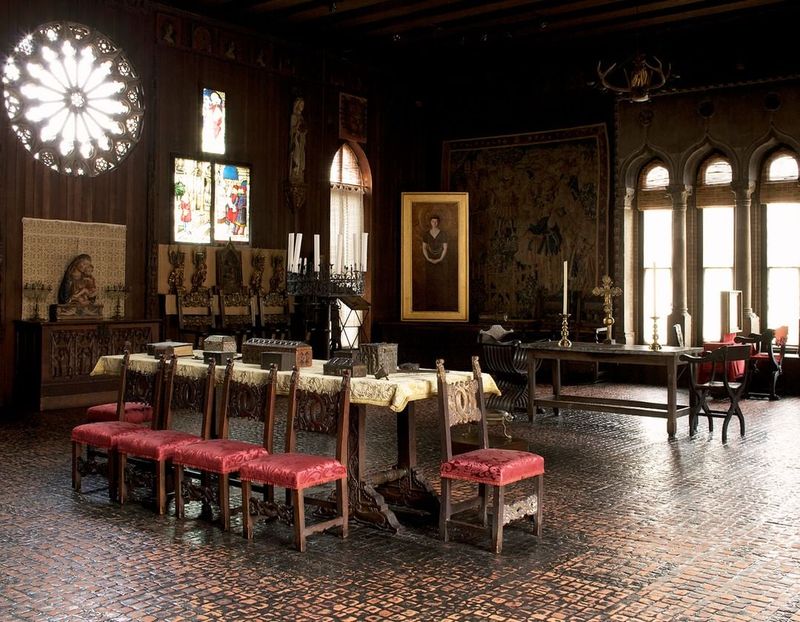
Rich mahogany wood and historic textures give many spaces a warmth that modern buildings rarely match. Sun-drenched halls open up alongside more intimate corners, keeping the pace of the visit interesting.
The Dutch Room stands out for its collection, while other rooms lean into textiles, sculpture, or grand paintings. There is a real sense that you are moving through a series of connected worlds rather than one long hallway.
At the moment, the Dutch Room, sometimes called the Netherlands room, has been undergoing work, with word that it may fully return to Isabella’s original vision around 2027. Change is part of the museum’s ongoing story.
Because each space rewards a slow look, most people find they can spend hours here without running out of things to notice. Some even say you could easily stretch it across more than one day.
The Feel of the Place
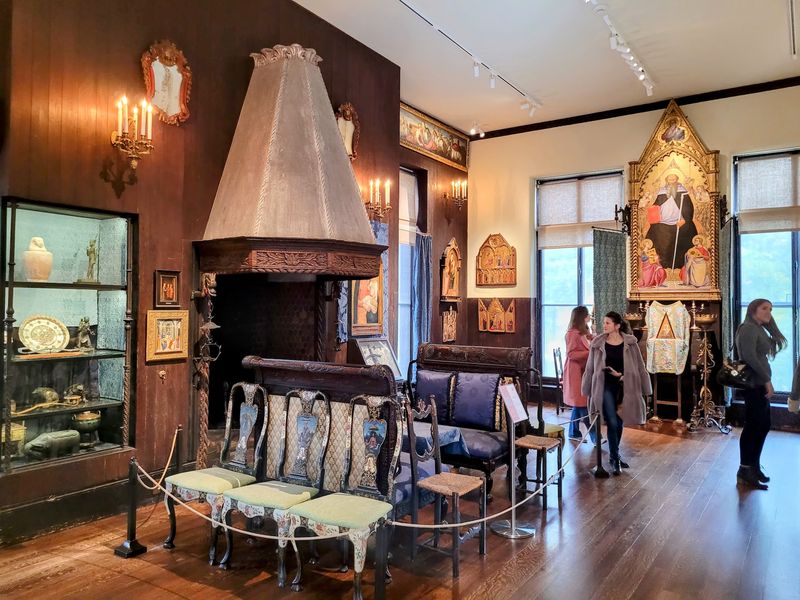
Something about the atmosphere here separates it from a standard gallery outing. People keep calling it an experience rather than just a museum, and that framing fits.
Because the art surrounds you on the floors, walls, ceilings, and throughout the atrium, there is a sense of being immersed rather than simply looking at objects behind ropes. The density can feel overwhelming to some, but most find it captivating.
A nice bonus is how little reading is required. You can drift from piece to piece and take it in at your own pace without wading through long panels of text.
The staff earn steady praise for being friendly and helpful, and a discreet security team keeps the flow smooth. When one area gets too busy, they gently steer people to another spot and let you circle back.
It leans intimate and unhurried, which is why so many walk out calling it one of the best museum experiences they have had. The mood tends to linger long after you head back into the city.
Who Will Love It Most
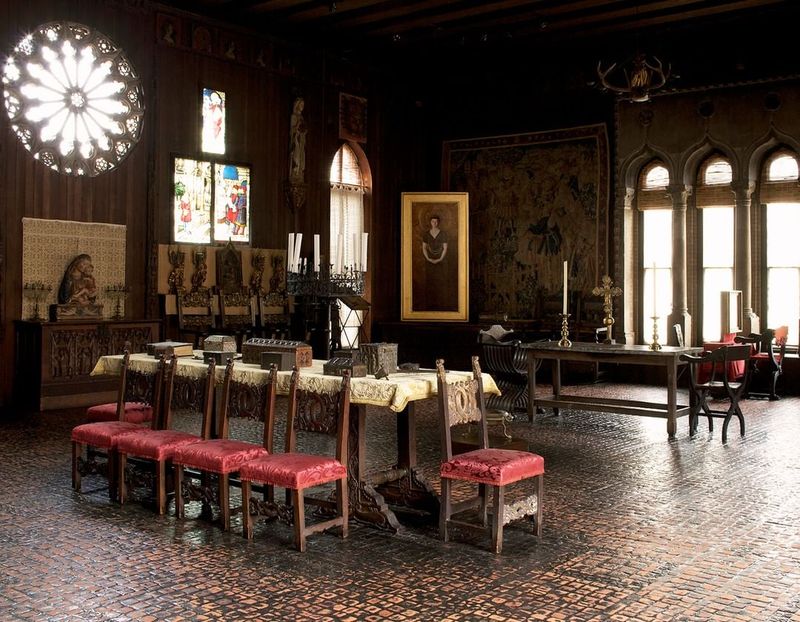
Art lovers are the obvious crowd, but the appeal stretches well beyond them. Anyone drawn to history, architecture, or beautiful old homes will find plenty to hold their attention.
People who like the stories behind places tend to get the most out of it, especially once they read up on the thefts, the previous residents, and the letters written to Isabella. That background turns a nice visit into a memorable one.
Families can enjoy it too, particularly if the kids already have some interest in history or art. That said, several folks suggest holding off on bringing very young children, since many exhibits sit within arm’s reach and three floors make strollers awkward.
The setup works nicely for a shorter, focused outing. The whole thing takes roughly two hours, which leaves room to pair it with another stop nearby if you start early.
Even self-declared skeptics who usually skip art museums often admit this one won them over. It has a way of surprising the people who least expect to like it.
Hours, Tickets, and Getting There
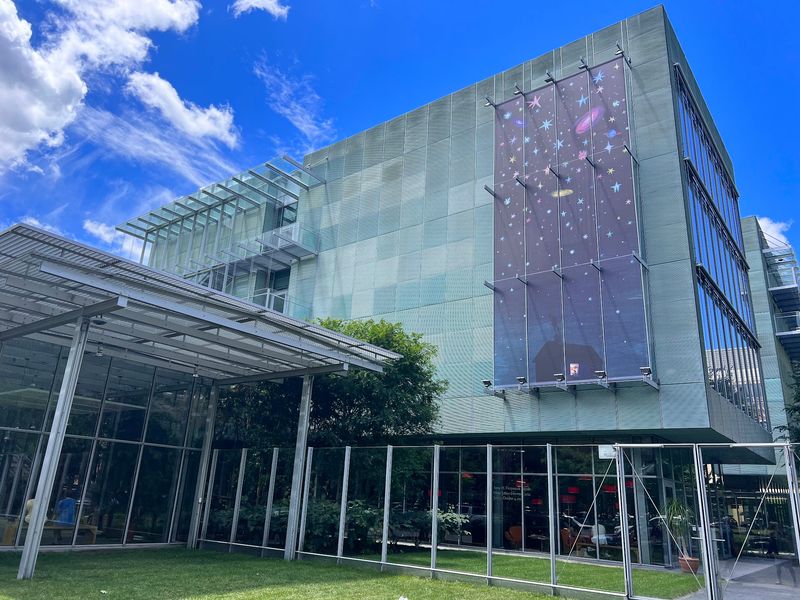
Planning ahead pays off here, starting with the schedule. The museum is closed on Tuesdays and open Wednesday through Monday, with hours running 11 AM to 5 PM most days, a later 11 AM to 9 PM on Thursdays, and earlier 10 AM to 5 PM openings on Saturdays and Sundays.
Regular tickets run about $22 per person, and booking in advance is strongly encouraged since time slots tend to sell out fast. The timed entry keeps the museum from getting overcrowded, so it rarely feels packed even on busier days.
Value seekers have options too. Students and several other groups get discounted rates, and some local libraries offer passes that can drop the price dramatically, in one case down to just $5 per person.
There is no parking on site, but a college garage sits right across the street on the back side, and parking there can be validated inside the museum. The museum is located at 25 Evans Way in Boston, Massachusetts, and can be reached at 617-566-1401.
Free lockers and coat check handle your bags, though food and water are not allowed inside.
Worth the Trip Every Time
Few spots in Boston manage to be this surprising, this personal, and this easy to reach all at once. The plain outside gives no hint of the courtyard, the centuries of art, or the quiet mystery of those empty frames waiting within.
What lingers is the feeling that you walked through something a real person built with love, not a cold institution. That personal touch is exactly why so many people rank it among their favorite museums anywhere.
For Massachusetts residents hunting for an outing that feels far away without actually going far, it delivers in a couple of unhurried hours. Book ahead, chase a discount if you can, and start early to beat the crowds to the top floor.
Whether you go for the paintings, the garden, the history, or the unsolved heist, the place tends to reward curiosity. It is the sort of afternoon you find yourself telling friends about, then quietly hoping they wait a while before they go too.
Share this story