Some of the best outings in Massachusetts cost about ten dollars and still leave the whole family talking on the drive home. Tucked inside a city park is a small zoo with roots in the 1930s, a rare white lion, an endangered leopard, and a rainforest building with its own waterfall.
It has faced talk of closing, yet it keeps winning over families, grandparents, and animal fans who show up again and again. Here is what makes this modest spot worth a trip, plus the practical details to plan a visit that fits into a single easy morning.
A Small Zoo With a Big Park Around It
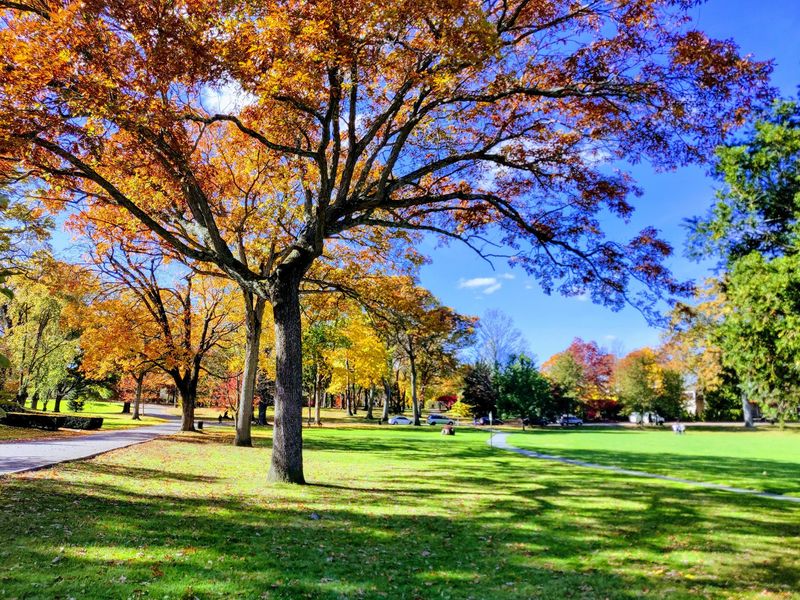
Capron Park Zoo sits at 201 County St, Attleboro, MA 02703, inside the city park that shares its name. It lands in southeastern Massachusetts, close enough to Providence that plenty of Rhode Island families make the short hop too.
The zoo itself is compact, home to roughly 100 animals from several continents. It carries accreditation from the Association of Zoos and Aquariums, the top certification a zoo in the United States can earn.
Beyond the gates, the park keeps going with a large playground, walking paths, a woods walk, and plenty of parking. That setup means a visit can stretch into a full afternoon or stay a quick one-hour loop.
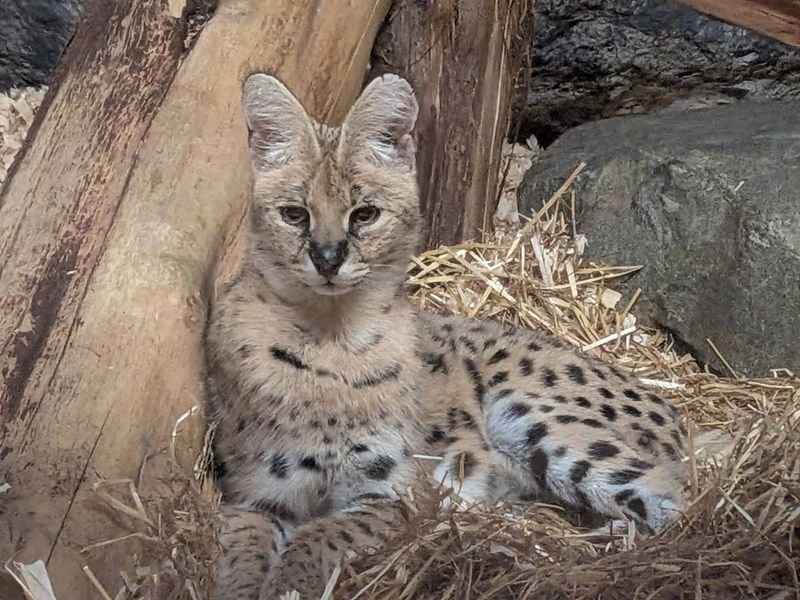
Small does not mean thin on variety here. Lions, a leopard, a red panda, otters, and a sloth bear all share this modest footprint, which sets the stage for everything that follows.
Roots Going Back to 1937
Few places in Massachusetts can claim nearly nine decades of showing animals to local kids. The zoo dates to around 1937, and it has grown from a neighborhood attraction into an accredited facility with themed tours and educational programs.
That long run has created a multi-generation following. Some parents who came as children now bring their own teenagers and college students back for another loop.
One returning local went decades without stopping by and walked away amazed at how much the place offers for the price. That kind of rediscovery happens often here.
The story has not always been smooth. Recent years brought public talk about the zoo possibly closing, and many families spoke up about how much it means to them.
Today the gates are still open, and fans seem more attached than ever. Longevity like that rarely happens by accident.
Ramses and the Lion Enclosure
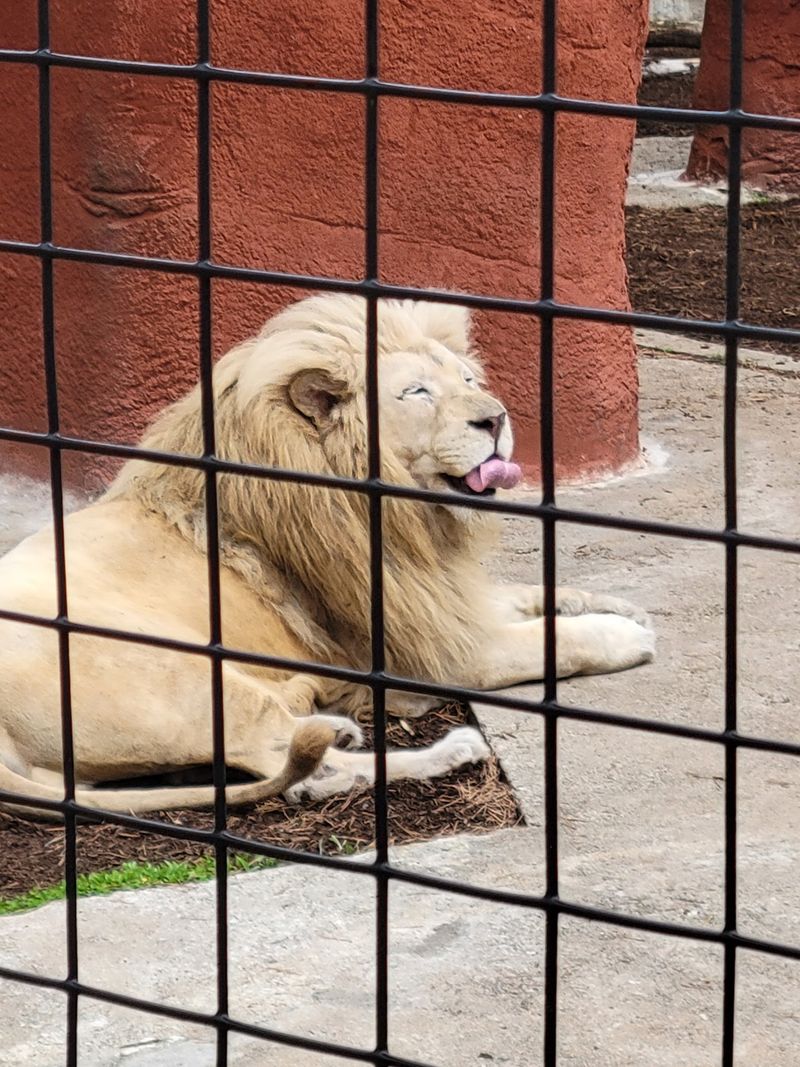
Meet Ramses, a rare white lion and easily one of the most talked-about residents on the grounds. Lions come up constantly when people describe this zoo, and the lion enclosure ranks among its most popular stops.
Every animal here has a name given by the zookeepers. That small touch helps kids connect with individual animals instead of just a species label on a sign.
Colorful plaques near each habitat explain where the animals come from and share bits of their personal stories. Reading them turns a quick glance into a real mini lesson.
Families at the nearby splash pad and playground can sometimes hear the lions roar from outside the exhibit. For young fans, that alone becomes part of the fun.
Plan a few extra minutes at this stop. The king of the park tends to hold an audience longer than expected.
Lacey the Amur Leopard and Other Rare Faces
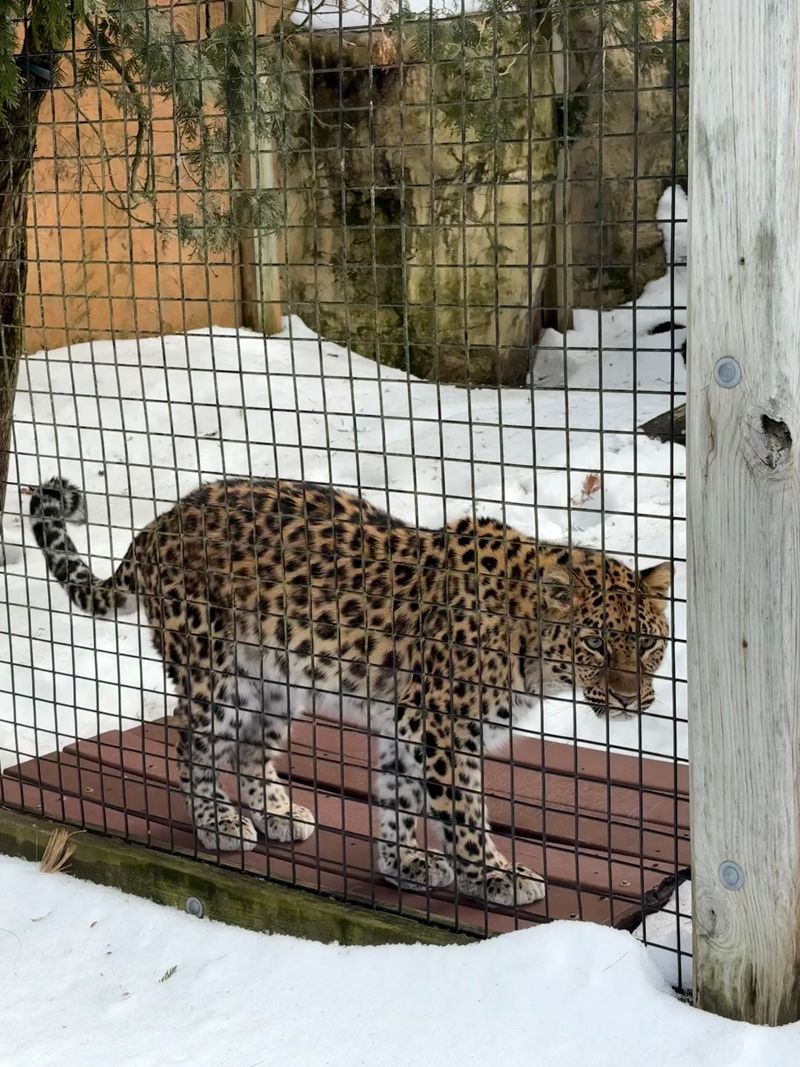
Endangered cats are not something most people expect to find in a small city park. Lacey, an Amur leopard, changes that expectation fast.
Amur leopards rank among the rarest big cats on the planet, which makes her presence here a quiet point of pride for the zoo. Her habitat, like others on site, is designed to resemble a natural setting.
The supporting cast deserves attention too. A red panda draws steady crowds, an emu adds some prehistoric flair, and a sloth bear rounds out the list of standout mammals.
Keepers encourage natural behavior by hiding food in different containers, so the animals work for their meals. That enrichment approach often means more activity to watch.
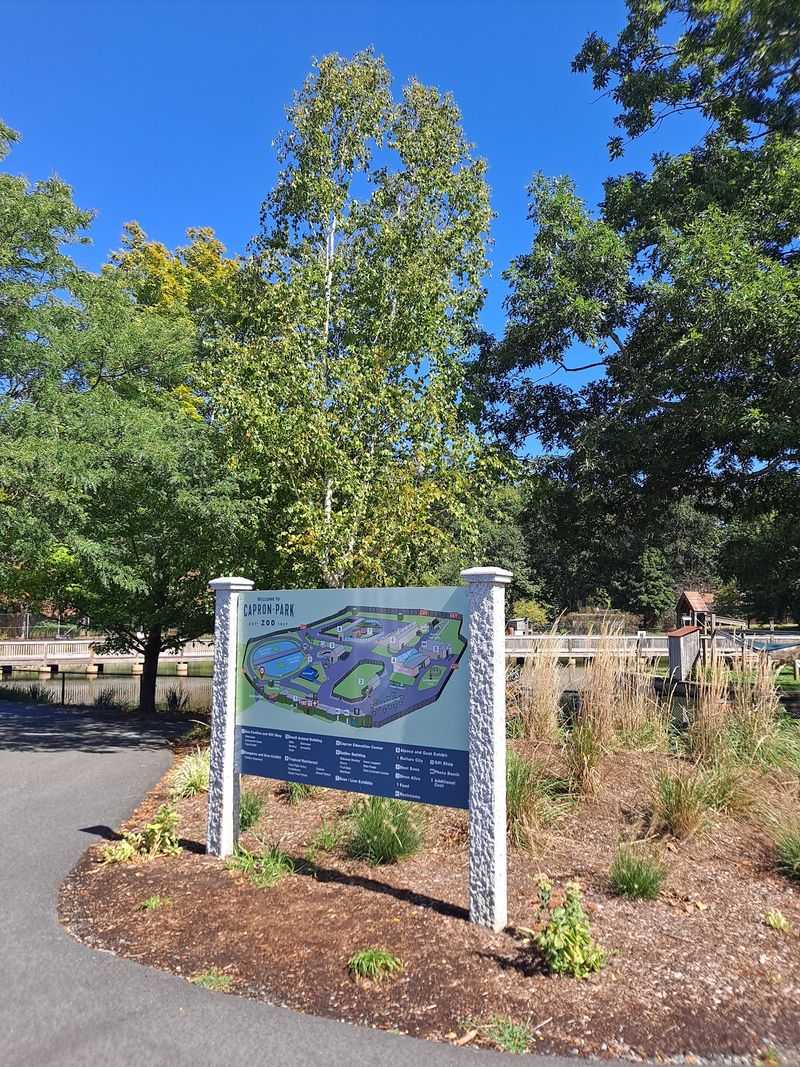
Checking the online map before arriving helps. With so much packed into a small space, a few favorites can slip by unnoticed without a plan.
Otters That Actually Stay Awake
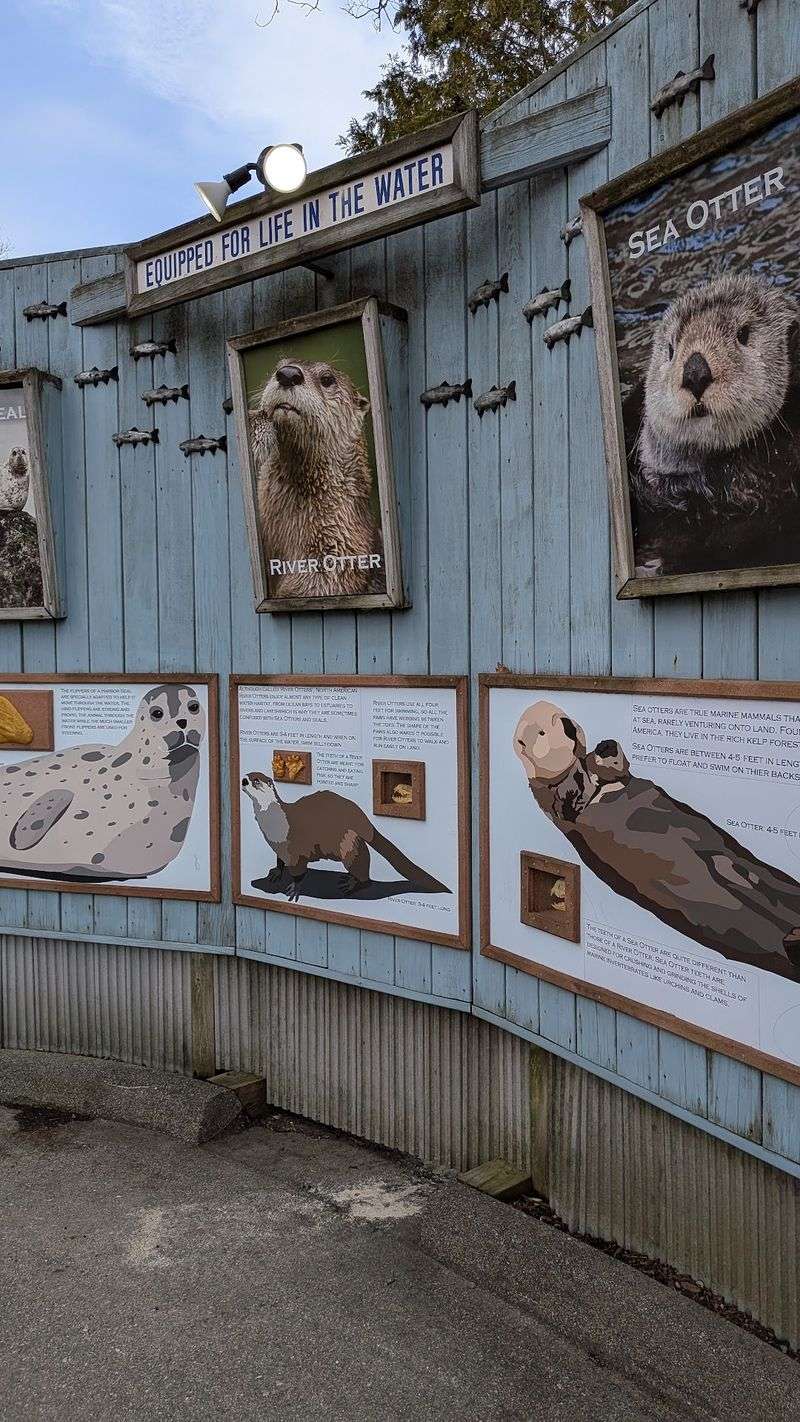
Otters have a reputation at many zoos for napping through every visit. Here, they tend to break that habit.
Families often point to the otters as a surprise favorite, partly because they seem active even on warm days. Most of the animals stay awake and visible through the heat, which is not always the case at larger parks.
The otter exhibit makes a natural pause point for younger kids. It sits among the easy, walkable paths that little legs can handle without much complaint.
Timing still helps. Midday summer heat can wear out small children quickly, so an early morning or later afternoon visit usually works better for toddlers and babies.
Keepers are often seen tending exhibits throughout the day, and their interactions with the animals add a personal layer to the visit. Watching them work can be just as interesting as the otters themselves.
A Rainforest Under One Roof
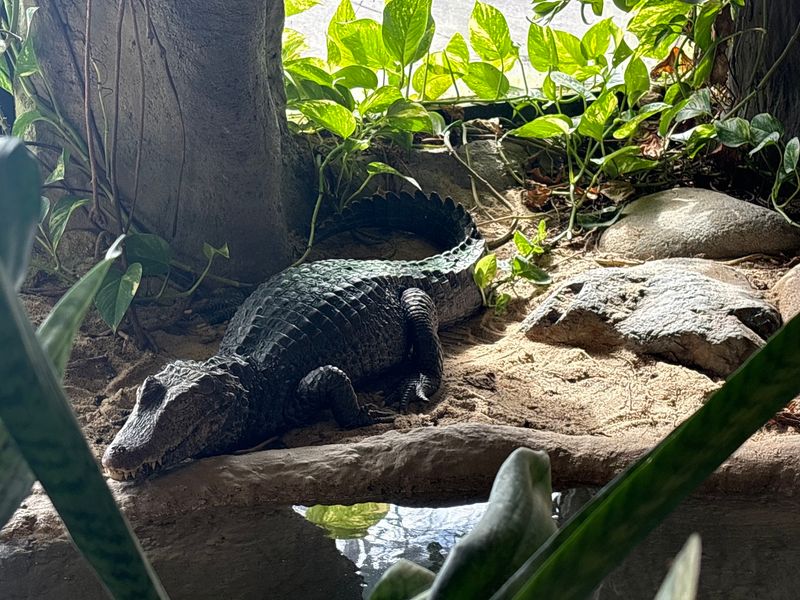
Cold New England months lose some of their bite once you head indoors to the tropical rainforest building. It features a waterfall, free-flying birds, bats, a tortoise, and a caiman, a close cousin of the alligator.
Many people call it the most relaxing stop on the grounds. It works especially well on chilly or rainy days when outdoor exhibits feel less inviting.
The rainforest is only one of several indoor buildings. Others focus on nocturnal creatures and on the clever protective adaptations animals use to survive.
The fruit bats earn a special fan club of their own. Inside the Capron building, a baby titi monkey has charmed guests by snuggling close to its mother.
Some animals came here after injuries, including a monitor lizard and several owls. Their stories add purpose to the collection and show the conservation side of the zoo.
Splash Pad, Playground, and Park Extras
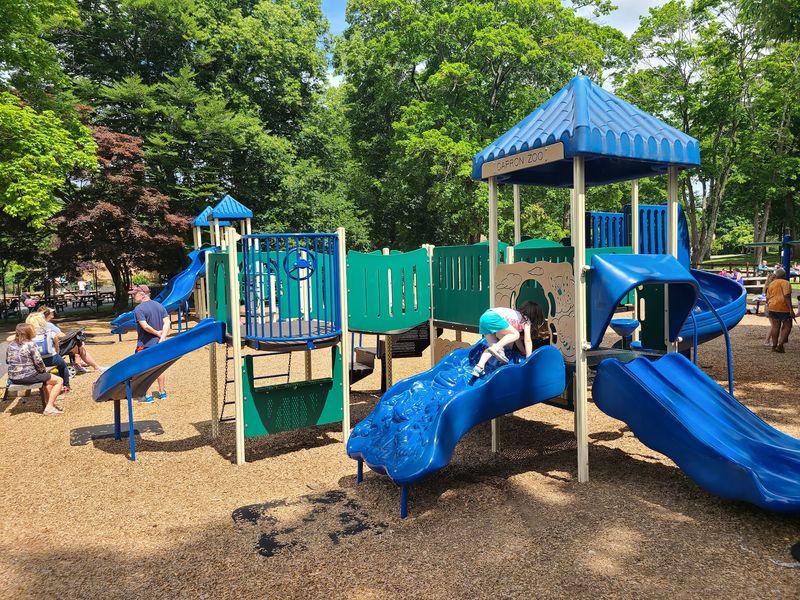
Ask local parents about their favorite feature, and the splash pad often comes up before any animal. It ranks as the most mentioned highlight of the whole zoo experience.
In warm weather, kids can cool off between exhibits. Some of the sprinkler features may feel a bit large for infants, so it tends to suit toddlers and older children best.
Outside the zoo gates, a very large playground offers another round of fun. Because it sits in the public park, families can use it even when the zoo is closed.
The park also includes a woods walk and open areas for strolling in nicer weather. Those extras turn a short zoo trip into a longer, low-cost day.
Repairs can occasionally close the splash pad temporarily. Checking ahead before promising a toddler an afternoon of water play is a smart move.
Gardens, Ponds, and a Book Walk
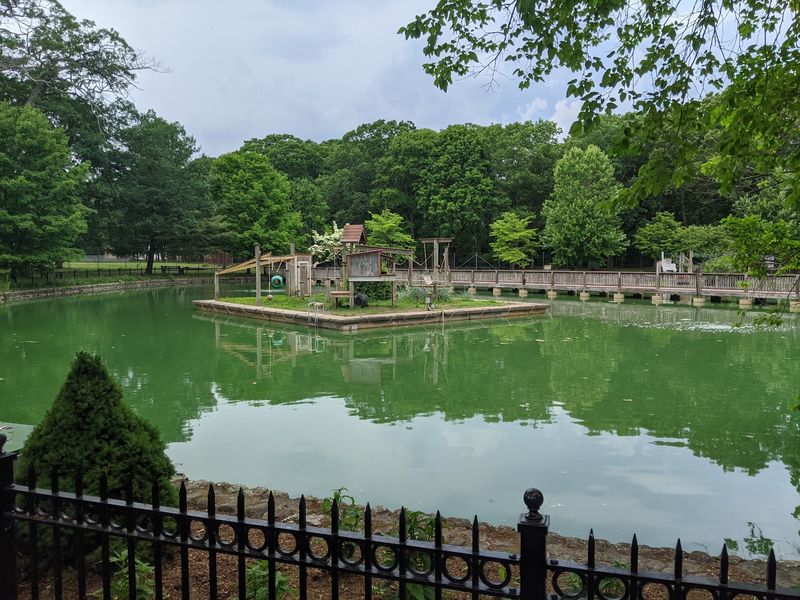
Not every highlight here has fur or feathers. The grounds themselves get plenty of praise, especially the gardens.
A rose garden adds a peaceful stop away from the busier exhibits. It offers a nice spot for grandparents or anyone who wants a slower pace.
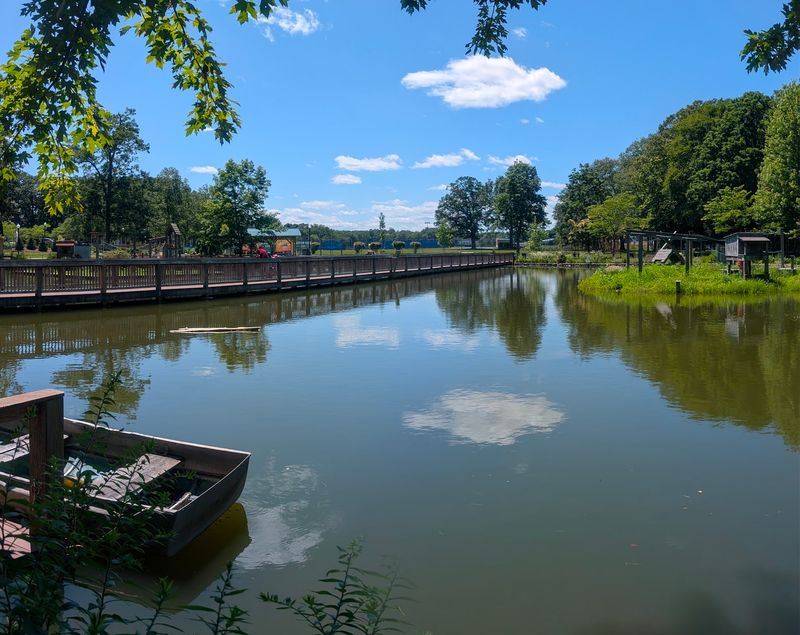
Near the pond, a pollinator garden hosts a book walk. Kids can follow story pages along the path, which blends reading with a bit of outdoor exploring.
These quieter corners help explain why the zoo appeals to adults as much as children. The grounds are well kept and tidy, and enclosures stay clean throughout.
Fall is a lovely time to linger in these spaces. With cooler weather and smaller crowds, a garden stroll pairs well with a morning at the animal exhibits, and nobody has to rush toward the exit.
Calm Crowds and Kind Staff
Kindness seems to be part of the job description here. Staff members show real passion for animal welfare and conservation, and many families mention how friendly everyone is.
Young adult volunteers often share animal facts along the paths. Their enthusiasm helps kids learn without it feeling like a classroom.
One maintenance worker once comforted an upset three-year-old when the splash pad was down, even returning with a stuffed lemur. Stories like that travel fast among local families.
The zoo’s size also creates a calm, uncrowded experience. It works well for very young children and for people with sensory sensitivities who find big, busy zoos overwhelming.
A few drawbacks are worth knowing. Doors lack accessibility push buttons for strollers, and biting flies can be a nuisance in midsummer, so planning around both makes for a smoother trip.
Hours, Admission, and Money-Saving Passes
Ten dollars per person is the figure many recent guests mention, which undercuts a typical movie ticket. Local residents can get additional discounts, making it even friendlier to Attleboro wallets.
The zoo opens daily from 9 AM to 4 PM, seven days a week. An early arrival often means cooler temperatures and more active animals.
Memberships are popular with regulars, and the zoo accepts reciprocal passes. Reciprocity with Buttonwood Park Zoo in New Bedford is a handy perk for South Coast families.
Watch for free days through the Highland Street Foundation, which has offered complimentary admission in the past.
Food options depend on the season. Concessions serve snacks in warmer weather, while in winter the gift shop carries some snack items along with books, toys, clothing, and stuffed animals at prices that feel reasonable compared to bigger attractions.
Worth a Morning, Maybe Many
Big-city zoos can eat up an entire day and a hefty budget. This one takes about an hour and a half for a relaxed loop, leaving time for the playground or a garden stroll afterward.
That manageable size is exactly why so many families keep coming back. It fits naturally into a Saturday morning or a spontaneous weekday outing.
New exhibits and habitat updates have been rolling out, so some areas may be under construction during a visit. Each return trip can bring something fresh to see.
For Massachusetts residents hunting for close-to-home adventures, this park checks a lot of boxes. It offers rare cats, an indoor rainforest, friendly faces, and admission that barely dents the weekend fund.
Pack a map, arrive early, and let the kids pick the first exhibit. Chances are good the conversation about coming back starts before the car leaves the lot.
Share this story