Out on the eastern Colorado plains, the wind moves through broken walls and empty foundations like it owns the place. Most people driving through Weld County would never guess that a century ago, hundreds of African American families built homes, planted crops, and created a self-sufficient community right here on this dry, open land.
The story of Dearfield is one of the most remarkable and overlooked chapters in Colorado history. It is a story about courage, land ownership, racial pride, and what happens when a dream runs headfirst into forces far bigger than any single community can fight alone.
The Visionary Who Started It All
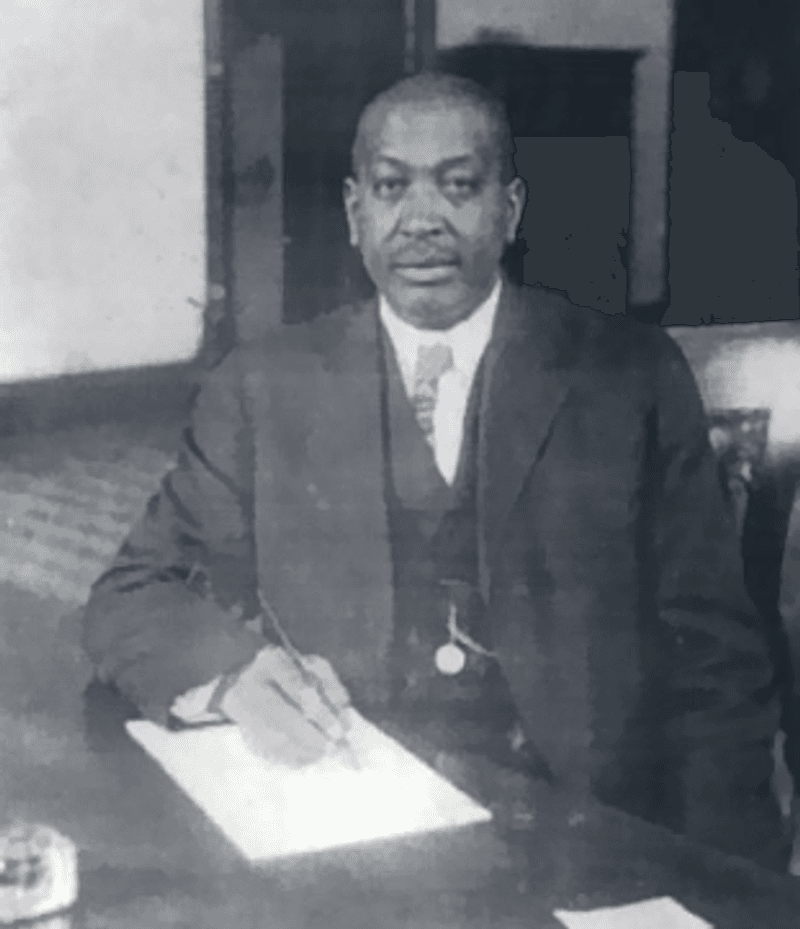
Oliver Toussaint Jackson was not the kind of man who accepted the world as it was handed to him. Born in Ohio in 1862, Jackson moved to Colorado and spent years working as a caterer in Denver before he developed a bold idea.
He believed that land ownership was the most powerful path to freedom and independence for Black Americans in the early twentieth century.
Jackson was inspired by Booker T. Washington’s philosophy of economic self-sufficiency.
He wanted to prove that African Americans could thrive on the land without relying on anyone else. In 1910, he filed a homestead claim on 320 acres of Weld County land, roughly 30 miles east of Greeley.
That act of filing a claim was the first brick laid in what would become Dearfield. Jackson was already in his late forties, but he had the energy and conviction of someone just getting started.
Where Exactly Dearfield Stands Today
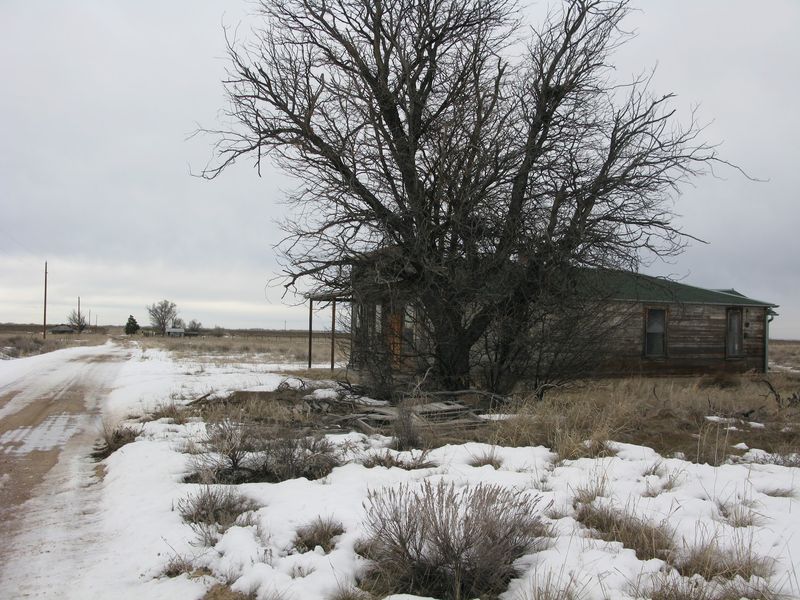
Dearfield sits in Weld County, Colorado, along what is now Highway 34, approximately 30 miles east of Greeley. The official address places it within Colorado 80644.
The landscape out there is flat, wide, and almost brutally open, the kind of terrain that tests a person’s resolve from the moment they step out of the car.
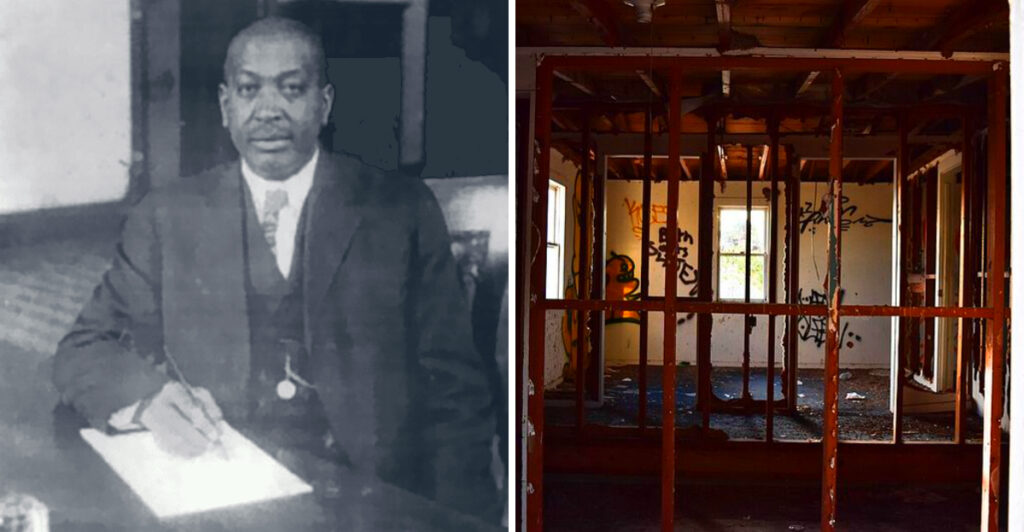
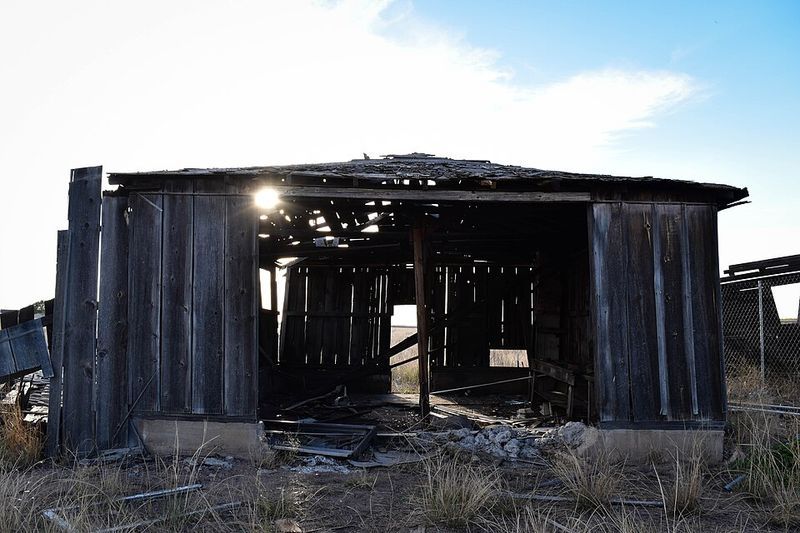
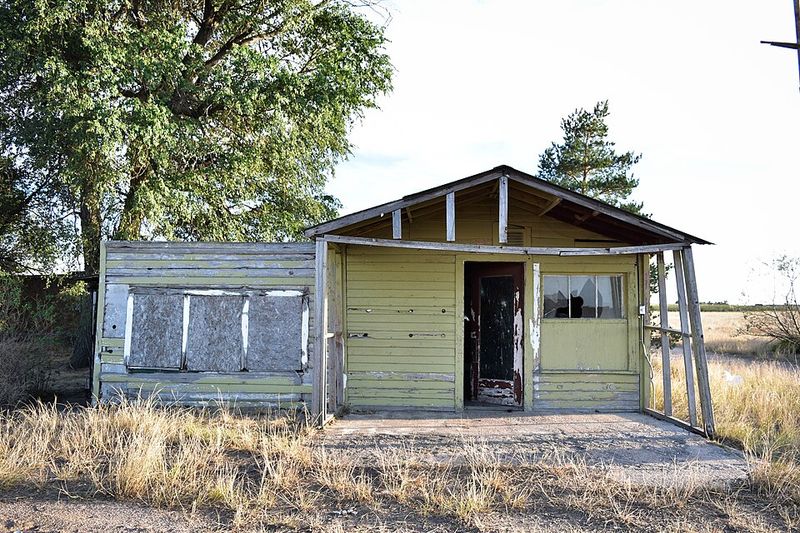
Today, only a handful of structures remain standing at the site. Crumbling buildings, broken foundations, and scattered debris are all that physically survive of a community that once had real momentum.
The site is listed on the National Register of Historic Places, giving it a layer of formal recognition that the community rarely received while it was alive.
Visiting Dearfield today requires some preparation. The site is remote and the roads leading to it reflect that.
But the emptiness of the landscape actually adds to the weight of what happened there.
How a Name Carries a Whole Philosophy
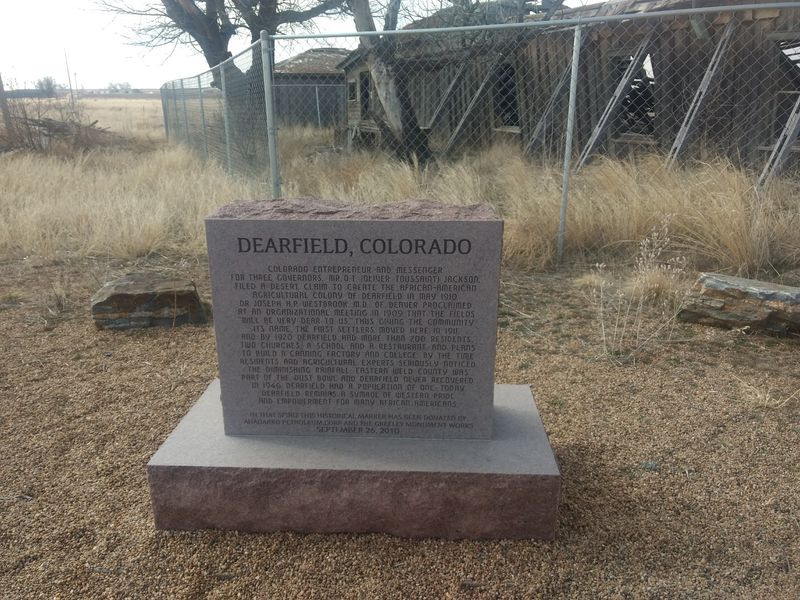
The name Dearfield was not chosen randomly. Oliver Jackson picked it deliberately, combining the words “dear” and “field” to reflect exactly what this land meant to him and the people he hoped would settle it.
The field was dear because it represented freedom, ownership, and a future that African Americans were being denied in so many other places across the country.
That kind of intentional naming tells you a lot about Jackson’s mindset. He was not just building houses and planting crops.
He was building a symbol. Every acre of Dearfield was meant to send a message that Black Americans could own land, grow food, raise families, and build institutions without asking permission from anyone.
The name still carries that meaning today. When you say “Dearfield,” you are not just referencing a place on a map.
You are referencing an entire set of beliefs about dignity and self-determination.
The Years When the Community Actually Thrived
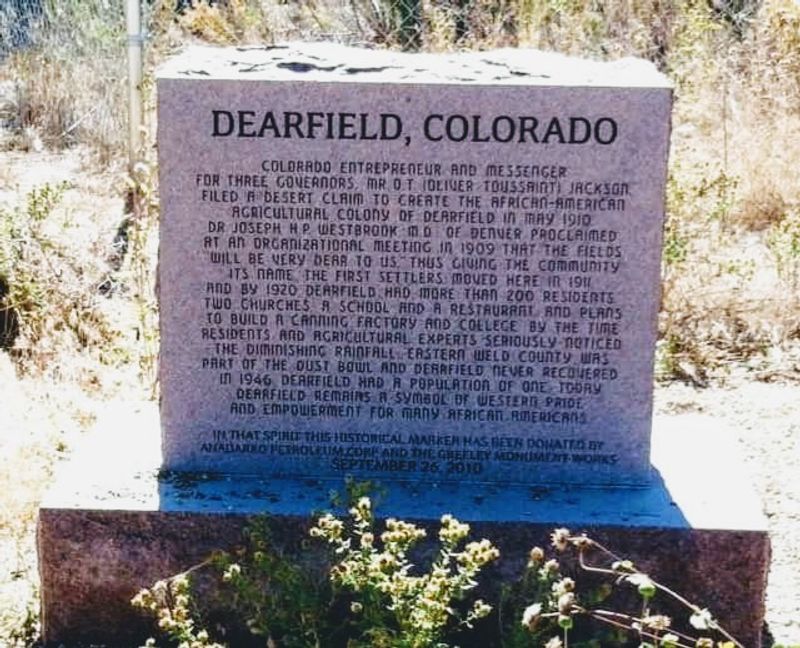
Between roughly 1910 and the early 1920s, Dearfield grew faster than almost anyone had expected. At its peak, the community had somewhere around 700 residents, which was a remarkable number given how difficult farming on those dry plains could be.
Families came from Denver and other parts of Colorado, drawn by the promise of land ownership and community solidarity.
The town developed real infrastructure during those years. There were homes, a school, a church, a filling station, a grocery store, and a lunch counter.
People were not just surviving out there. They were building something that looked and functioned like a proper town.
Farming was the backbone of the economy. Residents grew sugar beets, potatoes, and other crops suited to the high plains climate.
The work was hard and the weather was unforgiving, but during those peak years the community demonstrated exactly what Jackson had believed was possible all along.
The Lunch Counter That Became a Community Hub
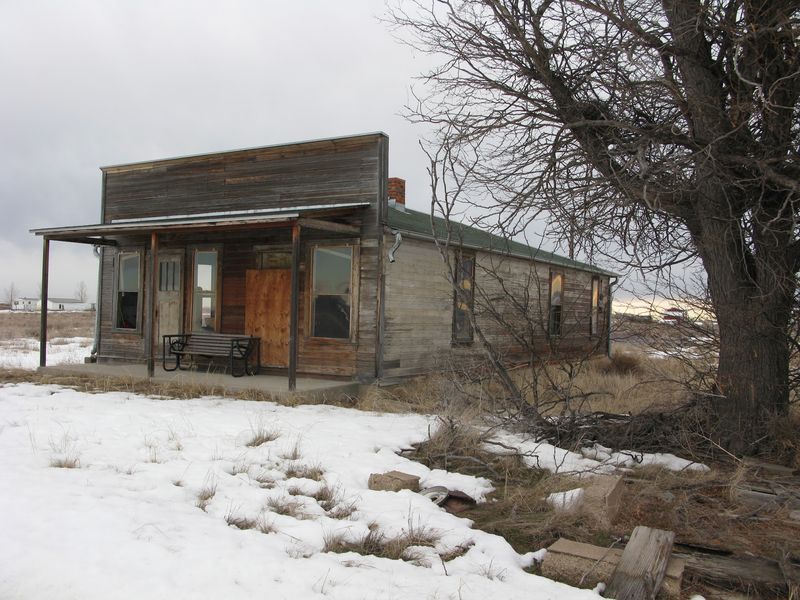
One of the most interesting details about Dearfield is that it had a working lunch counter. In an era when Black Americans were routinely refused service at restaurants across the country, Dearfield’s lunch counter offered something profound.
It was a place where African American travelers and residents could sit down, eat a meal, and be treated with full dignity.
The lunch counter was part of a larger commercial building that also served other community functions. It was not fancy by any standard, but it did not need to be.
The significance was in what it represented: a space entirely owned and operated by Black Americans, serving Black Americans, on land that Black Americans owned.
That detail gets overlooked in most history books. But for people traveling through eastern Colorado in the 1910s and 1920s, knowing that Dearfield existed and that you could stop and eat there meant something real and lasting.
What the Great Plains Climate Did to the Dream
Farming on the Colorado high plains has never been easy, and Dearfield’s residents discovered that truth in the hardest possible way. The region receives very little rainfall, and the soil, while workable, demands constant effort and reliable water.
During the early years, some irrigation was possible, but as the community grew, the challenges of dryland farming became harder to manage.
The drought conditions that plagued much of the Great Plains through the late 1910s and into the 1920s hit Dearfield hard. Crops failed.
Income dried up. Families who had invested everything in their homestead claims found themselves with land they could not farm profitably.
The climate did not single out Dearfield specifically. White farming communities across the same region suffered similar fates.
But Dearfield had fewer financial resources and less access to credit, which meant the community had almost no cushion when the bad years came one after another.
How the Great Depression Finished What Drought Started
By the time the Great Depression arrived in 1929, Dearfield was already struggling. The combination of drought, falling crop prices, and lack of financial support had pushed many families to their limits.
The Depression accelerated a departure that had already begun, and by the early 1930s, most of the residents had left.
Jackson himself stayed longer than almost anyone else. He remained at Dearfield into his old age, reportedly living in one of the remaining buildings even as the community emptied around him.
His commitment to the place he had built was absolute, even when the practical reasons for staying had largely disappeared.
The Dust Bowl years that followed made the land even less hospitable. By the time Jackson passed away in 1948, Dearfield was effectively abandoned.
The buildings that remained stood as quiet witnesses to what had once been a genuinely functioning, hopeful community built entirely through the determination of Black American homesteaders.
The Structures That Still Stand Against the Sky
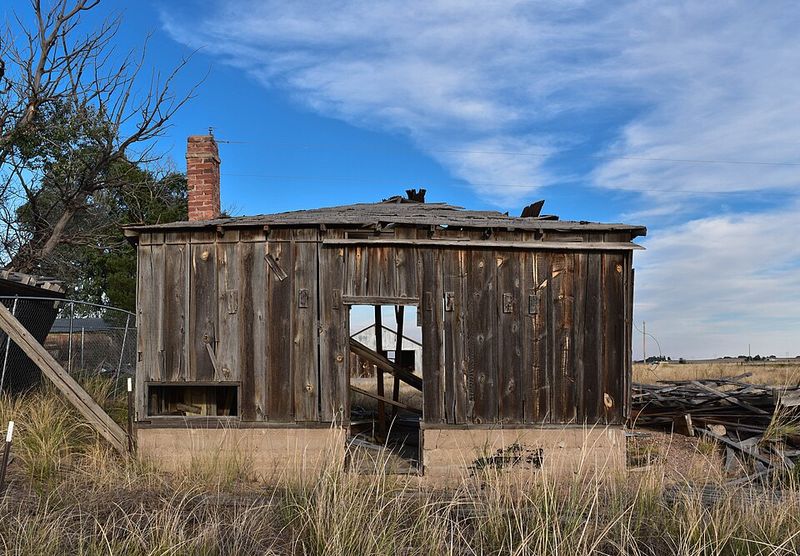
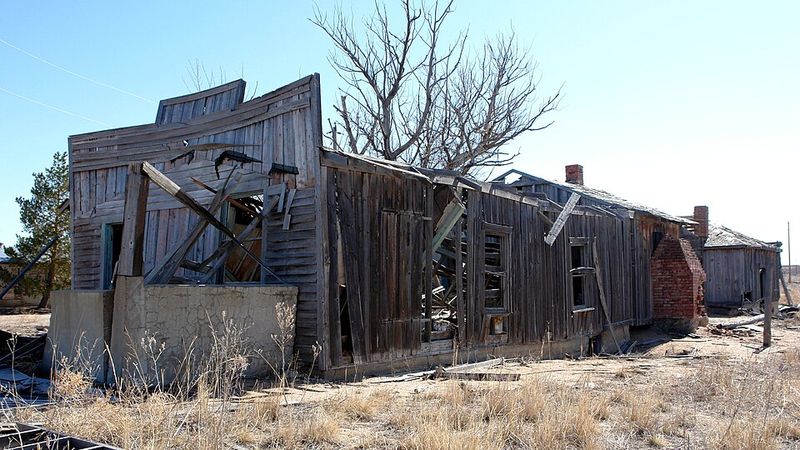
Walking through what remains of Dearfield today, you are struck immediately by how few structures survived the decades. A small number of buildings still stand, including the shell of a commercial building that is believed to have housed the lunch counter and filling station.
The walls are cracked, the windows are long gone, and the roofline has partially collapsed, but the basic form of the structure is still readable.
There are also remnants of foundations, fence posts, and scattered materials that hint at where homes and outbuildings once stood. The landscape around these ruins is almost unchanged from what early settlers would have seen, which gives the site an eerie sense of time compression.
Preservation efforts have been ongoing, though the remote location and harsh climate make maintenance difficult. The fact that anything still stands at all, more than a century after the community was built, feels like a small act of defiance against being forgotten entirely.
Why This Story Was Left Out of Colorado History Books
For most of the twentieth century, Dearfield barely appeared in mainstream Colorado history. The story of a thriving Black community on the eastern plains did not fit neatly into the dominant narratives about Western settlement, which tended to center white pioneers and ranchers.
As a result, generations of Colorado schoolchildren grew up without ever hearing the name Dearfield.
That absence was not accidental. It reflected broader patterns in how American history was taught and whose stories were considered worth preserving.
Communities like Dearfield existed across the country, and most of them received the same treatment: acknowledged briefly if at all, then set aside.
Scholars, community advocates, and descendants of Dearfield residents have spent decades working to correct that gap. The effort to document and teach this history has gained real momentum in recent years, and Dearfield is now recognized as one of the most significant African American historical sites in Colorado.
What Visiting Dearfield Feels Like in Person
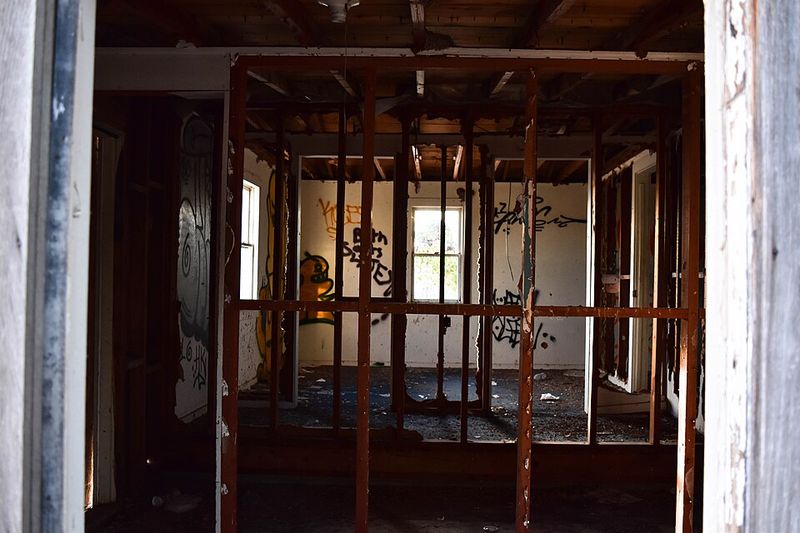
There is something unusual about standing at Dearfield. The silence out there is thick and total, broken only by wind moving across the grass.
You can see for miles in every direction, and the flatness of the land makes the sky feel enormous. It is not a comfortable place in the conventional sense, but it is a powerful one.
The ruins ask questions that the landscape cannot answer on its own. Who built this wall?
Who ate at that counter? What did it feel like to wake up here on a cold October morning knowing this land was yours?
Those questions do not resolve neatly, and they are not supposed to.
Dearfield rewards visitors who come prepared with some knowledge of its history. Reading about Oliver Jackson and the community he built before you arrive makes the experience significantly richer.
The site itself is the punctuation at the end of a sentence that history almost swallowed whole.
Share this story