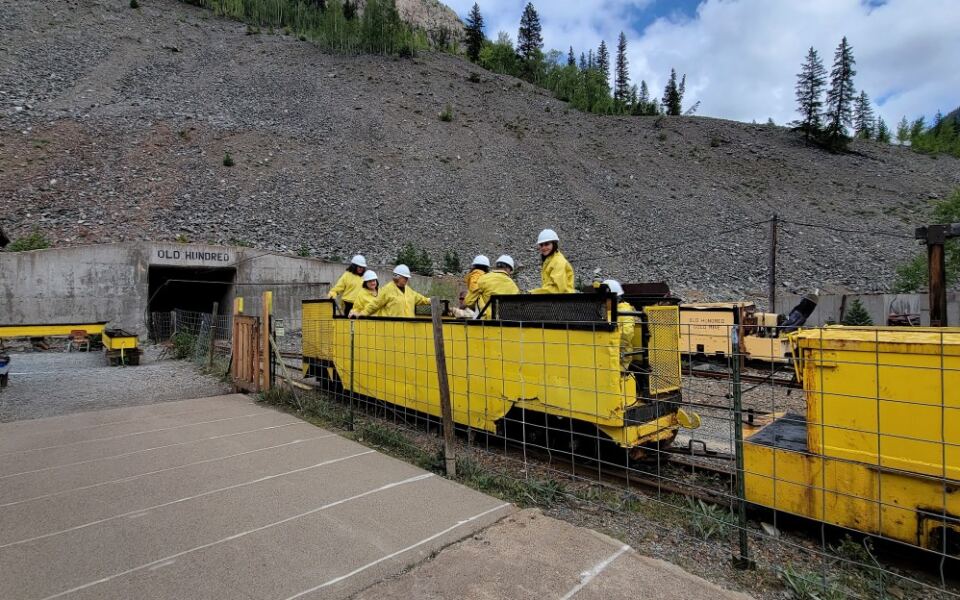
A small train rolls into a pitch-black tunnel and carries you 1,600 feet into the side of a mountain. Then a guide who once worked underground shows you how real drills, loaders, and lights were used.
Water drips from the ceiling, the air turns cool, and the machines get loud. Here is what the ride, the demonstrations, and the surprises outside the tunnel are really like.
A Train Ride Into Total Darkness
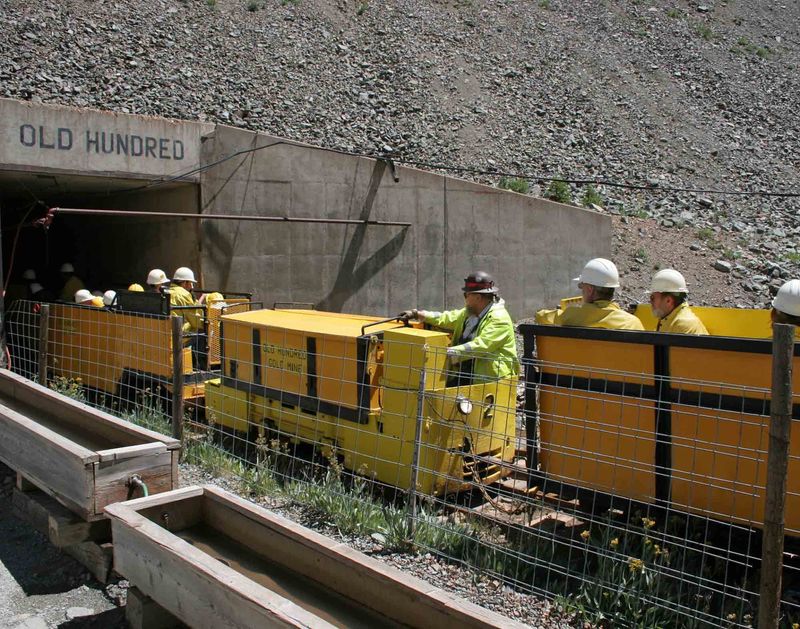
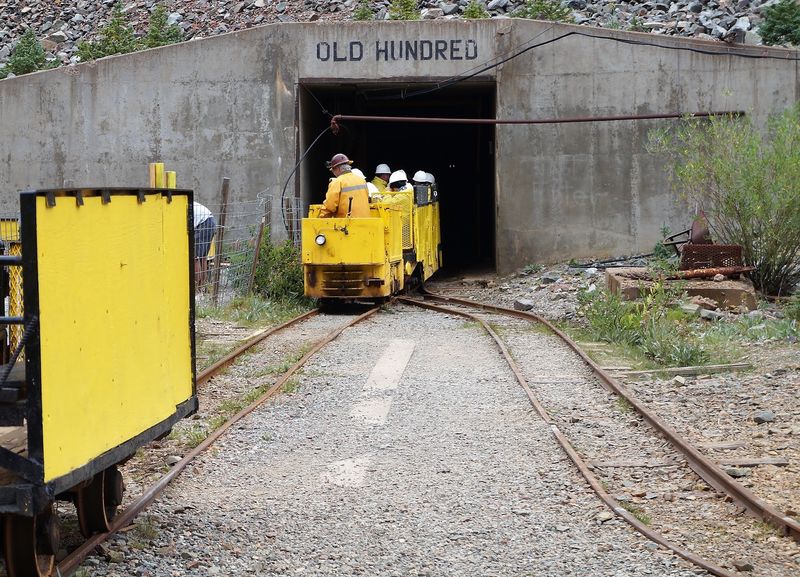
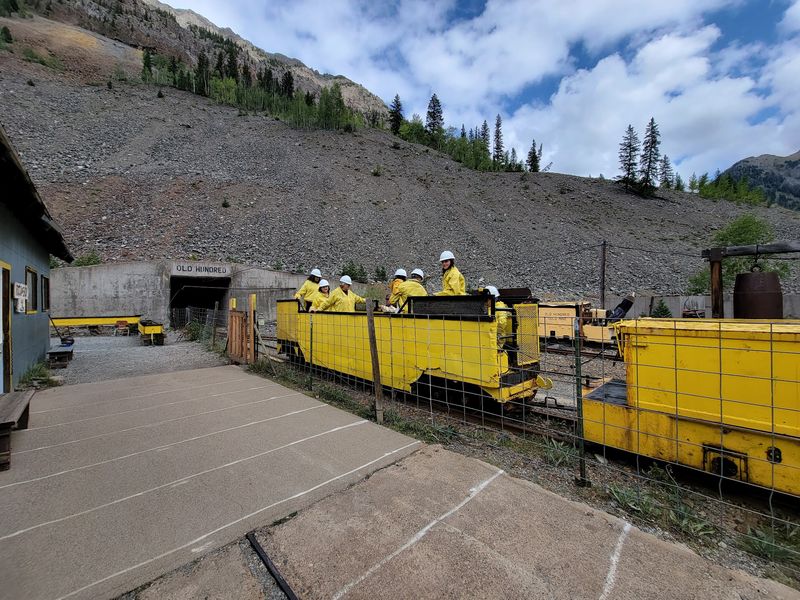
The first surprise comes before you even start walking. A little mine train waits at the tunnel mouth, and you climb aboard wearing a hard hat and a rain jacket.
Then the daylight disappears. The tunnel is pitch black, the wheels rumble, and the cool air hits your face.
The ride lasts only a few minutes, but it feels longer in the dark.
When the train stops, you are deep inside the mountain. The tunnel stretches about 1,600 feet from the entrance, and that distance makes the rest of the tour feel real.
Hold on, keep your hands inside, and listen to your guide. The ride is a little thrilling, and it sets the mood for everything that follows.
Better yet, the best demonstrations are still ahead.
Meet the Old Hundred Gold Mine Tour
The place that offers this ride is the Old Hundred Gold Mine Tour at 721 County Road 4A in Silverton, Colorado, United States. It sits in the San Juan Mountains, high above town.
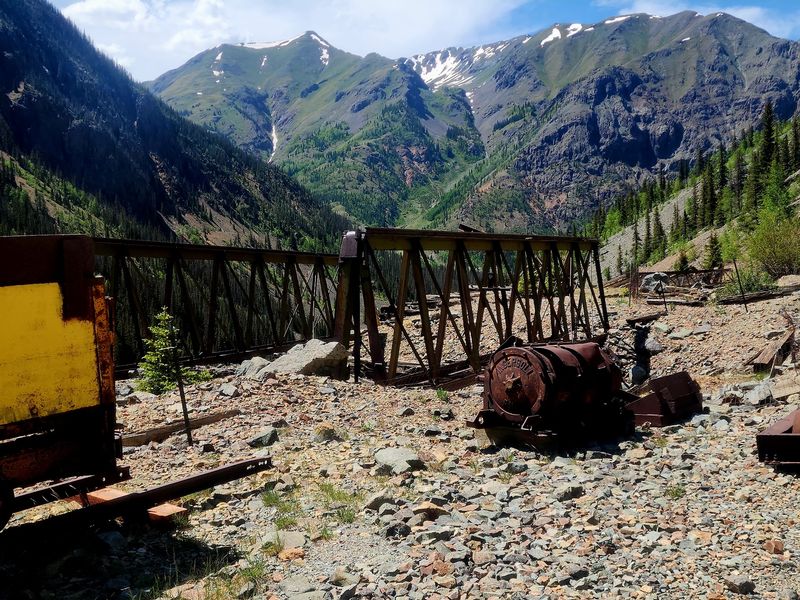
The setting feels simple and rustic. Buildings are weathered, equipment sits outside, and the mountain views stretch in every direction.
Do not expect a fancy visitor center. The charm comes from the real mining setting and the people who explain it.
Plan to arrive early, because there is plenty to look at before your tour begins. The tour is open daily, though hours can change, so check the website before you go.
The mine opens at 10 AM and the last tours run through the afternoon.
The Drive Up County Road 4A
Getting there is part of the story. From Silverton you turn onto a gravel road that climbs into the mountains.
Some visitors find the road a little rough, while others say it handles fine for regular cars. Either way, a slow pace is wise, so give yourself extra time.
A clear, calm day makes the drive far easier. Weather in the high country can change fast, and wet conditions make the road feel trickier.
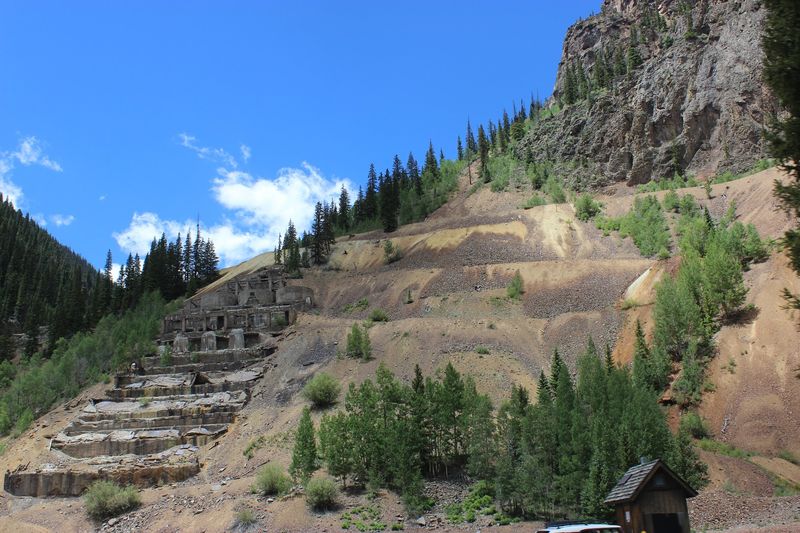
You will pass the Mayflower Mill along the way, which is worth a look. Cell service is spotty out here, so download your directions before you leave town.
The scenery along the road is gorgeous, so keep your camera ready.
What to Wear Underground
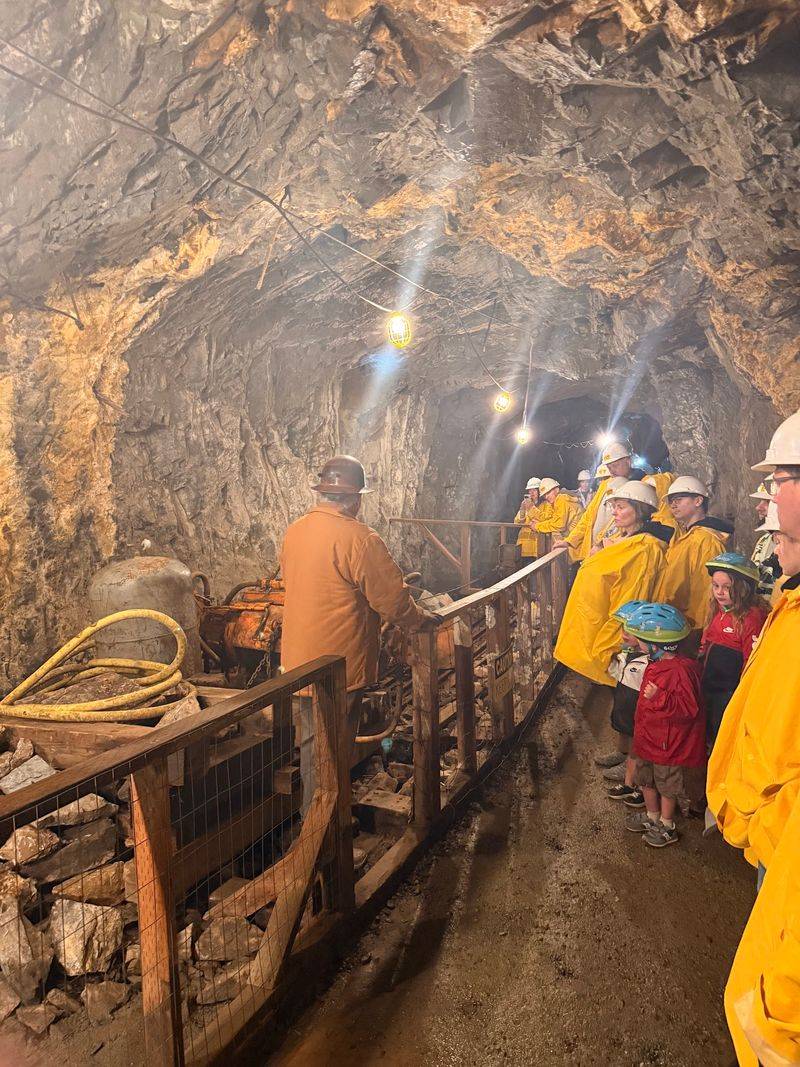
Dress for a cool cellar, not a sunny hike. The mine is noticeably colder than the surface, and water drips from the ceiling in spots.
The mine supplies hard hats and rain jackets, which helps a lot. Still, bring an extra layer to stay comfortable.
Closed-toe shoes are a must. The floor is wet in places, though it is not muddy.
Leave the sandals in the car and your toes will thank you. You do not need fancy gear, just sturdy shoes and a warm top.
Most visitors stay dry and comfortable with those simple choices.
Guides Who Know the Work
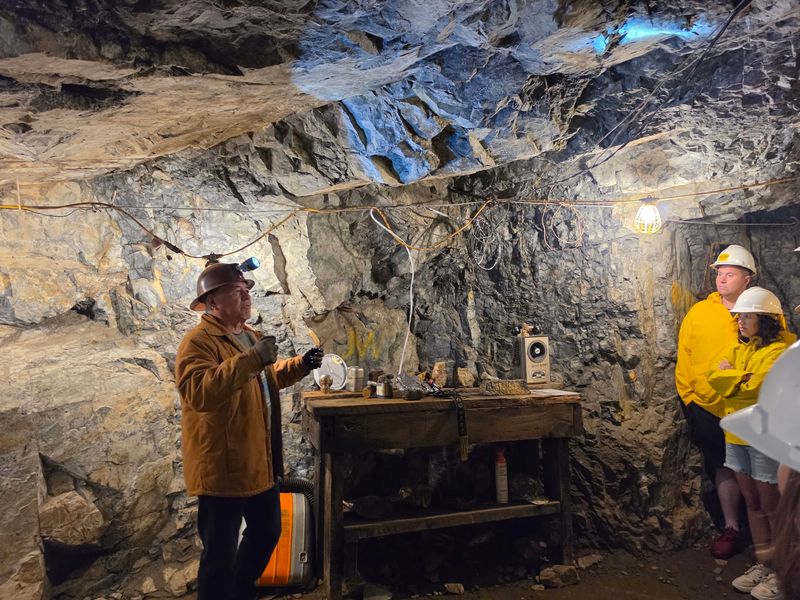
Many guides here are former miners, so the stories feel personal. They talk about daily work underground, what the job was like, and what it took to bring ore out of the mountain.
Some guides share family connections to mining, which adds depth. You learn the process in plain language, and questions are welcome.
Kids get pulled into the conversation, too. A good guide keeps the group laughing while explaining some serious history.
Listen closely for small details, like how crews worked together in tight spaces. The tour also shows how risky and difficult mining could be.
Bring your curiosity, because there is a lot to ask.
Drills That Actually Run
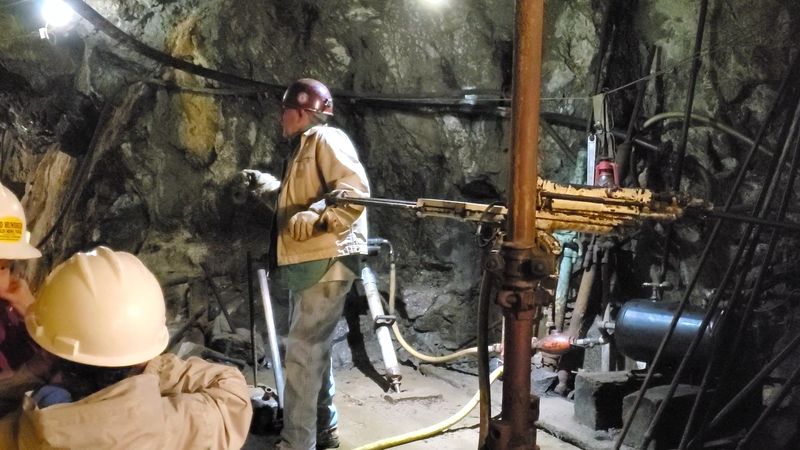
Museum displays are nice, but working machines are better. Here, guides run air-powered equipment so you can see how it moved rock.
Different drills are shown, along with machines used to scoop ore and load carts. Watching them move gives you a real feel for the job.
The machines are loud. Your guide gives a warning first, and covering your ears is usually enough.
Ear protection is also available in the office for little ones. Families with young kids or sensitive ears should plan ahead.
The noise only adds to how intense the work must have been.
How Blasting Worked
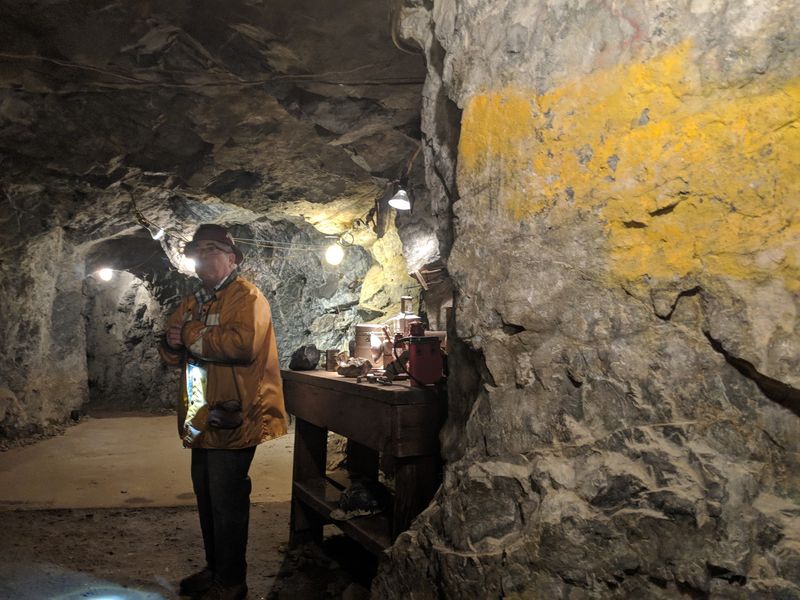
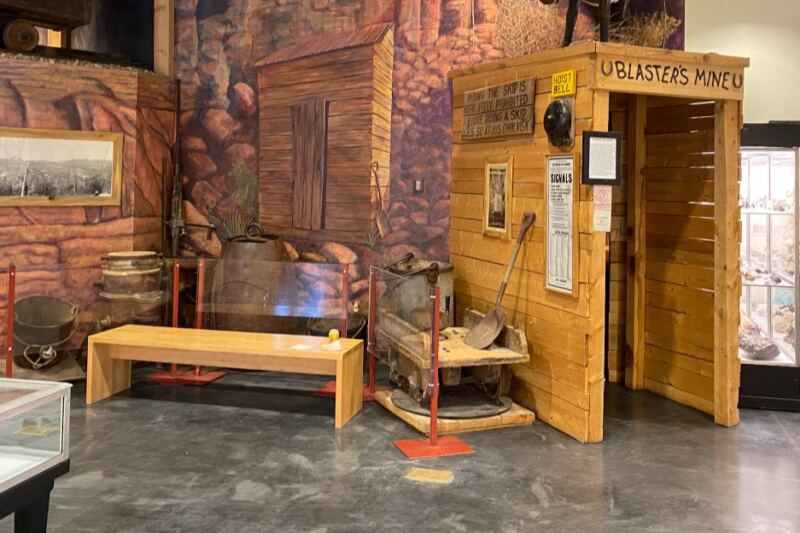
Ever wonder how miners broke apart solid rock? The tour answers that with a station on blasting.
Your guide explains how holes were drilled into the wall and how explosives were placed in them. You also hear the call that warned everyone before a blast.
It is a clear lesson in why safety rules mattered so much underground. Seeing the steps in the actual tunnel makes them easier to remember.
The demonstration is a favorite for kids and adults alike. Expect to learn a few terms you can use on the drive home.
Pay attention to the small details, because they explain the process well.
Lights Through the Decades
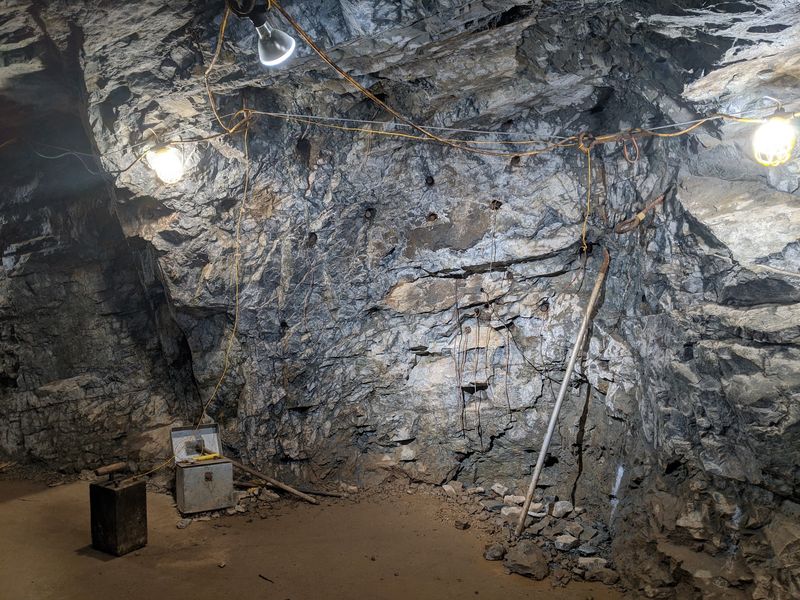
Light was a big deal underground, and the tour shows how it changed. Stations display the different lighting miners used over the years.
Seeing them side by side shows how much harder the work was in the early days. The darkness down here is complete, so every lamp mattered.
Your guide may turn off lights for a moment so you can feel it for yourself. Then the glow returns, and it feels like a relief.
Look for the small details on each lamp. They tell a quiet story about how mining improved.
It is an easy detail to overlook, but it stays with you.
The Old Mine Elevator
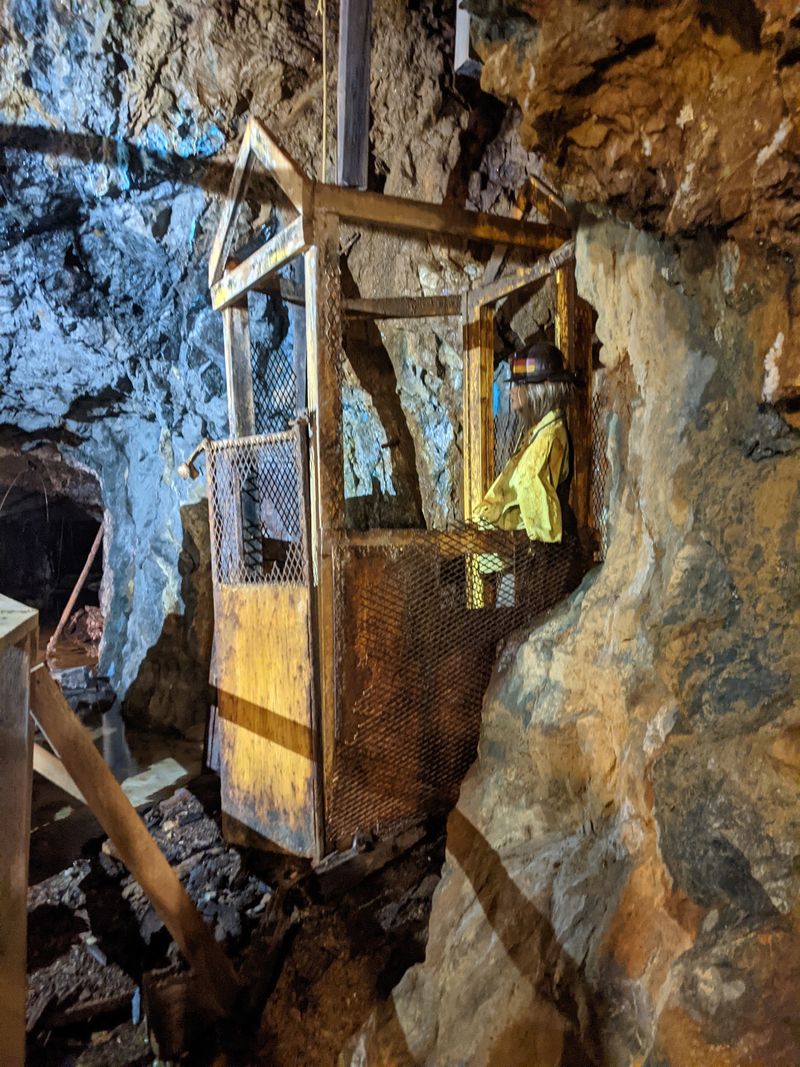
Mines go down as well as in, and the tour shows how miners reached other levels. A mine elevator is part of the story.
Your guide explains how crews rode it to work at different depths. The old equipment looks sturdy but simple.
Seeing it helps you realize how big the mine system really is. The tunnel you walk is only part of a much larger network.
Ask questions at this stop, because the guide usually has plenty of answers. It is one of the moments that makes you appreciate the miners.
Their daily commute was an adventure by itself.
Panning for Gold and Gems
The fun does not stop when you return to daylight. Outside, you can pan for gold and silver in tanks filled with mine dirt.
Kids sift and swirl and often find colorful stones and gems. Visitors keep what they find at no extra charge.
You can pan before or after the tour, which helps pass the time while you wait. Adults get just as hooked as the children.
Do not worry if you find silver instead of gold. A guide may even help you spot a piece.
It can keep a family busy for a good long while.
Views and a Little Shopping
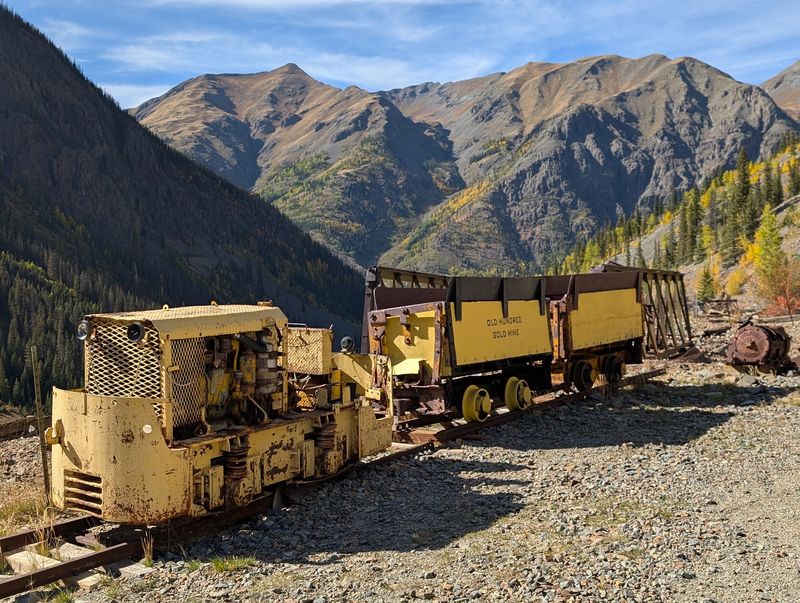
Take a moment to look around once you are back outside. The mountain views from the mine site are wide and dramatic.
Guides often point out other mine buildings and features around the property. Those details add context to what you saw underground.
A small shop sells geodes and crystals, along with books and snacks. The prices for snacks are friendly.
Restrooms are on site, which is handy this far from town. Linger a little, because the setting is worth a few photos.
Gather your finds and take one more look at the peaks.
Planning Your Visit and Next Stops
The full tour takes about 50 minutes, so most people spend an hour or two including panning. Arrive a bit early and bring cash or a card for admission, since the setup is informal.
The tour is not ideal for very young children who cannot follow directions, or for anyone uneasy in tight spaces. Everyone else will probably have a great time.
The Mayflower Mill sits along the road and shows how ore was processed after leaving the mine. Seeing it after your tour completes the story from rock to metal.
Silverton itself is worth exploring afterward. If you enjoy history, you will want to keep exploring the San Juan Mountains.
Share this story