Every summer, a small Colorado mountain town transforms into something that looks like it belongs in a fantasy painting rather than real life. The hillsides and meadows surrounding this place explode with millions of wildflowers in every color imaginable, drawing photographers, hikers, and curious travelers from across the country.
The sheer density and variety of blooms here are unlike anything most people have ever seen in nature. Once you learn what makes this town so extraordinary, you will understand why people plan entire trips around a single season.
The Town That Earned the Title of Wildflower Capital
Crested Butte, Colorado, located at an elevation of around 8,885 feet in the Rocky Mountains, carries a title that most mountain towns can only dream about. It is officially recognized as the Wildflower Capital of Colorado, a designation that feels completely earned the moment you arrive.
The town sits at 12 Elk Avenue, Crested Butte, Colorado 81224, surrounded by the Gunnison National Forest and the Elk Mountains. When summer rolls in, typically peaking between late June and early August, the landscape shifts dramatically.
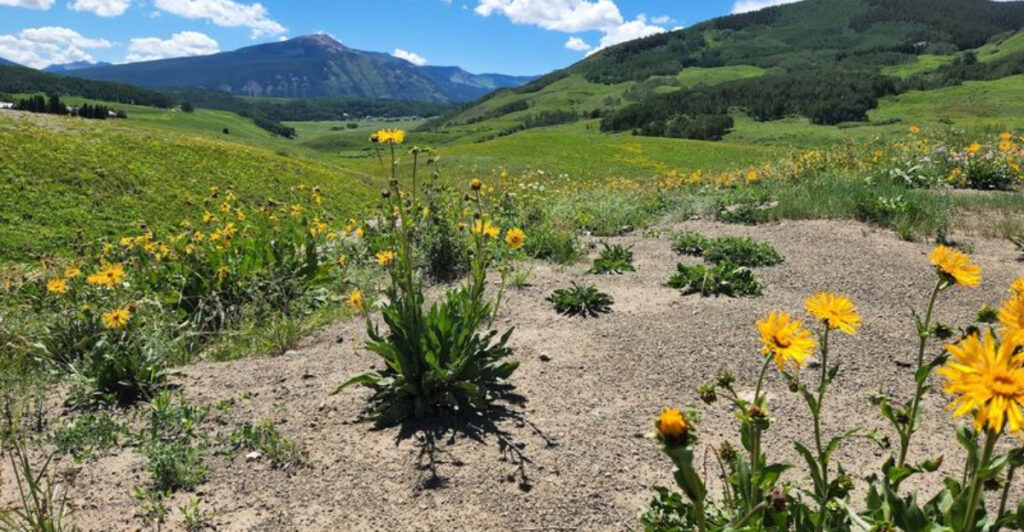
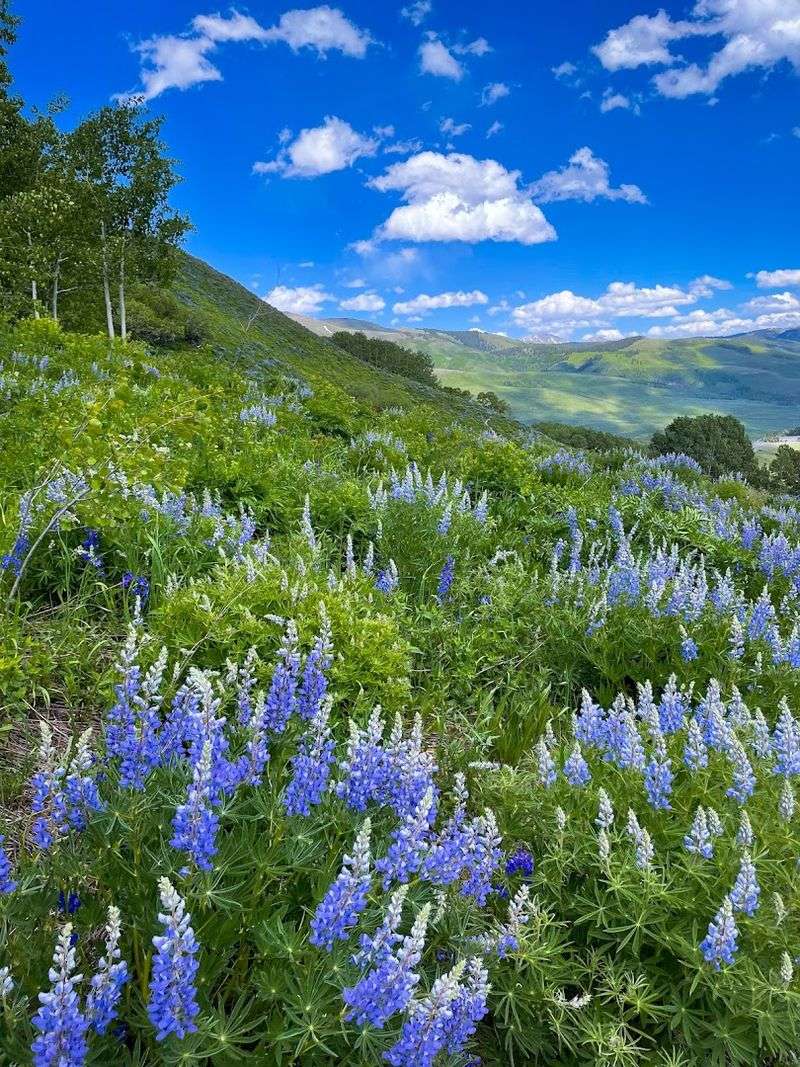
Fields of purple larkspur, golden sunflowers, red Indian paintbrush, and blue columbine cover nearly every open space in and around town. The columbine, Colorado’s state flower, appears in abundance here.
Locals take genuine pride in this annual spectacle, and the energy around wildflower season feels almost celebratory throughout the entire community.
What Makes the Wildflowers So Extraordinary Here
The reason Crested Butte produces such jaw-dropping wildflower displays comes down to a combination of geography, elevation, and timing that rarely lines up this perfectly anywhere else.
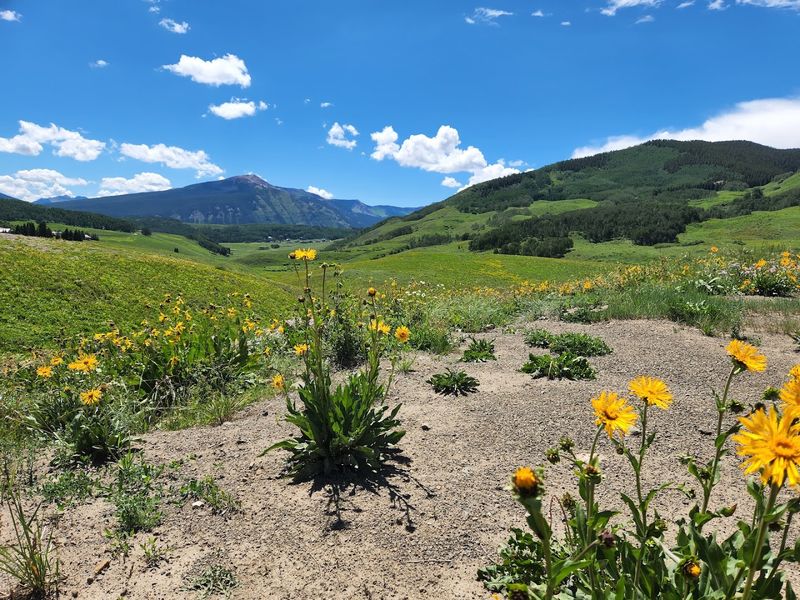
The valley sits at the convergence of several distinct ecosystems, which means an unusually wide variety of plant species can thrive within a relatively small area. The snowpack from long mountain winters feeds the soil with moisture well into summer, giving wildflowers exactly what they need to bloom in massive numbers.
The high elevation also means the growing season is compressed, so all the blooms tend to appear at roughly the same time rather than staggering across weeks. That compression creates the signature wall-to-wall flower effect that makes photos from this area look almost digitally enhanced.
The visual density of color across the hillsides genuinely has to be seen in person to be fully believed.
Wildflower Festival: A Celebration Worth Planning Around
Each July, Crested Butte hosts its annual Wildflower Festival, one of the most beloved outdoor events in Colorado. The festival has been running for decades and attracts thousands of visitors who come specifically to celebrate the bloom season in an organized, educational, and genuinely fun way.
The event features guided hikes led by botanists, naturalists, and local experts who help participants identify specific species and understand the ecology behind the display. There are photography workshops designed for every skill level, yoga sessions held directly in wildflower meadows, and art classes that use the surrounding landscape as both subject and inspiration.
What makes the festival feel special rather than just touristy is how rooted it is in genuine appreciation for the natural environment. Participants leave with a much deeper understanding of what they are seeing, which makes the wildflowers feel even more impressive on the hike back down.
Hiking Trails That Put You Right Inside the Blooms
Getting close to the wildflowers is easy in Crested Butte because the trail network around town is extensive and well-maintained. Several trails lead directly through the most concentrated bloom areas, putting hikers at eye level with flowers that stretch as far as they can see.
The Rustler Gulch Trail is one of the most popular routes during wildflower season, winding through a valley that becomes completely blanketed in color by midsummer. The Oh-Be-Joyful area is another frequently visited spot, offering open meadows surrounded by dramatic peaks that frame the wildflower fields beautifully.
Most of the best wildflower trails sit at moderate difficulty levels, making them accessible to a wide range of hikers without requiring technical experience. Early morning hikes tend to offer the best light for photography and the most peaceful experience, before the afternoon crowds arrive and the mountain weather starts to shift.
Gothic Road: The Scenic Drive Through Peak Color
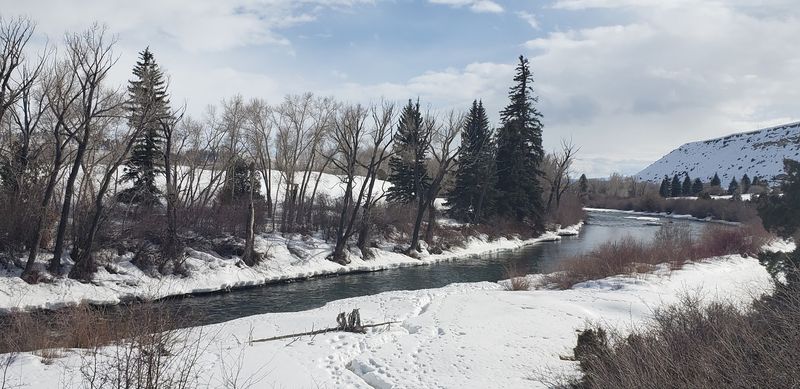
Not every visitor wants to hike several miles to reach the wildflowers, and Gothic Road offers a stunning alternative that requires nothing more than a car and a willingness to stop often. The road heads north from Crested Butte toward the Rocky Mountain Biological Laboratory in Gothic, passing through some of the most flower-dense corridors in the entire region.
The drive is relatively short in distance but almost impossible to complete quickly because the scenery demands constant stops. Meadows along the roadside fill with blooms that press right up to the edge of the gravel, and the views of the surrounding peaks create a backdrop that photographers absolutely love.
The road is unpaved in sections and can get muddy after rain, so a vehicle with decent clearance makes the trip more comfortable. Most passenger cars handle it fine in dry conditions, and the payoff for making the drive is substantial regardless of what you are driving.
Kebler Pass and the Aspen Connection
Crested Butte is not just a one-season wonder. The West Elk Loop Scenic and Historic Byway connects the town to Kebler Pass to the west, which holds its own extraordinary seasonal display when the Quaking Aspen trees turn gold in fall.
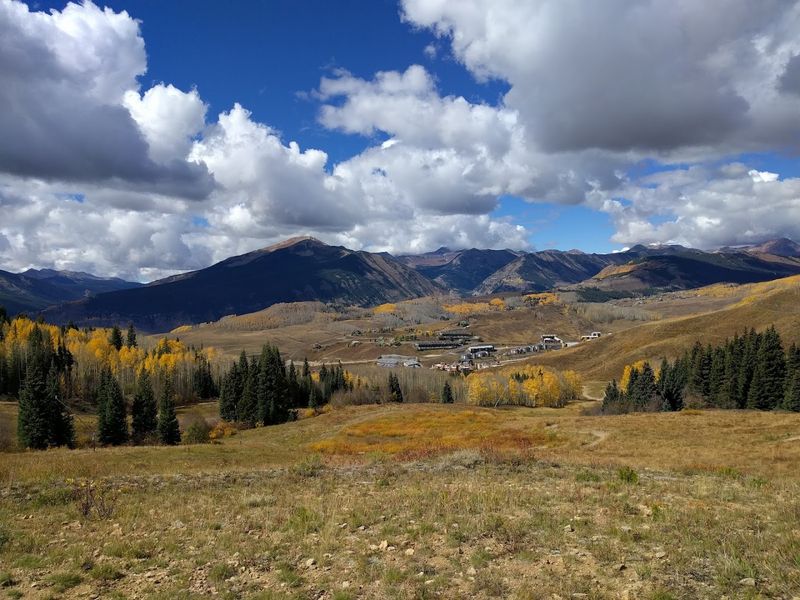
Kebler Pass is considered one of the largest aspen groves in the world, and the golden canopy it produces in September and October draws a completely different crowd than the summer wildflower visitors. The combination of open meadows and dense aspen forests creates a landscape that shifts dramatically depending on when you visit.
For travelers who cannot make the summer wildflower window, planning a fall trip through Kebler Pass offers a genuinely different but equally spectacular reason to visit the Crested Butte area. Many people who come once for the wildflowers end up returning specifically for the aspens, making this region a genuine two-season destination.
Downtown Elk Avenue: Where Mountain Character Lives
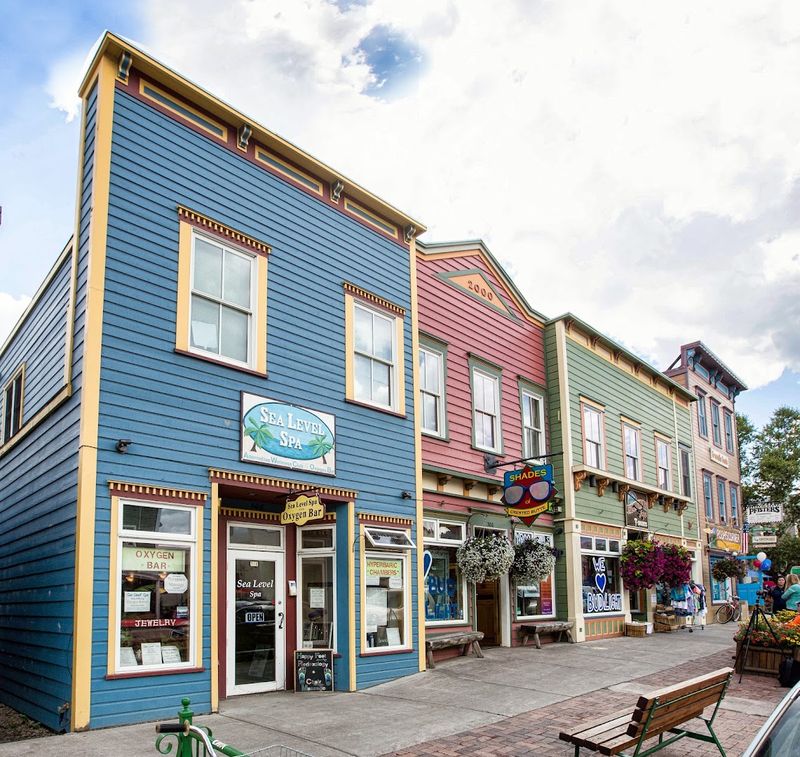
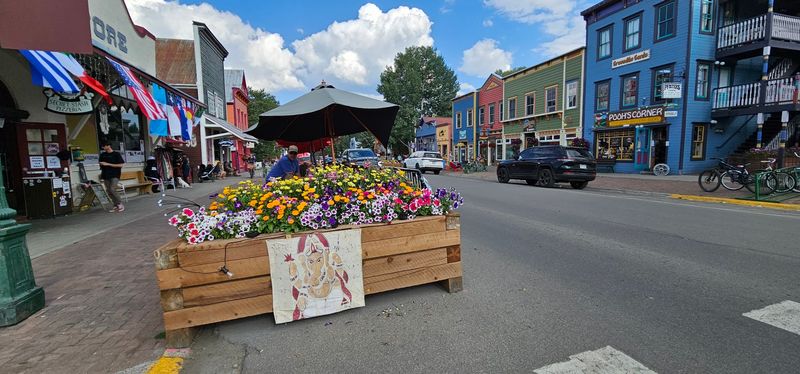
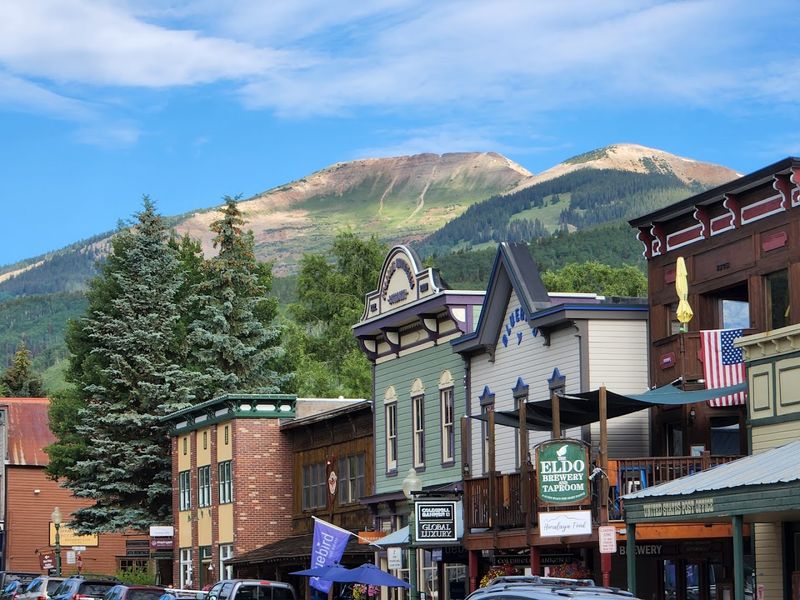
The wildflowers are the main draw, but downtown Crested Butte has a personality that keeps visitors exploring long after the trails close for the day. Elk Avenue, the main street running through town, is lined with wooden buildings painted in vivid colors that give the area a distinctive and cheerful look.
Many of the structures along Elk Avenue date back to the town’s mining era, and the historic character of the architecture is preserved carefully throughout. Shops, cafes, and restaurants occupy buildings that have genuine age and character, rather than the manufactured charm that some mountain towns project.
The scale of downtown is small enough to feel personal but large enough to offer a full afternoon of wandering. Local shops carry gear, art, and goods that reflect the outdoor culture of the community, and the food options range from casual coffee stops to proper sit-down dinners with locally sourced ingredients on the menu.
Mountain Biking Culture That Runs Incredibly Deep
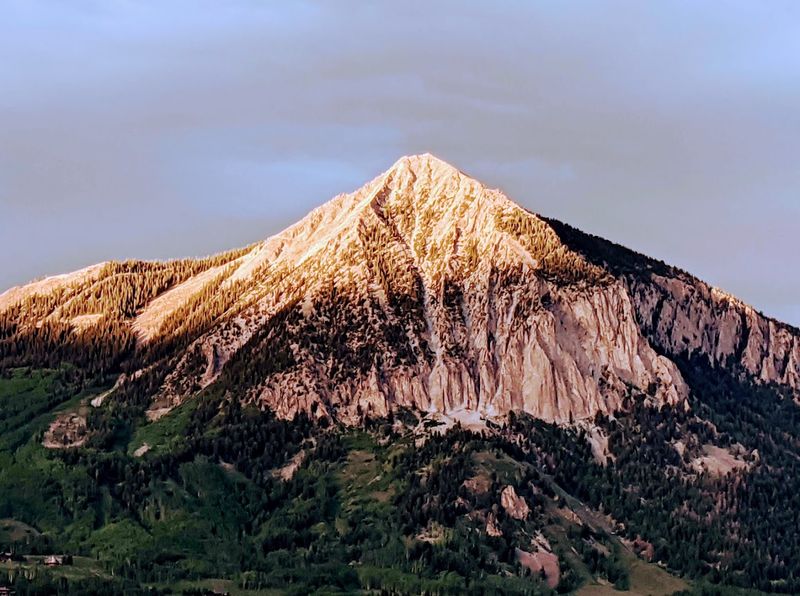
Crested Butte has a legitimate claim to being one of the birthplaces of modern mountain biking, and that history is woven into the culture of the town in ways that go far beyond trail signs and bike shops. The sport took root here in the late 1970s when a group of riders began exploring the mountain terrain on modified bikes, long before the sport had an official name.
Today, the trail network around town is extensive and caters to every skill level, from wide beginner-friendly paths to technical descents that challenge experienced riders. During wildflower season, riding through the bloom corridors on a mountain bike creates an experience that combines sport and scenery in a way that is genuinely hard to replicate anywhere else.
The town celebrates its biking heritage openly, and the community of riders here tends to be knowledgeable, welcoming, and enthusiastic about sharing their favorite routes with visitors who are new to the area.
Skiing in Winter: A Completely Different Kind of Beauty
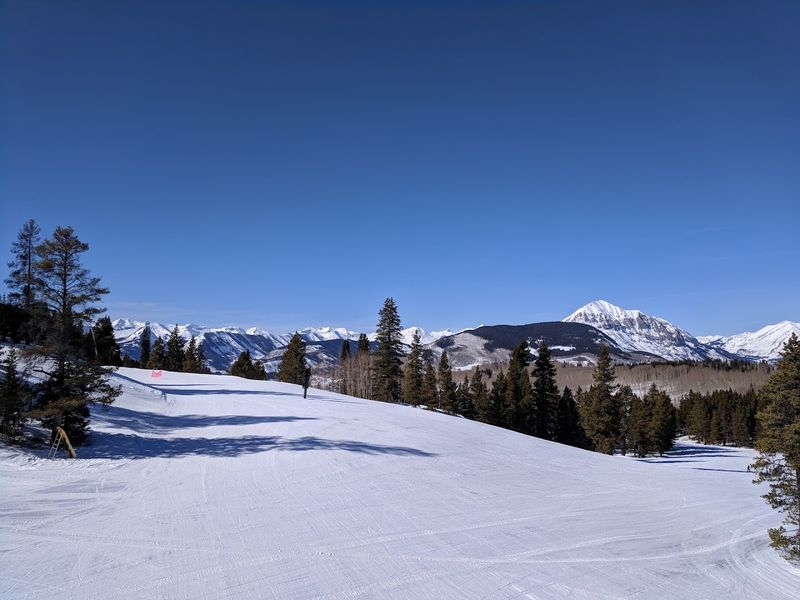
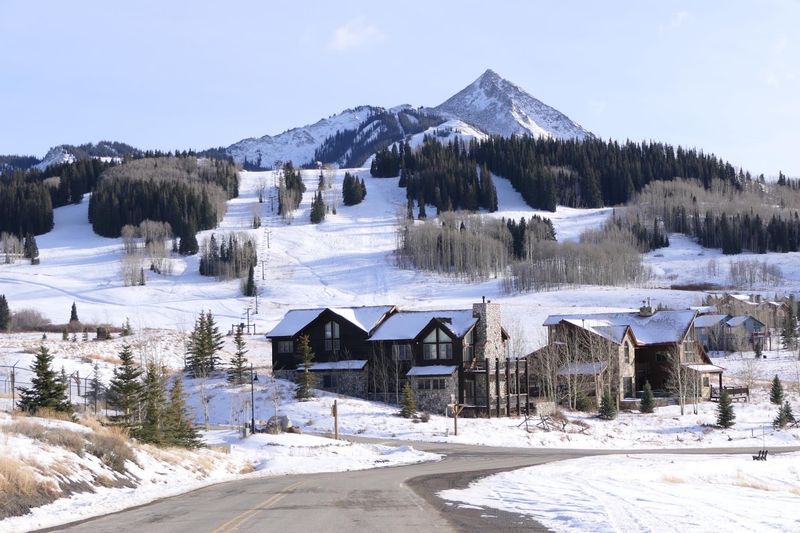
Summer gets most of the attention in Crested Butte, but the winter version of this town has its own devoted following. Crested Butte Mountain Resort sits just a few miles from downtown and offers skiing and snowboarding on terrain that is known for being particularly challenging and rewarding for advanced riders.
The resort has a reputation for steep, ungroomed terrain that attracts skiers who want something beyond the polished, crowded runs found at larger Colorado resorts. The extreme skiing terrain here is genuinely demanding, and the mountain draws people who take their skiing seriously.
The relative remoteness of Crested Butte compared to resorts closer to Denver means the crowds stay manageable even during peak winter weekends. That quieter atmosphere gives the ski experience a more personal quality that regular visitors genuinely appreciate.
Nordic skiing options around town add another layer of winter activity for those who prefer a slower pace on the snow.
The Rocky Mountain Biological Laboratory Next Door
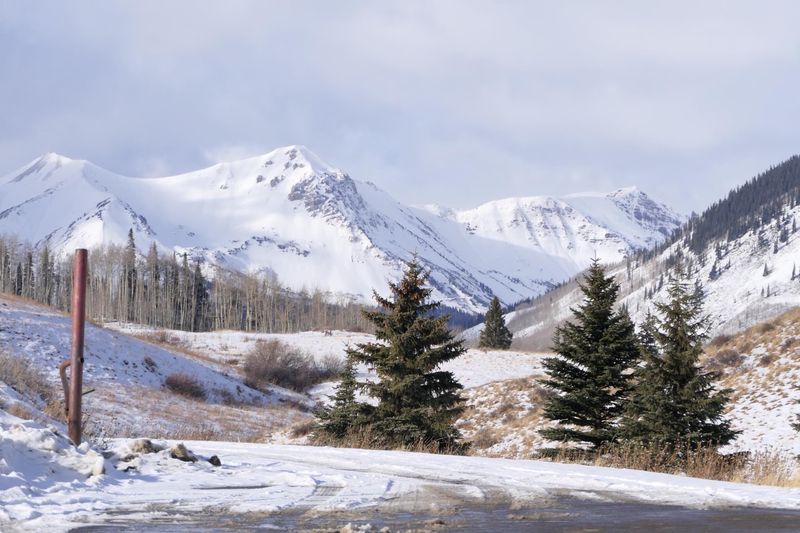
Just up Gothic Road from Crested Butte sits one of the most productive field research stations in North America. The Rocky Mountain Biological Laboratory, located in the ghost town of Gothic, has been operating as a scientific research site since 1928 and hosts researchers from universities around the world every summer.
Scientists come here to study everything from pollinator behavior to climate change impacts on alpine ecosystems, and the wildflowers that blanket the surrounding landscape are central to much of that research. The presence of the lab gives the wildflower season an added layer of significance beyond the visual spectacle.
Visitors who drive Gothic Road often spot researchers working in the meadows, collecting data among the very blooms that tourists are photographing. It is a quietly fascinating reminder that the wildflower fields here are not just beautiful but scientifically important, serving as a long-term outdoor laboratory for understanding how mountain ecosystems function and change over time.
Best Times to Visit and What to Realistically Expect
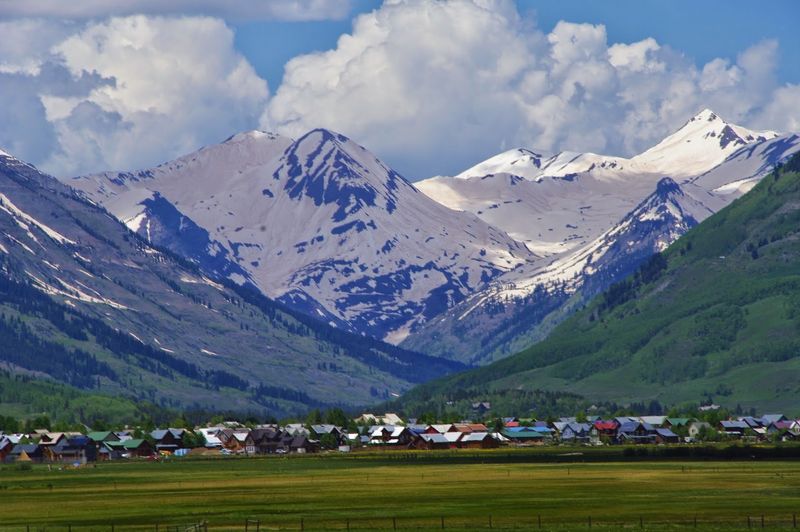
Timing a visit to Crested Butte for peak wildflower season takes a bit of planning because the bloom window shifts slightly from year to year depending on snowpack and spring temperatures. Generally speaking, late June through mid-August covers the primary bloom period, with mid-July often considered the sweet spot for the most concentrated color.
Weather in the mountains can be unpredictable even in summer, with afternoon thunderstorms arriving regularly. Morning visits to the trails and meadows tend to offer clearer skies and calmer conditions, while afternoons are better spent exploring downtown or waiting out any rain from a cafe on Elk Avenue.
Accommodation in and around Crested Butte fills up quickly during the Wildflower Festival in July, so booking several months in advance is strongly recommended for that specific window. Shoulder weeks just before or after the festival still offer beautiful blooms with noticeably fewer crowds and more flexibility for last-minute planners.
Why This Mountain Town Stays With You Long After You Leave
Most travel destinations leave you with a few good photos and a pleasant memory. Crested Butte tends to leave something harder to explain, a feeling that you witnessed something genuinely rare and worth protecting.
The combination of extraordinary natural beauty, a well-preserved historic downtown, serious outdoor culture, and a community that clearly loves where it lives creates an atmosphere that feels both welcoming and authentic. There is no manufactured charm here.
What you see is what the town actually is, and that honesty comes through in every interaction and every view.
Visitors who come for the wildflowers often leave already thinking about their next visit, whether for the fall aspens on Kebler Pass, a winter ski trip, or simply another summer bloom season. The town rewards repeat visits because each season reveals a completely different character.
That layered quality is what separates Crested Butte from the many beautiful mountain towns that line the Colorado Rockies.
Share this story