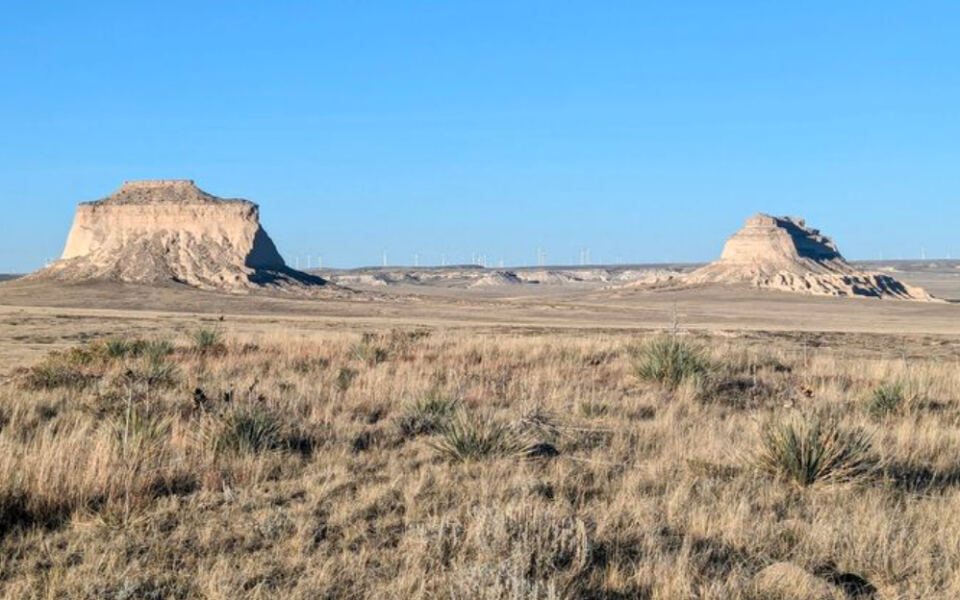
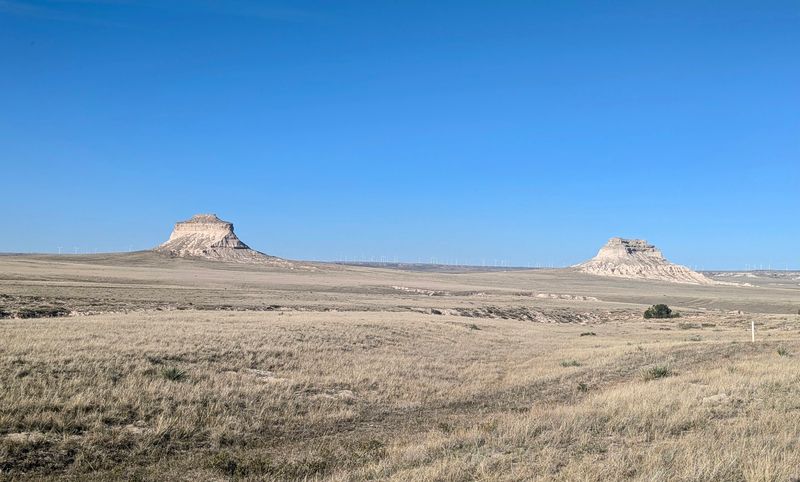
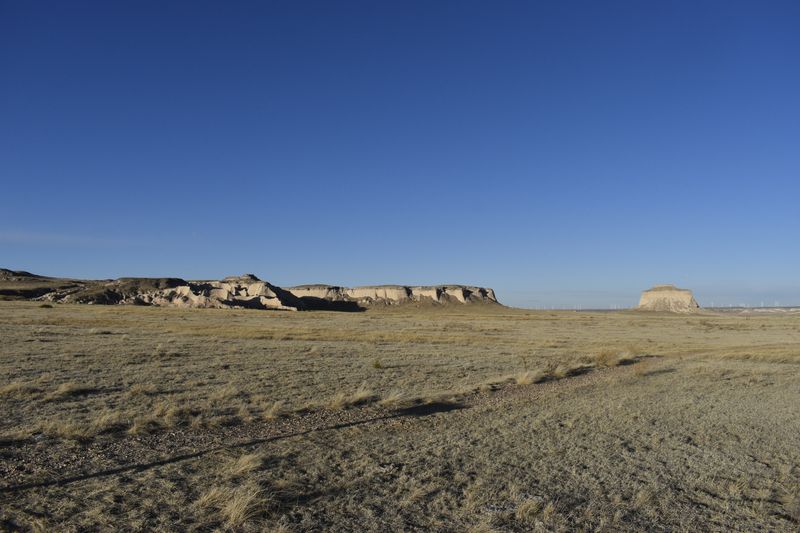
Two massive columns of ancient rock rise straight out of the flat Colorado prairie, visible from miles away and unlike anything else on the eastern plains. These formations have stood for millions of years, shaped by wind and water into dramatic sentinels towering roughly 300 feet above the surrounding grasslands.
The trail that leads to them is one of Colorado’s most unexpected surprises, tucked far from the mountain crowds in a remote corner of the state most people never think to visit. Once you see the buttes up close, you will understand why hikers keep making the long drive back.
What Makes Pawnee Buttes So Remarkable
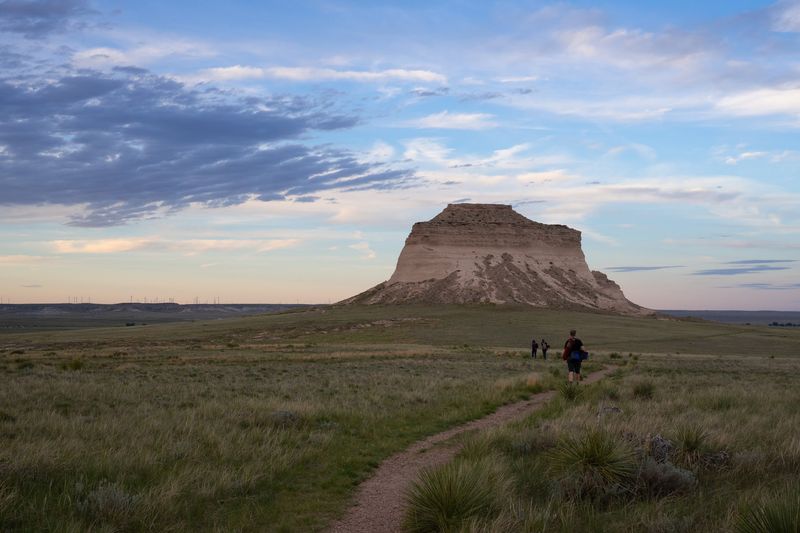
Most people think of Colorado and picture ski slopes or mountain peaks. The Pawnee Buttes flip that expectation completely.
Rising roughly 300 feet above the surrounding prairie, these two massive sandstone formations sit inside the Pawnee National Grassland in northeastern Colorado, near the small town of Grover.
The buttes are ancient. They formed over millions of years as softer surrounding rock eroded away, leaving these harder columns standing alone on the open plain.
The result is a landscape that feels almost prehistoric.
Pawnee Buttes Trailhead, located near Grover, CO 80729, serves as the starting point for one of Colorado’s most underrated hikes. The U.S.
Forest Service manages the area, and the trailhead is open 24 hours a day year-round. Getting there requires navigating several miles of dirt road, which adds to the sense that you are arriving somewhere genuinely remote and worth the effort.
The Long Drive That Sets the Mood
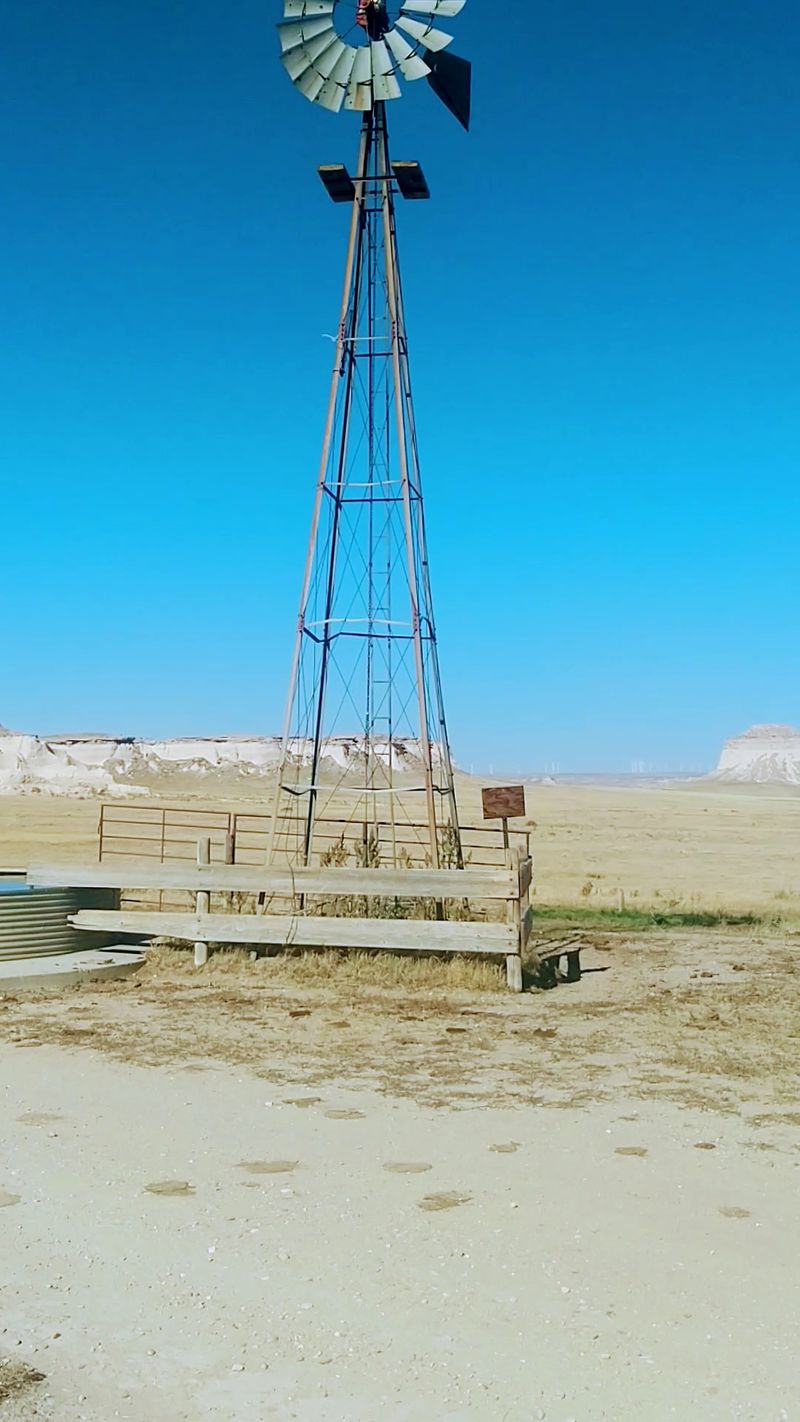
The journey to the trailhead is part of the experience. From Grover, you follow a series of gravel and dirt roads that cut straight through rolling grasslands, past ranches, cattle guards, and the occasional windmill.
Cell service fades quickly, and the landscape opens up in every direction.
That long drive strips away the noise of daily life before you even lace up your boots. By the time the parking area comes into view, you already feel far removed from the city.
Road conditions matter here. After rain, the dirt roads can turn muddy and slippery, and some stretches become genuinely difficult even for vehicles with good clearance.
On dry days, a regular passenger car handles the route without much trouble, though the washboard sections will rattle your fillings. Checking conditions before heading out is always a smart move, especially in spring when moisture lingers longest.
What Greets You at the Trailhead
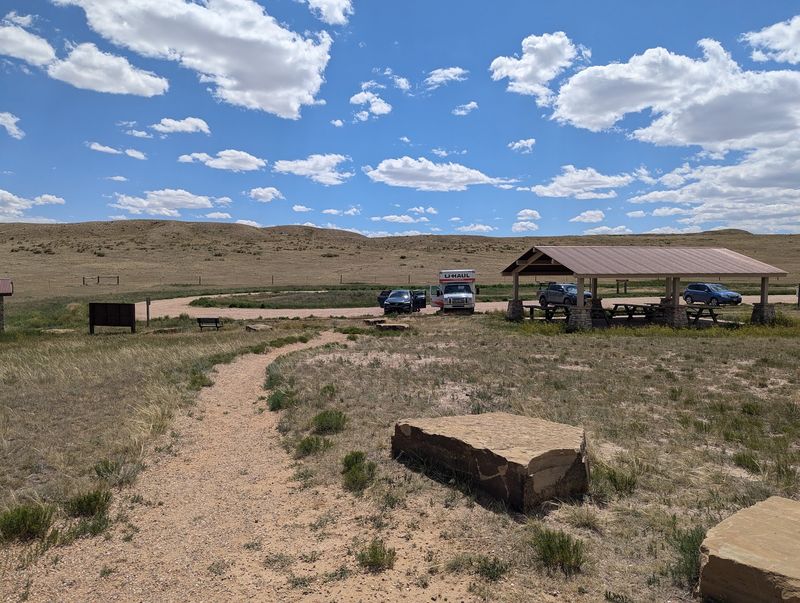
Arriving at the trailhead parking area feels a little like finding a small oasis in the middle of nowhere. There are covered picnic tables, vault toilets, and interpretive signs that explain the geological and historical significance of the area.
The setup is modest but functional, and the Forest Service has clearly put thought into making it welcoming.
The interpretive panels are worth reading before you hit the trail. They cover the buttes’ formation, the history of the surrounding grasslands, and the wildlife that calls this corner of Colorado home.
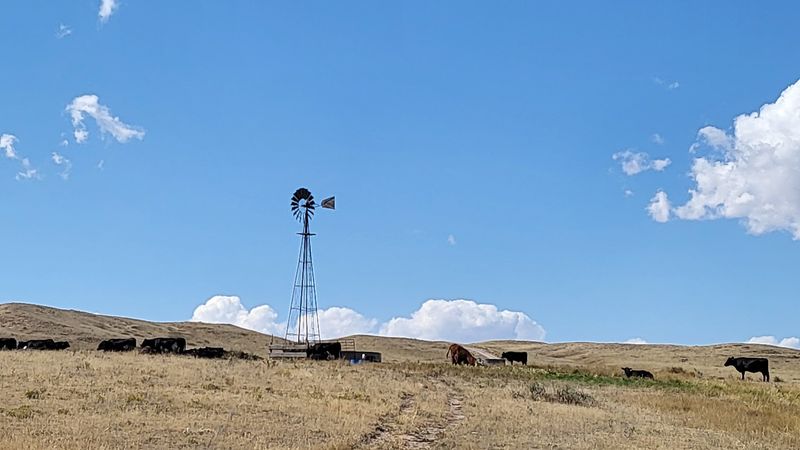
A working windmill near the parking area pumps water for the local rancher’s cattle, adding a living, working-ranch feel to the whole scene.
Dispersed camping is available near the trailhead as well. Spending a night out here, listening to coyotes call at dawn and watching the stars with zero light pollution, is an experience that rewards the drive many times over.
The Trail Itself: Easy Walking With Big Payoffs
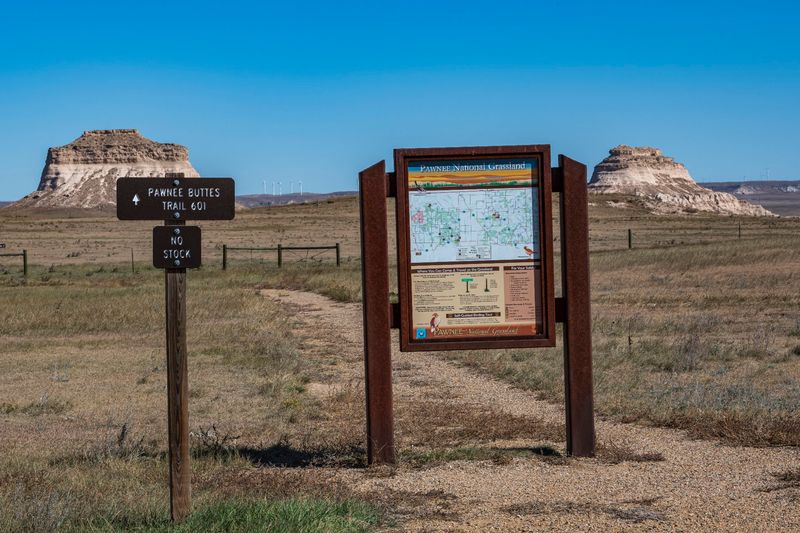
The main trail out to the buttes is mostly flat and easy to walk. The round-trip distance runs roughly 4.5 miles, making it accessible for a wide range of fitness levels.
There is nothing technically demanding about the terrain until you reach the area near the buttes, where some rocky scrambling and narrow passages add a little adventure.
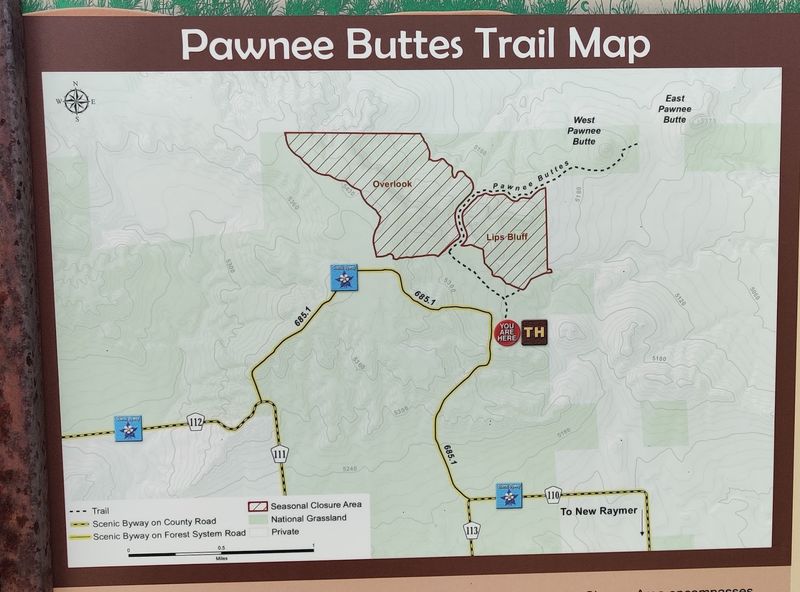
A set of wooden stairs helps hikers descend into the draw between the bluff areas. From there, the trail winds through eroded stream beds and past dramatic cliffs before opening up to full views of both buttes.
The first butte sits about two miles from the trailhead.
One important note: the second butte sits on private land and is not accessible to the public. Staying on the marked trail keeps you on the right side of that boundary.
Trail markers exist, though a few hikers have noted that additional signage would help in spots where the path becomes less obvious.
A Landscape That Feels Millions of Years Old
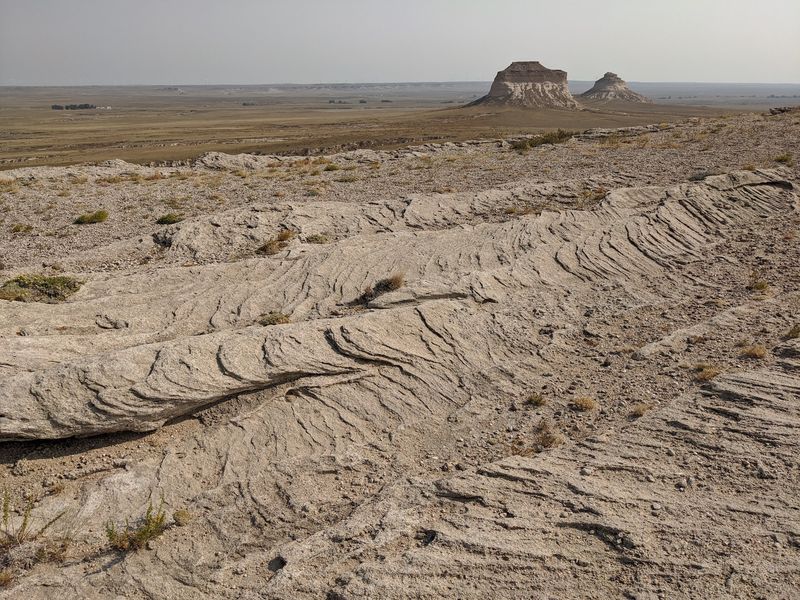
Standing at the base of the buttes, it is easy to feel the weight of geological time. The sandstone layers visible in the rock face tell a story that stretches back tens of millions of years, when this region looked nothing like it does today.
Each band of color in the rock represents a different era of deposition.
The surrounding grasslands add to that sense of age. Miniature cacti dot the ground between clumps of native grass, and the earth feels both fragile and enduring at the same time.
Eroded ravines cut through the landscape, revealing the same layered history written into the buttes themselves.
Hikers who pay attention to the ground will notice fossil-bearing rock in places throughout the area. The Pawnee National Grassland has a documented fossil history, and the formations visible along the trail are part of that broader geological record.
The whole place feels like an open-air natural history lesson.
Wildlife That Shares the Trail With You
The Pawnee National Grassland is a serious destination for birdwatchers, and the buttes area is one of the most productive spots within it. Raptors nest in the cliff faces, and the area is well known for attracting species that are difficult to find elsewhere in Colorado.
Ferruginous hawks, prairie falcons, and various other birds of prey have all been spotted here.
That nesting activity is exactly why a portion of the trail closes seasonally. From March 1 through June 30 each year, the Lips Bluff and Overlook sections close to protect nesting raptors.
During that window, hikers can still reach the first butte by staying on the right trail, but the closure is strictly enforced.
Beyond birds, the grasslands support deer, pronghorn, and the ever-present cattle that graze across the area. Rattlesnakes are also a real consideration, particularly in warmer months.
Walking heavily and watching where you step keeps encounters to a minimum.
Rattlesnake Country: Staying Safe on the Trail
Every experienced hiker who has visited the Pawnee Buttes area mentions rattlesnakes, and for good reason. The combination of rocky terrain, dry grass, and warm temperatures creates ideal conditions for western rattlesnakes throughout the warmer months.
They are not aggressive by nature, but they will defend themselves if surprised.
The most effective precaution is simple: stay on the trail, avoid stepping over rocks or logs without checking first, and keep dogs on a short leash. Walking with a little extra noise, especially in tall grass or near rocky outcroppings, gives snakes time to move away before you get close.
The gully sections of the trail, where the terrain dips into eroded stream beds, deserve extra attention. Snakes favor those shaded, sheltered spots during the heat of the day.
Going early in the morning, when temperatures are cooler and snakes are less active, reduces the chance of an unexpected encounter considerably.
No Shade, No Water: Preparing for the Open Prairie
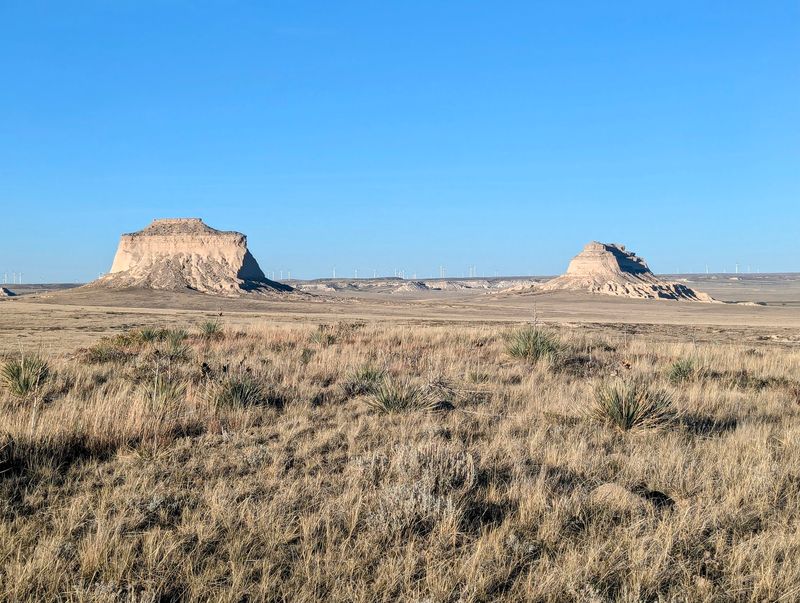
The prairie offers no mercy when it comes to sun exposure. From the moment you leave the trailhead, there is almost no natural shade anywhere along the route.
The flat, open terrain means the sun hits from above and reflects back up from the pale ground, making the heat feel more intense than the thermometer suggests.
Carrying more water than you think you need is not optional here. There are no water sources along the trail, no nearby gas stations, and no services of any kind once you leave the main road.
A wide-brimmed hat and sunscreen are just as important as your hiking boots.
Timing matters a great deal. Early morning starts, before the midday heat builds, make the hike far more comfortable.
Late spring and early fall offer the best overall conditions. Hiking here in the middle of a July afternoon is an experience most people prefer not to repeat, based on their own honest accounts.
The Wind That Never Quite Stops
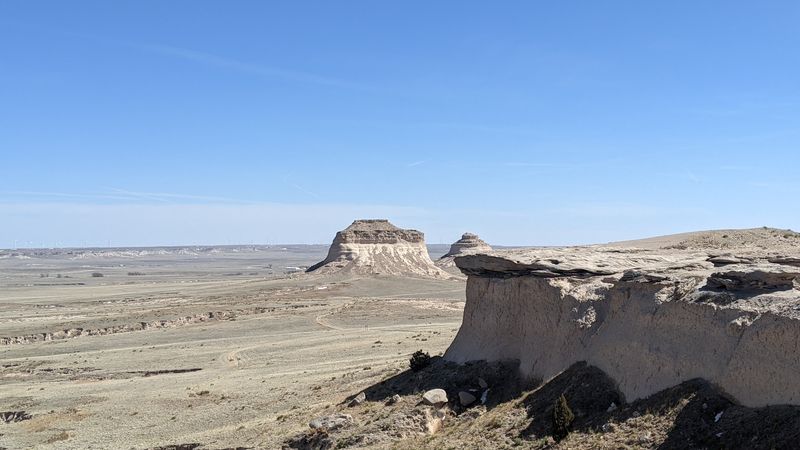
Wind is the constant companion on the Pawnee prairie. It blows steadily across the grasslands almost every day, and near the buttes it can pick up considerably as it channels through the draws and around the rock formations.
On a hot day, that wind is a genuine relief. On a cold morning, it cuts straight through inadequate layers.
Campers especially need to account for the wind. Tents and shelters that handle gusty conditions are a necessity, not a luxury.
Sudden afternoon thunderstorms can roll in quickly across the open plains, bringing strong gusts and heavy rain with little warning.
For photographers, the wind creates both challenges and opportunities. It keeps the air clean and the light sharp, and dramatic cloud formations build frequently over the prairie sky.
The combination of wind-bent grass, towering buttes, and wide open sky produces images that look nothing like typical Colorado photography. That contrast alone makes the trip worthwhile for anyone who shoots landscapes seriously.
Photography at the Buttes: Why Shooters Keep Coming Back
Few places in Colorado offer this kind of photographic drama without a crowd. The buttes glow warm gold and orange during the hour before sunset, and the flat prairie foreground gives wide-angle lenses room to breathe.
Early morning light hits the eastern faces of the formations with a softness that midday sun never delivers.
The seasonal closures actually benefit photographers who plan carefully. Visiting just before or after the nesting closure means wildflowers are often still blooming in late spring, adding color to the trail and the grassland foreground.
Late September visits bring clear skies and comfortable temperatures, with golden grass that complements the warm tones of the sandstone.
ATV and UTV trails east of the parking area stretch roughly 5.5 miles and open up vantage points that foot traffic alone cannot reach. Photographers willing to explore those jeep trails find compositions that most visitors never see, making the extra effort genuinely rewarding.
Wildflowers and Seasonal Color on the Prairie
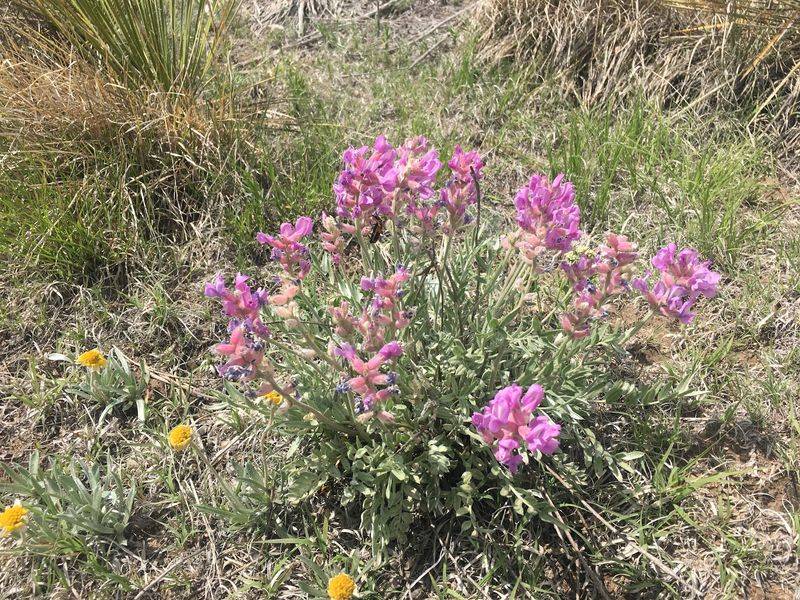
Late May is widely considered the sweet spot for wildflower viewing at Pawnee Buttes. The grasslands come alive with blooms scattered across the trail and the surrounding terrain, turning what is already a striking landscape into something genuinely colorful.
The contrast between the pale sandstone buttes and the flowering prairie is hard to overstate.
Native prairie plants dominate the flora here. Low-growing cacti with bright blooms sit alongside grasses and forbs that have adapted to the dry, windy conditions over thousands of years.
Even outside of peak bloom season, the plant life here is more varied and interesting than the flat horizon suggests.
Spring visits come with one caveat: the dirt roads can be soft and muddy after winter moisture. Checking road conditions before making the trip saves a lot of frustration.
The reward for timing it right, though, is a version of the Pawnee prairie that relatively few visitors actually get to see at its most colorful.
The Historical Weight of the Pawnee Prairie
The interpretive signs at the trailhead do more than explain geology. They connect visitors to the human history of this landscape, from the Indigenous peoples who lived on the plains long before European contact to the homesteaders who attempted to farm this unforgiving terrain in the late 1800s and early 1900s.
Standing out on the open prairie, it is genuinely difficult to picture surviving here through a full year. The relentless wind, the summer heat, the lack of trees, the distances between any two points of shelter: the land makes its demands clear.
The buttes served as landmarks for travelers crossing the plains, visible from far enough away to guide movement across otherwise featureless terrain.
The area carries that historical weight quietly. There are no dramatic monuments or grand visitor centers.
Just the land, the wind, and the rock, the same combination that shaped every person who ever tried to make a life out here.
Camping Near the Buttes: Sleeping Under an Infinite Sky
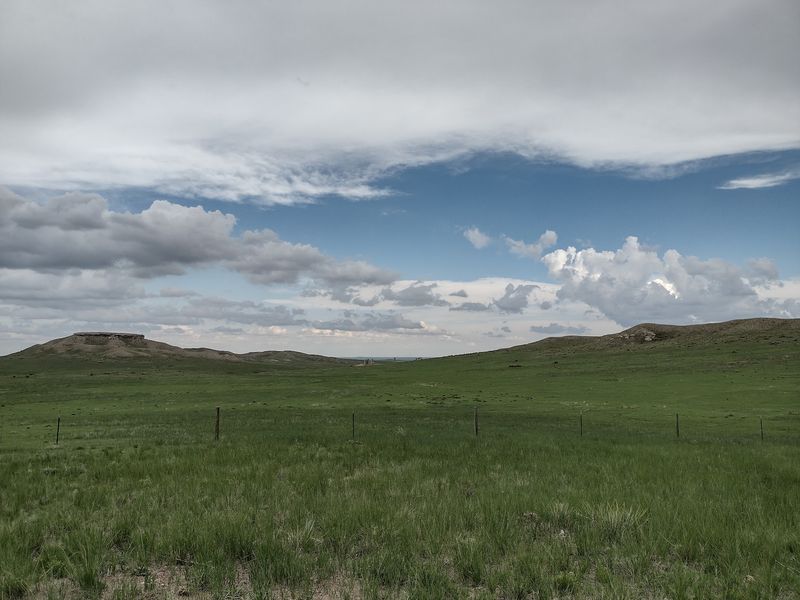
Dispersed camping near the Pawnee Buttes Trailhead gives visitors something that developed campgrounds rarely offer: genuine solitude. There are no assigned sites, no hookups, and no camp store.
Just open grassland, a few covered picnic tables, and a sky that turns extraordinary after dark.
Light pollution is virtually nonexistent this far from any city. On clear nights, the Milky Way appears in full, and the silence is broken only by wind and the distant calls of coyotes.
Waking up to that kind of quiet, with the buttes visible from your tent door at sunrise, is the sort of thing that earns a place on a personal list of best camping experiences.
Campers need to be self-sufficient. Bring everything you need, including enough water for cooking and drinking, since there are no water hookups at the site.
Strong tent stakes and a shelter rated for wind are practical necessities rather than suggestions given the prairie’s consistent gusts.
Cattle, Cowboys, and Working Ranch Life
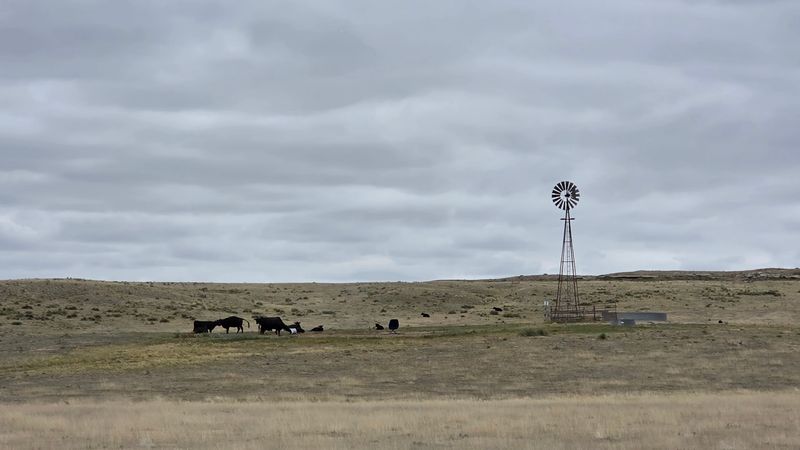
The Pawnee National Grassland is not a wilderness preserve cordoned off from everyday life. Cattle graze across much of the area, and the working ranch culture of northeastern Colorado is very much present at the buttes.
Cattle guards cross the access roads, and cows wander freely through sections of the trail corridor.
That coexistence between recreation and ranching is part of what makes the place feel authentic. A working windmill near the trailhead pumps water into a large tank for local cattle, and the sounds and signs of ranch life are woven into the experience in a way that feels honest rather than staged.
Visitors are strongly encouraged to drive slowly on the access roads and give cattle plenty of space. The roads are narrow and shared, and a confrontation with a curious or startled animal is not something anyone wants.
Respecting the working landscape means the area stays open and accessible for everyone who makes the trip.
Why This Hike Belongs on Your Colorado List
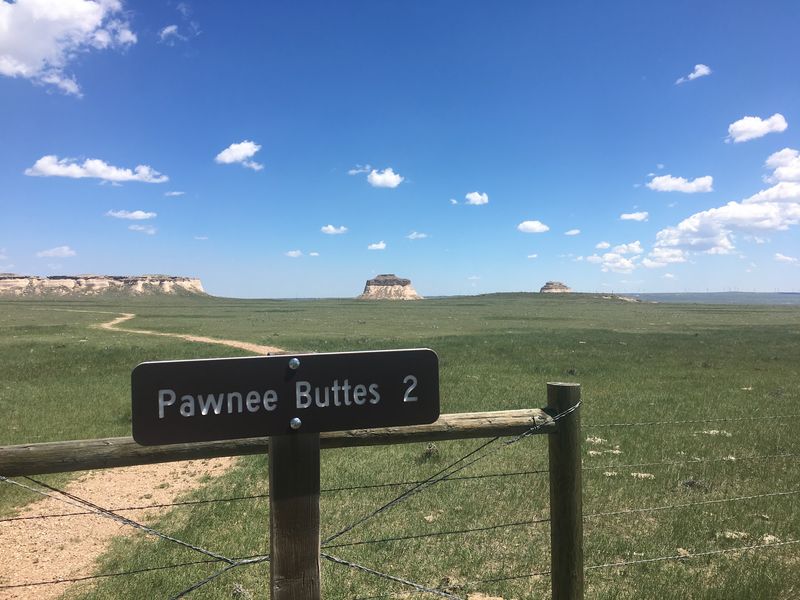
Colorado has no shortage of spectacular places to hike, but most of them involve mountain trails, altitude, and crowds. Pawnee Buttes offers something genuinely different: a flat, accessible route through ancient prairie to formations that look like they belong in a different part of the country entirely.
The hike rewards preparation and timing. Going early, carrying plenty of water, wearing sun protection, and checking road conditions before leaving home turns a potentially difficult outing into a memorable one.
The trail itself is forgiving, but the environment is not, and a little planning goes a long way.
What lingers after the drive home is not any single moment but the overall feeling of the place: wide open, quietly dramatic, and completely unlike the Colorado most people know. If you are looking for a hike that surprises you, that makes you reconsider what the state has to offer beyond its famous peaks, the Pawnee Buttes trail delivers that feeling every single time.
Share this story