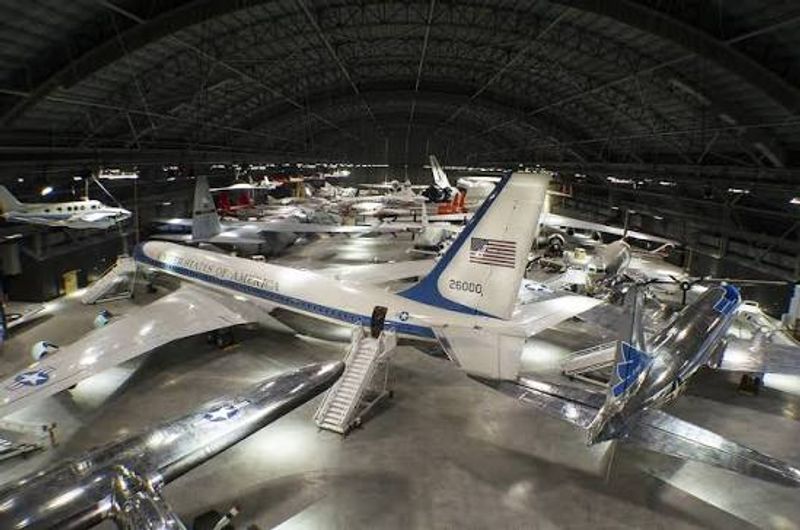
Most museums charge you before they impress you. The National Museum of the US Air Force in Dayton, Ohio flips that entirely, greeting you with hundreds of real aircraft spread across four enormous hangars before you ever reach for your wallet.
The admission is completely free, the parking is free, and the scale of what you find inside is the kind of thing that stops you mid-step. Whether you grew up obsessed with planes or you just stumbled onto the place during a road trip, you are almost certainly not prepared for what is waiting inside.
Where You Actually Are and What You Are Walking Into
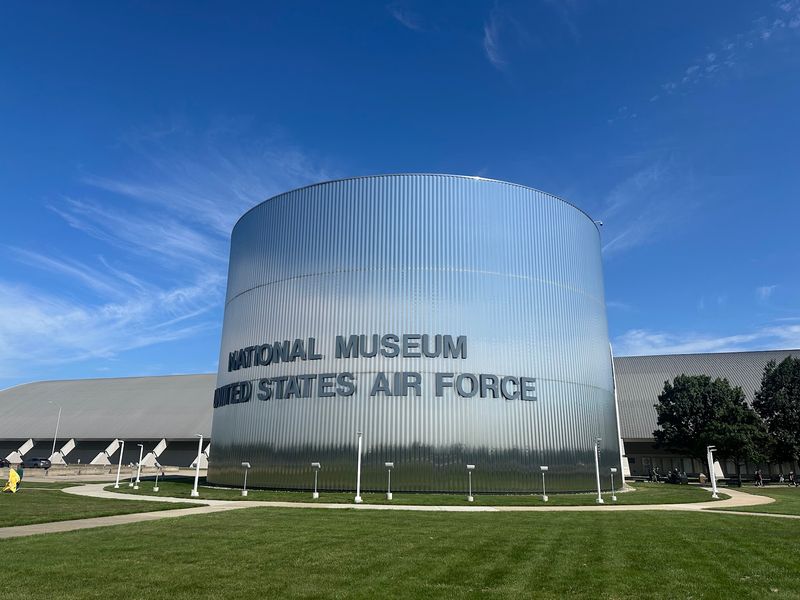
The National Museum of the US Air Force sits at 1100 Spaatz St, Dayton, OH 45433, on the grounds of Wright-Patterson Air Force Base. Dayton is already a city tied deeply to aviation history, given that the Wright brothers called it home, and this museum leans into that legacy without apology.
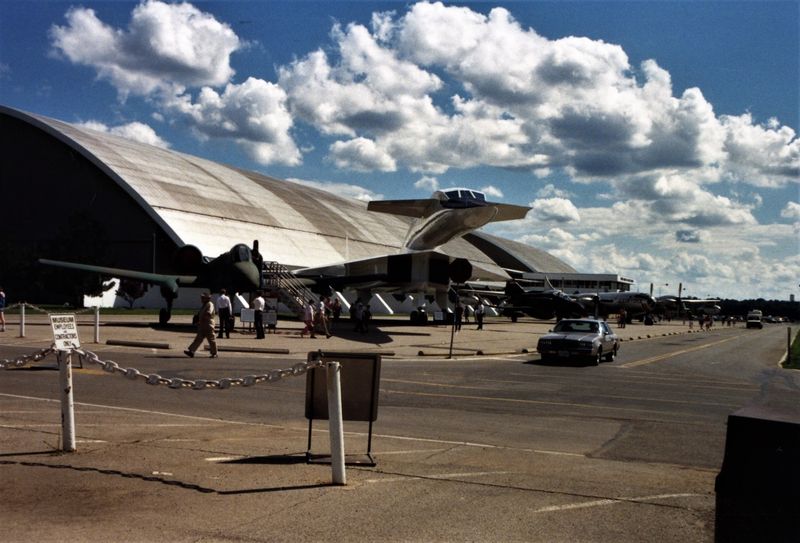
The building complex itself is enormous. Four massive interconnected hangars hold the collection, and from the outside, you already get a sense that something serious is happening in there.
The museum is operated by the United States Air Force and is considered the world’s largest military aviation museum. It holds over 360 aircraft and missiles, all displayed indoors in climate-controlled hangars that keep everything in remarkable condition.
A 4.9-star rating across nearly 30,000 Google reviews is not something you stumble into by accident. That number reflects a place that has been doing something genuinely right for a very long time, and it sets the tone before you ever walk through the door.
The History Behind the Collection
Aviation history in the United States did not begin with jets and stealth technology. The museum traces the full arc from the earliest days of powered flight through every major conflict and technological leap that followed, organizing its collection by era so the story builds naturally as you move through the galleries.
The World War I and World War II sections carry a particular weight. Seeing the actual aircraft that flew in those conflicts, not reproductions but the real machines, changes how you absorb the history.
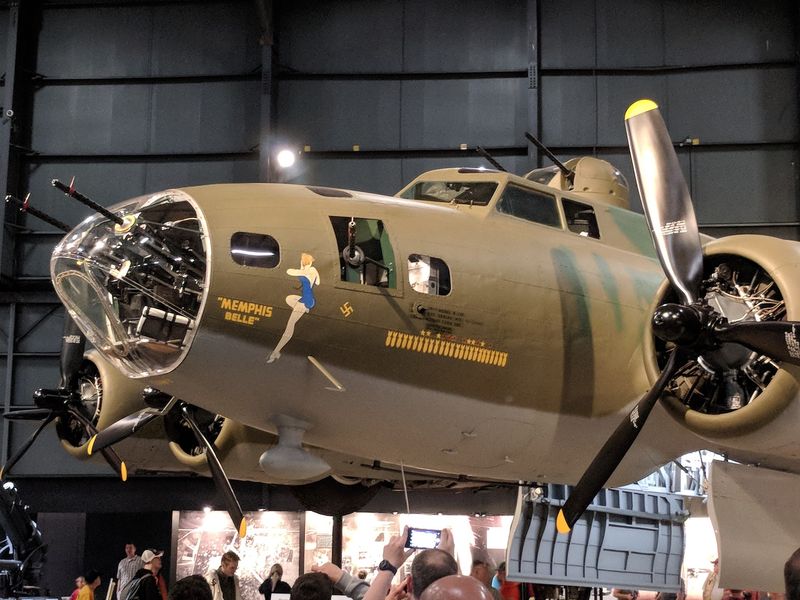
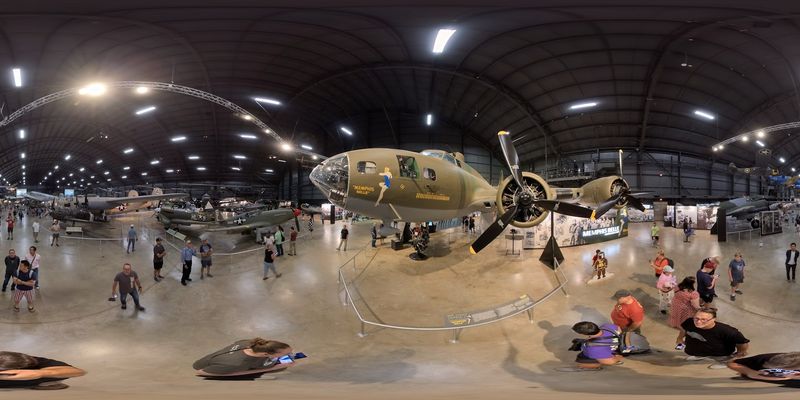
The famous B-17 Flying Fortress known as the Memphis Belle is here, one of the only B-17 crews to complete a full 25 missions and return home. The aircraft and the story behind its final mission are presented with care and detail that rewards the time you spend with them.
Each era section includes not just the aircraft but context about the conflicts themselves. Placards cover the wars, the missions, and the people who flew.
The museum treats history as a layered subject, giving you aircraft to look at and enough background to understand why each one matters.
The collection grew significantly over the decades and continues to expand, which is part of why repeat visitors consistently report discovering something new on every trip.
Four Hangars and the Logic of How They Flow
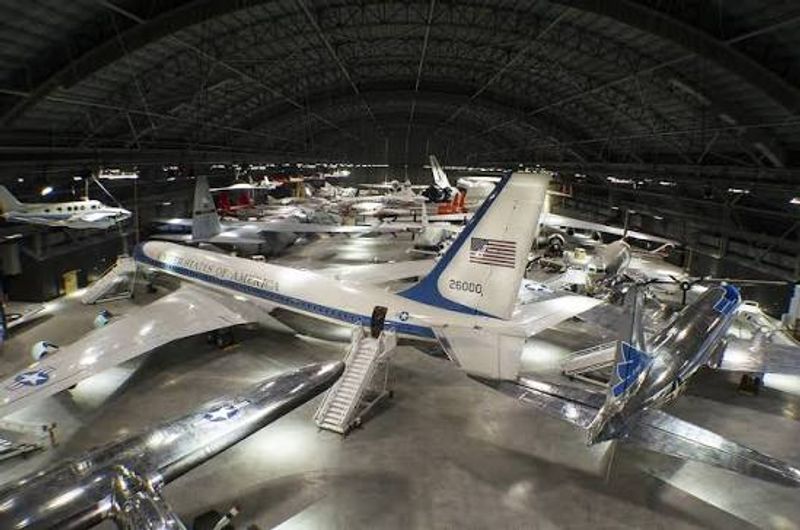
One of the smartest things about this museum is how it moves you through the collection without feeling like a chore. The layout flows logically from one era to the next, and the hangar-to-hangar transitions feel natural rather than abrupt.
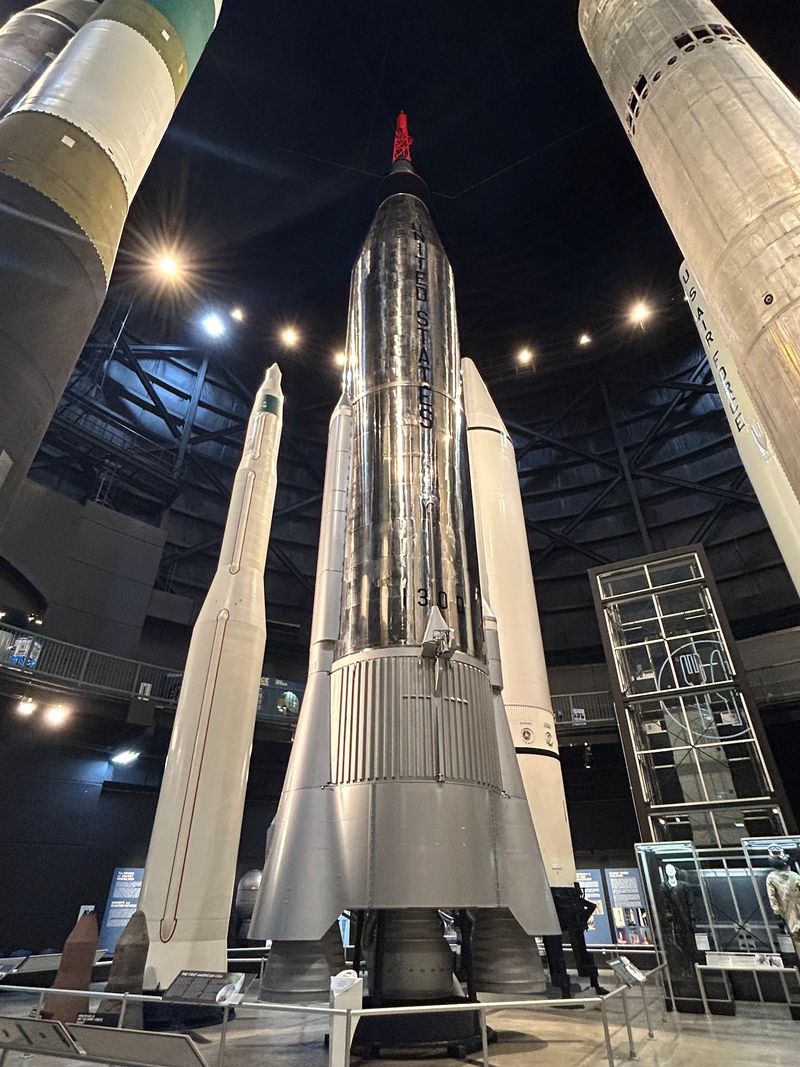
The early aviation and World War I gallery leads into the World War II hangars, which then give way to the Cold War and modern flight sections. A separate gallery covers the space and missile programs.
There is also a Presidential aircraft gallery that holds the actual planes used to transport U.S. presidents, including aircraft you can walk through and explore up close.
All of it stays indoors, which matters more than it might sound. Everything is under roof, protected from weather, and maintained to a standard that makes each aircraft look like it could almost be wheeled out and flown.
The hangars are clean, well-lit, and designed to let you stand back and appreciate the full size of what you are looking at.
That size factor catches people off guard. Photographs do not prepare you for standing next to a B-52 or looking up at an XB-70 Valkyrie.
The aircraft fill the space in a way that makes the hangars themselves feel small by comparison, which is a strange and genuinely thrilling experience.
Record-Setting Aircraft You Can See Nowhere Else
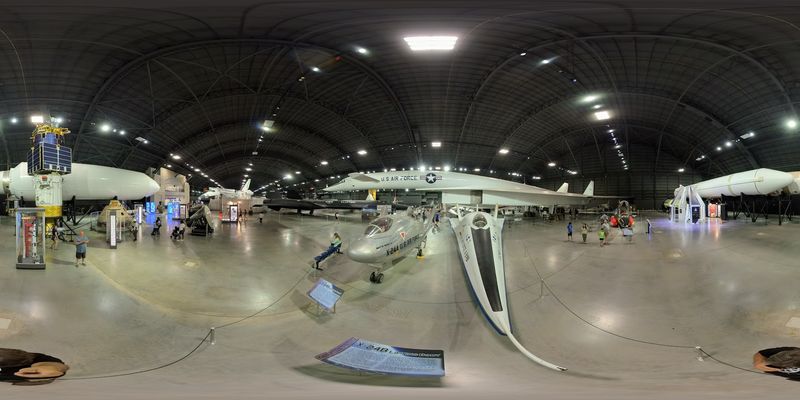
Some museums have good collections. This one has aircraft that exist nowhere else on earth.
The distinction matters, and it becomes clear fast once you start reading the placards in the research and development gallery.
The XB-70 Valkyrie on display is the only surviving example. The YF-12A interceptor prototype is the only one left.
The X-15-A2 displayed here set the world record for the fastest crewed aircraft, reaching nearly Mach 7, a record that has not been broken. The SR-71 Blackbird on the floor is among the most flown examples of that iconic aircraft.
The B-58 Hustler in the collection held all pre-A-12 and pre-SR-71 speed records during its operational life. These are not just cool planes sitting in a row.
Several of them are the definitive examples of their type, the ones that defined what was possible at the time they flew.
For anyone with a serious interest in aviation history, cold war technology, or experimental aircraft, the research and development gallery alone justifies the trip to Dayton. The fact that you can walk up to these machines, stand within feet of them, and read the full story of what they accomplished is the kind of access that feels almost unreasonable given that the whole thing is free.
Simulators, Cockpits, and Hands-On Moments
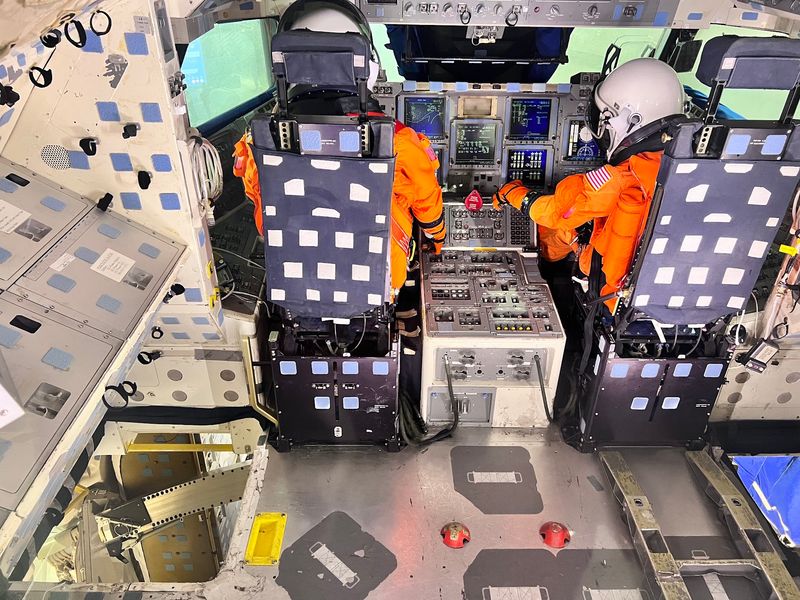
Not everything in this museum sits behind a rope. A meaningful portion of the experience is genuinely interactive, which is part of why the place works so well for families with kids and for adults who want more than a passive walk-through.
Mock cockpits are available to sit in, giving you a close-up look at the instruments and controls of aircraft you would otherwise only see from a distance. Interactive quiz stations let you test what you have learned as you move through the galleries.
The flight simulators are a genuine highlight, drawing comparisons to theme park rides in terms of the physical sensation they deliver. Those do carry a fee, but visitors consistently describe them as worth every cent.
Several of the actual aircraft in the collection are open for walk-throughs, including planes in the Presidential gallery. Climbing aboard and moving through the cabin of a historic aircraft is a different category of experience from looking at it from the outside, and the museum gives you real access rather than a distant view through a velvet rope.
The A-10 Warthog display includes opportunities to handle expended rounds under the guidance of knowledgeable volunteers. Moments like that turn a museum visit into something closer to a conversation with history, and they happen throughout the collection rather than just in one dedicated area.
The Volunteers Who Make It Feel Personal
A museum can have the best collection in the world and still feel cold and impersonal. What separates this place from that fate is the people who work and volunteer there, and they come up in nearly every account of what makes the visit memorable.
Free guided tours are available, and the guides bring a level of enthusiasm and knowledge that turns a self-directed walk into something richer. The volunteers approach visitors throughout the hangars, often offering additional context, answering questions, or simply sharing their own connection to the aircraft on display.
That kind of organic interaction is rare in a museum setting and hard to manufacture.
The staff handles logistics with the same level of care. Parking flows smoothly, the entrance process is welcoming, and the overall organization of a very large and very busy institution is handled with a professionalism that visitors consistently notice and appreciate.
Free electric scooters are available at the entrance for visitors with limited mobility, and the museum reports having at least 20 available at any given time. The layout accommodates strollers as well, and the combination of accessibility features and attentive staff makes the museum genuinely welcoming to a wide range of visitors rather than just those who can manage a full day on foot.
The Theater, the Cafe, and the Spaces In Between
Spending four to eight hours in a museum requires more than enthusiasm. At some point, you need food, a seat, and maybe a reason to pause before heading back into the hangars.
The museum covers all of that without much fuss.
The Valkyrie Cafe on the main floor handles lunch and snacks for most visitors. The food is straightforward and functional rather than destination-worthy, but it is perfectly good for refueling in the middle of a long day.
A second food and coffee option sits above the missile silo area for visitors who find themselves in that part of the museum. Outdoor picnic tables are available for anyone who prefers to bring their own food and eat outside.
The 3D theater shows films tied to aviation and military history, with titles like D-Day and Fighter Pilot running on a large screen. The films are included in the visit and add a cinematic dimension to what you are already absorbing through the exhibits.
They are worth building into your schedule rather than treating as an afterthought.
The gift shop at the exit deserves more time than most people give it. The range of items is wide enough that browsing properly takes 30 to 45 minutes, and it serves as a natural ending point before you head back to the parking lot feeling like you have genuinely earned the drive home.
Planning Your Visit to Get the Most Out of It
The museum is open every day of the week from 9 AM to 5 PM, which gives you a consistent eight-hour window regardless of when you plan to go. Admission is free.
Parking is free. The only things that carry a fee are the flight simulators, which are optional but popular.
Plan for a minimum of three to four hours if you want to cover the highlights without rushing. A full day gets you deeper into the collection, and some visitors return multiple times before they feel like they have seen everything.
Comfortable shoes are not a suggestion. The floors are solid concrete throughout, and the distances between exhibits add up quickly.
Donations are accepted at the entrance, and visitors who give receive a map of the museum, which is genuinely useful given the scale of the place. Free guided tours are available and worth joining, particularly for first-time visitors who want context alongside the aircraft.
The museum sits about an hour from Columbus and within easy reach of Cincinnati, making it a realistic day trip from most of central and southwestern Ohio. For out-of-state visitors, it draws people from across the country and consistently earns the description of being worth the drive.
With a 4.9-star rating from nearly 30,000 reviews, the consensus is about as close to unanimous as a public attraction ever gets. You can reach the museum at +1 937-255-3286 or find full details at nationalmuseum.af.mil before your visit.
Share this story