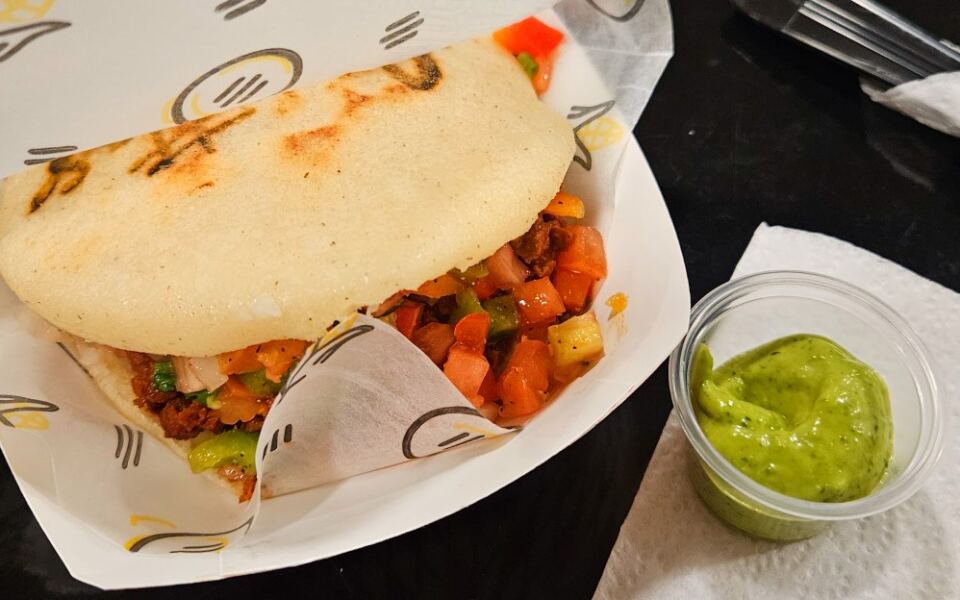
A small Venezuelan restaurant in downtown Pittsburgh is serving corn cakes stuffed with shredded beef, black beans, and sweet plantains. At Arepittas on Cherry Way, these stuffed arepas are the main attraction, offering a different kind of lunch just steps from the city’s office buildings.
One standout is the pabellón arepa, inspired by Venezuela’s national dish. The menu also includes chicken-and-avocado arepas, crispy empanadas, cheesy tequeños, and sweet corn cachapas.
The restaurant keeps things casual, with traditional Venezuelan dishes available for a quick downtown meal. And beyond the stuffed corn cakes, there is a green cilantro sauce that gives diners another reason to explore the menu.
A Venezuelan Kitchen on a Downtown Alley
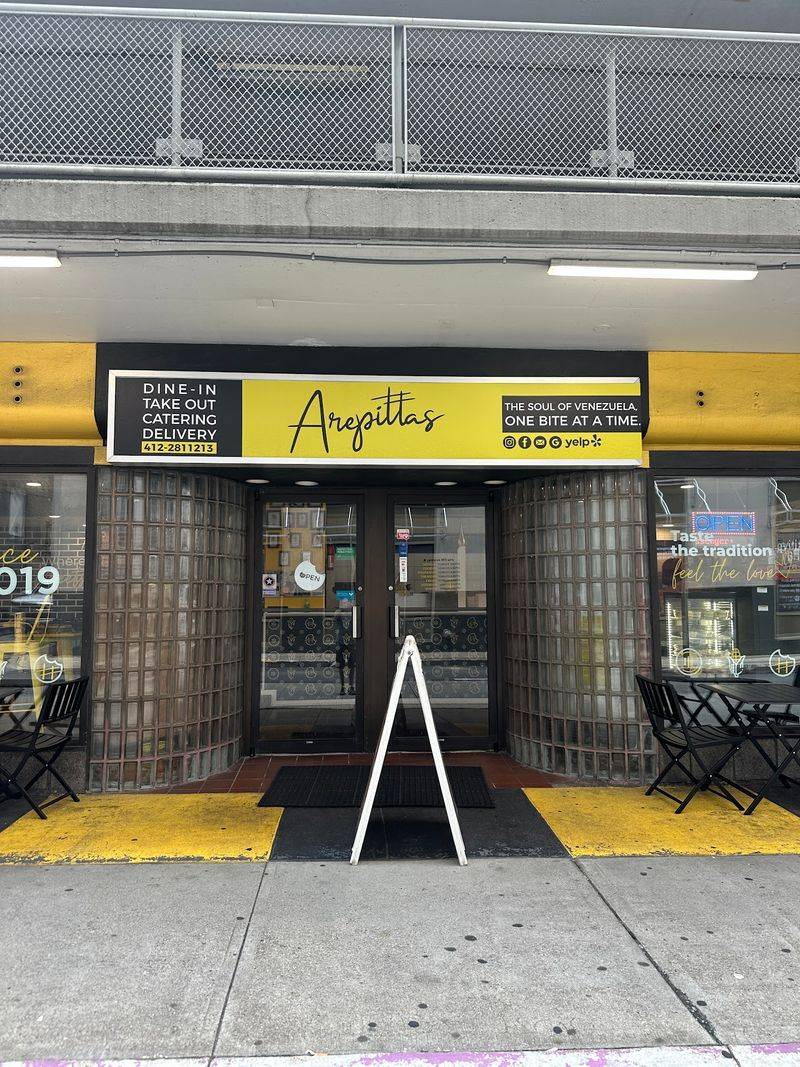
Cherry Way is a narrow downtown street most people use as a shortcut. Arepittas turned part of it into a stop for Venezuelan comfort food.
The restaurant sits at 412-428 Cherry Way in Pittsburgh, Pennsylvania 15219.
The location puts it close to downtown hotels, offices, and the convention crowds. Many first-time diners seem to wander in because they are staying nearby.
That makes it a handy choice when you want something more interesting than a chain sandwich.
The setup is casual and counter-service. You order up front, grab a seat, and wait for your food to be made.
There are no white tablecloths, and that fits the food well.
Arepas are the main event, which the name hints at pretty clearly. Still, the menu stretches into empanadas, bowls, cachapas, soups, and snacks.
It reads like a tour of Venezuelan street food packed into one storefront.
I find it interesting that such a specific cuisine landed in the middle of a busy downtown. It gives Pittsburgh a taste of a place many residents have never visited.
To understand why people keep talking about it, you have to start with the arepa itself.
Why the Arepa Deserves Your Attention
Ground corn, water, and a hot griddle are all it takes to make the base of an arepa. The dough comes from precooked cornmeal, often called masarepa.
Venezuelans and Colombians have eaten these round cakes for generations.
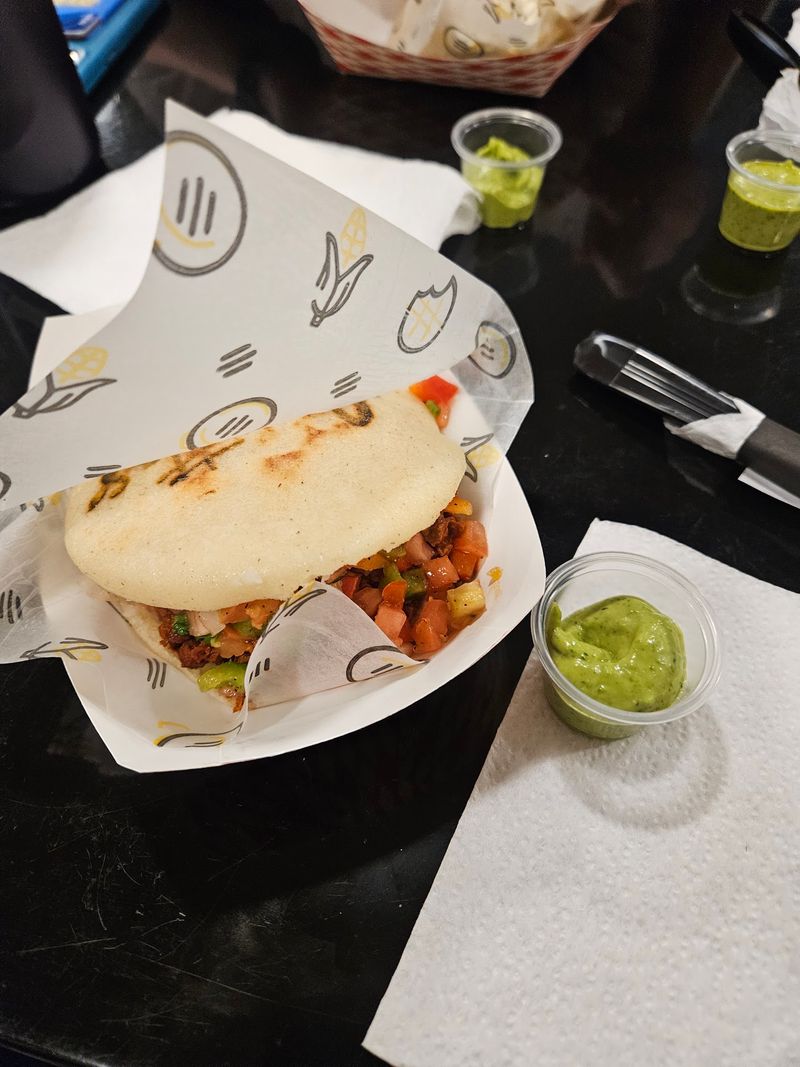
At Arepittas, the arepa gets sliced open and packed like a pocket. That design matters, because it holds a lot of filling without falling apart.
You can pick it up and eat it with your hands.
Since the dough is corn instead of wheat, arepas are naturally free of gluten. This explains why so much of the menu works for gluten-sensitive diners.
Staff can also help with dairy-free swaps when asked.
Fun fact: in Venezuela, arepas show up at breakfast, lunch, and dinner. They play the same everyday role that bread plays in many American homes.
Families often make them fresh each morning.
The arepas here even carry a small stamp on top, a detail that makes them easy to spot. It is a tiny touch, but it shows care.
Once you have the shell figured out, the real fun begins with what goes inside.
Pabellon, the Filling That Started It All
Venezuela’s national dish is a plate of shredded beef, black beans, rice, and fried sweet plantains. It is called pabellon criollo.
At Arepittas, those same flavors get stuffed into an arepa.
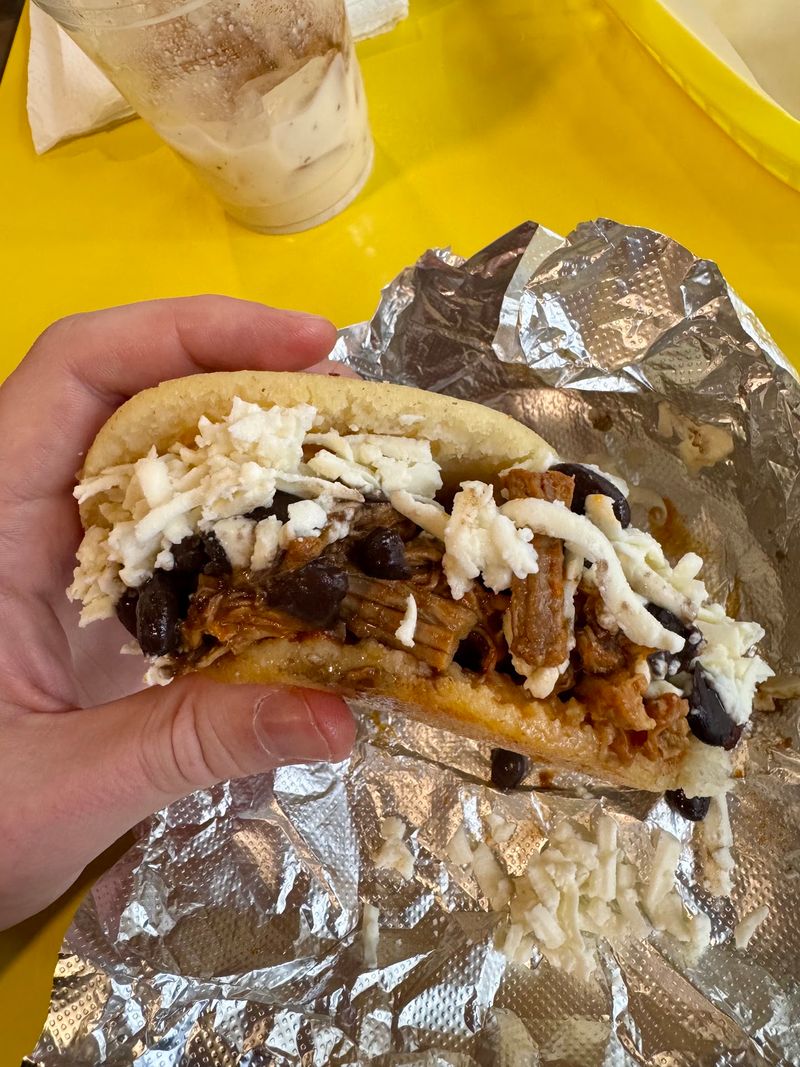
The pabellon arepa skips the rice and keeps the heart of the dish. Shredded beef and black beans go in with plantains, and many diners add avocado.
Every bite mixes savory meat with a little sweetness.
If you want the full traditional version, pabellon criollo also appears as a plated meal. That option includes the rice, so it works for a bigger appetite.
It is a good pick for someone trying Venezuelan food for the first time.
The pabellon filling also shows up inside an empanada. That gives you a crunchier way to taste the same mix.
Ordering both could be a fun side-by-side test.
I would start here on a first visit, simply because it tells you so much about Venezuelan cooking. It is hearty, balanced, and full of color.
After that, the rest of the arepa list starts to make a lot more sense.
Reina Pepiada and Llanera Bring Fresh Choices
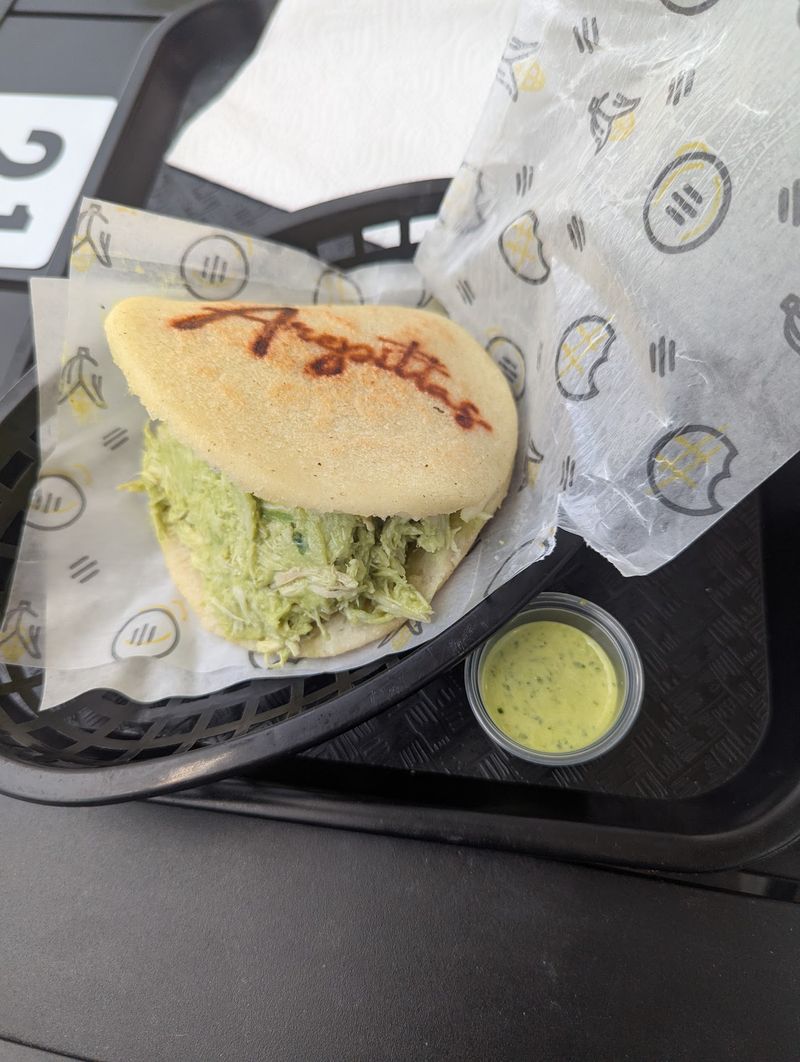
A beauty queen inspired one of Venezuela’s most famous arepas. The reina pepiada was reportedly named in honor of a Miss World winner from the 1950s.
Its name roughly means curvy queen.
The filling is a creamy mix of chicken and avocado. It is cool, rich, and very different from the warm pabellon.
Arepittas stuffs theirs generously with avocado, which fans of guacamole will appreciate.
Steak lovers have a different path with the Llanera arepa. The name points to the llanos, the wide grassy plains of Venezuela known for cattle ranching.
Grilled beef makes sense for a filling named after cowboy country.
The menu also lists plenty of other meats, from chicken to pork to shrimp. Having so many choices can feel a little overwhelming at the counter.
My advice is to pick one classic and one wild card.
Splitting two arepas with a friend lets you compare them without overeating. Portions run large, and leftovers are common.
That trick also leaves room for snacks like tequenos, which deserve their own moment.
Tequenos Filled With Guava and Cheese
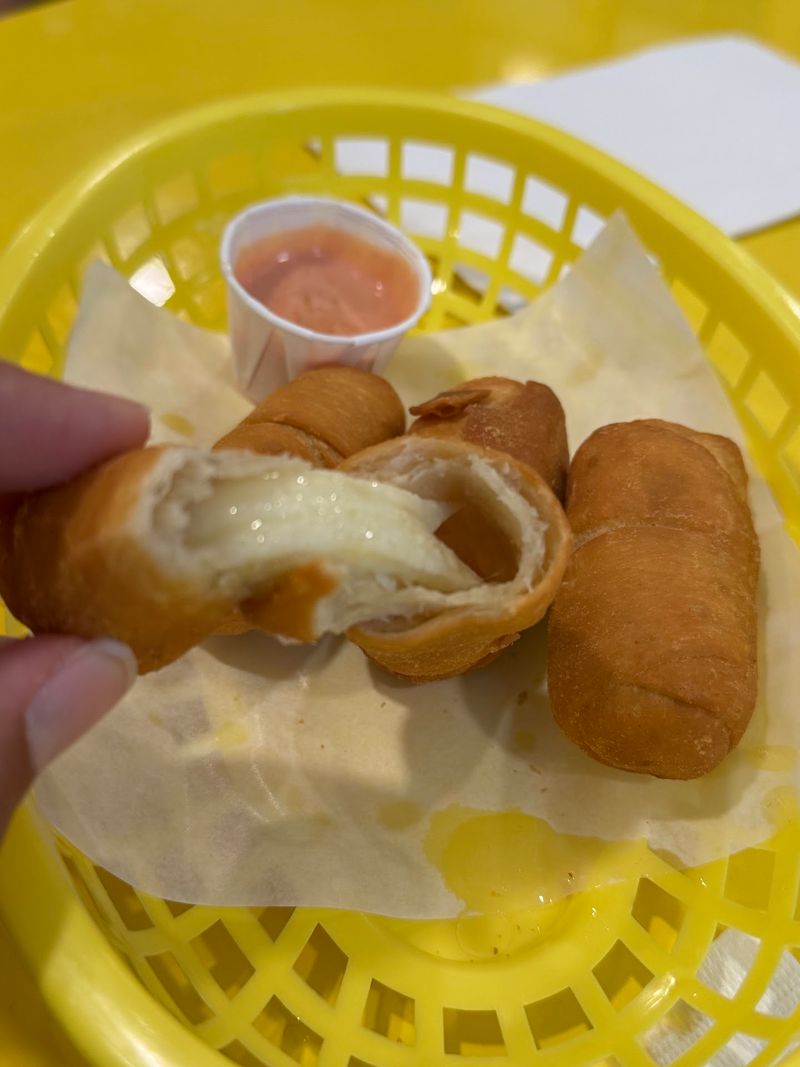
Party food in Venezuela almost always includes tequenos. These are sticks of white cheese wrapped in dough and fried until golden.
Think of them as a distant cousin of the mozzarella stick, only with a lot more history.
Arepittas serves tequenos as a snack or side. One version mixes guava paste with cheese inside the dough.
That sweet and salty pairing is very popular across Latin America.
Guava and cheese might sound odd if you have never tried it. In many Venezuelan and Cuban homes, though, the combination is as normal as peanut butter and jelly.
It works as a snack or a light dessert.
These are easy to share, which makes them handy for groups. A plate in the middle of the table keeps everyone busy while the bigger dishes come out.
Kids often find them an easy entry point too.
I would order a round of tequenos even if I planned a full meal. They add fun without much commitment.
And if crunchy fried snacks are your thing, the empanadas are waiting right behind them.
Empanadas With a Corn Crunch
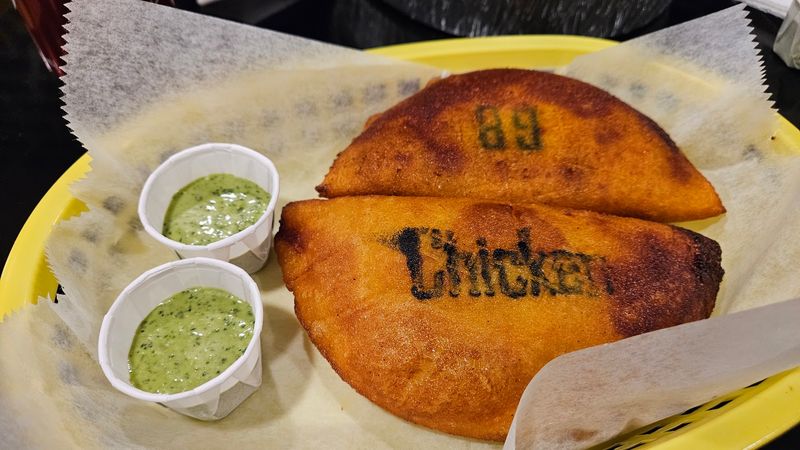
Empanadas come up almost as often as arepas when people discuss Arepittas. Venezuelan empanadas use corn dough, not wheat pastry.
They are fried, so the outside turns crisp and golden.
The fillings run wide here. Diners have mentioned chicken, the pabellon mix, and even eggplant.
That range means meat eaters and vegetarians can both find something good.
Since the dough is corn, these empanadas fit the same gluten-free pattern as the arepas. That is a nice surprise for anyone used to skipping fried foods.
Still, ask the staff about specific items if you have strict needs.
Empanadas also travel well. They are easy to eat on a walk back to a hotel or office.
One diner even admitted to eating an eggplant empanada while driving, which I do not recommend, but I understand.
Here is a smart ordering idea. Grab one arepa and one empanada with different fillings.
You get two textures and two flavors without ordering too much food. Then save some space, because the cachapa is a whole different kind of corn treat.
Cachapas Show Off the Sweet Side of Corn
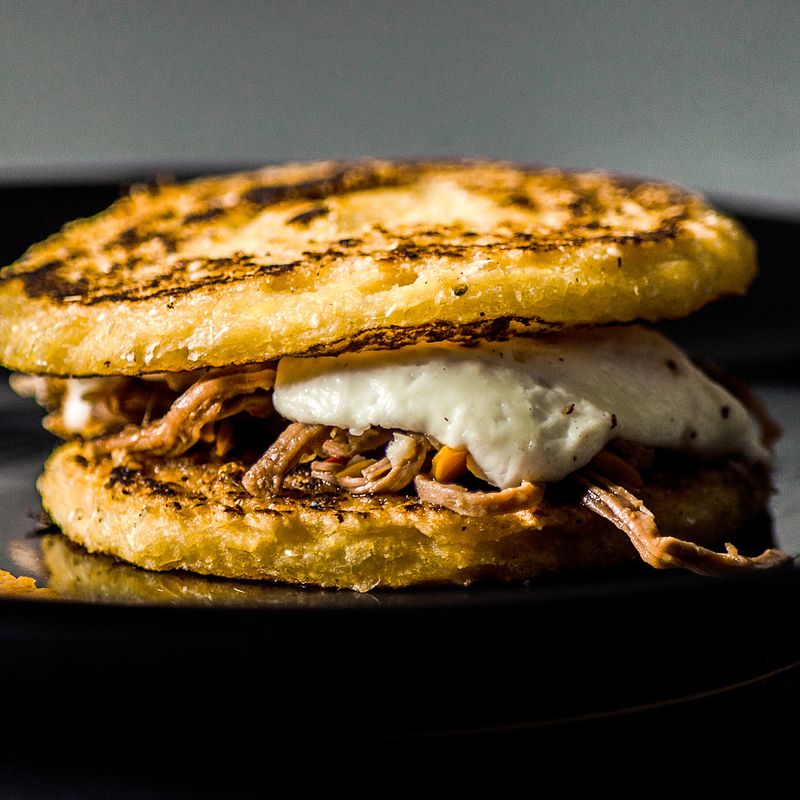
Fresh sweet corn, not cornmeal, is the secret behind a cachapa. The batter cooks into a thick, slightly sweet pancake.
It is then folded over soft white cheese.
Cachapas are a roadside favorite in Venezuela. Families often stop for them on drives through the countryside.
At Arepittas, they bring that same casual feel to a city lunch break.
The sweet corn and salty cheese play off each other nicely. You can also add meats if you want something heavier.
It is a filling plate, so plan accordingly.
I like how cachapas show a different personality from the arepa. Both use corn, but one is savory and sturdy while the other is soft and sweet.
Trying both teaches you a lot about Venezuelan cooking in one sitting.
Couples sometimes split a cachapa for a quick lunch, and that seems like a good move. It gives you room to try sides as well.
Speaking of sides, the plantains and yuca at Arepittas are not just afterthoughts.
Plantains, Tostones, and Yuca Fries on the Side
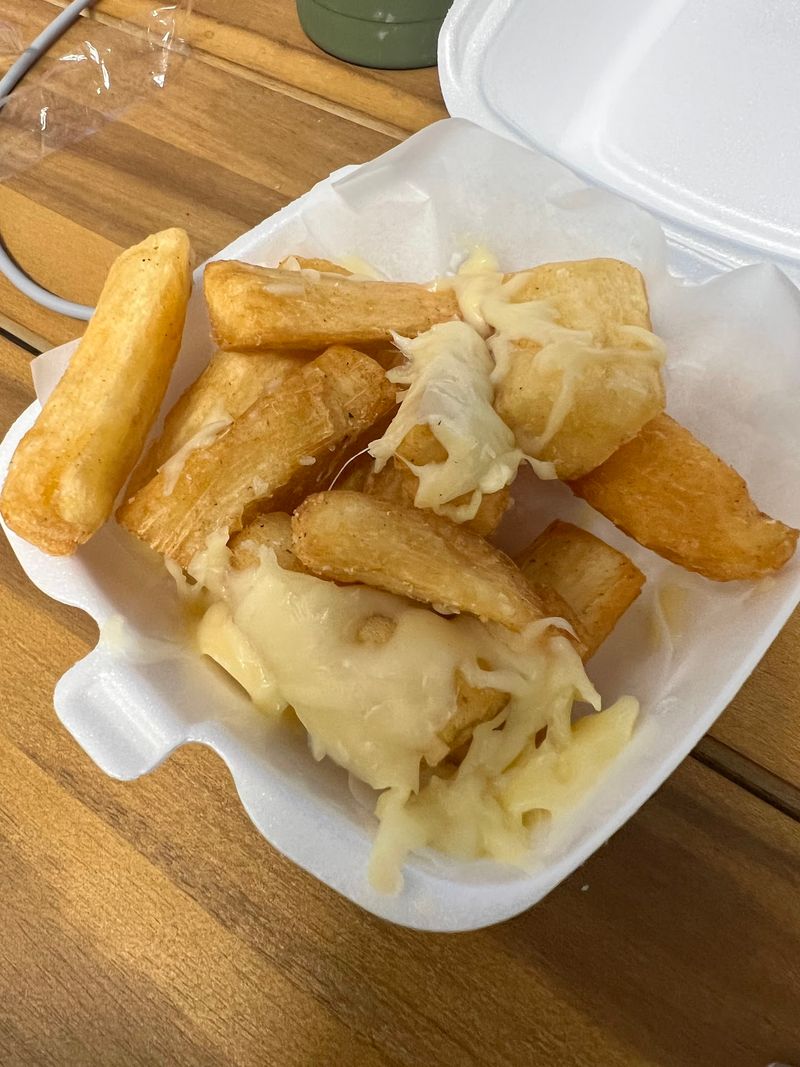
Potatoes take a back seat on this menu. Plantains and yuca handle the side dish job instead.
Both are staples across Latin America and the Caribbean.
Sweet fried plantains are soft and caramelized. Tostones are green plantains smashed flat and fried twice.
Arepittas even offers tostones con todo, which means tostones with everything piled on top.
Yuca fries are thicker than regular french fries. Yuca, also called cassava, is a starchy root with a mild flavor.
It pairs well with dipping sauces.
These sides are also helpful for anyone avoiding gluten. They give you a satisfying crunch without wheat.
They also stretch a meal if you are sharing with friends or family.
Many diners order two arepas plus yuca fries and still end up with leftovers. That tells you the portions are not shy.
I would pick one side for the table rather than one per person.
Of course, fried plantains and yuca beg for something to dip in. That brings us to the sauce that people bring up again and again.
That Famous Green Cilantro Sauce
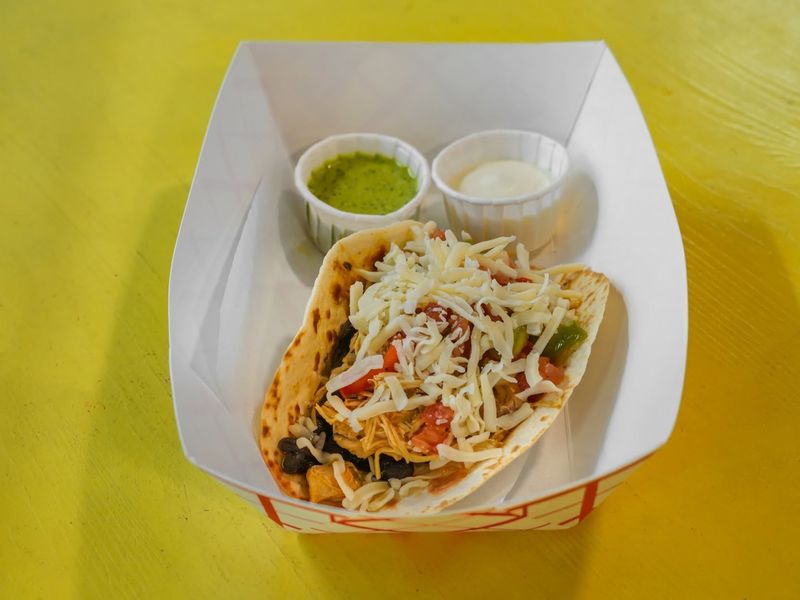
Sauces might not be the reason you walk in, but they could be the reason you come back. Arepittas offers a spicy cilantro sauce that gets plenty of attention.
It is bright green and full of herbs.
The sauce works on almost everything. Drizzle it on an arepa, dip yuca fries in it, or spoon it over a bowl.
Some diners say they would put it on anything.
Fair warning for heat seekers, though. At least one diner felt the spicy version could use more kick.
If you love fire, ask what options are available.
Cilantro sauces are common across Venezuelan and Latin cooking. Many versions blend cilantro with garlic, oil, and a little acid.
The result adds freshness to fried or hearty foods.
I like that a small cup of sauce can change a whole meal. It is an easy way to customize your plate without ordering more food.
Try a bite with and without it to notice the difference.
Once your plate is set, you will want something to sip. The drink list has its own surprises.
Chicha, Coffee Lemonade, and Smart Planning Tips
Chicha is a creamy rice drink that many Venezuelans grew up sipping. It is sweet and often topped with cinnamon.
One first-time diner said it tasted better than horchata.
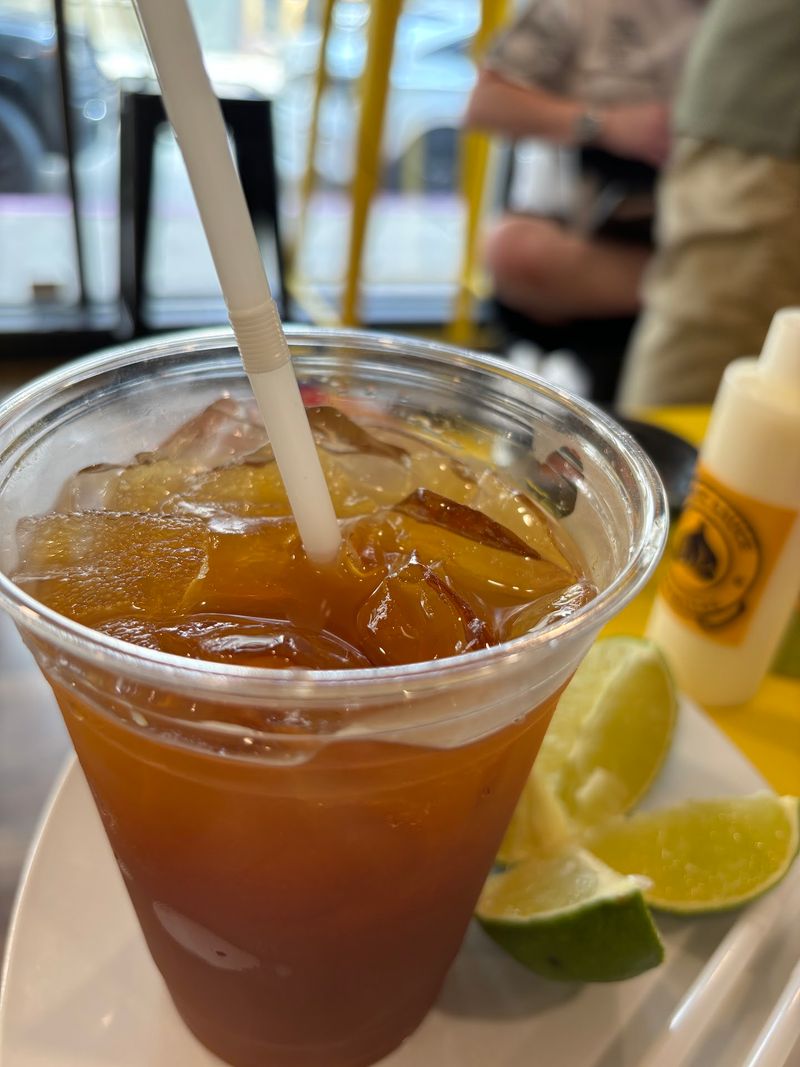
Arepittas also serves coffee and a coffee lemonade. That combo sounds strange, yet it has won over curious customers.
Venezuela has a long coffee tradition, so it fits right in.
Desserts sit by the counter too. Many people get too full to try them, so plan ahead if you have a sweet tooth.
Taking one to go is always an option.
Hours run later on weekdays and Saturdays, with earlier closing on Sundays. Weekend mornings open earlier as well.
Check current hours before you go, since schedules can change.
Food is made to order, so expect a short wait during busy times. Ordering several items can add up, but single dishes stay reasonable.
Vegetarians and vegans will find a solid list of choices.
A downtown corn cake stuffed with beef, beans, and plantains feels like a small trip south. Pittsburgh is lucky to have it on Cherry Way.
Share this story