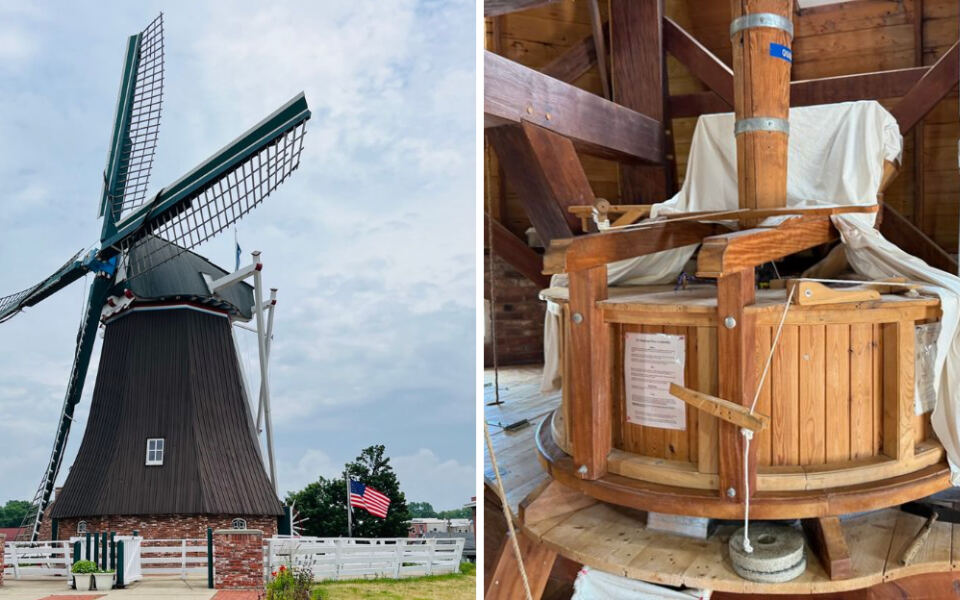
Imagine a giant windmill built by Dutch craftsmen, carefully taken apart piece by piece, shipped across an entire ocean, and then put back together in a small Illinois town. That’s exactly what happened in Fulton, where De Immigrant Windmill now stands tall on the banks of the Mississippi River.
This isn’t just a pretty landmark or a museum display gathering dust. When the wind picks up on weekends, volunteer millers fire up the massive wooden gears and actually grind grain into flour the same way it’s been done for centuries.
A Windmill Built in the Netherlands for Illinois
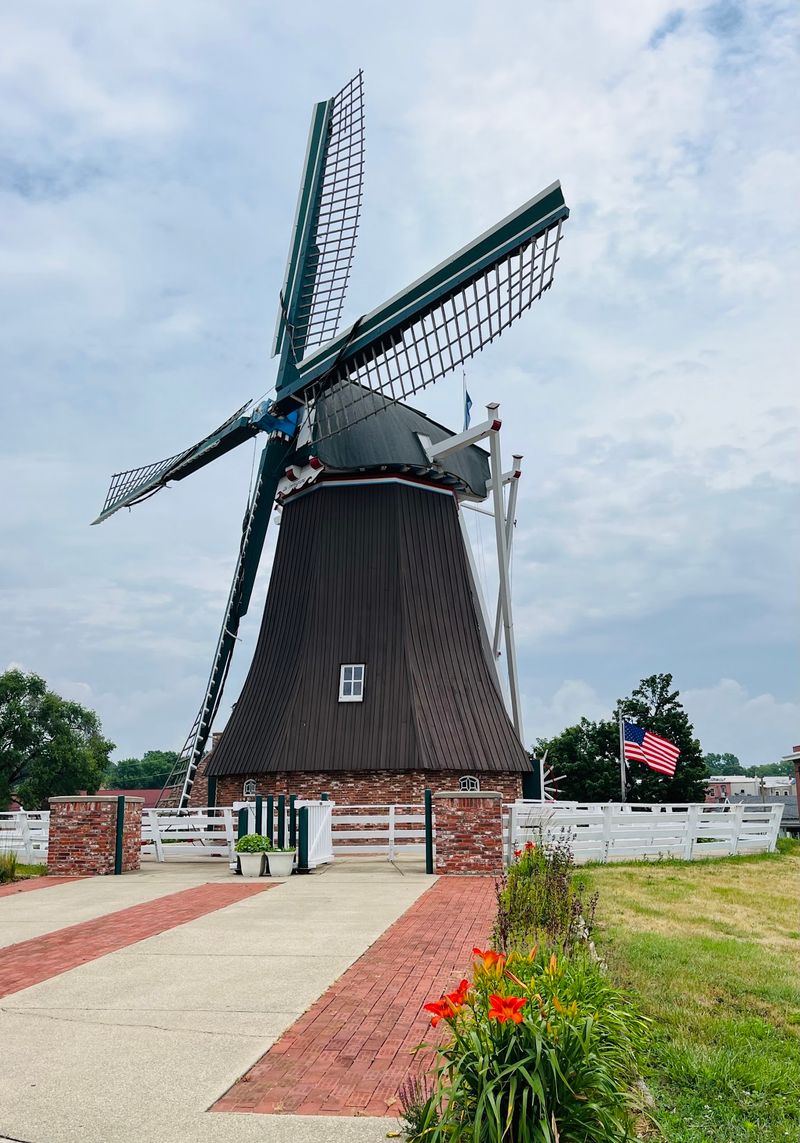
Fulton didn’t just buy a windmill kit from a catalog. They hired actual Dutch artisans who traveled from the Netherlands to build an authentic working mill right here in the American Midwest.
Every beam, every gear, every wooden peg was crafted using traditional methods that Dutch millers have perfected over hundreds of years.
The construction happened in the early 2000s as a tribute to Fulton’s Dutch heritage. Craftsmen brought their specialized tools and knowledge, working alongside local volunteers who wanted to learn the ancient trade.
The result is a structure that would fit perfectly in the Dutch countryside, except it overlooks the Mississippi instead of a canal.
Walking inside feels like stepping into a time machine. The smell of fresh-cut wood mixes with grain dust, and you can see the craftsmanship in every joint and notch.
This isn’t a replica built to look old. It’s a genuine windmill constructed the old-fashioned way, which makes it pretty special in a world full of shortcuts and modern conveniences.
The Mighty Sails That Actually Catch Wind
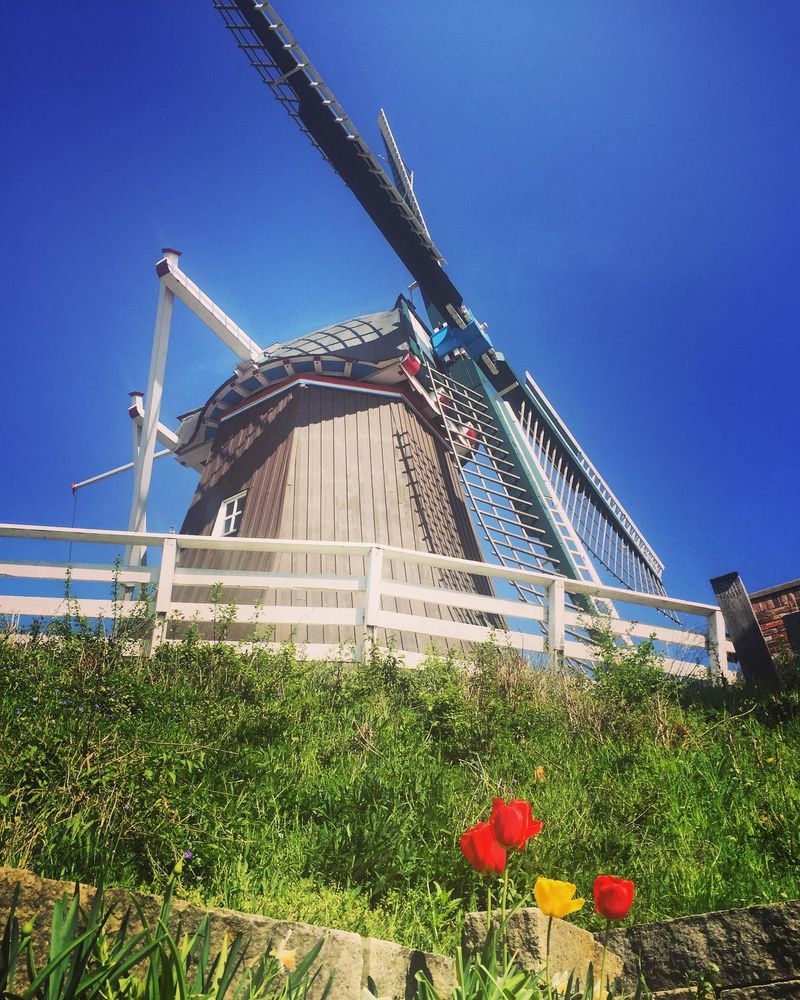
Those massive arms stretching out from the windmill tower aren’t just for show. On windy days, they spin with surprising power, turning the millstones inside that grind wheat, corn, and other grains into flour.
Each sail is carefully balanced and can be adjusted depending on wind conditions, just like sailors trim their boat sails.
The volunteers who run De Immigrant know exactly when conditions are right. Too little wind and nothing happens.
Too much wind and they have to shut everything down to prevent damage. Finding that sweet spot means watching weather patterns and understanding how the mill responds to different wind speeds and directions.
Visitors who time their trip just right get to witness something magical. The sails start turning slowly at first, then pick up speed as the wind builds.
You can hear the wooden mechanisms creaking and groaning as centuries-old technology springs to life. One reviewer mentioned arriving before the wind picked up and watching the whole process from start to finish, calling it a once-in-a-lifetime experience that’s totally worth planning around.
Volunteer Guides Who Know Their Stuff
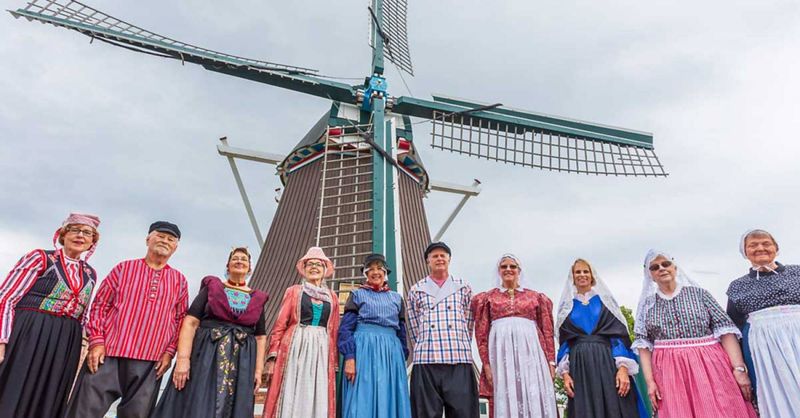
The folks running De Immigrant aren’t reading from a script or checking their phones between tours. These volunteers genuinely love this windmill and know every detail about how it works, why it was built, and what makes it special.
Their enthusiasm is contagious, turning what could be a quick photo stop into a fascinating deep dive into milling history.
Multiple reviews mention guides by name, praising their patience with kids and ability to make complicated engineering concepts easy to understand. They explain how different grain types require different grinding techniques, why the millstones need regular maintenance, and how Dutch immigrants influenced this Illinois community.
Some visitors even come back multiple times because the guides always share new stories and details.
What really stands out is how welcoming everyone is. The volunteers treat guests like friends stopping by for a visit rather than tourists passing through.
They encourage questions, let kids get involved when safe, and clearly take pride in sharing Fulton’s Dutch heritage with anyone curious enough to climb the windmill stairs.
Fresh Flour Ground the Old-Fashioned Way
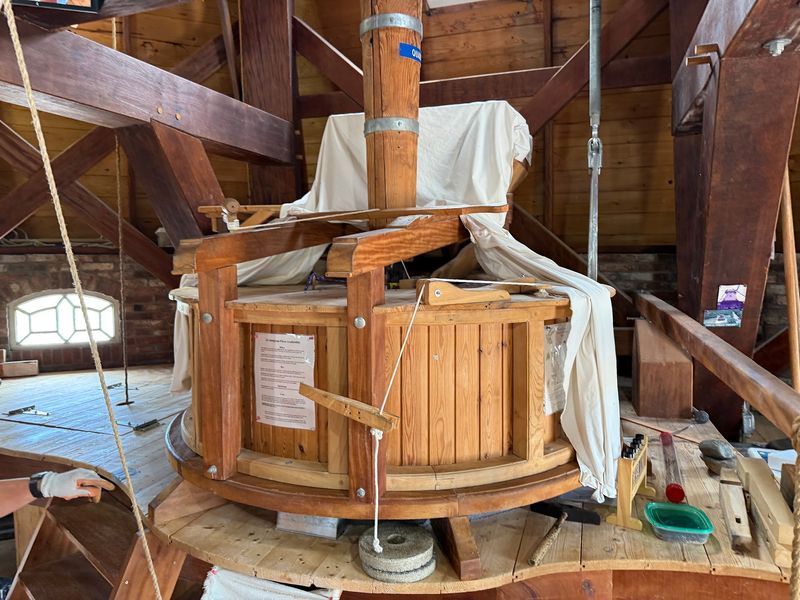
When the wind cooperates and the sails are turning, actual grain gets ground into actual flour using massive circular stones that weigh hundreds of pounds. The top stone spins while the bottom stays put, crushing kernels between them with just the right pressure.
Too much and you get powder. Too little and you get chunky bits instead of flour.
The Windmill Cultural Center across the street sells bags of this freshly milled flour. People buy it for baking bread, pancakes, and other recipes where you can really taste the difference between stone-ground and factory-processed flour.
The texture is slightly coarser, the flavor richer, and knowing it came from a working windmill makes it even more special.
Not every visit includes a milling demonstration since it depends entirely on weather conditions. But when stars align and wind hits the perfect speed, visitors can watch grain pour into the top of the mill and come out as flour at the bottom.
The whole process happens right before your eyes, powered only by breeze pushing against wooden sails.
Perched Right on the Mississippi River
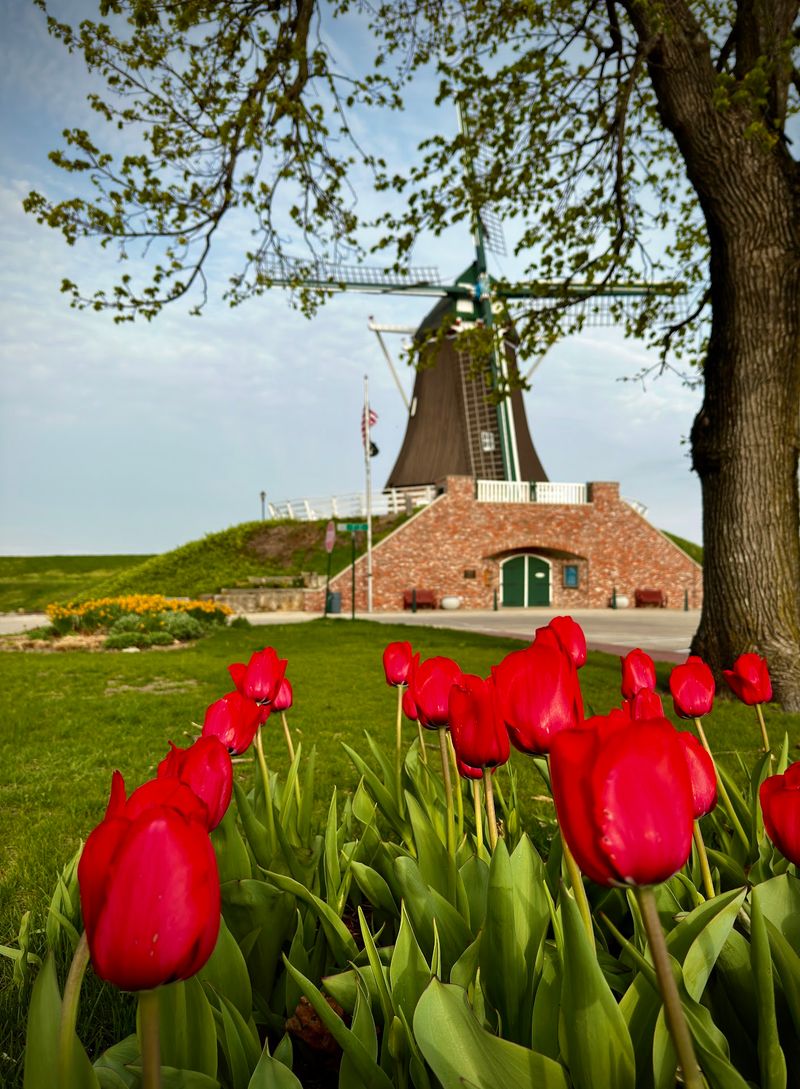
Location matters, and De Immigrant scored a prime spot. The windmill stands on a levee built by the Army Corps of Engineers after devastating floods hit Fulton in 1967 and 1993.
From the top, you get sweeping views of the Mississippi stretching north and south, with Wisconsin visible across the water.
One visitor described the river as “ocean-like blue” on a clear day, which sounds like an exaggeration until you see it yourself. The combination of moving water, sky, and this tall Dutch structure creates photo opportunities that look almost too perfect to be real.
The levee placement also means the windmill catches plenty of wind, which is obviously crucial for a mill that depends on breeze to function.
A walking trail runs along the riverbank, connecting the windmill to nearby parks and the downtown area. People jog past, families picnic on the grass, and everyone stops to admire the windmill from different angles.
The setting transforms what could have been just another roadside attraction into a genuine destination worth driving out of your way to visit.
Limited Hours Mean Planning Ahead Pays Off
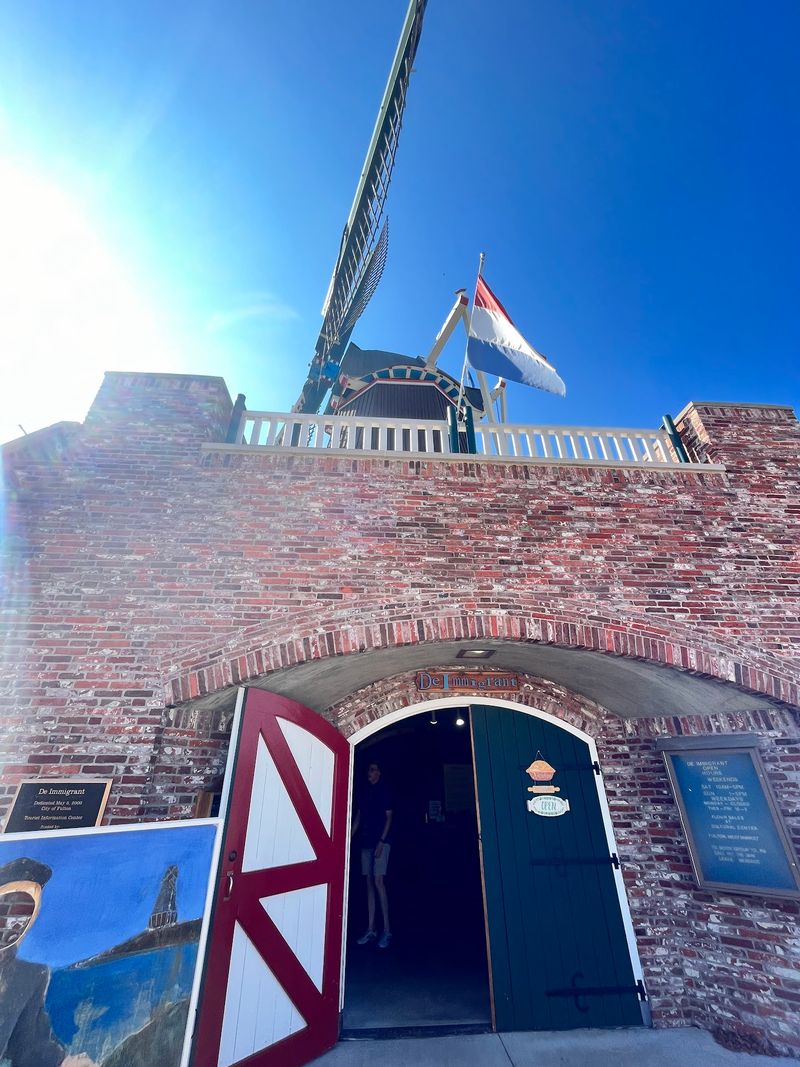
Here’s the catch with De Immigrant: it’s only open Saturday and Sunday, with specific hours that don’t cover the whole day. Saturdays run from 10 AM to 5 PM, while Sundays operate from 1 PM to 5 PM.
Show up on a Tuesday afternoon and you’ll find locked doors and maybe some disappointed tourists taking exterior photos.
The limited schedule exists because volunteers staff the entire operation. These aren’t paid employees clocking in for shifts.
They’re community members who donate their time because they care about preserving this piece of Dutch heritage. That means hours depend on volunteer availability, and sometimes things change based on weather or special events.
Smart visitors check the Fulton city website or call ahead before making the drive. Several reviews mention people who didn’t realize the restricted hours and missed their chance to go inside.
Others planned specifically around the schedule and got rewarded with full tours, milling demonstrations, and plenty of time to explore both the windmill and the cultural center. A little advance planning transforms this from a “maybe we’ll stop if it’s open” into a highlight worth building your whole day around.
The Windmill Cultural Center Across the Street
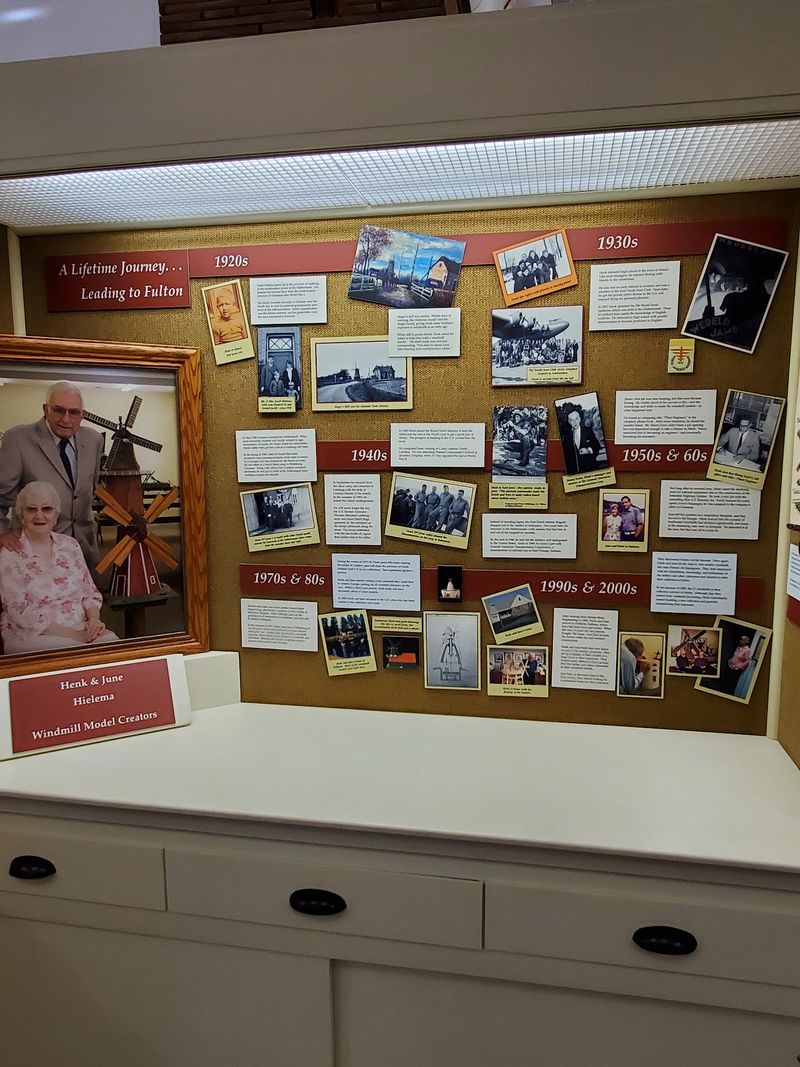
After touring the big windmill, head across the street to explore the Windmill Cultural Center. This smaller building houses miniature working windmill models that demonstrate different Dutch designs and regional variations.
Some are tiny enough to fit on a tabletop, while others stand several feet tall with sails that actually spin.
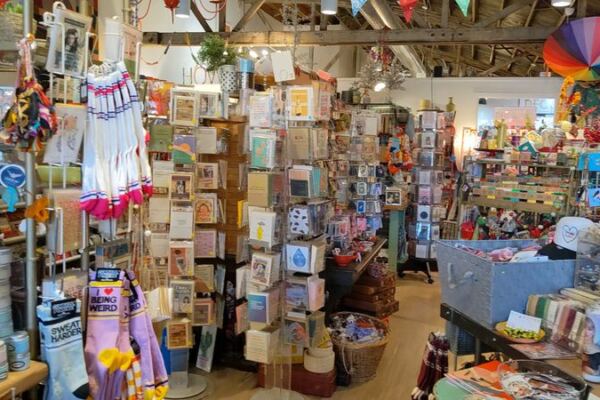
The center also stocks authentic Dutch snacks and treats that one reviewer described simply as “Yum!” You can buy the flour ground at De Immigrant, along with recipe suggestions for putting it to good use. Display cases hold historical photos showing Fulton’s Dutch immigrant community and how they shaped the town’s character over generations.
Think of the cultural center as the educational companion to the windmill’s hands-on experience. While the big mill shows you how milling works in practice, the center explains the why and the history behind it all.
Together, they create a complete picture of Dutch windmill culture transplanted to the American Midwest. Plus, the center has bathrooms and air conditioning, which the windmill definitely does not offer during hot summer climbs to the top.
Free Admission With Free Parking
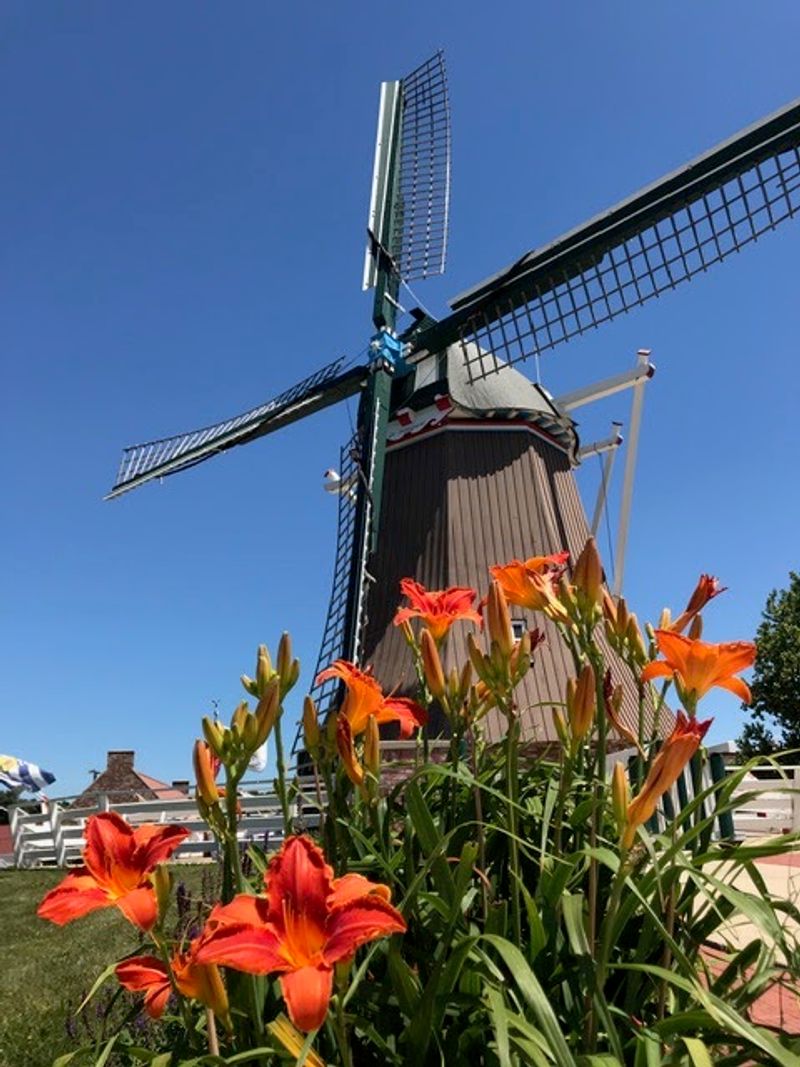
In a world where every attraction seems to charge admission, De Immigrant keeps things refreshingly simple. Walking through the doors costs nothing.
Climbing the stairs costs nothing. Learning from knowledgeable volunteers costs nothing.
Parking in the lot costs nothing. The whole experience is absolutely free, which makes it accessible to families, budget travelers, and anyone just passing through who spots the windmill from the road.
The free admission model works because the community supports it through volunteer time and civic pride rather than ticket sales. Donations are probably appreciated, though reviews don’t mention any pressure or suggested amounts.
The Windmill Cultural Center sells flour and souvenirs, which helps fund maintenance and operations without charging people just to look around.
This pricing approach means you can visit without worrying about whether it’s “worth” the cost. Spend ten minutes or two hours.
Ask a million questions or just take photos. Bring the whole family or stop by solo.
Nobody’s watching a clock or calculating whether you got your money’s worth, because there’s no money involved in the first place.
Great for Kids and Educational Groups
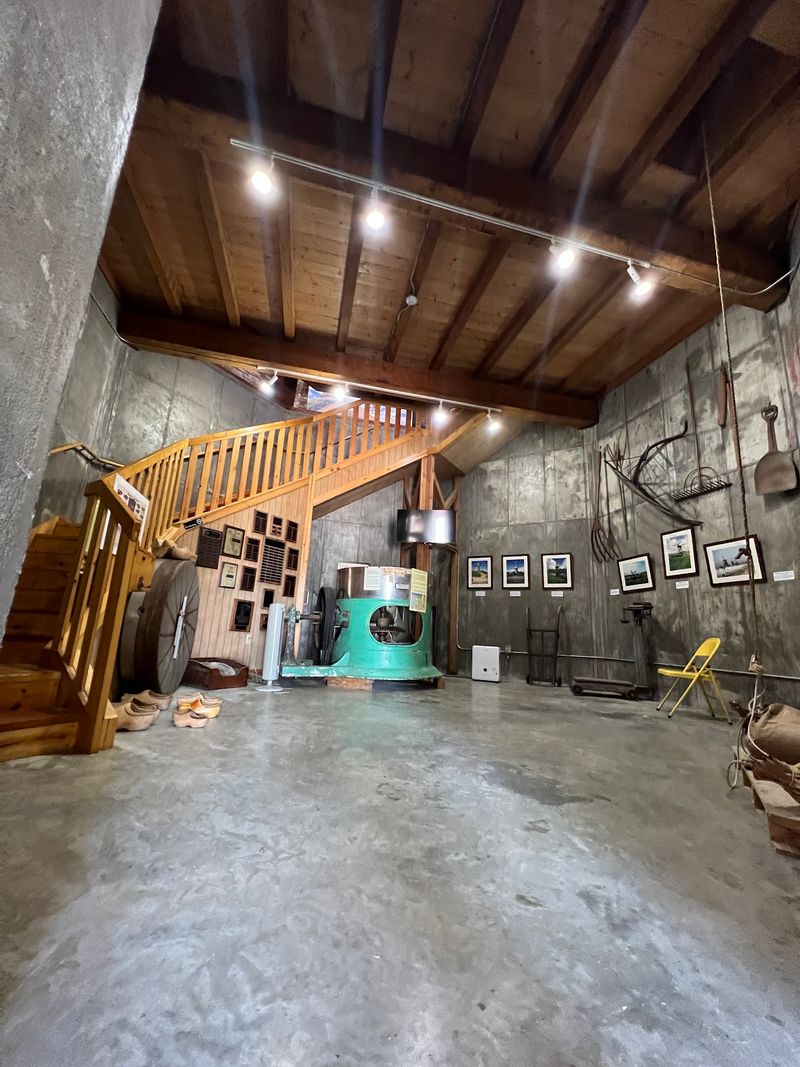
Teachers looking for field trip destinations take note. De Immigrant offers hands-on learning about engineering, history, renewable energy, and cultural heritage all wrapped into one tall package.
Kids can see physics principles in action as wind power transfers through gears to turn millstones. They learn about immigration and how people brought their traditions to new lands.
And they get to climb stairs in a really cool building, which is always a win.
Multiple reviews specifically praise how great the volunteers are with children. They adjust their explanations for different age levels, encourage questions, and make sure young visitors understand what’s happening without talking down to them.
One parent mentioned bringing a six-year-old who had a fantastic time learning about the windmill’s journey from the Netherlands.
Even families just passing through find it worthwhile. The windmill provides a welcome break from highway driving, gives kids a chance to run around the riverside park, and offers something more interesting than another fast-food playground.
Educational value sneaks in alongside the fun, which is exactly how learning should work.
Connecting to Quaint Downtown Fulton
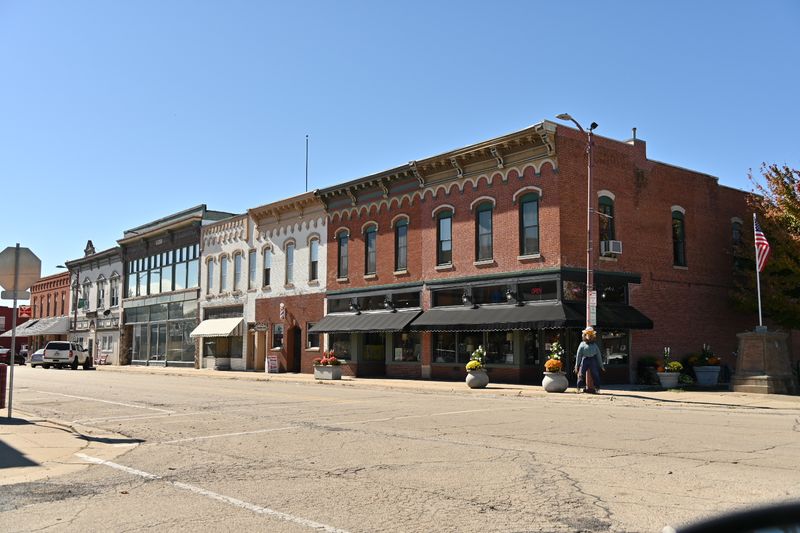
The windmill isn’t stuck out in the middle of nowhere. Downtown Fulton sits just a short walk away, offering the kind of small-town charm that travel magazines love to feature.
Fourth Street serves as the main drag, lined with locally owned shops, cafes, and businesses that haven’t been swallowed by chain stores yet.
After visiting De Immigrant, you can stroll through town, grab lunch at a local restaurant, and browse shops selling antiques, crafts, and regional products. The whole area maintains that “cozy town” vibe that drew some visitors here in the first place, according to reviews mentioning they discovered Fulton through lists of charming Illinois destinations.
This combination of unique attraction plus walkable downtown creates an experience that feels more substantial than just checking a landmark off your list. You’re not racing back to the interstate after snapping a few photos.
Instead, you can spend a genuine afternoon exploring, eating, shopping, and soaking in the riverside atmosphere. The windmill serves as the headline act, but downtown Fulton provides the supporting cast that turns a quick stop into a memorable outing worth recommending to friends.
Share this story