Some of the best places in Oregon hide behind a plain trail sign you could drive past a hundred times. This is one of those spots, a quiet forest path that follows cold, rushing water to a waterfall you will not forget.
The walk is short, the climbs are mild, and the reward feels far bigger than the effort. If you have been hungry for an easy adventure that still feels like a secret, keep reading.
A Trail Tucked Into Mount Hood Country
Picture a narrow forest path branching off a mountain highway, marked by little more than a trail number. Tamanawas Falls Trail #650A sits in the Oregon 97041 area, on the forested east side of Mount Hood, where the landscape shifts from wet green woods toward drier country.
Plenty of travelers race past on their way somewhere else. That works out nicely for anyone who slows down, because the trail rewards a little curiosity with a big payoff at the end.
The route follows moving water through thick conifer forest before arriving at a tall, lacy waterfall. According to its reputation, the walk to the falls runs about 1.5 miles one way with no punishing climbs along the way.
For Oregonians who want mountain scenery without a mountain-sized workout, few outings offer so much for so little strain. Think of it as a quiet pocket of Mount Hood that still feels a bit like a local secret.
The Story Behind an Unusual Name
Names can say a lot about a place, and Tamanawas is one that makes people pause. The word is often linked to Chinook Jargon, the old trade language once widely spoken across the Pacific Northwest, and it is commonly tied to ideas of spirit or guardian power.
Whether or not you feel anything mystical on the walk, the name fits the mood surprisingly well. Deep shade, rushing water, and towering trees create a hush that feels almost ceremonial.
Knowing a bit about the name adds a layer of meaning to the hike. Instead of simply heading to a pretty waterfall, you are walking a path whose title connects back to the long human history of this region.
Take a moment at the falls to think about how many generations have admired these same slopes. It turns a simple stroll into something richer and more thoughtful.
Water Leading the Way
Forget staring at your boots the whole time. On this trail, a lively stream does most of the entertaining, tumbling over rocks and splashing beside the path for much of the route.
Following water is one of the easiest ways to keep a hike interesting. Every bend brings a new little cascade, a fresh pool, or a mossy boulder worth a second look.
The constant sound of moving water also makes the walk feel shorter than it is. Kids often love spotting tiny rapids, while adults tend to find the steady rush calming after a long work week.
Bring a small camera or your phone, because the creek throws off soft light that makes even quick snapshots look lovely. In warm months, the air near the water feels noticeably cooler, which adds real comfort on a summer afternoon when the rest of the valley is baking in the sun.
Crossing the Footbridge
Right near the start, many hikers pause on a footbridge over the river and grin. It is one of those small moments that tells you the day is going to be good.
Standing above the water, you can watch it rush below, clear and chilly, carrying snowmelt down from higher on the mountain. Photographers love this spot, and it makes a fun first stop for families easing into the walk.
Once you cross, the trail slips deeper into the woods and the highway noise fades away fast. That switch from road to forest happens so quickly that it almost feels like stepping through a door.
Take a breath on the bridge before moving on. Early risers sometimes catch soft mist lifting from the water, which gives the whole scene a dreamy, storybook look that suits the trail’s quiet character perfectly.
Gentle Grades All the Way
Here is the best news for casual walkers: no brutal switchbacks stand between you and the falls. The trail climbs only gradually, which is why so many people call it easy.
You will notice some ups and downs, along with a few rocky or rooty stretches. Still, most folks in reasonable shape can manage the route at a relaxed pace, stopping whenever the scenery demands attention.
That friendly grade opens the door for all sorts of hikers. Grandparents, first-timers, and anyone returning from a long break can enjoy real mountain beauty without dreading a steep push.
Good shoes help, since some sections can be uneven or slick after rain. Plan for about 3 miles round trip and give yourself extra time to linger, because rushing this one would be missing the point entirely.
Forest Shade and Mossy Details
Look down, look up, and look sideways. The woods along this path are packed with small wonders that are easy to miss if you hurry.
Tall firs and other conifers create a thick canopy that keeps much of the trail shaded. Beneath them, ferns, moss-covered logs, and scattered wildflowers in season give the forest floor a soft, textured look.
This kind of setting is exactly what makes Oregon trails feel special. The air smells fresh and piney, and the light shifts constantly as clouds move overhead.
Slow walkers will enjoy spotting mushrooms after rainy spells or tiny birds flitting between branches. If you are hiking with children, turn the forest into a treasure hunt by looking for the biggest tree, the fuzziest moss, or the strangest-shaped stump along the way.
The Grand Finale Waterfall
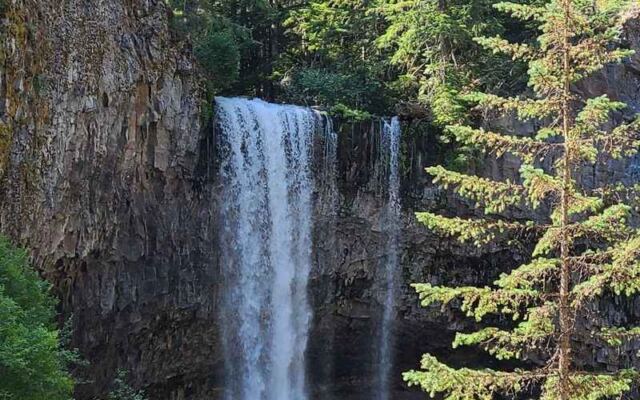
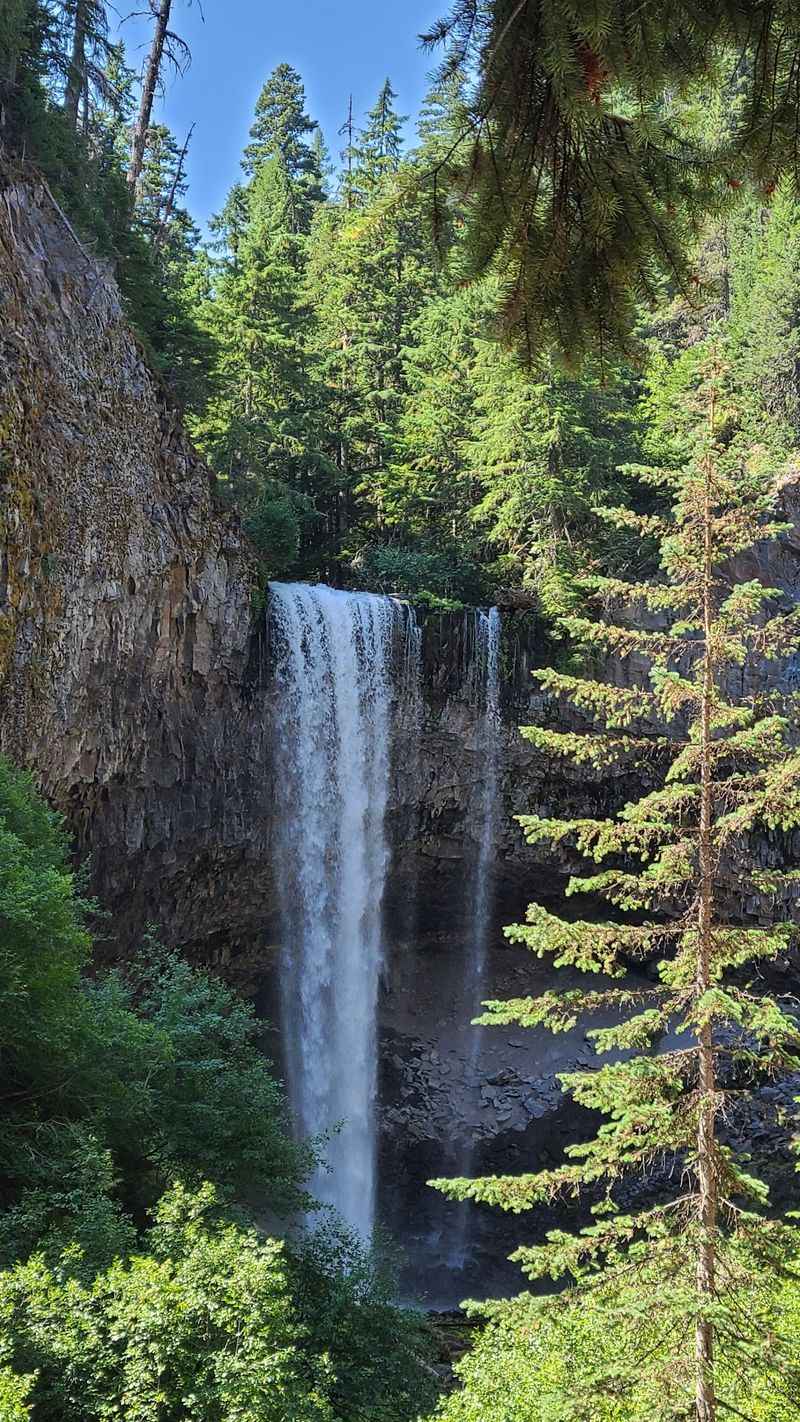
Suddenly the trees open up, and there it is. Tamanawas Falls pours over a wide rock ledge in a tall, curtain-like sheet that stops most hikers in their tracks.
The falls are often described as roughly 100 feet high, and they look even bigger in person. Spray drifts through the air, and a cool breeze rolls off the water toward the viewing area.
Many visitors find a boulder, sit down, and simply watch for a while. The way the water fans out across the cliff makes it different from skinnier, ribbon-style falls you might know from the Columbia Gorge.
Bring a light jacket, since the mist can dampen clothes quickly when flow is strong. Most of all, take your time here, because this view is the reason the whole trip feels so worthwhile.
A Wonderland When Snow Falls
Cold weather transforms this trail into something magical. In deep winter, parts of the falls can freeze into icy columns, creating a scene that looks almost unreal.
Snow often covers the route during colder months, so many visitors switch to snowshoes or traction devices. Conditions can change quickly on the mountain, which means checking weather and trail updates before you go is a smart move.
Off-season visits come with a quiet bonus, since fewer people make the trek when temperatures drop. For Oregonians who love having a place mostly to themselves, a crisp winter morning here can feel like a private show.
Dress in layers, pack warm drinks like hot cocoa, and move carefully on slick sections. The reward is a hushed, sparkling forest and a waterfall wearing its most dramatic winter costume.
Spring Rush and Autumn Color
Timing your trip can change the whole experience. In spring, melting snow feeds the creek and the falls, making the water louder, wider, and more powerful.
Early summer brings drier footing and comfortable temperatures, which makes it a popular stretch for families. Wildflowers may pop up along sunny edges of the trail during this season.
Fall is a sleeper favorite for many Oregon hikers. Cooler air, softer light, and patches of changing leaves give the forest a cozy, golden feel, and weekday crowds tend to thin out as school starts.
Each season offers a different mood, so returning more than once is not a bad idea at all. Some locals make it a yearly habit, checking in on the falls the way you might visit an old friend.
Who Will Love This Walk
Not every hiker wants a sweaty summit. For people who prefer scenery over suffering, this trail hits a sweet spot.
Families with school-age kids tend to do well here, since the distance feels manageable and the creek keeps little legs moving. Photographers appreciate the shifting light and dramatic falls, while casual walkers enjoy a real outdoor adventure without technical challenges.
It also works nicely for visitors easing back into hiking after time away. Couples looking for a relaxed date outdoors will find plenty of romantic spots near the water.
Leashed dogs are commonly seen on trails in this part of the forest, though checking current rules first is wise. Anyone who needs fully paved or wheelchair-friendly paths should know the ground is natural dirt with rocks and roots, so it is not built for strollers or mobility devices.
Finding the Trailhead
Getting there is part of the fun. The trail lies in the 97041 area on the east side of Mount Hood, reached by the scenic mountain highway that links the Hood River Valley with the Mount Hood area.
The drive itself offers forest views and glimpses of the mountain on clear days. Once you arrive, look for the trailhead parking area along the roadside.
Using a GPS app with the trail name usually makes finding it simple. Cell service can be spotty in the mountains, so downloading an offline map before leaving home is a smart move.
Arriving early helps, especially on sunny weekends when spaces fill up. Keep your eyes open, too, because the turnoff can sneak up on you if you are busy admiring the scenery out the window.
Passes, Parking, and Planning
A little preparation keeps the day stress-free. Trailheads in national forest areas around Mount Hood often require a recreation pass for parking, so it is worth confirming current requirements before you head out.
Specific hours and fees can change, and official forest service pages are the best place to find up-to-date details. Seasonal closures or snow may also affect access in winter.
Pack the basics: water, snacks, a light rain layer, and sturdy shoes with good grip. A small first aid kit and a fully charged phone are also helpful.
Restroom options at trailheads can be limited, so plan accordingly. Most people spend around two hours on the round trip, though you may want extra time for photos and lingering at the falls.
Leave no trace, and pack out everything you bring.
Trail Manners That Keep It Special
Quiet places stay quiet because people treat them kindly. Staying on the marked path protects fragile plants and keeps the creek banks from wearing away.
Some rocks near the falls can be slippery, especially when spray coats them. Admiring the water from stable ground is safer than scrambling onto wet boulders for a closer shot.
Friendly habits go a long way, too. Step aside to let others pass on narrow sections, keep music off so everyone can enjoy the rushing water, and pick up any litter you spot.
If you bring a dog, keep it close and clean up after it. Small choices like these help the trail keep its peaceful, tucked-away feeling, which is exactly what makes it worth visiting in the first place.
Worth Every Easy Step
Short hikes rarely leave such a big impression. Tamanawas Falls Trail #650A manages it with a winding creek, a friendly grade, shady forest, and a waterfall that feels far grander than a 1.5-mile walk should earn.
For Oregonians hunting easy weekend adventures, it checks nearly every box. You can visit in snowy winter, roaring spring, sunny summer, or golden fall and find a new side each time.
Pack a snack, grab good shoes, and aim for an early start or a weekday visit if you want a calmer experience. You might just walk away with a new favorite spot tucked into your back pocket.
Share it with friends who will treat it well, and maybe keep the rest of the details quiet. Some places are simply better when they still feel like a discovery.
Share this story