A New Jersey day trip can take a funny turn when a zoo visit suddenly becomes a museum crawl through antique cars, Americana, and a major firearms collection. In Sussex, one family-owned place brings those worlds together in a way that feels very different from the polished zoo routine many people expect.
The draw is not just the animals, though there are hundreds of them. The real surprise is how much history, collecting, family memory, and old-school Garden State character are packed into one stop.
A Family-Run Zoo That Refuses The Usual Script
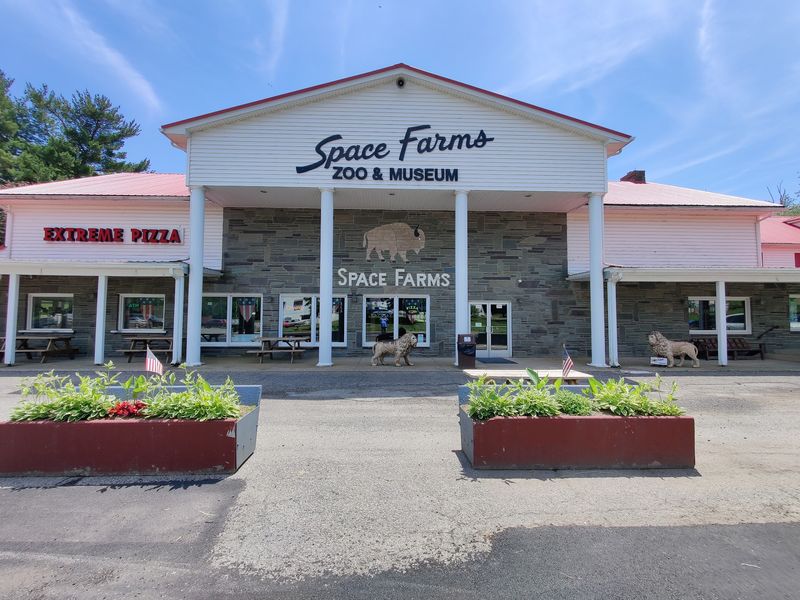
Not every zoo tries to feel like a huge institutional campus, and Space Farms leans into a more local, family-run identity. The official description highlights its family-operated nature, which helps explain why the place has such a distinct personality compared with larger regional zoos.
The experience is built around moving at an unhurried pace among animal areas and museum buildings. Instead of focusing on one polished theme, the property stacks several interests together, so a stop at an animal enclosure can be followed by a detour into antique vehicles or early American displays.
That old-fashioned structure is part of the appeal for many families. Kids can focus on animals and the playground, while adults may find themselves pulled toward cars, motorcycles, dolls, plates, clocks, weapons, machines, and other preserved pieces from earlier eras.
The same setup also means expectations matter. Space Farms is not presented as a sleek modern zoo, and public comments often note that it feels different from more conventional animal parks.
For some, that difference is the charm; for others, it raises questions about upkeep and enclosure size.
Seen clearly, the place works best when approached as a combined zoo and Americana collection rather than a single-purpose attraction.
A 500-Animal Roster With Big-Cat Curiosity
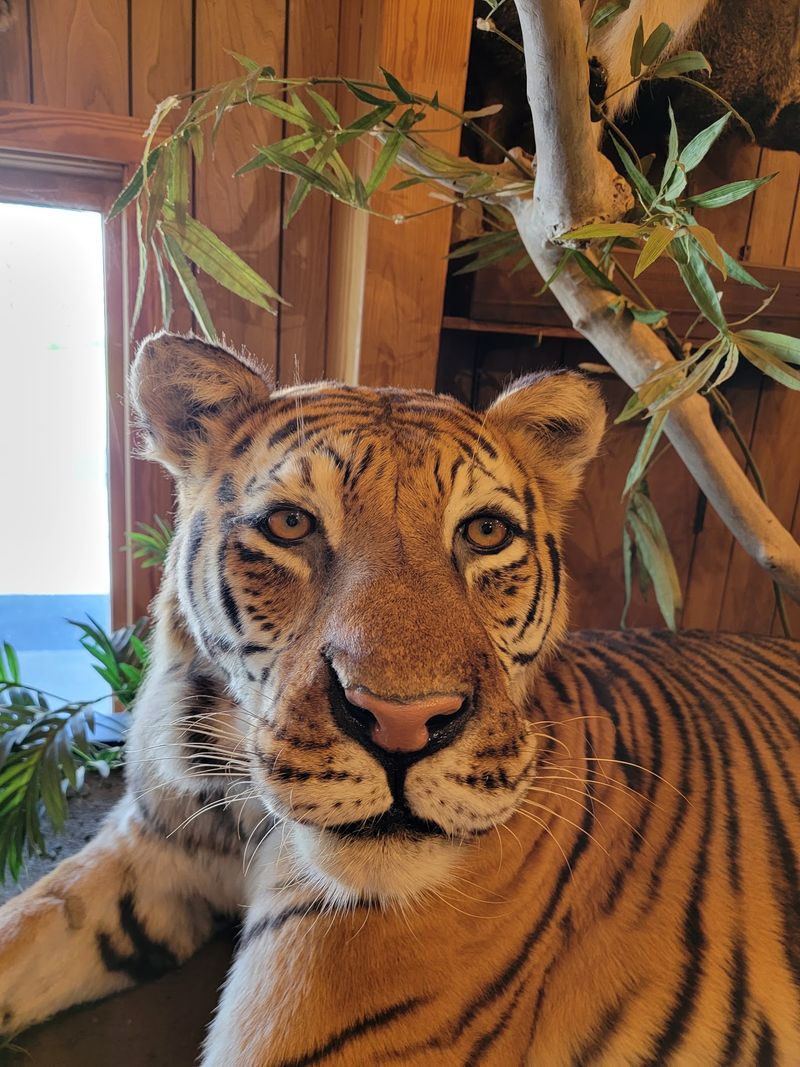
A headline number gives the zoo side its first jolt: Space Farms is known for pairing its museum collection with about 500 animals. That size helps explain why families often describe a full visit as more than a quick stop between errands.
The animal roster mentioned in public details and comments includes brown bears, a Kodiak bear, deer, monkeys, coati, reptiles, a tiger, a lion, jaguars, and a mountain lion. Big cats draw plenty of attention, especially because people can often view them from more than one angle rather than waiting for a single distant window moment.
Feeding demonstrations are another part of the animal conversation. Several accounts describe seeing staff feed animals such as tigers, lions, and jaguars, with families treating those moments as a learning point during school trips or day outings.
The closeness is also where the destination gets complicated. Some people appreciate the chance to observe animals nearby, while others have raised concerns about small cages or enclosure conditions.
That mix should not be ignored, because it shapes how a thoughtful guest may evaluate the visit.
A practical approach is to use the zoo as a chance to talk with children about respect, boundaries, and careful behavior around animals, not just as a checklist of species.
Animal Feeding As The Day’s Main Event
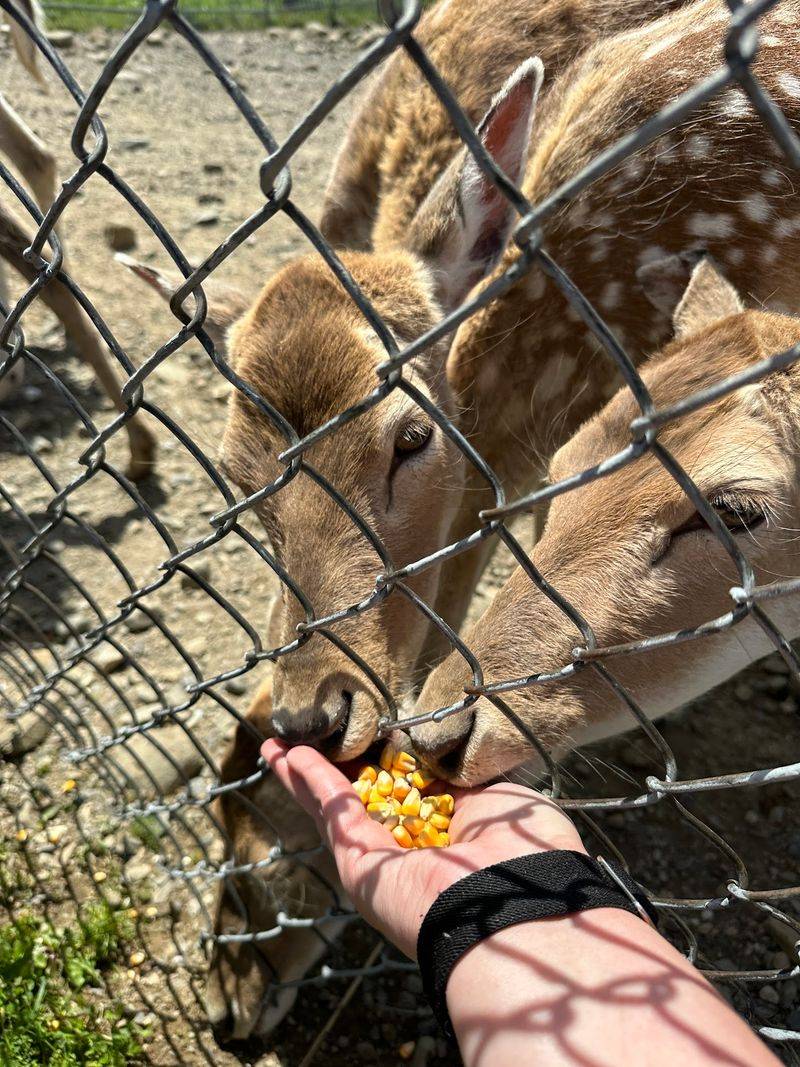
The moment many kids remember longest is not a signboard or a map. It is the chance to feed animals with approved food bought on-site, an activity that comes up again and again in descriptions of the zoo experience.
Deer are a major part of that interaction, and the Kodiak bear has become a local talking point because families mention feeding and waving moments connected with the bear area. Corn and other approved animal food are part of the practical routine, so guests should stick to what the zoo provides and skip any outside snacks entirely.
That rule is not a small detail. Public comments include concern about people tossing random food into enclosures or trying to provoke reactions from animals, and that behavior can turn a wholesome outing into a poor example for children.
Space Farms works better when families treat the feeding stops with patience and common sense. Adults can set the tone by keeping voices controlled, following posted instructions, and reminding kids that animal interaction is not a performance on demand.
Handled that way, the feeding areas can become a focused part of the trip rather than a scramble from one enclosure to the next. The animals stay central, and the people remember they are guests.
The Firearms Collection Behind The Zoo Surprise
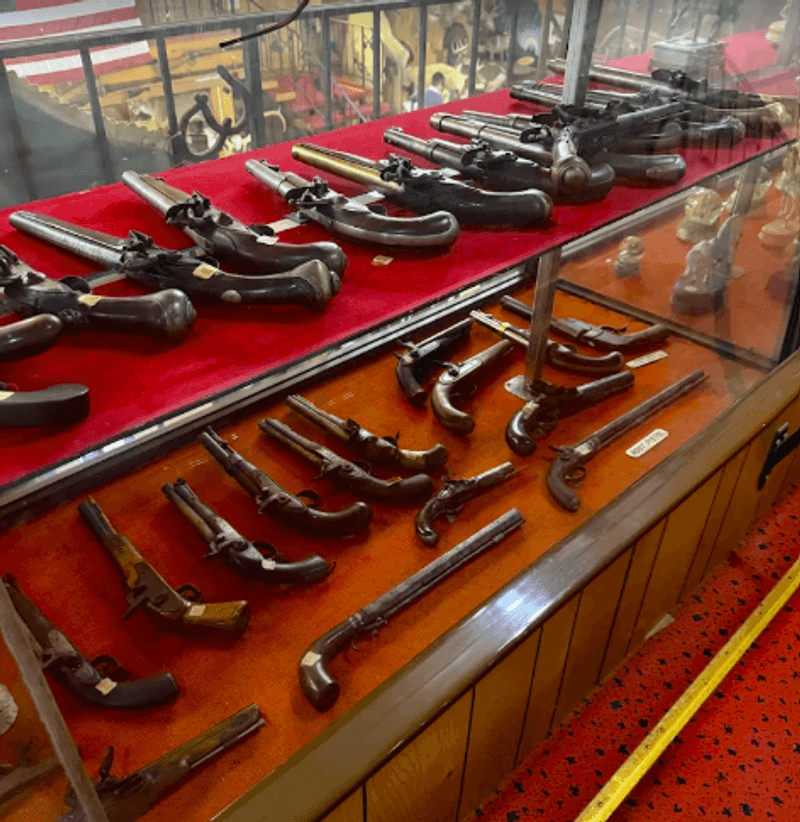
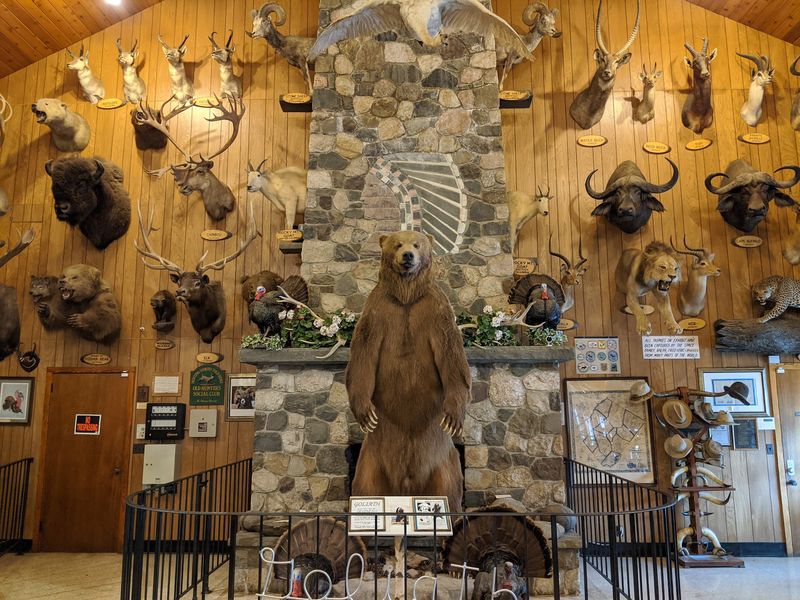
Here is the curveball that makes the destination so unusual: Space Farms is not only about animals. The museum side includes a large antique firearms collection, and public accounts describe guns displayed on the walls as part of a broader historical collection.
One account refers to it as possibly the second largest collection in the United States, though the available data does not provide an official confirmation for that ranking. The safer and still impressive point is that the firearms display is a major part of the museum identity, not a tiny corner added as an afterthought.
The collection sits within a larger Americana setting, which changes how it reads. Rather than being treated as a stand-alone attraction, the antique firearms appear alongside machines, historical pieces, memorabilia, vehicles, dolls, clocks, plates, and other objects from earlier periods.
That range gives adults something substantial to explore while children focus on animals, though families should decide how much time to spend in the firearms area based on comfort and age. The museum is best approached as a historical display, not a modern sporting or entertainment feature.
In New Jersey, where day trips often get sorted into neat categories, this odd pairing keeps the brain busy. Few local outings move so quickly from bear habitat to antique long guns.
Antique Cars, Motorcycles, And Americana Rooms
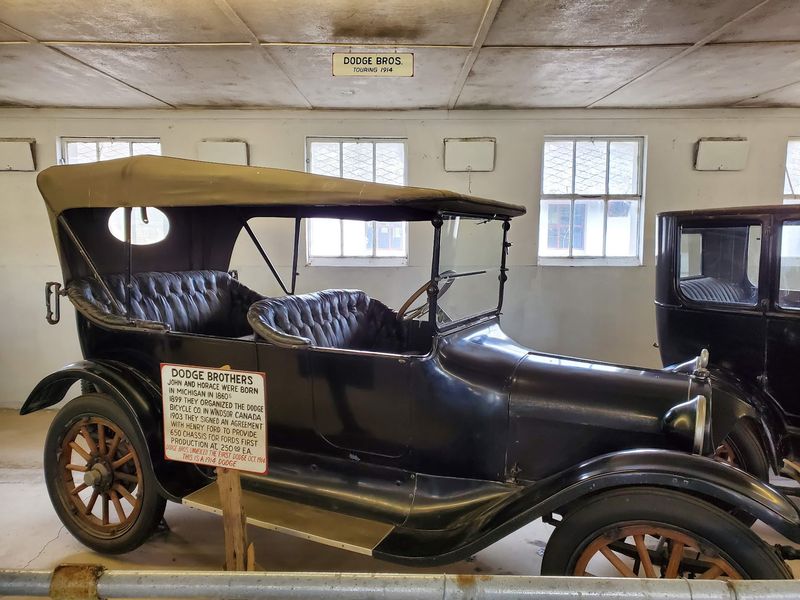
The museum portion keeps expanding once the firearms collection has made its point. Space Farms is described as having early American exhibits, antique cars, and multiple categories of preserved objects spread across different buildings.
Cars and motorcycles get special attention from many families because they create a strong contrast with the animal areas outside. A child may arrive for deer and bears, while an adult ends up comparing antique vehicles, bicycles, old machines, and bits of household history.
The collections also include dolls, plates, clocks, weapons, memorabilia, and historical pieces. That variety can feel less like a single museum narrative and more like a family collection that grew across generations, room by room and object by object.
Some people enjoy that abundance, especially those who like browsing without being told exactly where to look next. Others have found parts of the museum side less polished, with concerns about restoration, dust, or limited interpretive context around certain displays.
Both reactions make sense, and they help set expectations. The museum is not a glossy design showcase; it is a large, old-school collection with plenty to examine and a few rough edges along the way.
For curious adults, the best strategy is to leave extra time. The animals may get top billing, but the objects can quietly steal a chunk of the afternoon.
A Playground And Easy Family Pace
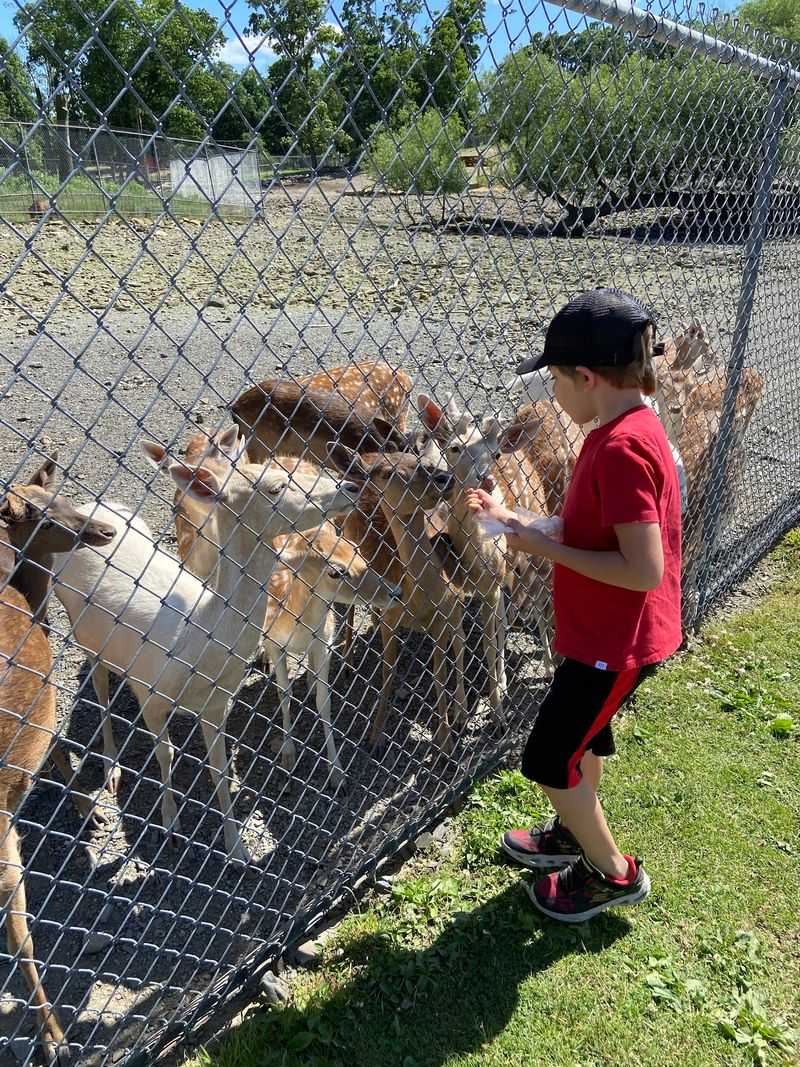
Kids need variety on a long outing, and Space Farms includes a playground along with animal areas and museum buildings. That extra feature helps the visit feel less like a strict march through exhibits and more like a flexible family day.
The property has also been described as a good fit for school trips, birthday outings, and multi-generation visits. Families mention children staying engaged through animal feeding, close viewing areas, reptiles, the playground, and the novelty of moving between zoo and museum spaces.
Picnic tables are another useful detail, especially for groups planning to spend several hours on the grounds. A small gift shop, snack bar, sitting area, and bathrooms are also noted in public information shared by people who have spent much of a day there.
The pace is one of the better practical arguments for the destination. Guests can move from one animal area to another without needing to follow a strict program, then shift indoors to collections when the group needs a change of focus.
That flexibility may be the secret sauce for families with different attention spans. One person wants bears, another wants antique cars, someone else wants the playground, and somehow the same ticket can cover the debate.
A Different Kind Of Zoo Atmosphere
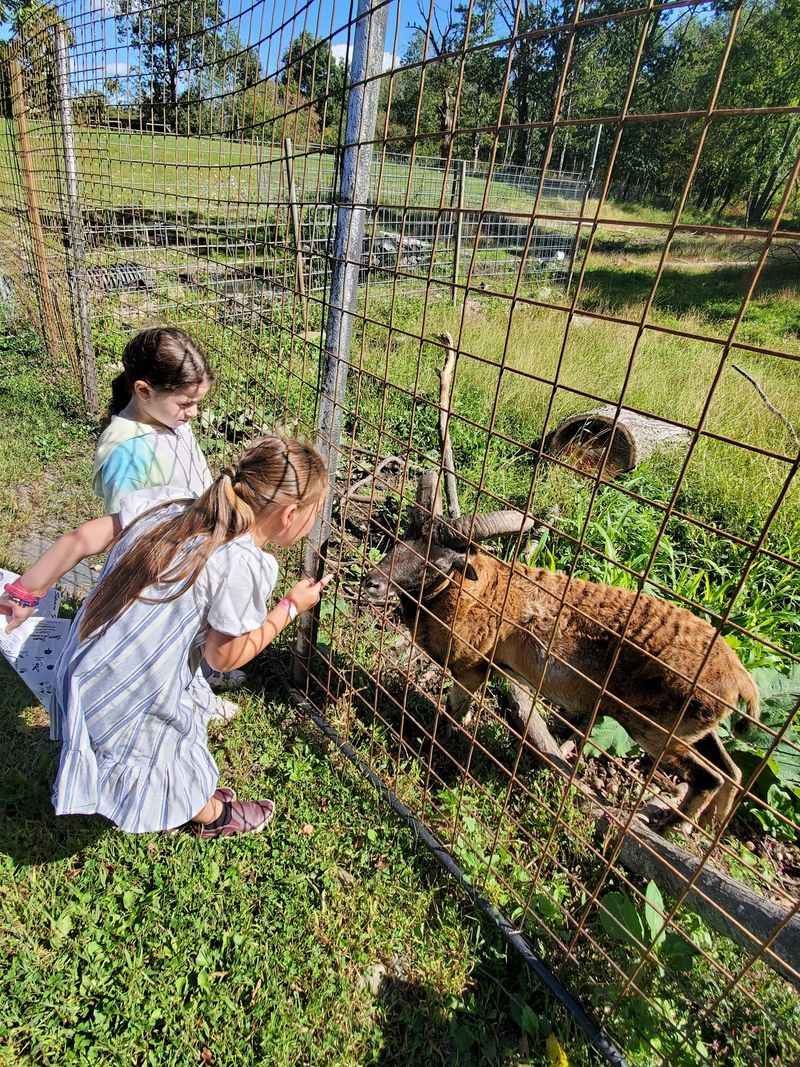
A polished metropolitan zoo has its own rhythm, but Space Farms operates with a different kind of personality. The grounds are often described as organized and clean by some guests, while others have pointed out spots where pathways or museum areas could use more attention.
That contrast is part of the honest story. Space Farms is not a neutral, one-size-fits-all attraction; it inspires strong reactions because it blends animal habitats, hands-on feeding, dense collections, and a family-run style that feels less standardized than bigger institutions.
The atmosphere can work especially well for people who like wandering at their own pace. Instead of racing through a single route, groups can pause at enclosures, watch feeding times when they happen, browse a vehicle display, and circle back to another animal area.
Respectful behavior matters more here than the admission gate can ever say. Accounts of people throwing unapproved food or trying to get animals to react are a reminder that a good visit depends partly on guest conduct.
Families who value calm, rule-following exploration will likely get the most from the day. The place rewards curiosity, but it also asks for manners, and that is not a bad lesson to pack into a New Jersey outing.
The Seasonal Calendar Locals Need To Know
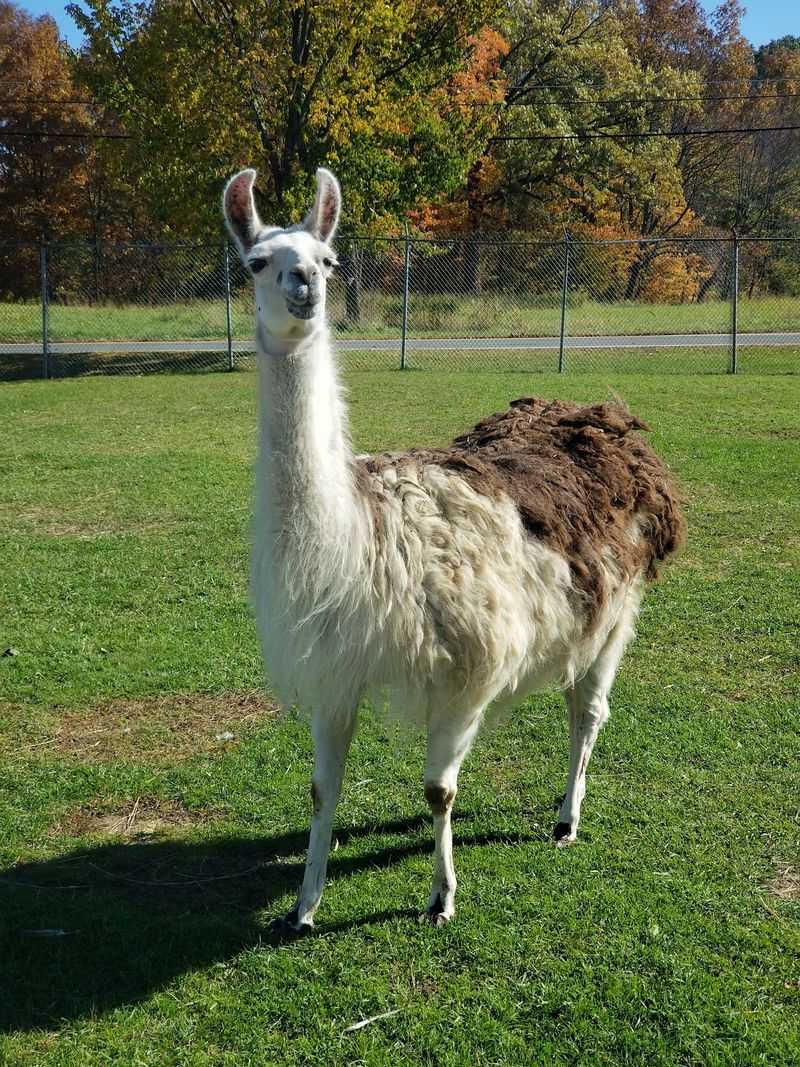
The most important timing detail is simple: Space Farms is seasonal and is closed from November through April. That makes it a warm-weather and fall-plan destination, not a spur-of-the-moment winter backup.
During its operating season, the listed hours run from 10 AM to 5 PM every day of the week, Thursday through Wednesday. Since seasonal operations can change, the official website is the smartest place to confirm the schedule before loading everyone into the car.
The closing window also gives the place a bit of New Jersey urgency. Locals who keep saying they will go someday may want to pick a date before the late-season weekends slip away.
Weekday visits are mentioned as a practical option by families who prefer a more open pace, while school trips and weekends can bring a different rhythm. The zoo and museum combination is broad enough that a half-hearted hour may feel rushed, so planning for several hours makes sense.
Because the grounds include animals, museums, a playground, picnic tables, a gift shop, a snack bar, and bathrooms, the visit can take up most of a day without needing a packed schedule. The calendar is the first gate, and the 10 AM opening is the next.
Admission Notes Without Guesswork
Admission details deserve careful handling because the available data includes public comments rather than a full official fee chart. One family account placed two adult admissions, including a 15-year-old, and one child admission at about $78 total, while another account mentioned an adult ticket around $25 with children a few dollars less.
A seasonal pass has also been described as costing about the same as two regular visits, which may interest families who live close enough to return several times between opening season and the late fall closure. That could be useful for Sussex County residents or nearby New Jersey households that want repeat animal visits without planning a whole new trip each time.
Still, exact admission should be checked directly through Space Farms before going. Prices can change, and a careful traveler should treat shared figures as helpful context rather than a final receipt.
The value question depends on how much of the property a group uses. Families who feed animals, browse the museums, use the playground, stop at the gift shop, and spend several hours there may view the ticket differently than someone who only wants a quick zoo loop.
In short, plan as though the visit is a full outing. The more sections you explore, the more the oddball combination starts to make practical sense.
A North Jersey Day Trip With Rural Logic
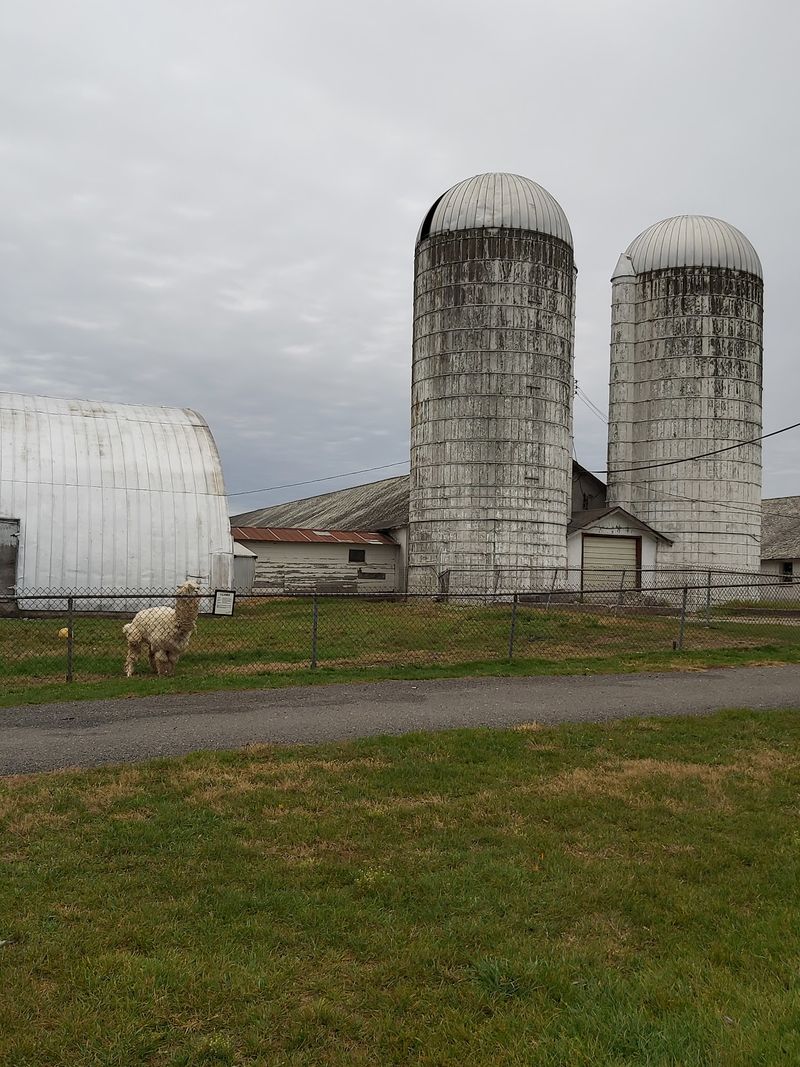
Sussex County is not a place where every attraction sits beside a train platform, so Space Farms works best as a planned drive. The address on County Road 519 puts it in a rural North Jersey setting that suits families, grandparents, school groups, and day-trippers already moving through the area.
Camping trips nearby have also led people to add the zoo and museum to their plans, which makes sense given the property’s size and mix of activities. It can fill a large part of the day without requiring a second ticketed stop.
The on-site basics help with that kind of visit. Bathrooms, picnic tables, a snack bar, a small sitting area, and a gift shop are all noted in shared trip accounts, giving families a few practical anchors between animal areas and museum rooms.
Wheelchair assistance has been mentioned positively in public comments, though travelers with specific mobility needs should confirm details with the destination before arrival. Rural attractions can vary widely in path conditions, and one account did mention that pathways could be cleaner.
The best mindset is simple: treat it as a Sussex County outing, not a quick urban errand. Give the place time, check the website, bring patience, and let the zoo-museum split do its strange little dance.
A Soft Verdict For Curious New Jersey Families
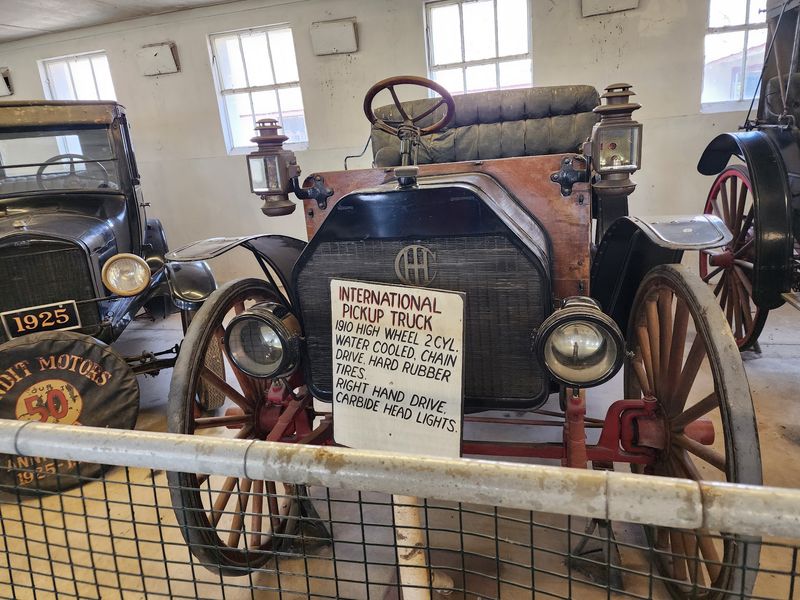
Space Farms earns attention because it is not easy to categorize. It is a zoo, a museum complex, a family-run collection, an animal-feeding stop, a playground outing, and an Americana time capsule all packed into one Sussex address.
That jumble is exactly why it belongs in the New Jersey day-trip conversation. The state has plenty of polished attractions, but places like this show another side: locally rooted, idiosyncratic, seasonal, and likely to spark family debate on the ride home.
The strongest reasons to go are clear. There are hundreds of animals, hands-on feeding opportunities with approved food, big cats and bears, reptile tanks, antique cars, early American displays, and a large antique firearms collection that few people expect to find attached to a zoo.
The cautions are clear too. Some guests have raised concerns about enclosure size, museum upkeep, pathway conditions, and poor behavior from other guests, so thoughtful expectations and respectful conduct matter.
For families who enjoy unusual local places and want a day trip that refuses to stay in one lane, Space Farms can be a memorable Sussex County stop. It may not be everyone’s version of a zoo day, but it is very much its own New Jersey story.
A Sussex County Address With Two Big Personalities
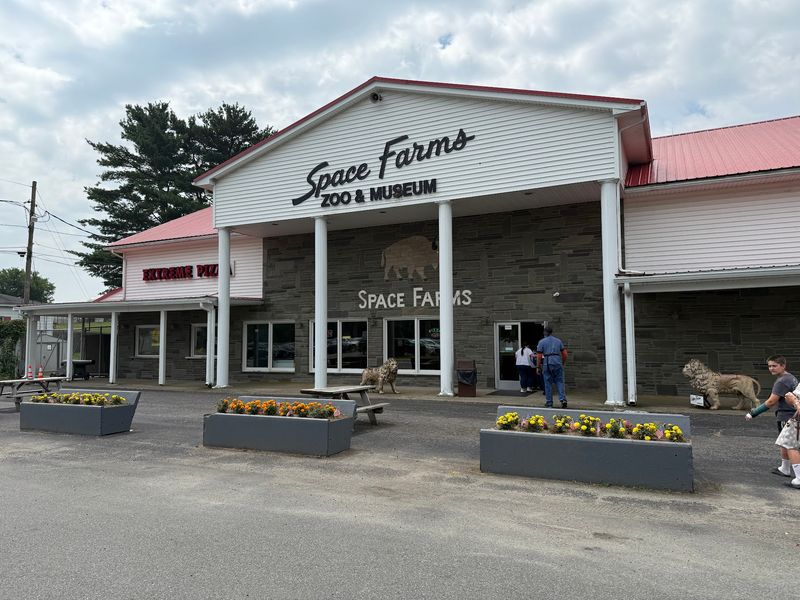
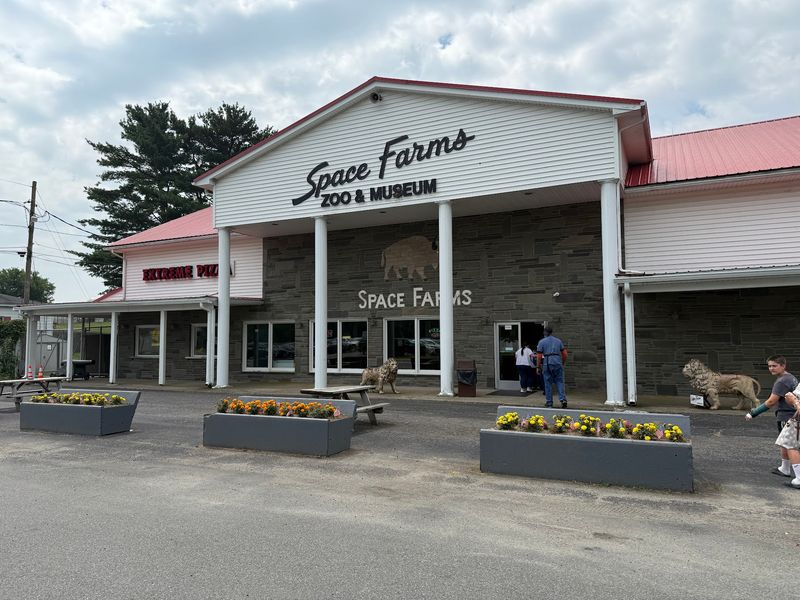
The first fact to pin down is the address, because Space Farms: Zoo & Museum sits at 218 County Road 519, Sussex, NJ 07461, in the northwestern corner of New Jersey. The setting matters here, since Sussex County gives the place a different rhythm than a big-city attraction with timed entries and crowded indoor corridors.
Space Farms is listed as a zoo, but that single label undersells the odd and memorable combination waiting on the property. It is described as a wild animal habitat and Americana exhibit, with a family-run zoo, hands-on areas, early American collections, antique cars, and a firearms museum all sharing the same destination.
That mix is the reason the place has stayed in local conversation. A family can arrive expecting animals and end up discussing old machines, historic objects, and collections that feel tied to everyday American life.
New Jersey gets boxed into predictable travel ideas far too often, yet this Sussex stop pushes against that laziness. It is rural, unusual, seasonal, and proudly specific, the kind of place that gives locals a reason to say, yes, the state has range.
Share this story