I almost drove right past it, just another storefront along a busy road in suburban Illinois. Then the smell of charcoal and sweet, smoky pork drifted through my car window, and my stomach made the decision for me.
What I found inside was a small, family-run spot serving Filipino street food so honest it felt like a plane ticket on a paper plate. If you love finding places that locals quietly brag about, keep reading, and maybe bring an appetite.
A Taste of the Philippines on Rand Road
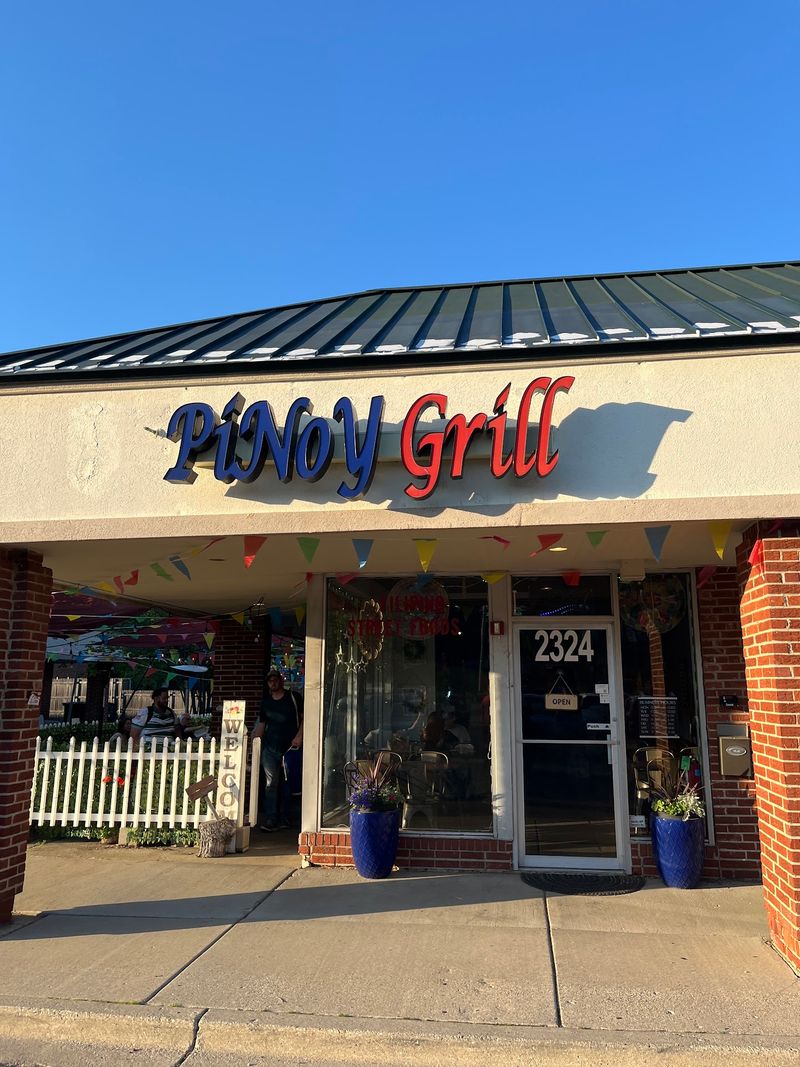
Tucked along East Rand Road in Arlington Heights, Pinoy Grill Authentic Filipino Street Foods sits at 2324 E Rand Rd, right in the heart of the northwest Chicago suburbs. From the outside, it looks like a lot of neighborhood spots you might zoom past on the way somewhere else.
Inside, though, the menu tells a very different story. The kitchen focuses on the grilled skewers, crispy snacks, and comforting home-style plates you would find on busy streets across the Philippines.
Visitors from Filipino families often say the food reminds them of home, and that is no small compliment. Some describe it as true lutong bahay, a phrase that means home cooking.
Others simply call it a great find. Either way, it has become a little piece of Manila sitting quietly in suburban Illinois, waiting for curious eaters to wander through the door and grab a skewer.
The Owner Who Treats Guests Like Family
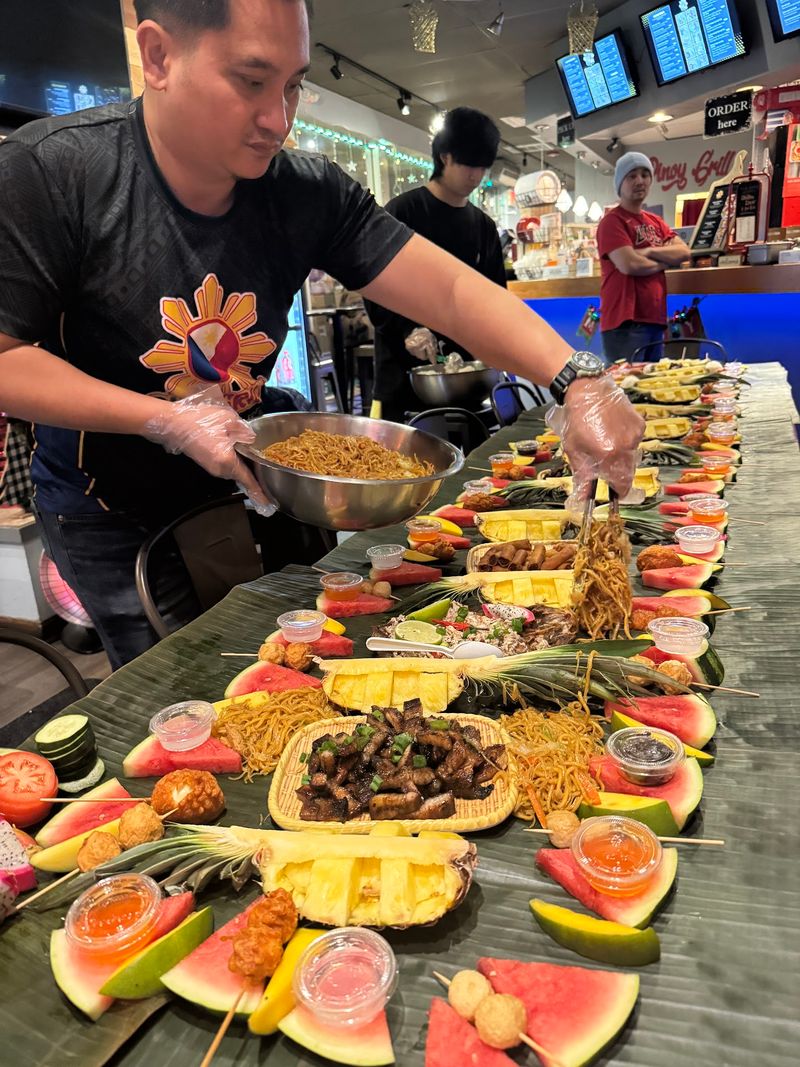
Ask regulars what makes the place special, and many will mention one name before any dish: Chris. He is the owner, and guests describe him as warm, funny, and genuinely excited to share his food.
One family visiting from out of town found out the owner was a fellow Cebuano who even worked in the same healthcare field. He ended up serving their dishes himself.
Others say he stops by tables to explain the menu and suggest what to try next.
That kind of care is what turns a quick lunch into a memory. A few diners mention little surprises, like extra treats sent to the table.
A guest who came during Restaurant Week noticed how much pride he takes in teaching people about Filipino cooking. It feels less like a business transaction and more like being welcomed into someone’s kitchen.
From Food Truck Roots to a Neighborhood Fixture
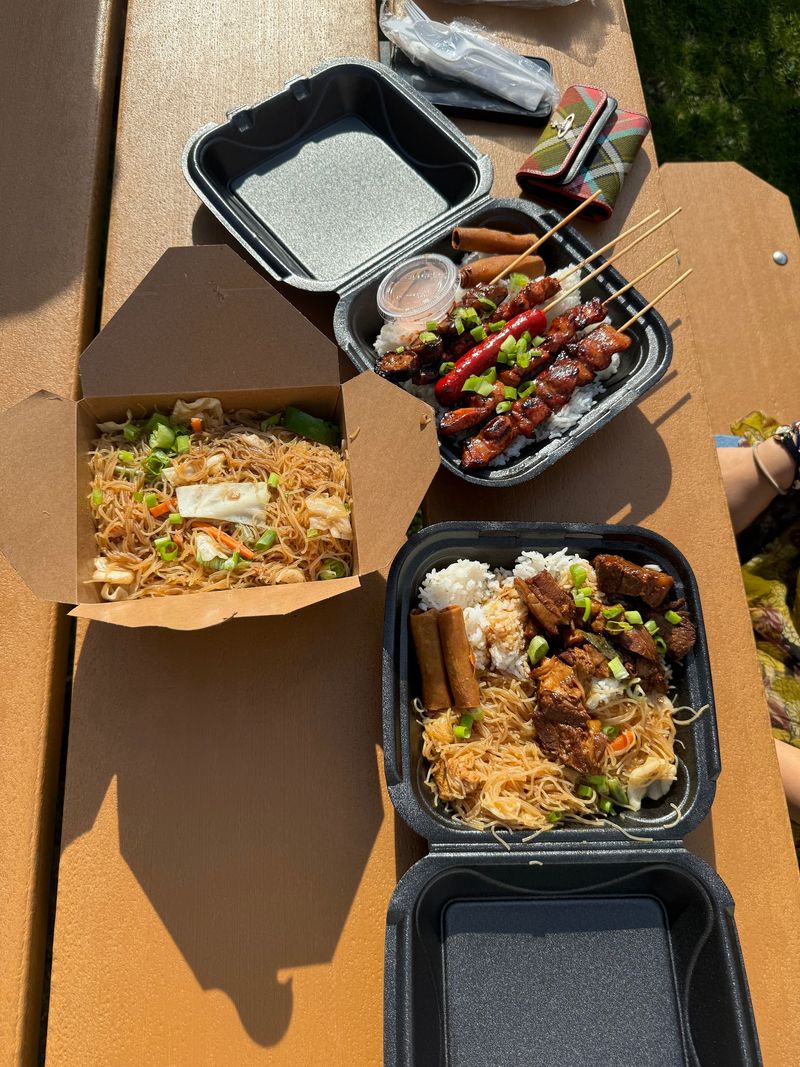
Here is a fun twist many first-timers miss: Pinoy Grill also runs a food truck. Some people tried the truck first and then tracked down the restaurant to get more.
The truck pops up around the area, including a stop at Good Sam Hospital, where one worker happily grabbed a pork adobo combo with pancit and egg rolls. The street food sampler earned praise there too.
The restaurant itself has been feeding the community for years, with diners writing about it as far back as six years ago. That kind of staying power matters in the suburbs, where small spots come and go.
Back then, guests were already raving about the bangus sisig and fried siopao. Today, families and regulars keep returning, which says a lot about a kitchen built on street food traditions rather than flashy trends or fancy dining rooms.
Smoky Pork BBQ Skewers
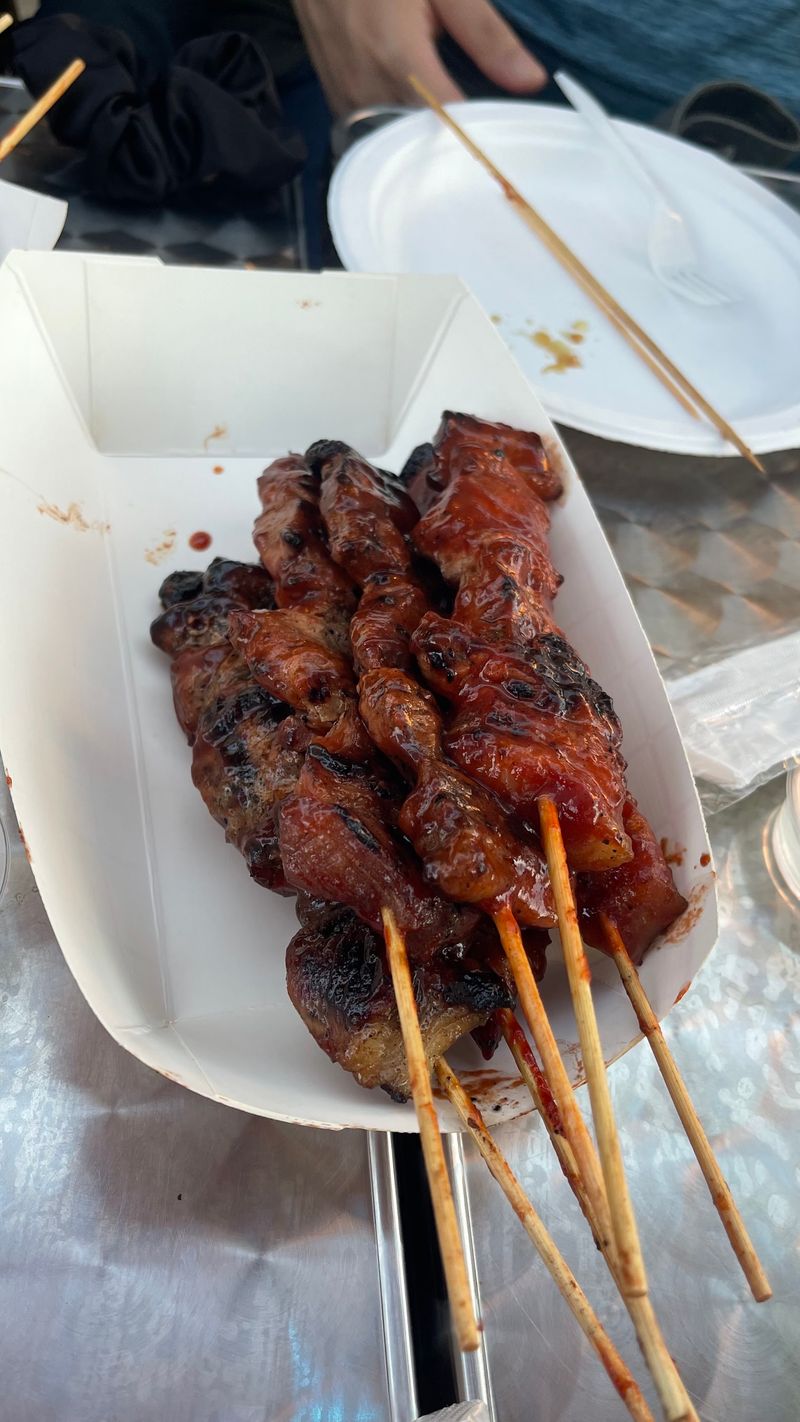
Sweet, sticky, and kissed by smoke, the pork barbecue skewers are the reason many people make the trip. Filipino pork BBQ is famous back home as a street-corner favorite, usually marinated in a sweet and savory sauce before hitting the grill.
Guests say the BBQ sticks here are great, and one diner admitted to still dreaming about them weeks later. Another visiting family listed the pork BBQ among a long string of dishes that left them bursting with happiness.
Not every bite wins every heart, of course. One visitor said the skewer simply was not their personal style, which is fair with such a bold flavor.
Still, if you want the classic taste of a Manila sidewalk grill, this is the place to start. Grab a few sticks, add some rice, and see where your cravings take you next on the menu.
Isaw and Other Adventurous Street Snacks
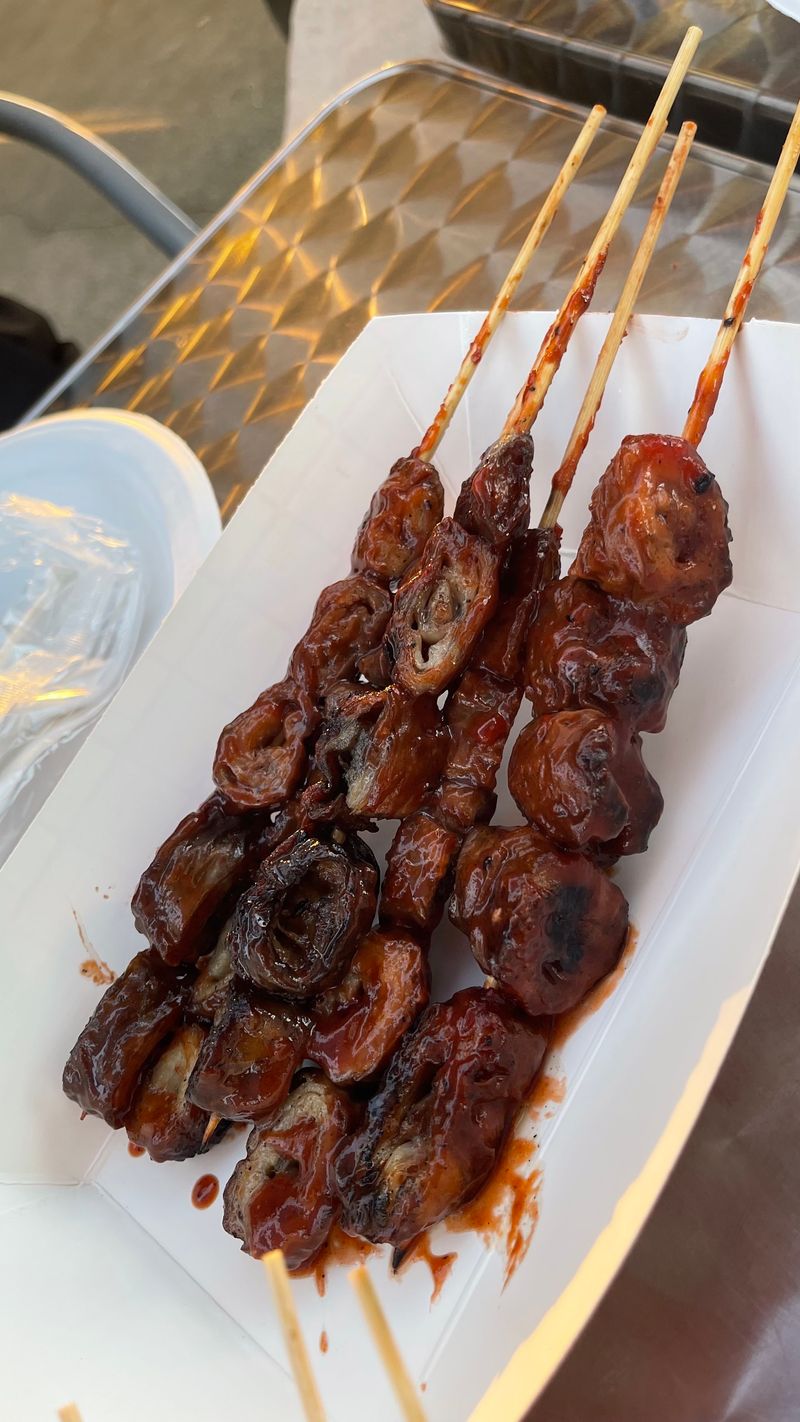
Feeling brave? Pork isaw, grilled intestine on a stick, is one of the most talked-about items on the menu, and fans say it comes off the grill perfectly charred with a great texture.
Fun fact: isaw is a beloved after-school and late-afternoon snack in the Philippines, often sold from carts with a spicy vinegar dip. Here, it sits alongside chicken gizzard skewers and a whole lineup of fried treats.
You will also find kwek kwek, which are quail eggs dipped in bright orange batter and fried. Fish balls, squid balls, and kikiam round out the snack parade.
Visitors say these bites bring back fun memories of buying street food as kids. For newcomers, ordering a few different snacks is the easiest way to sample a little of everything without committing to a big plate.
Platters Built for Sharing
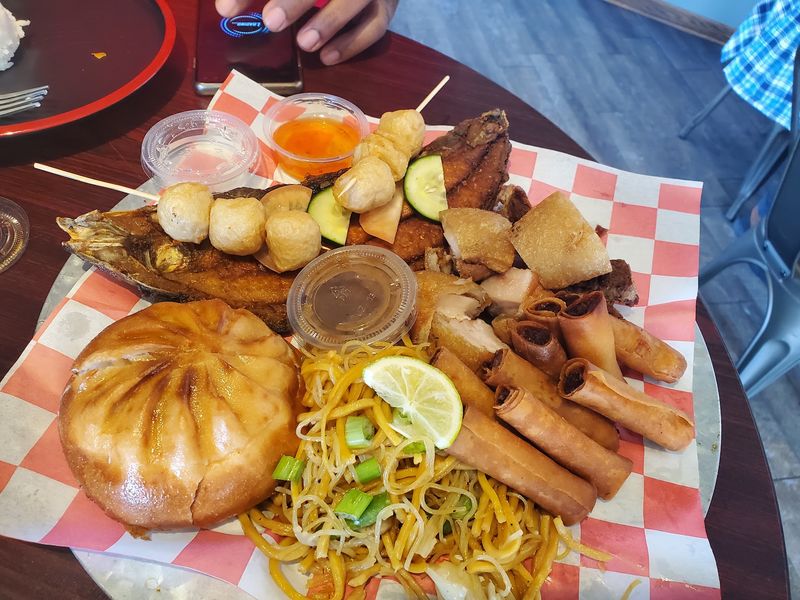
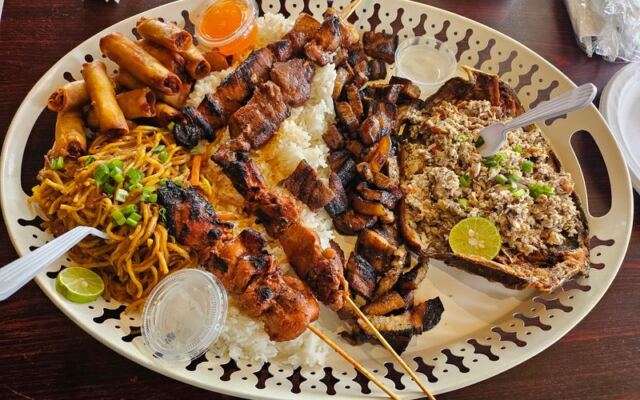
Platters come up more than any other topic when people talk about this spot, and it is easy to see why. They let a whole table try a spread of favorites at once.
Options mentioned by guests include the Pinoy favorites platter, a crispy favorites platter, and a family platter. One group praised how everything on the crispy platter stayed nicely crunchy.
A first visit can feel overwhelming with so many unfamiliar names, so platters work like a friendly map. You get grilled meats, fried bites, and sides together.
Families say the portions satisfied their cravings and brought back tastes of home. Bring a few friends, order one in the middle of the table, and pass things around.
It turns dinner into a little party, which feels very much in the spirit of Filipino gatherings.
Bangus Sisig and Fried Siopao
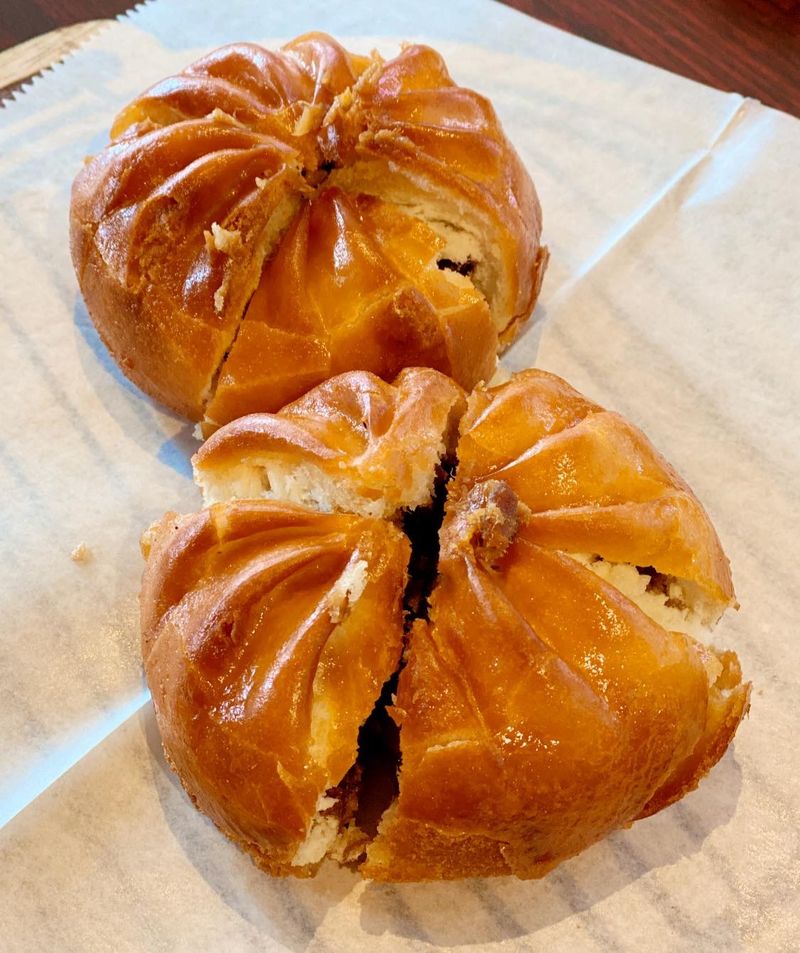
Two dishes keep showing up in conversations about what makes this kitchen stand out. The first is bangus sisig, a chopped milkfish version of the famous sizzling dish.
Sisig is usually made with pork, so a fish version is less common. One diner noted that not many Filipino restaurants serve it at all, which makes it worth ordering here.
The second star is siopao, the fluffy filled bun, and the fried version gets special love. Picture a bun similar to a char siu bao, but deep fried until golden.
Guests say it surprised them by not being oily at all. In fact, more than one person described the food here as less greasy than they expected.
Pair the two for a mix of savory, tangy, and crispy that shows off how creative Filipino comfort food can be.
Comfort Plates Beyond the Grill
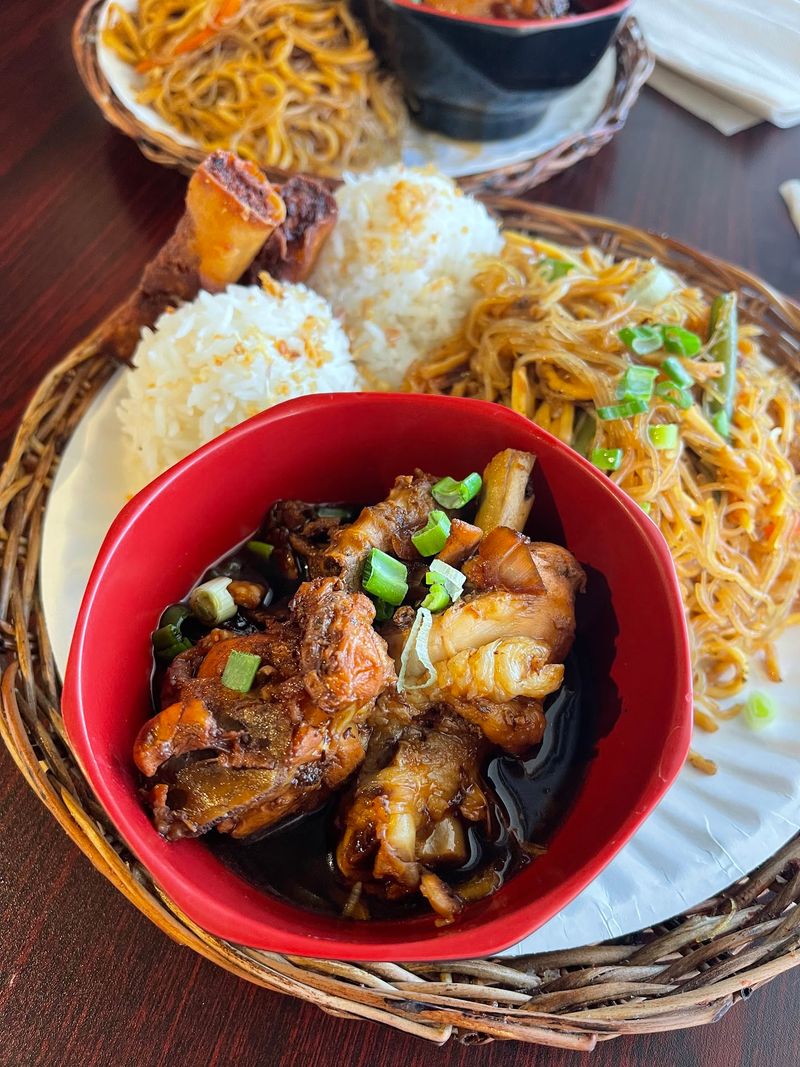
Not everything here comes on a stick. The menu also covers the cozy dishes many Filipino families grew up eating at home.
Chicken adobo is a popular pick, and one guest called the adobo combo meal a great choice for beginners. Bistek tagalog, a tender beef steak with onions, earns rave words, and tokwa’t baboy, fried tofu with pork, was described as phenomenal.
Pancit noodles and crispy lumpia egg rolls are crowd favorites too. Diners have also enjoyed sinigang na pompano, a sour soup, along with arroz caldo, grilled pork belly, and beef tapa.
Takeout experiences vary, with one delivery customer unhappy with a few items. Eaten fresh in the dining room, though, these plates feel like a warm hug.
They pair beautifully with the grilled skewers for a full meal.
Halo-Halo, Taho, and a Sweet Finish
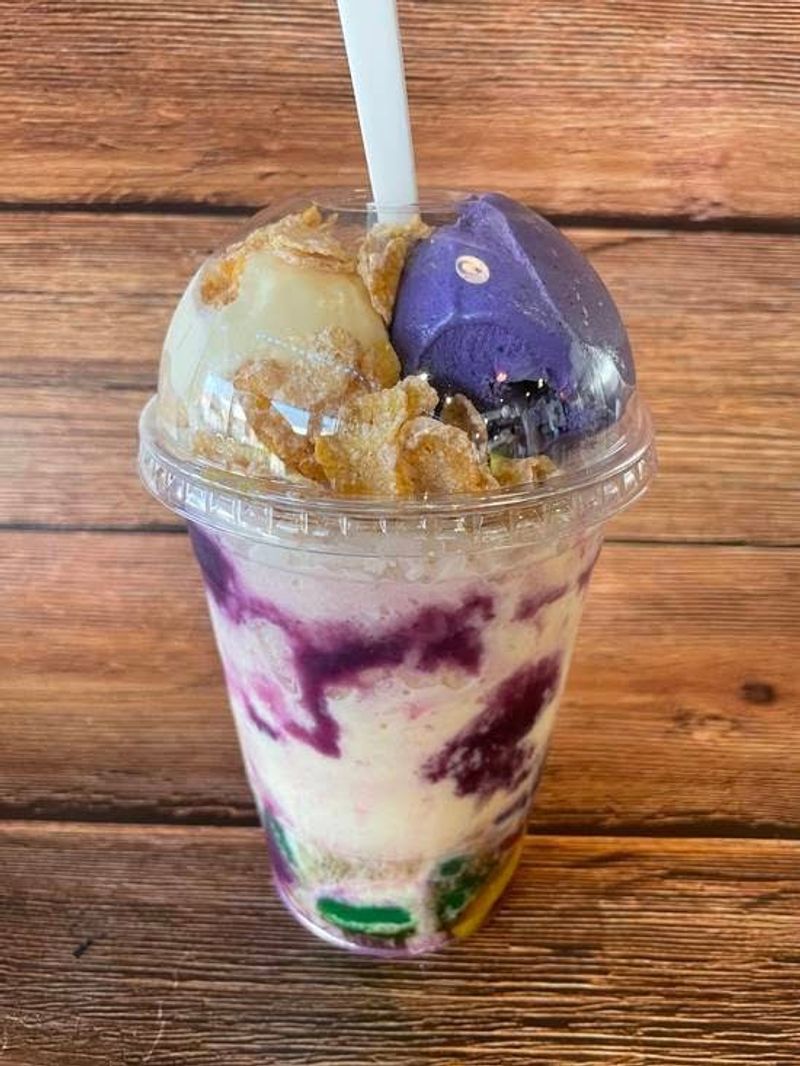
Save room. Seriously, the dessert lineup might be the happiest surprise of the whole meal.
Halo-halo, which means mix-mix, is a layered treat of shaved ice, sweet beans, fruit, and more. Guests praise the version here for its balance of flavor and great proportions.
Taho, a warm sweet treat made with silken tofu, also gets mentioned as a perfect ending.
Then there is turon, crispy fried plantain rolls, often paired with ube ice cream. One Restaurant Week visitor said the plantain and ube combo was the best part of the meal.
Ube, a purple yam, gives desserts a bright color and a gentle, nutty sweetness. Whether you want something cold and refreshing or crispy and caramelized, the sweet side of the menu is worth exploring before heading home.
Cozy Decor and a Self-Serve Vibe
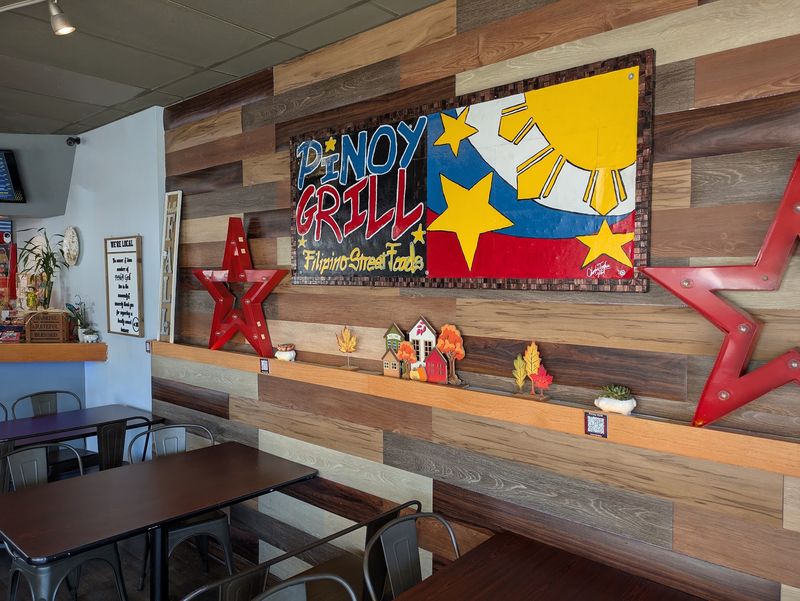
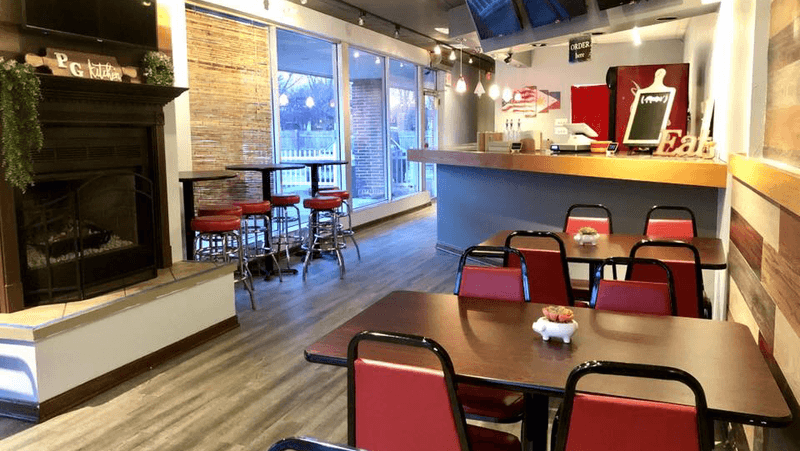
Walk in and the first thing you might notice is the decor, which guests describe as nicely done and cheerful. The space feels relaxing and homey rather than fancy.
The restaurant is on the smaller side, without huge tables for big groups, though small tables can be pushed together. Service runs on a self-serve setup, which one guest said adds a fun, independent feel.
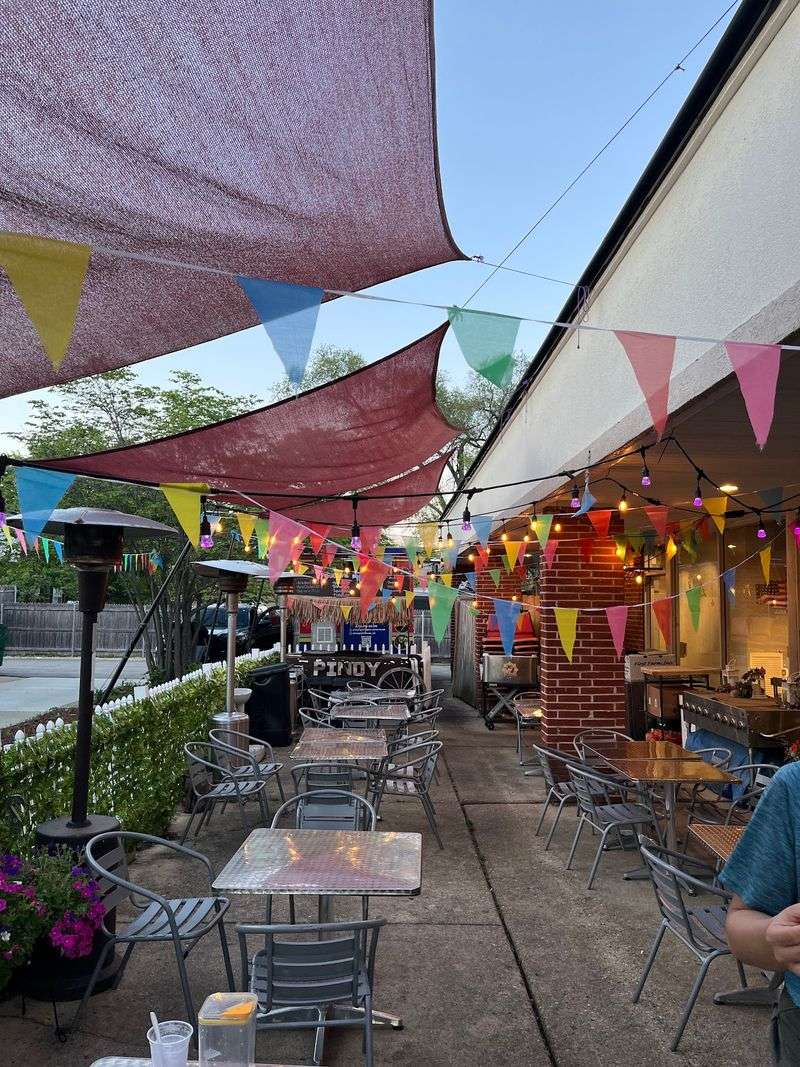
Outdoor seating is another perk when the Illinois weather cooperates. Families and regulars fill the room, and someone even hosted a small birthday get-together here.
Staff often greet people at the door and check on tables. It suits curious first-timers, homesick Filipino families, and anyone who loves casual spots.
Just know it can get busy, so patience pays off when the room fills up.
Hours, Prices, and Smart Timing
Plan ahead, because the doors are closed on Mondays and Tuesdays. From Wednesday through Sunday, Pinoy Grill is open from 11:30 AM to 8 PM.
Prices are friendly, with one longtime fan pegging the cost at the budget-to-moderate level. A Restaurant Week guest even called their meal a steal.
Call ahead at 224-210-6132 or check pinoygrillchicago.com for menu details.
Timing matters here. Some guests mention waits of 30 to 40 minutes on busy days, and one pickup order ran later than promised.
Arriving well before closing helps too, since a late visitor felt rushed near 8 PM. Aim for an earlier lunch or dinner, give yourself extra time, and you will get to enjoy the food without watching the clock.
Worth the Drive for a Bite of Manila
One devoted fan says they drive 45 minutes just to eat here and swears it is worth every mile. Travelers staying in nearby Schaumburg have made the detour too, and left grinning.
That says a lot about a small grill on a busy suburban road. It is not polished or fancy, and it does not try to be.
What it offers is smoky skewers, crispy snacks, cozy plates, and an owner who seems to love every guest who walks in.
A few visits have hit bumps, mostly around waits and takeout. Still, for anyone craving real Filipino street food in Illinois, this is the kind of place you will want to tell friends about, or maybe keep a little secret.
Bring friends, order a platter, and let the smell of charcoal guide you home happy.
Share this story