Most highway rest stops offer a bathroom, a vending machine, and maybe a sad patch of grass. This one gives you a quarter-mile boardwalk stretching over the Florida Everglades, a 40-foot observation tower, and the chance to spot alligators before you even get back in your car.
Tucked along Alligator Alley on I-75, this rest area has quietly become one of the most talked-about road trip stops in the entire country. Once you know it exists, you will have a hard time driving past it without pulling over.
What Makes This Rest Stop Unlike Any Other in America
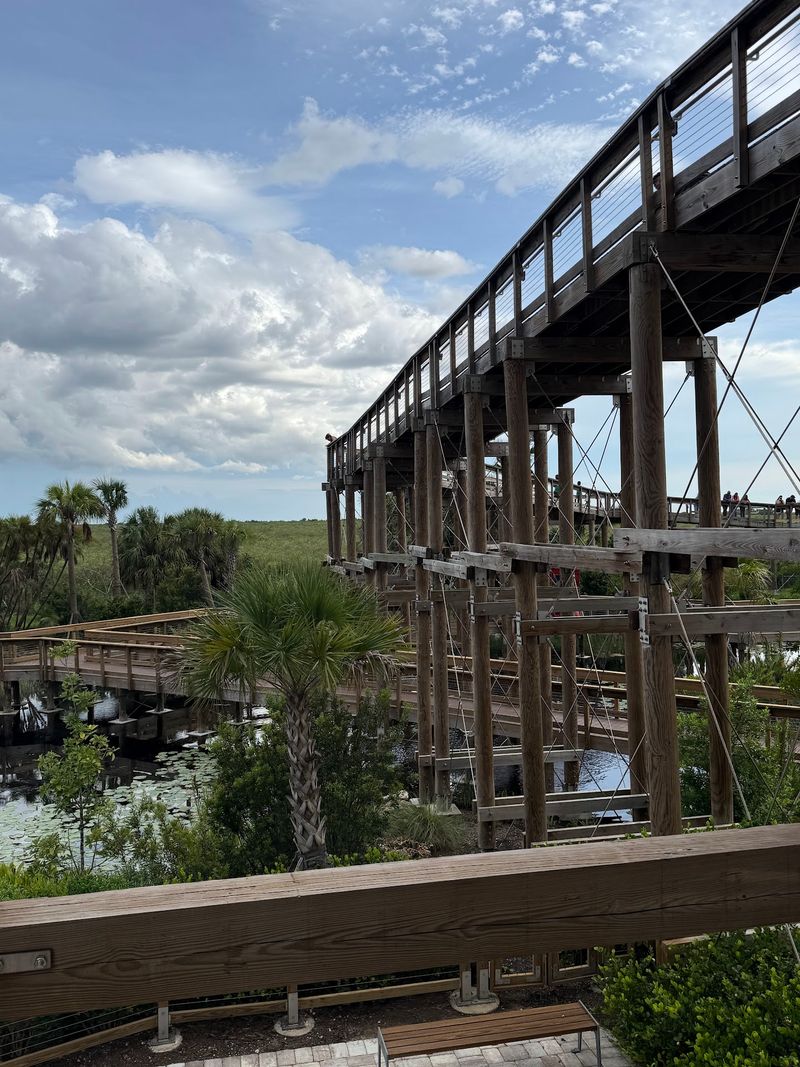
Most people set their expectations low when they see the words “rest stop” on a highway sign. A clean bathroom feels like a win.
So when drivers pull off I-75 at Mile Marker 35 and find themselves standing at the edge of a wetland boardwalk complex, the reaction is almost always the same: genuine surprise.
This stop does not feel like a highway facility. It feels like a real nature attraction.
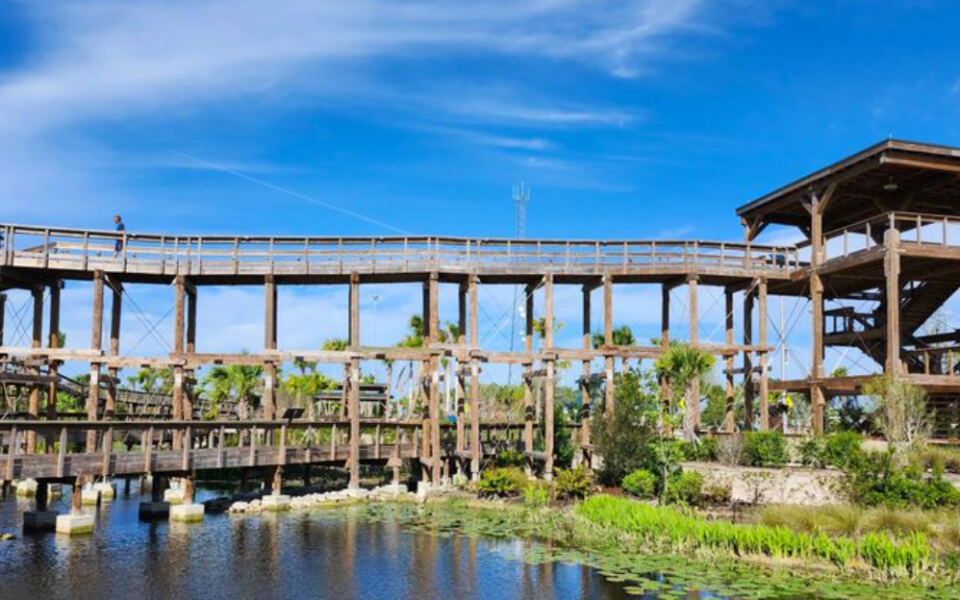
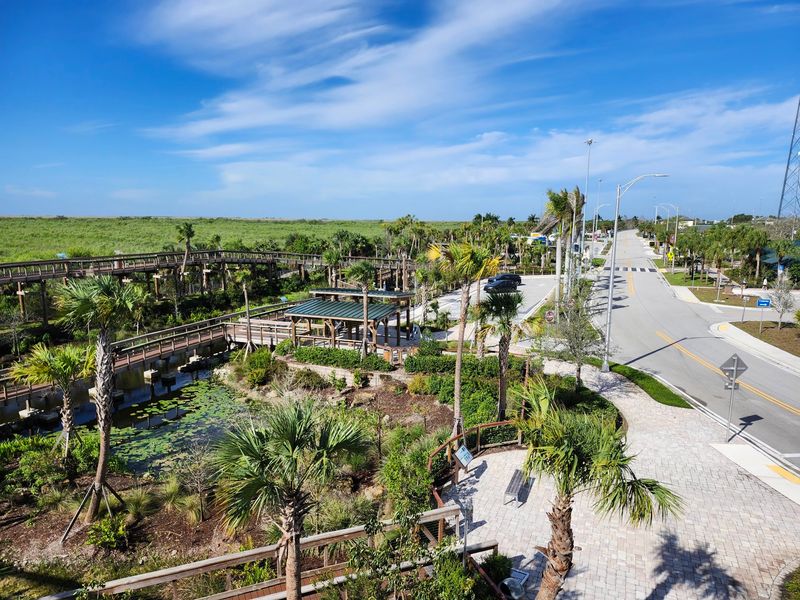
The boardwalk stretches across a quarter mile of Everglades terrain, rising and dipping at multiple levels as it winds through native wetland habitat.
Visitors who have been to rest areas in dozens of states consistently say this one stands apart from everything else they have encountered. The combination of clean facilities, outdoor education, and actual wildlife makes it a legitimate destination rather than just a convenient detour.
Finding the FDOT Mile Marker 35 Rest Area on Everglades Parkway
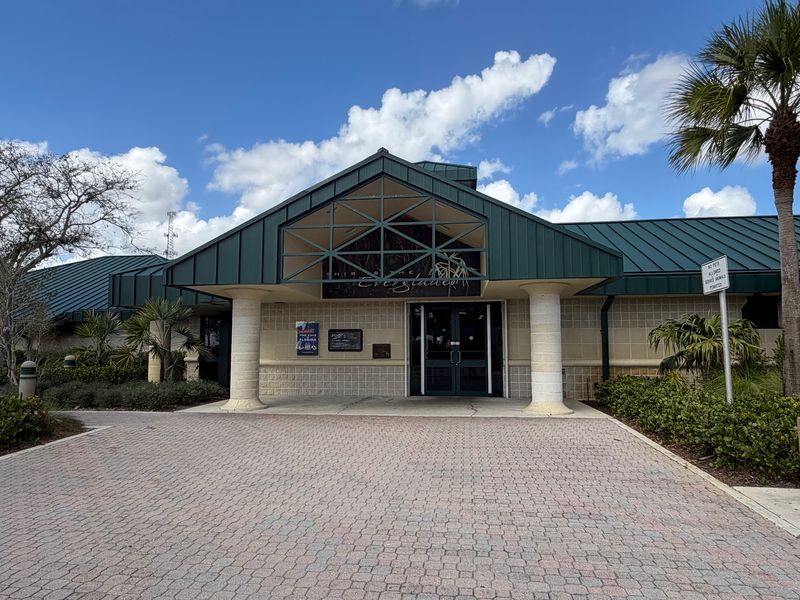
The official name is the FDOT Mile Marker 35 Rest Area, located at 3500 Everglades Pkwy, Florida 33327, along the stretch of I-75 commonly called Alligator Alley. It sits on the eastbound side of the highway, heading toward Miami, though it can be accessed from both directions.
One thing worth knowing before you arrive: drivers coming from the west on I-75 have reported some confusion at the entrance. The trick is to take the second right turn, not the first, or you will end up in the recreational area that does not have restrooms.
The rest area is open 24 hours a day, every day of the week, which makes it useful for early morning or late-night travel too. Parking is easy and plentiful, with wide spaces that accommodate larger vehicles without any stress.
The Multi-Level Boardwalk That Winds Through Wetland Habitat
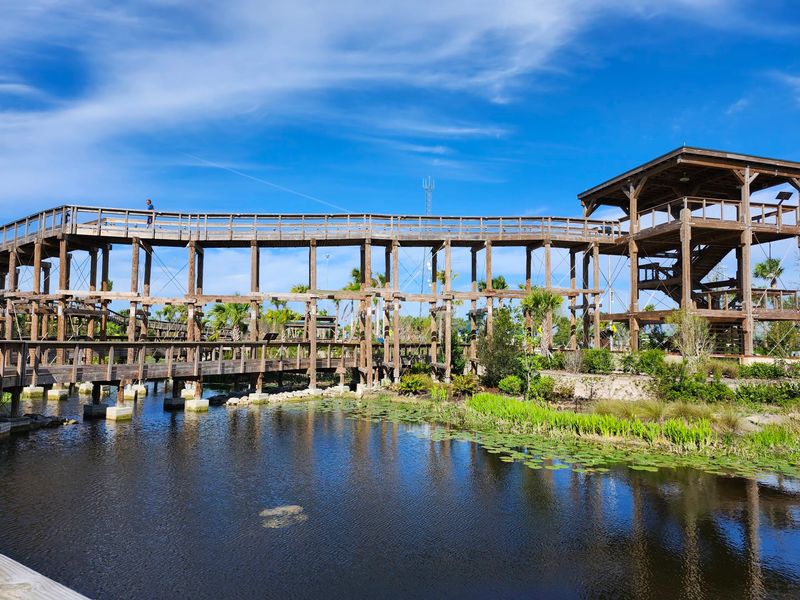
The boardwalk is the heart of this rest stop, and it earns every bit of attention it gets. Wooden bridges connect at different heights, giving walkers a shifting perspective as they move through the landscape.
At certain points you are close to the waterline, and at others you are elevated high enough to see the Everglades stretching out toward the horizon.
The whole route covers roughly a quarter mile, which is just enough to feel like a real walk without wearing you out before you get back on the highway. The structure is well-maintained and solid underfoot, with no wobble or rattle even when multiple visitors are walking at the same time.
What makes it special is how the different levels change what you notice. Lower sections bring you near the water plants and reeds, while the upper sections open up wide views across the River of Grass.
The 40-Foot Observation Tower and What You Can See From the Top
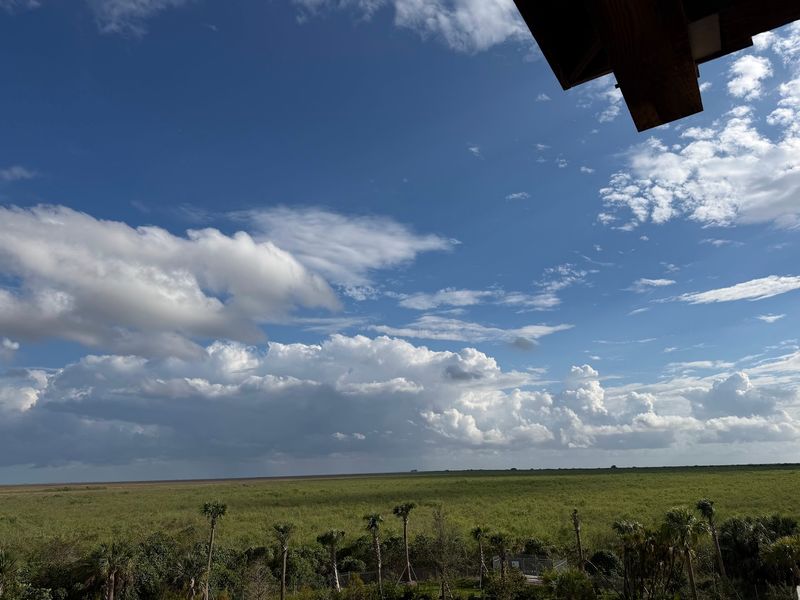
At the end of the boardwalk route stands a 40-foot observation tower, and climbing it is absolutely worth the effort. The view from the top opens up the full scale of the Everglades in a way that is hard to appreciate from ground level or from a car window at highway speed.
From up there, the sawgrass prairie spreads out in every direction, broken up by patches of open water and clusters of cypress. On a clear day, the sense of scale is quietly stunning.
You realize just how vast and flat this ecosystem really is.
Cooler days make the climb especially pleasant, since the top platform catches a breeze that the ground level does not always offer. Multiple visitors have noted that the tower is decently high and gives genuinely impressive sightlines across the River of Grass that most people never get to see this easily.
Alligators, Birds, Turtles, and Other Wildlife You Might Spot
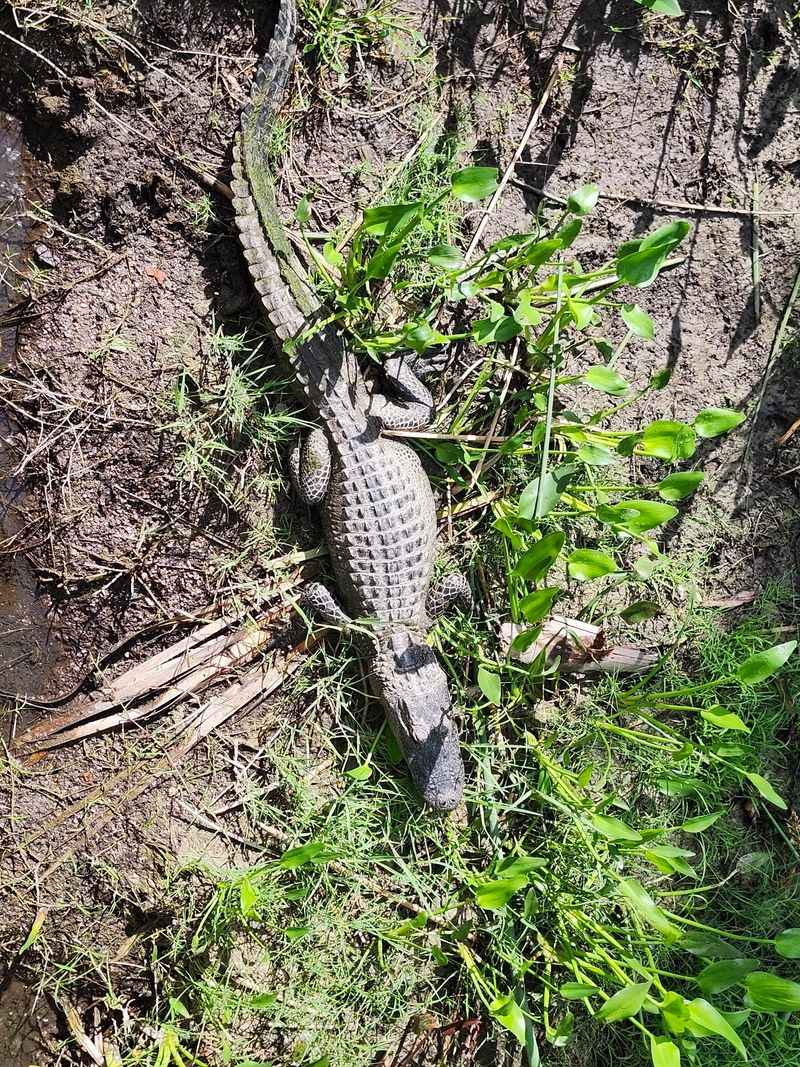
Wildlife is a big part of why people stop here, and while the animals do not perform on command, there is a good chance you will spot something interesting. Small alligators have been seen in the enclosed pond area near the boardwalk.
Turtles surface and slide off logs. Birds, including white herons and turkey vultures, move through the area regularly.
Honest visitors will tell you the alligators here tend to be young and small rather than the massive specimens you might see deeper in the Everglades. The pond area is described as managed rather than fully wild, so set your expectations accordingly.
That said, seeing any live alligator up close is still a memorable moment, especially for kids or visitors experiencing Florida wildlife for the first time. Lizards also dart along the boardwalk edges, and the bird activity alone can hold your attention for a solid stretch of time.
The Arboretum and Native Plant Exhibits Along the Trail
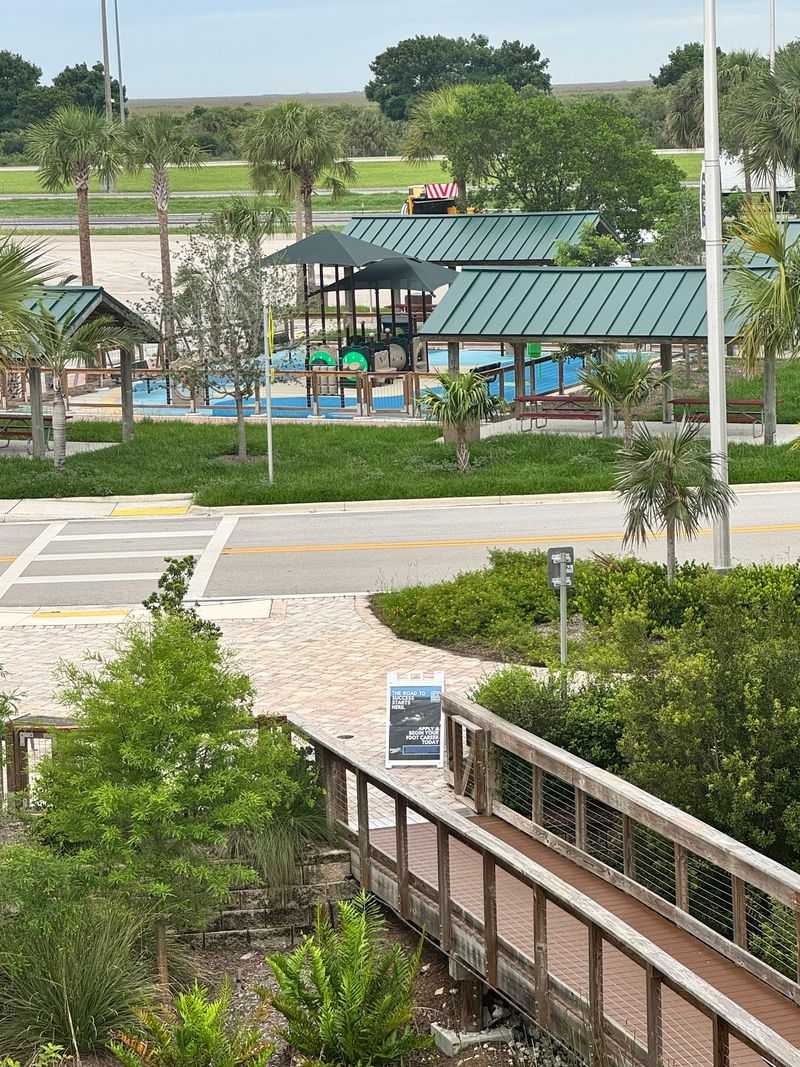
Not every visitor realizes this right away, but the boardwalk area functions as an outdoor arboretum and wetland exhibit. The plants growing on both sides of the walkway are native Florida species, and informational displays help identify what you are looking at as you move through.
Sawgrass, cypress, and various wetland ferns fill the space around the lower boardwalk sections. The signage is genuinely educational without being overwhelming, striking a balance that works for curious adults and kids alike.
For anyone who has ever driven through the Everglades without really understanding what they were looking at, this stop provides a surprisingly clear introduction to the ecosystem. The native plant exhibits give context to the landscape that surrounds you on either side of Alligator Alley for miles.
It is the kind of outdoor education that sticks with you long after you are back on the road.
Educational Displays and Multimedia Exhibits Inside the Main Building
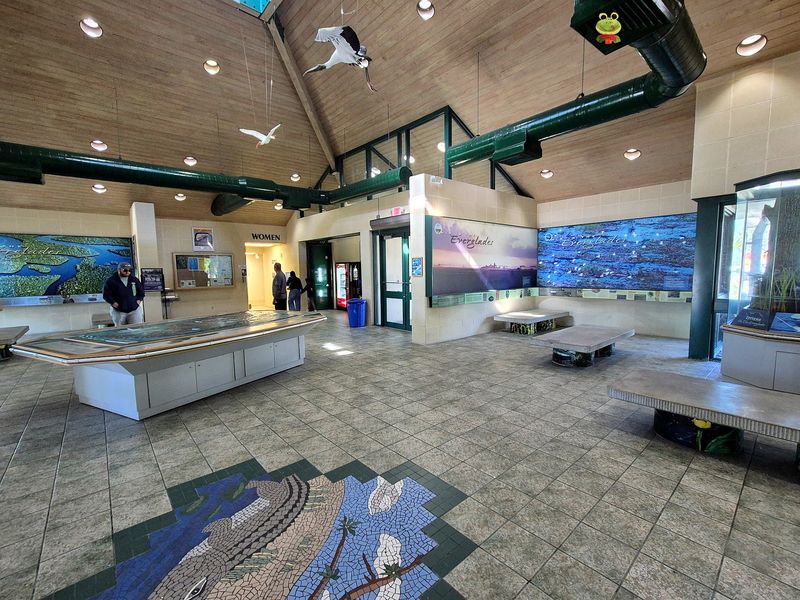
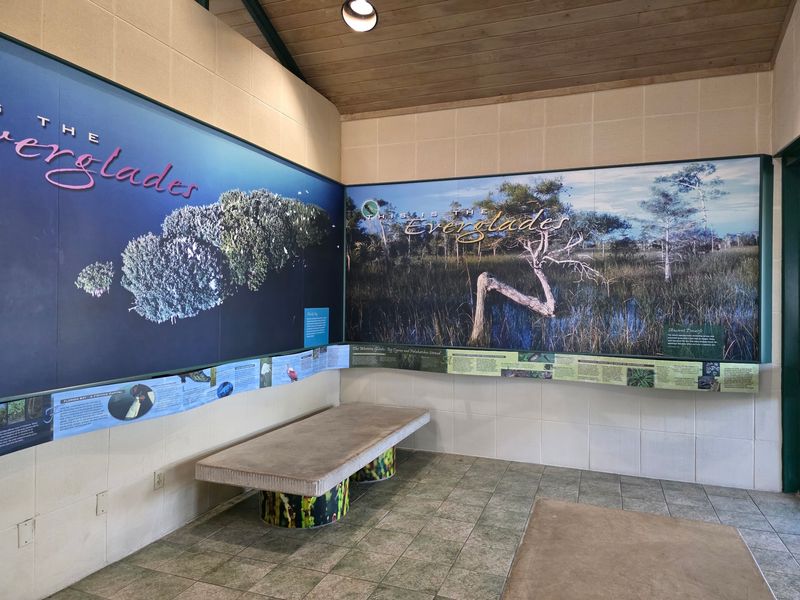
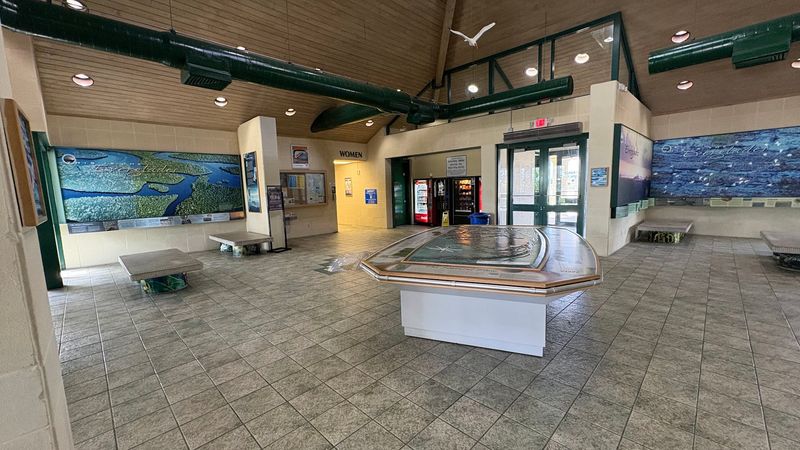
Inside the main building, the experience continues with a collection of educational displays about the Everglades. Multimedia exhibits cover the history and ecology of the region, giving visitors context for what they are about to see outside on the boardwalk.
The displays are well-organized and genuinely interesting, not the dusty pamphlet-style information you might expect from a highway facility. The room feels current and thoughtfully put together, with visuals that hold attention rather than just filling wall space.
Visitors who take a few minutes inside before heading out to the boardwalk tend to appreciate the outdoor portion more because of it. Knowing what you are looking at changes the experience.
The building also provides a comfortable, air-conditioned space to cool down before or after your walk, which matters quite a bit during Florida’s warmer months when the outdoor heat can be intense.
Clean Restrooms and Facilities That Actually Impress
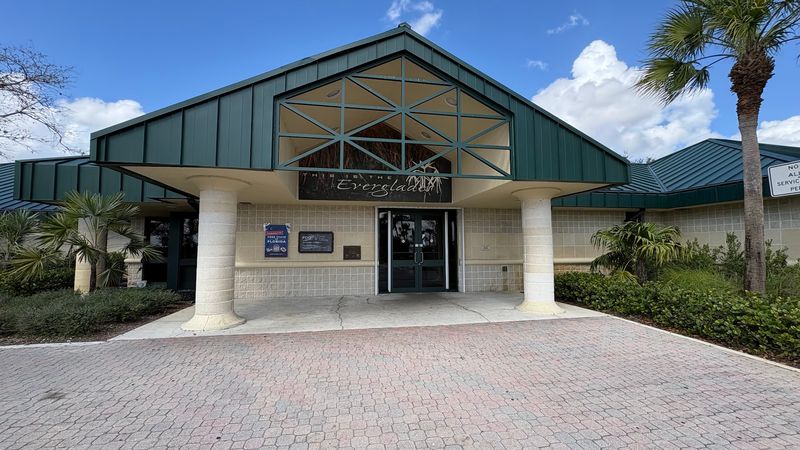
Cleanliness is one of the most consistently mentioned qualities at this rest stop, and that is not something you can say about most highway facilities. The restrooms appear well-maintained and regularly serviced, which road-trippers genuinely appreciate after long stretches on the highway.
The building itself looks modern and well-kept, with a layout that handles visitor flow without feeling cramped. Parking is easy to navigate, with enough space that even larger vehicles and RVs can pull in without a complicated maneuver.
Vending machines are available for drinks and snacks, which covers the basics for anyone needing a quick refresh. There are also water stations accessible around the grounds.
The facility does not have a convenience store or restaurant, so it is worth stocking up before you arrive if you need more than a light snack. Still, for a rest stop, the overall quality of the facilities is notably above average.
ADA Accessibility and How the Boardwalk Works for Everyone
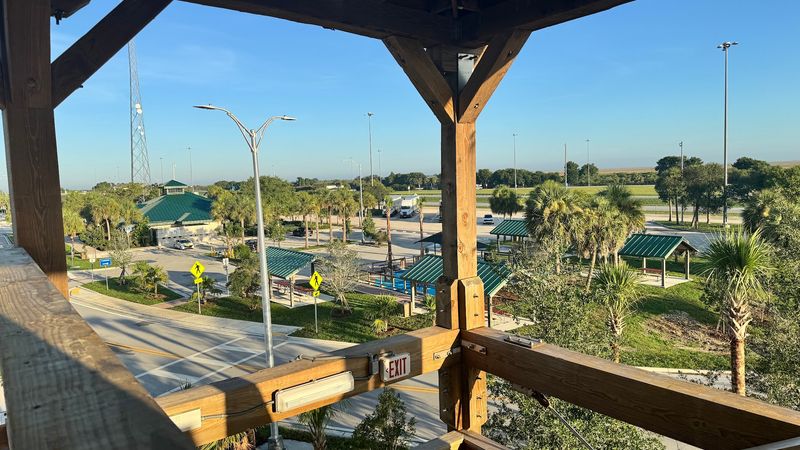
One of the best details about this boardwalk is that it was designed with accessibility in mind. The multi-level structure includes ADA-compliant pathways, making it suitable for visitors using wheelchairs or strollers.
Families traveling with young children find it easy to navigate without worrying about steps or uneven terrain.
The railings are solid and at a height that works for both adults and kids, keeping everyone safe while still allowing clear views of the water and wildlife below. The surface of the boardwalk is stable and smooth enough for wheels without being slippery.
Leashed pets are also welcome on the boardwalk, which makes this stop even more practical for road-trippers traveling with dogs. Being able to give your pet a proper walk in a natural setting, rather than just a strip of highway grass, is a genuine bonus that a lot of travelers with animals really appreciate.
A Playground for Kids in the Middle of the Everglades
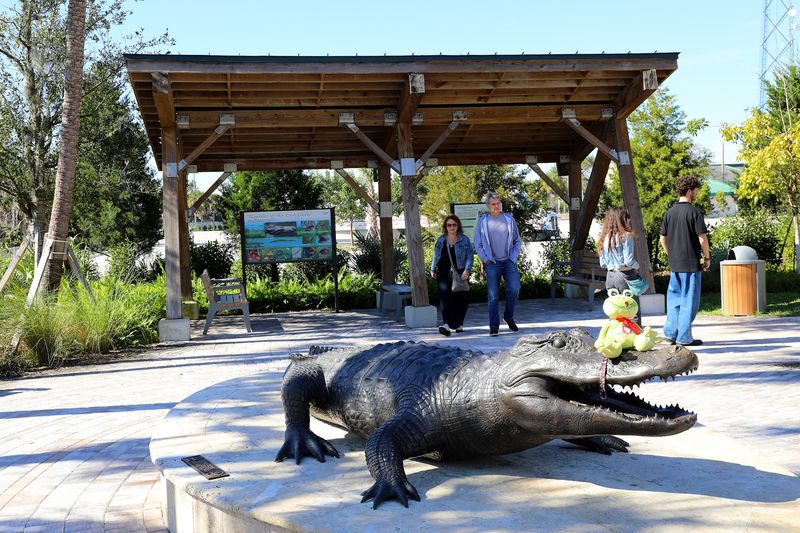
Families traveling with younger children get an extra reason to stop here. The rest area includes a playground, which is a detail that catches a lot of parents off guard in the best possible way.
After hours in a car, kids need somewhere to burn off energy, and this one delivers something far more interesting than a patch of grass.
The playground sits within the larger grounds, so children can move between the play equipment and the boardwalk with ease. Parents can keep an eye on things without feeling like they are managing two separate locations at once.
The combination of a playground, a nature boardwalk, and wildlife sightings makes this stop genuinely kid-friendly in a way that goes beyond just being tolerable. Many families who stop here end up spending more time than they originally planned, which says a lot about how well the space is designed for younger visitors.
Fishing Along the Ramps and the Local Fishing Culture Here
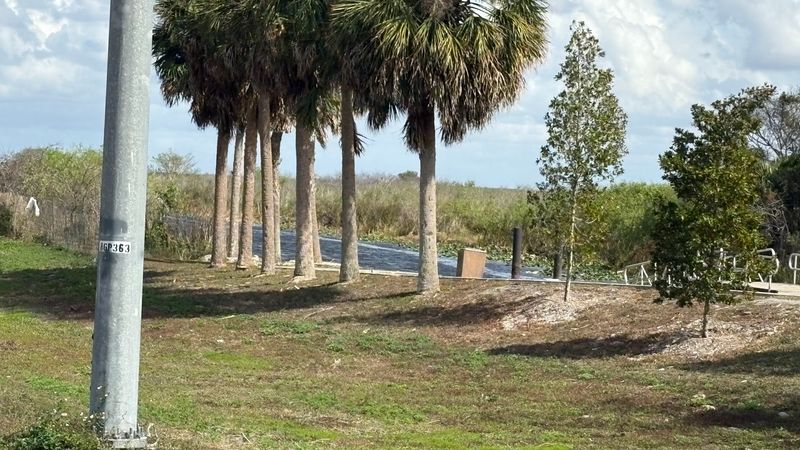
Something you might notice as you pull into the rest area is the presence of local fishermen along the on and off ramps. This is not an accident.
The waterways around Mile Marker 35 are part of a broader fishing ecosystem that local anglers know well and return to regularly.
The Everglades waterways in this area are home to a variety of fish species, and the access points near the rest stop make it a convenient spot for those who know where to cast. Watching someone work a line against the flat, still water of the glades is its own quiet kind of entertainment.
This is a reminder that the rest area sits inside a living, working natural environment, not just a scenic backdrop. The fishing activity around the edges of the property adds an authentic local texture that distinguishes this stop from anything designed purely for passing tourists.
The Westbound Side and What Makes It Different From the East
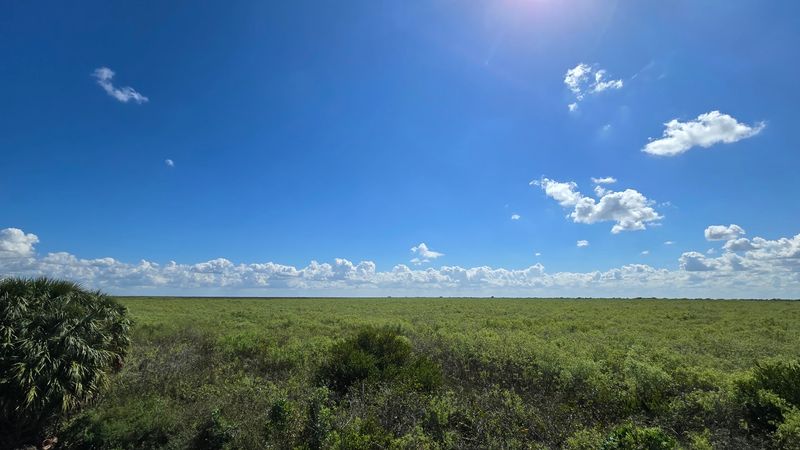
The rest area can be accessed from both directions on I-75, but the two sides offer noticeably different experiences. The eastbound side, heading toward Miami, is where the main boardwalk complex, observation tower, and educational exhibits are located.
That is the side most visitors describe and photograph.
The westbound side has a more natural, less developed feel. Visitors have reported seeing turkey vultures there in significant numbers, along with other wildlife activity that feels less managed than the eastern pond area.
The landscape on that side appears less manicured, which appeals to visitors looking for something rawer.
If you have time and flexibility, walking both sides gives you a more complete picture of the environment. Each side has its own character, and the contrast between the polished boardwalk experience on the east and the rougher feel of the west is genuinely interesting to notice.
Best Times to Visit and Tips for Getting the Most Out of Your Stop
Timing your visit well can make a real difference here. The rest area is open around the clock, but cooler months and early morning hours tend to offer the most comfortable experience.
Florida heat during summer afternoons can make the outdoor portions of the boardwalk quite draining, especially the climb up the observation tower.
Wildlife activity also tends to be higher in the early morning and late afternoon. Alligators are cold-blooded and often more visible when they are basking in morning sun rather than hiding in the shade during midday heat.
The stop works best when you give yourself at least 20 to 30 minutes rather than rushing through. The boardwalk is not long, but moving through it slowly and actually looking at the water, plants, and sky around you is what makes the experience worth remembering.
Rushing it turns a genuine moment into just another highway stop.
What the Surrounding Everglades Landscape Looks Like From the Road
Driving Alligator Alley itself is part of the experience, and the rest stop fits naturally into a longer journey through one of North America’s most extraordinary landscapes. On either side of I-75, the Everglades stretch out flat and vast, broken by water channels, cypress hammocks, and long uninterrupted stretches of sawgrass prairie.
The tributaries and waterways visible from the highway give drivers brief glimpses of the ecosystem that the rest stop lets you actually enter. Seeing those channels from the car is interesting.
Standing above them on a boardwalk is something else entirely.
The rest stop essentially acts as a gateway that makes the drive-through landscape suddenly accessible and real. Travelers who stop here often say the rest of the drive feels different afterward, because they now have a physical connection to the landscape they are passing through rather than just watching it scroll by through a window.
Why This Rest Stop Keeps Pulling People Back Again and Again
Some places earn repeat visits because they are convenient. This one earns them because it is genuinely good.
Travelers who stop here on one road trip make a point of returning on the next, and that kind of loyalty is rare for a highway rest area.
The combination of clean facilities, a real outdoor experience, wildlife, educational value, and a view that most people never expect from a highway stop creates something that is hard to replicate. It hits a sweet spot between practical and memorable.
Drivers passing through South Florida on I-75 have no shortage of options for where to pull over, but this stop offers something none of the others can match. A boardwalk over the Everglades, a tower with views across the River of Grass, and the quiet surprise of finding something genuinely beautiful in a place you almost drove past without a second thought.
That combination stays with you.
Share this story